Kang

Michelin Plate
Our verdict
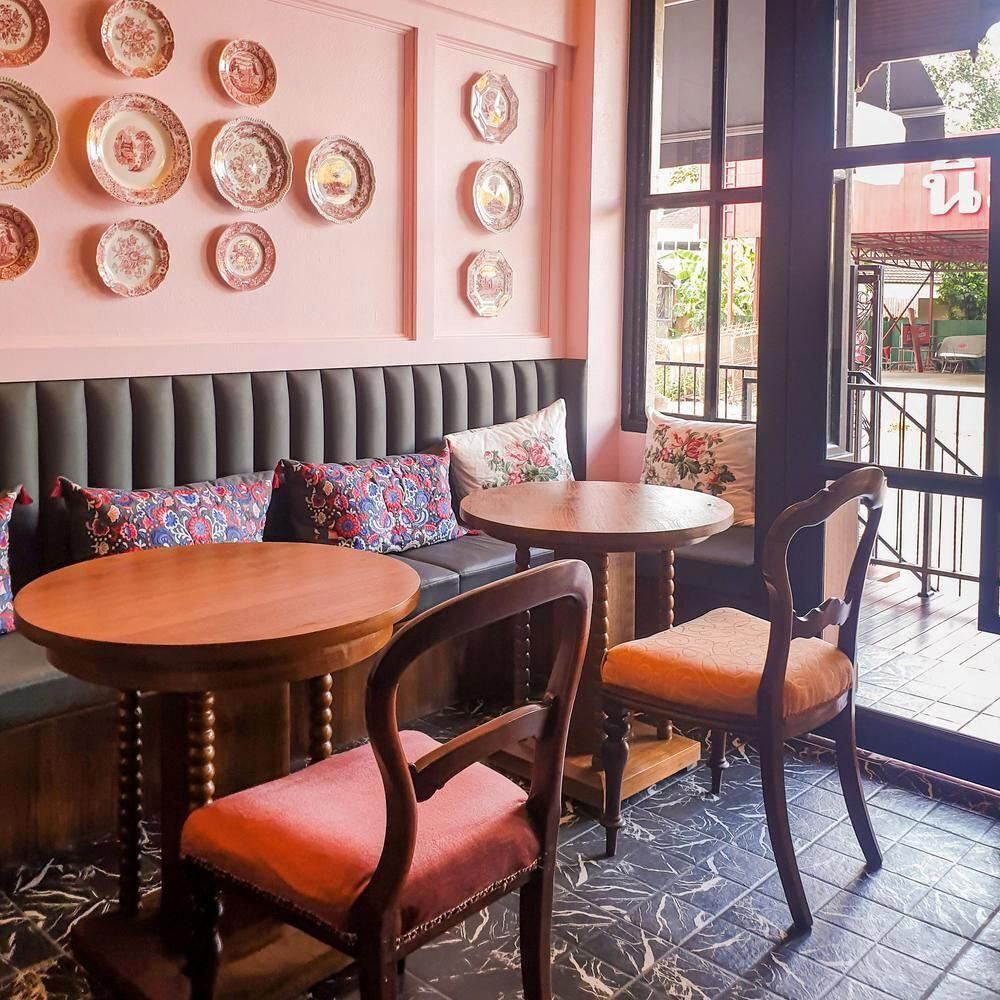
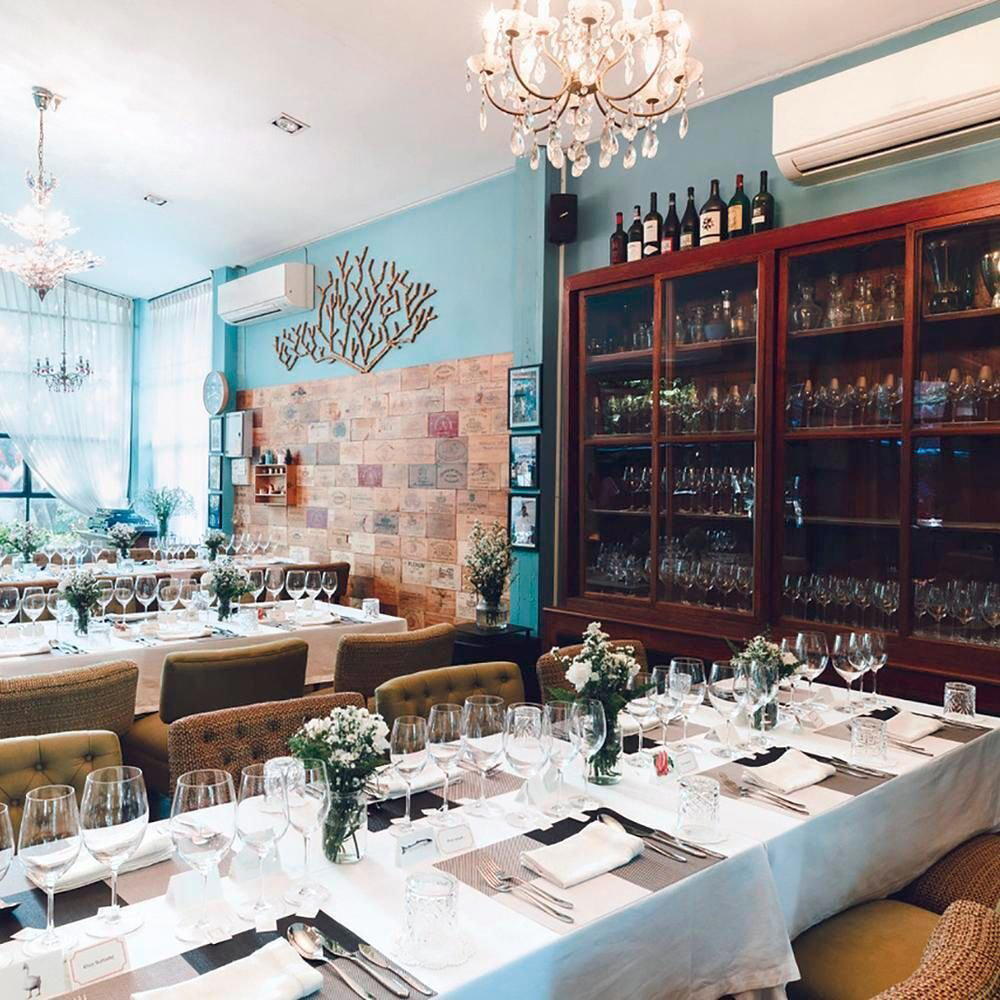
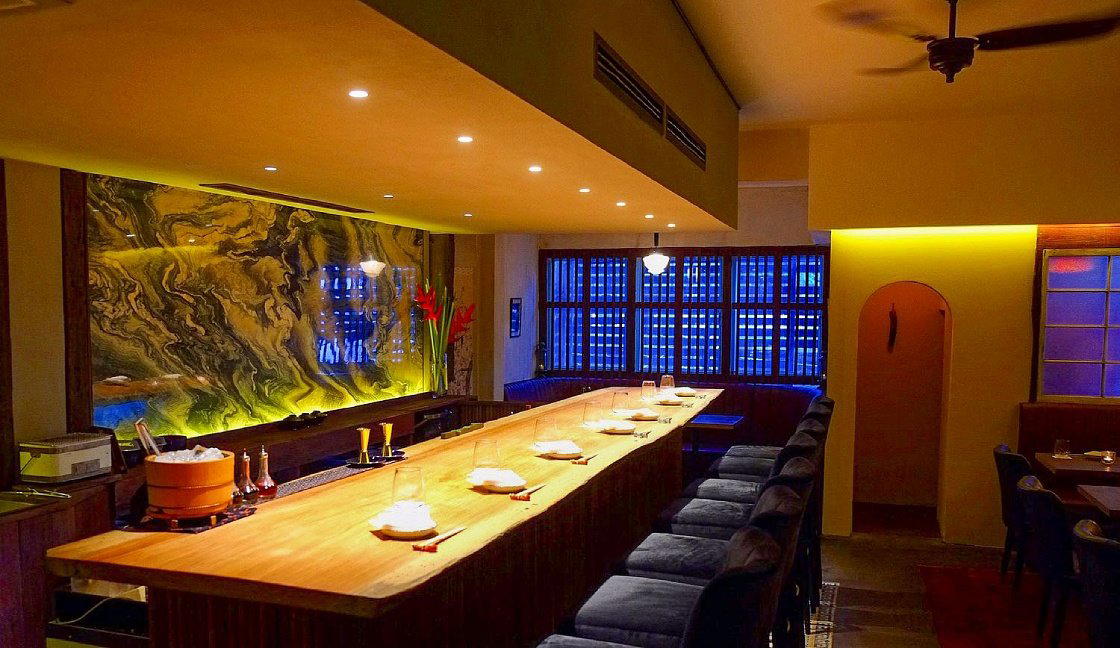
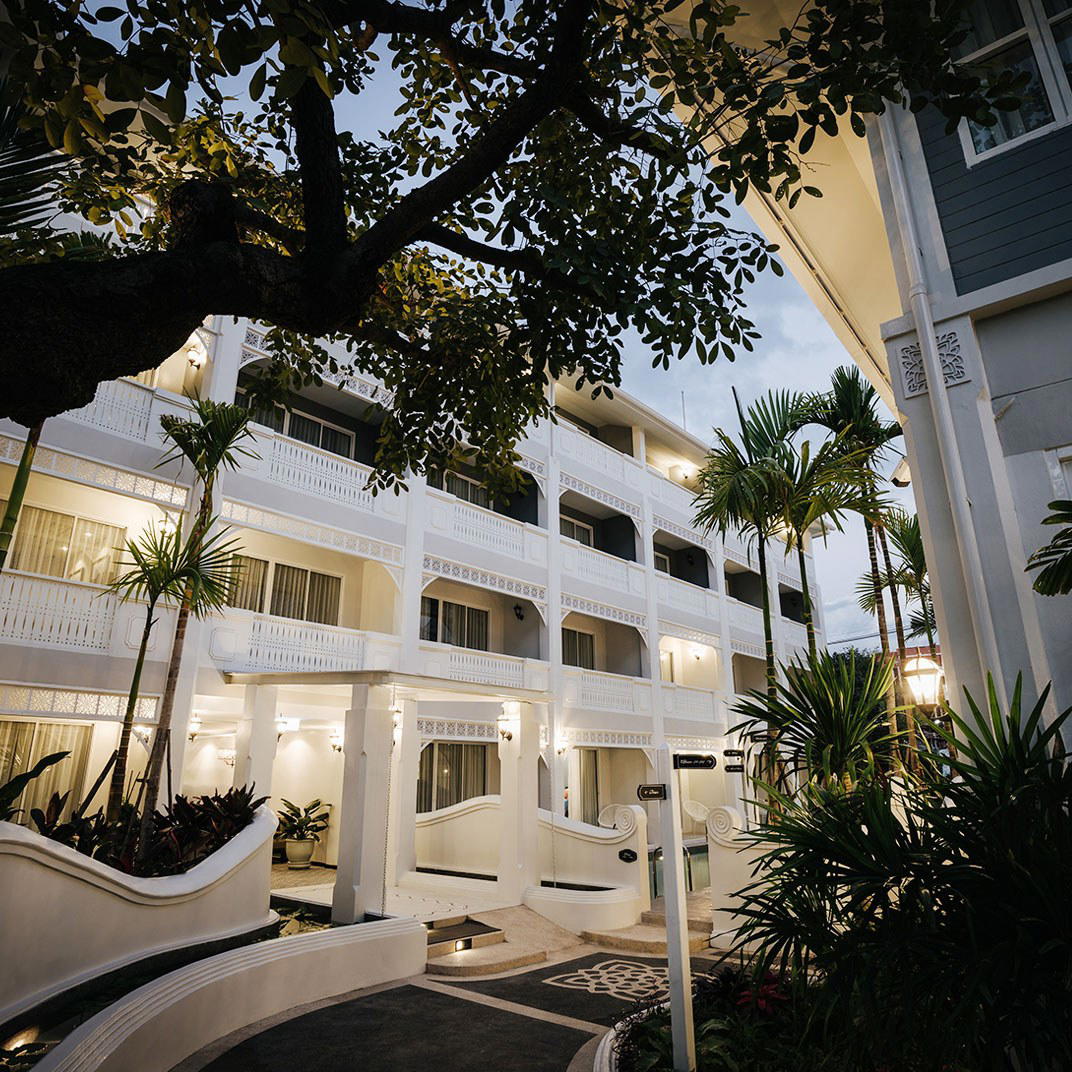
Located inside Chiang Mai's Jing Jai Market, Kang brings together Indonesian, Malaysian and Thai cooking under one relaxed, sharing-friendly roof. Opened in 2023 and recognised with a Michelin Plate in 2025, it earns its recognition through made-to-order dishes and a menu built around the broader flavour traditions of maritime Southeast Asia. The Nasi Lemak and aromatic curries are the dishes to anchor your order around.

Pearl is the En Primeur Club membership app, where members save venues, book tables and use the concierge.
A Market Setting That Sets the Tone
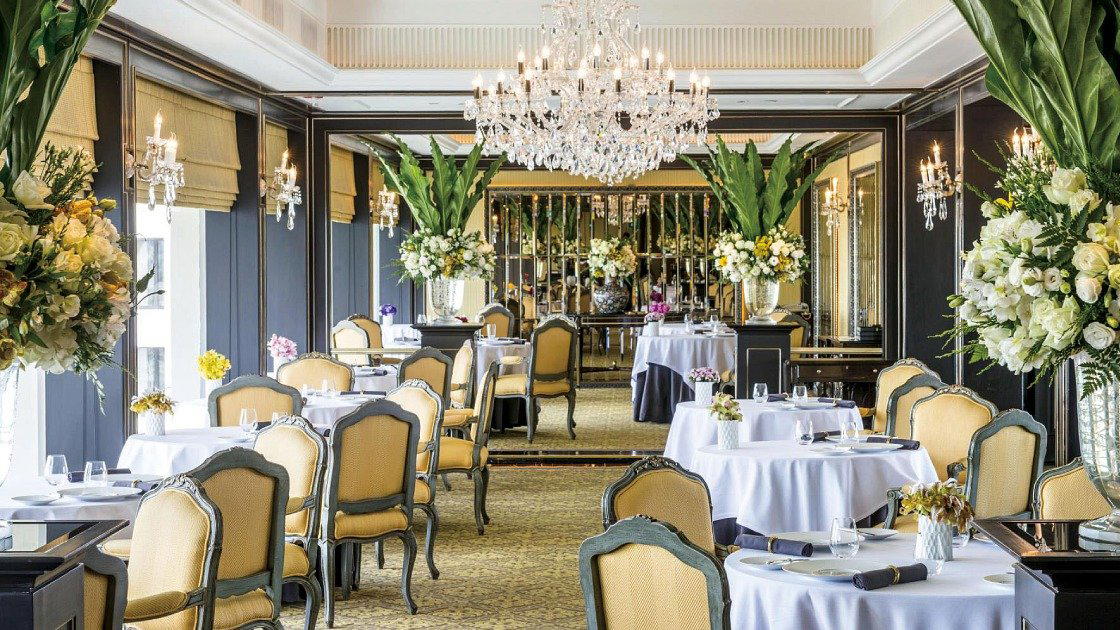
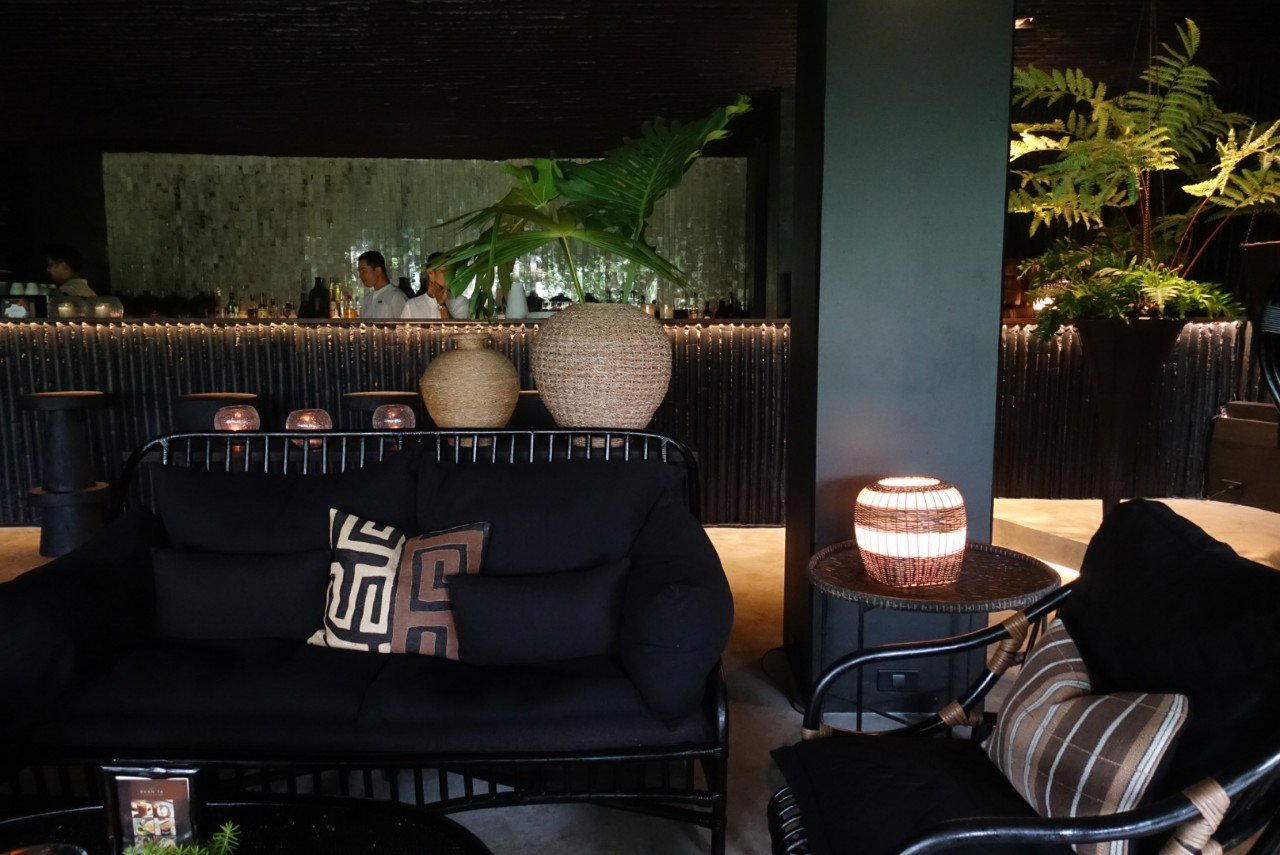
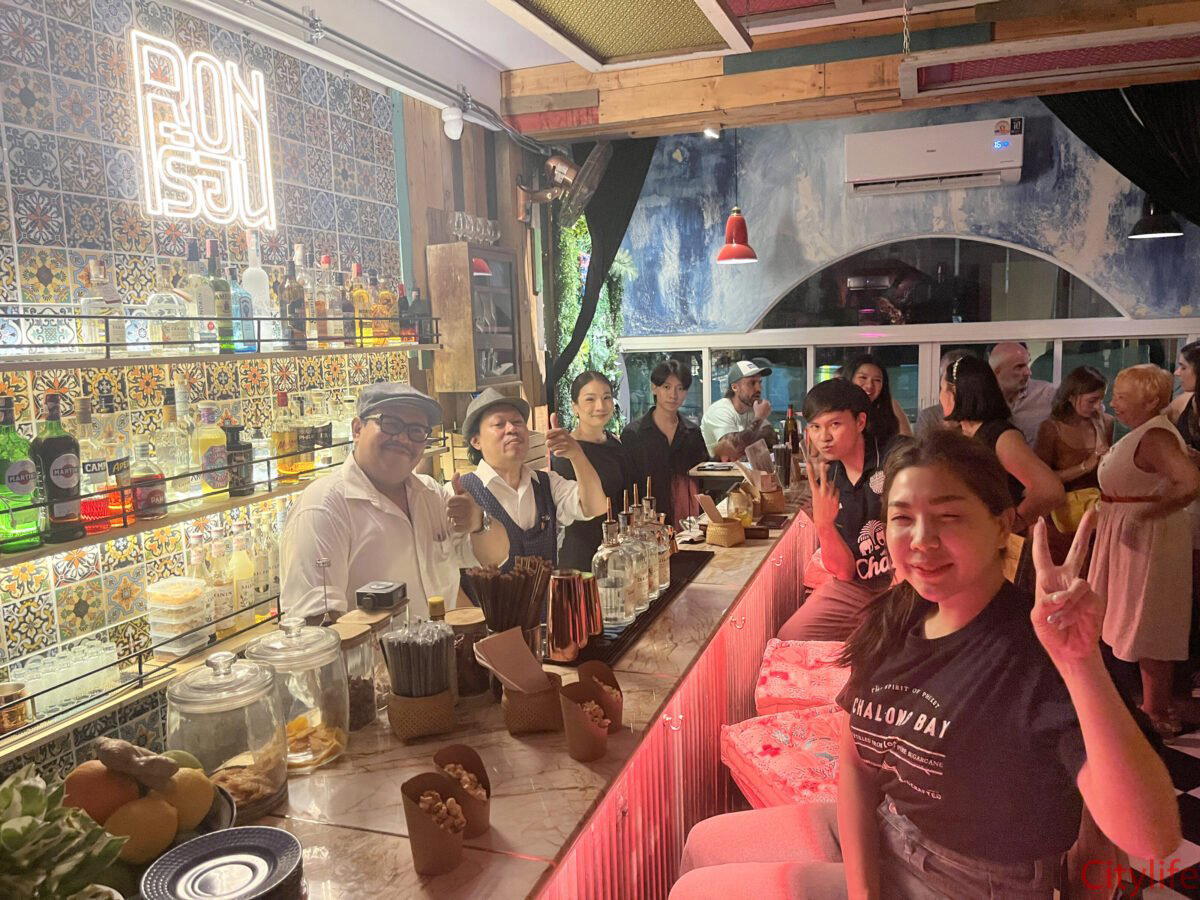
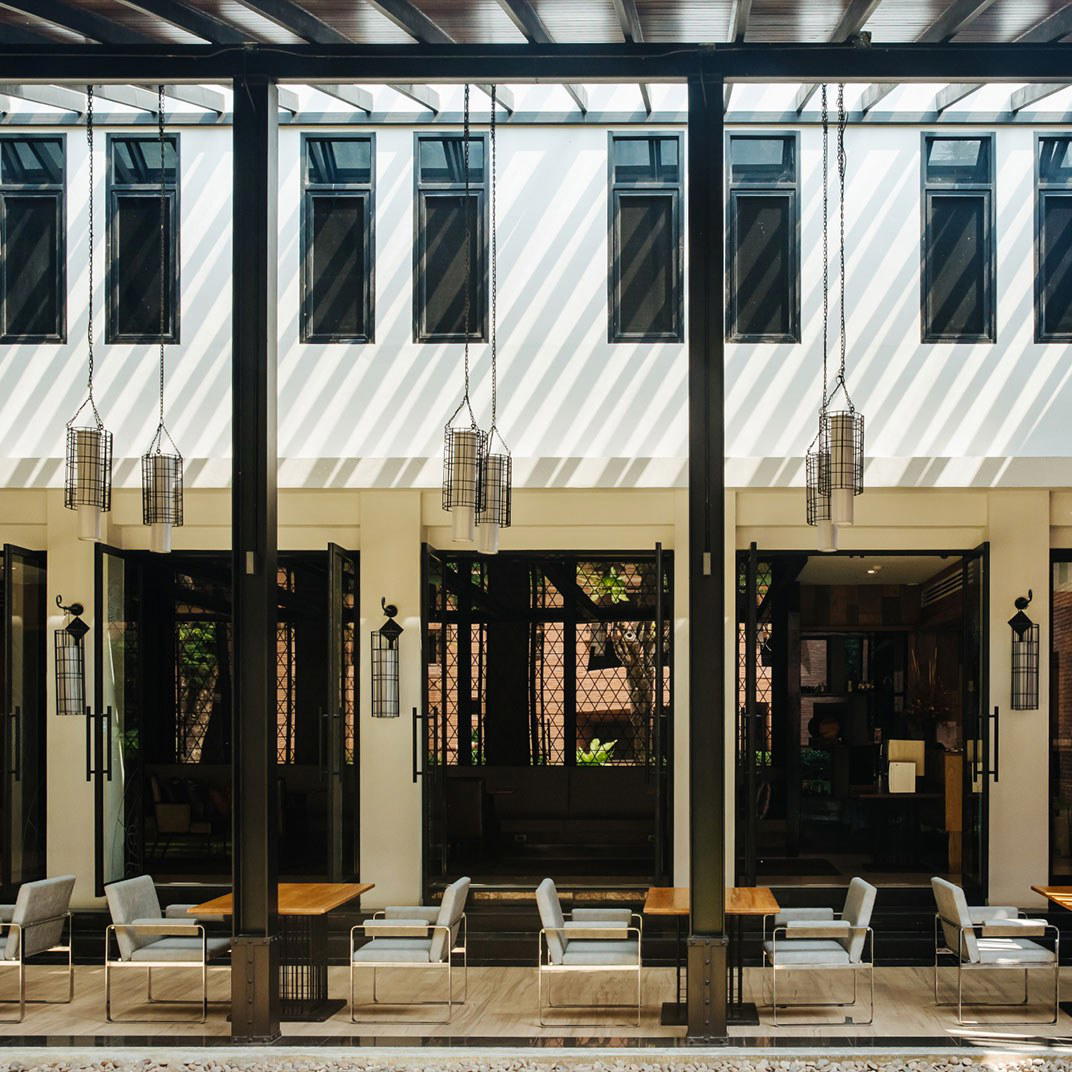
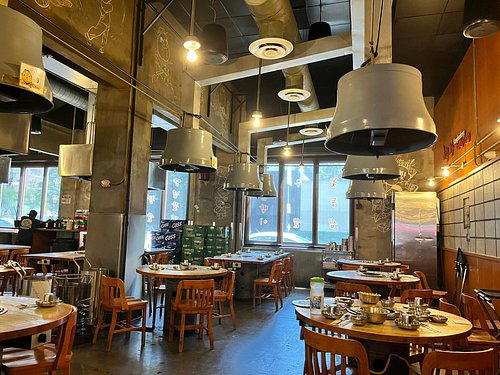
Jing Jai Market occupies a particular position in Chiang Mai's food scene: part farmers' market, part creative incubator, it draws a crowd that is comfortable waiting for food made properly rather than food made fast. That context matters for understanding what Kang is doing here. The setting is open, informal and deliberately unhurried, the kind of place where the physical environment encourages you to sit longer, order another dish, and treat the meal as an occasion rather than a transaction.
The Logic Behind the Menu
The menu at Kang functions as a cross-border survey of maritime Southeast Asian cooking, drawing from Indonesian, Malaysian and Thai traditions in roughly equal measure. This is an editorial choice worth examining, because it runs against the grain of how most Chiang Mai restaurants position themselves. Northern Thai cooking dominates the city's mid-range dining scene, with places like Baan Landai and Aunt Aoy Kitchen offering deeply regional menus rooted in Lanna culinary tradition. Baan Suan Mae Rim takes a similar approach with a garden-setting emphasis. Kang makes a different argument: that the shared flavour grammar of Southeast Asia, aromatics built on galangal, lemongrass, coconut and dried spice, is a coherent enough thread to weave across national borders.
The sharing format reinforces that argument structurally. A menu designed for individual ordering would force diners to commit to a single national tradition. A sharing menu allows the table to move across Indonesian rendang logic, Malaysian coconut rice preparation and Thai curry spicing in a single sitting, treating contrast as a feature rather than an inconsistency.
How the Dishes Are Built
Everything is made to order. That detail is not incidental to the menu's architecture; it determines what the kitchen can and cannot put on the list. Made-to-order cooking at a market venue signals a deliberate choice to prioritise texture and freshness over throughput. Dishes that depend on aromatics blooming in hot oil, or on coconut milk reducing to the right consistency, cannot be pre-batched without losing something essential. The patience this requires from diners is, in that sense, a quality signal.
The Nasi Lemak is the dish the venue itself highlights as a reference point. In Malaysian cooking, Nasi Lemak is a benchmark preparation precisely because its components, coconut-fat-infused rice, sambal, crispy anchovies, egg and cucumber, are simple enough that any imprecision shows. The fact that Kang centres this dish on the menu rather than a more forgiving showpiece suggests some confidence in execution. The aromatic curries, presented as a second anchor category, pull from a broader regional palette and are the natural order for a group eating across the menu.
For diners comparing Kang's positioning to Thai Southeast Asian cooking elsewhere in the country, the contrast is instructive. Sorn in Bangkok takes a hyper-regional Southern Thai approach at the opposite end of the formality spectrum. AKKEE in Pak Kret and Chuan Kitchen in Pak Kret operate within more defined geographic traditions. Farang in Stockholm interprets Southeast Asian cooking through a Nordic lens. Kang's cross-border approach sits in a different lane from all of them, closer in spirit to a Southeast Asian regionalism that does not privilege any single national cuisine.
Kang in Chiang Mai's Broader Dining Context
Chiang Mai's restaurant scene has broadened considerably over the past five years. Venues like Aeeen have developed credible vegetarian programming, and Aquila has demonstrated that Italian cooking can find a serious audience in the city. At the same time, the mid-range market-adjacent tier, the price bracket where Kang operates at ฿฿, has become more competitive, with diners showing greater willingness to seek out venues outside the Old City and Nimman corridors.
Jing Jai Market itself is a useful address in that context. The market's weekend morning sessions draw a mix of expat residents, local families and food-oriented visitors who approach eating as the point of the outing rather than a secondary activity. Kang is positioned squarely within that audience, offering a format and price point that suits a table arriving hungry and willing to work through several shared dishes.
Elsewhere in Thailand's Michelin-recognised casual tier, venues like Agave in Ubon Ratchathani and Angeum in Phra Nakhon Si Ayutthaya show how regional Thai cities have developed their own Michelin-recognised dining outside Bangkok and the island resorts. Kang's 2025 Michelin Plate fits that national pattern: recognition extending to venues that do something specific well in a local context, rather than aiming at the formal fine-dining tier occupied by places like PRU in Phuket.
Planning Your Visit
Kang sits at 46 Atsadathon Road, Pa Tan Sub-district, inside Jing Jai Market in Chiang Mai's northern residential belt. The ฿฿ price positioning keeps it accessible relative to the city's fine-dining tier, and the sharing format means two to four people will get the most from the menu by ordering across multiple categories. Because dishes are made to order, arriving without time pressure is advisable; this is not a venue suited to a 45-minute window. For those building a fuller Chiang Mai itinerary, our full Chiang Mai restaurants guide covers the city's dining range in detail, alongside the Chiang Mai hotels guide, bars guide, wineries guide and experiences guide.
What to Eat at Kang
What should I eat at Kang?
The Nasi Lemak is the dish the venue identifies as its signature, and it is the natural starting point. As a Malaysian preparation with tightly interdependent components, it functions as a useful read on the kitchen's precision. For a broader cross-section of what the menu offers, order one or two of the aromatic curries alongside; they bring the Indonesian and Thai threads of the menu into the conversation and give the table a range of textures and spice registers to work across. The sharing format is designed for exactly this kind of lateral ordering rather than individual plates, so a group of three or four will cover the menu's range more effectively than a solo diner or a pair limiting themselves to two dishes. Bear in mind that everything is made to order, so the full picture of the meal arrives over time rather than in one wave.
Frequently asked questions
What cuisine category does Kang fall under?
Where exactly is Kang?
Kang is located at Jing Jai Market, 46 Atsadathon Rd, Pa Tan Sub-district, Mueang Chiang Mai District, Chiang Mai 50300, Thailand, Chiang Mai.
Does Kang have a Michelin star or similar recognition?
Kang has received recognition including: Opened in 2023, Kang is a fresh addition to Jing Jai Market. It offers a cosy retreat with a laid-back approach to dining, plus a menu that's ideal for sharing the highlights of Indonesian, Malaysian and Thai cuisine with friends. We sugges….
What should I eat at Kang?
The Nasi Lemak is the kitchen's signature dish and the clearest expression of Kang's cross-border approach, drawing on Malaysian tradition within a menu that also spans Indonesian and Thai cooking. The curries are another focal point, built to order rather than held in a pot, which means the aromatics arrive intact. Given the made-to-order format, ordering a spread of two or three dishes to share across the table is a practical strategy and matches how the menu is structured.
Is Kang more mid-range or high-end?
Pricing at Kang is listed as ฿฿.
How It Stacks Up
| Venue | Cuisine | Price | Awards | Notes |
|---|---|---|---|---|
| KangThis venue (the venue you are viewing) | Southern Thai, Indonesian & Malaysian Flavors | $10–20 | Michelin Plate | Not listed |
| Busarin Cuisine | Northern Thai | $10–20 | Michelin Plate | ฿฿ |
| Chai | Authentic South Indian & North Indian Cuisine | $1–10 | Michelin Bib Gourmand | Street Food, ฿฿ |
| Dan Chicken Rice (San Sai) | Thai Hainanese-Style Chicken Rice | $1–10 | Michelin Bib Gourmand | Small eats, ฿ |
| Ekachan | Regional Thai Cuisine | $10–20 | Michelin Plate | Thai, ฿฿ |
| Khao Soi Mae Manee | Northern Thai Khao Soi | $1–10 | Not listed | Noodle Shop |
Recognition history
Dated appearances from independent guides and award organizations, with the underlying list record or original source where available.
Michelin Plate
Michelin
Full recognition history (3 entries)
Michelin Plate
Michelin
Michelin Plate
Michelin