Bodhi occupies a quiet stretch of Ligsalzstraße in Munich's Westend, a neighbourhood that has quietly accumulated some of the city's more considered independent dining over the past decade. The address alone signals something apart from the tourist-facing restaurant belt around Marienplatz. Details on format, pricing, and booking are best confirmed directly with the venue before visiting.
Pearl is the En Primeur Club membership app — saves, bookings, and concierge access live there. Same editors, same standards.
- Address
- Ligsalzstraße 23, 80339 München, Germany
- Phone
- +498941142458
- Website
- bodhivegan.de
- Directions
- Get directions
 Saves & bookings on Pearl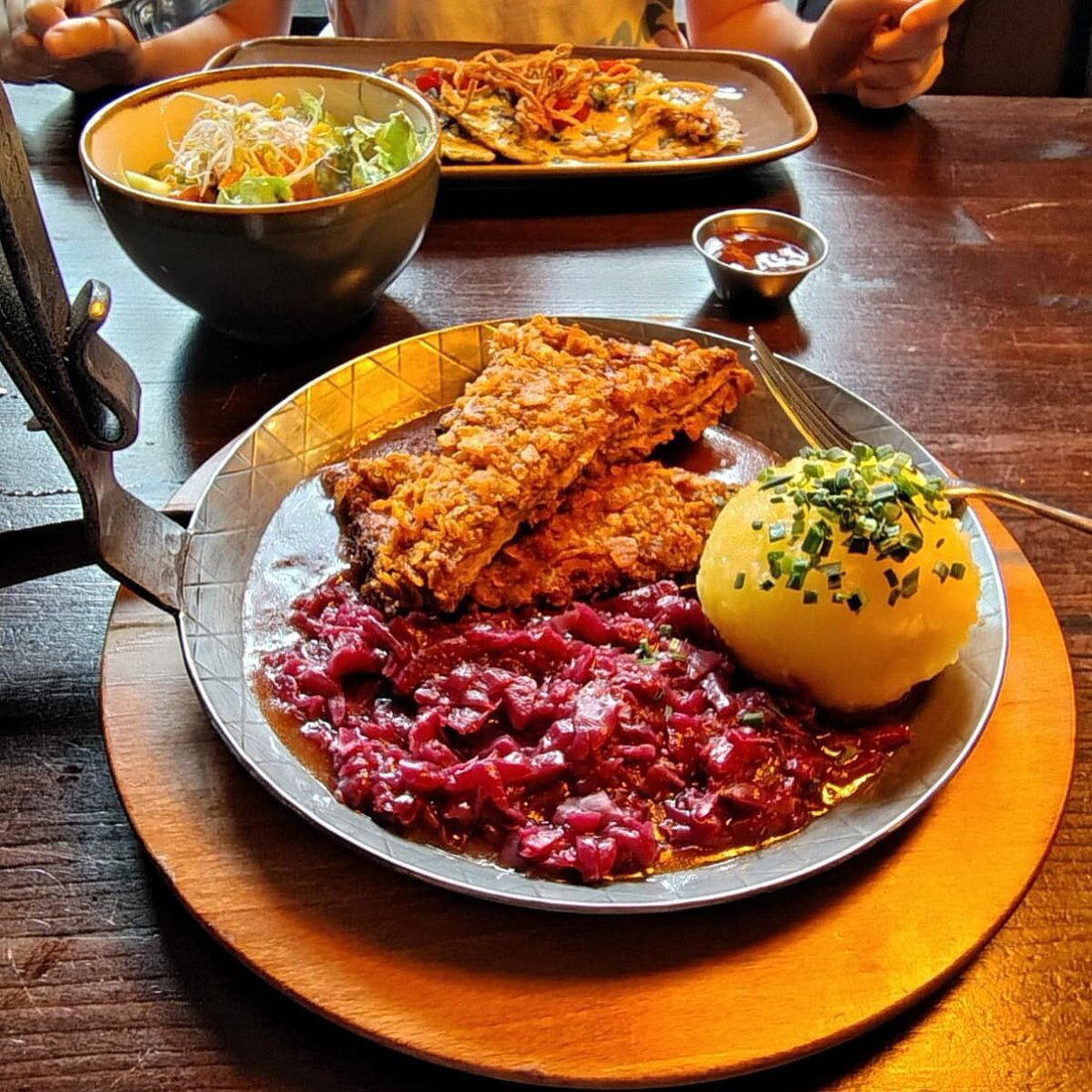
Westend's Quieter Frequency
Munich's restaurant conversation tends to cluster around a handful of well-documented addresses: the grand-occasion rooms of Tantris, the creative tasting menus at JAN, the cross-cultural precision of Tohru in der Schreiberei, or the institution-within-an-institution format at Alois - Dallmayr Fine Dining. These venues operate in a recognisable register: formal, credentialled, priced at the upper end of the city's range. What sits outside that conversation is often harder to map but sometimes more telling about where a city's dining culture is actually moving.
Bodhi is a vegan Bavarian comfort food restaurant at Ligsalzstraße 23 in Munich's Westend district. The Westend is not a neighbourhood that trades on dining prestige. South and west of the Theresienwiese, it has historically been a working-class quarter with a dense immigrant population and a food culture shaped more by utility than occasion. Over the past decade, incremental gentrification has brought independent operators into the area without fully erasing that character. The result is a neighbourhood where a restaurant's physical container, its relationship to the street and the surrounding block, carries more communicative weight than a Michelin listing or a famous postcode.
The Space as the Argument
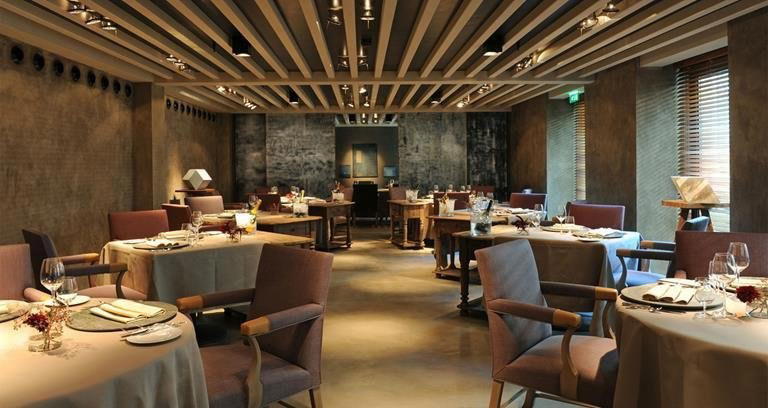
In German fine-dining rooms from Schwarzwaldstube in Baiersbronn to Aqua in Wolfsburg, the physical environment tends to signal category membership before a single plate arrives. Room proportions, acoustic treatment, table spacing, lighting temperature: these are not incidental choices but coordinated arguments about where a venue sits in the hierarchy. A broader European comparison holds the same logic, from Vendôme in Bergisch Gladbach to Le Bernardin in New York City, where the dining room architecture does substantial work in establishing expectation before the food does.
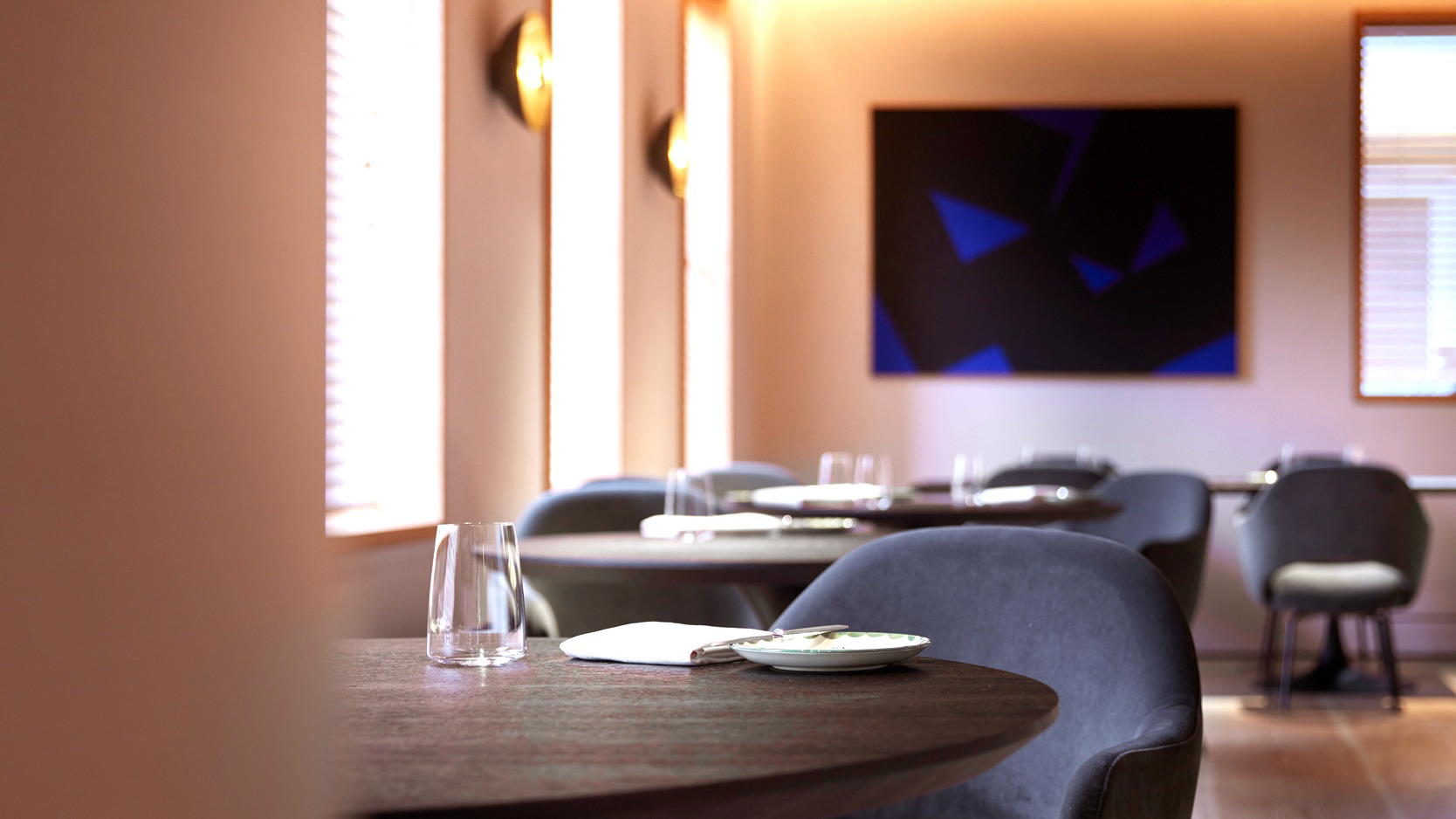
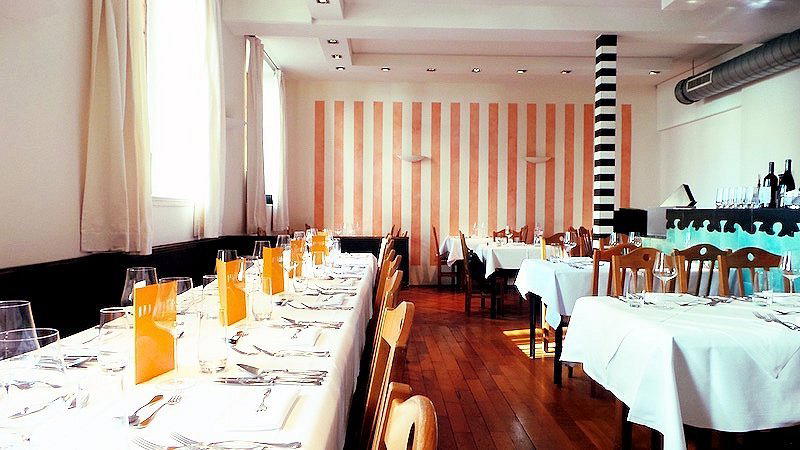
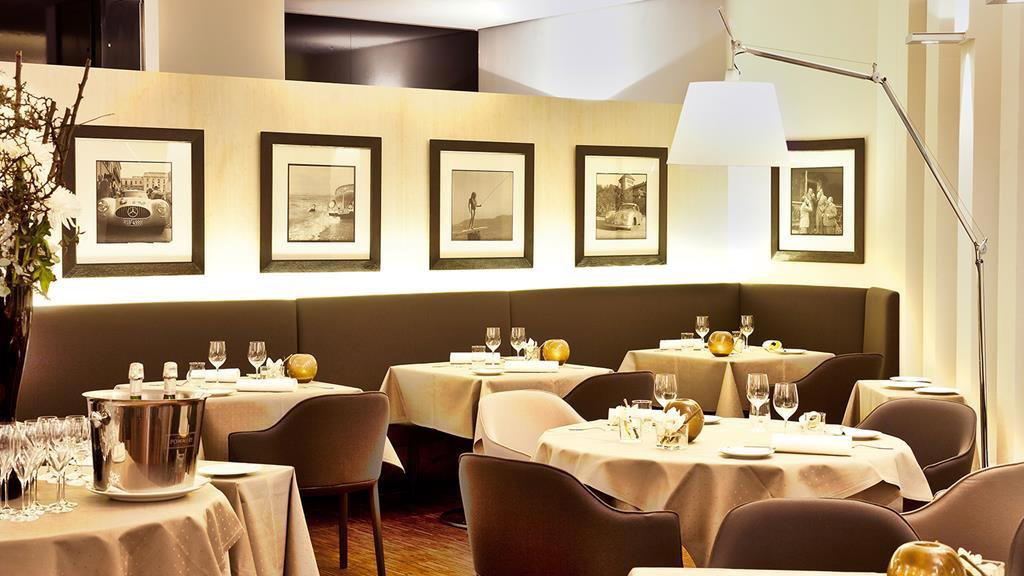
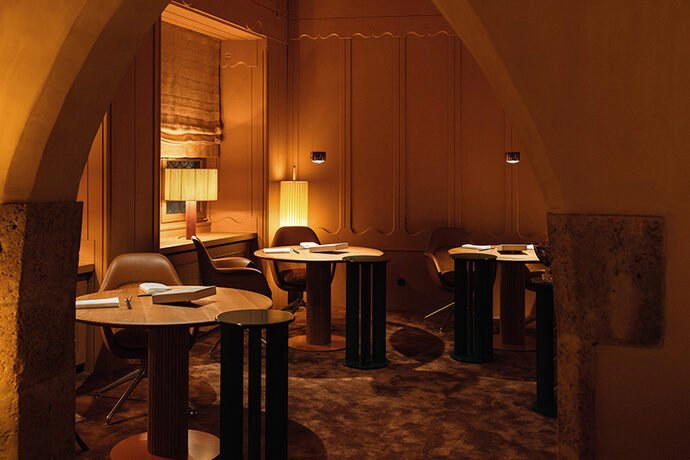
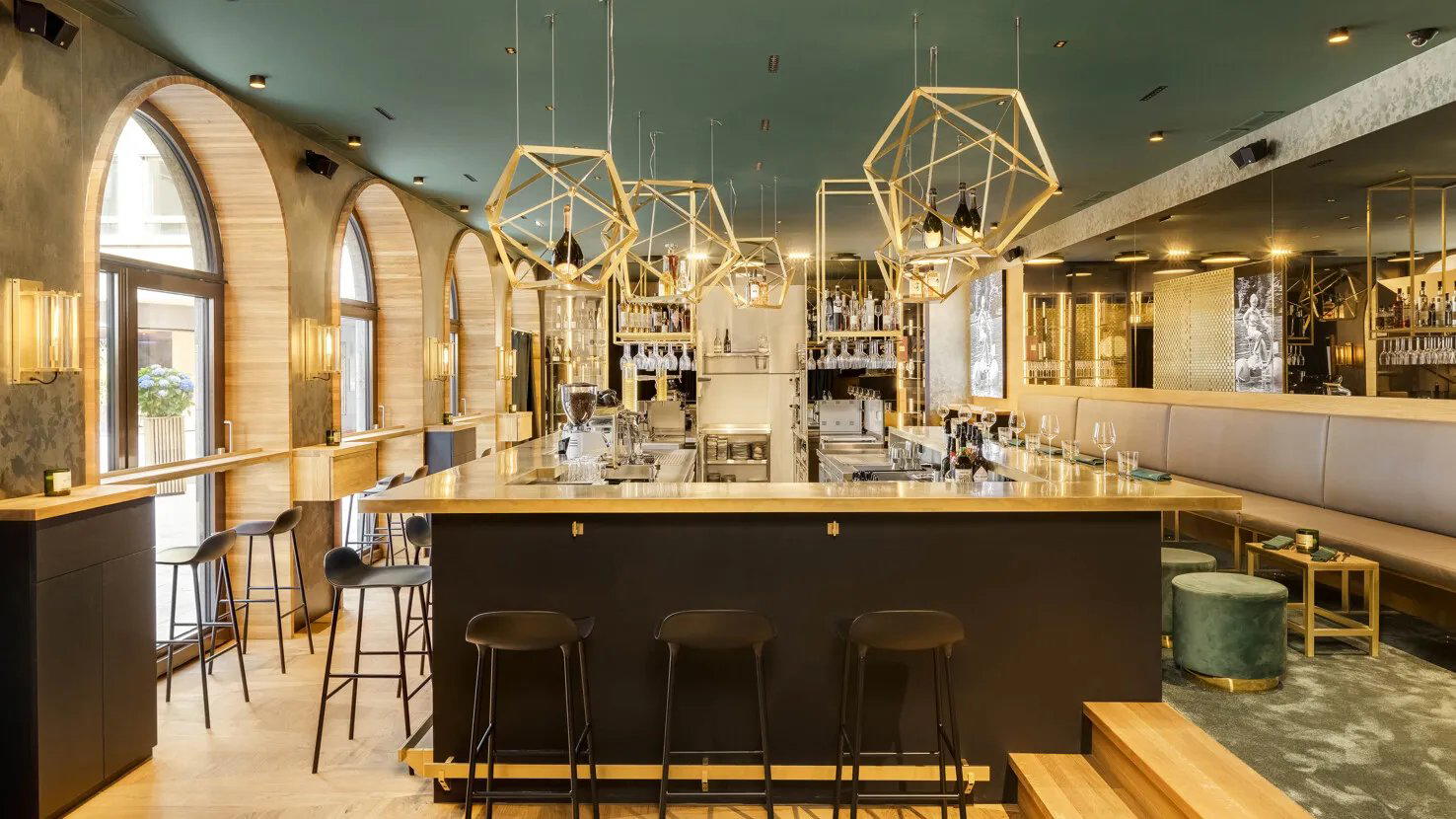
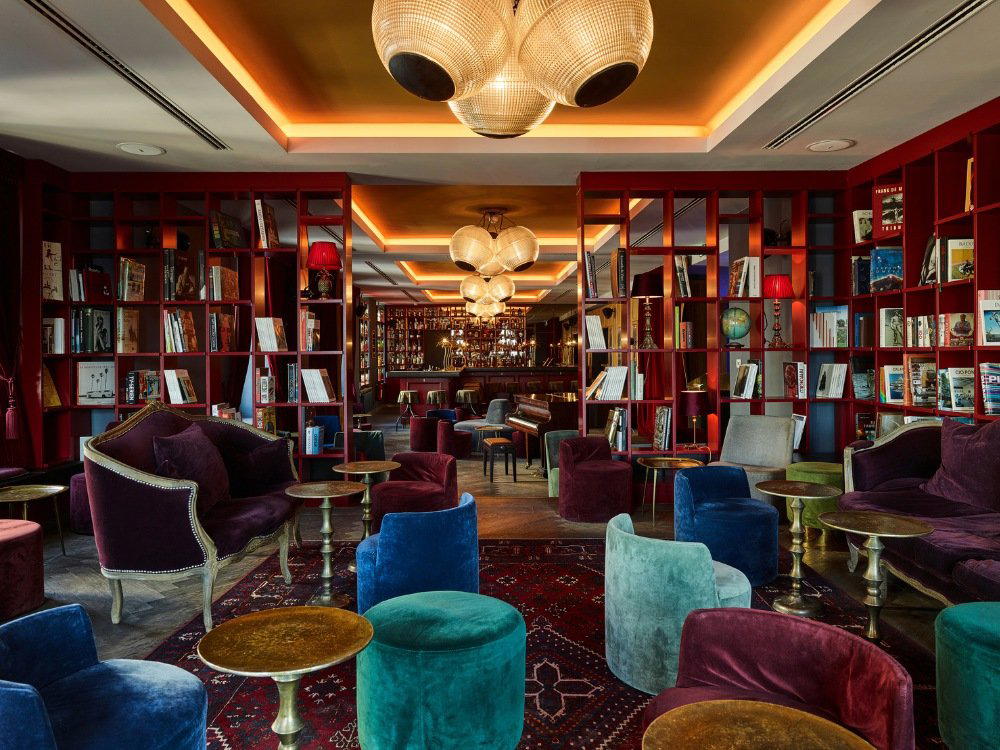
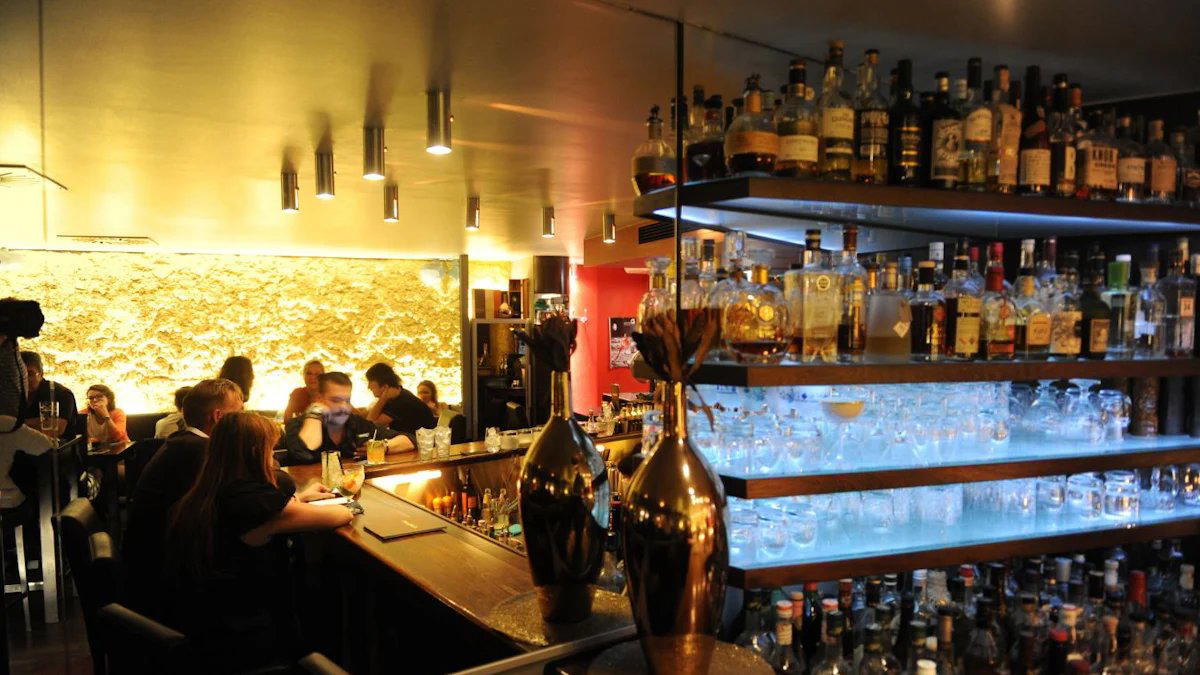
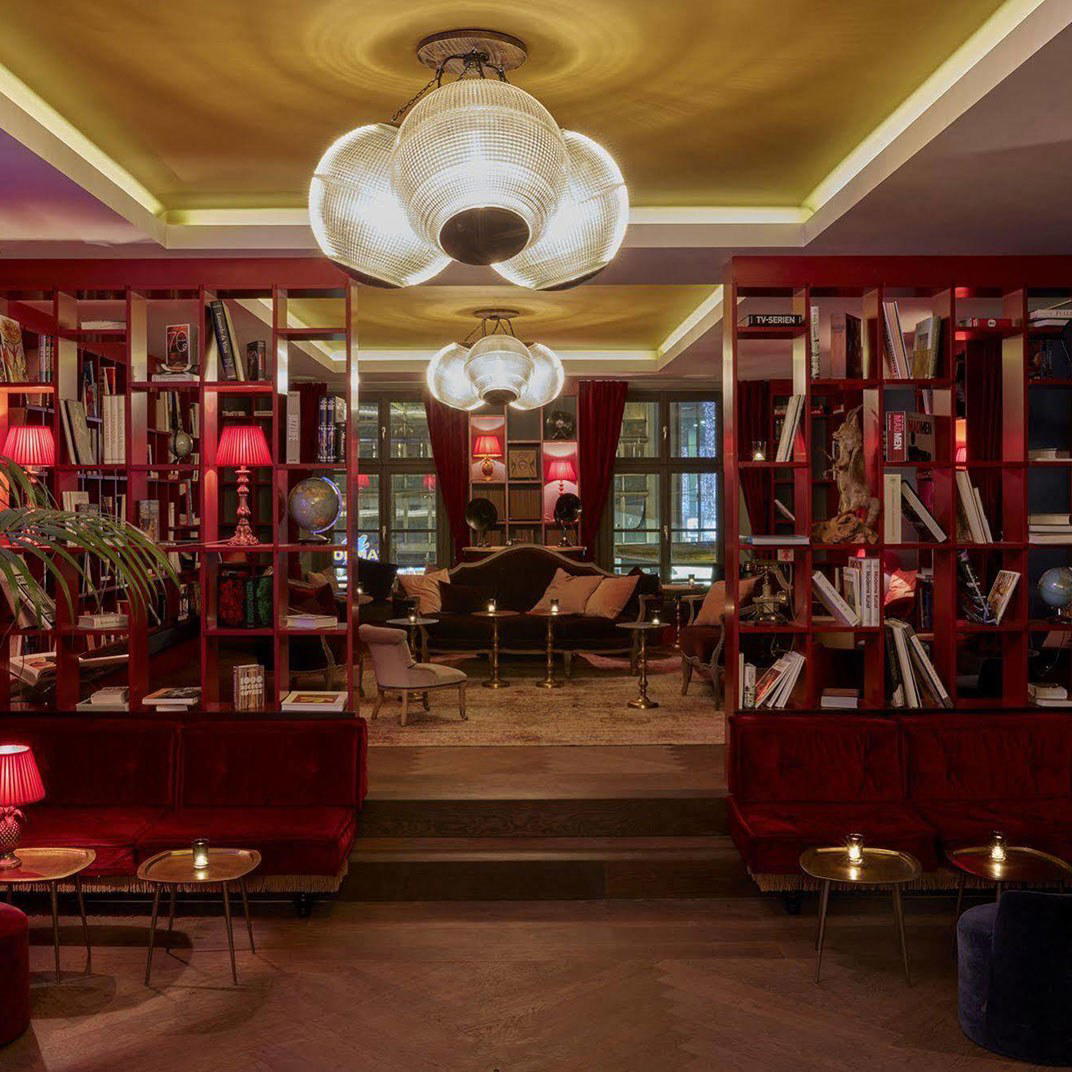
Bodhi's address on Ligsalzstraße reads as a deliberate counterpoint to that tradition. The street is residential and commercial in roughly equal measure, with no particular dining destination energy. A restaurant choosing this location over a more visible address in Maxvorstadt or along the Isar is already making a statement about its intended audience and the kind of experience it wants to construct. Neighbourhood-embedded restaurants in this mould tend to build interiors that acknowledge the surrounding context rather than insulating against it: materials that reference the building's age, scale calibrated to the floor plate of a converted ground-floor space rather than a purpose-built dining room.
What the address and neighbourhood context suggest is a space operating closer to the considered-casual tier than to the ceremonial dining rooms found at Atelier or Waldhotel Sonnora in Dreis. That tier has its own discipline: the absence of white-tablecloth formality does not reduce the demands on a space; if anything, it raises them, because the room has to carry atmosphere without the borrowed authority of formal service choreography.
Where Bodhi Sits in Munich's Current Independent Scene
Munich's independent restaurant sector has expanded meaningfully since the mid-2010s, partly because rising real estate costs in central districts pushed operators toward fringe neighbourhoods where longer leases and lower fit-out costs made viable what would otherwise be marginal economics. The Westend benefited from this dynamic alongside Giesing and parts of Schwabing that had lost their earlier cachet. The venues that emerged from this pattern tend to share certain characteristics: smaller rooms, owner-operated formats, menus that change with supply rather than being locked into a fixed identity for marketing purposes.
Germany's broader restaurant scene shows the same pattern at a national scale. Concepts like CODA Dessert Dining in Berlin or ES:SENZ in Grassau have demonstrated that format discipline and spatial coherence matter as much as classical credential signals in establishing a serious restaurant. Even at the more accessible end, venues in secondary neighbourhoods have shown that a well-composed room and a consistent editorial point of view on food can generate a following without reliance on a guidebook listing.
Bodhi operates in this environment.
Practical Notes for a Visit
Ligsalzstraße 23 is reachable from central Munich via the U-Bahn to Schwanthalerhöhe or by tram along Landsberger Straße, placing it within fifteen to twenty minutes of the Altstadt by public transport. The Westend's street grid is manageable on foot from the main station if conditions allow.
Bodhi is an essential reservation, casual dress restaurant with an estimated price of about $25 per person.
Those building a broader trip through German fine dining might note that the comparison set shifts considerably once you move beyond Munich. Schanz in Piesport, Victor's Fine Dining by Christian Bau in Perl, and Restaurant Haerlin in Hamburg all occupy a different register, one where the room, the service architecture, and the menu format have been refined over many years and many covers. Bagatelle in Trier and Lazy Bear in San Francisco represent different takes on the communal and intimate format that neighbourhood restaurants like bodhi often share, worth considering as reference points when calibrating expectations.
- Bodhi-Pfanderl
- Seitan duck breast
- Tempeh schnitzel
- Kasspatzn
- Tempeh rouladen
- Tempeh burger
Cost Snapshot
Comparable venues nearby, for context on price, style, and recognition.
| Venue | Cuisine | Price | Notes |
|---|---|---|---|
| bodhiThis venue — the venue you are viewing | Neuhausen, Vegan Bavarian Comfort Food | $$ | Not listed |
| Zum Franziskaner | Lehel, Traditional Bavarian | $$ | Not listed |
| Hofbräuhaus München | Altstadt, Traditional Bavarian Beer Hall | $$ | Not listed |
| Michaeligarten Restaurant | Not listed | $$ | Rammersdorf, Traditional Bavarian Beer Garden |
| Miss Lilly's | Not listed | $$ | Au, German Cafe with Regional Specialties |
| Klinglwirt | Haidhausen, Organic Bavarian Tavern | $$ | Not listed |
At a Glance
- Cozy
- Rustic
- Lively
- Bohemian
- Casual Hangout
- Group Dining
- After Work
- Standalone
- Beer Program
- Craft Cocktails
Current opening hours
- Monday
- 5–11:45 PM
- Tuesday
- 5–11:45 PM
- Wednesday
- 5–11:45 PM
- Thursday
- 5–11:45 PM
- Friday
- 5–11:45 PM
- Saturday
- 12–11:45 PM
- Sunday
- 12–11:45 PM
Hours can change for holidays and private events. Last verified .