
Kamakura Waku sits in the higher tier of Kamakura dining: Japanese cuisine in a house-restaurant setting, selected for Tabelog Japanese Cuisine EAST “Tabelog 100” in 2025 and 2023. The appeal is ritual rather than spectacle, with fish, sake, shochu, wine, private rooms, counter seating, and a pace suited to a meal treated as an evening rather than a stop between temples.
Pearl is the En Primeur Club membership app — saves, bookings, and concierge access live there. Same editors, same standards.
- Address
- 2 Chome-3-28 Yuigahama, Kamakura, Kanagawa 248-0014, Japan
- Phone
- +81 467-38-8200
- Website
- kamakurawaku.com
 Saves & bookings on Pearl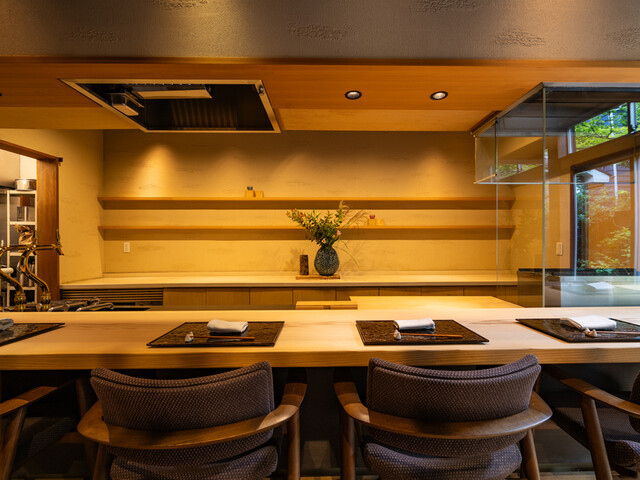
Yuigahama changes the register of Kamakura dining. The town’s temple routes and beach traffic can make eating here feel casual by default, but the quieter residential lanes support a different rhythm: small rooms, longer meals, and Japanese cooking that asks guests to settle in rather than graze. Kamakura Waku belongs to that slower register, a house-restaurant format where the meal reads as a sequence, not a checklist.
Kamakura’s restaurant culture is often split between daytime bakeries, cafés, and seafood-leaning casual rooms on one side, and reservation-led Japanese cuisine on the other. The contrast matters. Grandir Ensemble, KIBIYA Bakery Honten, La for e t et la table, ETE Kamakura, and mbs 46.7 speak to the low-key, daily-use side of the city; Kamakura Waku operates in a higher-commitment bracket, where pacing, etiquette, and a more formal spend define the decision. That difference is not only about price. It is about how much of the day the meal is allowed to occupy.
A Kamakura meal built around sequence and restraint
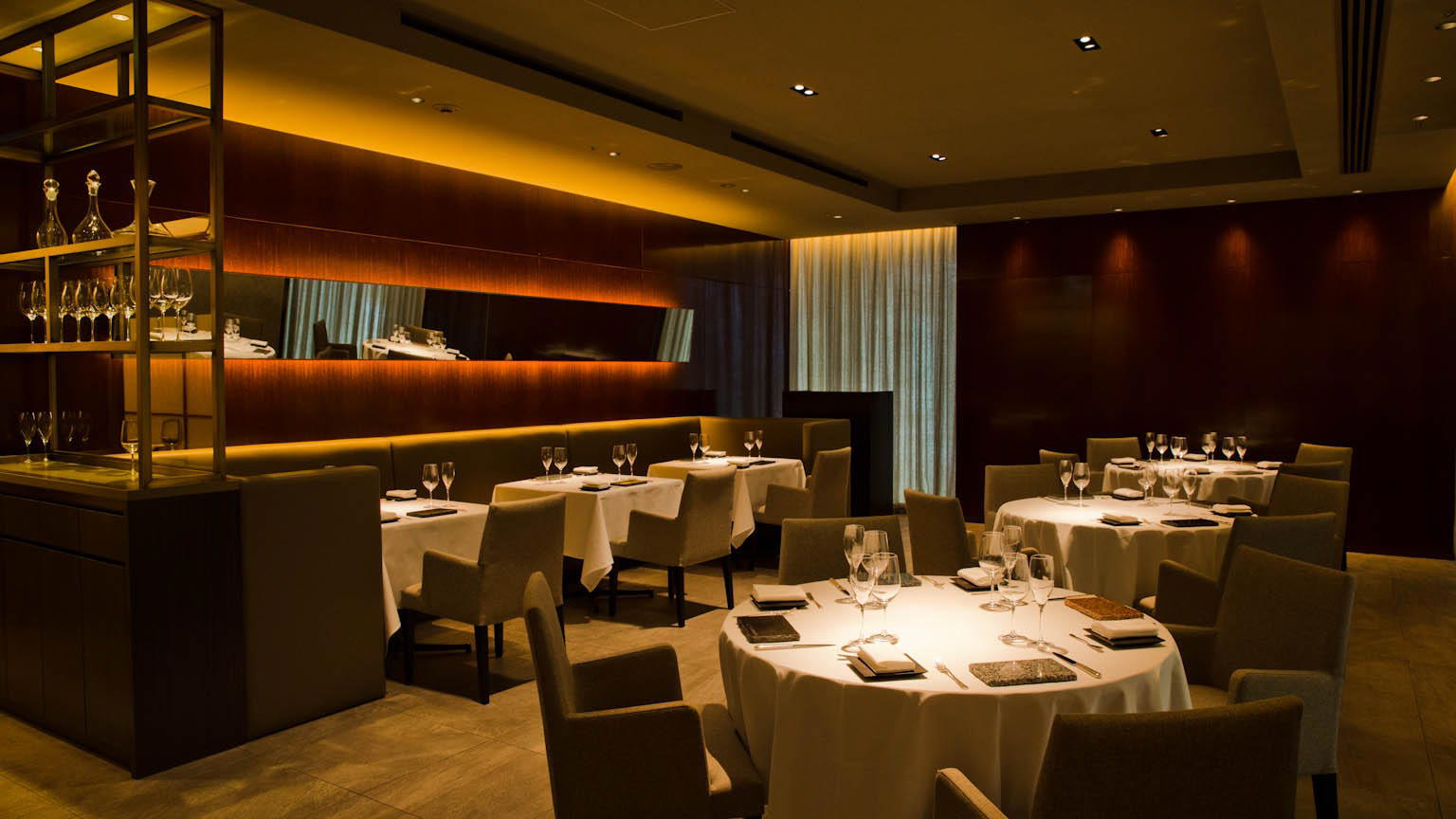
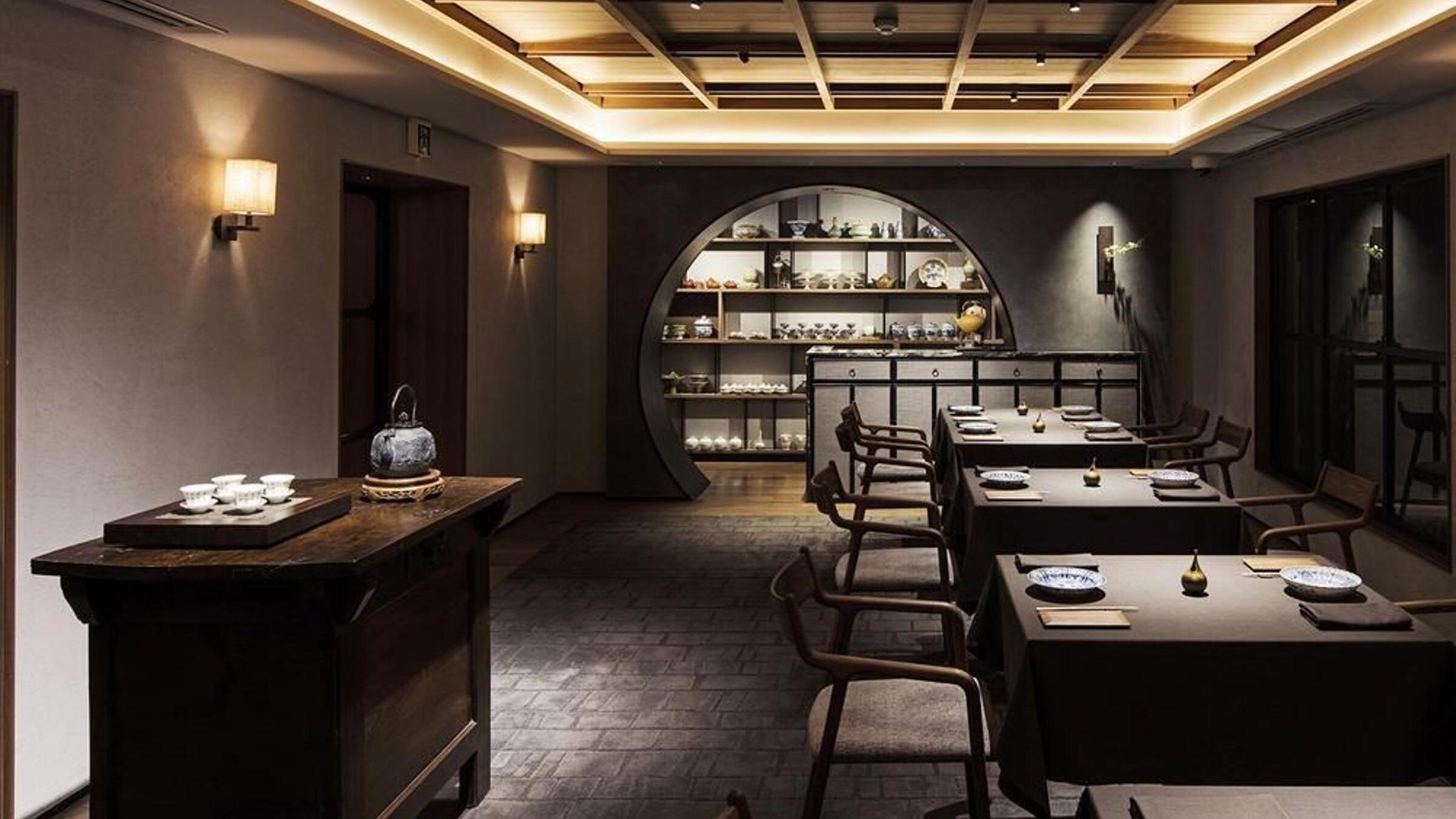
Japanese cuisine in a historic coastal city carries an expectation of seasonality, fish literacy, and quiet control. Kamakura does not need the density of Tokyo’s counter culture to make that point; its advantage is scale. A smaller dining room can make the ritual feel less theatrical and more domestic, especially when private rooms and counter seating sit within the same format. Here, the point is not performance for its own sake. It is the disciplined progression of a Japanese meal, where drinks, timing, and room temperature conversation shape the evening as much as the cooking category itself.
The publicly listed cues are useful. Fish is singled out, and the drinks program includes sake, shochu, and wine, a trio that places the restaurant inside a contemporary Japanese dining pattern rather than a strictly traditional one. Sake remains the natural axis for much of the cuisine, but wine now appears regularly at serious Japanese tables outside Tokyo, especially when seafood, vegetables, and lighter preparations need acidity rather than weight. Shochu adds another register: less ceremonial than sake, more flexible across richer courses, and increasingly relevant for diners who want Japanese drinking culture without making the entire evening about nihonshu.
The award context sharpens the read. Selection for Tabelog Japanese Cuisine EAST “Tabelog 100” in both 2025 and 2023 puts the restaurant in a recognized regional group for Japanese cuisine rather than a general popularity list. Tabelog’s Japanese dining audience is exacting, and a 3.67 score in that environment signals a restaurant being judged against specialist expectations. In Kamakura, that matters because the city’s visitor economy can reward charm and location; this level of recognition points instead to technique, consistency, and category fit.
The ritual is formal, but the room is not severe
Useful distinction is between formality and stiffness. A reservation-only Japanese meal with longer pacing asks for commitment, but the listed family-friendly details and private rooms suggest a room built for real occasions, not only trophy dining. That is a Kamakura trait worth noticing. The city has residents, repeat visitors, multigenerational day trips, and celebratory meals that do not always resemble Tokyo’s hushed counter hierarchy. A serious Japanese restaurant here has to serve ceremony without turning the evening into an endurance test.
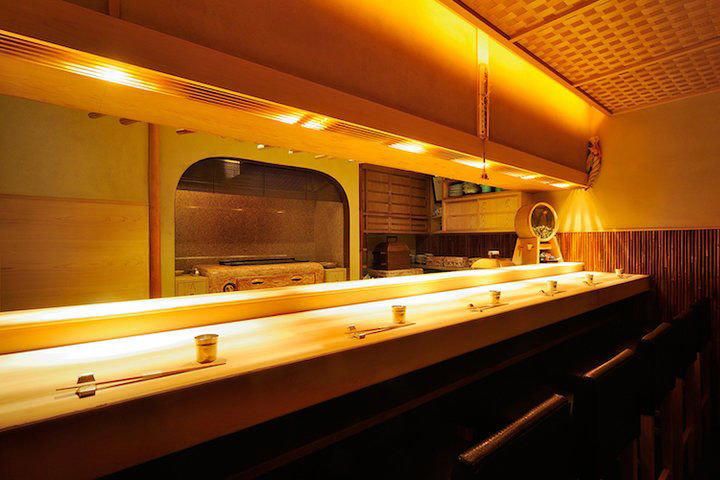
Counter seating changes the encounter. It lets the meal feel more immediate, though not necessarily more casual; in Japanese cuisine, the counter can heighten attention to order, temperature, and timing. Private rooms do the opposite, giving groups a protected pace and reducing the pressure to perform expertise. That flexibility makes sense in Kamakura, where dining occasions often sit between tourism and family ritual. The same room can serve a couple who wants focus and a small group marking an event, provided the guests understand that this is not a quick stop.
For visitors mapping a broader Kamakura day, the useful comparison is not another temple-side lunch but the city’s full dining range. arbre noir YAKUMI, Bergfeld Kamakura honten, Cabbage Batake, Cafe Vivement Dimanche, and CALVA frame the city’s casual and daytime habits, while Our full Kamakura restaurants guide gives the wider view. For a stay built around the meal rather than a day trip, pair the restaurant search with Our full Kamakura hotels guide, and for a fuller itinerary use Our full Kamakura bars guide, Our full Kamakura wineries guide, and Our full Kamakura experiences guide.
How to place it in a Japan dining itinerary
Kamakura Waku makes sense for diners who already understand that Japanese cuisine outside the capital can be more revealing than a second high-pressure Tokyo booking. Tokyo offers density; Kamakura offers context. A meal here sits after shrine paths, coastal air, and a slower evening tempo, which changes the way the ritual lands. The restaurant is less useful for diners chasing novelty and more useful for those tracking how regional Japanese dining balances formal structure with local pace.
That distinction also helps international travelers compare the choice across Japan and beyond. A Tokyo izakaya-leaning meal such as. 鮪と炭火焼き うお炭 秋葉原店 in Tokyo, a café stop like.cafe in Osaka, a regional room such as.know in Kumamoto, or a specialized curry address like [Curry Senmon Ten] Maruyama Kyoju. in Sapporo each solves a different dining problem. (Shoku) Vietnam in Kawasaki shows the pull of non-Japanese cooking in the broader Kanto region, while [ki:] in Kyoto belongs to a city where tradition is filtered through another kind of cultural pressure. Outside Japan, Jōdo Saké Bar in Los Angeles and Onigiri Time in Pasadena show how Japanese formats travel, simplify, or specialize abroad.
The editorial verdict is clear: this is a serious Kamakura Japanese restaurant for diners who value pacing, drinks alignment, and occasion over novelty. The Tabelog 100 selections give it external validation, but the better reason to go is structural. In a city often reduced to temples, beaches, and daytime snacks, it gives the evening a formal center.
Cuisine Lens
Side-by-side context: comparable cuisine and price.
| Venue | Cuisine | Price | Notes |
|---|---|---|---|
| Kamakura WakuThis venue — the venue you are viewing | Seasonal Japanese Kaiseki | $$$ | Not listed |
| -Grilled beef Sukiyaki- KAMAKURA TANUKIAN 鎌倉 たぬき庵 | Grilled Wagyu Sukiyaki | $$$ | Kamakura |
| Cabbage Batake | Okonomiyaki (Japanese savory pancakes) | $$ | Kamakura |
| Kikuta | Japanese Izakaya | $$ | Kamakura |
| Kamakura Naniwaya | Traditional Japanese Taiyaki & Wagashi Shop | $ | Kamakura |
| Moana Makai Sango Sho | Japanese Curry | $$ | Kamakura |
Recognition history
Dated appearances from independent guides and award organizations, with the underlying list record or original source where available.
Tabelog 100 #56 · No. 56
Tabelog · Tabelog 100 - Japanese cuisine - EAST - 2025








At a Glance
- Quiet
- Elegant
- Classic
- Sophisticated
- Date Night
- Business Dinner
- Celebration
- Special Occasion
- Private Event
- Private Dining
- Standalone
- Sake Program
- Extensive Wine List
- Local Sourcing
- Sustainable Seafood
- Street Scene
Current opening hours
- Monday
- 6–10 PM
- Tuesday
- 6–10 PM
- Wednesday
- Closed
- Thursday
- 6–10 PM
- Friday
- 6–10 PM
- Saturday
- 6–10 PM
- Sunday
- 6–10 PM
Hours can change for holidays and private events. Last verified .
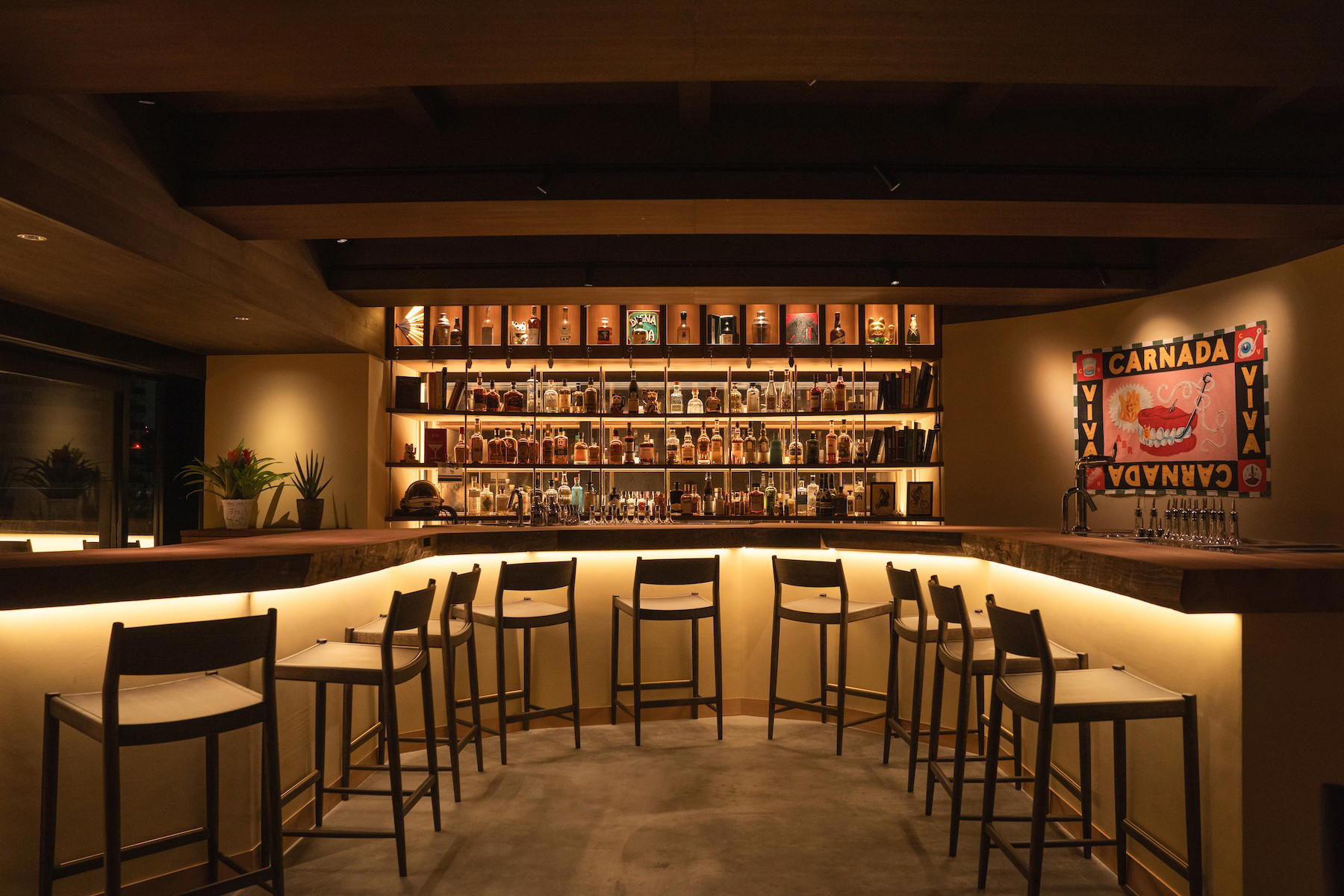
A quiet, intimate Japanese dining space focused on seasonal refinement and a sense of calm, with a traditional atmosphere suited to leisurely course meals.