
Kamakura Naniwaya belongs to Kamakura’s low-key wagashi culture: a compact counter format built around taiyaki, obanyaki, and kakigori rather than a long café stay. Its Tabelog 100 selection for Japanese traditional sweets and cafés in East Japan in 2023 gives it a clear quality signal inside a category where craft is often judged in small increments.
Pearl is the En Primeur Club membership app — saves, bookings, and concierge access live there. Same editors, same standards.
- Address
- Japan, 〒248-0006 Kanagawa, Kamakura, Komachi, 1 Chome−7−8 TAK鎌倉ビル
- Phone
- +81 467-23-8810
 Saves & bookings on Pearl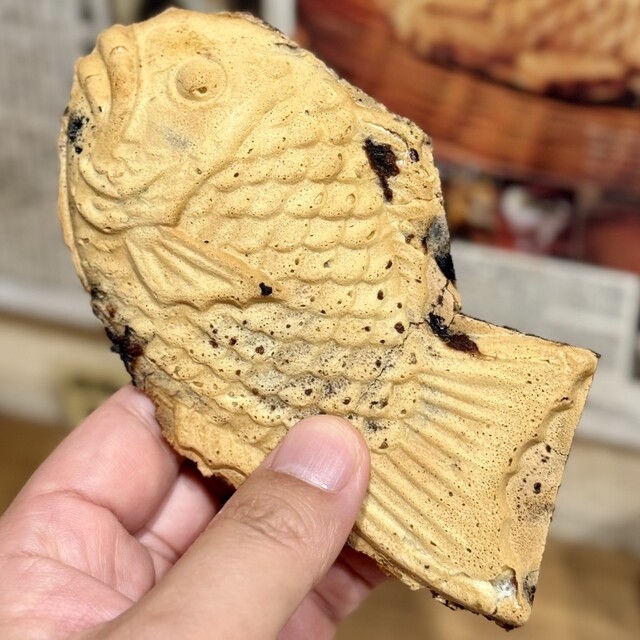
Komachi’s food streets work at walking pace: temple visitors, station traffic, and snack counters compressed into a few blocks. In that setting, the serious sweet shops are not trying to behave like restaurants. They deal in heat, batter, bean paste, ice, and timing, with the transaction often closer to a pause than a meal. Kamakura Naniwaya fits that grammar: a five-seat counter and take-out format where taiyaki, obanyaki, and kakigori put Japanese sweets into a practical, street-level register.
Taiyaki and kakigori as Kamakura street craft, not dessert theatre
Kamakura’s sweet-shop culture sits between pilgrimage-town snacking and Tokyo-adjacent day-trip discipline. The city has enough footfall to support casual eating, but the better wagashi and kissaten addresses tend to keep their formats tight. That matters because taiyaki and obanyaki punish scale. Batter timing, filling temperature, and turnover are the work; too much menu sprawl turns the category into souvenir food.
The useful reading of Kamakura Naniwaya is not as a café substitute but as a specialist sweets stop. Taiyaki and obanyaki place it in the hot griddle tradition, while kakigori moves the shop into Japan’s seasonal shaved-ice culture, where texture and syrup balance carry more weight than decorative excess. The Tabelog 100 selection for Japanese traditional sweets and Japanese sweets cafés in East Japan in 2023 gives the address a public quality marker in a field dominated by small shops rather than luxury dining rooms.
Ingredient sourcing is the quiet issue in this genre. Wagashi depends on inputs that look plain on paper: flour, beans, sugar, ice, fruit, dairy, tea, or syrup depending on the item. The better shops treat those basics as the product rather than as vehicles for novelty. In Kamakura, that restraint reads well. The city already supplies the spectacle outside the door; the food works harder when it keeps to form.
A five-seat counter changes the rhythm of a sweets stop
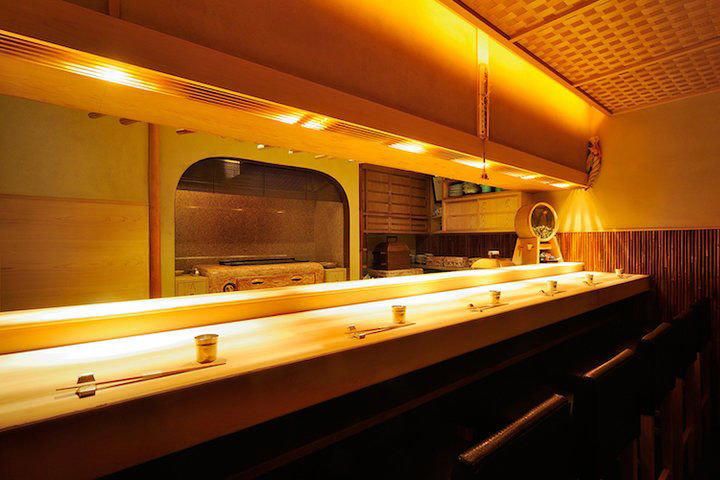
With only five seats and counter seating, the experience belongs to the quick, low-capacity end of Kamakura dining. That puts it closer to Nagon Shiruko Ten and Toshimaya Karyo Hatokoji, both operating in the inexpensive sweets lane, than to a fuller meal at Oryori Tomiyama. It also differs from the coffee-house rhythm of Iwata Coffee Ten or Cafe Vivement Dimanche, where lingering is part of the point. Here, the compactness is the editorial fact: the format keeps attention on turnover, heat, and the immediate condition of the sweets.
Reservations are available for taiyaki, while kakigori is not reservable. That split says something useful about the operation. Taiyaki can be planned around batch rhythm; shaved ice depends more on same-day flow and demand. For travelers, the implication is simple: treat the shop as a narrow-format stop rather than an all-purpose café plan. The category rewards flexibility, especially in a city where weather, shrine traffic, and weekend rail arrivals can change the mood of Komachi quickly.
The price tier also shapes the decision. This is not a premium tasting-counter expense disguised as casual food; it sits in Kamakura’s sub-¥1,000 sweets bracket, where the comparison is less about luxury and more about precision per bite. In a city with serious restaurants, bakeries, cafés, and snack counters packed into a small walking radius, that price position keeps it useful even for travelers already holding lunch or dinner plans elsewhere.
How to place it within a Kamakura food day
The strongest case for Kamakura Naniwaya is as a calibrated break in the city’s eating sequence. Kamakura rewards staggered dining: coffee before the temple circuit, something small in Komachi, a proper lunch or dinner later. A sweets counter with take-out service suits that pattern better than a long sit-down. It also lets the ingredient story stay legible. Taiyaki and obanyaki are judged by proportion and condition; kakigori is judged by ice, syrup, and temperature. None of those needs a long menu explanation.
There is a family-friendly signal here, and solo diners are also a natural fit. That combination is common in good Japanese snack formats: the food is approachable, the spend is contained, and the room does not demand ceremony. The non-smoking policy and children-welcome listing make it easier to fold into a day with mixed ages, though the small seat count means expectations should stay practical.
For a broader read on the city, compare this sweets-counter lane with nearby Kamakura food categories: arbre noir YAKUMI, Bergfeld Kamakura honten, Cabbage Batake, Cafe Vivement Dimanche, and CALVA show how compact the city’s eating map can be. Use Our full Kamakura restaurants guide, Our full Kamakura hotels guide, Our full Kamakura bars guide, Our full Kamakura wineries guide, and Our full Kamakura experiences guide to map the rest of the trip.
EP Club’s wider Japan and Japanese-food coverage includes. 鮪と炭火焼き うお炭 秋葉原店 in Tokyo.cafe in Osaka.know in Kumamoto, (Shoku) Vietnam in Kawasaki, [Curry Senmon Ten] Maruyama Kyoju. in Sapporo, [ki:] in Kyoto, Jōdo Saké Bar in Los Angeles, and Onigiri Time in Pasadena.
How It Stacks Up
Nearby venues at a similar price tier for orientation.
| Venue | Cuisine | Price | Notes |
|---|---|---|---|
| Kamakura Naniwaya | Traditional Japanese Taiyaki & Wagashi Shop | $ | Kamakura |
| Sabou Kirara | Traditional Japanese sweets cafe (wagashi & shaved ice) | $ | Kamakura |
| Taiyaki Namihei | Traditional Japanese taiyaki & vegan-friendly bakery | $ | Kamakura |
| arbre noir YAKUMI | Japanese sweets and condiments | $ | Kamakura |
| Oryori Tomiyama | Traditional Japanese donburi & set meals | $$ | Kamakura |
| Caraway | Japanese Western-style curry house | $ | Kamakura |
Recognition history
Dated appearances from independent guides and award organizations, with the underlying list record or original source where available.
Tabelog 100 #93 · No. 93
Tabelog · Tabelog 100 - Japanese traditional sweets / Japanese sweets cafe - EAST - 2023









At a Glance
- Cozy
- Classic
- Solo
- Family
- Casual Hangout
- Late Night
- Standalone
Current opening hours
- Monday
- Closed
- Tuesday
- 11 AM–6 PM
- Wednesday
- 11 AM–6 PM
- Thursday
- 11 AM–6 PM
- Friday
- 11 AM–6 PM
- Saturday
- 11 AM–6 PM
- Sunday
- 11 AM–6 PM
Hours can change for holidays and private events. Last verified .
A small, simple wagashi shop with just a few seats, a casual counter-service feel, and a relaxed atmosphere suited to quick snacks rather than lingering meals.