Kaieteur Kitchen Original
Kaieteur Kitchen Original sits at Castle Square in Elephant and Castle, bringing Guyanese and Caribbean cooking to a corner of south London that has long operated outside the city's formal dining circuit. The menu draws on traditions that rarely surface in London restaurants, making it a useful marker for anyone tracking how the capital's migrant food culture continues to reshape its eating scene.
Pearl is the En Primeur Club membership app — saves, bookings, and concierge access live there. Same editors, same standards.
- Address
- Castle Square, Elephant Rd, London SE17 1EU, United Kingdom
- Phone
- +447466616137
- Website
- kaieteurkitchenoriginal.com
- Directions
- Get directions
 Saves & bookings on Pearl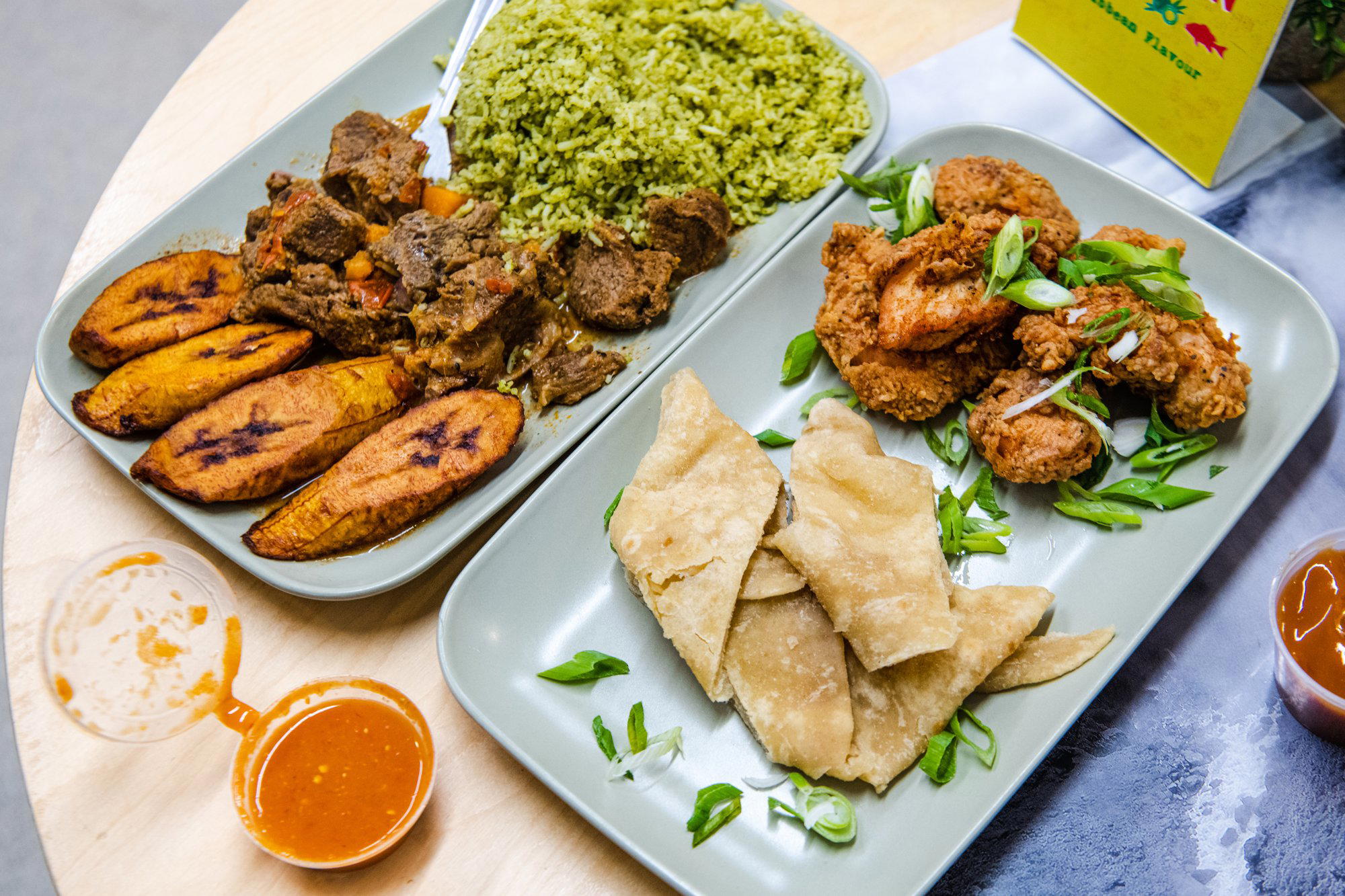
Elephant and Castle's Migrant Food Economy
Elephant and Castle has spent the better part of a decade in the middle of a protracted redevelopment, but the food culture around Castle Square has moved at its own pace. The market traders and small independent kitchens clustered here represent one of the more coherent examples of London's migrant food economy: businesses that built their customer base through community rather than critics, and whose menus carry culinary references that rarely appear on any formal restaurant circuit. Kaieteur Kitchen Original operates in that context, at an address that functions more as a neighbourhood anchor than a dining destination in the conventional sense.
That distinction matters when thinking about how London's eating scene actually works. The Michelin-tracked tier — venues like CORE by Clare Smyth, Restaurant Gordon Ramsay, Sketch, The Lecture Room and Library, The Ledbury, and Dinner by Heston Blumenthal — occupies one end of the city's dining spectrum, where the pricing, booking infrastructure, and editorial attention are all calibrated accordingly. Kaieteur Kitchen Original operates at the opposite end of that spectrum, in a format where the food itself carries the argument. That is a different kind of authority, and one worth understanding on its own terms. See the full London restaurants guide for broader context across the city's price tiers and neighbourhoods.
What Guyanese Cooking Looks Like on a Menu
Guyana sits on the South American mainland but its culinary identity is Caribbean in character, shaped by African, Indian, Chinese, and Indigenous influences that arrived across successive waves of colonial labour migration. The result is a cooking tradition that doesn't map cleanly onto any single regional category: it sits adjacent to Trinidadian food, borrows spice logic from the Indian subcontinent, and carries techniques that have more in common with West African cooking than with anything from the Latin American interior.
On a Guyanese menu, that history shows up in specific ways. Pepperpot, a slow-cooked meat stew built on cassareep, a bitter, preservative reduction made from cassava, functions as a national dish and a direct line to Indigenous culinary practice. Cook-up rice, a one-pot dish of rice, beans, and meat cooked in coconut milk, follows a logic similar to pelau in Trinidad or rice and peas in Jamaica, but with its own seasoning register. Roti appears in multiple forms, with dhalpuri, flatbread filled with split peas, carrying the clearest connection to the Indo-Caribbean communities that make up a significant portion of Guyana's population.
This is not cooking that typically surfaces in London's formal restaurant sector. The Guyanese diaspora in the UK is concentrated enough to sustain community-facing kitchens, but the cuisine hasn't undergone the kind of upscale translation that Trinidadian or Jamaican food has seen in parts of Brixton and Notting Hill. Kaieteur Kitchen Original, by its positioning at Castle Square, sits within that community-facing model: the food is the point, and the format is built around accessibility rather than occasion dining.
Menu Architecture as Cultural Record
The way a menu is structured tells you what a kitchen thinks its food is for. Tasting menus arrange dishes as a sequence to be experienced; prix fixe formats signal occasion and pacing; à la carte gives the diner control and implies plurality of visit. Kitchens that operate in market or casual formats often organise their menus around speed, value density, and familiarity to a core customer, which means the menu reads less like a curated narrative and more like a repertoire.
That repertoire model is more honest about how food traditions actually work. A dish like pepperpot isn't designed to appear mid-sequence between a scallop course and a pre-dessert; it's designed to be eaten with bread, shared across a table, and repeated across weeks. When a kitchen like Kaieteur Kitchen Original builds its offering around dishes like these, the menu implicitly argues that the food doesn't need a fine dining frame to carry cultural weight. That argument has some force in a city where particularly formally celebrated kitchens, whether in London or at properties like Waterside Inn in Bray, Le Manoir aux Quat'Saisons in Oxford, or L'Enclume in Cartmel, have built their reputations on a specific Western European fine dining logic.
The broader UK restaurant tier, from Moor Hall in Aughton to Gidleigh Park in Chagford, Hand and Flowers in Marlow, hide and fox in Saltwood, Midsummer House in Cambridge, Opheem in Birmingham, and Restaurant Andrew Fairlie in Auchterarder, operates on the assumption that prestige cooking is a function of refinement and technique. Internationally, counters like Le Bernardin in New York City and Atomix in New York City reinforce that logic at an even higher price point.
Elephant and Castle as a Dining Context
The SE17 postcode has historically sat outside London's food media attention, which has concentrated on Soho, Mayfair, and increasingly Shoreditch and Hackney. But the area around Elephant and Castle has a specific kind of food density: Latin American, West African, and Caribbean traders have operated here for decades, many of them through the market stalls and small units that characterise Castle Square specifically. The ongoing regeneration of the Elephant and Castle shopping centre and its surrounds has displaced some of that density, making venues like Kaieteur Kitchen Original markers of what the area's food culture was and, in some cases, still is.
For a visitor coming from outside the neighbourhood, the approach to Castle Square is functional rather than atmospheric in the conventional dining sense. This is not a destination with considered front-of-house staging or a reservation system designed to manage anticipation. It is a place you go because you know what you want, or because you're willing to find out.
Know Before You Go
- Address: Castle Square, Elephant Rd, London SE17 1EU
- Nearest tube: Elephant and Castle (Northern and Bakerloo lines)
- Format: Casual, community-facing kitchen; no confirmed reservation system in available data
- Price tier: Not formally documented; consistent with market-format pricing in SE17
- Awards: None on record
- Ideal time to visit: Midweek and early in service tend to be steadier at this format of kitchen; weekend lunch draws a community crowd

At a Glance
- Cozy
- Intimate
- Family
- Casual Hangout
- Standalone
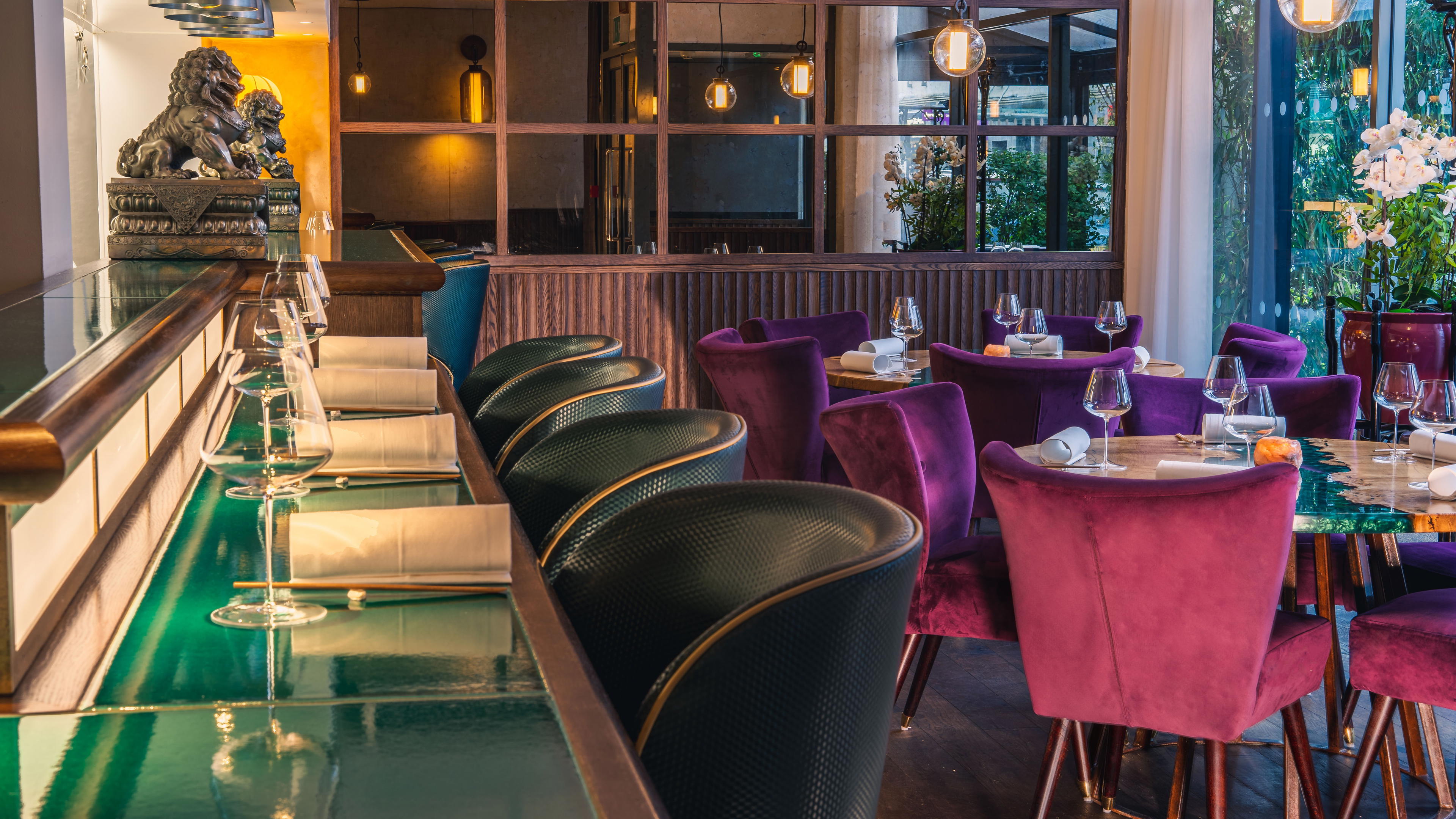
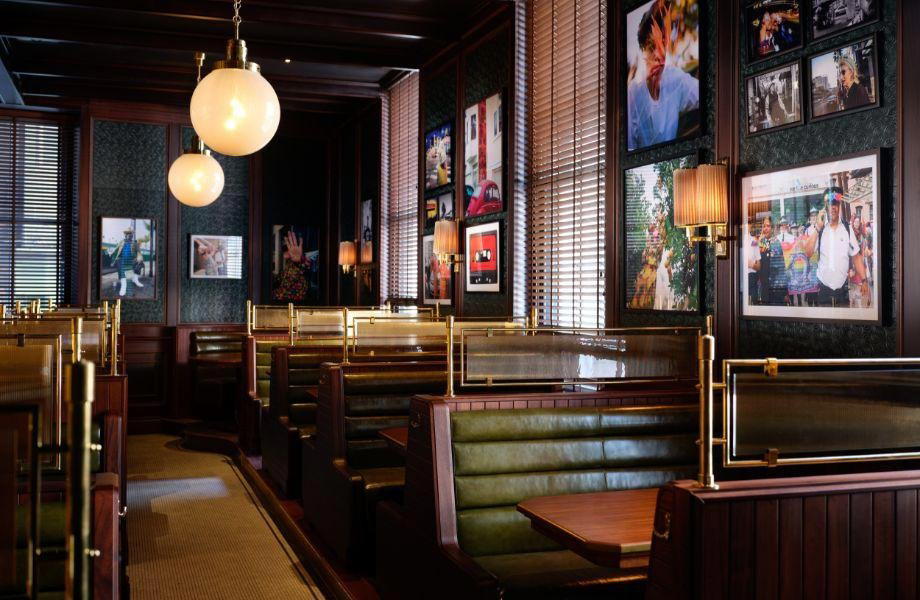
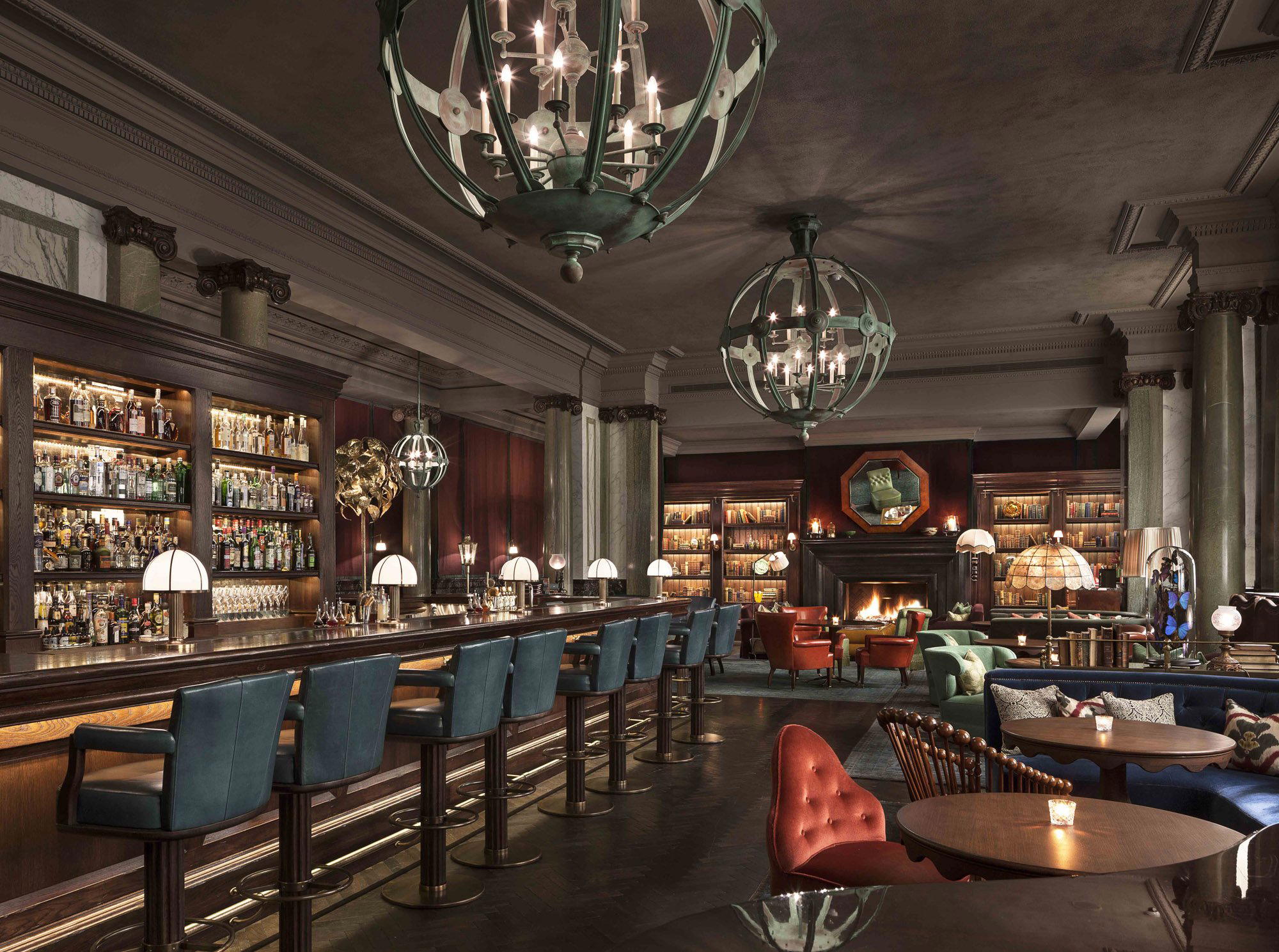
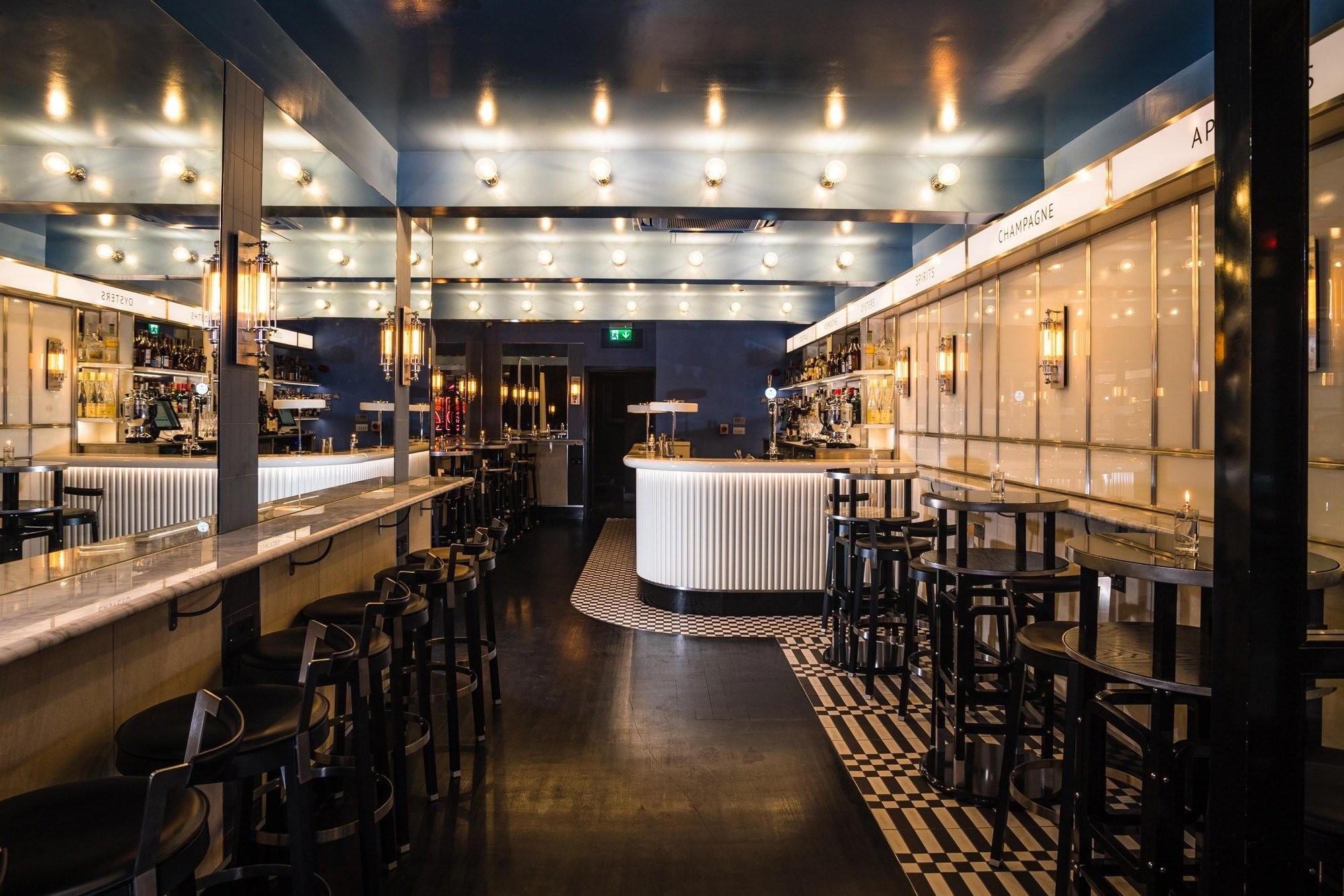
Cozy and inviting with a warm, down-to-earth feel well-suited for gathering with friends and family.