Champor Champor
On a quiet stretch of Weston Street in Bermondsey, Champor Champor has occupied a distinct corner of London's Southeast Asian dining scene for years. The restaurant draws on Malay and Thai culinary traditions, threading together the kind of layered, spice-forward cooking that rarely appears at this address range in SE1. For diners seeking something outside the Modern British and French fine-dining circuit, it offers a considered alternative.
Pearl is the En Primeur Club membership app — saves, bookings, and concierge access live there. Same editors, same standards.
- Address
- 62-64 Weston St, London SE1 3QJ, United Kingdom
- Phone
- +44 20 7403 4600
- Website
- champor-champor.com
- Directions
- Get directions
 Saves & bookings on Pearl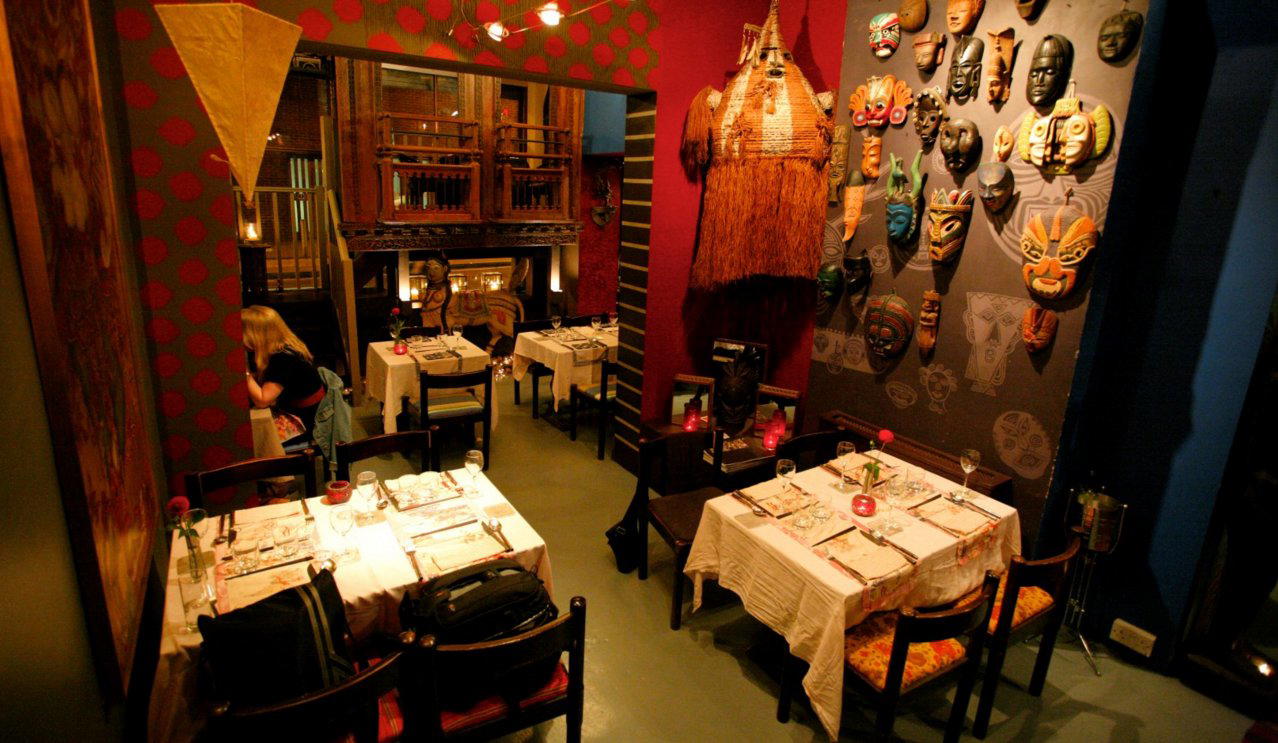
Where Bermondsey Meets the Malay Archipelago
Weston Street in SE1 sits a short walk south of London Bridge, in a neighbourhood better known for its food market stalls and railway arches than its sit-down restaurants. The dining culture here tilts industrial-chic: wine bars, small plates, and modern European kitchens that have followed the money flowing into the Borough and Bermondsey postcodes over the past decade. Champor Champor cuts against that current. The restaurant has held its address at 62-64 Weston Street long enough to predate much of the neighbourhood's current identity, and its Thai-Malay Fusion register has no obvious peer on the immediate street.
Across London, Southeast Asian cooking has fragmented into two visible tiers: the high-volume casual formats of Soho and the City, and a smaller group of independent restaurants where the food operates at a different level of specificity. Champor Champor belongs to the second tier, and that positioning, away from the obvious dining districts, without the marketing weight of a group behind it, shapes the experience before you even sit down.
The Structure of the Meal
In Malay culinary tradition, the act of eating is not organised around a strict progression of flavours escalating toward a climax. Dishes arrive with the expectation of combination: a curry against a salad, a grilled protein alongside something acidic, rice or bread as a constant anchor. That communal, layered logic sits in deliberate contrast to the tasting-menu conventions that dominate London fine dining at the ££££ tier, the sequential architecture of places like CORE by Clare Smyth, Sketch, The Lecture Room and Library, or The Ledbury, where each course is a contained statement.
At Champor Champor, the pacing follows a different logic. The meal asks you to be present across the whole table rather than attentive to a single plate. That is not a lesser discipline, it is a different one, rooted in how food functions socially across Malaysia, Thailand, and the broader region from which the kitchen draws. For diners conditioned by the European fine-dining format, this shift in rhythm is among the more instructive things the restaurant offers.
The name itself gives the signal: "champor-champor" is a Malay phrase meaning roughly "mix and match," which describes both the cooking philosophy and the etiquette the meal expects. Nothing here is meant to be consumed in strict isolation.
Southeast Asian Cooking in a European City
London's relationship with Southeast Asian food has always been complicated by proximity and distance simultaneously. The city has a large Malaysian and Southeast Asian diaspora, concentrated in areas like Bayswater and Edgware Road, where the food tends toward the honest and the economical. The challenge for a restaurant like Champor Champor is occupying a middle position: cooking that takes the culinary traditions seriously without pricing or positioning itself into the fine-dining tier that most of the dining press covers. That middle ground is where particularly interesting independent restaurants in any city tend to operate, and it is also particularly commercially precarious.
For context, London's decorated restaurants trend heavily toward Western European frameworks. Restaurant Gordon Ramsay and Dinner by Heston Blumenthal sit at the Michelin-starred apex of that tradition. Southeast Asian restaurants in London have historically received less institutional recognition through those channels, which is a pattern across Western award systems rather than a reflection of quality. The result is that a restaurant like Champor Champor operates largely on word-of-mouth and the loyalty of a returning clientele, a trust signal worth noting in a city where restaurant turnover is high.
The Room and Its Register
The interior at the restaurant has long been described in terms of its eclecticism: objects, textiles, and decorative elements drawn from across Southeast Asia, arranged without the clinical minimalism that most London restaurants have adopted in the past fifteen years. That approach places it outside the current design vocabulary of the Bermondsey neighbourhood, where concrete, exposed brick, and bare wood dominate. Whether that contrast reads as warmly idiosyncratic or dated depends on what you are looking for. Diners who find the stripped aesthetic of contemporary London restaurants exhausting tend to find the room a relief.
For context on what eclectic Southeast Asian interiors can achieve at the highest end, the comparison is less to London peers than to regional restaurants internationally, or, in the UK, to independents in cities like Manchester and Edinburgh that have never adopted the London minimalist template. The room at the restaurant communicates something the food also communicates: that the frame of reference is not European modernism.
Where It Sits in the London Eating Map
SE1 has a concentration of serious eating, the breadth of the city's options, but the restaurant's specific register is not replicated nearby. The restaurant sits in a different competitive set from the notable rooms of Chelsea, Mayfair, or Notting Hill. It also sits apart from the casual Southeast Asian canteens of central London. That positioning, between two more visible tiers, is precisely where diners willing to do a little research tend to find particularly rewarding meals.
For visitors building a broader London itinerary, the London hotels guide, bars guide, and experiences guide cover the rest of the city's serious options. Those planning day trips from London should note that some of the UK's most decorated restaurants sit within reach: The Fat Duck in Bray, L'Enclume in Cartmel, Moor Hall in Aughton, Gidleigh Park in Chagford, Hand and Flowers in Marlow, and hide and fox in Saltwood. For international comparisons in the Southeast Asian fine-dining space, Atomix in New York City offers a useful reference point for how Asian culinary traditions are received at the tasting-menu tier, while Le Bernardin in New York City illustrates how a singular culinary focus builds institutional recognition over decades, a different path, but a relevant one for thinking about what sustained culinary commitment looks like.
Planning a Visit
The restaurant is located at 62-64 Weston Street, London SE1 3QJ, within walking distance of London Bridge station. The restaurant is suited to dinner rather than a rushed lunch, given the pacing the format invites. Booking ahead is advisable; the room is small and the restaurant's following is loyal enough that walk-ins carry risk, particularly on weekends.
Cuisine and Awards Snapshot
Comparable venues nearby, for context on price, style, and recognition.
| Venue | Cuisine | Price | Notes |
|---|---|---|---|
| Champor ChamporThis venue — the venue you are viewing | Thai-Malay Fusion | $$ | Not listed |
| Mantanah | Authentic Regional Thai Cuisine | $$ | South Norwood |
| Papaya Tree | Authentic Thai | $$ | Holland Park |
| Addie's Thai | Authentic Thai Street Food | $$ | Earl's Court |
| Tor | Authentic Thai | $$ | Thamesmead West |
| Patara Beauchamp Place | Authentic Fine Thai | $$$ | Brompton |
Continue exploring
More in London
Restaurants in London
Browse all →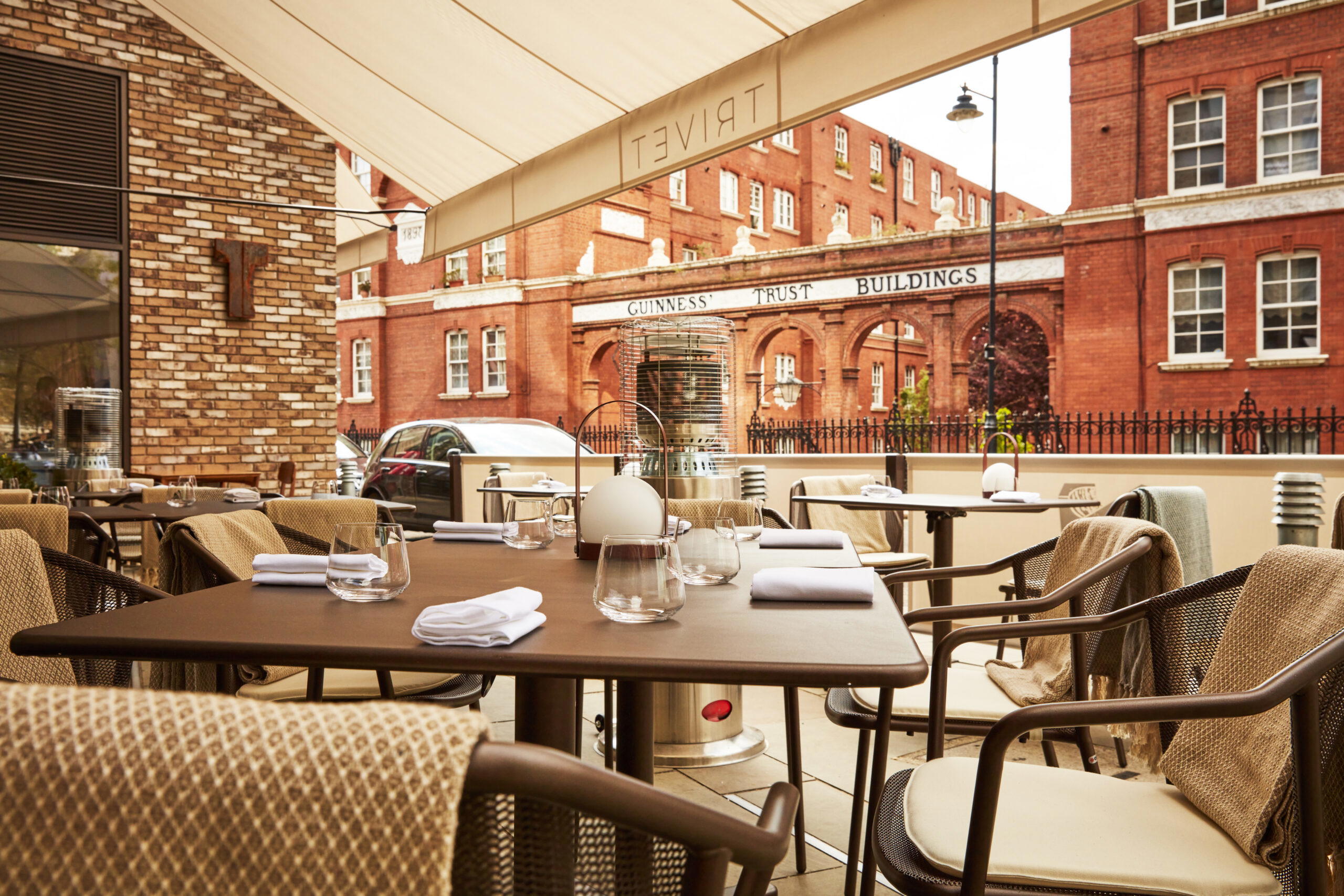
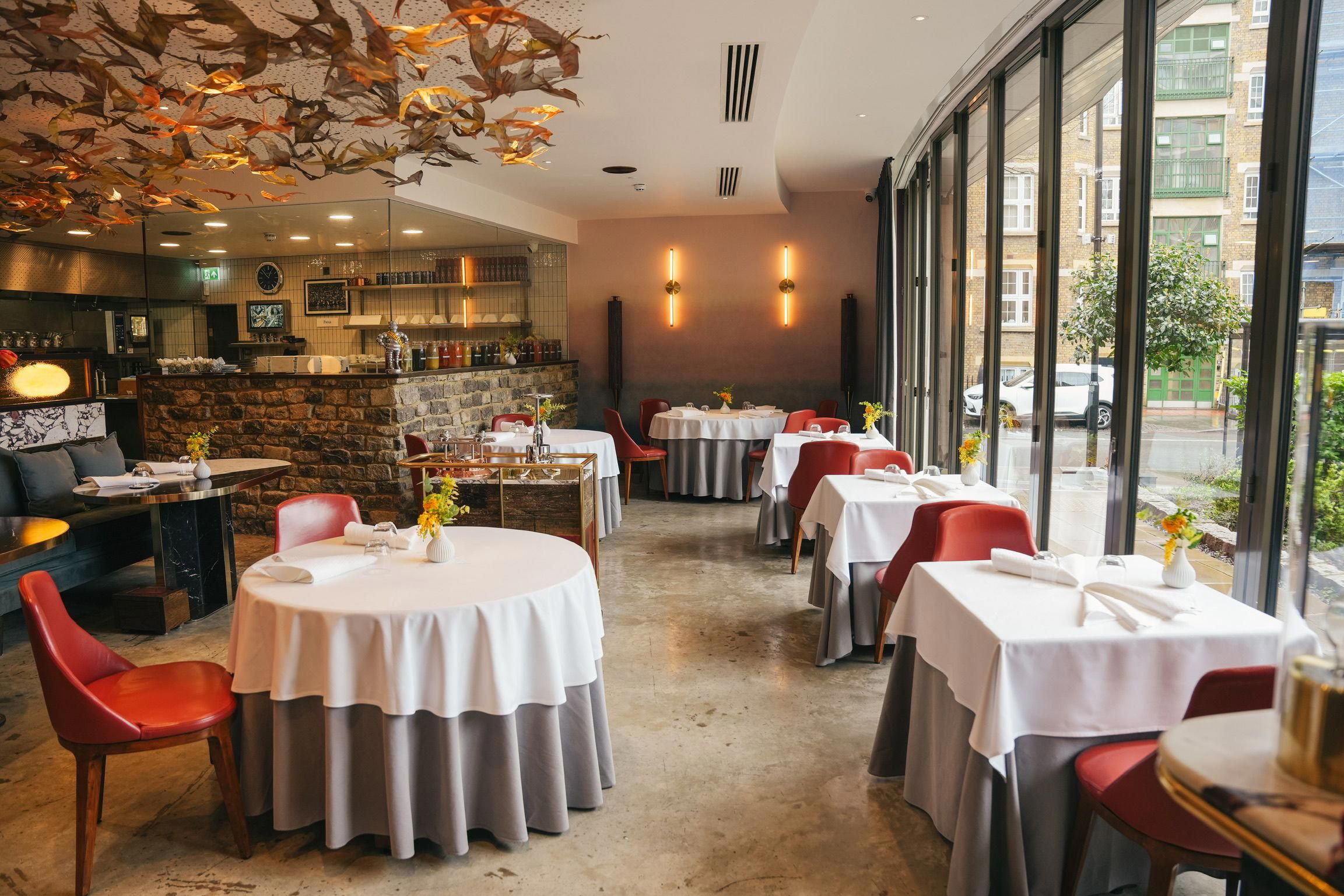
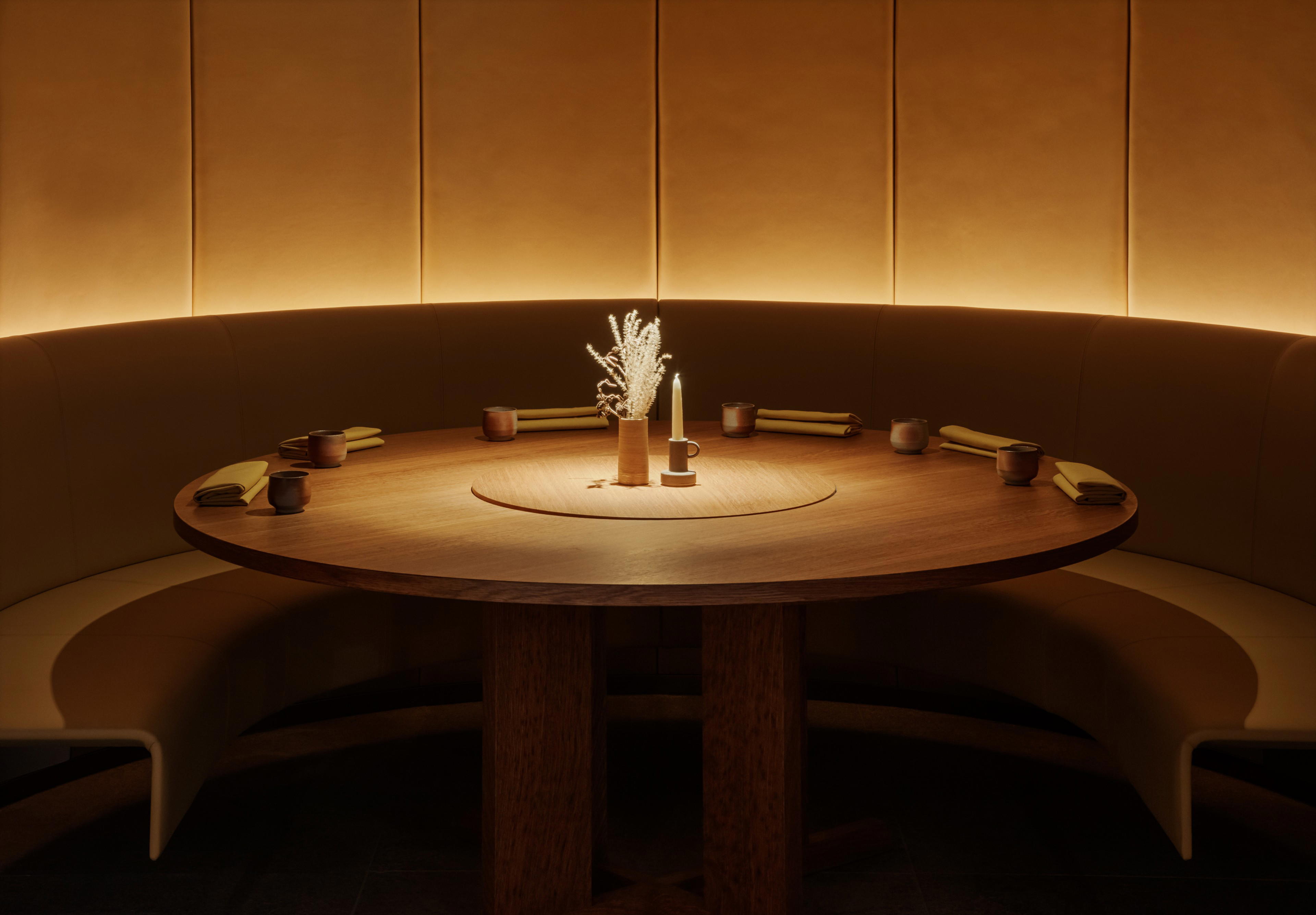
Bars in London
Browse all →
Hotels in London
Browse all →

At a Glance
- Cozy
- Whimsical
- Romantic
- Bohemian
- Intimate
- Date Night
- Casual Hangout
- Special Occasion
- Private Dining
- Extensive Wine List
Current opening hours
- Monday
- Closed
- Tuesday
- 12–3 PM, 6–10 PM
- Wednesday
- 12–3 PM, 6–10 PM
- Thursday
- 12–3 PM, 6–10 PM
- Friday
- 12–3 PM, 5–10 PM
- Saturday
- 12–3 PM, 5–10 PM
- Sunday
- 12–3 PM, 5–9 PM
Hours can change for holidays and private events. Last verified .
Cosy and chic with a bohemian flavour, featuring tribal artefacts, Buddha statues, lively colors, carved teak, Thai silk, and a warm candlelit glow creating an exotic, romantic atmosphere.