Gandhi's
On Kennington Road in south London, Gandhi's occupies a stretch of SE11 that sits outside the usual dining circuits, making it a reference point for the neighbourhood rather than the broader city. The restaurant draws on Indian culinary tradition in a part of London where that tradition has deep local roots, positioned well away from the tourist-facing curry houses of the West End.
Pearl is the En Primeur Club membership app — saves, bookings, and concierge access live there. Same editors, same standards.
- Address
- 347 Kennington Rd, London SE11 4QE, United Kingdom
- Phone
- +442077359015
- Website
- gandhis.co.uk
- Directions
- Get directions
 Saves & bookings on Pearl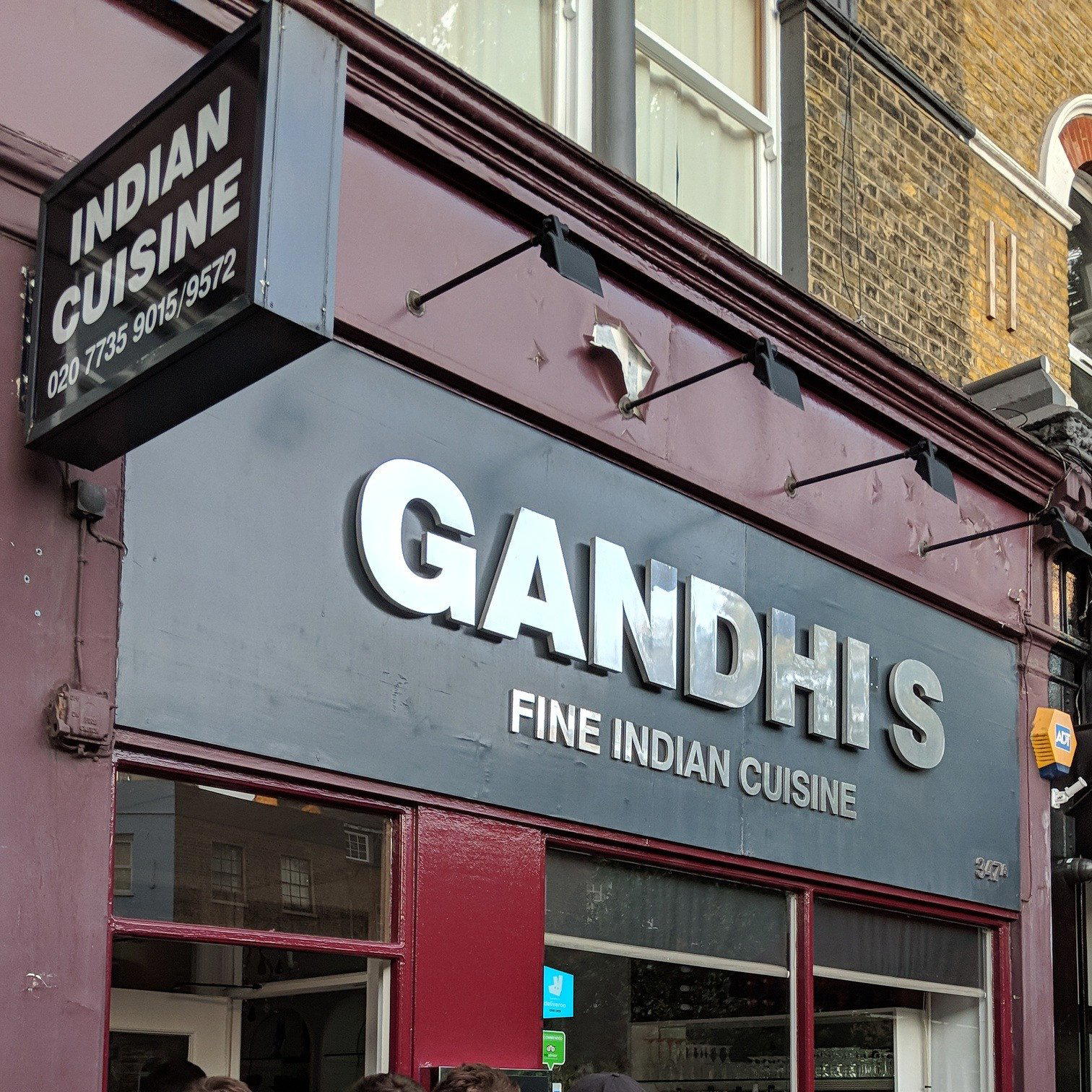
Kennington and the South London Indian Dining Tradition
South London's relationship with Indian cooking is older and more layered than the West End's more visible restaurant strip. The boroughs below the river, Lambeth in particular, built their Indian restaurant culture through community rather than tourism, which means the restaurants here have historically answered to a more informed, more demanding local audience than those serving visitors near Brick Lane or Covent Garden. Gandhi's, at 347 Kennington Road, sits inside that tradition. The SE11 postcode places it in a neighbourhood that connects Vauxhall to the north with Oval and Brixton to the south, a corridor that has long supported independent restaurants operating largely beneath the radar of the mainstream food press.
Kennington itself occupies an interesting mid-position in London's dining map: close enough to the City and Westminster to attract a professional lunchtime trade, but residential enough that evening restaurants serve a genuinely local clientele. That dual character shapes the kind of Indian restaurants that survive here. They tend toward the everyday-serious end of the spectrum rather than the occasion-dining or tasting-menu formats that have reshaped Indian dining in neighbourhoods like Marylebone or Mayfair. For context, the formal Indian fine-dining model, exemplified in cities like Birmingham by Opheem in Birmingham, operates in a different register entirely, with sourcing narratives, tasting menus, and Michelin recognition built explicitly into the proposition. Kennington's Indian restaurants, Gandhi's among them, occupy a different but legitimate tier.
Where the Food Comes From: Ingredient Sourcing in the South Asian Kitchen
The sourcing question in Indian restaurants is more complex than it appears from the outside. Unlike the farm-to-table narrative that has become standard shorthand for British fine dining, from L'Enclume in Cartmel to Moor Hall in Aughton to the celebrated producers who supply CORE by Clare Smyth, the Indian kitchen operates across a more geographically dispersed supply chain. Spices sourced from the Malabar Coast or the Rajasthani interior, lentils and flours from specific regional milling traditions, and dairy from suppliers who understand the fat content requirements of proper ghee-based cooking all contribute to a sourcing story that runs through multiple countries and subcontinent-scale supply chains.
For neighbourhood Indian restaurants in London, this supply chain is typically accessed through a network of specialist wholesalers concentrated in areas like Southall and Green Street, which serve as the practical infrastructure behind much of London's South Asian cooking. The quality differential between restaurants at this level often comes down to how seriously that supply chain is taken: whether whole spices are sourced and ground in-house, whether the ghee is clarified on site, and whether the protein sourcing aligns with the specific regional traditions being cooked. These decisions rarely appear on menus but are immediately legible on the plate to anyone who eats in this cuisine regularly.
What can be said is that the broader context of Kennington's Indian restaurant economy rewards consistency and kitchen discipline over novelty, which tends to push sourcing toward proven supply relationships rather than seasonal reinvention.
SE11 in Season: When to Visit and What It Changes
South London's independent restaurant culture has a seasonal texture that differs from the West End's more year-round visitor-driven trade. In summer, the proximity to Kennington Park and the Oval cricket ground brings an uptick in passing trade. Test match days at the Oval, which sits roughly ten minutes' walk from the Kennington Road stretch, generate a distinct lunchtime crowd that has historically supported the area's restaurants. That seasonal pulse is specific to SE11 in a way that doesn't apply to most central London dining districts.
Winter and early spring represent a different dynamic: the residential character of the neighbourhood reasserts itself, and the restaurants that survive do so on repeat local custom rather than event-driven traffic. For Indian cooking specifically, the winter months align well with the heavier, more warming registers of North Indian cooking: slow-cooked dals, braised meat dishes, and the bread-heavy formats that benefit from cooler temperatures outside and a slower pace inside.
Placing Gandhi's in the London Conversation
London's Indian restaurant scene has bifurcated significantly over the past decade. At one end sits the fine-dining tier, where restaurants operate with the sourcing rigour and chef-credential signalling that defines the Michelin ecosystem. At the other sits the neighbourhood tier, where longevity, consistency, and value for a local audience are the operative measures of success. The two tiers rarely compete directly for the same customer on the same evening.
For comparison, the ££££ restaurants that dominate EP Club's London coverage, including Restaurant Gordon Ramsay, Sketch, The Lecture Room and Library, The Ledbury, and Dinner by Heston Blumenthal, operate in a format and price register that places them in a different conversation from Kennington's neighbourhood dining economy. The same is true of destination restaurants across the UK that have built national profiles, from Waterside Inn in Bray to Gidleigh Park in Chagford to Ynyshir Hall in Machynlleth. Gandhi's does not position against those rooms, nor should it be evaluated on those terms.
The more useful comparison set for the restaurant is within south London's independent Indian restaurant economy, where the measures are reliability, kitchen consistency, and the ability to hold a local audience across years rather than seasons. By those measures, address longevity on a specific residential corridor carries its own weight as a trust signal, one that is harder to sustain than an opening-night press cycle. Internationally, neighbourhood restaurants that have built genuine local authority, from the bistros of the 11th arrondissement in Paris to the ramen shops of Nakameguro, earn recognition on the same logic: they are there because the neighbourhood keeps returning, not because critics made a detour.
For readers building a wider picture of London dining across formats and price tiers, our full London restaurants guide maps the city's dining scene across neighbourhoods and categories. For those exploring how Indian cooking at the highest technical level is being executed in the UK, Opheem in Birmingham represents one useful reference point in the current national conversation. And for a view of how ingredient sourcing has been rethought at the fine-dining level across the UK, the approaches at Hand and Flowers in Marlow, hide and fox in Saltwood, Midsummer House in Cambridge, and Restaurant Andrew Fairlie in Auchterarder offer instructive contrasts. Globally, sourcing-driven kitchens like Le Bernardin in New York City and Lazy Bear in San Francisco show how the conversation plays out at the other end of the format spectrum.
Planning Your Visit
The restaurant is located at 347 Kennington Road, London SE11 4QE. The address is accessible via Kennington Underground station on the Northern line. Booking is recommended, and the restaurant is open daily from 5 to 11 PM. The restaurant has no documented awards.
City Peers
Comparable venues nearby, for context on price, style, and recognition.
| Venue | Cuisine | Price | Notes |
|---|---|---|---|
| Gandhi'sThis venue — the venue you are viewing | Traditional Indian | $$ | Not listed |
| Taste of Lahore Queensway | Pakistani & North Indian Curry House | $$ | Queensway |
| Swagat | Traditional Indian Curry House | $$ | Richmond |
| Zan Zi Bar | Punjabi Indian | $$ | Edgware |
| Sagar | South Indian Vegetarian | $$ | Hammersmith Broadway |
| Tokri | North Indian Street Food & Curries | $$ | South Acton |


At a Glance
- Classic
- Group Dining
- Casual Hangout
- Standalone
Current opening hours
- Monday
- 5–11 PM
- Tuesday
- 5–11 PM
- Wednesday
- 5–11 PM
- Thursday
- 5–11 PM
- Friday
- 5–11 PM
- Saturday
- 5–11 PM
- Sunday
- 5–11 PM
Hours can change for holidays and private events. Last verified .
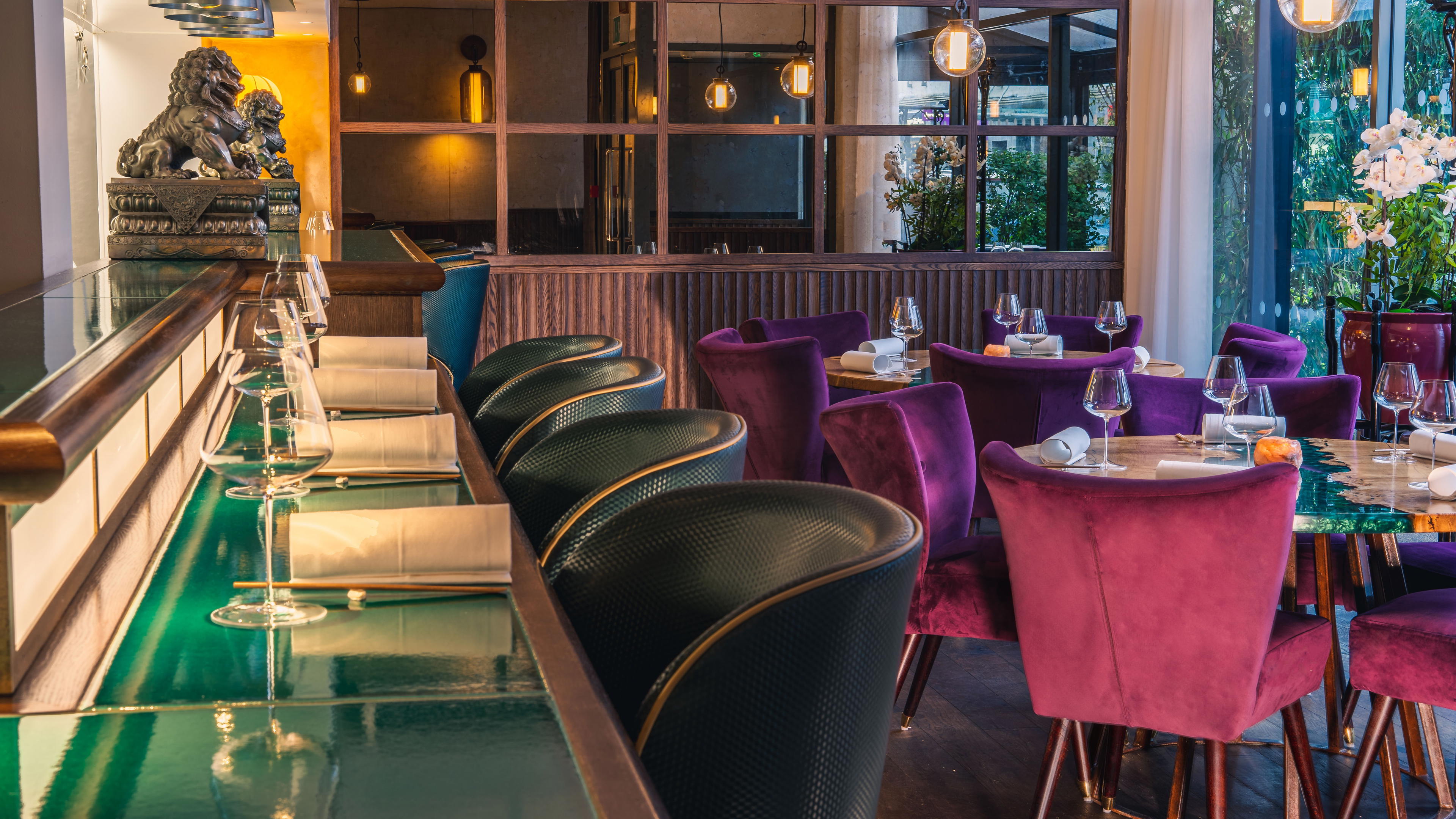
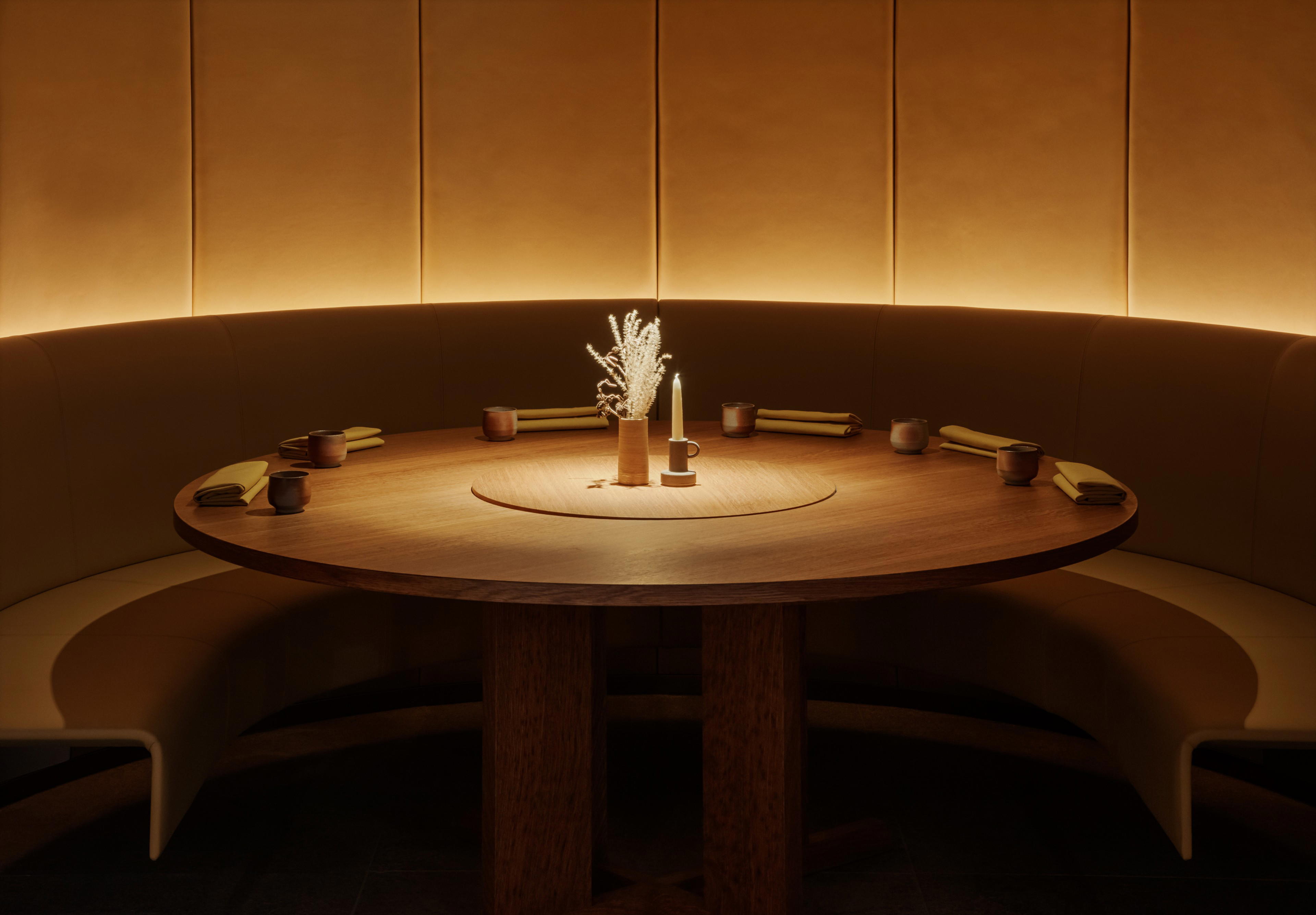
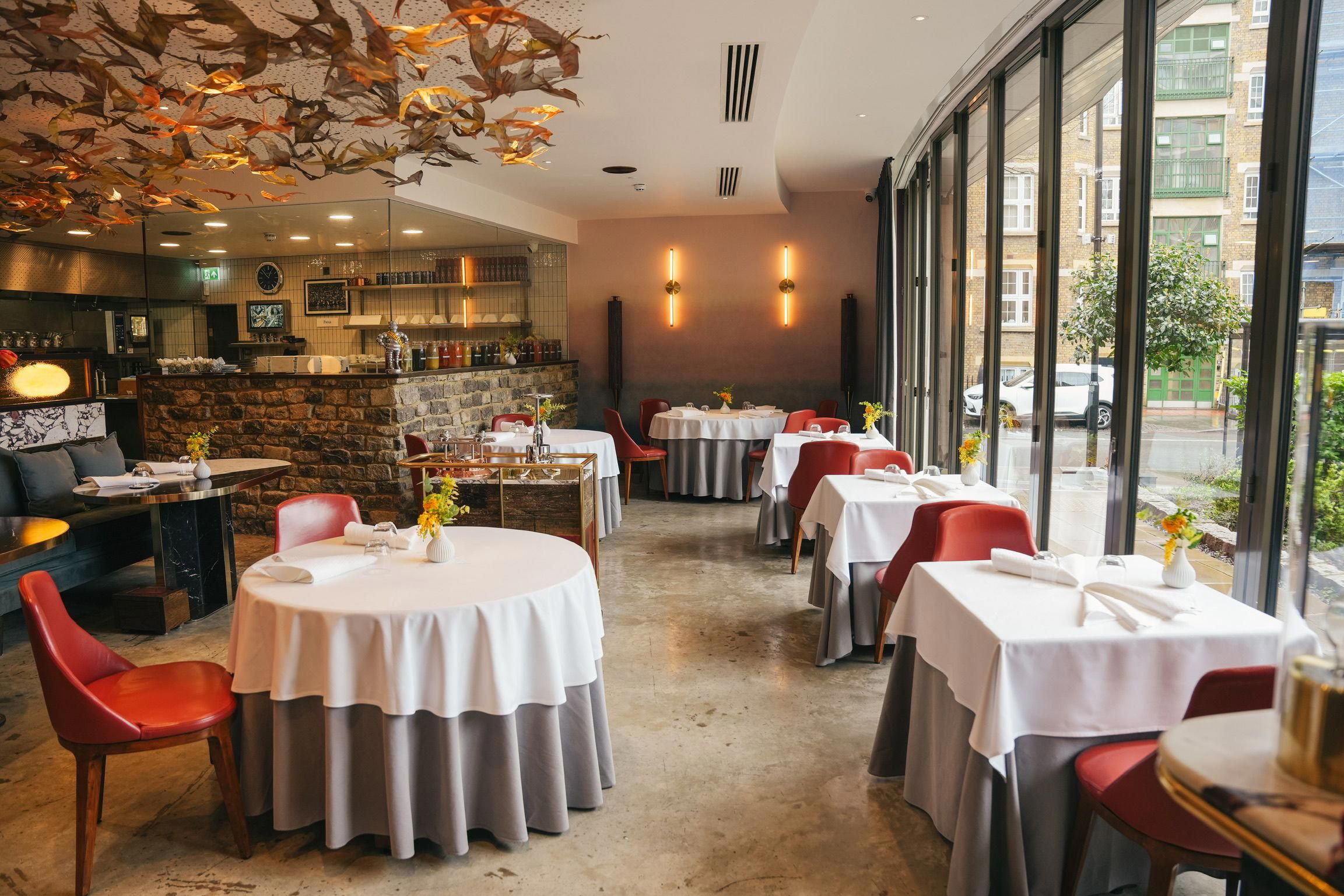
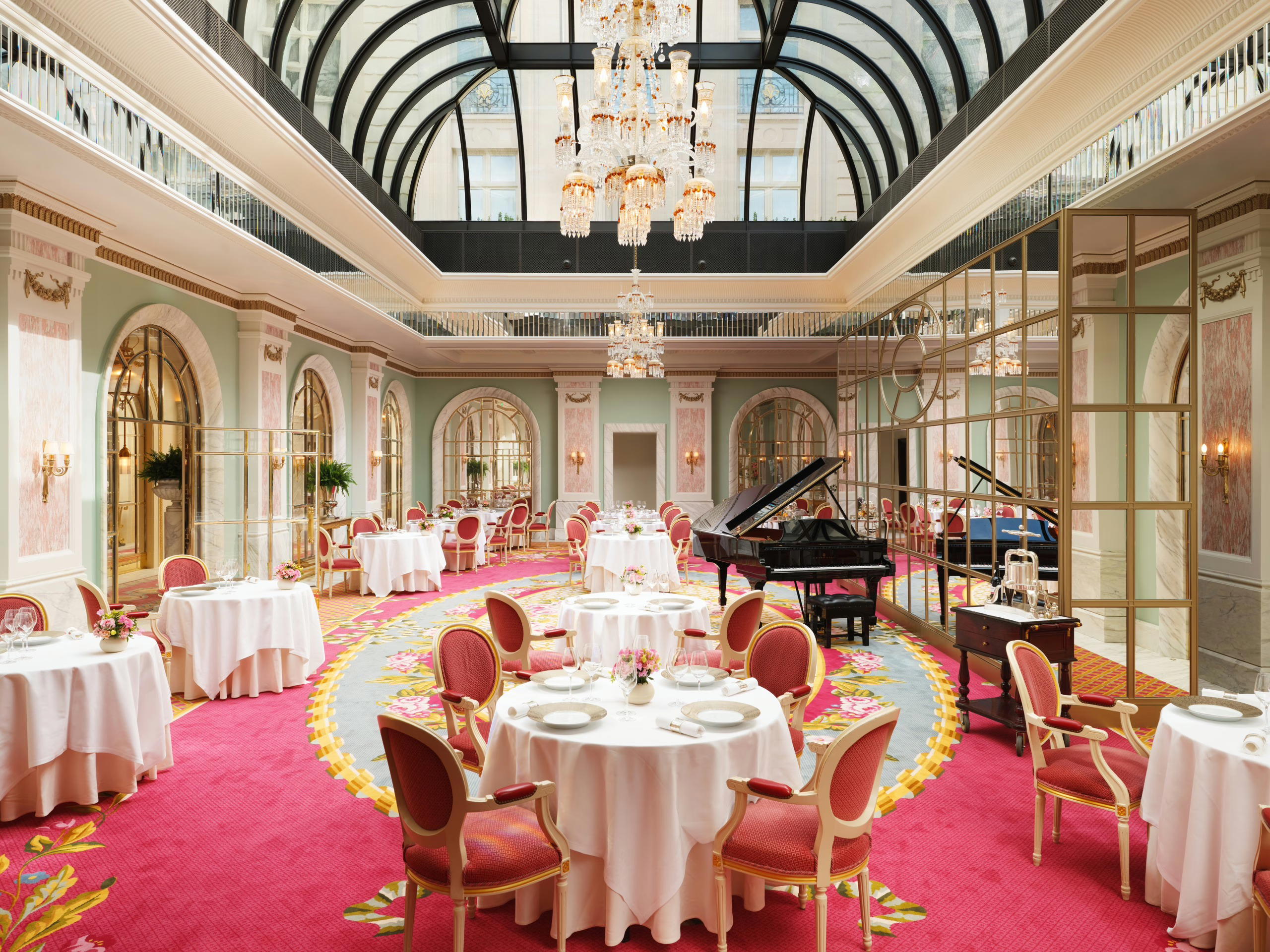
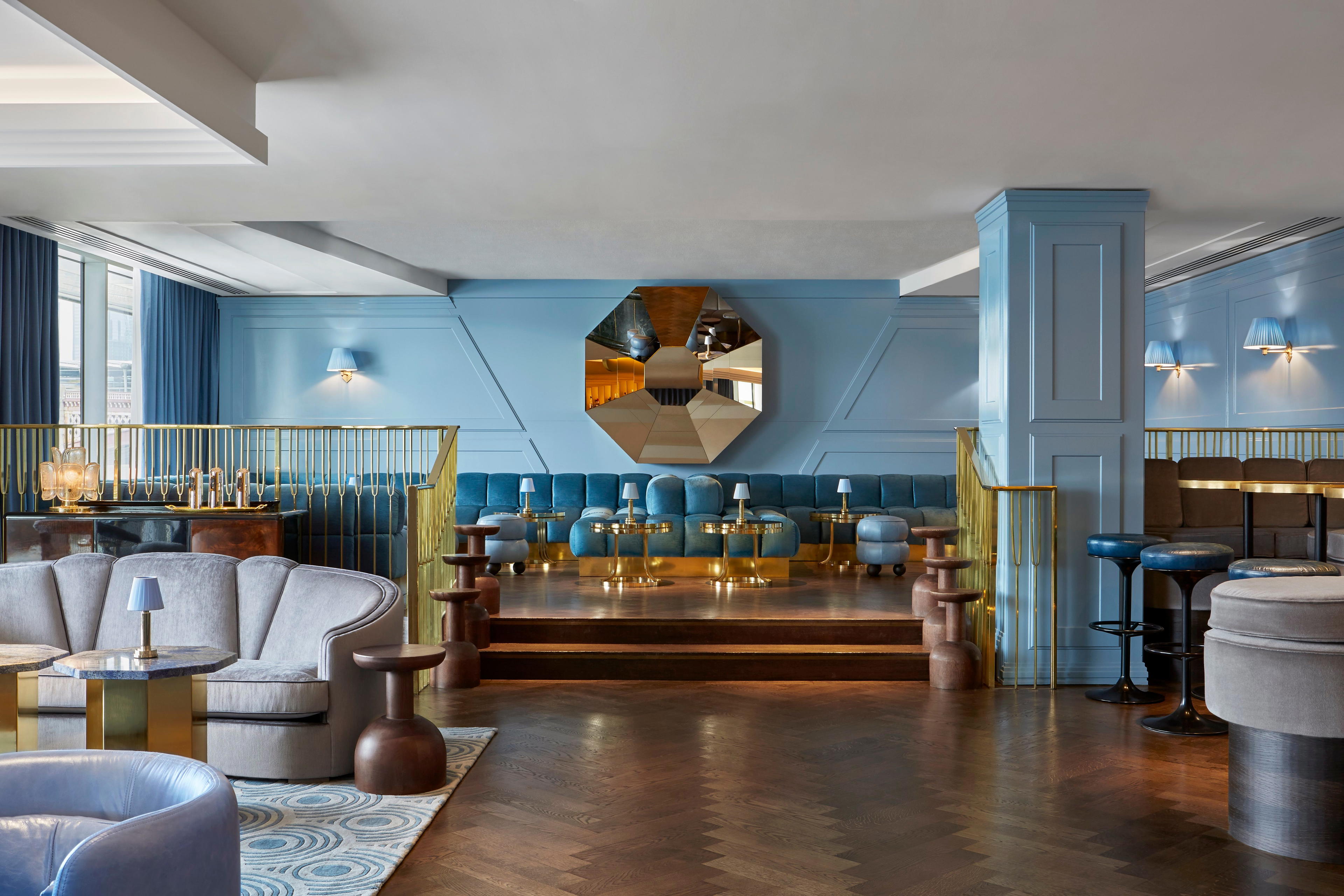
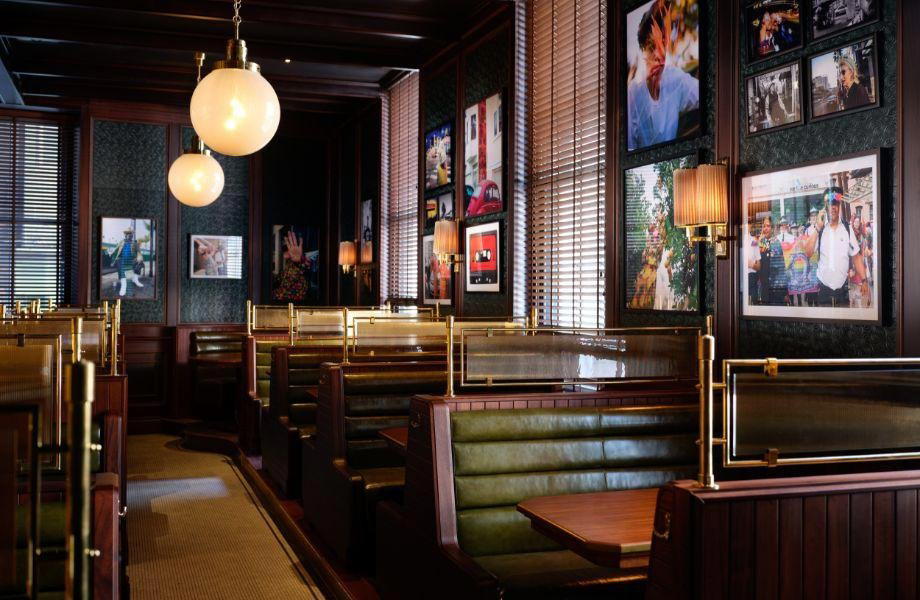
Classic and stylish Indian dining atmosphere.