Kafeneon occupies a quiet address in Vienna's 16th district, operating at a remove from the inner-city fine dining corridor that runs from the Stadtpark to the 7th. The address places it in Ottakring, a neighbourhood whose dining character has shifted perceptibly over the past decade, drawing venues that trade on neighbourhood loyalty rather than tourist traffic.
Pearl is the En Primeur Club membership app — saves, bookings, and concierge access live there. Same editors, same standards.
- Address
- Payergasse 7, 1160 Wien, Austria
- Phone
- +436601973396
- Website
- kafeneon.at
 Saves & bookings on Pearl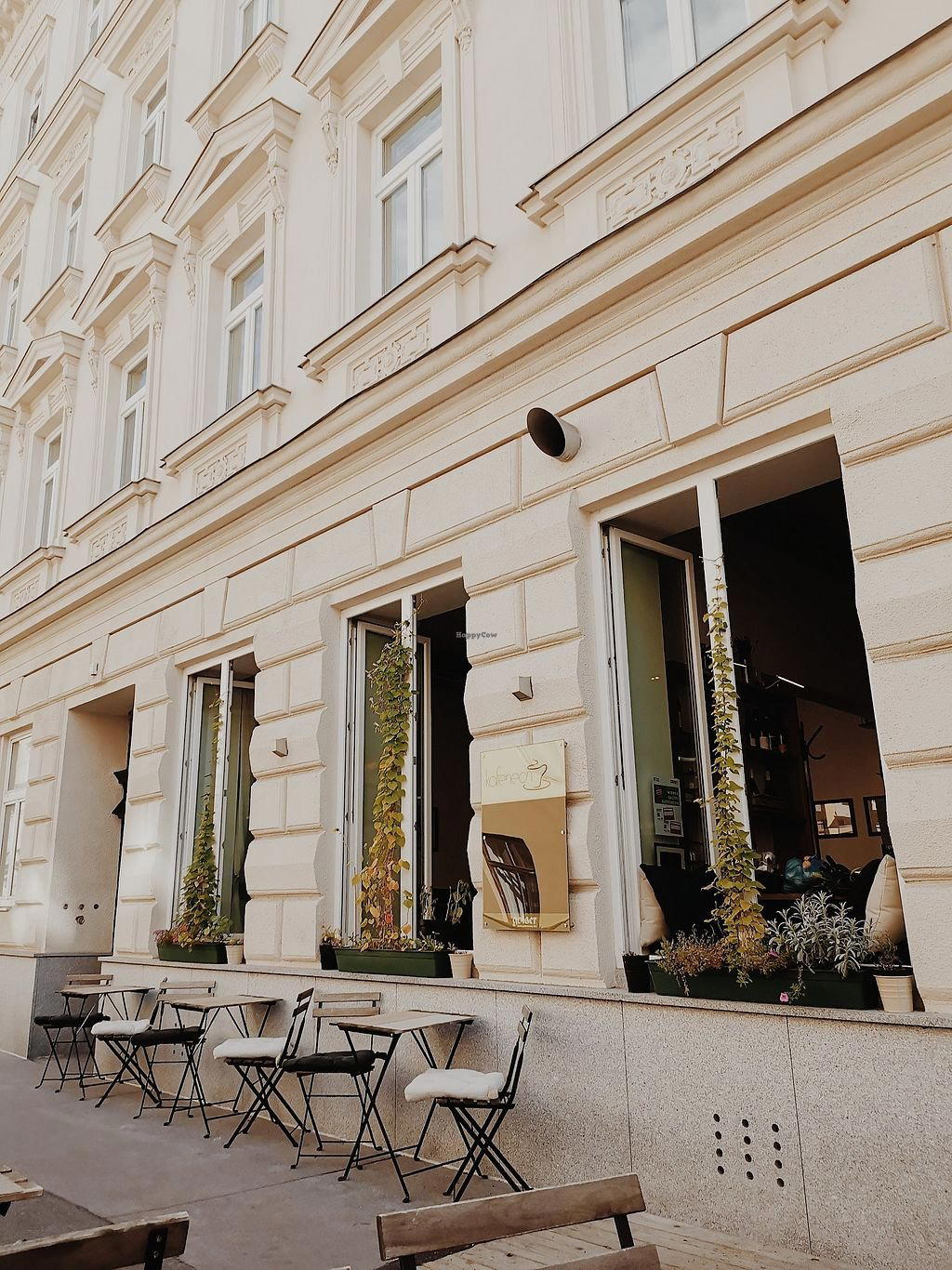
The 16th District, Before the Crowds Arrive
Ottakring has a particular rhythm in autumn. The Brunnenmarkt empties earlier, the kaffeehäuser fill with regulars rather than visitors, and the neighbourhood's dining rooms settle into a working pattern that has little to do with the seasonal surges that animate Vienna's inner districts. It is in this context that Kafeneon, at Payergasse 7 in the 16th, makes most sense. Not as a destination calculated for the tourist circuit, but as an address with its own logic, shaped by the neighbourhood it occupies rather than the city's fine dining hierarchy.
Vienna's dining conversation concentrates heavily on the first and third districts, where houses like Steirereck im Stadtpark, Amador, and Konstantin Filippou operate at the €€€€ tier with tasting menus calibrated to international critical attention. That circuit has its own momentum and its own logic. Venues outside it tend to be judged by different criteria: consistency, neighbourhood fit, and how well they hold an audience that returns not for novelty but for reliability.
How Ottakring's Dining Character Has Shifted
A decade ago, the 16th district's food offering was defined almost entirely by its immigrant communities, particularly the Turkish, Balkan, and Eastern European kitchens that gave Brunnenmarkt much of its produce-market character. That foundation has not disappeared, but it has been joined by a second wave of venues drawing on the neighbourhood's evolving demographics. Younger Vienna, priced out of the 7th and 8th, has moved outward, and the dining room has followed.
This is the broader shift that gives Kafeneon its current position. Venues along this kind of trajectory tend to move through recognisable phases: first as a local fixture with a small, loyal audience; then as a discovery for the wider city when neighbourhood migration brings new residents; and finally, in some cases, as an address that earns critical attention on its own terms. Where exactly Kafeneon sits in that arc is a question its Payergasse address raises rather than answers. What the address itself signals, however, is a deliberate step outside the corridors where Vienna's dining press tends to look first.
The Greek Kafeneion Tradition and Its Viennese Inflection
The name Kafeneon draws on the Greek kafeneion, the traditional coffeehouse that functions less as a cafe in the Western European sense and more as a social institution: a place where hours pass without urgency, where coffee is a pretext rather than a product, and where the room itself carries the primary value. Vienna has its own deep kafeehaus tradition that operates on similar principles, and the convergence of those two coffeehouse cultures in the 16th district is not incidental. Ottakring's Greek and broader Eastern Mediterranean population has shaped both its market culture and its hospitality formats for generations.
How literally Kafeneon draws on that tradition, or how far it has evolved from it, is not something the available record can confirm with precision. What is clear is that the name signals a specific inheritance and that the address, in the 16th, places it in a neighbourhood where that inheritance has deep local roots. For context on how Austrian venues can draw from Mediterranean and regional traditions simultaneously, the work being done at Mraz and Sohn in the 20th and Doubek elsewhere in the city shows how Vienna's outer districts have become productive ground for culinary hybridity outside the inner-ring tasting menu format.
Evolution Over Fixture: What the Address Implies
The editorial angle that applies most directly to Kafeneon is not discovery but evolution. Neighbourhood venues in districts like Ottakring do not tend to stay static. The ones that survive multiple cycles of neighbourhood change do so because they adapt their offer to successive waves of locals without losing what made them coherent in the first place. That is a different kind of skill than the reinvention narrative associated with fine dining: it is quieter, less legible to critics, and often more durable.
Vienna's outer-district venues that have followed this model include addresses that have moved from purely community-facing formats toward something more considered without becoming self-consciously destination-oriented. The risk in that shift is always the same: lose the neighbourhood audience by moving upmarket, or fail to attract a wider city audience by staying too local. Venues that manage both tend to be the ones that age well in their districts.
For readers tracking the broader Austrian dining scene, the contrast with highly credentialed regional destinations is instructive. Houses like Döllerer in Golling, Obauer in Werfen, and Ikarus in Salzburg operate in a format where critical credentials are the primary trust signal and the audience travels specifically for the meal. Kafeneon, at least as its address and neighbourhood context suggest, operates in a different register: one where the audience arrives because it lives nearby, not because a guide has pointed the way.
That distinction also connects to how other regional Austrian addresses have built their identities through deep local embeddedness rather than international recognition: Landhaus Bacher in Mautern, Kräuterreich by Vitus Winkler, and Schwarzer Adler in Hall in Tirol each demonstrate how a venue anchored to its place can develop credibility that operates independently of the metropolitan critical circuit. Griggeler Stuba in Lech, Gourmetrestaurant Tannenhof in Sankt Anton, Ois in Neufelden, and Restaurant 141 by Joachim Jaud in Mieming round out a picture of Austrian dining that is considerably wider than the Michelin map of the capital alone.
For international reference points on what a neighbourhood-anchored venue can achieve within a major city context, the trajectories of Le Bernardin in New York and Atomix in New York offer a useful comparative frame for how sustained excellence in a fixed format builds its own audience logic over time.
Know Before You Go
Know Before You Go
- Address: Payergasse 7, 1160 Wien, Austria
- District: Ottakring (16th)
- Price range: About $30 per person
- Hours: Tue to Thu and Fri, 5:30 to 10 PM; Sat, 4 to 10 PM; closed Mon and Sun
- Bookings: Reservations recommended
- Address: Payergasse 7, 1160 Wien, Austria
- Ideal time to visit: Autumn and winter evenings, when the neighbourhood character is most pronounced and the after-market crowd thins
- lamb cutlets with oregano
- deep-fried sardines
- moussaka
- souvlaki
- grilled calamari
- octopus
- tzatziki
Comparable Venues
Comparable venues nearby, for context on price, style, and recognition.
| Venue | Cuisine | Price | Notes |
|---|---|---|---|
| KafeneonThis venue — the venue you are viewing | Authentic Greek Mezedes | $$ | |
| Dal Toscano | Authentic Tuscan Trattoria | $$ | Josefstadt |
| Laby | Café Bar | $$ | Hernals |
| La Tavolozza | Authentic Italian Trattoria | $$ | Josefstadt |
| Le Burger | American Smash Burgers | $$ | Neubau |
| Maschu Maschu | Middle Eastern Falafel Specialist | $$ | Mariahilf |
Continue exploring
More in Vienna
Restaurants in Vienna
Browse all →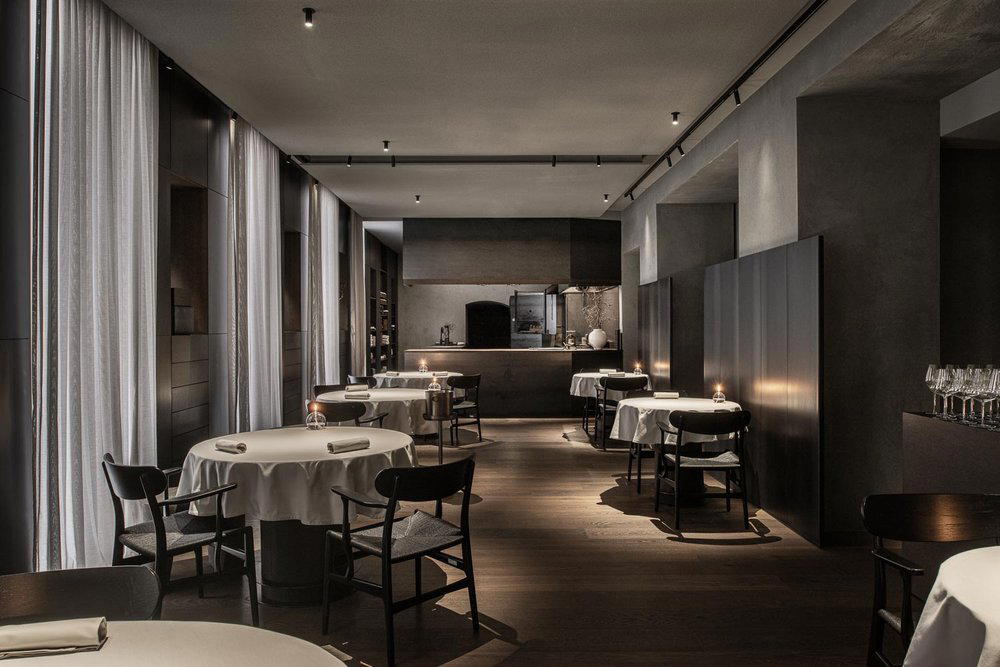
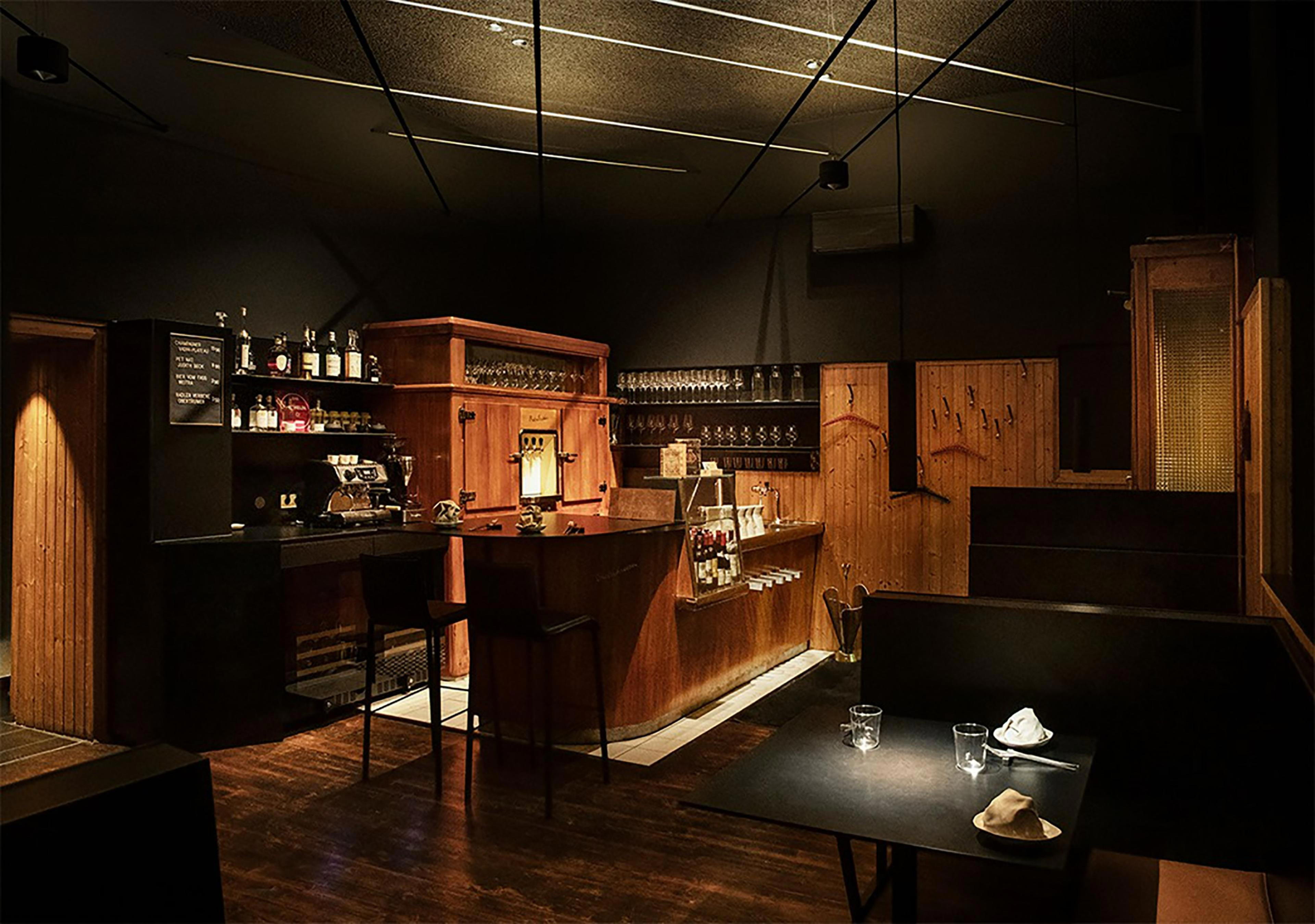
Bars in Vienna
Browse all →
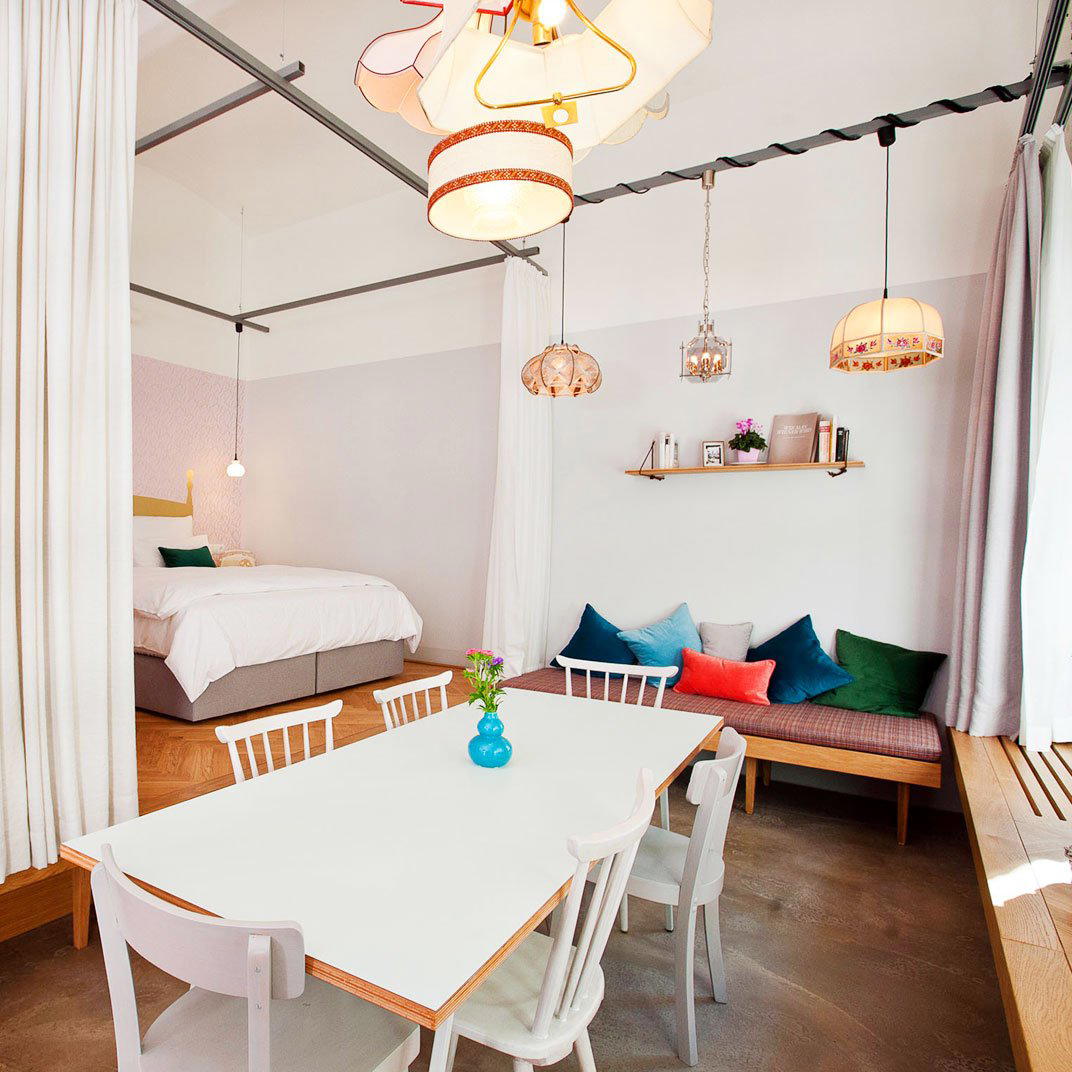
Hotels in Vienna
Browse all →
At a Glance
- Cozy
- Rustic
- Intimate
- Classic
- Casual Hangout
- Group Dining
- Date Night
- Standalone
- Beer Program
- Organic
- Local Sourcing
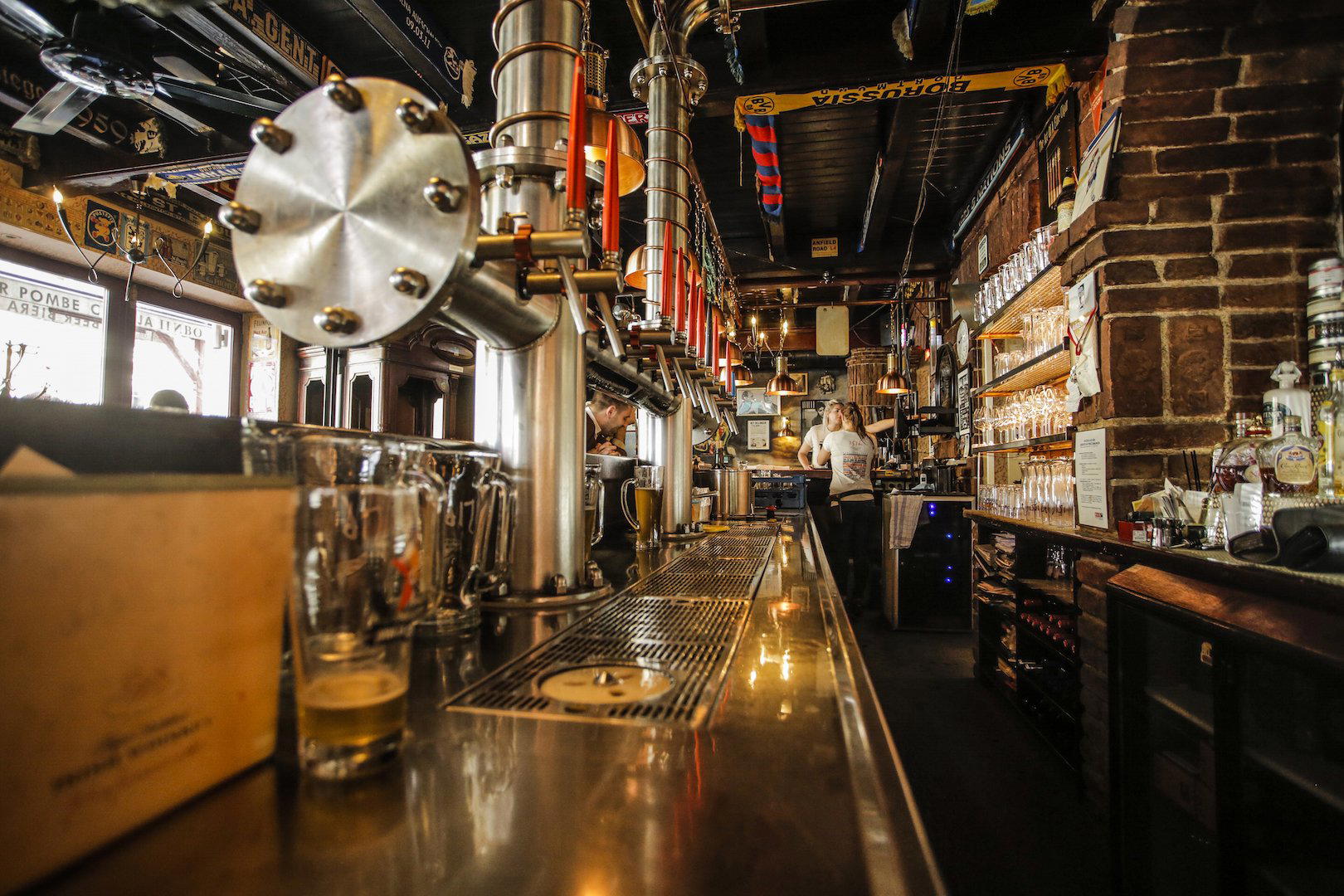
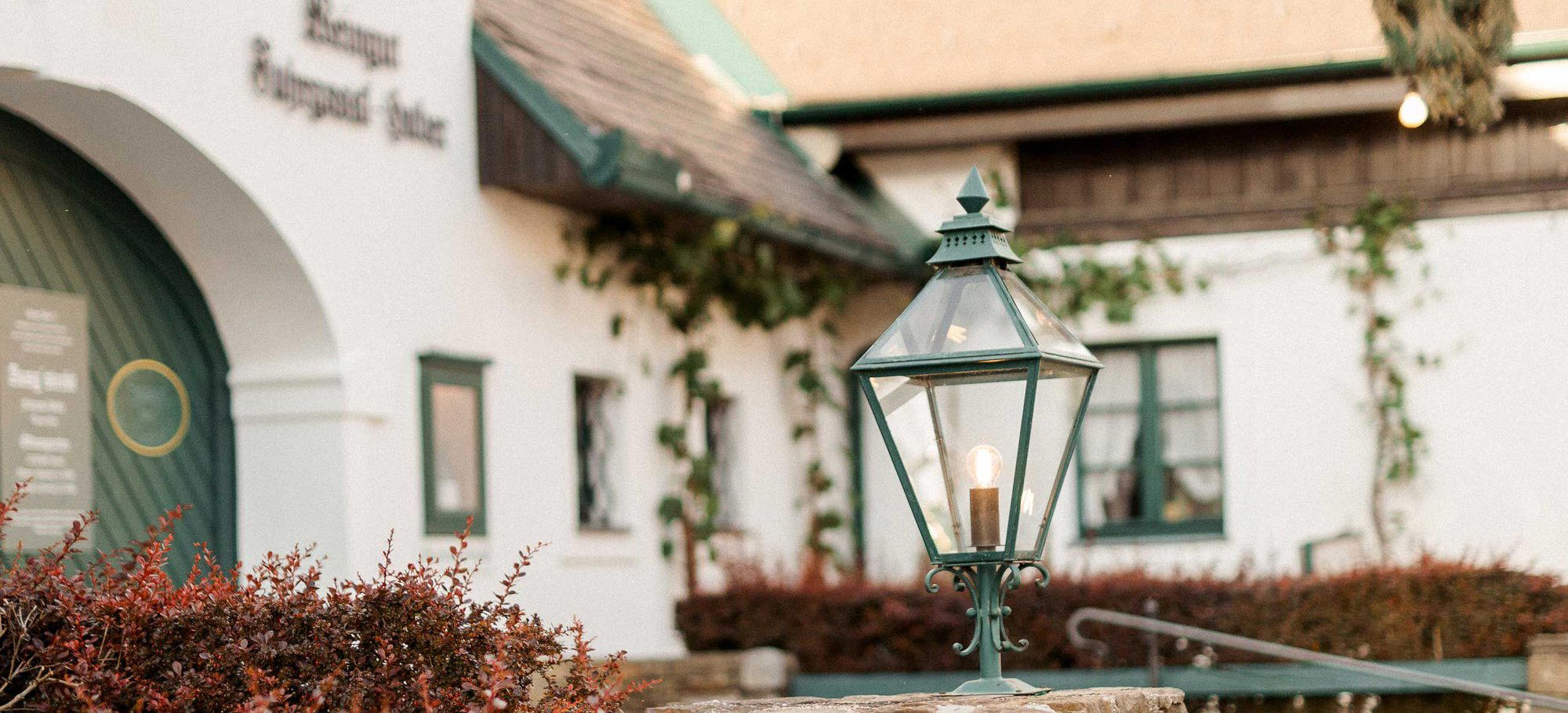
Warm, welcoming, and rustic with a homey Mediterranean atmosphere; intimate dining space with Mediterranean décor that evokes a traditional Greek kafeneon.
- lamb cutlets with oregano
- deep-fried sardines
- moussaka
- souvlaki
- grilled calamari
- octopus
- tzatziki