Our verdict
Kabuki occupies a central Frankfurt address on Kaiserstraße, placing it within easy reach of the city's commercial core and its increasingly diverse restaurant scene. The name signals a Japanese cultural reference point in a city more often associated with European fine dining and banking-district brasseries. Visitors should verify current hours and booking conditions directly before planning a visit.

Pearl is the En Primeur Club membership app, where members save venues, book tables and use the concierge.
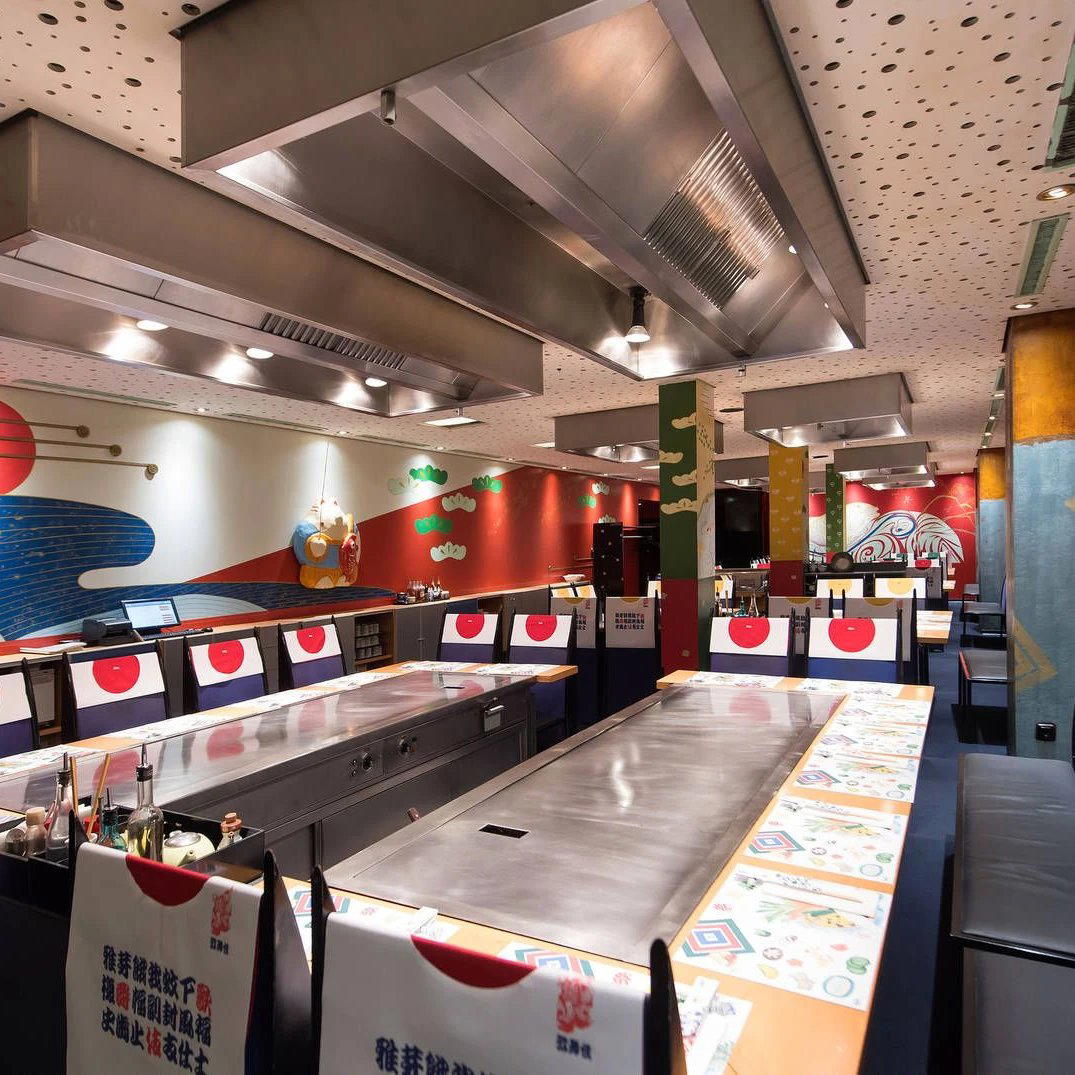
Kaiserstraße After Dark: Reading Frankfurt's Japanese Restaurant Scene
Kaiserstraße 42 sits in one of Frankfurt's more transactional corridors, a stretch that mixes finance-district overflow with the kind of casual international dining that a city of Frankfurt's banking density inevitably accumulates. Against that backdrop, the name Kabuki signals something specific: a deliberate alignment with Japanese theatrical tradition, a name that in restaurant terms has come to carry weight well beyond its district. Whether the room delivers on that register depends on what Frankfurt's Japanese dining scene currently asks of its addresses, and that scene has become considerably more demanding in recent years.
Frankfurt is not Tokyo, but it is one of the few German cities where the demand for Japanese cuisine at multiple price points is sustained enough to support genuine differentiation. The city's expatriate finance community, combined with a well-travelled local professional class, has pushed Japanese restaurants here toward a level of seriousness that would have felt premature a decade ago. Kabuki, positioned on Kaiserstraße, enters that context, a location that carries its own gravitational logic, placing it in reach of the banking quarter without fully belonging to the tourist circuit.
Planning Around Kabuki: What the Booking Logic Tells You
The practical reality of dining at any address worth considering in Frankfurt is that forward planning matters more than spontaneity. Germany's restaurant culture has shifted noticeably toward reservation-first operations at the serious end of the market, and Frankfurt's condensed dining geography means that the addresses people actually want fill quickly on weekday evenings when the finance sector unwinds. For Kabuki specifically, the venue's address and positioning suggest it draws from both the corporate lunch circuit and the more deliberate dinner crowd, which typically means weekday evenings book faster than weekends at this price level and in this part of the city.
Restaurants that operate without prominent digital footprints in 2024 tend to run one of two ways: they are either fully embedded in a reservation platform that handles all traffic, or they rely on walk-in volume and direct phone contact from a local clientele that already knows them. For visitors planning around Kabuki, the address at Kaiserstraße 42 is the confirmed anchor; verifying current hours and booking method directly before visiting is the correct approach rather than assuming availability.
This is not unusual in Frankfurt's mid-to-upper Japanese dining tier. Several of the city's most respected addresses maintain minimal online presence and are primarily known through word of mouth among the professional community.
The Kaiserstraße Position: What Neighbourhood Context Signals
The choice of Kaiserstraße as a location carries specific associations in Frankfurt's dining geography. The street runs through a zone that sits between the main station and the banking district, an area that has historically been associated with everything from high-volume casual dining to late-night entertainment. That the address has attracted a Japanese restaurant operating under a name with theatrical register suggests a deliberate positioning: this is not a ramen counter or a sushi conveyor, but a sit-down operation pitching toward the more considered end of the spectrum.
Frankfurt's Japanese restaurant scene operates in several distinct tiers. At the leading end, the city supports a small number of Japanese-inflected fine dining rooms that compete with the broader German fine dining circuit, a circuit anchored nationally by addresses like Aqua in Wolfsburg, Schwarzwaldstube in Baiersbronn, and Vendôme in Bergisch Gladbach. Below that, a mid-tier of quality Japanese dining has expanded significantly, driven by the same demographic trends that have reshaped Frankfurt's overall restaurant culture. Kabuki's Kaiserstraße location places it in the mid-to-upper range of that middle tier, competing against the city's other serious Japanese addresses rather than against the Michelin-level rooms.
For context on what Frankfurt's broader restaurant culture looks like at the serious end, the EP Club's full Frankfurt restaurants guide maps the full range, from the city's finance-adjacent power dining to its more adventurous international options. Within that guide, Frankfurt addresses like ALEJANDRO'S, Allgaiers Restaurant, Ambassel, Ariston, and atm by Deli&Grape represent the range of serious dining that a visitor needs to understand before selecting a single address.
Japanese Cuisine in Germany: The Broader Pattern
Germany's relationship with Japanese cuisine has followed a similar arc to the rest of Western Europe but with its own inflections. The country's top-end Japanese-influenced dining has increasingly looked toward format discipline, with omakase and counter formats gaining ground over the more traditional Western-service model. This shift is visible at the national level, where restaurants like JAN in Munich and CODA Dessert Dining in Berlin have pushed German dining toward more structured, format-defined experiences.
At the international reference level, the counter-format precision of Atomix in New York City and the seafood discipline of Le Bernardin in New York City define what serious precision cooking looks like at the top of the market. German addresses at the Michelin level, including Victor's Fine Dining by Christian Bau in Perl, Waldhotel Sonnora in Dreis, Restaurant Haerlin in Hamburg, Schanz in Piesport, and ES:SENZ in Grassau, set the national benchmark for what formal dining commitment looks like. Kabuki operates in a different tier than these addresses, but the same broader cultural shift toward format seriousness applies to the Japanese dining segment at every price level.
Before You Go: A Planning Note
Given the current limitations in verifiable venue data, visiting Kabuki requires a direct approach to planning. The confirmed address is Kaiserstraße 42, 60329 Frankfurt am Main. Frankfurt's dining scene rewards advance planning at any address above the casual tier, and Japanese restaurants in particular tend to have specific service windows and reservation windows that differ from the broader European norm.
For visitors who want to understand Frankfurt's full dining range before committing to a single address, the EP Club's Frankfurt guide provides the editorial map. For German fine dining at the confirmed top tier, the national roster above offers verified reference points that can help calibrate expectations across price levels and formats.
Frequently asked questions
What's Kabuki's location?
Kabuki is located at Kaiserstraße 42, 60329 Frankfurt am Main, Germany, Frankfurt.
How does Kabuki fit into Frankfurt's wider Japanese restaurant scene?
Frankfurt supports one of Germany's more active Japanese dining circuits, shaped partly by the city's significant Japanese business community tied to the financial sector. Kabuki's address at Kaiserstraße 42 places it within walking distance of that professional core, which typically sustains higher lunch and weekday evening demand than purely residential neighbourhoods. Chef credentials and awards for Kabuki are not currently on public record, making a direct inquiry to the restaurant the clearest way to calibrate expectations before booking.
Is Kabuki reservation-only?
Frankfurt restaurants in the Kaiserstraße corridor vary widely between walk-in and reservation formats depending on size and service style. Reaching out to the venue at Kaiserstraße 42, 60329 Frankfurt am Main before visiting is the practical approach.
What's the defining dish or idea at Kabuki?
What the Kaiserstraße address signals is a restaurant positioned at the intersection of Frankfurt's finance-district lunch trade and the broader demand for Japanese cuisine that Germany's gateway cities have sustained for decades.
Budget and Context
Comparable venues nearby, for context on price, style, and recognition.
| Venue | Cuisine | Price | Awards | Notes |
|---|---|---|---|---|
| KabukiThis venue (the venue you are viewing) | Teppanyaki Japanese Grill | $50–100 | Not listed | Not listed |
| coa | Modern Pan-Asian | $10–20 | Not listed | City Center, Modern Pan-Asian |
| Leuchtendroter | Creative Seasonal Vegan Fine Dining | $100–150 | We're Smart World 3 Radishes | Ostend (Osthafen), Creative Seasonal Vegan Fine Dining |
| ASIA Street Cooking | Asian Street Food | Not listed | Not listed | Frankfurt Airport, Asian Street Food |
| Zum Zehnthof | Traditional German & Austrian | $20–30 | Not listed | Alt-Schwanheim, Traditional German & Austrian |
| Hausmann's | Traditional German Brasserie | $20–30 | Not listed | Frankfurt Airport, Traditional German Brasserie |
Continue exploring
More in Frankfurt
Restaurants in Frankfurt
All restaurants in Frankfurt →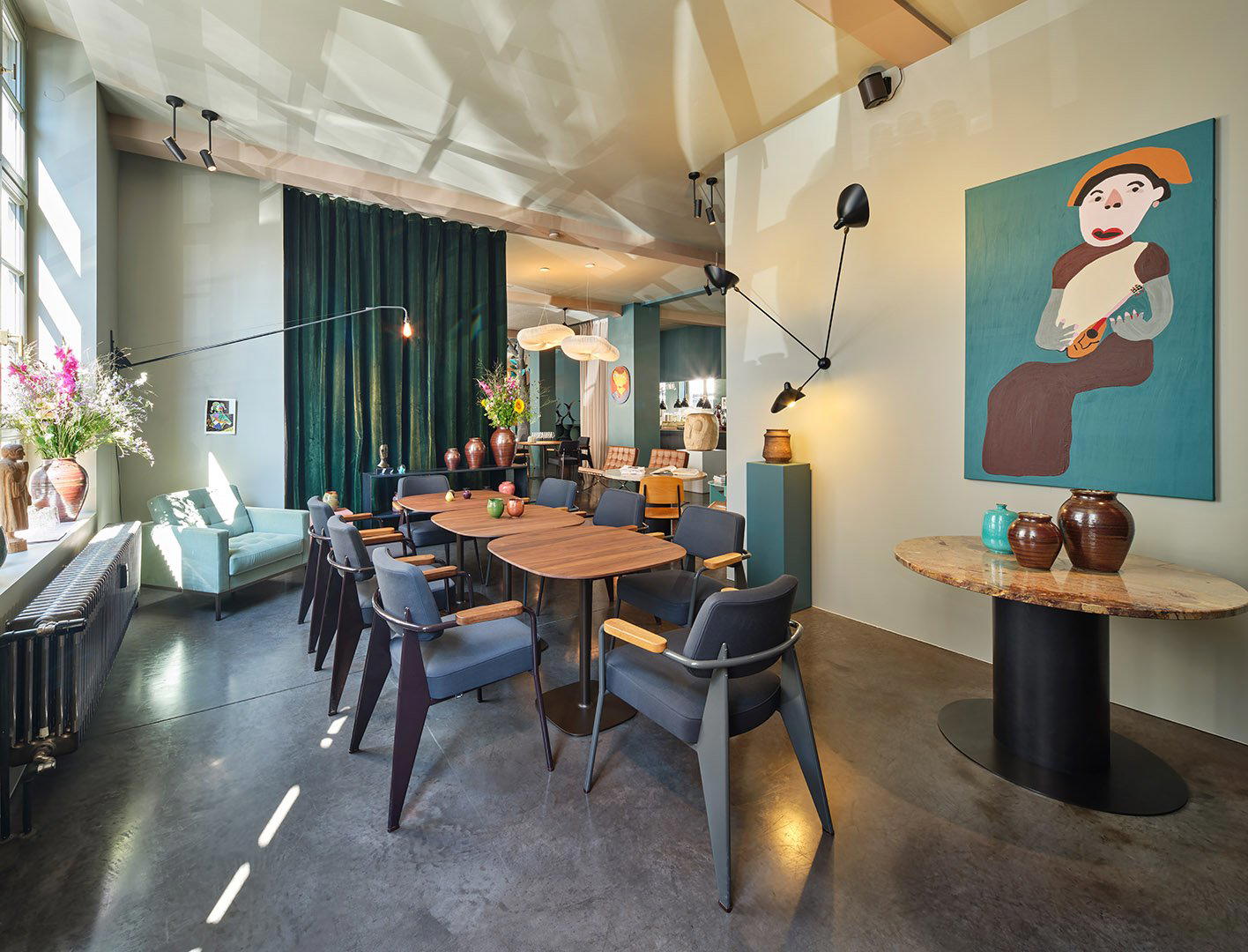
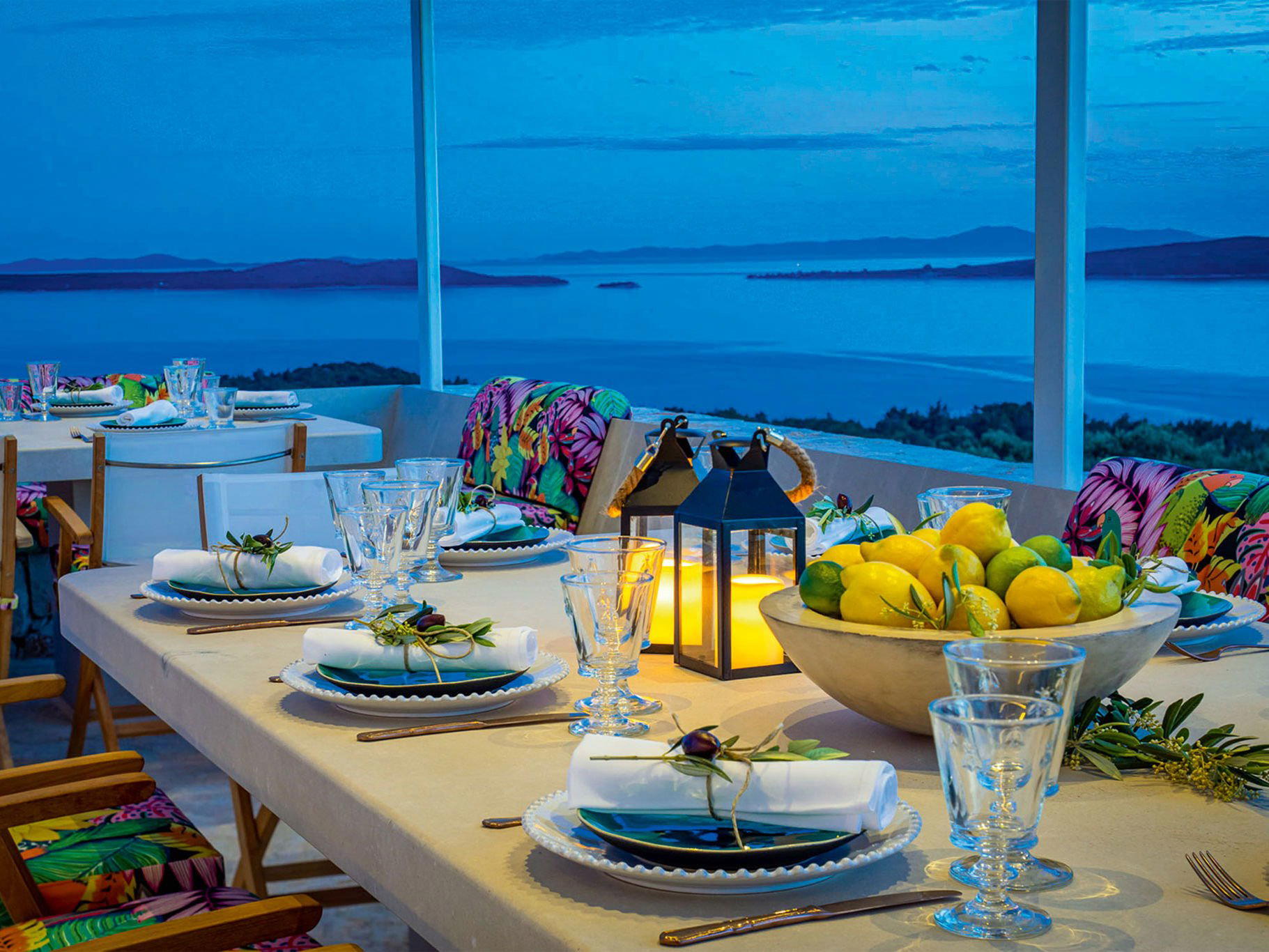
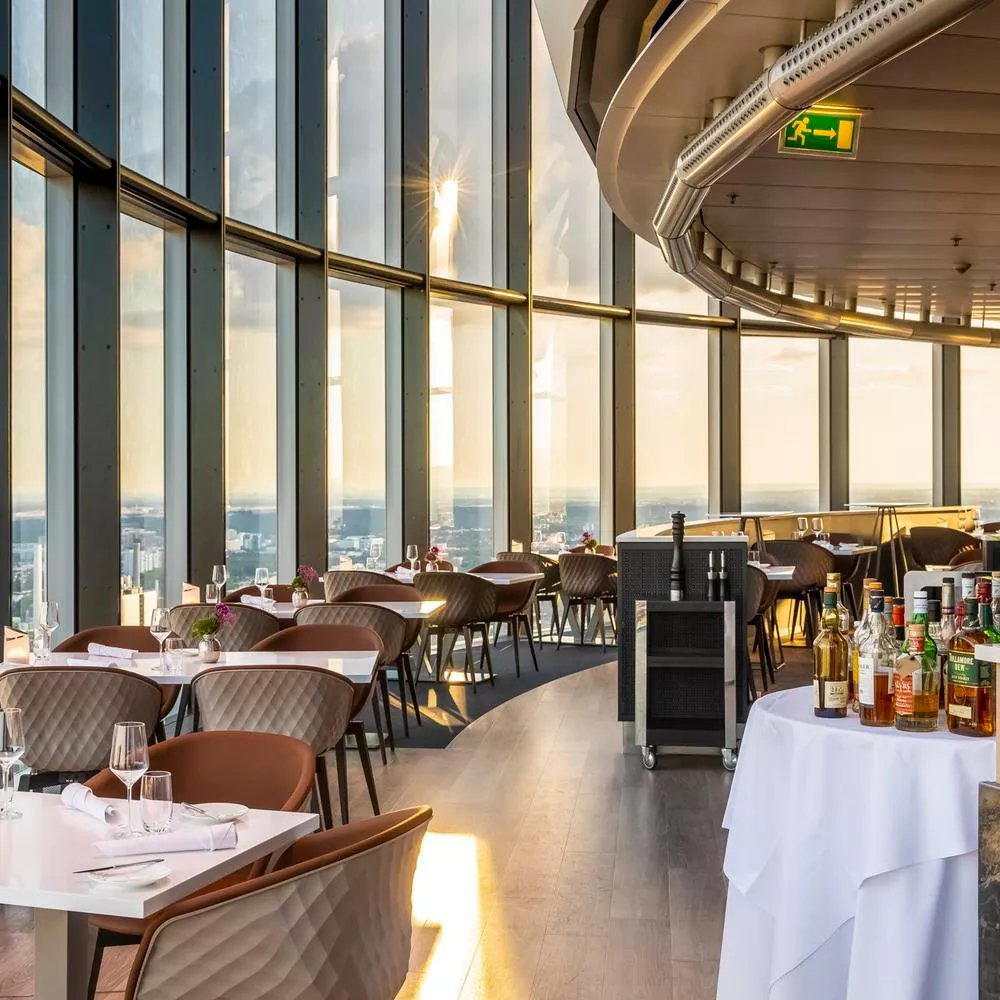
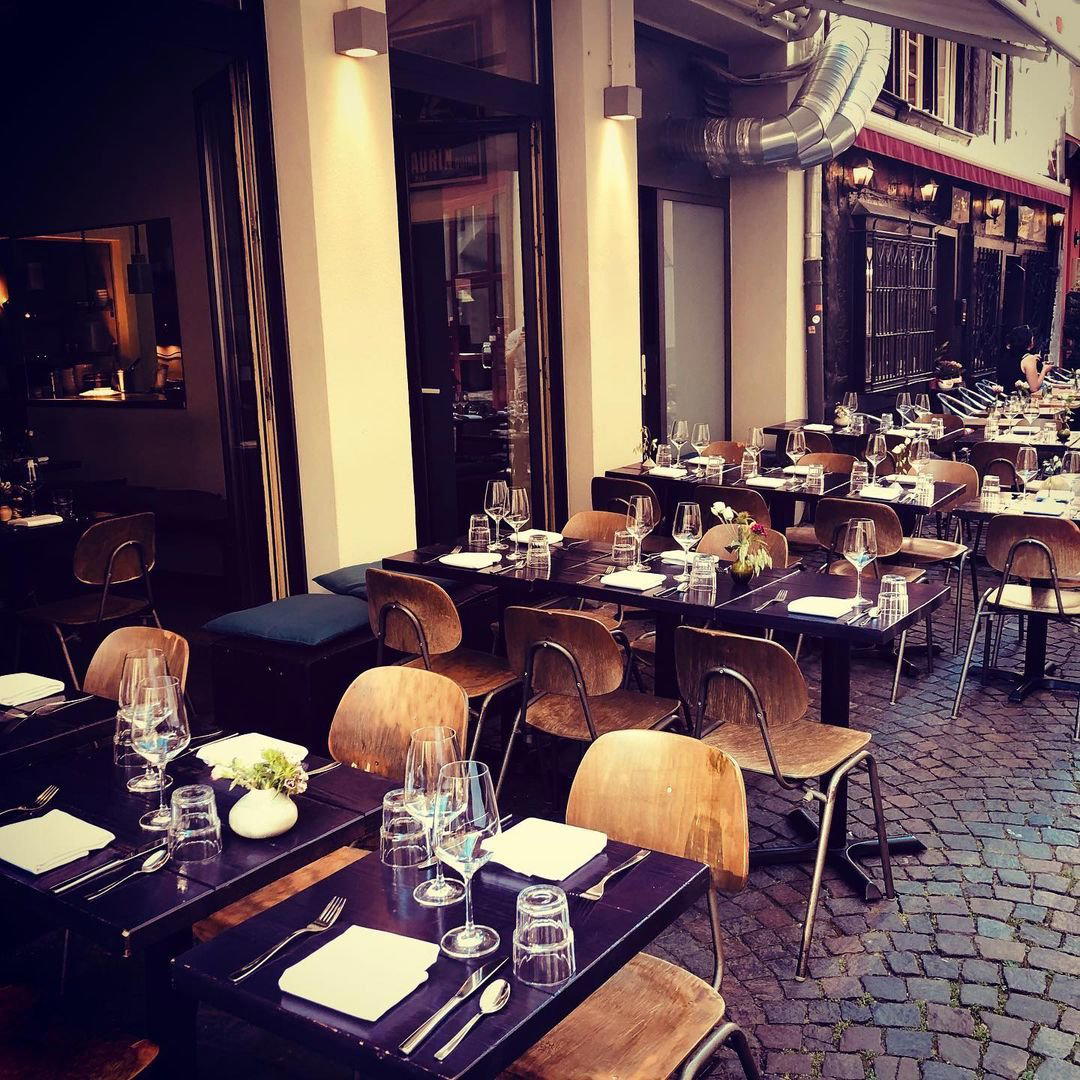
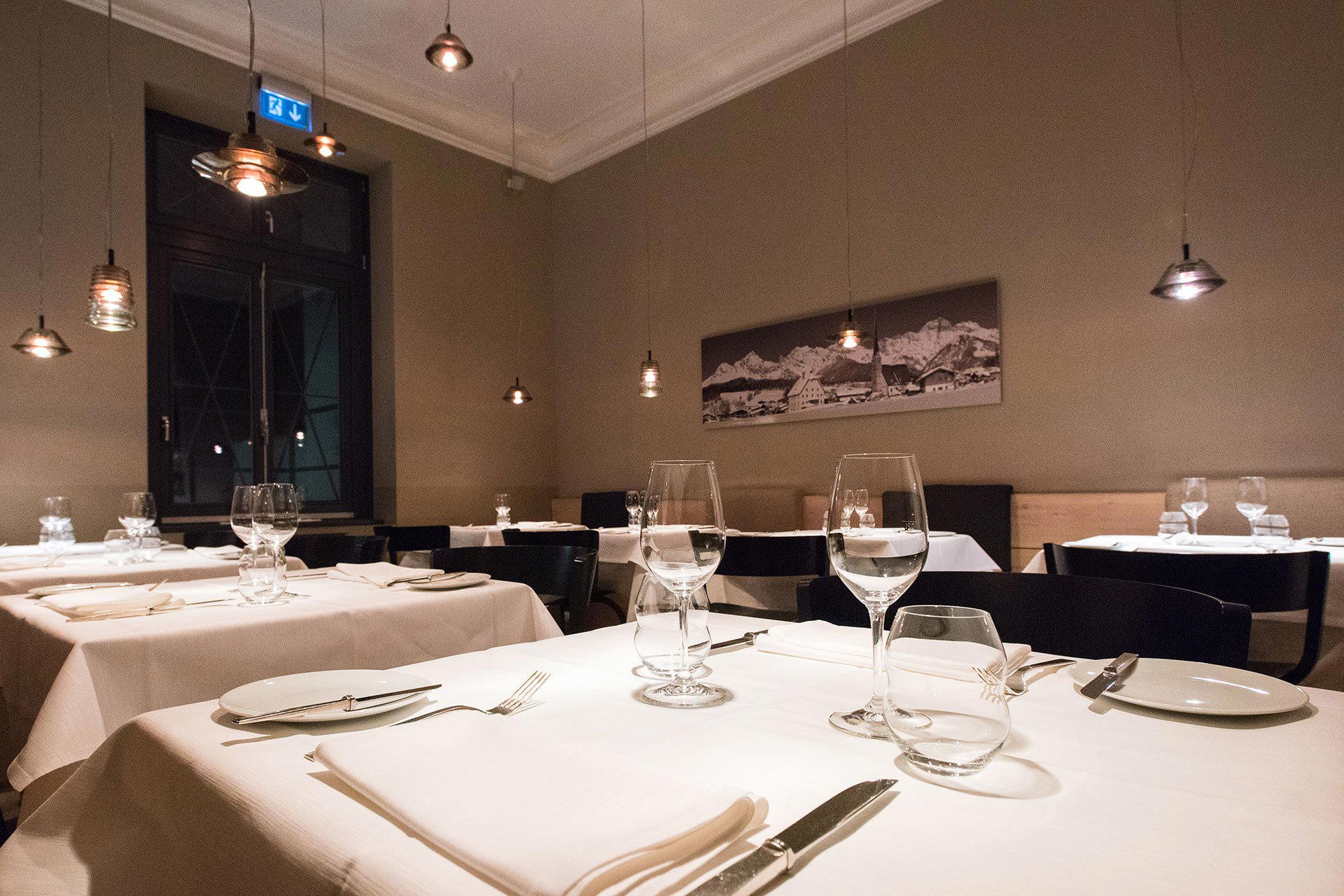
Bars in Frankfurt
All bars in Frankfurt →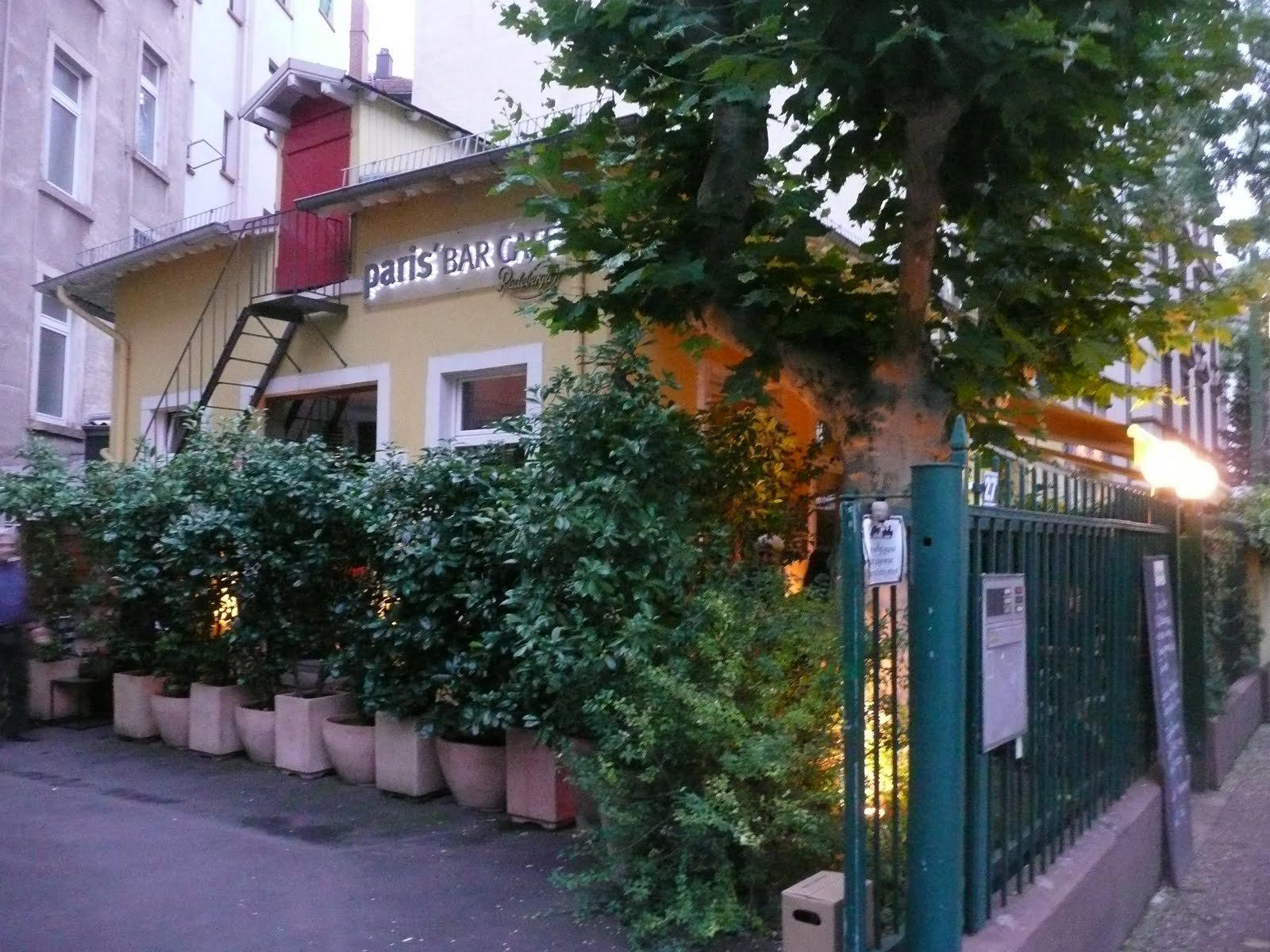
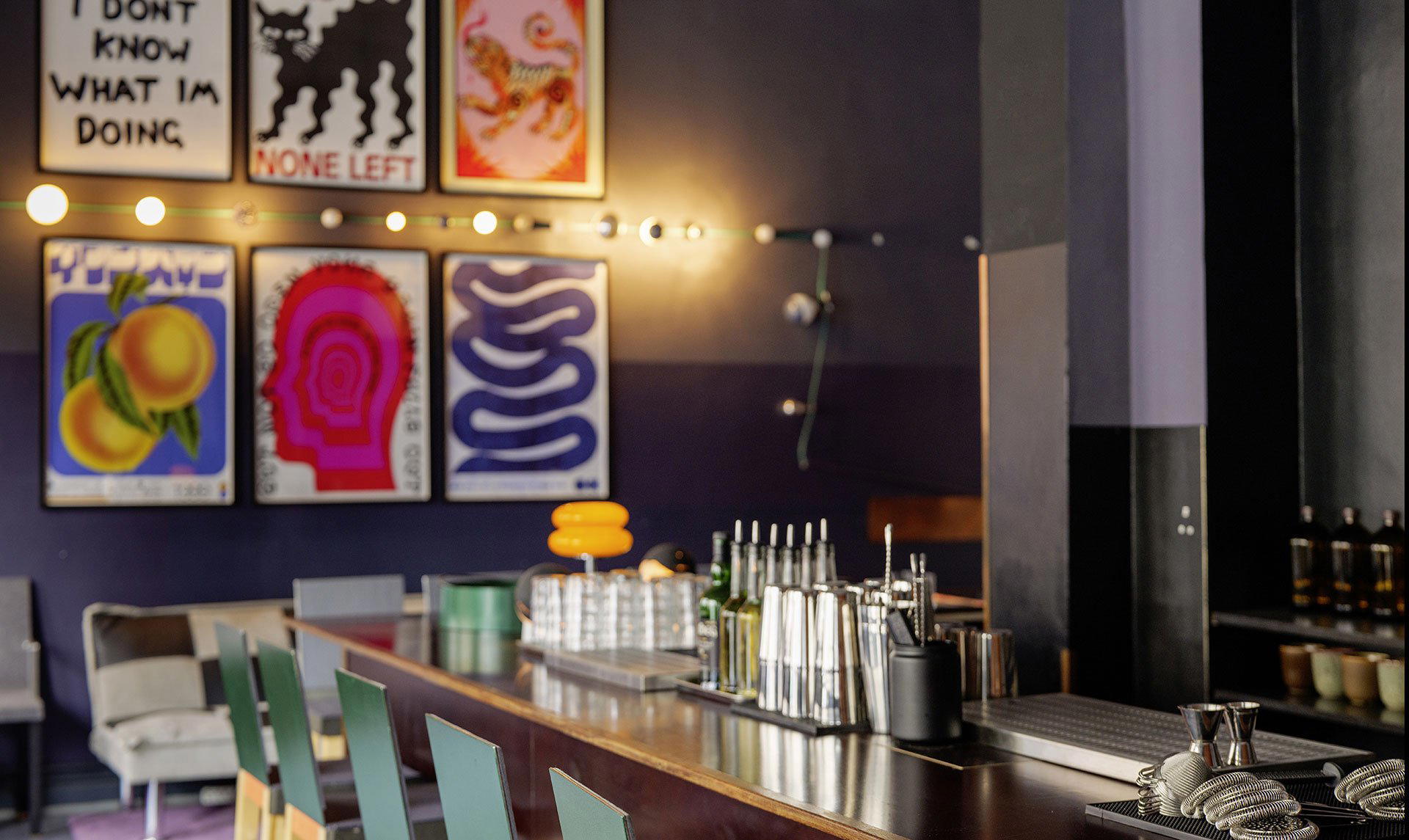
Hotels in Frankfurt
All hotels in Frankfurt →

Details
- Lively
- Energetic
- Date Night
- Group Dining
- Celebration
- Open Kitchen
- Sake Program
- Set Menu
- Vegetarian Friendly
- Vegan Options
Current opening hours
- Monday
- Closed
- Tuesday
- Closed
- Wednesday
- 6–10 PM
- Thursday
- 6–10 PM
- Friday
- 6–10 PM
- Saturday
- 6–10 PM
- Sunday
- 6–10 PM
Hours can change for holidays and private events. Hours as of .
Energetic atmosphere with chefs performing lively cooking shows at communal teppanyaki grills.