Jumanji
Our verdict
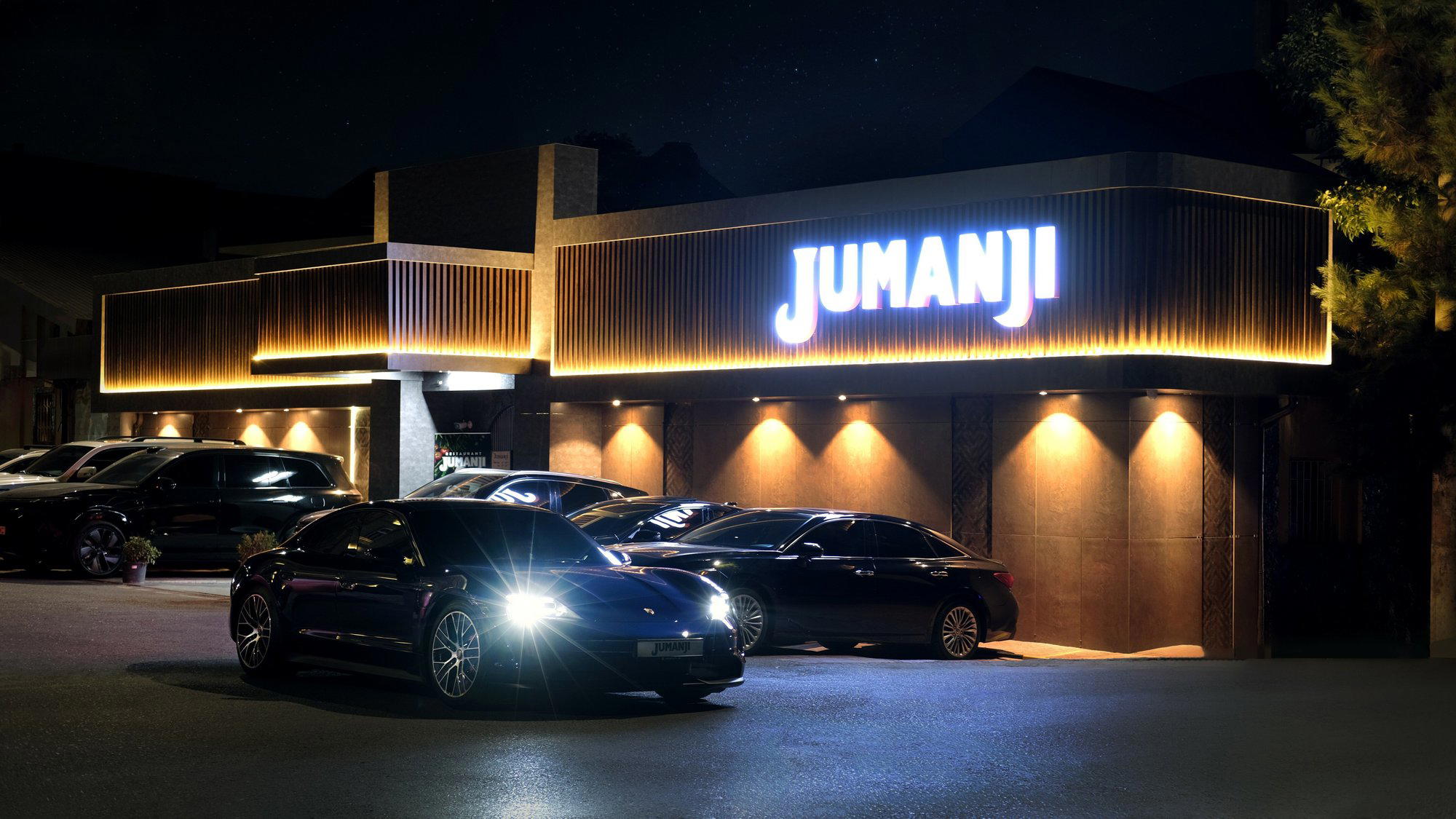
On Yusuf Khos Khodjib Street in central Tashkent, Jumanji occupies a position in a city where the dining scene is reshaping itself around both local culinary tradition and outside influence. With Uzbekistan's produce culture as a foundation, the restaurant draws visitors and residents who want something beyond the standard plov-and-shashlik circuit. A practical starting point for anyone building a Tashkent table itinerary.

Pearl is the En Primeur Club membership app, where members save venues, book tables and use the concierge.
Where Tashkent's Dining Scene Lands in 2024
Central Asian restaurant culture has undergone a quiet but measurable shift over the past decade. Cities like Tashkent are no longer simply repositories of Soviet-era canteen formats and traditional chaikhanas, they have developed a middle tier of dining that sits between heritage pilaf houses and the handful of internationally oriented restaurants that have appeared in the capital's newer commercial districts. Jumanji, on Yusuf Khos Khodjib Street 62, occupies a position somewhere in that expanding middle, in a city where the range of what a dinner out can mean is genuinely widening.
Uzbekistan's ingredient culture is the right place to start any conversation about what Tashkent restaurants are working with. The country's agricultural calendar produces some of the most referenced produce in Central Asia: Fergana Valley stone fruits, Samarkand-region grapes, qaraqul lamb, and a breadth of spice trade heritage that predates the Silk Road's tourist rebranding by several centuries. Any restaurant operating seriously in this city has access to raw material that European chefs would fly considerable distances to source. The question is always what a kitchen does with that starting point.
The Physical Address and What It Signals
Yusuf Khos Khodjib Street takes its name from the 11th-century Karakhanid scholar and poet, a detail that marks it as one of Tashkent's more culturally situated addresses rather than a generic commercial strip. The area sits within the fabric of central Tashkent, where mid-century Soviet planning and older neighbourhood patterns exist side by side, wide pavements, established trees, and buildings that carry more architectural character than the city's newer retail zones further out. Arriving on foot from the metro puts the surrounding streets in context: this is a district where residents and visitors mix in roughly equal measure, rather than a destination that draws only tourists or only locals.
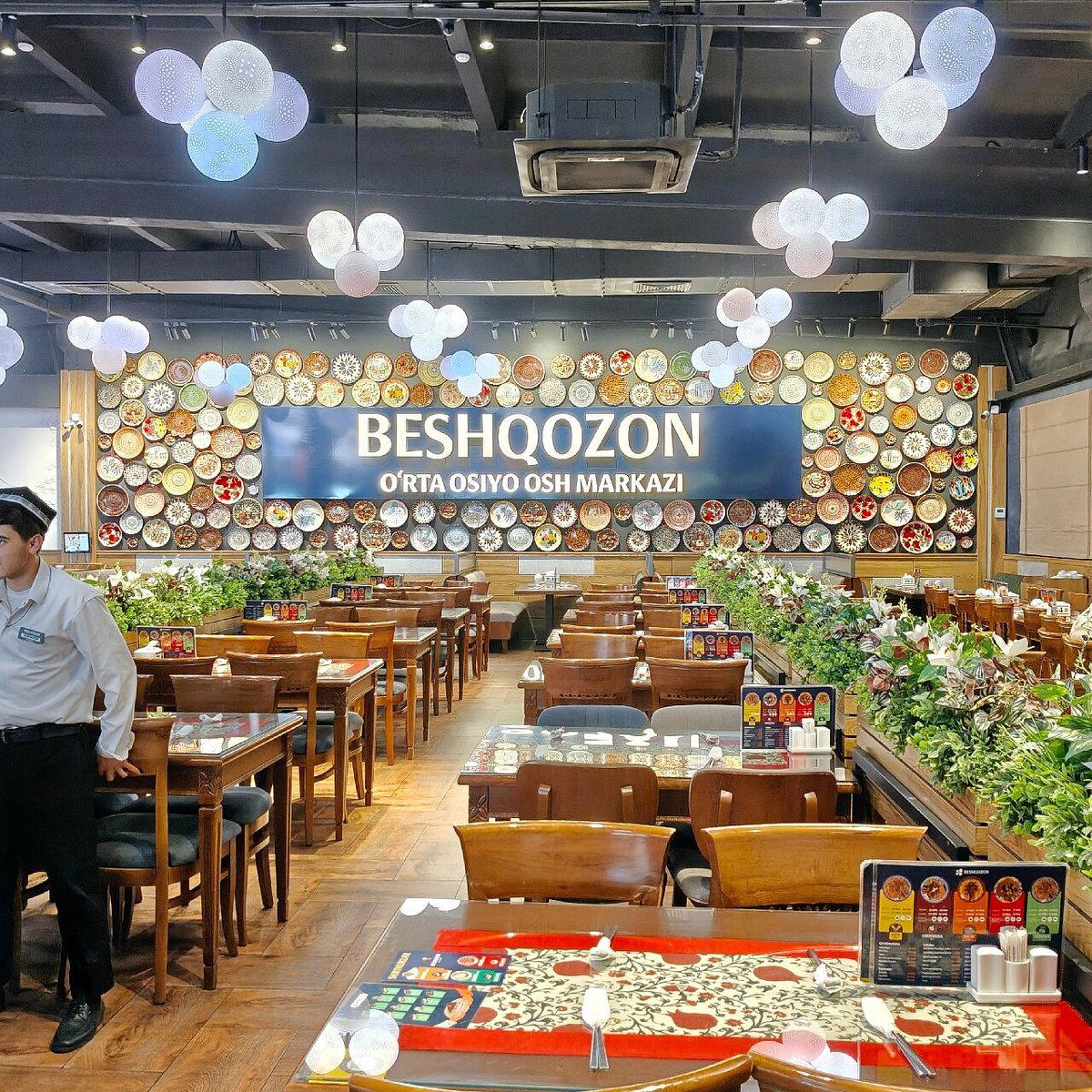
That neighbourhood context matters when reading a restaurant's positioning. Places on streets like this one tend to pitch themselves at a broad city audience rather than at a specific demographic, which shapes everything from format to price expectation. For a comparative read on how Tashkent's more specialist dining operates, the Besh Qozon Central Asian Pilaf Centre offers a different register entirely, built around a single dish executed with the kind of focus that comes from decades of repetition. Khiva Cafe in Toshkent represents another point on the map for anyone building a fuller picture of the city's options.
Ingredient Sourcing as the Frame
In a country where market culture is still the primary channel for fresh produce, the sourcing question is less abstract than it might be in cities with consolidated wholesale supply chains. Tashkent's Chorsu Bazaar and the network of smaller neighbourhood markets remain genuine working markets rather than tourist attractions, and the produce moving through them reflects seasonal availability with more fidelity than most European supermarket systems allow. This means that kitchens connected to those supply networks have a different relationship to the calendar than their Western counterparts.
Central Asian cooking traditions built around this kind of ingredient access tend to be less about technique as spectacle and more about timing and selection. The fat content of Uzbek lamb shifts with the season. The sweetness of Fergana apricots at peak ripeness is a narrow window. Chefs who understand this work with it rather than against it, which is why the most interesting Tashkent tables are not necessarily those with the most elaborate formats. Across the wider Uzbek restaurant scene, this principle shows up clearly at places like Old Bukhara in Buxoro and Mirza Bashi in Xiva, where the logic of the dish is inseparable from where the primary ingredients were grown and when they were harvested.
For readers familiar with the farm-to-table conversation in Western dining, the comparison is instructive but imperfect. At restaurants like Atelier Moessmer Norbert Niederkofler in Brunico or Reale in Castel di Sangro, ingredient provenance is a stated philosophy, often backed by documented supplier relationships and articulated on the menu. In Tashkent, the equivalent logic is embedded in cooking culture rather than declared as a point of difference, which arguably makes it more structural and less performative.
Reading the Wider Uzbek Table
A single Tashkent address is a limited way to engage with Uzbek cuisine in full. The regional variation across the country is substantial: Bukhara's cooking has a different fat profile and spice emphasis than Tashkent's; Samarkand's plov is a point of local pride distinct from the Fergana version; Khiva's table has influences that reflect its position on older trade routes. Anyone spending serious time eating across Uzbekistan should move between cities as much as possible. The Shokhrukh Nur in Samarqand, The Plov in Bukhara, and Shayxana Nayman in Kegeyli each represent a distinct regional register. Yi Palace in Konigil adds a further data point on how outside culinary influences are reading in Uzbek cities right now.
For the global context, consider that Tashkent's dining ambitions are being measured increasingly against what serious restaurants in other parts of the world are doing with local ingredient cultures. The work at Le Bernardin in New York City or Atomix in New York City represents one end of that spectrum; the communal, produce-driven formats of Central Asia represent another. Neither is the more sophisticated position, they are different answers to different questions about what dining is for.
Planning a Visit
Jumanji sits at Yusuf Khos Khodjib Street 62 in central Tashkent. Given the limited data currently available on booking channels, hours, and pricing, the most reliable approach is to confirm details directly on arrival in the city or through a local concierge. Tashkent's restaurant infrastructure for international visitors has improved considerably, but online booking systems and English-language contact information remain inconsistent across the mid-market. For a fuller read on where the city's dining is right now, the EP Club full Tashkent restaurants guide covers a wider range of addresses across formats and price points.
Visitors who are also routing through other Central Asian cities might cross-reference options at Lazy Bear in San Francisco or Emeril's in New Orleans for a sense of how chef-driven formats in other markets have handled the tension between local ingredient culture and broader culinary ambition, before returning to assess what Tashkent's own mid-tier is working through. The Quattro Passi in Marina del Cantone, HAJIME in Osaka, and Dal Pescatore in Runate each show how deep ingredient commitment can anchor a restaurant's identity across decades, which is a useful lens for reading any city's emerging dining tier.
Frequently asked questions
Is Jumanji okay with children?
Tashkent's central dining addresses, including Yusuf Khos Khodjib Street 62, generally run at a pace and format that suits families without issue. Street-level access on a main city road makes arrival with children straightforward.
What's the overall feel of Jumanji?
The address on Yusuf Khos Khodjib Street places Jumanji in a historically significant corridor of central Tashkent, a street named after the 11th-century Karakhanid poet. That context tends to attract a mixed local and visitor crowd rather than a purely tourist-facing room.
How does Jumanji fit into Tashkent's broader dining shift in 2024?
Tashkent's restaurant scene has been sorting itself over the past decade between venues holding to traditional Uzbek formats and those integrating outside influences, and a central address like Jumanji's on Yusuf Khos Khodjib Street places it in the part of the city where both tendencies operate in close proximity. Regional Uzbek variation from Bukhara's courtyard cooking to Samarkand's pilaf traditions gives any Tashkent restaurant a wide reference set to draw from or depart from.
What should I order at Jumanji?
As a working principle for central Tashkent restaurants, dishes built around lamb, seasonal vegetables sourced through local market channels, and bread from a tandir oven represent the strongest expression of what the Uzbek table does at its most consistent. Ask staff what has arrived fresh that day; in Uzbekistan's market-driven supply chain, that question carries real weight.
How do I find Jumanji?
Jumanji is located at Yusuf Khos Khodjib Street 62, Tashkent, Uzbekistan, Tashkent.
How far ahead should I plan for Jumanji?
Tashkent's mid-market restaurants at a central address like Yusuf Khos Khodjib Street 62 rarely carry the booking pressure of high-demand counters in cities with dense reservation competition. Same-day or next-day visits are generally feasible.
Side-by-Side Snapshot
| Venue | Cuisine | Price |
|---|---|---|
| JumanjiThis venue (the venue you are viewing) | Fusion (European, Asian, Uzbek) | $20–30 |
| Besh Qozon Central Asian Pilaf Centre | Central Asian Plov | $1–10 |
| Khiva Cafe | Traditional Uzbek and International | Not listed |
| Mirza Bashi | Traditional Uzbek | Not listed |
| Old Bukhara | Traditional Uzbek Grill | $10–20 |
| Saffron Restaurant | Traditional Uzbek and European | $20–30 |
Continue exploring
More in Tashkent
Restaurants in Tashkent
All restaurants in Tashkent →
Details
- Cozy
- Trendy
- Scenic
- Family
- Group Dining
- Celebration
- Live Music
- Open Kitchen
- Terrace
- Extensive Wine List
- Garden
- A La Carte
- Wine
- Vegetarian Friendly
Current opening hours
- Monday
- 12–11 PM
- Tuesday
- 12–11 PM
- Wednesday
- 12–11 PM
- Thursday
- 12–11 PM
- Friday
- 12–11 PM
- Saturday
- 12–11 PM
- Sunday
- 5–11 PM
Hours can change for holidays and private events. Hours as of .
Cozy and relaxing with soft lighting, natural materials, rattan furniture, abundant plants, and jungle-inspired decor.