Yi Palace
Our verdict
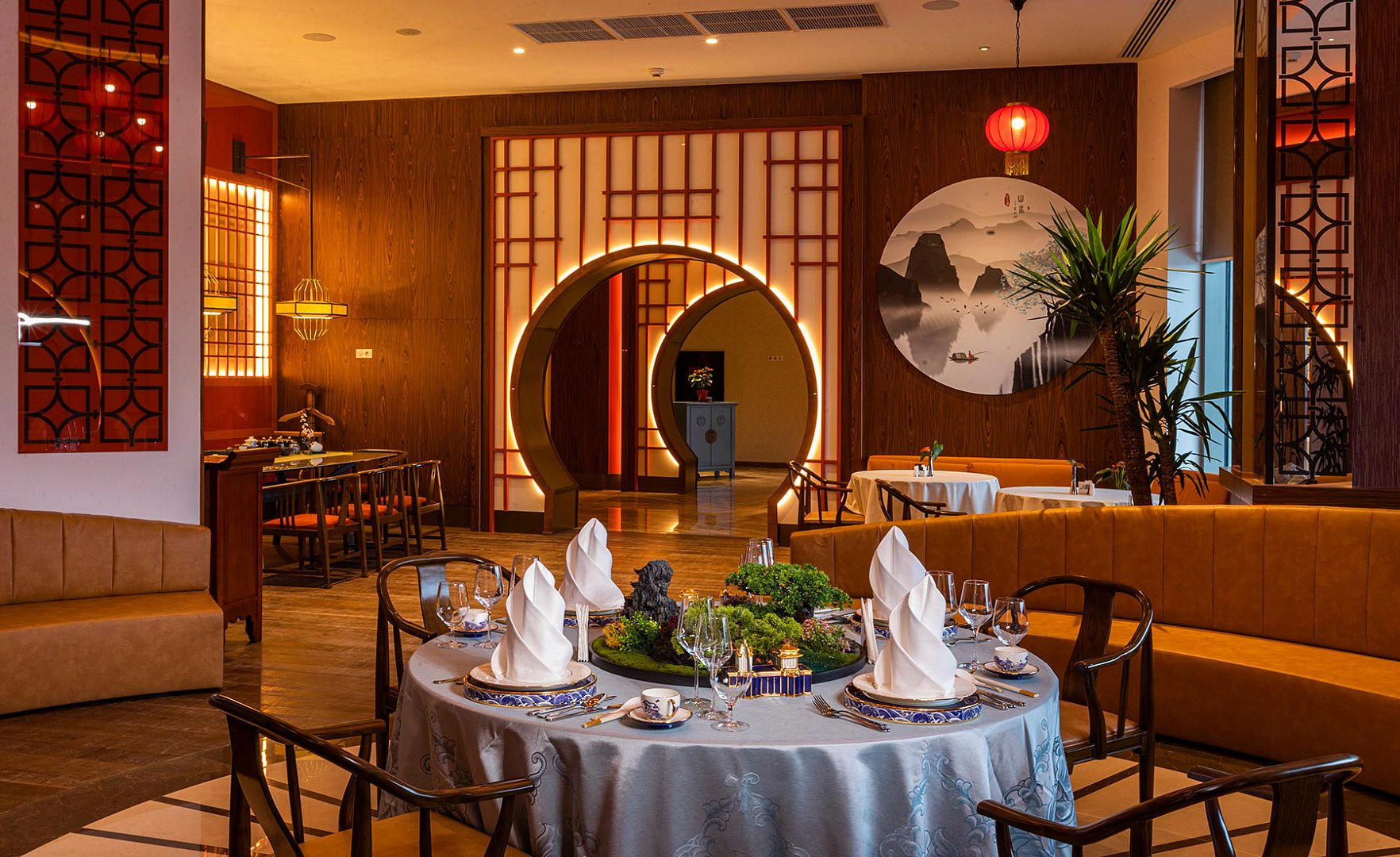
Yi Palace operates in Konigil, a residential and artisan district on the western edge of Samarkand Province, positioned closer to the Zerafshan valley's agricultural supply network than most tourist-facing venues in the city. The Konigil address places it firmly in the local dining register, where Uzbek hospitality codes and regionally sourced ingredients shape the table. A useful stop for visitors looking to eat beyond the old-city corridor.

Pearl is the En Primeur Club membership app, where members save venues, book tables and use the concierge.
Where the Silk Road Pantry Still Shapes the Plate
Konigil sits on the western edge of Samarkand, close enough to the old city that its air carries the same dry mineral warmth, but far enough from the tourist circuit to operate on its own rhythms. The neighbourhood is known foremost for its paper mills, where mulberry pulp has been beaten into sheets by the same method for more than a thousand years. That relationship between local material and ancient process extends, in Samarkand's broader dining culture, to the kitchen. Yi Palace operates within this context, in a district where ingredient provenance is less a marketing decision than a structural fact of geography.
Central Asian dining in the Samarkand region draws from one of the world's most distinctive agricultural zones. The Zerafshan valley, which feeds the area's markets, produces lamb from high-altitude grazing, rice varieties adapted to semi-arid conditions, and a range of dried fruit and spice that once moved west along the same roads that gave the Silk Route its commercial logic. Restaurants in this part of Uzbekistan do not need to manufacture a farm-to-table narrative. The supply chain is short by default, and the produce reflects altitude, soil, and season in ways that mid-range restaurants in larger cities spend considerable effort trying to replicate. For a broader picture of what the region's table looks like, see our full Konigil restaurants guide.
The Sourcing Reality Behind Uzbek Hospitality
Across Uzbekistan, the most serious kitchens are differentiated less by technique than by access to primary ingredients. The country's plov tradition illustrates this well. A master oshpaz will specify rice from Khorezm, fat from a particular breed of karakul sheep, and carrots from local plots rather than commercial supply. The discipline is taxonomic before it is culinary. Yi Palace sits in Samarkand Province, a geography that gives it natural proximity to the valley markets where those primary decisions are made at source, not negotiated at a wholesale depot.
This matters to visitors because Samarkand's dining scene, unlike Tashkent's, has not yet bifurcated sharply between international-facing restaurants and local everyday tables. The gap between tourist-grade and resident-grade food remains narrower here, partly because ingredient quality is high across the board and partly because local demand is confident about what the food should taste like. Comparisons with Tashkent options like Jumanji in Tashkent or Khiva Cafe in Toshkent are instructive precisely because those venues operate in a capital city context where the audience and supply chain are both more varied.
Uzbekistan's mid-tier restaurant scene has been mapped, at least partially, by the performance of venues like Afrosiyob Restaurant in Samarqand, which anchors a more established position in the city's dining conversation. Further afield, Old Bukhara in Buxoro and Ayvan Restaurant in Bukhara demonstrate how historic cities in Uzbekistan are developing their own distinct dining registers. Bukhara venues, in particular, have leaned into courtyard architecture and pre-Islamic trading aesthetics. Samarkand's approach tends to sit between civic formality and domestic warmth, a reflection of the city's dual identity as both a UNESCO heritage site and a functioning regional capital.
Beyond Uzbekistan, the gap between Central Asian regional cooking and the internationally recognised formats found at venues like Le Bernardin in New York City, Alinea in Chicago, or Atomix in New York City illustrates why ingredient-driven cooking traditions outside the Michelin orbit often reward closer attention. The techniques at venues carrying the recognition of Alain Ducasse at Louis XV in Monte Carlo or Alléno Paris au Pavillon Ledoyen operate within deeply codified French frameworks. Central Asian cooking encodes its own set of constraints, and understanding those constraints is the most useful frame for evaluating any table in the region.
Yi Palace carries a name that suggests a formal or palace-style dining register, which in Samarkand typically corresponds to a setting built around ceremonial generosity rather than fine-dining minimalism. Uzbek hospitality culture positions the host's abundance as the primary signal of quality, which means table coverage, portion scale, and bread arrival tend to arrive before the meal proper begins.
What the Konigil location does confirm is that this is not a venue pitched primarily at the Samarkand old-city tourist corridor. Konigil functions as a residential and artisan district, and venues that operate here tend to draw from a local and regional customer base rather than an international one. That distinction matters for realistic expectations around English-language service, menu translation, and the general operating cadence of the kitchen.
For context on how similar mid-range regional venues operate in less-visited Uzbek cities, Shayxana Nayman in Kegeyli and Mirza Bashi in Xiva offer useful reference points. Both operate in smaller cities where the dining format is grounded in local demand, and both illustrate the consistency of Uzbek hospitality codes across geography.
Planning a Visit to Konigil
Samarkand is accessible by the Afrosiyob high-speed rail service from Tashkent, with the journey running at approximately two hours. From Samarkand's city centre, Konigil is reachable by local taxi or rideshare. Visiting during the spring harvest window (April to June) or the autumn produce season (September to October) aligns a Samarkand trip with the peak of the valley's agricultural output, which directly affects what appears on regional menus across the city.
Frequently asked questions
Can I bring kids to Yi Palace?
Family dining is the norm across Konigil and the wider Samarkand Province restaurant scene, and venues in this area are structured around shared table formats that accommodate children without issue. Yi Palace's address in Samarkand Viloyati places it well outside the pressurised tourist corridor, where restaurants tend toward relaxed, communal setups rather than formal service sequences. Arriving with children is unlikely to require any special arrangement.
Is Yi Palace formal or casual?
Restaurants operating in Konigil, outside Samarkand's main heritage tourism zone, generally run on a relaxed register: no dress code enforced, no tasting-menu choreography, seating arranged for groups. The name Yi Palace suggests a setting built around ceremonial hospitality in the Uzbek tradition, which prioritises generous portions and guest comfort over formality. Expect something closer to a celebratory family hall than a white-tablecloth room.
What do regulars order at Yi Palace?
Konigil's position on the western edge of Samarkand places it squarely in the agricultural supply chain of the Zerafshan valley, which means kitchens in this area work with fresh-market lamb, carrots, and rice as primary materials. In Samarkand Province, that points toward plov as the anchor dish, alongside samsa and lagman as standard table orders.
Comparable Spots, Quickly
| Venue | Cuisine | Price |
|---|---|---|
| Yi PalaceThis venue (the venue you are viewing) | Authentic Chinese | Not listed |
| Afrosiyob Restaurant | Uzbek / Central Asian | $10–20 |
| Jumanji | Fusion (European, Asian, Uzbek) | $20–30 |
| Besh Qozon Central Asian Pilaf Centre | Central Asian Plov | $1–10 |
| Old Bukhara | Traditional Uzbek Grill | $10–20 |
| Khiva Cafe | Traditional Uzbek and International | Not listed |
Continue exploring
More in Konigil
Details
- Elegant
- Sophisticated
- Business Dinner
- Special Occasion
- Hotel Restaurant
- A La Carte
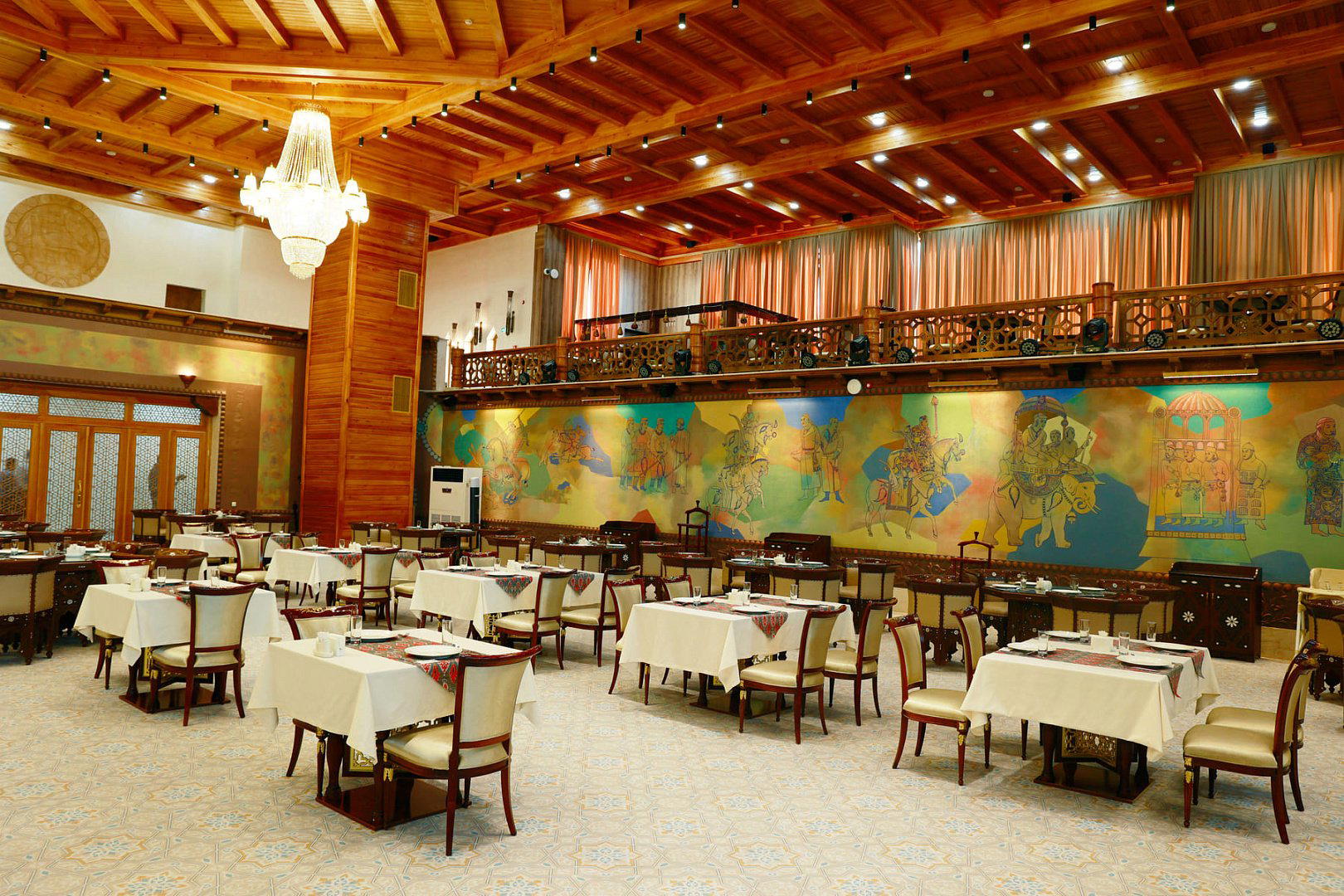
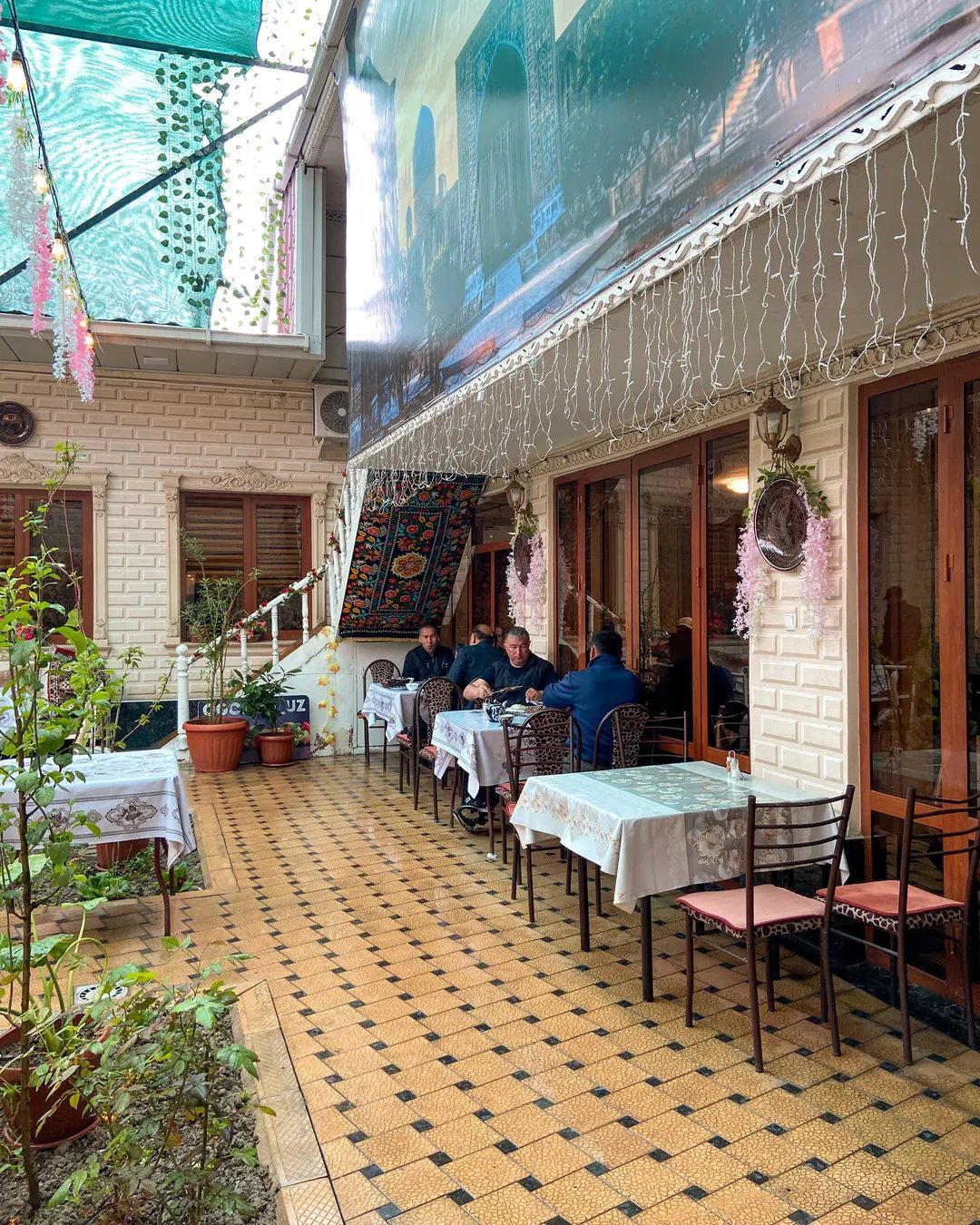
Stylish and authentic Chinese decor with comfortable dining environment.