Saffron Restaurant
Bukhara's Dining Tradition and Where Saffron Fits Few cities in Central Asia carry the cultural weight of Bukhara. For more than two millennia, this Silk Road crossroads received merchants, scholars, and travellers whose food traditions layered...

Bukhara's Dining Tradition and Where Saffron Fits
Few cities in Central Asia carry the cultural weight of Bukhara. For more than two millennia, this Silk Road crossroads received merchants, scholars, and travellers whose food traditions layered into the city's own. The result is a cuisine that reads like an archaeological record: dishes built from Persian saffron, Turkic meat preparations, and trading-route spices that arrived long before refrigeration made global ingredients ordinary. Dining here is not a neutral act. Every plov, every samsa, every slow-braised lamb shank connects back to a set of techniques and ingredient relationships that predate the restaurant format by centuries. Saffron Restaurant operates inside that tradition, drawing its name from the spice that historically marked Bukharan cooking as distinct from the plainer preparations found further east.
The broader Bukharan dining scene has developed along a recognisable axis in recent years: heritage-format restaurants aimed at travellers who want the architecture and atmosphere alongside the food, versus more neighbourhood-focused establishments where the cooking is the point. For a broader picture of where each establishment sits within that spectrum, our full Buxoro restaurants guide maps the city's options across both categories.
The shortlist, unlocked.
Hard-to-book tables, cellar releases, and concierge-planned trips.
Get Exclusive Access →The Cultural Weight of Saffron in Uzbek Cuisine
Saffron's role in Uzbek cooking is narrower and more deliberate than its use in, say, Spanish or Iranian cuisines. In Bukhara specifically, the spice appears in celebratory rice dishes and certain slow-cooked preparations where its colour signals both occasion and quality of ingredient sourcing. A restaurant that places saffron at the centre of its identity is making a conscious claim about register: this is cooking that references the city's more ceremonial food traditions rather than the everyday bazaar diet.
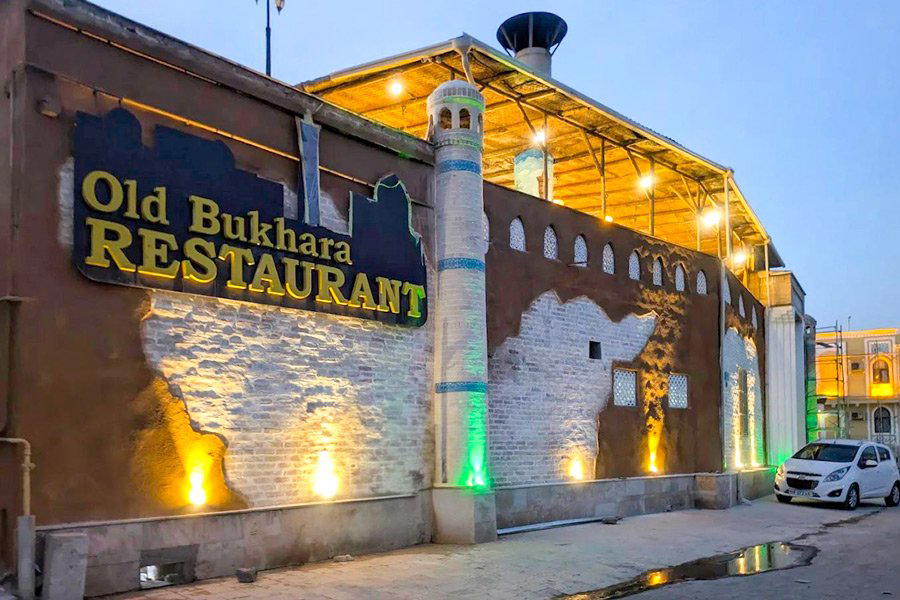
That positioning places Saffron Restaurant in the same conversational tier as Old Bukhara, which also draws on the city's deep culinary history as its primary frame of reference. Across Uzbekistan more broadly, a handful of establishments have built their identities around this heritage-forward approach. Afrosiyob Restaurant in Samarqand does something comparable in that city's context, grounding itself in the Timurid-era food culture that Samarqand's monuments still make visible. In Khiva, Mirza Bashi takes a similar tack. The pattern across these Silk Road cities is consistent: when a restaurant names itself after a heritage ingredient or historical figure, it is signalling to a particular kind of traveller.
The Physical Setting: Reading the Room
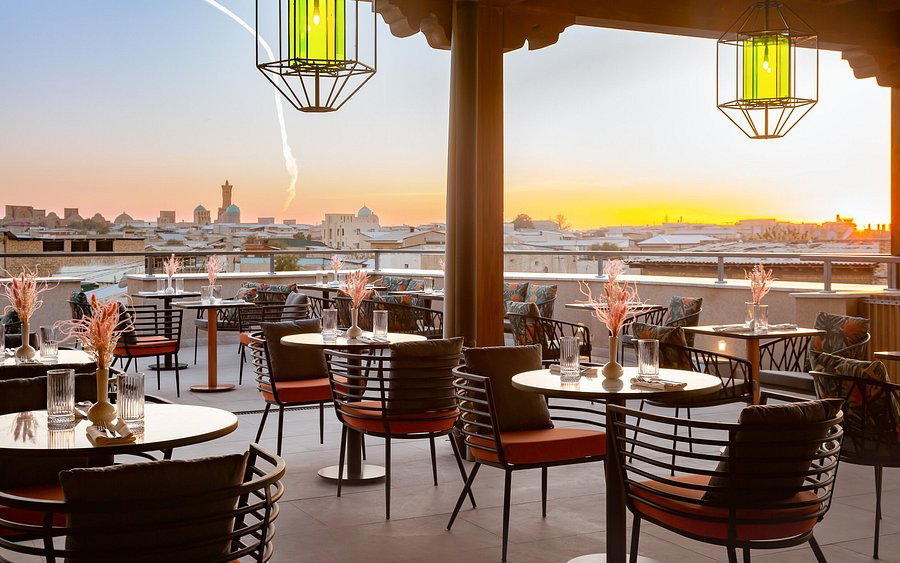
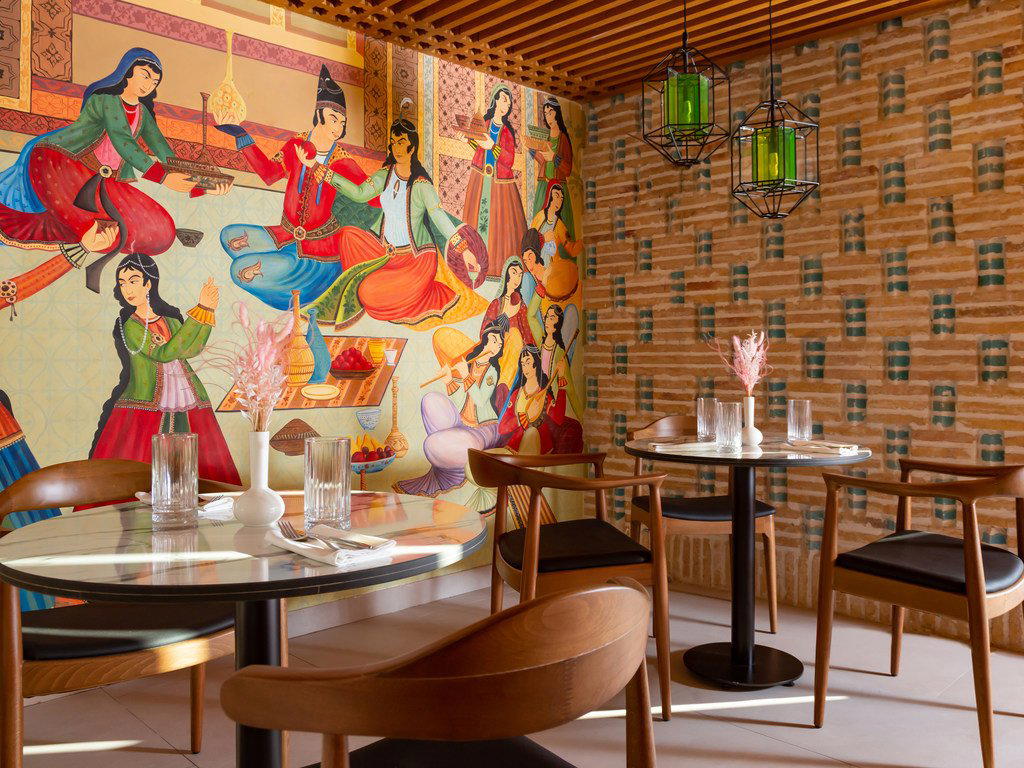
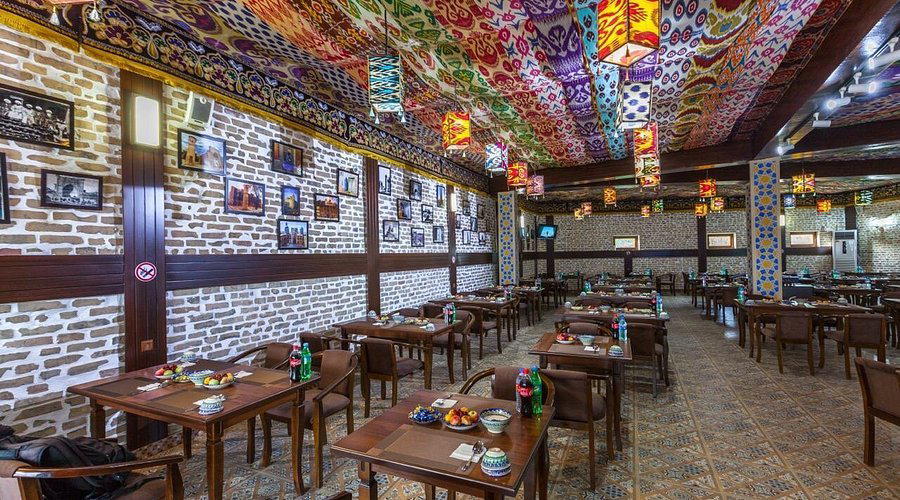
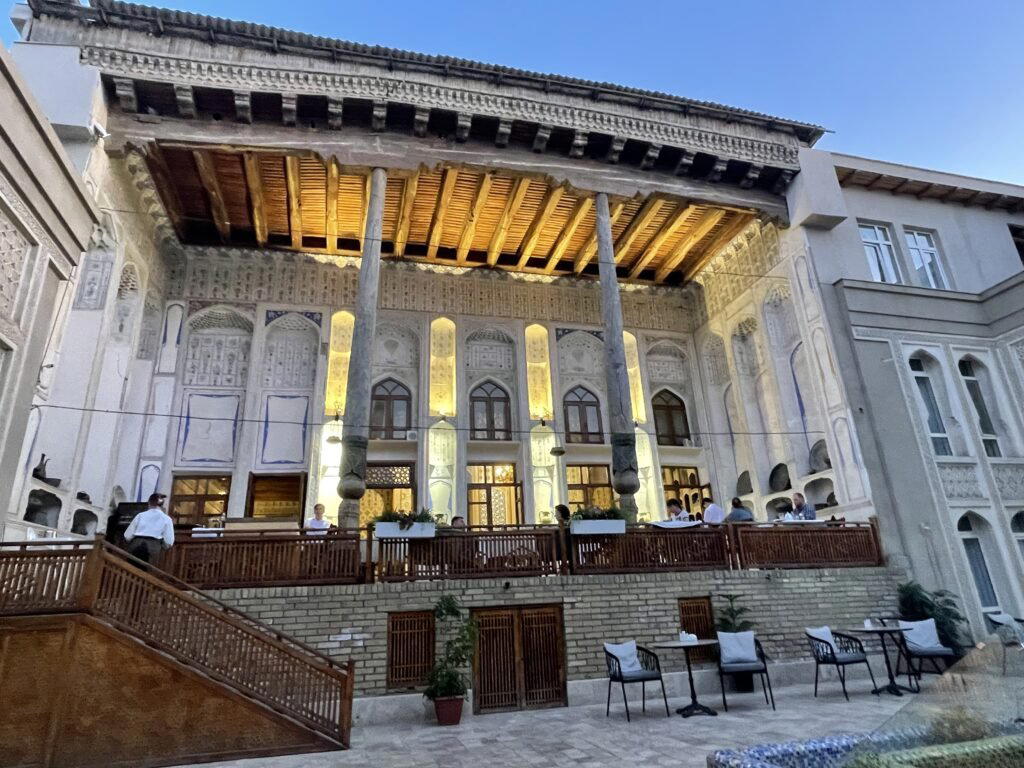
Bukharan restaurants that lean into heritage tend to occupy one of two architectural types: converted caravanserai spaces with internal courtyards and carved wooden columns, or purpose-built rooms that reproduce those elements through decorative reproduction. The distinction matters because it affects acoustics, airflow, and the quality of light at different times of day. Courtyard settings shift considerably between a lunch service under full Central Asian sun and an evening meal where the sky above the open roof has gone deep blue. Neither version is lesser, but they are different experiences.
Travellers who want to compare Bukhara's courtyard-format dining against what's available further along the Uzbek tourist corridor will find useful contrast at Ayvan Restaurant in Bukhara, which works within a similar physical tradition. For those continuing to Tashkent after Bukhara, Khiva Cafe in Tashkent and Jumanji in Tashkent represent how the capital's restaurant scene approaches the same traditional material with a different energy, shaped by a larger, more cosmopolitan resident population.
Uzbek Plov and the Dish That Defines the Region
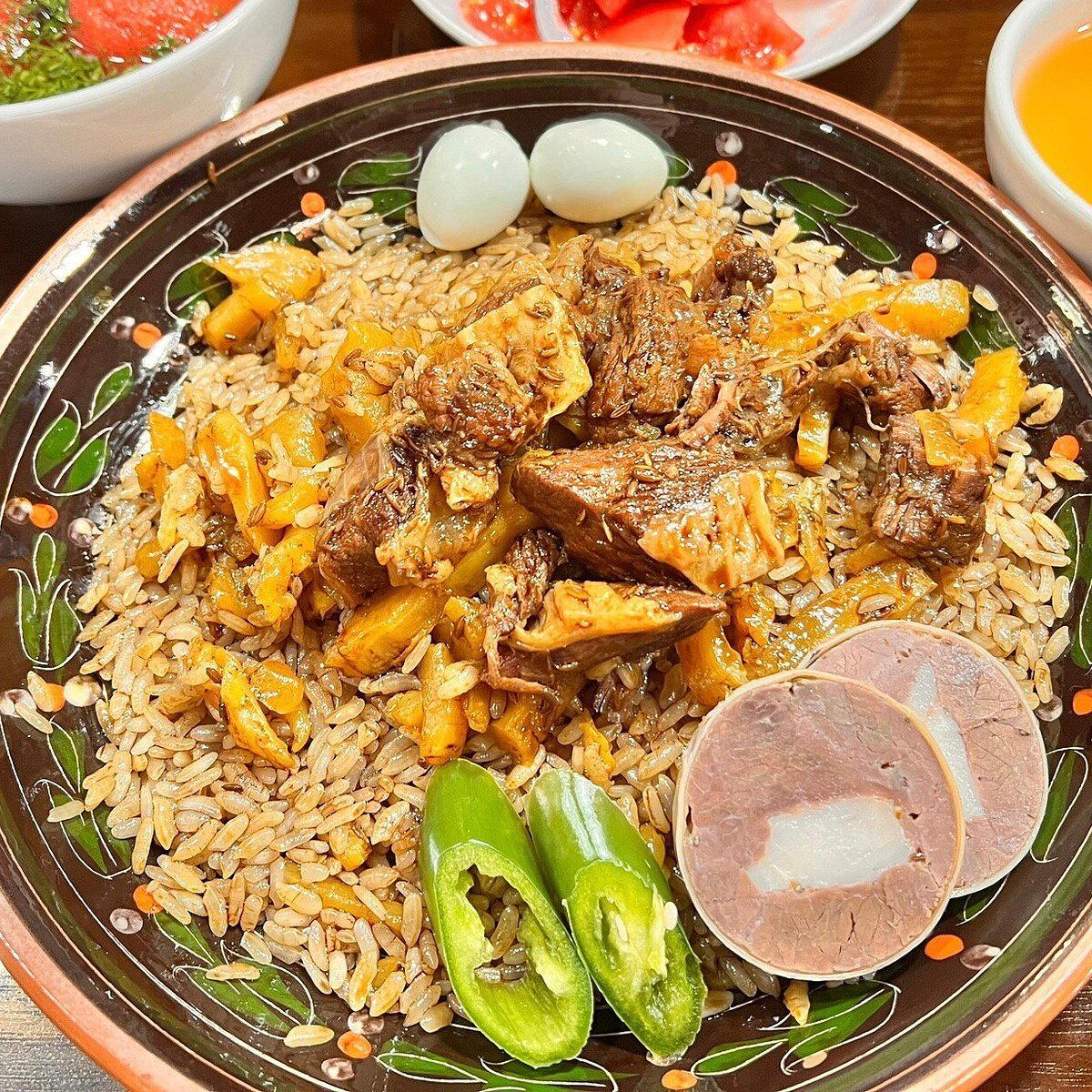
Any serious engagement with Bukharan cuisine requires reckoning with plov, the rice and lamb preparation that UNESCO added to its Intangible Cultural Heritage list in 2016. Uzbekistan's relationship with plov is regional and intensely local: Bukhara's version differs from Tashkent's in fat content, spice balance, and the specific cuts of meat considered appropriate. A Bukharan plov will typically use cottonseed oil or lamb tail fat, arrive with whole heads of garlic softened through the cooking, and carry the yellow tint of the cumin-heavy zirvak base. Saffron, when present, adds a second colour register on leading of that baseline.
The broader Central Asian rice tradition has its own comparative richness. Shayxana Nayman in Kegeyli and Yi Palace in Konigil each work within regional variants that show how much plov changes across even relatively short geographic distances within Uzbekistan.
Planning Your Visit
Bukhara's tourist season concentrates between April and June, and again in September and October, when temperatures are manageable and the city's UNESCO-listed monuments draw significant international visitor numbers. During those windows, restaurants operating in the heritage-dining tier see their highest demand. Visitors planning to eat at Saffron Restaurant during peak season would be prudent to arrange reservations through their accommodation or a local operator rather than arriving without prior contact, since the combination of limited seating in traditional-format restaurants and concentrated tourist flow creates real capacity pressure. Outside those windows, Bukhara in July and August is hot enough to push most outdoor dining to evening hours, while November through March sees sharply reduced visitor numbers and a quieter, more local-facing version of the city's restaurant scene.
For travellers benchmarking Bukhara's dining against international reference points, the gap between Central Asian heritage restaurants and the format discipline of, say, Le Bernardin in New York City or Alinea in Chicago is wide and largely beside the point. The more useful comparison set for Bukhara is the category of culturally grounded regional restaurants in cities where the food is inseparable from the history of the place, a tier that includes establishments like Alain Ducasse at Louis XV in Monte Carlo or Alléno Paris au Pavillon Ledoyen in the sense that the setting is doing real cultural work alongside the plate, even if the cuisine categories are entirely different. Closer to Uzbekistan's own register, 8 1/2 Otto e Mezzo Bombana in Hong Kong and Amber in Hong Kong represent how Asian cities handle the intersection of deep culinary tradition and contemporary dining format, which is a different answer than Bukhara's, but an instructive contrast. Other points of reference from the Americas include Emeril's in New Orleans, Lazy Bear in San Francisco, and Atomix in New York City.
Frequently Asked Questions
- What do people recommend at Saffron Restaurant?
- Saffron Restaurant's name points directly to the Bukharan cooking tradition it references, so dishes built around slow-cooked rice preparations and lamb are the logical anchor of the menu. Bukhara's culinary heritage, including its UNESCO-recognised plov tradition, provides the context for what to expect. For comparison across the city's dining options, see our full Buxoro restaurants guide.
- Do I need a reservation for Saffron Restaurant?
- During Bukhara's peak travel windows (April to June and September to October), heritage-format restaurants in the city operate under real capacity pressure. Arranging a booking through your accommodation before arriving is advisable. The city's tourist concentration around its UNESCO monuments makes walk-in availability unreliable in those months.
- What do critics highlight about Saffron Restaurant?
- Specific critical coverage of Saffron Restaurant is not available in our current data. What the broader dining community in Uzbekistan's Silk Road cities consistently notes is the importance of cultural grounding in restaurants that position themselves around heritage cuisine. Saffron's name signals that positioning. Old Bukhara and Ayvan Restaurant operate in the same tier for comparison.
- Do they accommodate allergies at Saffron Restaurant?
- Specific allergy policies for Saffron Restaurant are not confirmed in our current data. Travellers with dietary restrictions should contact the restaurant directly or consult their hotel concierge before visiting. Bukharan cuisine relies heavily on lamb, wheat-based breads, and cottonseed or animal fats, so flagging requirements in advance is particularly important in this culinary context.
- Is Saffron Restaurant in Bukhara suitable for travellers with no prior experience of Uzbek cuisine?
- Bukhara is widely considered an accessible entry point into Uzbek food culture because its Silk Road heritage means the cuisine has absorbed Persian and Central Asian influences that feel familiar to many international travellers. Restaurants in the heritage-dining tier, including those positioning themselves around saffron-accented preparations, generally serve dishes with clear visual cues and hospitable service aimed at visitors. That said, first-time visitors to Uzbek cuisine benefit from understanding that plov and slow-braised meat dishes are the structural backbone of most menus here, rather than the lighter vegetable-forward courses common in other regional cuisines.
Cost and Credentials
These are the closest comparables we have in our database for quick context.
| Venue | Price | Awards | Notes |
|---|---|---|---|
| Saffron Restaurant | This venue | ||
| Old Bukhara | |||
| Afrosiyob Restaurant | |||
| Jumanji | |||
| Besh Qozon Central Asian Pilaf Centre | |||
| Khiva Cafe |
Need a table?
Our members enjoy priority alerts and concierge-led booking support for the world's most difficult tables.
Get Exclusive AccessThe shortlist, unlocked.
Hard-to-book tables, cellar releases, and concierge-planned trips.
Get Exclusive Access →