The Plov
Our verdict
In Bukhara's old city, The Plov represents one of Central Asia's most enduring culinary traditions: the slow-cooked rice dish that has anchored Uzbek communal life for centuries. A straightforward address for understanding plov in its regional context, The Plov sits within a dining culture shaped by Silk Road trade routes and collective feasting rituals that predate modern Uzbekistan by a thousand years.

Pearl is the En Primeur Club membership app, where members save venues, book tables and use the concierge.
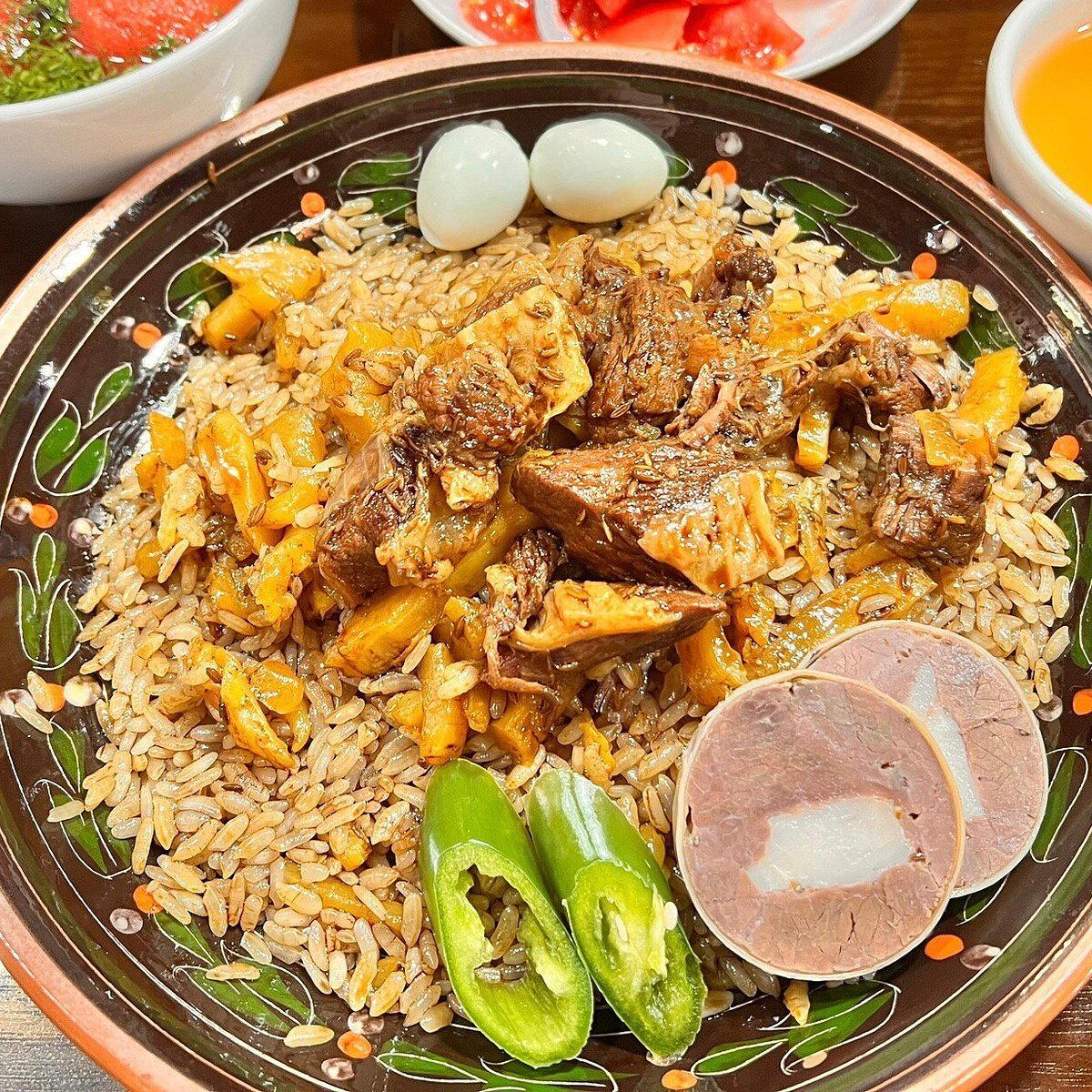
The menu
What to order
- Bukhara Plov
- Samarkand Plov
Plov in Its Natural Habitat
Approach any serious plov house in Bukhara's old city and the signals arrive before you reach the door: cast-iron kazan pots the size of small barrels, smoke threading upward through narrow lanes, and the particular weight of rendered fat and cumin that distinguishes Uzbek plov from every adjacent rice tradition. Plov is not simply a dish here; it is a social institution, the centerpiece of weddings, funerals, Friday gatherings, and the slow weekend mornings when men congregate early to eat well before the heat of the day sets in. The Plov, as a named destination in this city, takes its identity directly from that tradition.
Bukhara sits at a crossroads that shaped its food culture as much as its architecture. Caravans carrying saffron from Persia, lamb from the steppe, and rice from the Fergana Valley converged here across centuries, and the city's plov evolved accordingly. Bukhara's version tends toward a slightly drier, more aromatic profile than the Fergana-style plov that dominates Tashkent's specialist houses, with yellow carrots and whole garlic heads appearing more commonly than in the capital's renditions. For anyone moving through Uzbekistan's circuit of ancient cities, understanding those regional variations is part of the point. You can compare the Bukhara approach against what Afrosiyob Restaurant in Samarqand represents, or map it against Tashkent's broader restaurant culture through venues like Jumanji in Tashkent and Khiva Cafe in Toshkent.
What the Dish Actually Is
Plov's architecture is deceptively simple: rice, lamb, carrots, onion, and fat cooked in a specific sequence in a single heavy pot. The technique, not the ingredient list, is where the skill concentrates. The lamb fat renders first, the onions caramelize in it, the meat browns, and the carrots soften before the rice goes in on leading and steams under its own weight. Done correctly, the rice at the bottom forms a crust, the tahdig principle that appears across Persian and Central Asian rice traditions, while the grains above remain separate and fragrant with cumin and coriander. Done carelessly, it collapses into stodge.
Across Uzbekistan, plov is typically a morning and midday dish, with the kazan fired before dawn to serve from around eight in the morning until the pot empties, sometimes by noon. This timing has practical roots: the dish holds well in the kazan, feeds large numbers efficiently, and sits heavily enough that a plate at ten carries most people through the afternoon. Specialists in the form, called oshpaz, are accorded real social status in Uzbek culture. A skilled oshpaz commands significant fees for weddings and large gatherings, and their reputations travel well beyond their home cities.
Bukhara's Dining Context
The old city of Bukhara offers a concentrated cluster of restaurants pitched at varying levels of formality, from courtyard restaurants designed around the tourist circuit to smaller, more local operations that function primarily as neighbourhood canteens. Ayvan Restaurant occupies the more polished end of Bukhara's dining range, with the kind of setting that frames the experience for international visitors. The Plov operates in a more functional register, where the dish itself is the primary draw rather than the theatrical setting around it.
For context on what the broader Uzbek restaurant scene looks like across formats and cities, our full Bukhara restaurants guide maps the options across different price points and styles. Bukhara's old city is compact enough that most restaurants within it are walkable from the central Lyabi-Hauz pond, which simplifies the logistics of eating across multiple places in a single day. Old Bukhara in Buxoro and Mirza Bashi in Xiva extend that regional picture further for travellers moving along the western Uzbek circuit.
The Wider Uzbek Table
Plov anchors the menu, but Uzbek cooking extends well beyond it. Samsa, the baked lamb pastry pulled from tandoor ovens in market squares, appears everywhere in Bukhara. Lagman, the hand-pulled noodle dish with Central Asian and Chinese ancestry, shows up in both soupy and dry-fried forms. Shashlik, grilled on flat metal skewers over saxaul wood, is the reliable second order after plov at most serious houses. Dimlama, a slow-cooked vegetable and meat stew, and manti, steamed dumplings in the Central Asian mould, complete the picture of a cuisine built around communal portions and long cooking times rather than à la carte precision.
What distinguishes a serious Uzbek table from a perfunctory one is the quality of the sourcing and the discipline of the cooking sequence. Cotton seed oil versus rendered lamb fat changes the flavour profile of plov significantly; yellow carrots versus orange ones affect sweetness; the ratio of rice to zirvak (the braised base) determines whether the final dish has depth or merely bulk. These are the variables that separate houses worth seeking out from those coasting on tourist footfall, a distinction that applies in Bukhara as much as in any other Uzbek city. For a sense of how specialist formats work at the regional level, Shayxana Nayman in Kegeyli and Yi Palace in Konigil offer additional data points from outside the major urban centres.
How to Plan a Visit
Given that plov houses in Uzbekistan typically exhaust their supply by midday, arriving in the morning, between eight and eleven, maximises the chance of eating the dish at its finest rather than from a reheated remnant. Walk-in visits are generally the norm at Bukhara's more local operations; advance reservations matter more at courtyard restaurants targeting the international circuit. Bukhara's old city is small enough that navigating on foot from most guesthouses takes fifteen minutes or less in any direction, which makes spontaneous decisions about where to eat entirely practical. Uzbek restaurant pricing across the board runs well below regional peers in Turkey or Iran, meaning that eating well across multiple stops in a single day remains affordable by any international measure.
Frequently asked questions
How does Bukhara's plov tradition compare to other Uzbek cities?
Plov varies meaningfully across Uzbekistan, with Tashkent's Fergana Valley-influenced version typically richer in fat and built around a different rice-to-carrot ratio than what Bukhara kitchens produce. Bukhara's old city position on the historic Silk Road shaped its cooking traditions over centuries, giving local plov a regional character distinct from the capital's more widely documented style. For anyone eating their way through Uzbekistan, the differences are specific enough to notice.
What dish is The Plov famous for?
The name answers the question directly: plov, Uzbekistan's national dish and a defining tradition of Central Asian cooking. The preparation involves lamb, rice, carrots, onion, and fat cooked in a specific sequence inside a cast-iron kazan pot. In Bukhara's old city, this technique carries centuries of Silk Road culinary history behind it.
Can I walk in to The Plov?
Walk-in visits are standard practice at Bukhara's specialist plov operations. Unlike the city's upscale courtyard restaurants, which field more tourist traffic and benefit from advance planning, plov houses operate on a first-come basis. The practical constraint is supply: most operations sell out by midday, so arriving between eight and eleven gives the best chance of a full pot.
What makes The Plov worth seeking out?
The case rests on cultural specificity rather than award credentials. Plov in Bukhara carries a distinct regional identity shaped by Silk Road trade routes, and eating it at a dedicated plov house inside the old city connects the dish to its actual context. That context is harder to replicate in a hotel dining room or a restaurant that treats plov as one item among many.
Budget Reality Check
Comparable venues nearby, for context on price, style, and recognition.
| Venue | Cuisine | Price | Notes |
|---|---|---|---|
| The PlovThis venue (the venue you are viewing) | Authentic Uzbek Plov | $10–20 | Not listed |
| Ayvan Restaurant | Traditional Uzbek in Historic Setting | $20–30 | Lyabi House, Traditional Uzbek in Historic Setting |
| Khiva Cafe | Traditional Uzbek and International | Not listed | Yunusabad District, Authentic Uzbek |
| Besh Qozon Central Asian Pilaf Centre | Central Asian Plov | $1–10 | Near TV Tower, Central Asian Plov |
| Mirza Bashi | Traditional Uzbek | Not listed | Ichan Kala, Traditional Uzbek |
| Jumanji | Fusion (European, Asian, Uzbek) | $20–30 | Yusuf Khos Hojib, Fusion (European, Asian, Uzbek) |
Continue exploring
More in Bukhara
Restaurants in Bukhara
All restaurants in Bukhara →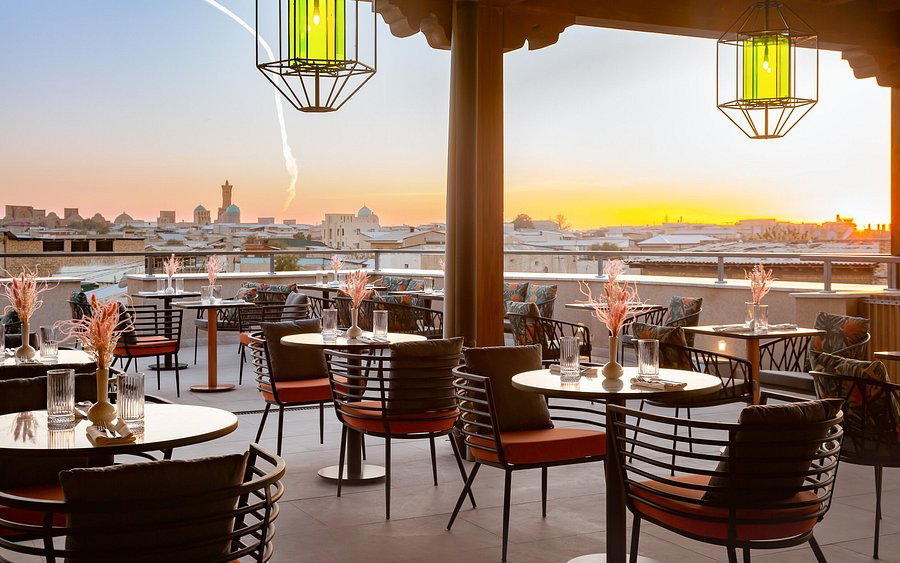
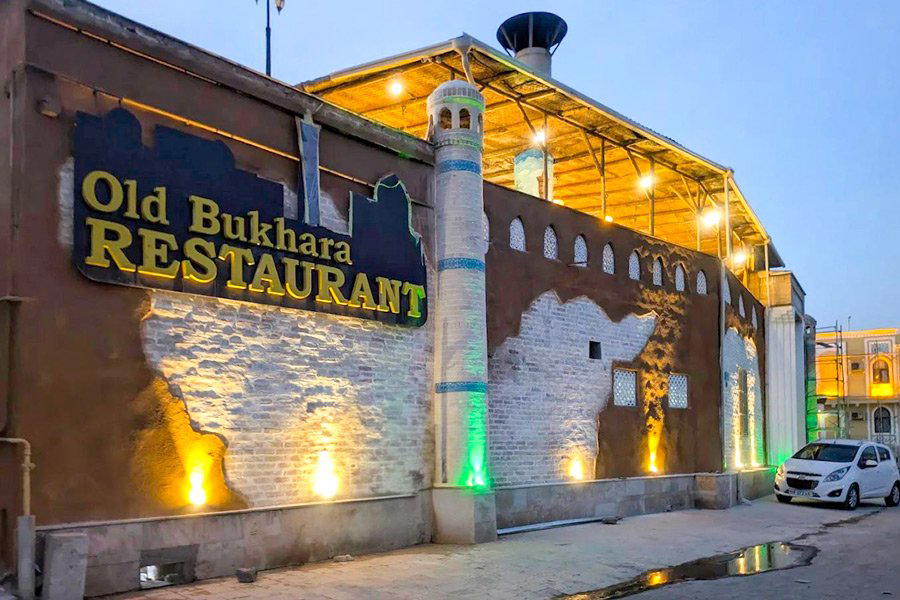
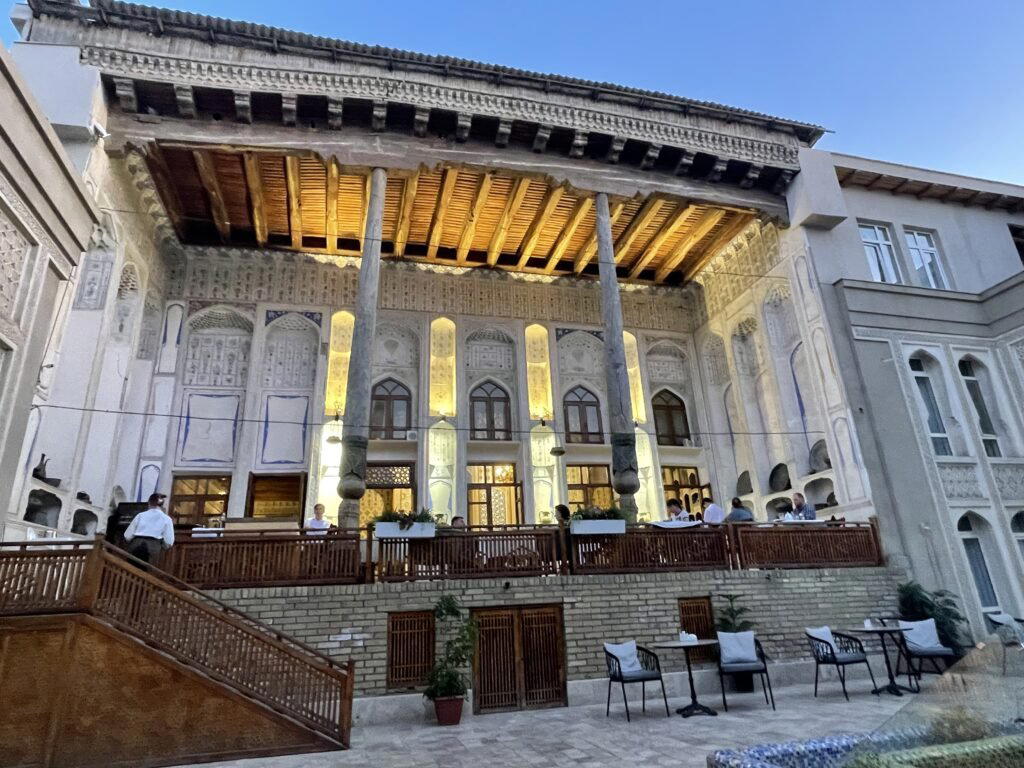
Hotels in Bukhara
Browse all →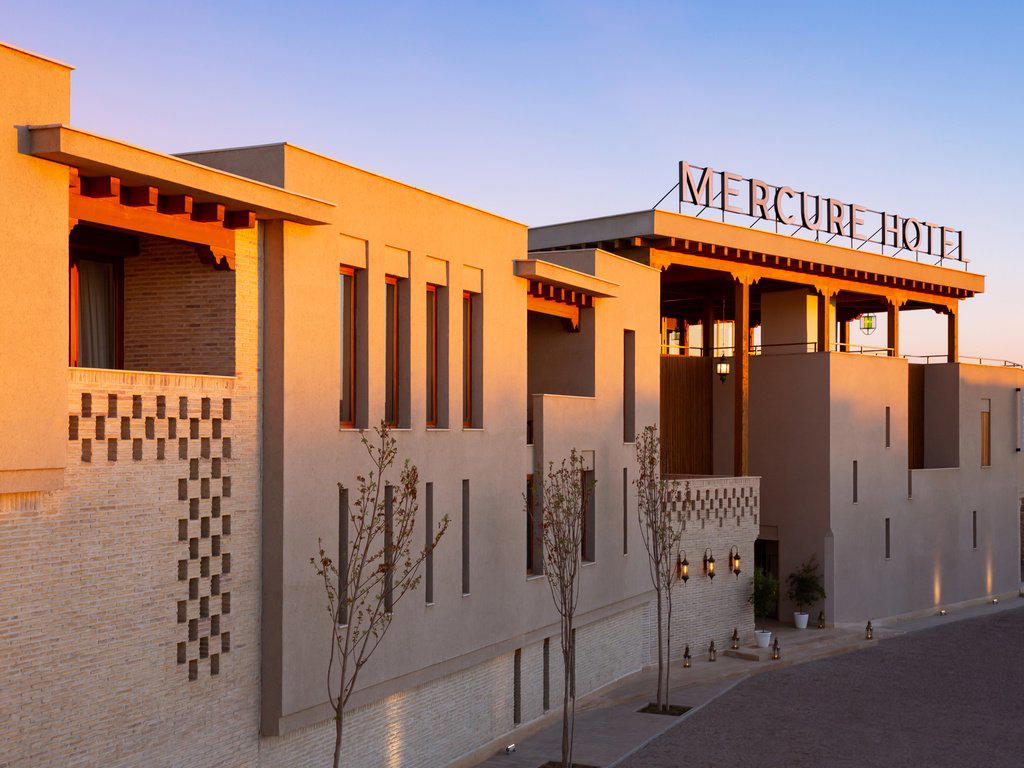
Details
- Modern
- Cozy
- Family
- Standalone
- A La Carte
- Family Style
Modern and large-scale with authentic Eastern atmosphere across three seating halls.