Khiva Restaurant
Our verdict
On Navoi Street in central Tashkent, Khiva Cafe occupies a spot that connects the city's Soviet-era boulevard culture with Uzbekistan's deep tradition of communal, ingredient-led cooking. The cafe's name references the ancient walled city of Khiva, signalling a menu rooted in the western Uzbek repertoire of slow-cooked grains, dried fruits, and lamb from the Karakum-adjacent steppe. For travellers working through Tashkent's mid-range dining tier, it offers a grounded entry point into regional cooking without the tourist-facing polish of the hotel circuit.

Pearl is the En Primeur Club membership app, where members save venues, book tables and use the concierge.
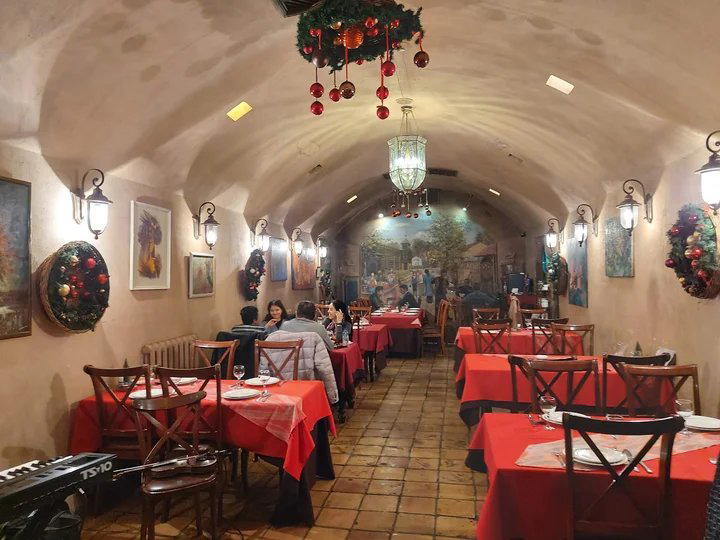
Navoi Street and the Architecture of Tashkent's Everyday Dining
Navoi Street runs through one of Tashkent's most historically layered corridors, where Soviet-era institutional facades sit beside reconstructed bazaar architecture and new-build commercial blocks. Cafes along this stretch occupy a particular role in the city's food culture: they serve as the working infrastructure of daily eating, the places where office workers, traders, and neighbourhood regulars share a table for plov or shurpa before the afternoon heat sets in. Khiva Cafe at 1A Navoi Street sits within this pattern, drawing its identity from a culinary tradition rather than from any single chef's programme or imported concept.
The reference to Khiva in the name carries weight. The city of Khiva, in the Khorezm region of western Uzbekistan, represents one of the oldest and most regionally distinct strands of Central Asian cooking, shaped by proximity to the Amu Darya river delta, trade routes through the Karakum Desert, and agricultural traditions that predate the Silk Road's peak. Restaurants and cafes that invoke Khiva in Tashkent are, implicitly, positioning themselves within a specific flavour register: lamb and rice-centred dishes, the use of dried apricots and quince, yellow carrots over orange, and a general preference for fat-rendered depth over spiced brightness. Whether Khiva Cafe executes that tradition faithfully is a question that only a visit will answer with certainty, but the geographic signal is a genuine one rather than decorative branding.
The Ingredient Logic Behind Uzbek Regional Cooking
Uzbekistan's most significant contribution to the broader Central Asian table is plov, and understanding plov requires understanding where its components come from. The yellow Devzira rice, grown in the Fergana Valley, absorbs fat differently from generic long-grain varieties and is considered by Uzbek cooks to be non-negotiable for a dish that will hold its structure across a long simmer. Lamb from the Karakul and Karakum border regions carries a lanolin-rich fat that renders slowly and gives the dish its characteristic depth. The cotton-seed oil once used universally across Uzbek cooking has largely been replaced by sunflower oil in commercial settings, but the better cafes in Tashkent's mid-tier still use the older fat for the crucial first stage of cooking.
This ingredient specificity is not nostalgia. It reflects a supply chain that still functions with meaningful regional differentiation. Tashkent's wholesale markets, particularly Chorsu Bazaar a short distance from the city centre, supply restaurants and cafes with produce and proteins that move through shorter supply chains than those serving comparable cities in neighbouring Kazakhstan or Russia. A cafe on Navoi Street drawing from those markets is working with ingredients that carry genuine provenance, even if the cafe itself does not frame this in the language of farm-to-table or artisan sourcing. The editorial point is that Uzbek ingredient sourcing is structurally different from Western European or East Asian premium dining, and deserves to be assessed on its own terms.
For context on how regional Uzbek kitchens operate elsewhere in the country, the Afrosiyob Restaurant in Samarqand offers a useful comparison point in the ancient capital, while Old Bukhara in Buxoro and Ayvan Restaurant in Bukhara represent the Bukharan strand of the same cooking tradition. The city of Khiva's own dining scene is anchored by venues like Mirza Bashi in Xiva, which give a clearer sense of the source material Khiva Cafe is drawing on by name.
Tashkent's Cafe Tier: Where Khiva Cafe Fits
Tashkent's restaurant market divides fairly cleanly into three tiers. At the leading end, hotel-adjacent restaurants and a handful of independent fine-dining rooms serve the diplomatic and business traveller segment, with multi-course formats, imported wine lists, and pricing that aligns with European capitals. At the bottom, the city's network of teahouses and street-facing plov centres operate on volume, speed, and very low ticket averages. The middle tier, which includes Khiva Cafe, is where the most authentic expression of everyday Uzbek cooking currently lives: full menus, table service, reasonable prices, and a clientele that skews local rather than tourist.
This middle tier has expanded significantly since Tashkent began repositioning itself as a regional tourism hub around 2018, with infrastructure investment and visa liberalisation bringing in more independent travellers. That shift has put pressure on mid-tier cafes to develop at least a surface-level hospitality vocabulary, without necessarily abandoning the directness of the traditional Uzbek eating-house format. The better cafes in this bracket have responded by maintaining menu integrity while making ordering more navigable for non-Russian, non-Uzbek speakers. For travellers coming from a context like Le Bernardin in New York City or 8 1/2 Otto e Mezzo Bombana in Hong Kong, the format shift is significant, but the ingredient discipline at the leading Tashkent cafes holds up against any benchmark.
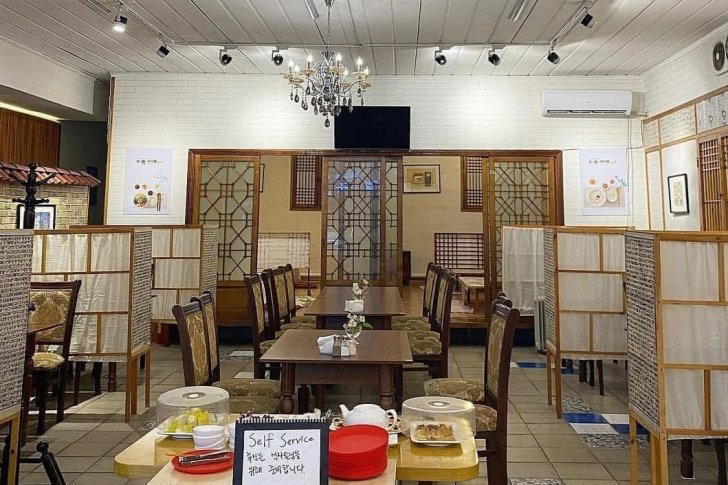
For a broader map of Tashkent's dining options across all tiers, the EP Club Toshkent restaurants guide provides structured coverage, including venues like Jumanji in Tashkent and 한식당 알파&본죽 (alfa bonjuk ресторан), which illustrate how the city's dining diversity now extends well beyond Central Asian cooking.
Planning a Visit
Khiva Cafe is located at 1A Navoi Street in central Tashkent, within walking distance of the major metro lines that connect the city's historic and commercial districts. Booking infrastructure at mid-tier Tashkent cafes tends to be informal, and walk-in visits during off-peak hours, avoiding the Friday midday window when plov centres operate at maximum capacity, generally yield the most relaxed experience. Tashkent's climate is leading from April through June and September through October; summer temperatures regularly exceed 40°C, which affects both the dining experience and the supply of certain seasonal produce.
Frequently asked questions
What part of town is Khiva Cafe in?
Khiva Cafe is located at Navoi Street, 1 A, Toshkent, Toshkent Shahri, Toshkent.
Is Khiva Cafe a good option for visitors exploring Tashkent's historic centre?
The cafe's address at 1A Navoi Street puts it within the corridor connecting Tashkent's major metro lines to the city's reconstructed bazaar district and Soviet-era institutional architecture. For visitors moving through that part of central Tashkent, it represents a practical stop for Uzbek regional food without crossing into the hotel-adjacent restaurant tier. No pricing data is publicly available, but mid-tier Tashkent cafes of this type typically run well below the city's fine-dining bracket.
What do regulars order at Khiva Cafe?
Given the cafe's position on Navoi Street in central Tashkent, the menu draws from the Uzbek regional canon where plov anchors most tables. Across Tashkent's mid-tier cafe circuit, lagman, samsa, and shurpa are the workhorses that repeat visitors return for. Specific dish availability at Khiva Cafe has not been publicly documented, so confirming the current menu directly at the venue is advisable.
Should I book Khiva Cafe in advance?
Khiva Cafe is located at 1A Navoi Street, a central Tashkent corridor that draws both local foot traffic and visitors moving between the city's metro-connected historic and commercial districts. No booking contact or reservation policy is publicly listed. Walking in during off-peak hours is the most practical approach until confirmed contact details become available.
What do critics highlight about Khiva Cafe?
Within Tashkent's cafe tier, venues at this level are typically evaluated by locals on consistency of plov and the depth of their Uzbek regional repertoire rather than by international press coverage. The cafe's Navoi Street address places it in a historically layered part of the city that food-curious visitors already pass through.
Do they accommodate allergies at Khiva Cafe?
No allergy policy or dietary accommodation information has been published for Khiva Cafe. Uzbek regional cooking relies heavily on cottonseed or sunflower oil, lamb fat, and wheat-based doughs, which are worth flagging directly with staff before ordering. Given the absence of a listed phone or website, the most reliable approach is to raise dietary requirements in person on arrival at 1A Navoi Street.
Continue exploring
More in Tashkent
Restaurants in Tashkent
All restaurants in Tashkent →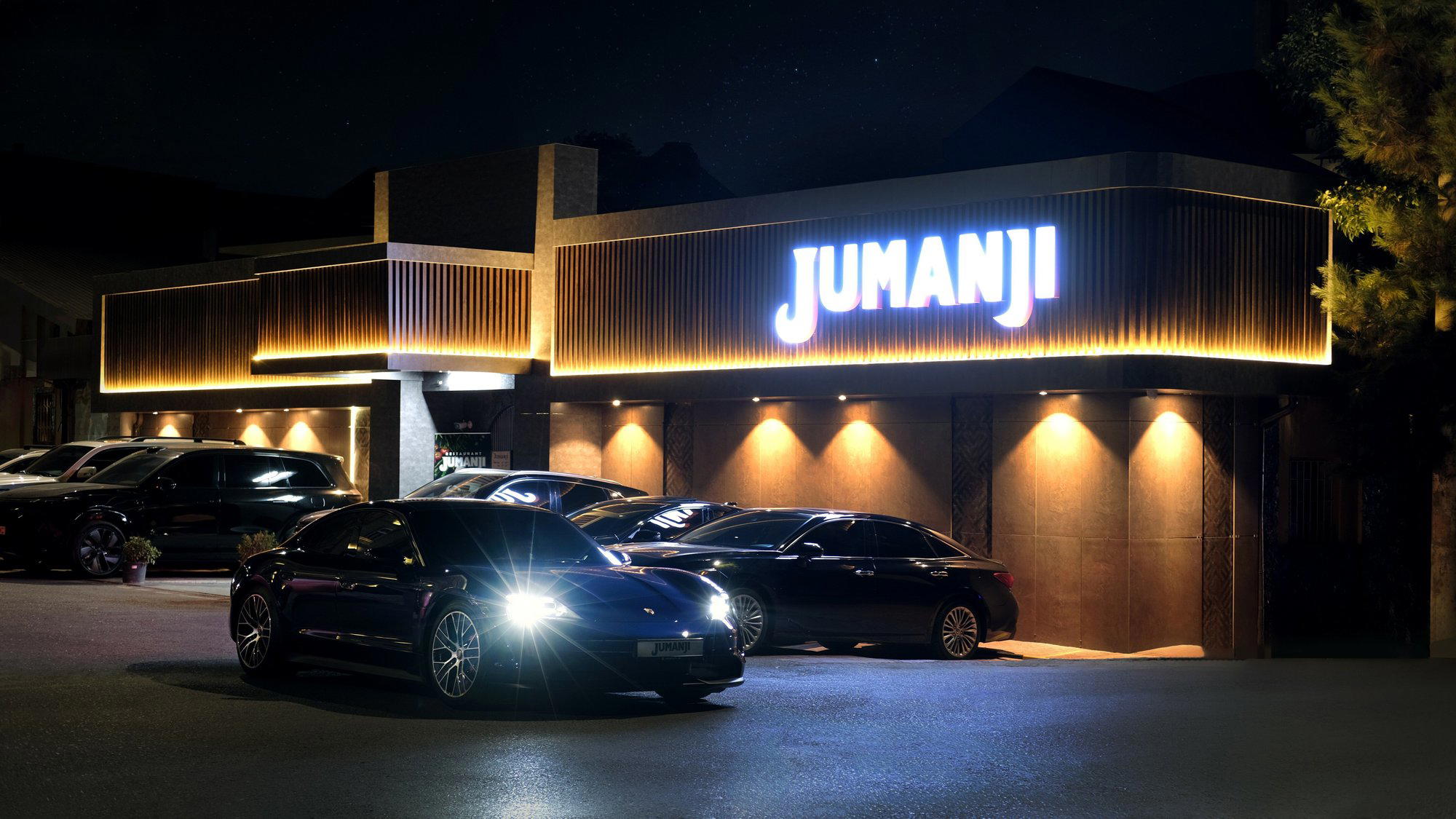
Details
- Classic
- Elegant
- Sophisticated
- Business Dinner
- Special Occasion
- Family
- Group Dining
- Hotel Restaurant
- Standalone
- A La Carte
- Vegetarian Friendly
- Vegan Options
Current opening hours
- Monday
- 6:30 AM–3 PM
- Tuesday
- 6:30 AM–3 PM
- Wednesday
- 6:30 AM–3 PM
- Thursday
- 6:30 AM–3 PM
- Friday
- 6:30 AM–3 PM
- Saturday
- 6:30 AM–3 PM
- Sunday
- Closed
Hours can change for holidays and private events. Hours as of .
Traditional and polished, with an authentic Uzbek interior and a hotel-restaurant atmosphere described as upscale and hospitable.