
Joie gives Nagoya’s Sakae district a compact, counter-led reading of teppanyaki, hamburger steak, and steak, with a 2025 Tabelog 100 Steak / Teppanyaki EAST selection anchoring its credibility. The appeal is not spectacle for its own sake, but the small-room focus that lets beef cookery, wine, and the rhythm of the grill carry the evening.
Pearl is the En Primeur Club membership app — saves, bookings, and concierge access live there. Same editors, same standards.
- Address
- Japan, 〒460-0008 Aichi, Nagoya, Naka Ward, Sakae, 4 Chome−5−19 Shine Sakae, 1F
- Phone
- +81 80-9725-4951
- Website
- tabelog.com
 Saves & bookings on Pearl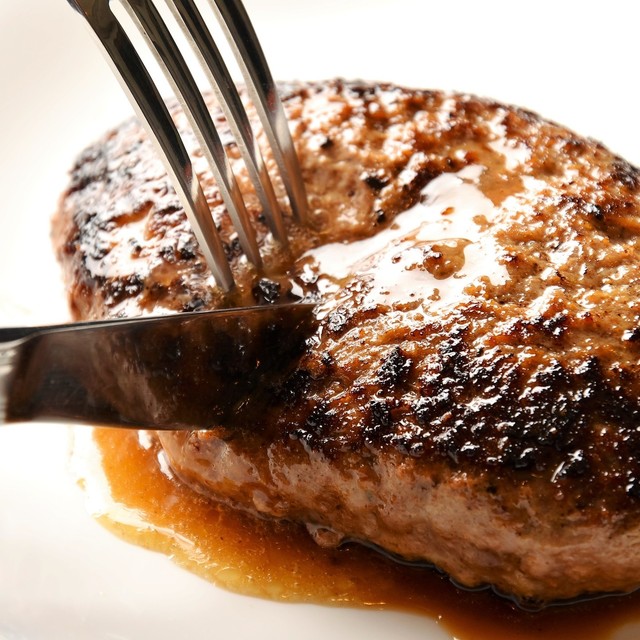
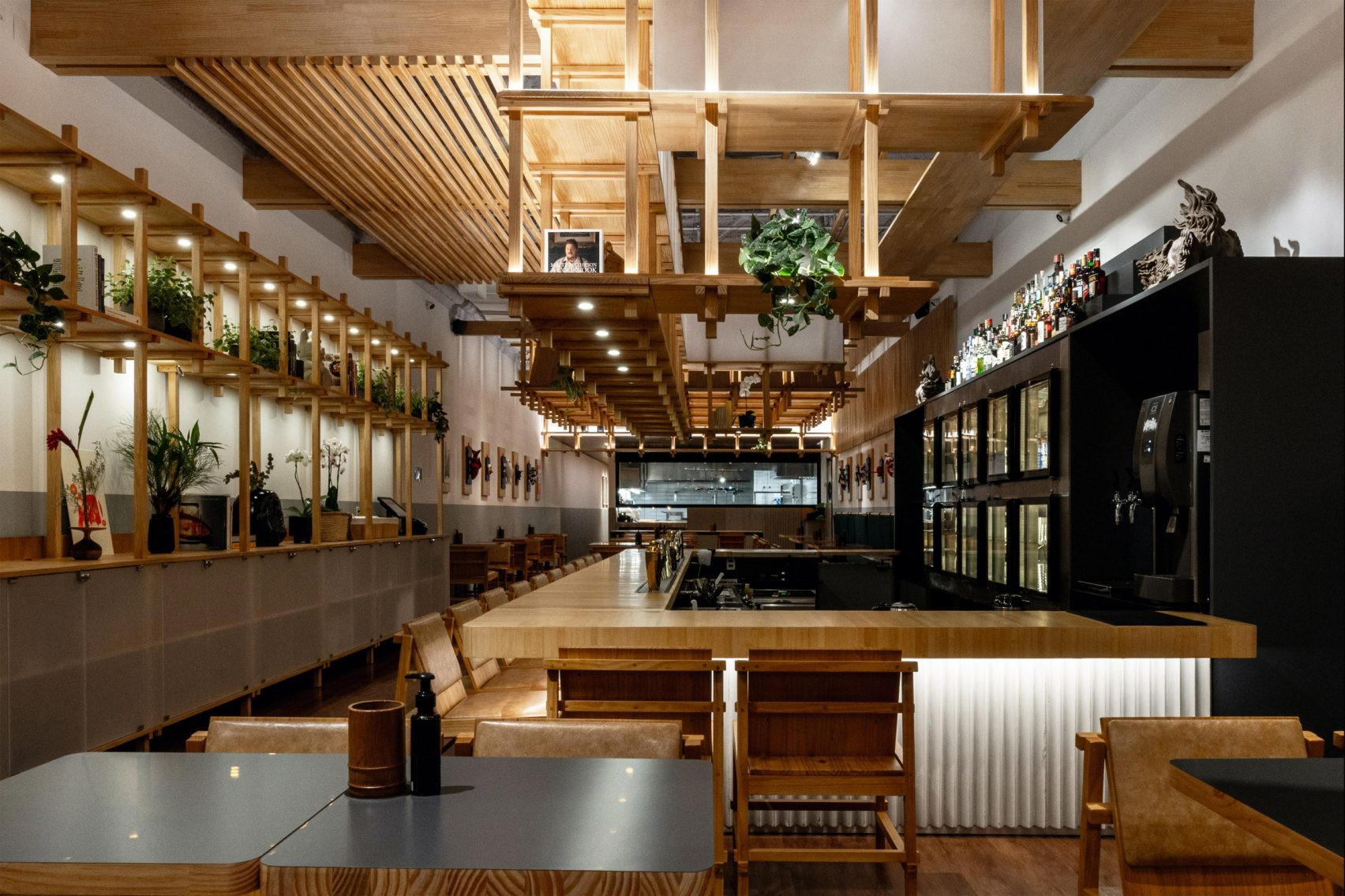
In Sakae, the better small teppanyaki rooms tend to announce themselves quietly: a building entrance, a short approach from the station grid, then the tighter acoustics of counter seating and hot metal. Joie belongs to that Nagoya register, where the meal is shaped less by ceremony than by proximity. Six counter seats and a small table section put the grill within the room rather than behind a distant kitchen pass, which matters for a category built on timing, heat, and the visible handling of beef.
Teppanyaki in Japan has two different reputations. One is theatrical, built for hotel dining rooms and visitors who want a performance. The other is smaller and more ingredient-driven, closer to a chef’s counter for meat: a format where sourcing, doneness, resting, and seasoning carry more weight than flame tricks. Joie sits in the second camp. Its Tabelog 100 Steak / Teppanyaki EAST 2025 selection places it within a competitive regional field, but the more useful signal is its narrow category identity: teppanyaki, hamburger steak, and steak, with wine and cocktails available rather than a broad izakaya spread.
Beef cookery in Sakae, with the grill as the editing tool
Nagoya’s central dining districts reward restaurants that know their lane. Sakae can absorb everything from department-store dining to late-night drinking rooms, but small specialist counters survive on repeatable strengths. In beef-led teppanyaki, that means the sourcing has to justify the format. The grill does not hide weak raw material; it exposes it. Hamburger steak, in particular, is a useful test because it turns grind, fat balance, searing, and resting into the main argument, not a side note.
That is why Joie’s place in the local scene is sharper than a simple “steak restaurant” label suggests. The room is small enough for the cooking format to feel consequential, and the category sits above casual beef bars while staying below the formality of grand hotel wagyu rooms. Against nearby Nagoya comparisons, Teppan Yaki Jiro operates in a similar dinner spend band, while Restaurant Loire French occupies a more formal French dining tier. Gyoza Sakaba Issei Ichidai Honten sits at a much lower casual price point, useful only as a reminder that Sakae’s evening economy runs from quick-drink counters to specialist rooms. Joie’s argument is more focused: beef, iron, and a compact service rhythm.
The sourcing angle matters because Japanese steak and hamburger steak dining has become more segmented. Diners now distinguish between luxury beef branding, approachable chopped-steak formats, and counter teppanyaki where the cooking surface is part of the value. A restaurant does not need a long menu to make that case. In fact, a tighter format can be more persuasive when the cooking depends on precision rather than abundance. The presence of wine as a stated part of the drinks program also points to a meal built around beef’s richness rather than a quick rice-and-meat stop.
What the recognition says, and what it does not
Tabelog’s Hyakumeiten lists are not the same as a Michelin star system; they function as category-specific recognition inside Japan’s restaurant culture. A 2025 selection for Steak / Teppanyaki EAST says Joie has entered a defined peer group for this style of dining. It does not turn the meal into a luxury ceremony by default, and it should not be read as a promise of international fine-dining theatrics. The more accurate reading is narrower and more useful: among eastern Japan’s steak and teppanyaki specialists, this Nagoya address has enough traction to be noticed in a crowded category.
That distinction helps set expectations. A 12-seat restaurant with counter seating behaves differently from a large steakhouse. Pacing can tighten during busy periods, group size matters, and the room’s strengths are tied to intimacy rather than flexibility. This is a better fit for diners who care about beef cookery at close range than for anyone looking for a sprawling menu or a private-room business dinner. The fully smoking dinner policy also makes the experience more adult and less family-oriented than many contemporary Japanese restaurants.
Within Nagoya planning, Joie pairs naturally with a Sakae-focused itinerary rather than a cross-city dining sprint. Readers mapping a broader trip can compare the city’s dining range through Our full Nagoya restaurants guide, then build around nearby stays in Our full Nagoya hotels guide or after-dinner options in Our full Nagoya bars guide. For a wider Japan restaurant scan, see 1022, 451, Aaron, Alan., and All Day Dining Montmartre.
Who should prioritize this kind of teppanyaki counter
The right diner here is not chasing a maximal tasting-menu arc. The draw is narrower: a compact beef-focused meal in Sakae, shaped by teppanyaki technique and a small seating plan. For visitors who already understand Japan’s counter culture, that can be more compelling than a heavily staged experience. The value sits in attention, heat control, and the way a small room keeps the cooking central.
Joie also suits diners comparing Nagoya against larger Japanese food cities. Tokyo and Osaka have deeper luxury inventories, but Nagoya’s strength is often in specialist rooms that locals use with intent: miso-katsu shops, kishimen counters, hitsumabushi houses, and beef restaurants that are woven into office-district evenings. This restaurant belongs to that practical city logic. It is not trying to explain Nagoya through a long regional menu; it gives Sakae a focused beef address with enough recognition to justify planning around it.
For broader context beyond this room, EP Club’s Japan and Nagoya pages can help separate dining from the rest of the trip: Our full Nagoya wineries guide, Our full Nagoya experiences guide, -Grilled beef Sukiyaki- KAMAKURA TANUKIAN 鎌倉 たぬき庵 in Kamakura. 鮪と炭火焼き うお炭 秋葉原店 in Tokyo.cafe in Osaka.know in Kumamoto, (Shoku) Vietnam in Kawasaki, [Curry Senmon Ten] Maruyama Kyoju. in Sapporo, Jōdo Saké Bar in Los Angeles, and Onigiri Time in Pasadena.
Comparable Spots, Quickly
Comparable venues at the same tier.
| Venue | Cuisine | Price | Notes |
|---|---|---|---|
| JoieThis venue — the venue you are viewing | Teppanyaki & Hamburger Steak | $$$ | Not listed |
| Beef Junkie | Wagyu Hamburg & Aged Fillet Steak | $$$ | Naka |
| Ono Michi | High-end Steak & Yoshoku Course Dining | $$$$ | Higashi |
| Steak House Sue | Classic Japanese Steakhouse & Yoshoku | $$$ | Nakamura |
| Yakiniku Asahi | Private-room Wagyu Yakiniku | $$$ | Higashi |
| Maruko | Traditional Wagyu Sukiyaki & Shabu‑shabu | $$$ | Naka |
Recognition history
Dated appearances from independent guides and award organizations, with the underlying list record or original source where available.
Tabelog 100 #15 · No. 15
Tabelog · Tabelog 100 - Steak / Teppanyaki - EAST - 2025
Continue exploring
More in Nagoya
Restaurants in Nagoya
Browse all →
At a Glance
- Intimate
- Cozy
- Romantic
- Date Night
- Business Dinner
- Group Dining
- Solo
- After Work
- Special Occasion
- Chefs Counter
- Open Kitchen
- Standalone
- Extensive Wine List
Current opening hours
- Monday
- 6–11 PM
- Tuesday
- 12–2 PM, 6–11 PM
- Wednesday
- 12–2 PM, 6–11 PM
- Thursday
- 12–2 PM, 6–11 PM
- Friday
- 12–2 PM, 6–11 PM
- Saturday
- 12–2 PM, 6–11 PM
- Sunday
- Closed
Hours can change for holidays and private events. Last verified .
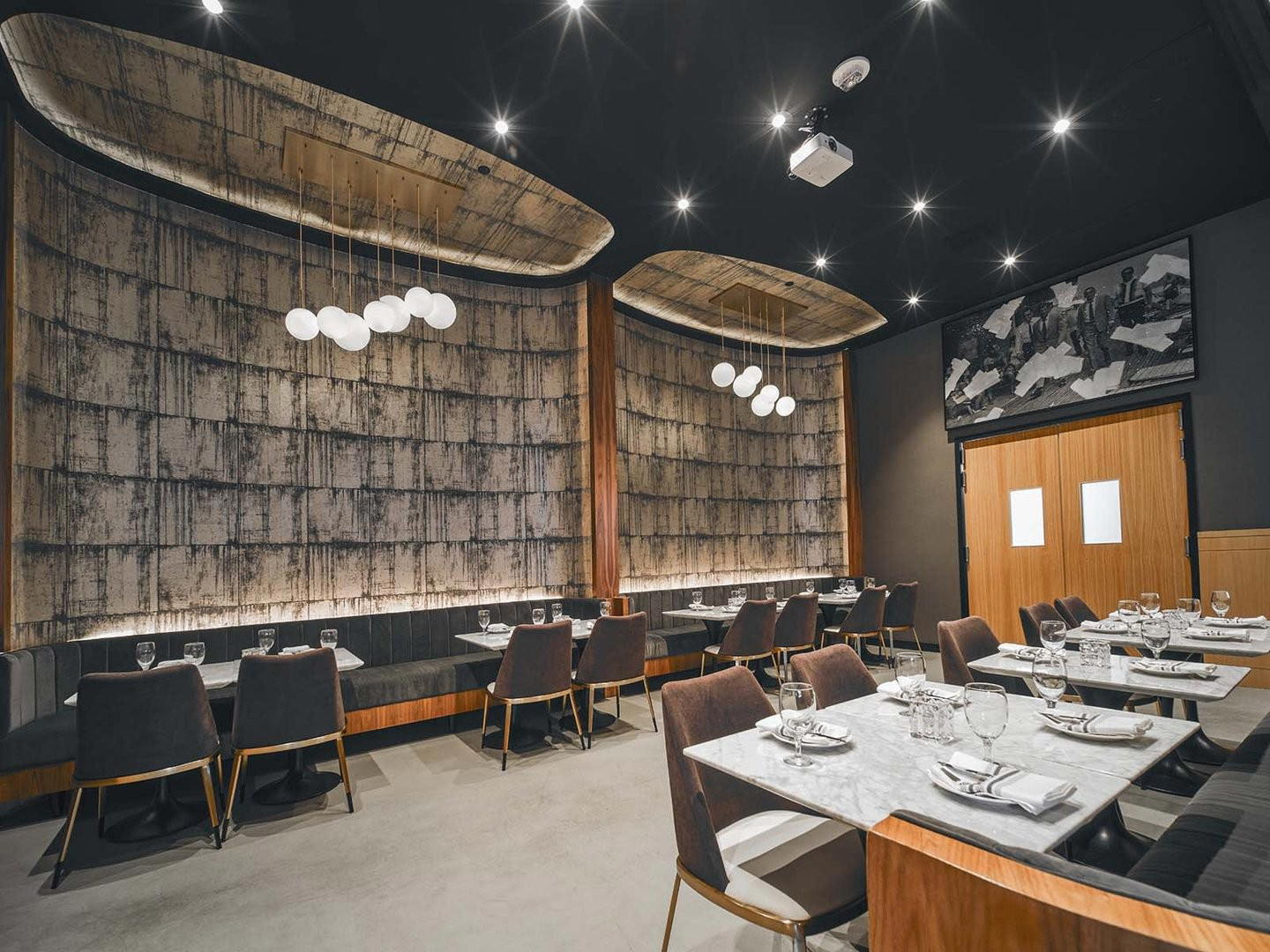
A discreet, adult-oriented hideout with counter-focused teppanyaki, warm lighting, and an intimate, relaxed atmosphere where the owner-cook prepares dishes right in front of guests.