JJacques
On Rue Notre-Dame-des-Anges in Quebec City's Saint-Jean-Baptiste quarter, JJacques occupies a stretch of the city where neighbourhood bistros and serious kitchens share the same narrow streets. The address places it at a slight remove from the heavily touristed Lower Town, which tends to concentrate a more local clientele. Booking ahead is advisable, particularly in the summer and autumn seasons when the city draws significant visitor numbers.
 Discover on Pearl
Pearl is the En Primeur Club membership app — saves, bookings, and concierge access live there. Same editors, same standards.
- Address
- 341 Rue Notre-Dame-des-Anges, Québec, QC G1K 3E9, Canada
- Phone
- +15814913286
- Website
- jjacques.ca
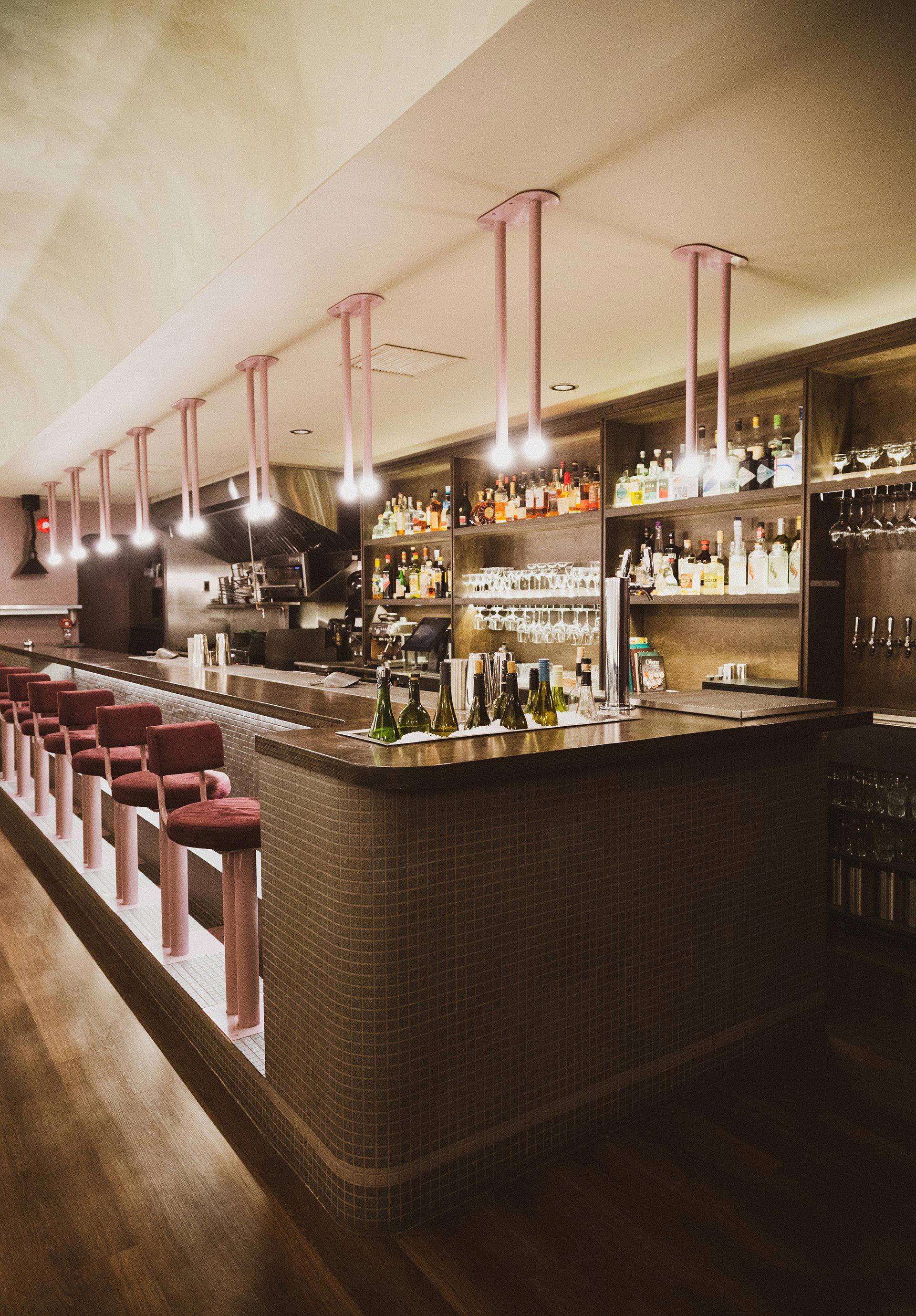
A Street Where Quebec City Eats for Itself
Rue Notre-Dame-des-Anges sits in Saint-Jean-Baptiste, a residential plateau above the Old City walls where the density of serious independent restaurants relative to tourist infrastructure remains higher than almost anywhere else in Quebec City. The neighbourhood has long been where locals eat when they are not eating for occasion: tighter rooms, fewer concessions to the scenic postcard version of the city, more consistent kitchen attention across the week. JJacques, at number 341, belongs to that register. The address alone signals something about intent.
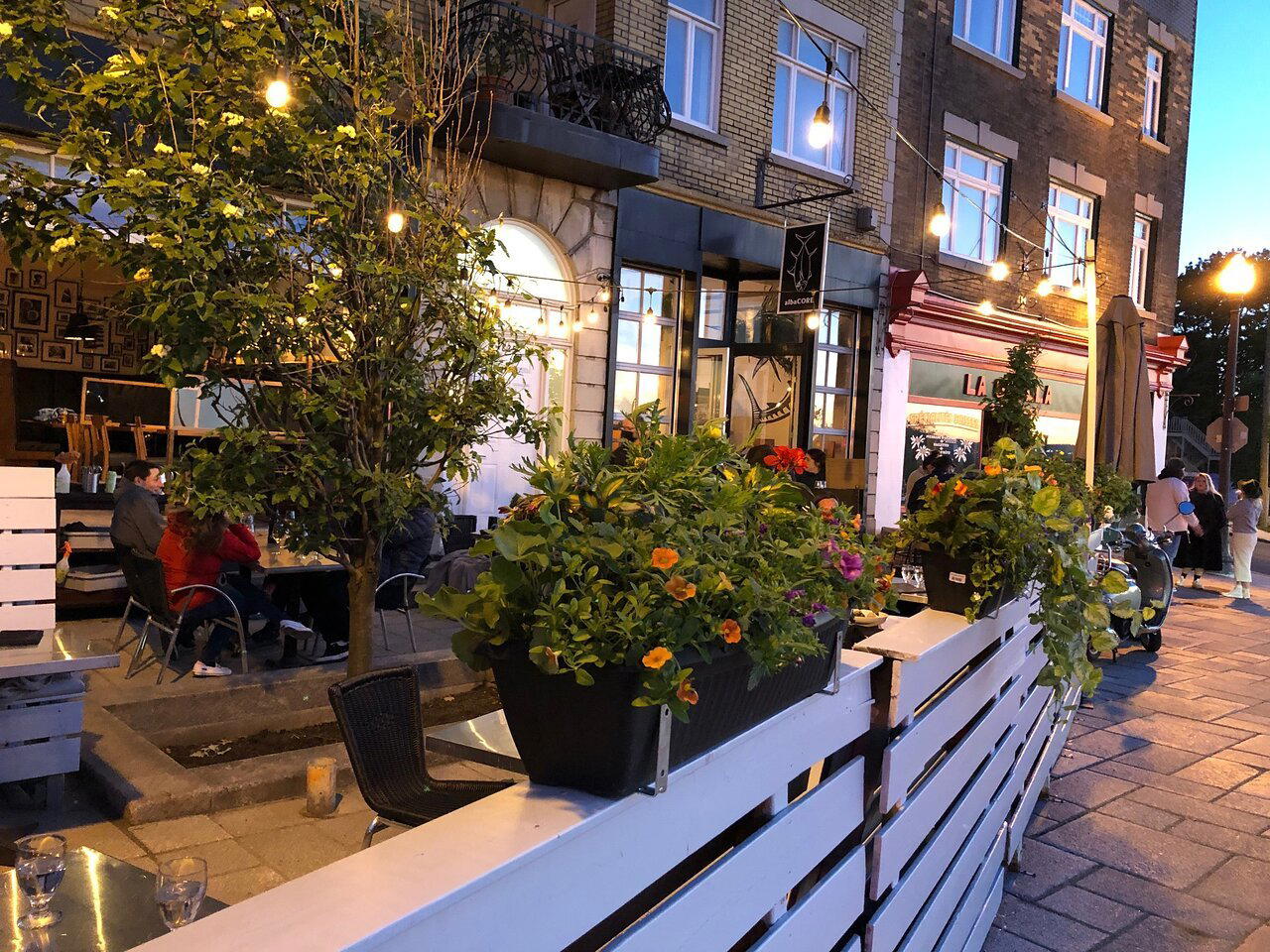
Approaching from the direction of the Grande Allée, the street narrows and quiets. The visual grammar of Saint-Jean-Baptiste, century-old row housing, painted wood trim, steep exterior staircases, frames the restaurant before you arrive at the door. This part of Quebec City has a tactile density that the Lower Town's stone fortifications lack: it feels inhabited rather than preserved. That distinction matters for a restaurant, because a genuinely inhabited neighbourhood produces a different kind of regular customer, and a different kind of expectation from the kitchen.
Where JJacques Sits in the Quebec City Dining Conversation
Quebec City's restaurant tier has stratified considerably over the past decade. At the upper end, places like Tanière³ and ARVI operate tasting-menu formats at price points that match Montreal's leading tables and trade on a specifically northern, terroir-rooted identity. Below that, a middle tier of bistros and buvettes has grown more confident, places where the cooking is technically serious without the ceremony of a full tasting progression. Auberge Saint-Antoine holds its own institutional weight with Canadian heritage cuisine, while Kebec Club Privé and Laurie Raphaël each represent different propositions within the city's creative and contemporary registers.
JJacques occupies a position in that conversation that is difficult to pin down from published criticism. That absence is itself informative. In Quebec City's food culture, restaurants in Saint-Jean-Baptiste often build reputations through local word-of-mouth cycles that run ahead of formal critical recognition, particularly from English-language sources. The comparison set worth watching includes not just the city's established names but also the quieter neighbourhood addresses that the city's own residents frequent across seasons, not just in August.
For a broader sense of how Quebec City's dining scene maps against the rest of Canada's more prominent restaurant cities, the contrast with Alo in Toronto or AnnaLena in Vancouver is instructive. Those cities have produced tasting-counter formats with sustained international attention. Quebec City's equivalent energy has been directed more toward distinctly Québécois idioms, a point that Jérôme Ferrer's Europea in Montreal demonstrates from the other end of the province.
Seasonality and When the Address Makes Most Sense
Quebec City is one of the few Canadian cities where seasonality shapes restaurant culture in a structural way rather than as a marketing afterthought. The summers bring a wave of visitors concentrated in the Lower Town and Plains of Abraham perimeter, pushing reservation pressure across the entire city from late June through September. Saint-Jean-Baptiste in that window has a split energy: tourists who have wandered up from the Old City, and locals who know exactly which tables to book. Autumn tightens that back toward the local-to-visitor ratio that the neighbourhood maintains through winter, when the city's population shrinks and the restaurants that survive do so on the strength of their regular base.
Winter in Quebec City is serious, and the restaurants that hold through it tend to produce the kind of cooking that makes sense in that context: warming, direct, attentive to what the region actually produces in the cold months. This is not the season for light Mediterranean gestures. It is the season for stocks, roots, preserved things, and fat. Saint-Jean-Baptiste historically does that well. If JJacques follows the neighbourhood's culinary logic, late autumn and winter visits are likely to show the kitchen at a different register than the summer high season. The full Quebec City restaurants guide maps this seasonal pattern across the broader city.
Quebec City in a Wider Canadian Context
The Canadian restaurant scene outside Montreal and Toronto has developed a set of farm-proximate, place-specific restaurants that operate with minimal urban intermediary, places like Restaurant Pearl Morissette in Lincoln, The Pine in Creemore, or Eigensinn Farm in Singhampton. Quebec City sits at a different kind of remove: urban enough for restaurant density, geographically specific enough for a distinct agricultural and cultural identity. The comparison with Narval in Rimouski is instructive, Rimouski is further down the St. Lawrence and even more rooted in its particular regional supply, which shows what happens when Quebec's terroir identity is pushed harder into the margins. Quebec City is the urban middle point in that continuum.
The historical dimension of Quebec's food culture is not simply decorative. The traditions that Aux Anciens Canadiens codifies as heritage cuisine, tourtière, pea soup, sugar pie, represent a lineage that contemporary kitchens in the city either engage with, react against, or quietly inherit. Saint-Jean-Baptiste addresses tend to sit in a productive tension with that inheritance: the neighbourhood is too lived-in to be purely nostalgic, too Québécois in character to simply discard the reference points.
Planning a Visit
Address at 341 Rue Notre-Dame-des-Anges is walkable from the central Old City within fifteen to twenty minutes, depending on your starting point in the fortified district. The Saint-Jean-Baptiste neighbourhood is served by several bus routes along Rue Saint-Jean, which runs parallel and downhill. JJacques is recommended for reservations and opens Monday through Thursday and Sunday from 5 PM to 1 AM, Friday and Saturday from 5 PM to 3 AM. JJacques keeps a late-night schedule through the week, with longer hours on Friday and Saturday. At about USD 90 per person, it sits in a premium price tier.
Peers in This Market
Comparable venues nearby, for context on price, style, and recognition.
| Venue | Cuisine | Price | Notes |
|---|---|---|---|
| JJacquesThis venue — the venue you are viewing | Seafood Oyster Bar | $$$$ | |
| Saint-Amour | Haute French Quebecois Fine Dining | $$$$ | Vieux-Québec, Cap-Blanc, Colline parlementaire |
| BISTRO LE SAM | Modern French Bistro | $$$ | Vieux-Québec, Cap-Blanc, Colline parlementaire |
| Restaurant Ophelia | Modern Seafood and Steakhouse | $$$ | Vieux-Québec, Cap-Blanc, Colline parlementaire |
| Michelangelo | Classic Italian Fine Dining | $$$$ | Saint-Louis |
| PLACE DUFFERIN | French Breakfast & Afternoon Tea | $$$$ | Vieux-Québec, Cap-Blanc, Colline parlementaire |
Continue exploring
More in Quebec City
Restaurants in Quebec City
Browse all →
Bars in Quebec City
Browse all →
At a Glance
- Hidden Gem
- Intimate
- Elegant
- Sophisticated
- Date Night
- Special Occasion
- Late Night
- Open Kitchen
- Craft Cocktails
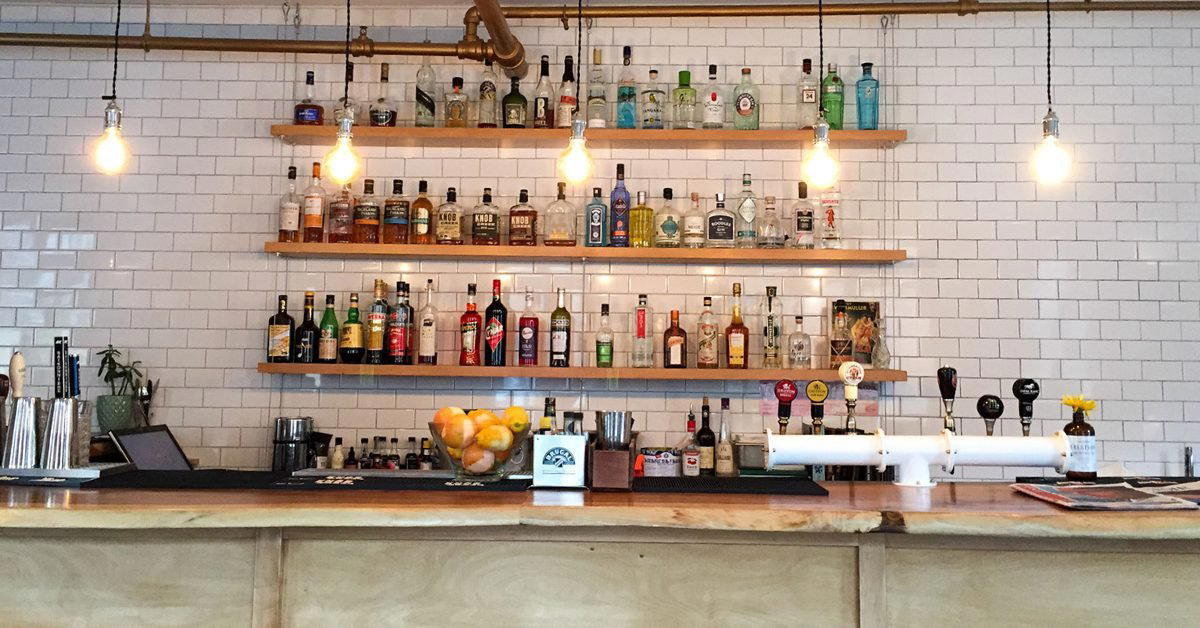
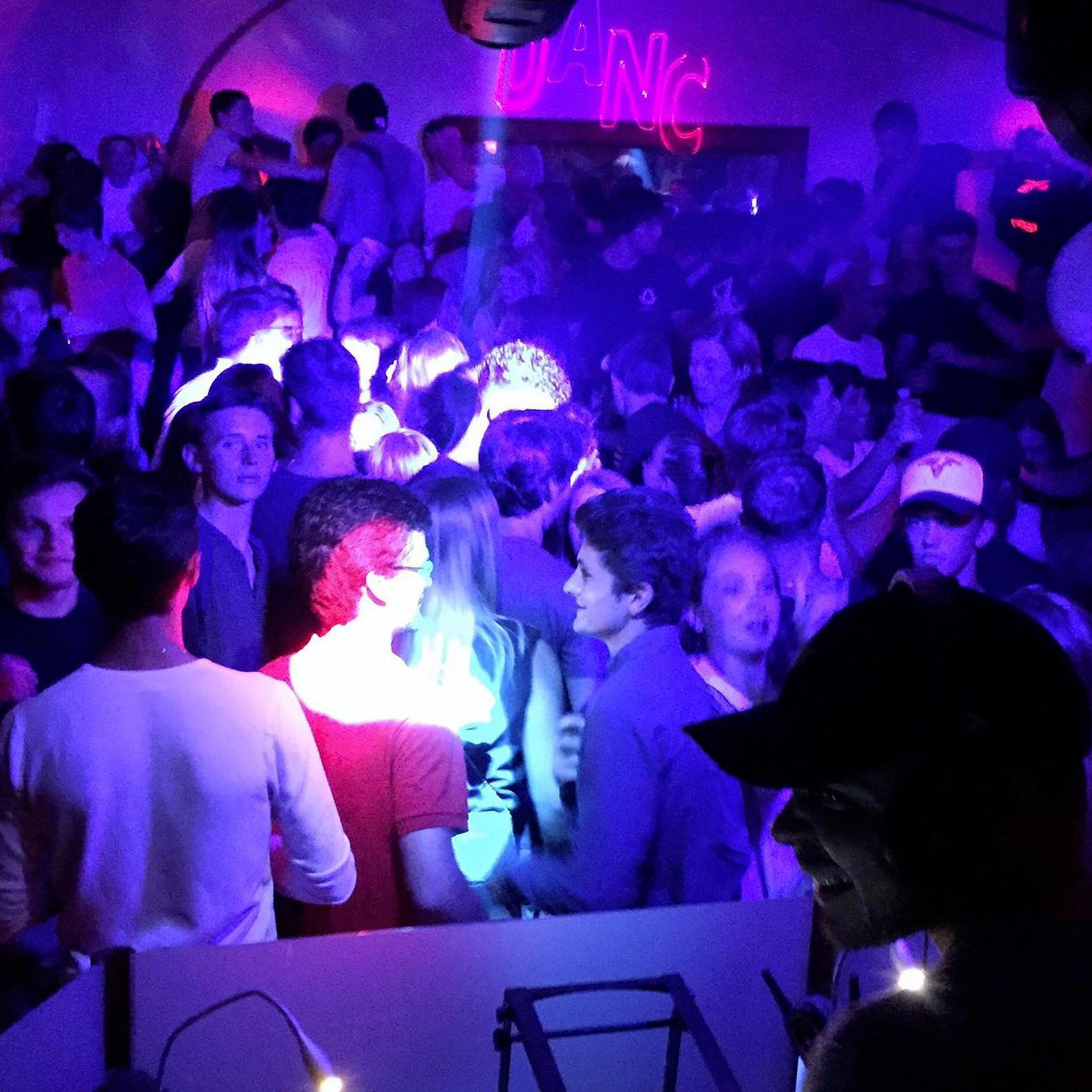
Intimate and elegant with velvet-lined booths, turning festive and vibrant on weekends.