Saint-Amour


Michelin Plate · Star Wine List
Our verdict
Approaching forty years on Rue Sainte-Ursule, Saint-Amour is one of Quebec's most decorated gastronomic restaurants, with chef-owner Jean-Luc Boulay credited as a defining voice in boreal cuisine. The kitchen draws on northern Quebec ingredients and French technique in equal measure, placing it among the province's most serious fine-dining addresses. Reserve well in advance, particularly during the winter festival season.

Pearl is the En Primeur Club membership app, where members save venues, book tables and use the concierge.
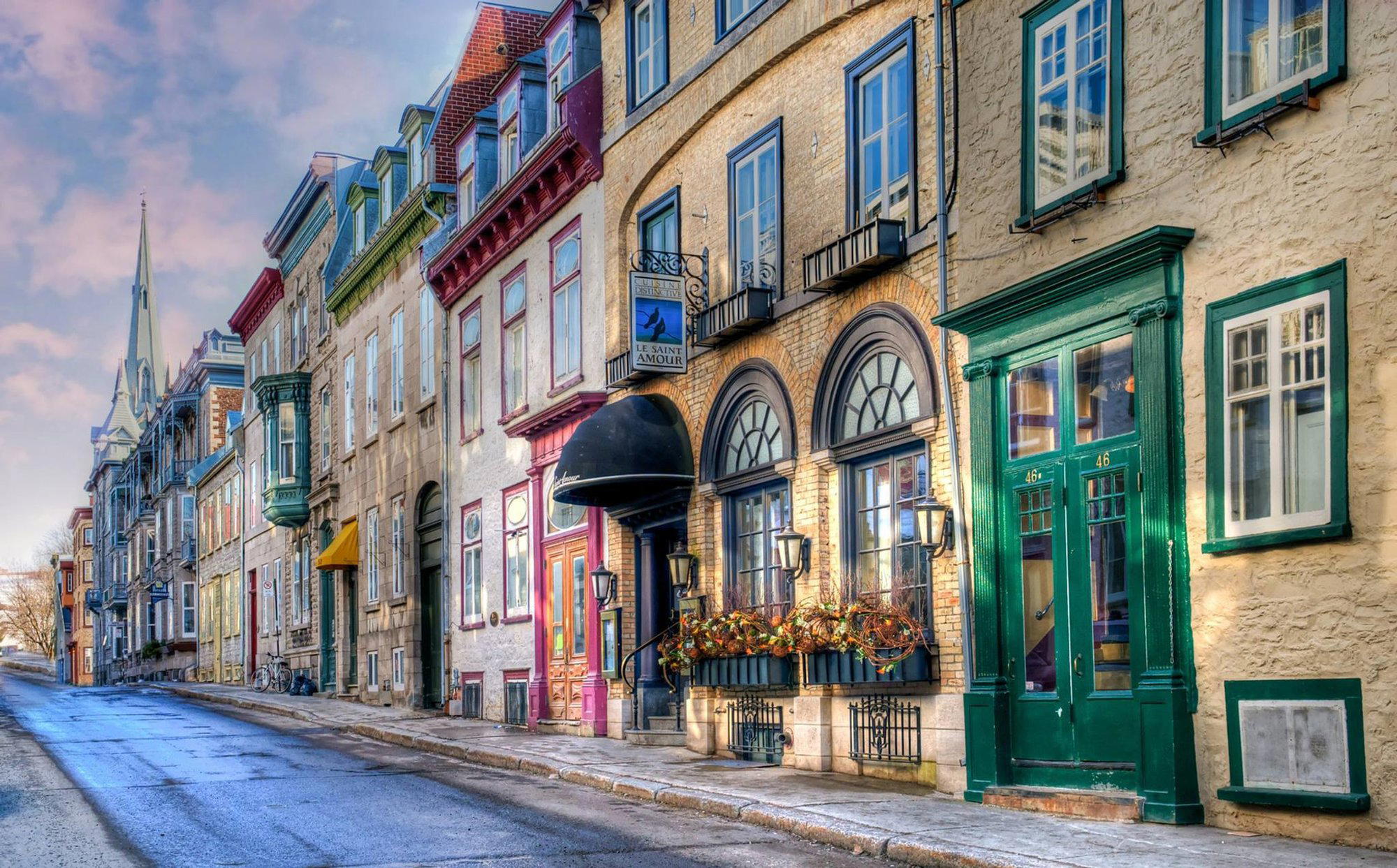
Stone Walls, Candlelight, and the Weight of Forty Years
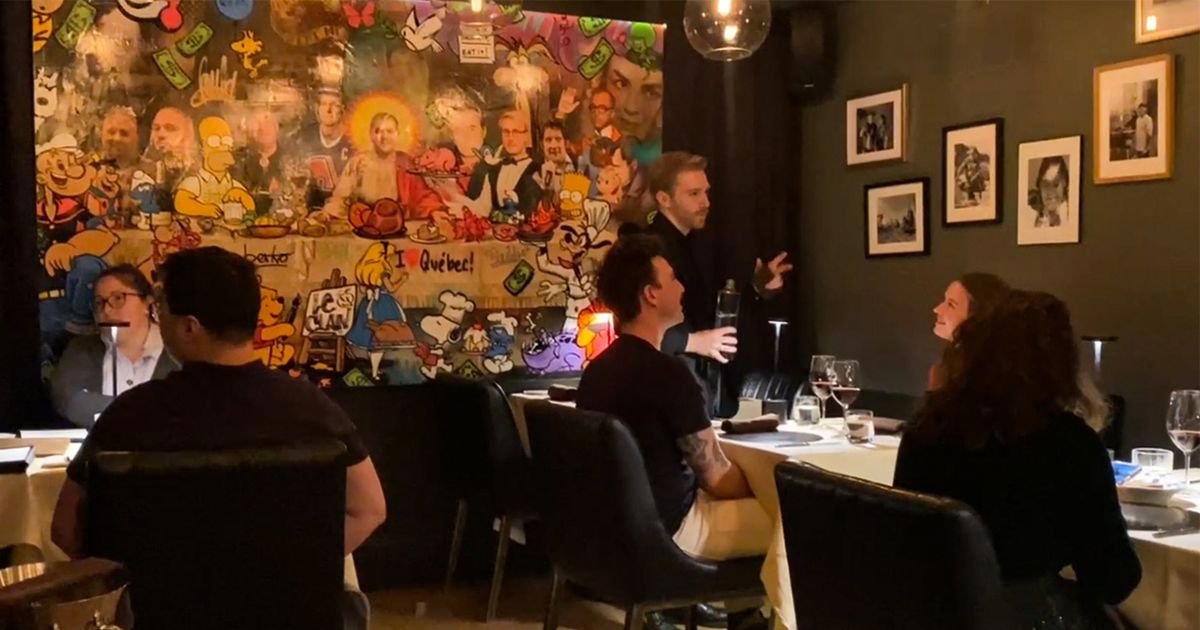
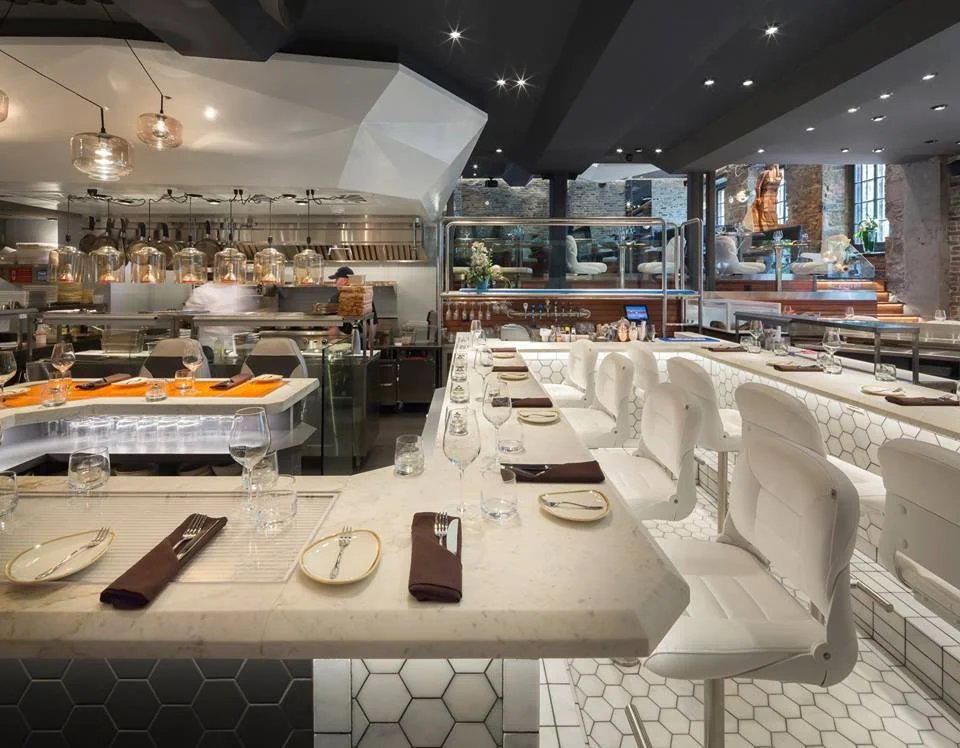
Old Quebec's dining character is shaped by its architecture as much as its kitchens. The limestone buildings along streets like Rue Sainte-Ursule were not designed for warmth, they were built for defence, yet the city's leading restaurants have spent decades learning to fold intimacy into those thick walls. Saint-Amour, at number 48, sits inside a nineteenth-century building where low ceilings and flickering candlelight produce the kind of atmosphere that feels less curated than accumulated. This is what a restaurant looks like after four decades of continuous operation in the same city block.
The physical environment does something specific to the meal that follows. Arriving through Old Quebec in winter, when the cobblestones are snow-packed and the lights in the Quartier Latin glow amber through frosted glass, Saint-Amour reads immediately as a destination rather than a stop. Inside, the progression from cold street to warm room is deliberate, the kind of sensory contrast that Quebec's leading dining rooms have learned to weaponize, given the climate they operate in. Fur-trade cities, built for survival, tend to produce restaurants that understand shelter as hospitality. Saint-Amour has had forty years to refine that understanding.
Boreal Cuisine and the French Framework Behind It
French-trained chefs working with northern Canadian ingredients have produced some of Quebec's most distinct cooking over the past two decades, and Saint-Amour's chef-owner Jean-Luc Boulay is widely credited as one of the movement's anchors. The approach that has become known as boreal cuisine pulls from the forests, rivers, and tundra of northern Quebec, juniper, spruce tips, game, lake fish, wild mushrooms, and frames them inside classical French technique rather than replacing it. The result is cooking that has a geographic identity without relying on nationalism as a substitute for skill.
This positions Saint-Amour in a different category from the newer wave of Quebec City restaurants applying Nordic-influenced minimalism to similar ingredients. Where Tanière³ and ARVI represent the contemporary edge of that ingredient-driven school, Saint-Amour's forty-year tenure places it as the tradition those kitchens are, consciously or not, responding to. The comparison is instructive: Quebec City now has a genuinely layered fine-dining scene, with Boulay's kitchen occupying the senior position in that lineage. For context on the broader field, our full Quebec City restaurants guide maps where each property sits within the city's current tier.
Boulay's French formation matters here not as biography but as culinary infrastructure. French training, sauces, structure, the discipline of mise en place, gives boreal ingredients a scaffolding that amplifies rather than domesticates their character. It is the same instinct that has made certain Canadian restaurants legible to international critics who encounter regional ingredients for the first time: the technique translates even when the ingredient does not. Jérôme Ferrer at Europea in Montreal operates from a similar French-trained foundation, though the two restaurants diverge significantly in their relationship to local terroir. Further afield, the French-classical and regional-ingredient tension plays out differently at Le Bernardin in New York City, where the emphasis falls almost entirely on the sea.
Forty Years of Recognition in a Province That Rewards Longevity
Quebec's food culture places particular weight on restaurants that have survived long enough to become reference points. Saint-Amour has been operating for approximately four decades, a span that covers the full arc of Quebec's emergence as a serious dining destination, and has accumulated multiple prizes over that period, with wide recognition as one of the province's foremost gastronomic restaurants. In a city where newer entries like Kebec Club Privé and Laurie Raphaël compete for the same fine-dining tier, longevity of this kind functions as a credential in itself. It signals that the cooking has passed through multiple shifts in critical taste without becoming irrelevant.
That durability sets it apart from shorter-lived peers elsewhere in Canada. Alo in Toronto has built its own tier of recognition over a shorter timeline; AnnaLena in Vancouver represents Vancouver's approach to the same serious-but-approachable register. Both are excellent reference points for understanding what ambitious Canadian cooking looks like outside Quebec, but neither carries the particular authority that comes from forty years in a single neighbourhood. Restaurant Pearl Morissette in Lincoln and The Pine in Creemore represent a different Canadian tradition entirely, rural and estate-driven, but all share a seriousness of purpose that places them in a coherent national conversation.
When to Go and How to Plan
Quebec City's dining calendar has two distinct peaks: the Carnaval de Québec in late January and early February, when the city fills and reservations at gastronomic restaurants become genuinely difficult to secure on short notice, and the summer months, when tourists drawn by the old city's architecture bring a second surge. Saint-Amour's established reputation means it draws visitors throughout both periods, and planning ahead is direct good sense rather than an insider precaution. The autumn shoulder season, September through early November, tends to be when boreal ingredients are at their most varied, with wild mushroom season, game, and late-harvest produce arriving in sequence. For a kitchen built around northern Quebec's larder, that timing is worth considering.
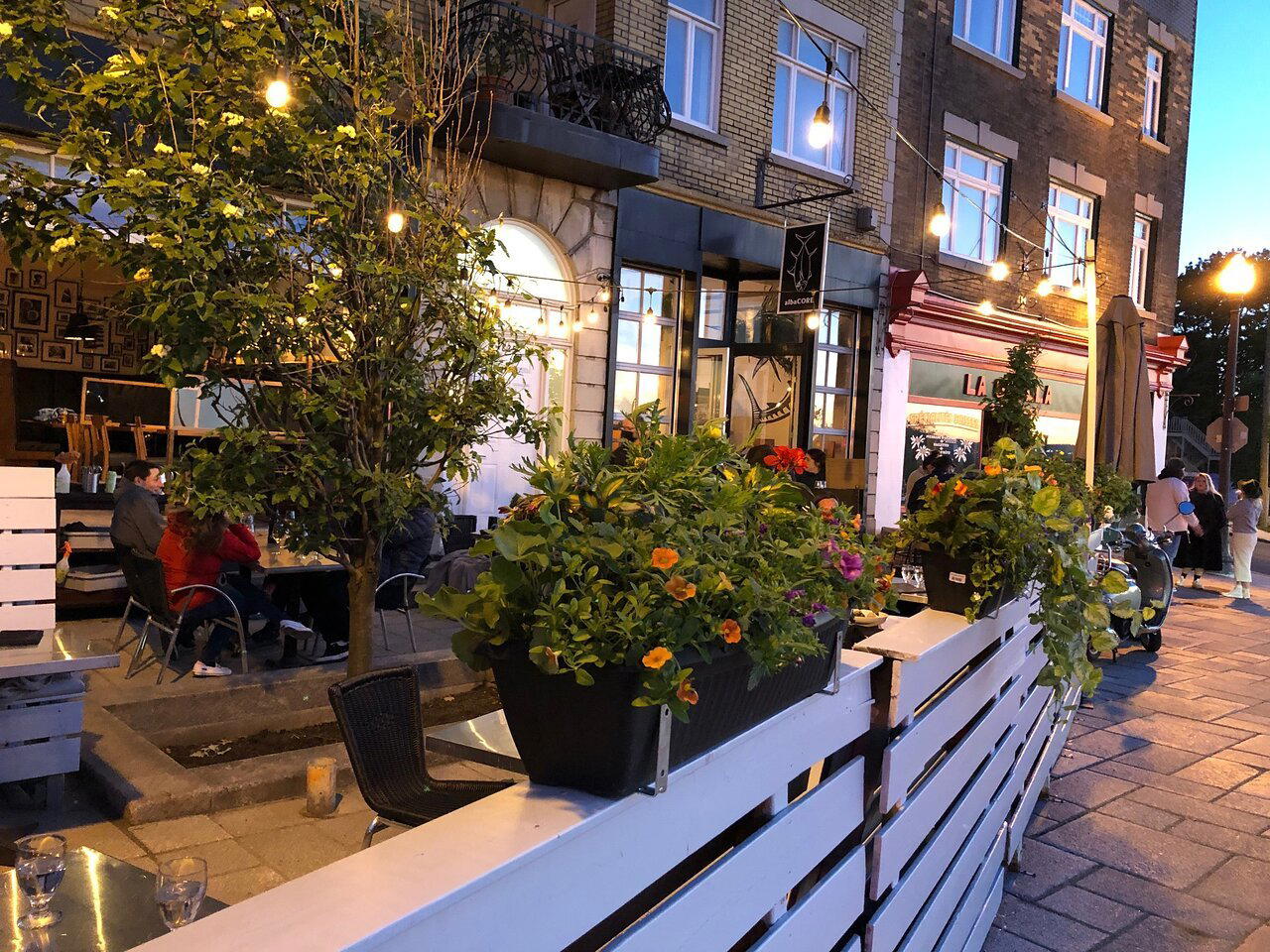
The restaurant sits on Rue Sainte-Ursule in the Quartier Latin section of Old Quebec, walkable from the major hotel concentrations along Grande-Allée and within the walled city. Our Quebec City hotels guide covers properties within the old city walls and beyond, with notes on proximity to the main dining areas. Those planning around the broader scene will find useful context in our bars guide, our wineries guide, and our experiences guide, the Quartier Latin rewards unhurried exploration before or after dinner. For a comparable French-trained chef working at a similar level of ambition in a different regional context, Narval in Rimouski is worth the drive; Emeril's in New Orleans shows what sustained chef-owner commitment to a regional cooking identity looks like over an American timeline. Auberge Saint-Antoine remains the natural complement within Quebec City itself, particularly for those combining a serious dinner with a hotel stay inside the old city.
Frequently asked questions
Does Saint-Amour have a Michelin star or similar recognition?
Saint-Amour has received recognition including: This 40-years-old venue got numerous prizes and is without a doubt one of the province’s best gastronomic restaurants. Owner and star chef from France, Jean-Luc Boulay, is the leader in the boreal cui....
Where is Saint-Amour located?
Saint-Amour is located at 48 Rue Sainte-Ursule, Québec, QC G1R 4E2, Canada, Quebec City.
What dish is Saint-Amour famous for?
Saint-Amour's reputation is built on boreal cuisine, cooking that draws on northern Canadian ingredients interpreted through a French classical framework. Chef Jean-Luc Boulay, who trained in France, has spent four decades refining this approach at 48 Rue Sainte-Ursule. Specific signature dishes are best confirmed directly with the restaurant before your visit, as the menu follows seasonal availability.
Can I walk in to Saint-Amour?
After forty years of provincial recognition and multiple awards, Saint-Amour is one of Quebec City's most consistently cited gastronomic addresses, which means walk-in availability is limited, particularly during Carnaval de Québec in late January and February when Old Quebec fills quickly. Booking ahead is strongly advised, especially for weekend sittings or peak season travel.
What is Saint-Amour known for?
Saint-Amour is recognised across Quebec as a reference point for boreal fine dining, having accumulated numerous awards over roughly four decades of operation. Jean-Luc Boulay, a French-trained chef and the restaurant's owner, is credited as a leading figure in boreal cuisine, the school of cooking that applies classical European technique to northern Canadian ingredients such as game, foraged plants, and cold-climate produce. That combination of longevity and a defined culinary philosophy sets it apart within Quebec City's fine dining tier.
Peers in This Market
Comparable venues nearby, for context on price, style, and recognition.
| Venue | Cuisine | Price | Awards | Notes |
|---|---|---|---|---|
| Saint-AmourThis venue (the venue you are viewing) | Haute French Quebecois Fine Dining | $100–150 | Michelin Plate · Star Wine List | Not listed |
| Graffiti | French-Italian Fine Dining | $50–100 | Not listed | Montcalm |
| Restaurant Louis-Hébert | French Market Cuisine | $50–100 | Not listed | Vieux-Québec, Cap-Blanc, Colline parlementaire |
| La Girolle | Traditional French Bistro | Not listed | Not listed | Saint-Sacrement |
| Kraken Cru | Seafood Oyster Bar | Not listed | Not listed | Saint-Sauveur |
| La Bête | Modern Steakhouse | $100–150 | Michelin Plate | Saint-Louis |
Recognition history
Dated appearances from independent guides and award organizations, with the underlying list record or original source where available.
Michelin Plate
Michelin
Star Wine List
Star Wine List
Continue exploring
More in Quebec City
Restaurants in Quebec City
All restaurants in Quebec City →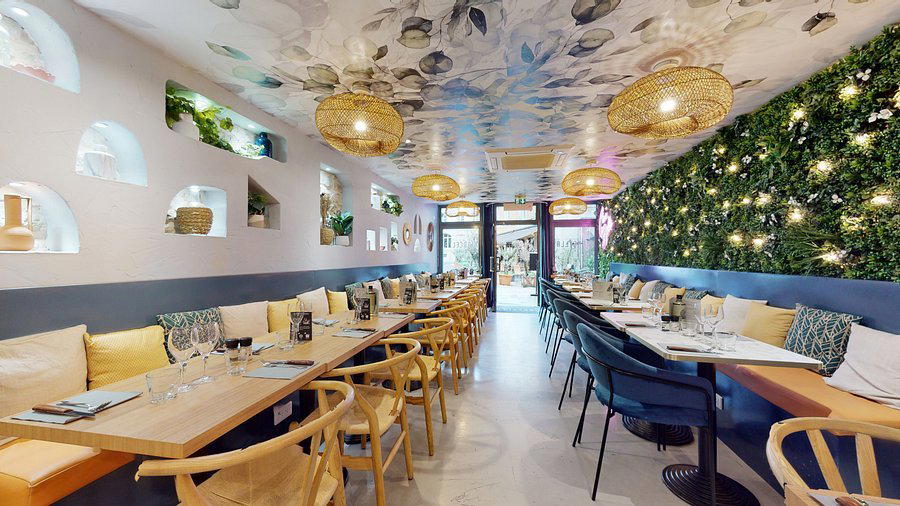
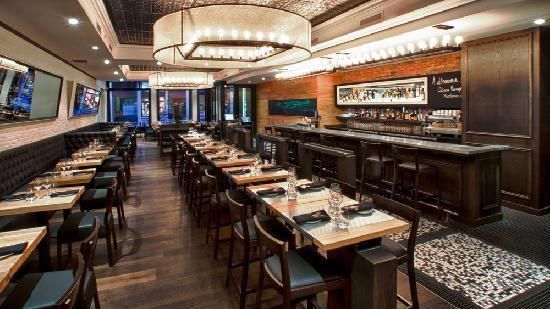
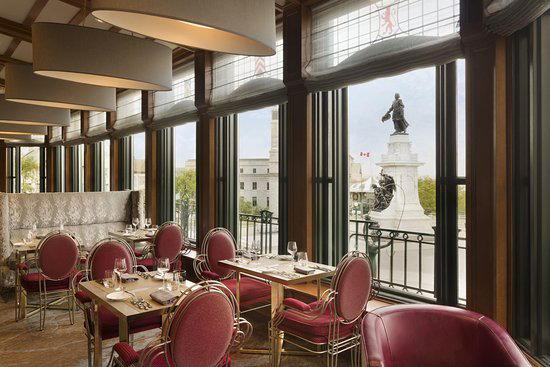

Saint-Amour
The wine
- Wine program
- Deep wine list
- Extensive wine list
- Sommelier-led
Details
- Romantic
- Elegant
- Sophisticated
- Intimate
- Classic
- Date Night
- Special Occasion
- Business Dinner
- Private Dining
- Historic Building
- Extensive Wine List
- Sommelier Led
- Local Sourcing
- Garden
- Tasting Menu
- A La Carte
- Prix Fixe
- Wine
- Vegetarian Friendly
- Vegan Options
- Allergy Accommodating
Current opening hours
- Monday
- Closed
- Tuesday
- 5:30–10:30 PM
- Wednesday
- 5:30–10:30 PM
- Thursday
- 5:30–10:30 PM
- Friday
- 5:30–10:30 PM
- Saturday
- 5:30–10:30 PM
- Sunday
- Closed
Hours can change for holidays and private events. Hours as of .
Enchanting Art Nouveau decor with floral motifs and vegetal elements creating a warm, elegant, and serene atmosphere.