Jausenstation Tiefenbachklamm
Our verdict
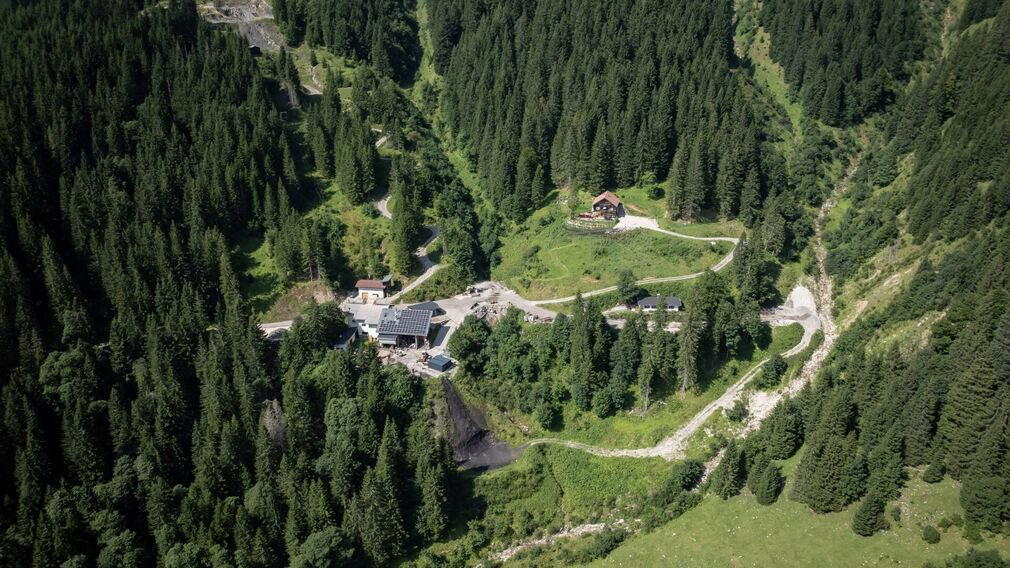
A Jausenstation — Austria's tradition of mountain waystation dining — positioned at the mouth of the Tiefenbachklamm gorge in Brandenberg, Tyrol. The format is rooted in the region's hiking culture: simple, ingredient-led food tied to the surrounding landscape, served at the point where trail meets table. For walkers coming off the gorge path, it functions as both rest stop and a direct expression of Tyrolean alpine provisioning.

Pearl is the En Primeur Club membership app — saves, bookings, and concierge access live there. Same editors, same standards.
- Address
- Brandenberg 42, 6234 Brandenberg, Austria
- Phone
- +43 5331 54510
- Hours
- Mon ClosedTue–Sun 10 AM–5 PM
- Website
- tiefenbachklamm.at
- Directions
- Get directions
The menu
What to order
- Alpbachtal Hüttenjause
- Daily specials
- Homemade cakes
Where the Gorge Path Ends and the Table Begins
The Tiefenbachklamm is one of the Brandenberg valley's most-walked gorge routes, a narrow cut through limestone where the Tiefenbach stream has been carving for centuries. At its entrance, where hikers collect themselves before or after the path, the Jausenstation format has long made a particular kind of sense. In Austria's mountain regions, a Jausenstation is not a restaurant in the conventional sense. It is a waystation — a place licensed specifically to serve cold plates, bread, dairy, and cured meats to people in motion, anchored to the agricultural calendar of the surrounding area. The format predates modern hospitality infrastructure by generations, and in the valleys of Tyrol it remains one of the more direct expressions of how mountain communities have always fed themselves and passing travellers.
Brandenberg sits in the Brandenberger Ache valley in the northern Tyrolean Alps, roughly equidistant between Kufstein and Schwaz. The village is small, its economy historically tied to forestry and alpine farming, and the gorge path is its most consistent draw for visitors arriving from the Inn valley corridor. The Jausenstation at Brandenberg 42 sits within that framework — address and setting both confirm its position as a trailhead fixture rather than a destination dining room.
The Logic of Alpine Ingredient Sourcing
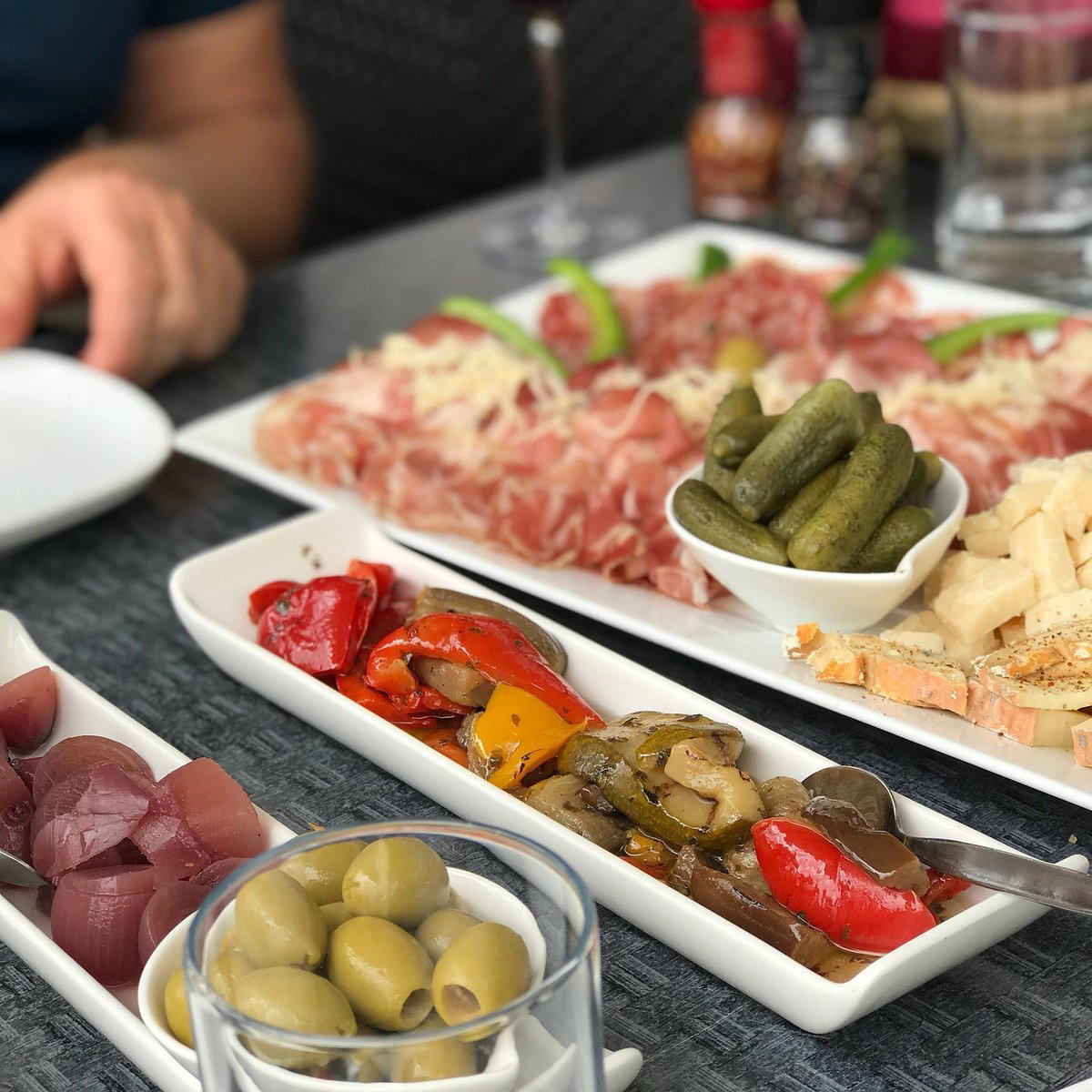
The Jausenstation format is, at its core, an ingredient-sourcing story. What these stops have historically served reflects what can be produced, preserved, or prepared without industrial supply chains: hard cheeses from valley dairies, air-dried beef and pork from regional butchers, dense rye breads, butter, lard spreads, and local schnapps. The Tiefenbachklamm's position in a narrow alpine valley means the surrounding agricultural belt is small but specific. Tyrolean Graukäse, the sharp, low-fat grey cheese particular to the Inn and Zillertal valleys, is the ingredient most associated with this tier of alpine hospitality, served with vinegar and onion in a format that has changed little across a century.
This matters because the broader Austrian fine dining scene has spent the last two decades repositioning exactly these kinds of ingredients. At Döllerer in Golling an der Salzach, mountain larder ingredients appear in technically ambitious contemporary frameworks. At Landhaus Bacher in Mautern an der Donau and Obauer in Werfen, classic Austrian produce is treated as the foundation for formal tasting menus with significant cellar investment. The Jausenstation operates at the other end of that spectrum entirely, where the same Tyrolean larder appears without mediation: the cheese on the plate is the point, not the vehicle for a technique.
That directness is not a limitation. It is the format's distinct argument. In a period when Austrian fine dining, from Steirereck im Stadtpark in Vienna downward through the Michelin-tracked tier, has drawn increasing international attention for its relationship to regional produce, the Jausenstation represents the source condition from which that movement draws its credibility. What chefs in Vienna or Salzburg frame as a return to roots, the trailhead stop in Brandenberg simply never abandoned.
Tyrolean Gorge Culture and the Dining Format
Gorge walks in Tyrol attract a particular visitor profile: day-trippers from Kufstein or Innsbruck, families walking with older children, and hiking-focused travellers using the Inn valley as a base. The Tiefenbachklamm is a relatively short and accessible route by Tyrolean standards, which means the demographic skews toward mixed-ability groups rather than technical mountaineers. The Jausenstation format serves that audience well, plates are unfussy, portions are sized for people who have been walking, and the stop itself provides shade, seating, and a natural pause point before the drive back to the valley floor.
For context on the range of Tyrolean alpine dining, the distance between this format and the region's formal end is considerable. Gourmetrestaurant Tannenhof in Sankt Anton am Arlberg, Griggeler Stuba in Lech, and Stüva in Ischgl represent the Michelin-tracked alpine dining tier, where the mountain setting is matched with technically precise kitchens and significant wine programs. The Jausenstation sits at the opposite pole: no kitchen in the formal sense, no wine list, no reservation system. It is useful to hold both ends of that spectrum in mind simultaneously, they are answering different questions about what alpine eating is for.
Planning a Visit
Brandenberg is most practically reached by car from Kufstein, approximately 20 kilometres along the Brandenberger Ache valley road. The gorge path at Tiefenbachklamm is the primary reason visitors arrive, and the Jausenstation's position at Brandenberg 42 places it at the walk's natural start and finish point. Given the format and location, visits organise themselves around the gorge walk rather than around a meal booking: arrive, walk, stop. Operating hours for Jausenstationen of this type are typically tied to daylight and seasonal demand, concentrated in spring through early autumn when the gorge path is in regular use. No booking infrastructure is recorded for this address, which aligns with the walk-in, counter-service model standard to the format.
Travellers building a Tyrolean itinerary with broader dining ambitions can extend into the Inn valley's more formal options, or use our full Brandenberg restaurants guide to map the local context. Those moving through the wider Austrian alpine region and seeking the formal end of the regional larder argument can consult Kräuterreich by Vitus Winkler in Sankt Veit im Pongau, Ikarus in Salzburg, or Restaurant 141 by Joachim Jaud in Mieming for kitchens that work from a similar regional larder with considerably greater technical ambition. For reference points outside the alpine context entirely, Taubenkobel in Schützen am Gebirge, Schwarzer Adler in Hall in Tirol, Ois in Neufelden, Artis in Graz, and Atelier Fischer in Sankt Gilgen each represent distinct registers of Austrian regional dining worth understanding as part of the same national conversation. And for those tracing how ingredient-driven simplicity translates to entirely different contexts, Le Bernardin in New York City and Atomix in New York City show how the underlying logic of sourcing and restraint plays out at the formal fine dining level.
Frequently asked questions
Would Jausenstation Tiefenbachklamm be comfortable with kids?
The Tiefenbachklamm gorge walk is a well-established family route from Brandenberg, drawing day-trippers with older children as a core visitor group. A Jausenstation format is built around exactly this audience: straightforward food, outdoor or semi-covered seating, and no formal dining expectations. Families who complete the gorge path typically find these stops a natural endpoint for the outing.
How would you describe the vibe at Jausenstation Tiefenbachklamm?
This is a working alpine refreshment station, not a restaurant with a designed atmosphere. The setting at the end of the Tiefenbachklamm gorge in Brandenberg does the work: limestone valley, the sound of the Tiefenbach stream, hikers arriving in boots with trekking poles. The format is informal, the pace is self-directed, and the crowd is almost entirely people who have just walked the gorge.
Is Jausenstation Tiefenbachklamm open year-round, and when is the best time to visit?
Like most Tyrolean gorge-walk stations, Jausenstation Tiefenbachklamm in Brandenberg operates seasonally, aligned with when the Tiefenbachklamm path itself is accessible and safe. The gorge draws the heaviest foot traffic from late spring through early autumn, which is when refreshment stops along the route are most reliably open. Visiting outside peak hiking season without confirming access in advance carries real risk of finding the station closed.
What do regulars order at Jausenstation Tiefenbachklamm?
Jausenstationen across Tyrol have historically centred on cured meats, regional cheese, dark bread, and cold drinks — provisions that can be sourced locally and held without complex kitchen infrastructure. At a gorge-end station like Tiefenbachklamm, the expectation from returning visitors follows that same logic: a Brettljause board, a cold beer or Almdudler, and something warm if the kitchen extends that far.
Quick Comparison
Comparable venues nearby, for context on price, style, and recognition.
| Venue | Cuisine | Price | Notes |
|---|---|---|---|
| Jausenstation TiefenbachklammThis venue — the venue you are viewing | Traditional Tyrolean Alpine Cuisine | $10–20 | Not listed |
| Michl Stub'n | Traditional Austrian Mountain Restaurant | Not listed | Wildschonau |
| Alpengasthof Schönangeralm | Traditional Tyrolean Hausmannskost | $20–30 | Wildschönau |
| Malerwinkel | Modern Austrian Cuisine | $50–100 | Altstadt |
| Wildseeloderhaus | Modern Tirolean | Not listed | Fieberbrunn |
| Frankalm | Traditional Austrian Alpine Cuisine | $20–30 | Brixen im Thale |
Continue exploring
More in Brandenberg
Restaurants in Brandenberg
Browse all →
Bars in Brandenberg
Browse all →
Hotels in Brandenberg
Browse all →

Details
- Rustic
- Cozy
- Scenic
- Quiet
- Casual Hangout
- Family
- Group Dining
- Terrace
- Waterfront
- Garden
- Local Sourcing
- Mountain
- Waterfront
- A La Carte
- Regional Beverages
- Cold Drinks
- Warm Drinks
Current opening hours
- Monday
- Closed
- Tuesday
- 10 AM–5 PM
- Wednesday
- 10 AM–5 PM
- Thursday
- 10 AM–5 PM
- Friday
- 10 AM–5 PM
- Saturday
- 10 AM–5 PM
- Sunday
- 10 AM–5 PM
Hours can change for holidays and private events. Last verified .
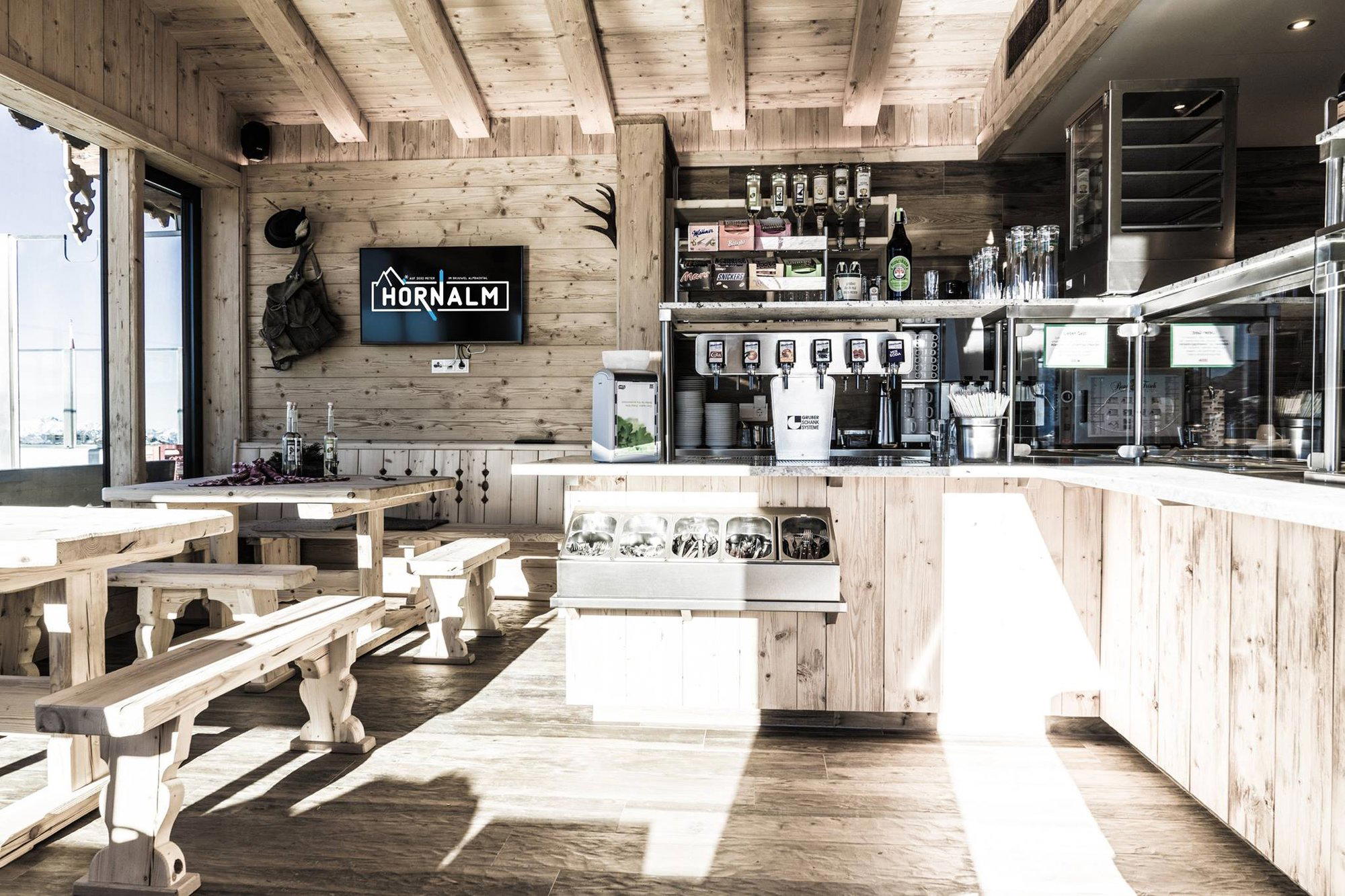
Relaxed and rustic with natural lighting from the sun terrace; cozy interior lounges with alpine decor; peaceful mountain setting surrounded by dramatic gorge scenery.