Alpengasthof Schönangeralm
A working alpine hut in the Wildschönau valley, Alpengasthof Schönangeralm sits at Schönanger 205 in Auffach and operates in the tradition of Austrian mountain gastronomy, where the elevation, the season, and the surrounding farmland determine what ends up on the plate. It draws walkers, skiers, and those who understand that altitude and provenance are often the same conversation.
Pearl is the En Primeur Club membership app — saves, bookings, and concierge access live there. Same editors, same standards.
- Address
- Schönanger 205, 6313 Auffach, Austria
- Phone
- +434353398944
- Website
- schoenangeralm.at
- Directions
- Get directions
 Saves & bookings on Pearl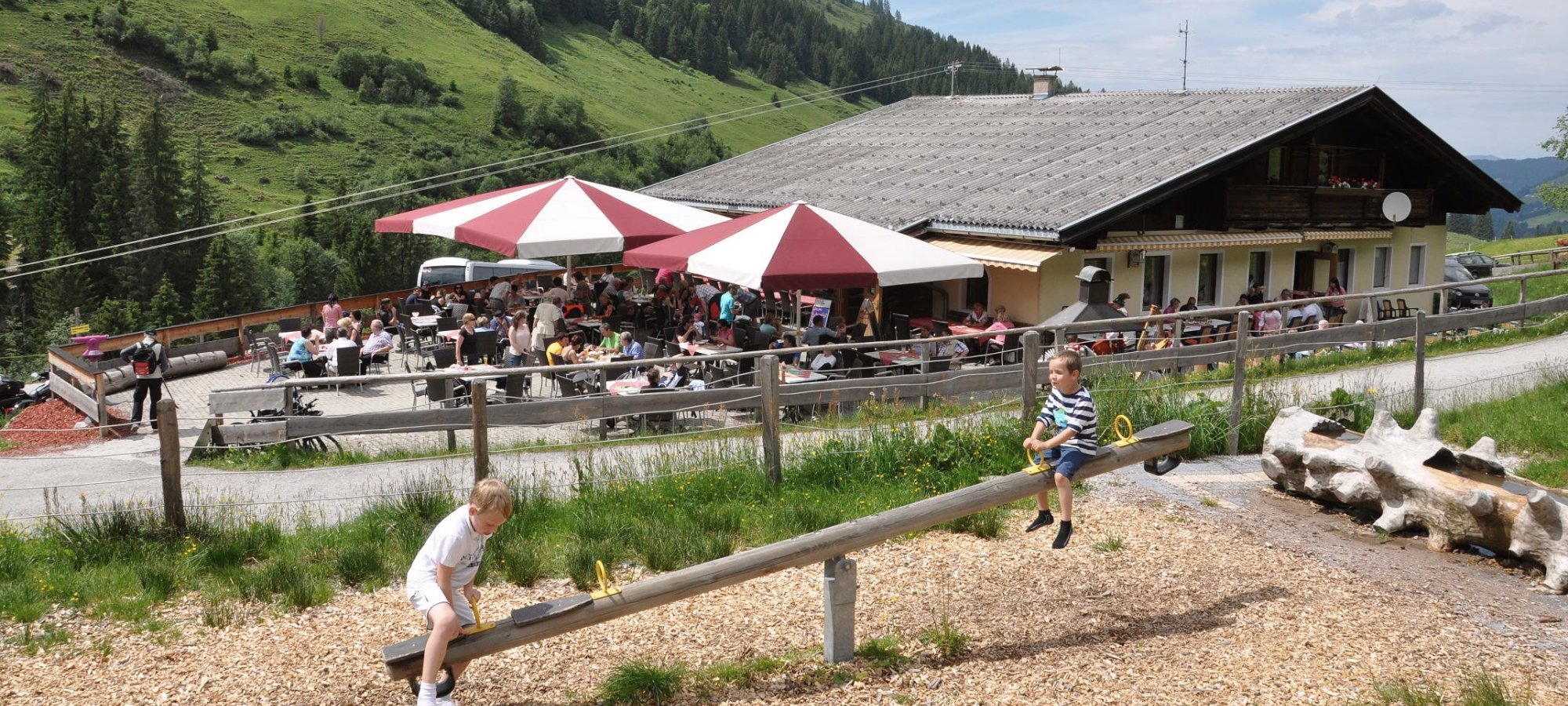
Where the Mountain Determines the Menu
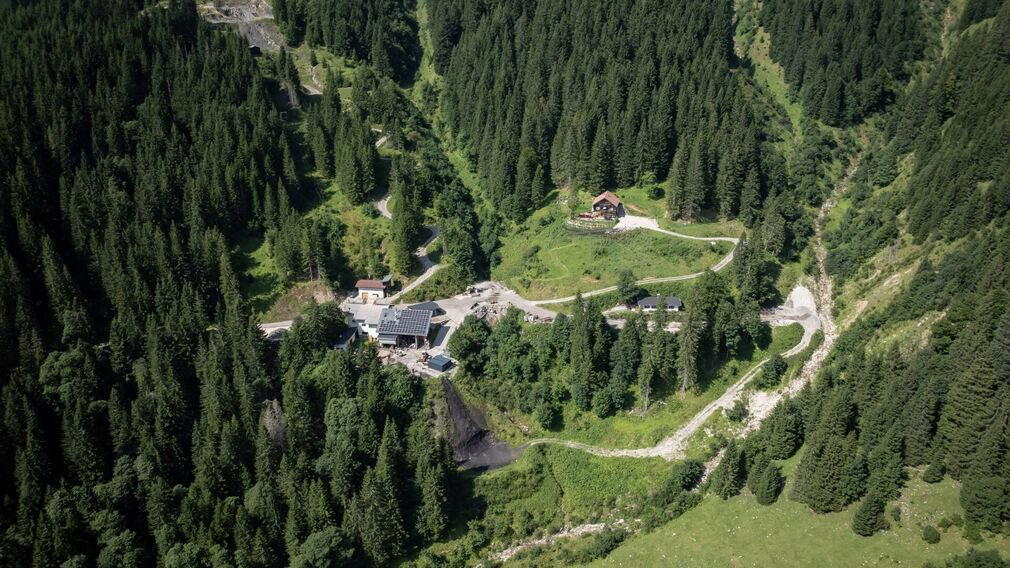
The approach to an alpine gasthaus in the Wildschönau tells you most of what you need to know before you sit down. The valley sits in Tirol, with terrain that has shaped a particular style of cooking across centuries: practical, seasonal, rooted in what the surrounding farms and forests produce, and entirely indifferent to urban food fashion. Alpengasthof Schönangeralm, at Schönanger 205 in Auffach, operates within that tradition. The name itself, Schönanger, meaning roughly "beautiful meadow", signals the context. This is mountain cooking in the original sense, where geography and ingredient sourcing are the same discipline.
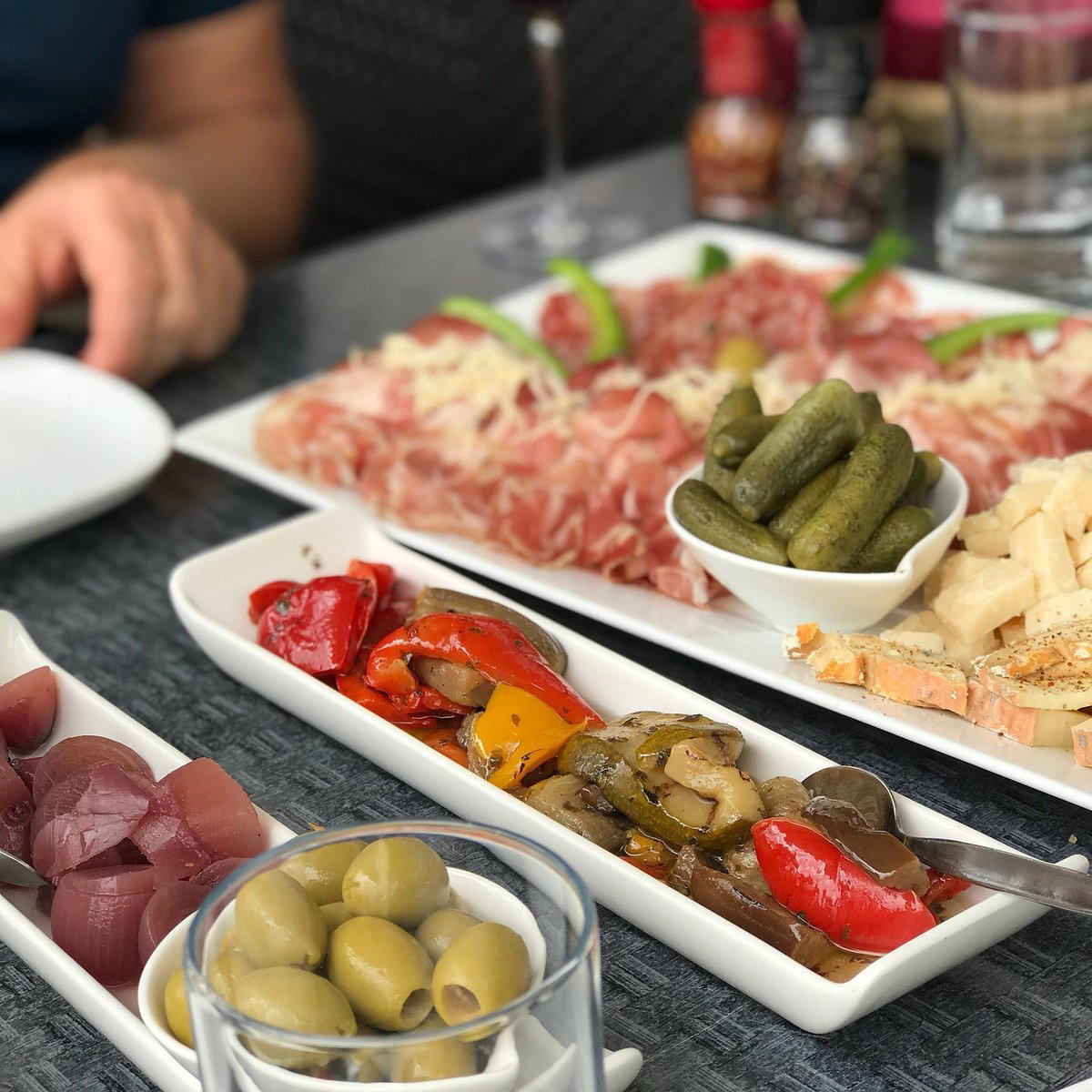
Austrian alpine cuisine at this altitude is not a marketing construct. The Tirol region has sustained a distinct culinary identity for generations, built around dairy from high-pasture cattle, game from managed forests, rye and barley from valley farms, and foraged herbs that change week by week through the summer months. The alpine gasthaus format exists to serve that produce to people who have arrived by foot, ski, or winding mountain road. The cooking is calibrated accordingly: warming, generous, and structured around what is available rather than what is fashionable.
Ingredient Sourcing as the Defining Logic
The broader argument for eating at a traditional alpine hut, rather than in a valley town restaurant, is one of provenance compression. In a city kitchen, ingredients travel, sometimes across borders, always across some distance. At a working mountain gasthaus, the supply chain is short by geography. The dairy that goes into a Tiroler Gröstl or a Kasnocken (cheese dumplings, a Tirolean staple at this altitude) may come from cattle that grazed within sight of the building. The herbs pressed into butter or scattered across a broth are often the same species growing on the meadow slopes outside.
This is the condition that separates the alpine gasthaus category from even well-intentioned farm-to-table restaurants in lowland settings. The altitude imposes a short growing season, roughly May through October, which means the kitchen operates with genuine seasonal discipline rather than the curated version. Compare this to Austria's celebrated fine-dining tier: Steirereck im Stadtpark in Vienna and Landhaus Bacher in Mautern an der Donau both build their reputations around sourcing discipline, but they exercise that discipline from urban or semi-rural kitchens with access to a wider supplier network. The alpine gasthaus operates under harder constraints, and the cooking reflects them directly.
Further along the Austrian alpine restaurant spectrum, places like Döllerer in Golling an der Salzach and Obauer in Werfen have built contemporary reputations by translating traditional alpine ingredients into a modern fine-dining register. The gasthaus format works from the opposite direction: no translation, no contemporary register, just the ingredient in its most direct preparation. Both are legitimate. They serve different purposes and different moments.
The Wildschönau Context
Wildschönau is not a single village but a collective of four communities, Oberau, Niederau, Auffach, and Thierbach, spread across a high plateau valley in the Kitzbühel Alps. Auffach, where Schönangeralm sits, is the smallest and least-developed of the four, which is precisely why it retains the character that the other communities have partly ceded to ski tourism infrastructure. The valley has been farmed continuously since medieval settlement, and the agricultural identity still reads in the landscape: working farms sit alongside ski lifts, and the huts that dot the upper meadows are, in many cases, operating businesses rather than heritage props.
That context matters for understanding what Alpengasthof Schönangeralm represents within its local comparable set. In Wildschönau, Gipfö Hit and Michl Stub'n occupy different points on the spectrum between casual mountain refreshment and more considered alpine dining. Schönangeralm's position in that local tier is defined by its address at Schönanger 205, which places it on the meadow plateau above Auffach rather than in the valley floor. The elevation changes the proposition: you are arriving at a destination rather than stopping en route, which tends to select for a more deliberate kind of visit. Our full Wildschönau restaurants guide covers the full range of options across the valley.
How This Fits the Broader Tirolean Dining Pattern
Tirol has developed a dual-track dining identity over the past two decades. On one track sit the destination fine-dining rooms that have brought international attention to Austrian mountain cooking: Gourmetrestaurant Tannenhof in Sankt Anton am Arlberg, Stüva in Ischgl, and Griggeler Stuba in Lech represent a tier of cooking that competes with urban European fine dining on technical and conceptual terms. On the other track sit the traditional alpine huts and gasthauses that predate the fine-dining conversation entirely and derive their authority not from awards but from continuity and location.
The gasthaus format has no ambition to compete with those rooms, and the comparison is not useful. A more instructive frame is to consider what the gasthaus does that the fine-dining room cannot: it places you physically inside the sourcing environment. The butter is cold because the dairy is close. The venison was shot in these specific hills. The schnapps at the end of the meal was distilled from orchard fruit grown at this altitude. That compression of distance between origin and plate is a form of authenticity that ambitious cooking elsewhere in Austria, including at Schwarzer Adler in Hall in Tirol or Restaurant 141 by Joachim Jaud in Mieming, works hard to approximate through supplier relationships and provenance storytelling. Here, it is simply the condition of operating at this address.
For reference points further afield in the Austrian dining scene, Kräuterreich by Vitus Winkler in Sankt Veit im Pongau, Ois in Neufelden, and Taubenkobel in Schützen am Gebirge each represent regional cooking rooted in local produce but interpreted through a contemporary lens. The alpine gasthaus sits at the other end of that spectrum. And internationally, the commitment to place-bound cooking that defines the gasthaus tradition has analogues in destination-specific formats like Lazy Bear in San Francisco or the sourcing rigor of Le Bernardin in New York City, Ikarus in Salzburg, though the mode of expression could not be more different.
Planning Your Visit
Schönangeralm operates within the rhythms of the Wildschönau valley's two main seasons: winter (roughly December through April, aligned with the ski season) and summer (mid-May through October, when the meadow trails are open). The shoulder weeks at either end of those seasons can see reduced availability or altered hours. Given the location above Auffach, access by car or on foot from the valley trail network is the standard approach. The venue is recommended for reservations, and opening hours should be confirmed before you go. For a venue at this address and in this format, earlier planning is sensible.
Comparable Venues
Comparable venues nearby, for context on price, style, and recognition.
| Venue | Cuisine | Price | Notes |
|---|---|---|---|
| Alpengasthof SchönangeralmThis venue — the venue you are viewing | Traditional Tyrolean Hausmannskost | $$ | Not listed |
| Michl Stub'n | Traditional Austrian Mountain Restaurant | $$ | Wildschonau |
| Gipfö Hit | Traditional Austrian Tyrolean | $$ | Thierbach |
| Frankalm | Traditional Austrian Alpine Cuisine | $$ | Brixen im Thale |
| Weidener Hütte | Regional Tyrolean Mountain Hut Cuisine | $$ | Weerberg |
| Walserwirt | Traditional Austrian | $$ | Wals-Siezenheim |
Continue exploring
More in Wildschönau
Restaurants in Wildschönau
Browse all →
Bars in Wildschönau
Browse all →
Hotels in Wildschönau
Browse all →

At a Glance
- Rustic
- Cozy
- Scenic
- Family
- Casual Hangout
- Terrace
- Panoramic View
- Local Sourcing
- Mountain
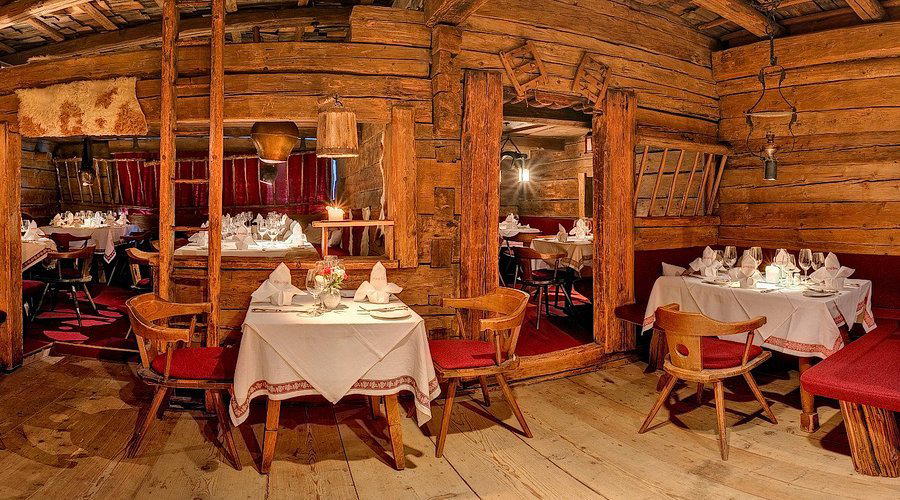
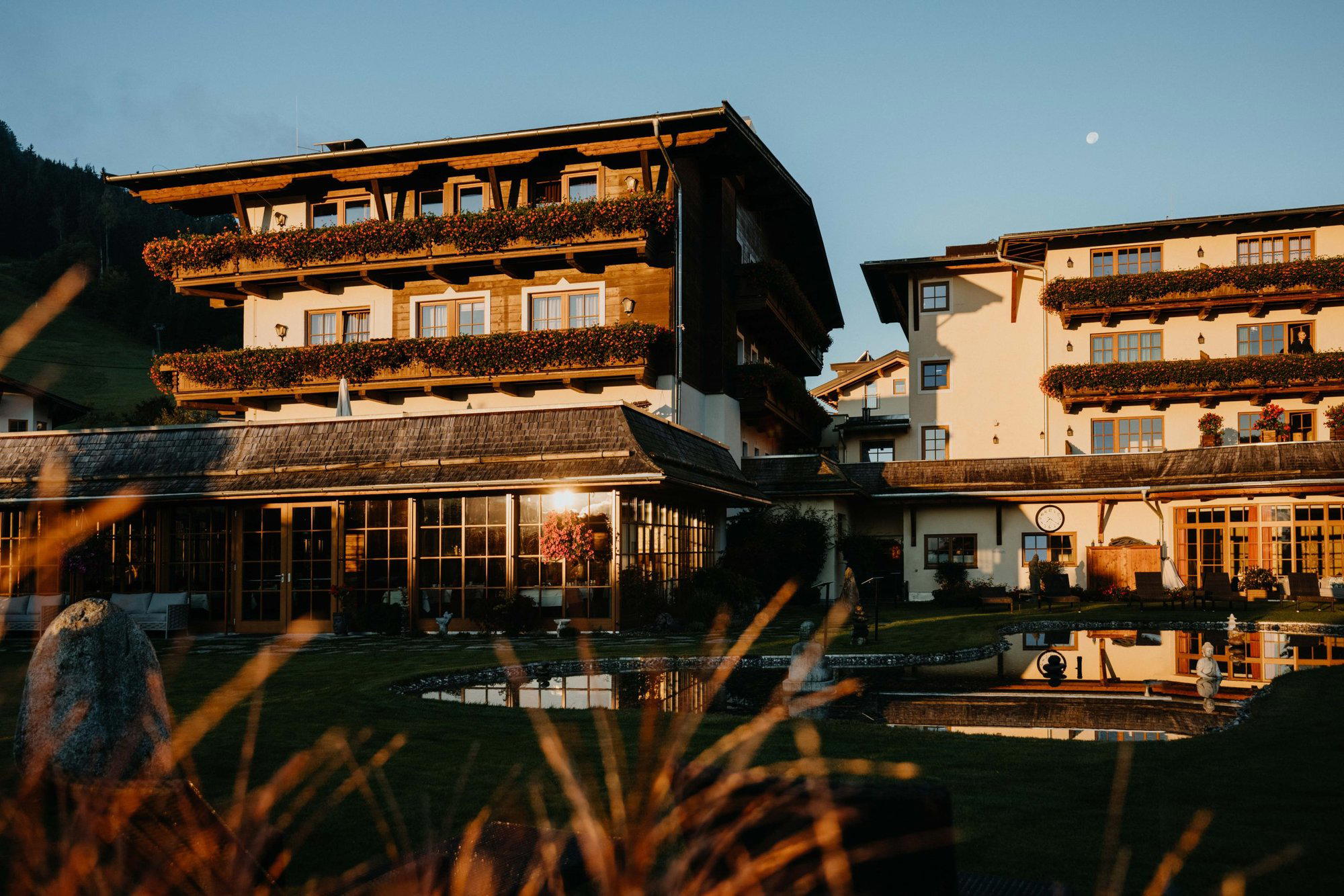
Cozy alpine atmosphere with wooden interiors, sunny terrace, and rustic charm.