
Michelin Plate
Our verdict
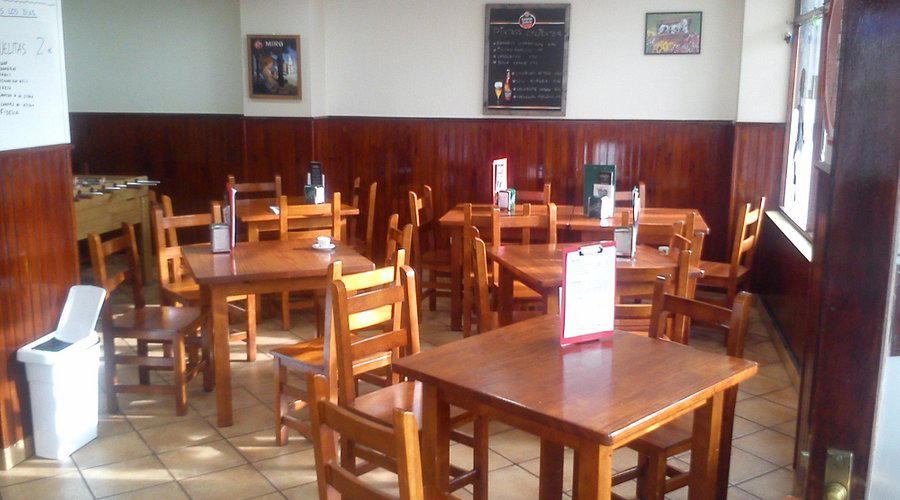
A Michelin Plate-recognised Basque kitchen in Madrid's San Blas-Canillejas district, Jaizkibel runs an extensive à la carte of traditional cooking alongside a tasting menu, with particular depth in cod, rice, stews, and a seasonal bonito section. The cogote de merluza, hake neck with garlic and parsley oil, is a benchmark dish.

Pearl is the En Primeur Club membership app, where members save venues, book tables and use the concierge.
The menu
What to order
- Cogote de merluza
- Trilogy of bacalao
- Bonito del Norte encebollado
- Steak tartare
- Paella de mariscos
Basque Cooking, Residential Madrid
Madrid's Basque dining scene divides broadly into two registers. The first is the progressive, produce-forward Basque gastronomy that venues like Arima Basque Gastronomy and Haramboure represent, technically confident, centrally located, and priced accordingly. The second is the traditional Basque house that operates away from the tourist circuit, where the menu is built around the seasonal calendar and the cooking style hasn't been revised to suit trends. Jaizkibel, on Calle de Albasanz in San Blas-Canillejas, belongs firmly to the second category.
San Blas-Canillejas is a residential district in Madrid's eastern quadrant, the kind of area where restaurants survive on repeat custom rather than passing footfall. That context shapes everything about how Jaizkibel operates. The address, the price tier (€€), the depth of the à la carte, these are calibrated to a local diner who returns across seasons, not to a visitor making a single high-stakes reservation. Contrast this with the city's €€€€ creative flagships: DiverXO with three Michelin stars, or Coque with two. Jaizkibel occupies a different and equally legitimate tier, the mid-price, high-integrity Basque table that prioritises ingredient quality and seasonal rhythm over theatrical presentation.
The Arc of the Meal
Basque cooking at its most considered follows a logic that's essentially ingredient-led: the structure of the meal exists to foreground what's in season, not to demonstrate technique for its own sake. At Jaizkibel, this translates into an extensive à la carte that covers the foundations of the tradition, cod preparations, rice dishes, stews, alongside a tasting menu for those who want the kitchen to sequence the experience. The choice between the two formats matters. The à la carte rewards diners who already know what they want from Basque cooking; the tasting menu functions as an introduction to how that tradition builds across courses.
Rice dishes in the Basque tradition tend toward the soupy and broth-forward rather than the dry, crust-focused Valencian style, a distinction that matters when ordering. Cod, the ingredient that has defined northern Spanish cooking for centuries, appears in multiple preparations; in a kitchen like this, it's the dish that signals how seriously the kitchen takes its foundations. Stews provide the meal's weight and the session's warmth, particularly in the colder months when San Blas-Canillejas diners are looking for something that holds.
The seasonal bonito section is worth addressing directly. Bonito del Norte, the Atlantic albacore caught in summer off the Cantabrian coast, is one of the defining ingredients of Basque summer cooking, and giving it a dedicated section of the menu is a statement about culinary priorities. Most mid-tier Madrid restaurants treat seasonal fish as a daily special to be described verbally. Devoting a named section to it signals a kitchen that structures its calendar around the ingredient's peak rather than the other way around. For the Basque cooking context this matters: the tradition's coastal heritage is never far from the plate even when the restaurant is 450 kilometres inland.
The cogote de merluza, neck of hake, a cut that's gelatinous near the bone and firm at the collar, is listed in the 2025 Michelin citation as a standout. Prepared simply, with garlic and parsley oil, it demonstrates the kitchen's commitment to minimal intervention. The neck is one of the most flavoursome sections of the hake and one of the most technically demanding to cook correctly; the simplicity of the dressing is deliberate, designed to let the texture and natural sweetness of the fish carry the dish. This is the kind of preparation that's easy to read as direct and difficult to execute well.
Where Jaizkibel Sits in Madrid's Basque Dining Picture
Basque tradition is better represented in Madrid than anywhere else outside the País Vasco. That density reflects both the cultural pull of Basque cooking within Spain and the long history of Basque migration to the capital. Across the city you'll find everything from Pelotari's traditional pintxos format to the higher-end Basque-influenced tasting menus at premium addresses. Jaizkibel's position in that spread is specific: it's a full-service restaurant rather than a pintxos bar, with the depth of menu to sustain a longer meal, but priced at a level that makes it a neighbourhood fixture rather than a destination booking.
For reference, the Basque tradition in its homeland produces some of Spain's most decorated restaurants. Arzak in San Sebastián and Martin Berasategui in Lasarte-Oria operate at three-star level; iBAi by Paulo Airaudo in San Sebastián and Ama Taberna in Tolosa represent the tradition at different scales and price points. Azurmendi in Larrabetzu brings Basque cooking into dialogue with contemporary technique. Jaizkibel draws from the same culinary lineage as all of these, transposing traditional Basque cooking to a Madrid residential context without compromising the ingredients-first logic that underpins it.
Beyond Basque, Madrid's broader dining scene ranges across creative Spanish cooking at venues like the two-Michelin-starred Coque, progressive formats including El Celler de Can Roca's Girona counterpart, and coastal-focused cooking from Aponiente in El Puerto de Santa María. Cocina Hermanos Torres in Barcelona shows the Spanish regional tradition at its most carefully constructed. Jaizkibel doesn't compete with any of these on format or scale, it competes on ingredient integrity and cooking honesty within its own tier.
For more options across the city, see our full Madrid restaurants guide, alongside our Madrid hotels guide, our Madrid bars guide, our Madrid wineries guide, and our Madrid experiences guide.
Know Before You Go
- Address: C. de Albasanz, 67, San Blas-Canillejas, 28037 Madrid
- Price range: €€
- Recognition: Michelin Plate (2025)
- Cuisine: Traditional Basque, cod, rice dishes, stews, seasonal bonito, hake
- Format: Extensive à la carte plus tasting menu
- Getting there: San Blas-Canillejas is east of central Madrid; accessible by metro on lines serving the Canillejas and San Blas areas
Frequently asked questions
What should I order at Jaizkibel?
The cogote de merluza, hake neck simply cooked with garlic and parsley oil, is the dish cited by name in the 2025 Michelin Plate recognition, which makes it the clearest starting point. Beyond that, the à la carte covers traditional Basque ground: cod preparations, rice dishes, stews, and seasonal bonito tuna, which gets its own dedicated menu section when in season.
Is Jaizkibel more mid-range or high-end?
Pricing at Jaizkibel is listed as €€.
What's Jaizkibel's location?
Jaizkibel is located at C. de Albasanz, 67, San Blas-Canillejas, 28037 Madrid, Spain, Madrid.
How far ahead should I plan for Jaizkibel?
At €€ pricing with a 2025 Michelin Plate and a 4.4 rating across close to a thousand reviews, Jaizkibel draws a consistent crowd for a residential-district address. Booking a few days to a week ahead is a reasonable precaution, particularly for weekend lunch, when Basque kitchens in Madrid tend to fill quickly.
What's the standout thing about Jaizkibel?
The breadth of the traditional Basque à la carte at €€ pricing sets Jaizkibel apart from most Michelin-recognised addresses in Madrid. Cod, rice, stews, and a seasonal bonito section give the menu more range than the standard set-menu format, while the 2025 Michelin Plate confirms the kitchen's consistency rather than its novelty.
Price and Recognition
| Venue | Cuisine | Price | Awards | Notes |
|---|---|---|---|---|
| JaizkibelThis venue (the venue you are viewing) | Traditional Basque Cuisine | $50–100 | Michelin Plate | Not listed |
| DiverXO | Avant-Garde Spanish Tasting Menu | $300–500 | 3 Michelin Stars · World's 50 Best #4 | Progressive - Asian, Creative |
| Deessa | Modern Valencian Fine Dining | $150–200 | 2 Michelin Stars · La Liste Top Restaurants | Modern Spanish, Creative |
| Smoked Room | Modern Japanese Fire Omakase | $200–300 | 2 Michelin Stars · La Liste Top Restaurants | Progressive Asador, Contemporary |
| Coque | Modern Spanish Fine Dining | $300–500 | 2 Michelin Stars · La Liste Top Restaurants | Spanish, Creative |
| Paco Roncero | Avant-Garde Spanish Fine Dining | $150–200 | 2 Michelin Stars · La Liste Top Restaurants | Creative |
Recognition history
Dated appearances from independent guides and award organizations, with the underlying list record or original source where available.
Michelin Plate
Michelin
Full recognition history (2 entries)
Michelin Plate
Michelin
Continue exploring
More in Madrid
Restaurants in Madrid
All restaurants in Madrid →
Bars in Madrid
All bars in Madrid →

Details
- Classic
- Elegant
- Quiet
- Sophisticated
- Business Dinner
- Special Occasion
- Celebration
- Standalone
- Extensive Wine List
- Local Sourcing
- Sustainable Seafood
- A La Carte
- Tasting Menu
- Wine
- Cortado
- Pescatarian Friendly
Current opening hours
- Monday
- 1–4:30 PM, 7:30–11:30 PM
- Tuesday
- 1–4:30 PM, 7:30–11:30 PM
- Wednesday
- 1–4:30 PM, 7:30–11:30 PM
- Thursday
- 1–4:30 PM, 7:30–11:30 PM
- Friday
- 1–4:30 PM, 7:30–11:30 PM
- Saturday
- 1–4:30 PM, 7:30–11:30 PM
- Sunday
- Closed
Hours can change for holidays and private events. Hours as of .
Peaceful and relaxing residential setting with traditional décor, attentive yet discrete service creating a calm dining environment suitable for business meals and special occasions.