



Michelin Plate · Guía Repsol 1 Sol · Macarfi 8 Food Rating
Our verdict
A Basque bodegón transplanted to Madrid's Salamanca district, Haramboure holds a Michelin Plate and an Opinionated About Dining listing for its honest rendering of northern Spanish cooking: Cantabrian fish, Bizkaia vegetables, and bar-counter dining beneath stone walls. The à la carte skips the tasting-menu format that dominates Madrid's upper tier, keeping the focus on produce and craft at a mid-range price point.

Pearl is the En Primeur Club membership app, where members save venues, book tables and use the concierge.
The menu
What to order
- Zalla red onion tarte tatin
- Pimientos de Cristal con Torreznos
- Merluza con Huevo Frito y Angulas
Stone Walls in Salamanca: Madrid's Basque Bodegón Tradition
Walk along Calle de Maldonado on a weekday lunchtime and the contrast is immediate. The Salamanca district runs largely on sleek modern Italian and polished Spanish brasseries aimed at the neighbourhood's professional and residential money. Haramboure, at number four, lands differently: stone walls, bare wood tables, and a bar counter designed for eating rather than waiting. The aesthetic signals a bodegón, the informal Basque tavern format that prizes produce and directness over presentation theatrics. In San Sebastián or Bilbao, the format is everywhere. Transplanted to Madrid's most affluent postal district, it reads as a deliberate counter-position.
Madrid has absorbed Basque cooking more deeply than any other regional cuisine. The city's pintxos bars and Basque-coded restaurants form a distinct sub-genre, running from the casual and communal to the architecturally ambitious. At the formal end, restaurants like Arima Basque Gastronomy and Jaizkibel occupy a more composed register. Haramboure sits below that tier on price and formality, closer in spirit to the bodegón model that anchors everyday dining in the Basque Country itself. Pelotari covers adjacent territory in a comparable format. The category is well-populated, but the Michelin recognition Haramboure carries places it among the more dependable addresses in the bracket.
What the Michelin Plate Signals Here
Michelin has awarded Haramboure a Plate in both 2024 and 2025, a designation that indicates cooking worth seeking out rather than merely passing through. In a city where the best of the market is occupied by David Muñoz's three-star DiverXO and two-star houses like Coque, the Plate category carries real information: this is serious cooking at a mid-range price point, not a consolation entry. The 2025 Opinionated About Dining listing in its Casual Europe category reinforces the positioning, OAD's Casual list rewards precisely the kind of ingredient-led, format-honest restaurants that Michelin stars often overlook.
The Menu: Produce First, Format Second
The à la carte at Haramboure is structured around the Basque logic of letting sourcing do the editorial work. Cantabrian fish, vegetables from Aranjuez and the province of Bizkaia, and cuts of meat share space with tapas and individual small plates. The format is deliberately non-linear: diners can assemble a meal from small plates at the counter or commit to a more composed table sequence. Neither path is privileged over the other, which is itself a Basque inheritance. The bodegón model historically served labourers and merchants in the same room with the same menu, the register shifting by how much you ordered rather than where you sat.
Vegetables from Aranjuez deserve a note. The market gardens south of Madrid have supplied the capital's finest tables for centuries, producing white asparagus, strawberries, and lettuces with a reputation built on the area's alluvial soil and river irrigation. Bizkaia vegetables, particularly the area's peppers and pulses, carry their own regional specificity. A kitchen that draws from both sources is making a clear statement about ingredient sourcing, and that statement is legible to anyone who has eaten through the Basque Country's better taverns.
Wine and the Basque Table: Where the Glass Fits
The editorial angle that runs through Basque dining, whether in Salamanca or San Sebastián, is the relationship between food and the glass. Basque cooking's characteristic acidity, its reliance on olive oil, salt cod preparations, and sea-driven proteins, creates a specific set of wine demands. Txakoli, the local Basque white, handles the coastal dishes with its own saline snap. But a Madrid Basque table broadens the conversation. Rioja, particularly from producers working with Tempranillo in a medium-weight, oak-restrained style, sits alongside the kind of fish and meat combinations that appear on Haramboure's à la carte. The Cantabrian fish course calls for whites with mineral drive: a well-sourced Albariño from Rías Baixas, or a white Rioja with some age. Meat cuts open the floor to Ribera del Duero, which at its better producer level delivers the concentration to match the Basque kitchen's preference for quality cuts without heavy sauce intervention.
For those working through a Spanish wine education, the Basque table is an efficient classroom. The cuisine's clarity of flavour and relatively restrained use of heavy reduction means wine pairings read cleanly, without the wine being lost behind a dominant preparation. It is the kind of food that teaches the palate to track a pairing rather than simply enjoy one.
Haramboure in the Wider Spanish Restaurant Conversation
Spain's serious restaurant culture radiates outward from the Basque Country more than from any other region. Arzak in San Sebastián and Martin Berasategui in Lasarte-Oria established the international frame. Azurmendi in Larrabetzu extended it. For the bodegón format specifically, the comparison points sit closer to home: Ama Taberna in Tolosa and iBAi by Paulo Airaudo in San Sebastián represent what the format can do at its most focused. Haramboure's value is in bringing that register to a Madrid address, sparing those who cannot make the northern trip a genuine Basque experience at a price point that sits well below the capital's tasting-menu tier. Beyond the Basque conversation, Spain's broader fine-dining circuit includes El Celler de Can Roca in Girona, Cocina Hermanos Torres in Barcelona, and Aponiente in El Puerto de Santa María, all operating at a different scale and ambition, but connected to the same national conversation about regional produce and technique.
For the full picture of where Haramboure sits within Madrid's eating and drinking options, EP Club's guides cover the city's restaurants, bars, hotels, wineries, and experiences in detail.
Know Before You Go
| Address | Calle de Maldonado, 4, Salamanca, 28006 Madrid, Spain |
|---|---|
| Cuisine | Basque (bodegón format) |
| Price Range | €€ (mid-range; à la carte) |
| Awards | Michelin Plate 2024 and 2025; Opinionated About Dining Casual Europe 2025 |
| Format | À la carte; counter and table dining available |
| Booking | Contact the restaurant directly; no online booking data available |
What People Recommend at Haramboure
Haramboure's à la carte draws consistent attention for its vegetable dishes, particularly those using produce from Aranjuez and the province of Bizkaia, and for its Cantabrian fish preparations. The Zalla red onion tarte tatin is specifically called out in the Michelin recognition as a dish worth seeking. Tapas and individual small plates allow for a lighter, bar-side meal, while the meat cuts suit a more structured table order. The Michelin Plate and OAD Casual listing together point to a kitchen that is consistent rather than intermittent, which for a mid-range à la carte address in Madrid is the credential that matters most. Chefs Patxi Zumárraga and Patricia Haramboure have kept the format honest to the bodegón tradition rather than drifting toward the tasting-menu conventions that have absorbed much of the capital's serious cooking energy.
Frequently asked questions
What should I budget for a meal at Haramboure?
Pricing at Haramboure is listed as €€.
Is Haramboure Michelin-listed?
Haramboure has received recognition including: The minute you walk through the door of this restaurant you have the sense of being transported to a bistro in the north of the country. Chef Patxi Zumárraga and Patricia Haramboure have deliberately opted for a restrained decor here, with ….
What do people recommend at Haramboure?
The Zalla red onion tarte tatin draws consistent attention and is singled out by Michelin inspectors as a dish worth ordering. Vegetable dishes sourced from Aranjuez and the province of Bizkaia also attract notice, alongside Cantabrian fish from the à la carte. The bar seats offer a more informal way into the menu, in keeping with the Basque bodegón format Patxi Zumárraga and Patricia Haramboure have built at Calle de Maldonado, 4.
Accolades, Compared
A quick peer check to anchor this venue’s price and recognition.
| Venue | Cuisine | Price | Awards | Notes |
|---|---|---|---|---|
| HaramboureThis venue (the venue you are viewing) | Modern Basque-French Bistro | $50–100 | Michelin Plate · Guía Repsol 1 Sol | Not listed |
| DiverXO | Avant-Garde Spanish Tasting Menu | $300–500 | 3 Michelin Stars · World's 50 Best #4 | Progressive - Asian, Creative |
| Deessa | Modern Valencian Fine Dining | $150–200 | 2 Michelin Stars · La Liste Top Restaurants | Modern Spanish, Creative |
| Smoked Room | Modern Japanese Fire Omakase | $200–300 | 2 Michelin Stars · La Liste Top Restaurants | Progressive Asador, Contemporary |
| Coque | Modern Spanish Fine Dining | $300–500 | 2 Michelin Stars · La Liste Top Restaurants | Spanish, Creative |
| Paco Roncero | Avant-Garde Spanish Fine Dining | $150–200 | 2 Michelin Stars · La Liste Top Restaurants | Creative |
Recognition history
Dated appearances from independent guides and award organizations, with the underlying list record or original source where available.
Michelin Plate
Michelin
Guía Repsol 1 Sol
Guía Repsol
Macarfi 8 Food Rating
Macarfi
Opinionated About Dining Casual in Europe Recommended
Opinionated About Dining
Full recognition history (7 entries)
Michelin Plate
Michelin
Opinionated About Dining Casual in Europe
Opinionated About Dining
Michelin Plate
Michelin
Continue exploring
More in Madrid
Restaurants in Madrid
All restaurants in Madrid →
Bars in Madrid
All bars in Madrid →

Details
- Cozy
- Elegant
- Rustic
- Intimate
- Date Night
- Business Dinner
- Special Occasion
- Open Kitchen
- Extensive Wine List
- Local Sourcing
- A La Carte
- Small Plates
Current opening hours
- Monday
- Closed
- Tuesday
- 1:30–3:30 PM, 8:30–11 PM
- Wednesday
- 1:30–3:30 PM, 8:30–11 PM
- Thursday
- 1:30–3:30 PM, 8:30–11 PM
- Friday
- 1:30–3:30 PM, 8:30–11 PM
- Saturday
- 1:30–3:30 PM, 8:30–11 PM
- Sunday
- Closed
Hours can change for holidays and private events. Hours as of .
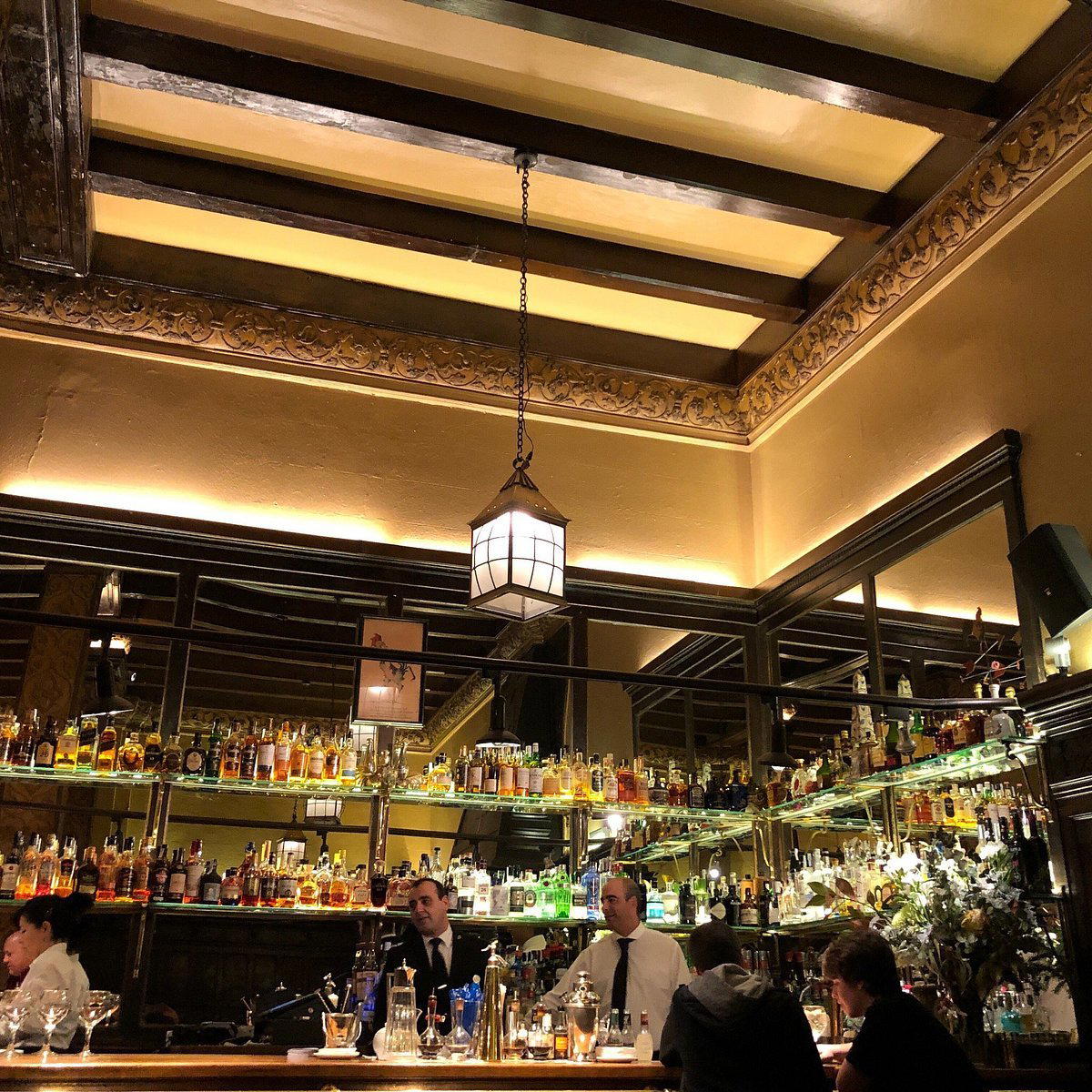
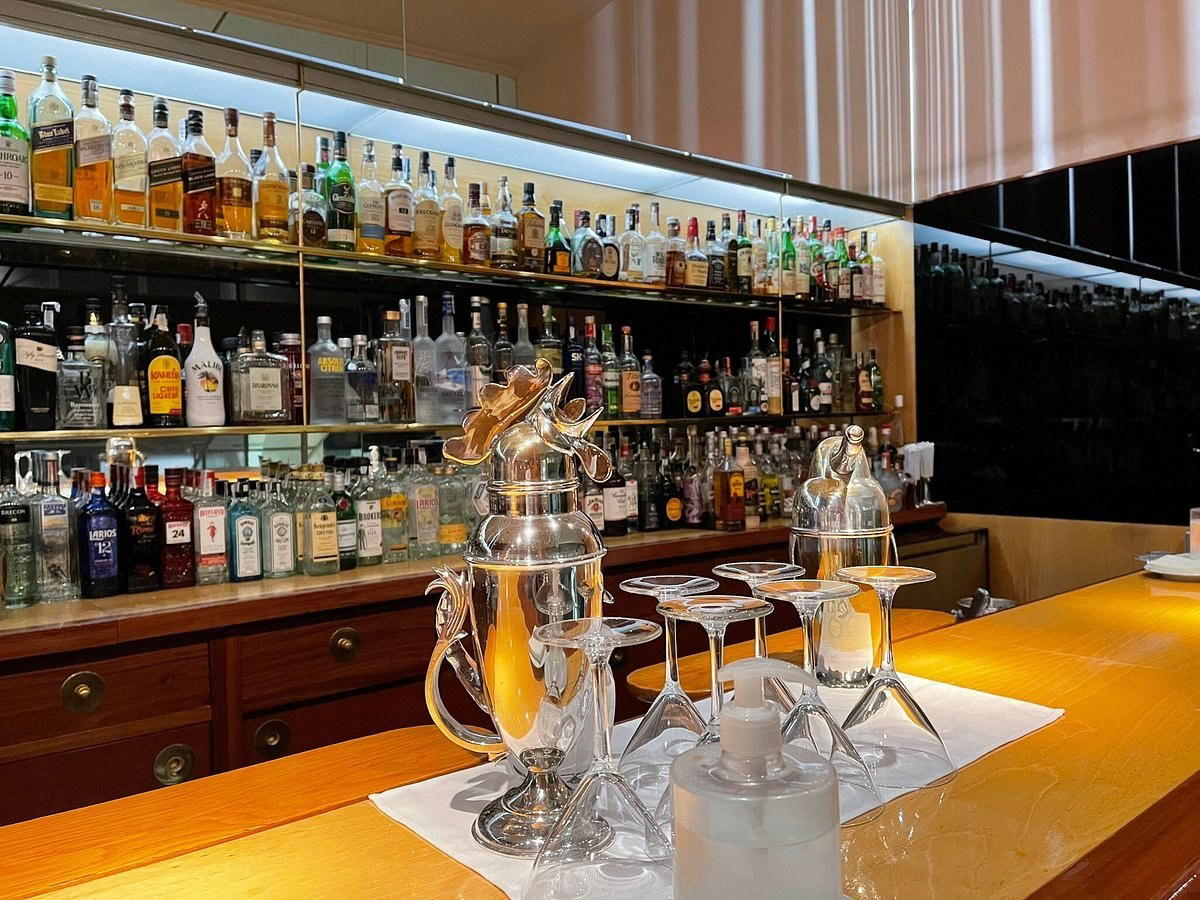
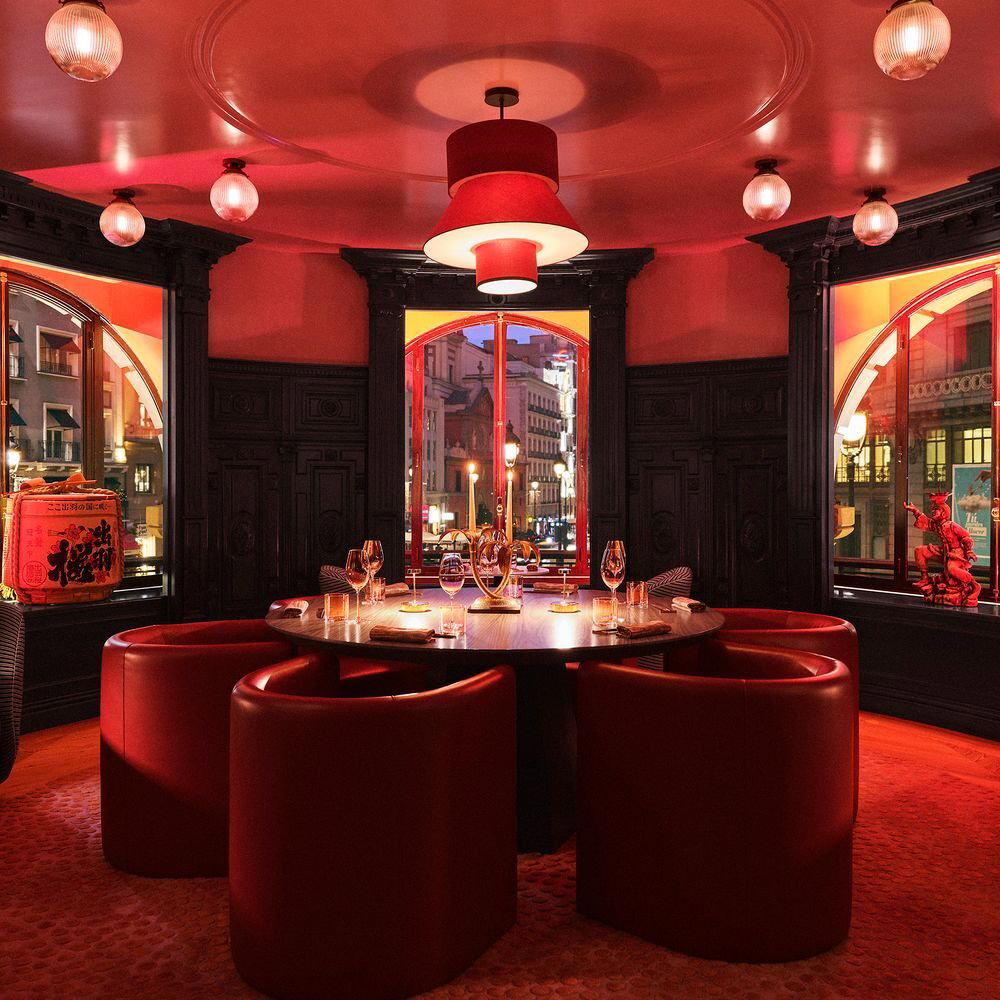
Cozy cellar-like setting with stone walls, bare wood tables, and warm bistro atmosphere.