
Michelin Plate
Our verdict
Vladimir Pak's contemporary Japanese inn spreads across 50 seats inside a pale-wood-and-granite room on Kirkegata. The kitchen runs a long à la carte alongside two tasting menus, covering zensai, agemono, sashimi, nigiri and maki. The signature Wagyu beef tartare toast arrives topped with black caviar.

Pearl is the En Primeur Club membership app — saves, bookings, and concierge access live there. Same editors, same standards.
- Address
- Kirkegata 1, Oslo, Oslo, 0153, NOR
- Hours
- Mon ClosedTue–Sat 4–11 PMSun Closed
- Directions
- Get directions
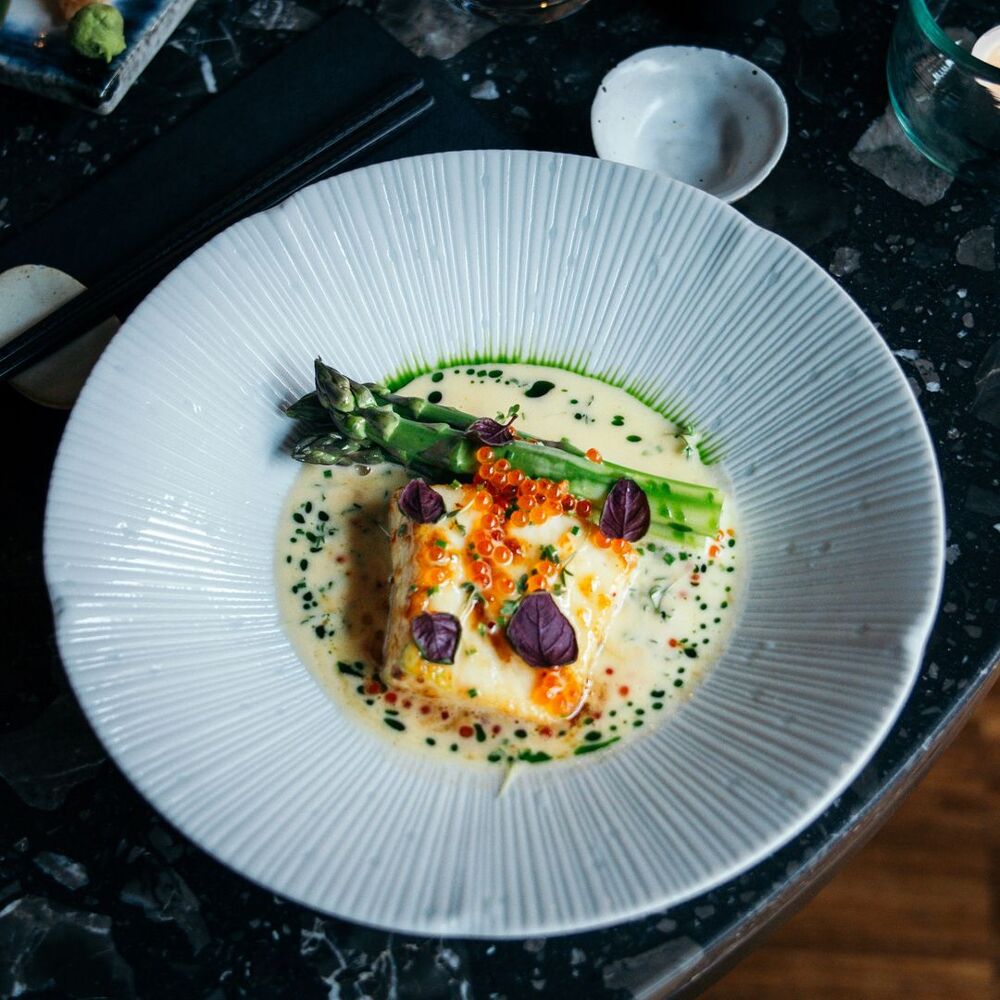
The menu
What to order
- Spicy miso ramen
- Wagyu and foie gras maki
- Premium omakase nigiri set
- Hokkaido scallops with miso cream sauce
- Black sesame cheesecake
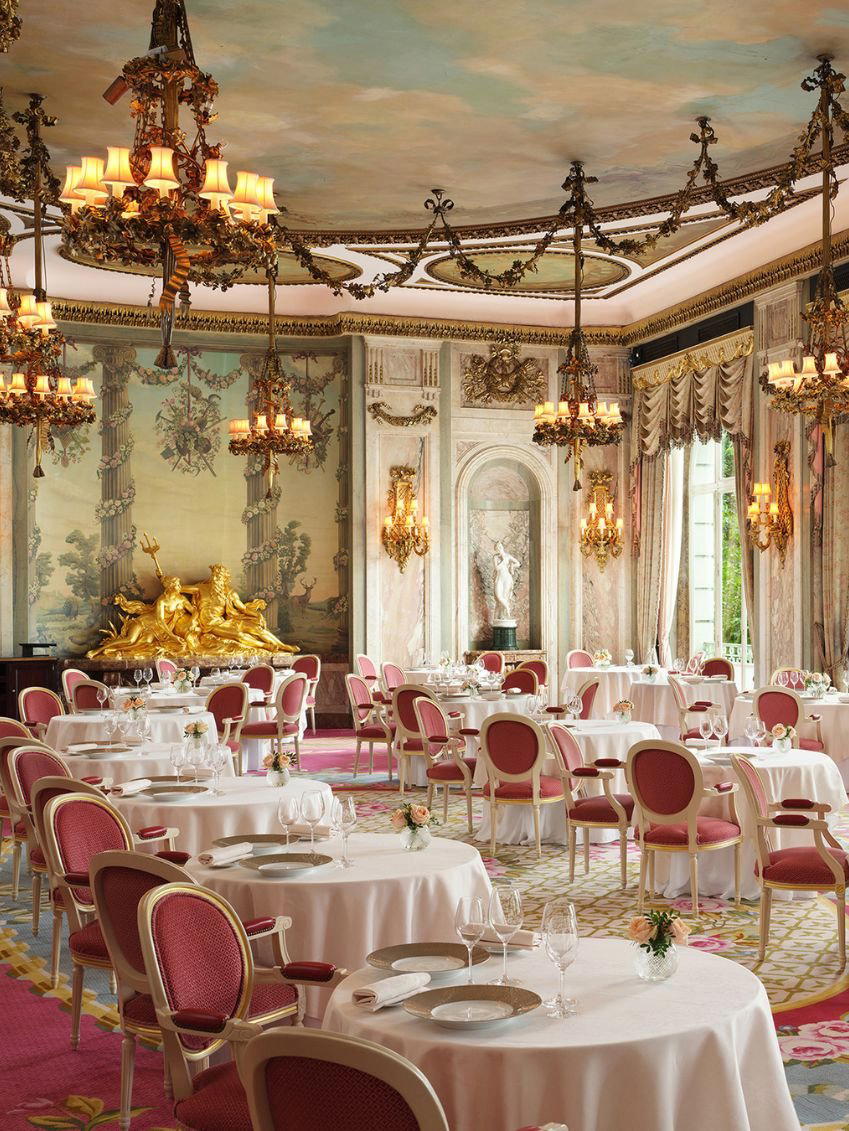
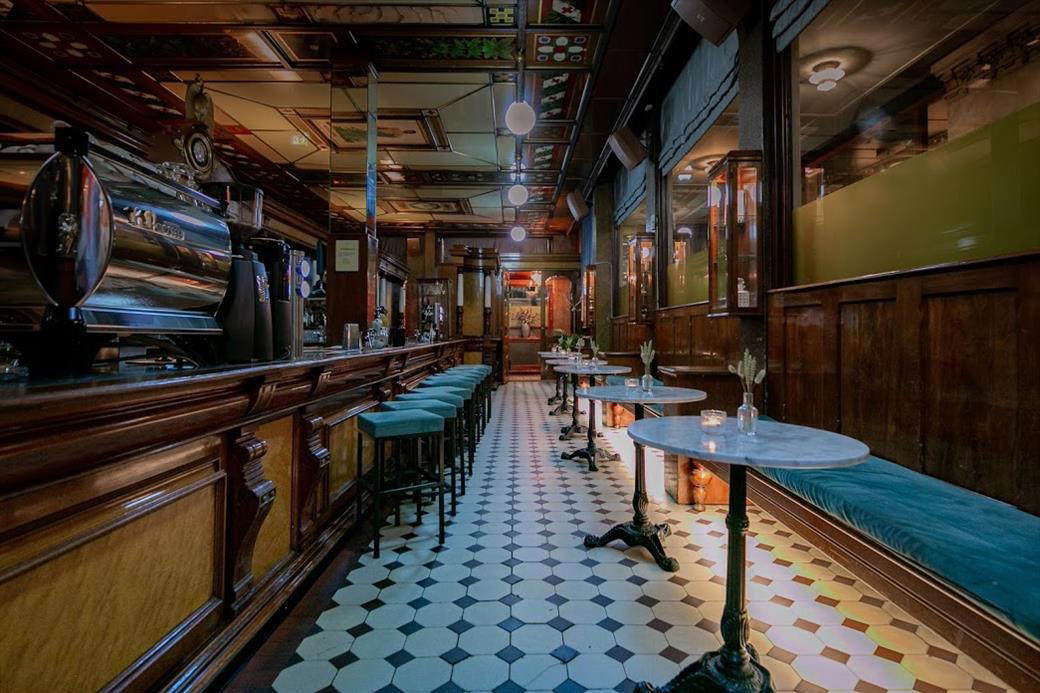
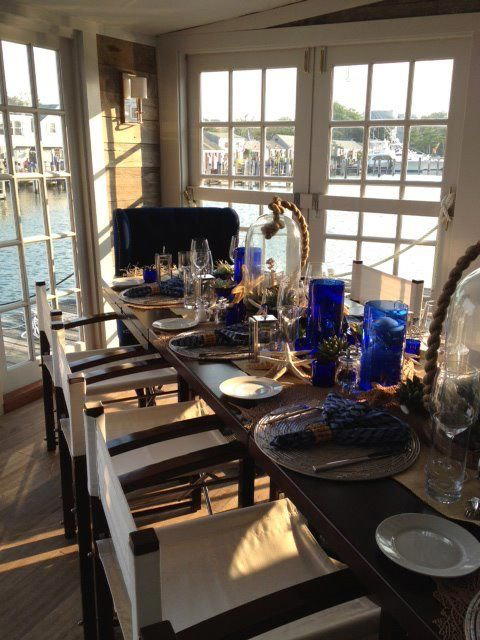
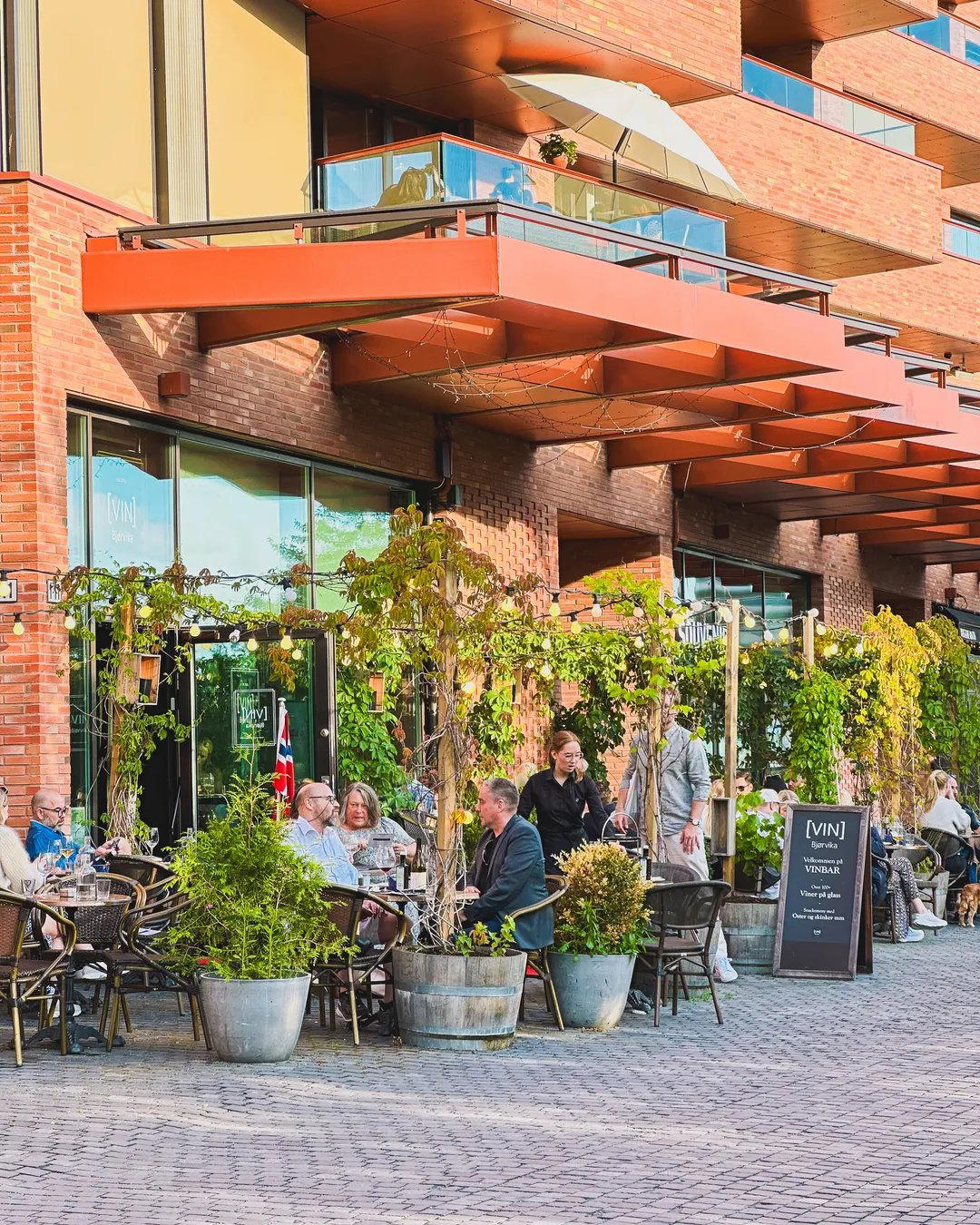
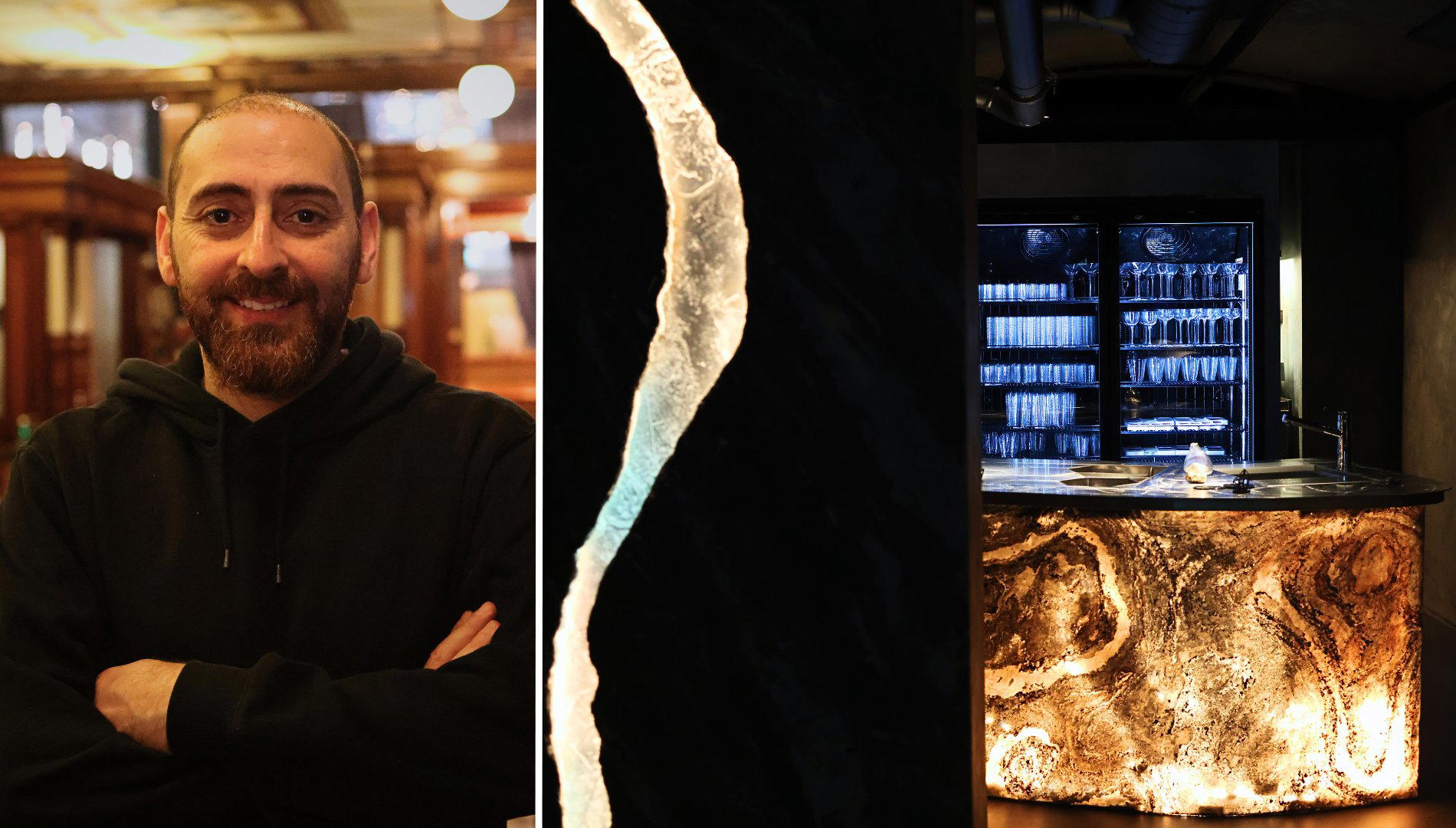
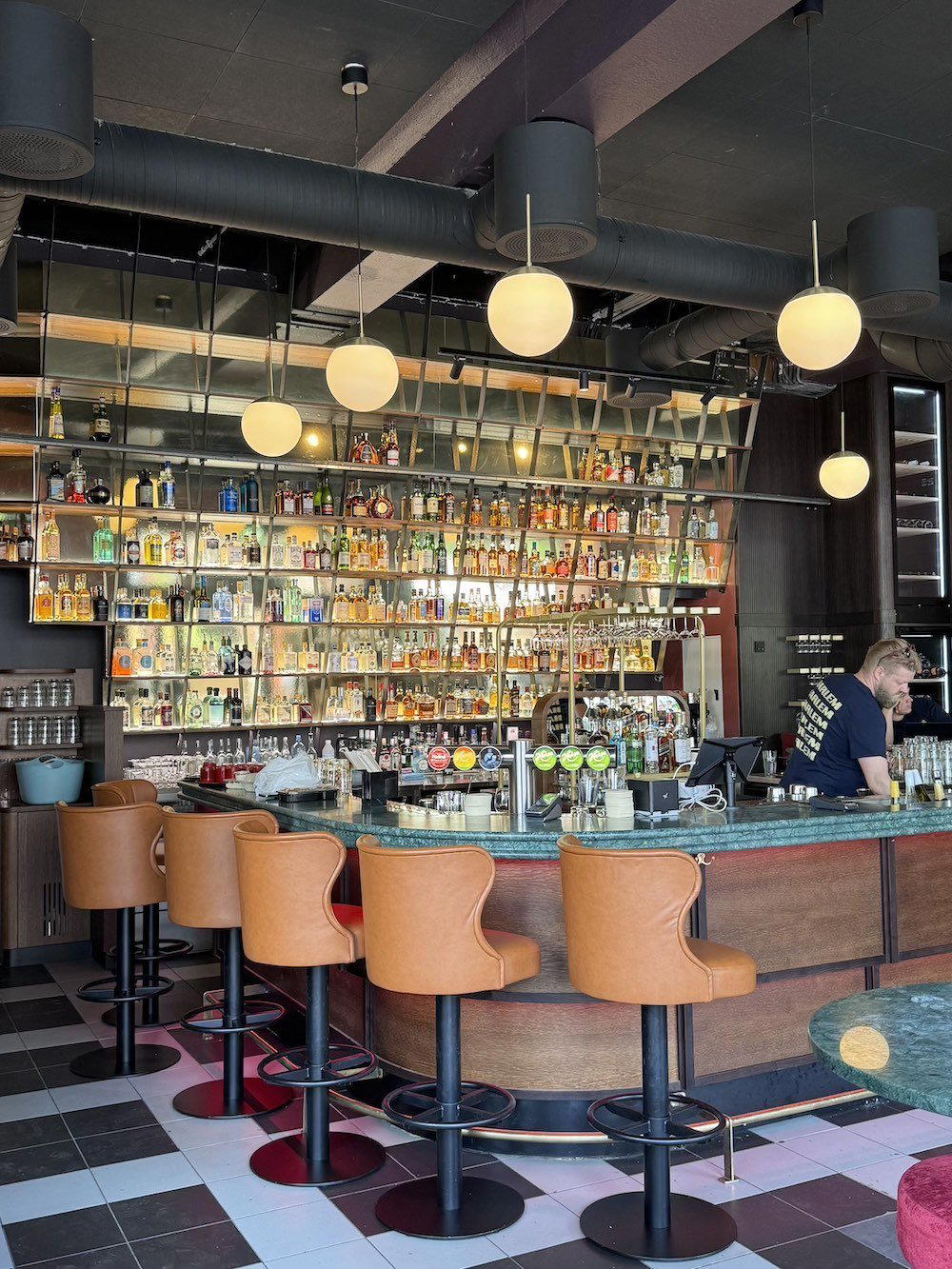
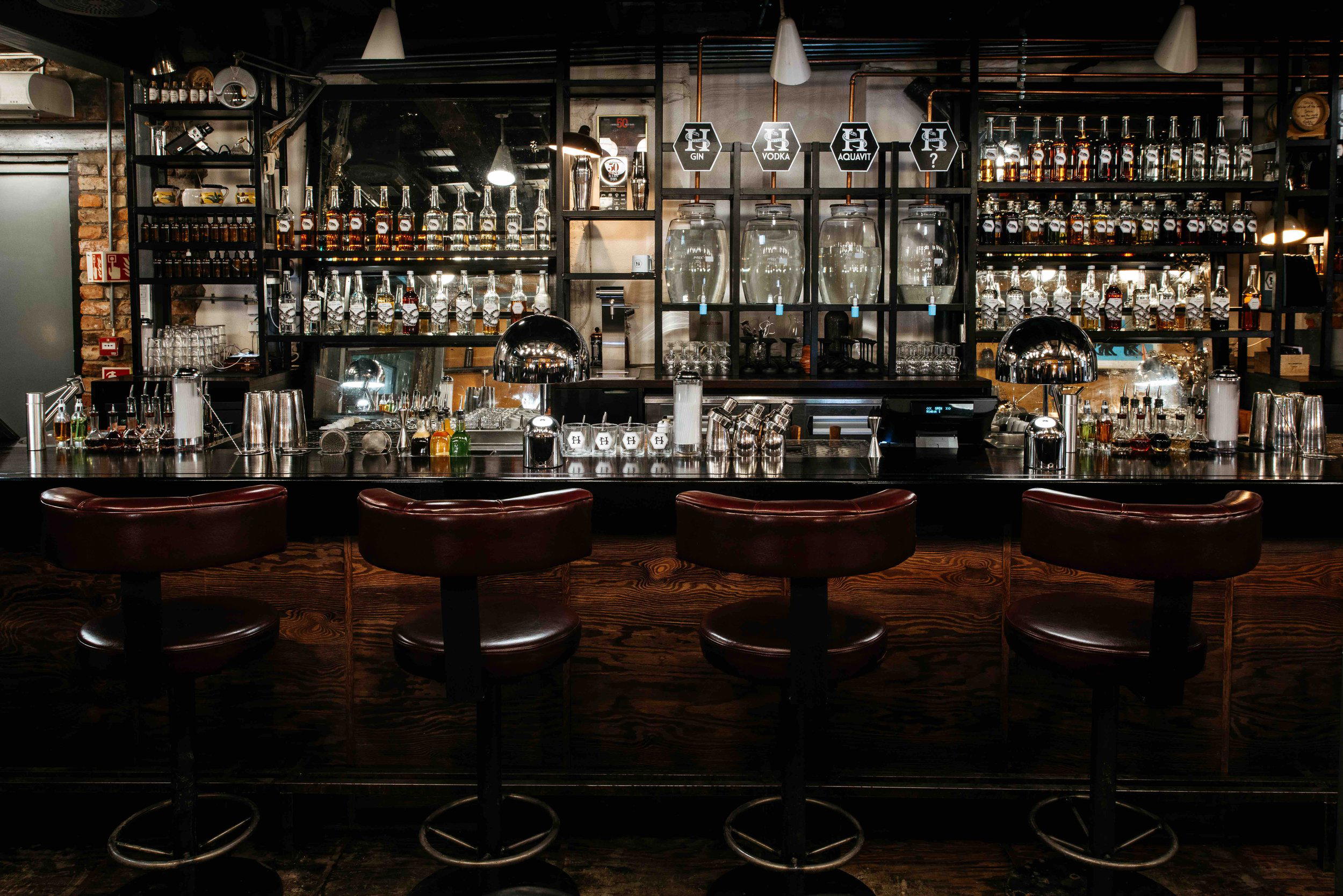
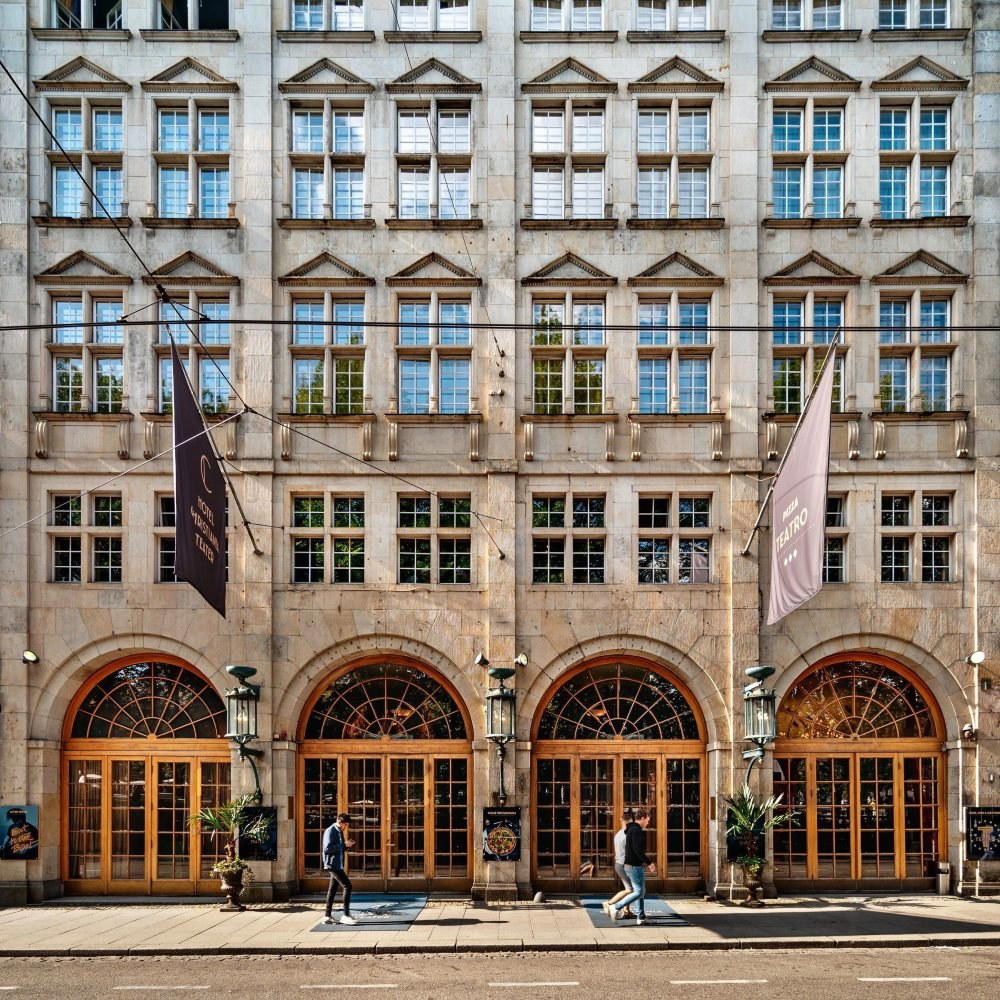
Walk into the corner building on Kirkegata and you step into a room that refuses the intimacy typical of Oslo's contemporary Japanese spots. Izakaya by Vladimir Pak runs 50 seats, closer in scale to a neighbourhood inn than the eight-seat counters that dominate the Norwegian capital's fine-dining conversation. Black leather banquettes line the walls, pale wood meets granite on the table tops, and large paper globe lanterns and papered wooden screens add texture without nostalgia. The space reads as deliberate restraint: enough visual cues to signal the format, not enough to tip into decoration.
Pak, whose name already anchors the city's Japanese dining conversation through Apostrophe and other projects, uses the Izakaya format to expand reach without diluting precision. Where Apostrophe leans toward refined technique and structured omakase pacing, this venue opens the kitchen to a broader audience willing to build their own progression from a long à la carte. The menu splits cleanly: snacks, zensai (starters), agemono (fried dishes), shusai (mains), nigiri, sashimi, maki. Two tasting menus also sit at the back of the card for those who prefer choreographed pacing, though the format suggests most tables will order à la carte and share.
The Menu and What Drives It
Norwegian proximity to cold-water seafood and Arctic char shapes much of the sashimi and nigiri selection. The salmon sakura blossom ceviche folds local fish into a preparation that borrows from South American technique and Japanese garnish, functional cross-pollination rather than fusion for its own sake. The signature Wagyu beef tartare toast adds black caviar as a salinity anchor, a dish that speaks to the Oslo market's willingness to pay for luxury flourishes when execution is tight. Ingredient sourcing here follows a two-track model: Norwegian seafood and seasonal produce where proximity offers quality advantage, imported proteins (Wagyu, tuna grades above chutoro) where local supply chains can't compete. The approach mirrors what Arno and Ambassaden do in different registers, acknowledge what Norway does better than anywhere, import strategically where it doesn't.
The agemono section, tempura, karaage, katsu variations, plays a utilitarian role. Fried dishes anchor the middle of the price ladder and allow the kitchen to use less prime cuts and off-cuts without sacrificing perceived value. It's a smart economic lever in a city where ingredient cost runs higher than most European capitals. Maki selection tilts classic; this isn't a venue chasing Instagram-friendly rolls layered with spicy mayo and fried shallots. The kitchen holds technique above novelty, which positions the restaurant closer to Arakataka's discipline than to the looser izakaya formats in other Scandinavian cities.
How It Sits in Oslo's Japanese Dining Tier
Oslo's Japanese dining scene has stratified over the past five years. At the leading: omakase counters with Michelin recognition and three-month booking windows. Below that: mid-tier sushi bars offering à la carte nigiri and maki without the ceremony. Izakaya by Vladimir Pak operates in a third lane, formal enough to draw the same audience that books Ahaan for Thai technique or Statholdergaarden for European precision, but flexible enough in format and price to fill tables midweek without tasting-menu commitment. The 50-seat capacity matters here; it allows the kitchen to absorb walk-ins and late bookings in ways smaller formats cannot, a structural advantage in a city where spontaneous dining still drives a meaningful share of covers.
The venue doesn't carry Michelin stars or appear on global ranking lists, but Pak's name functions as a trust signal within the Oslo market. His reputation, built across multiple concepts, means the kitchen doesn't need to prove itself through external validation in the same way a debut chef might. That equity translates into a menu confident enough to price Wagyu tartare toast and black caviar pairings without apology, yet broad enough to offer vegetable tempura and salmon nigiri at accessible entry points. The tasting menus sit as an option rather than the default, a format choice that reflects the city's dining culture: Scandinavian diners still prefer agency over prescribed progression, even when they're paying for technique.
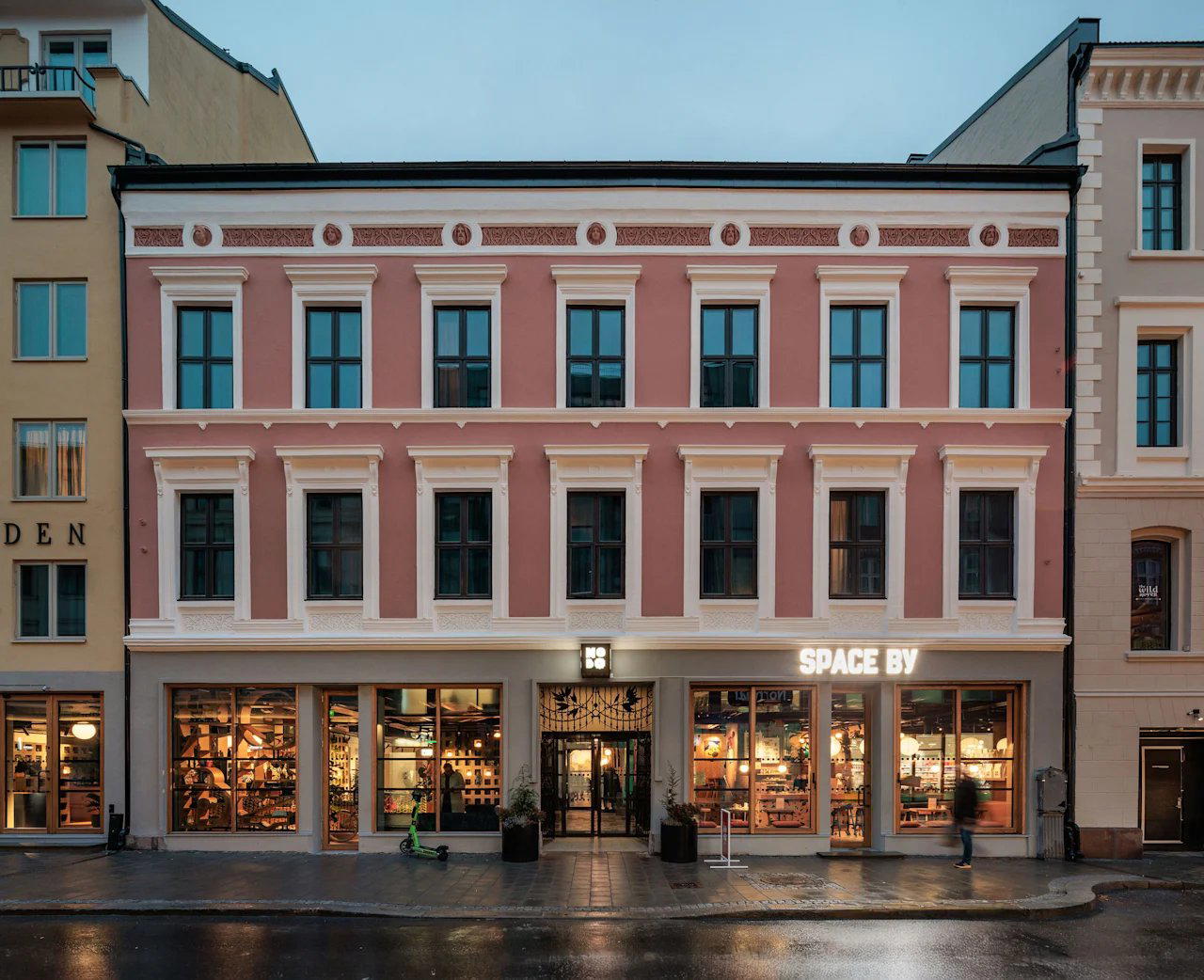
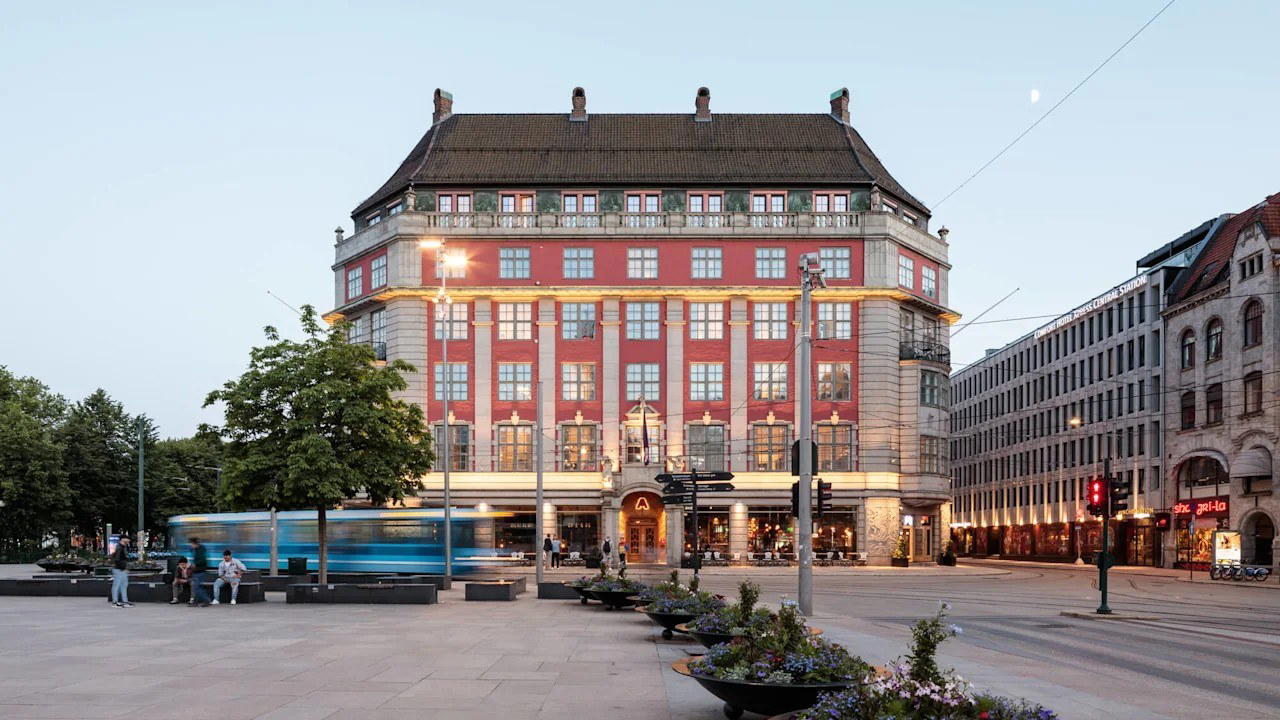
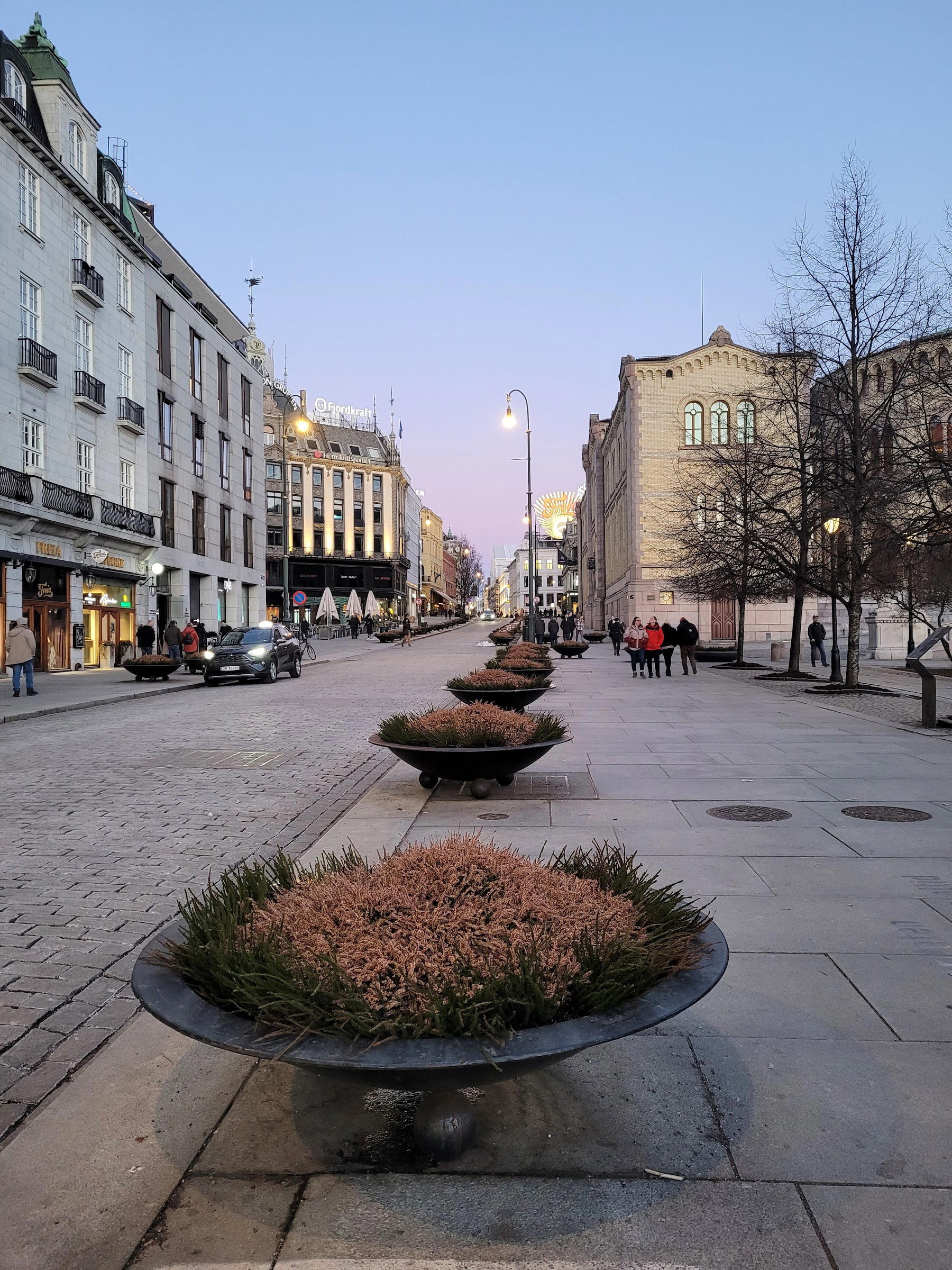
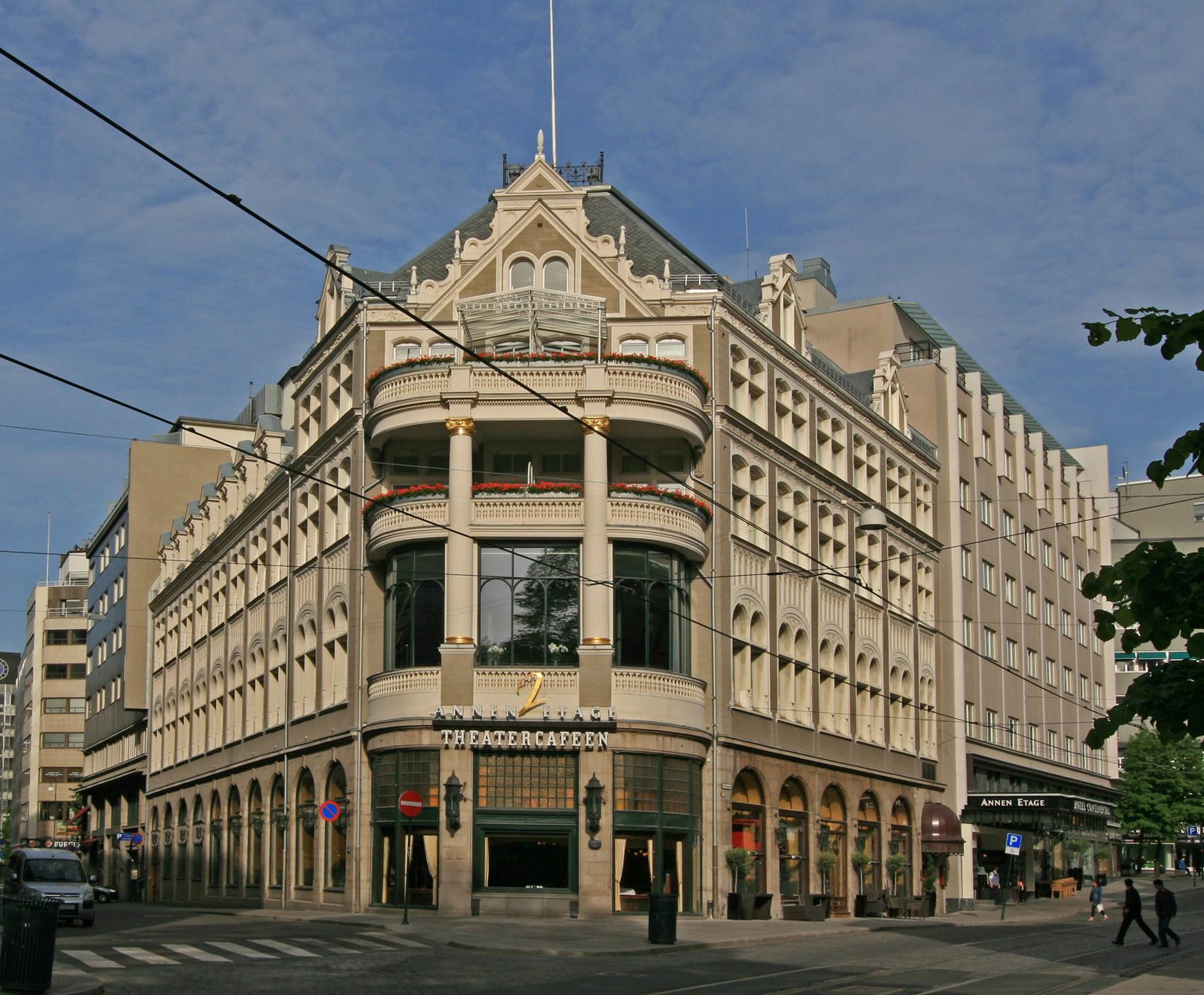
Kirkegata 1 places the restaurant inside Oslo's central grid, walkable from most hotels and the central station. The neighbourhood doesn't carry the destination weight of Tjuvholmen or Aker Brygge, but proximity to office density and residential pockets means the venue can pull lunch and early-evening traffic without relying solely on weekend reservations. For visitors mapping a night across multiple spots, the location pairs logically with Oslo's cocktail bars to the west or a post-dinner walk through the waterfront districts. The room's scale and acoustics make it workable for small groups, four to six diners ordering across the menu, where smaller counters force solo or couple configurations.
The wine and sake list isn't detailed in public-facing sources, but the kitchen's technique level and Pak's track record suggest curation that mirrors the food: classic Japanese sake categories, European wine where it supports the menu, minimal filler. Expect by-the-glass options that allow pairing flexibility without committing to a bottle, a necessity given the à la carte structure. Staff knowledge around sake will likely exceed what you find at Oslo's European-focused fine-dining venues, though it won't reach the specialist depth of a dedicated sake bar.
If you're building a short trip around Oslo's restaurant scene, Izakaya by Vladimir Pak offers a middle-ground option: serious enough in execution to justify the time, flexible enough in format to avoid the rigidity of omakase pacing. It's a second- or third-night choice when you've already locked in your anchors and want Japanese technique without the theatre. The signature Wagyu tartare toast gives you a reference dish to gauge the kitchen's hand, and the à la carte structure lets you adjust spend and portion size in real time, a practical advantage in a city where tasting menus frequently push three hours and four-figure NOK totals.
Frequently asked questions
Would Izakaya by Vladimir Pak be comfortable with kids?
The 50-seat layout and à la carte structure make it workable for families, though the tasting-menu format and leather-banquette seating skew toward adult groups. Zensai snacks and agemono fried dishes offer safe entry points for younger diners, and the spacious setup means noise won't draw attention as it might in a smaller omakae counter.
What should I expect atmosphere-wise at Izakaya by Vladimir Pak?
Black leather banquettes, pale wood and granite tables, and large paper globes create a contemporary Japanese inn feel inside the 50-seat room at Kirkegata 1. Papered wooden doors and understated lighting balance modern materials with traditional Japanese izakaya cues, designed for groups sharing starters and maki rather than solo counter dining.
Has Izakaya by Vladimir Pak won any awards?
Izakaya by Vladimir Pak has received recognition including: Vladimir Pak’s latest opening is a contemporary Japanese inn – a spacious 50-seater space where black leather banquettes sit against a mix of pale wood and granite tables, and large paper globes and papered wooden doors add an understated s….
Where do I go for Izakaya by Vladimir Pak?
Izakaya by Vladimir Pak is located at Kirkegata 1, Oslo, Oslo, 0153, NOR, Oslo.
How hard is it to get a table at Izakaya by Vladimir Pak?
With 50 seats and à la carte availability, walk-in odds are better than at Oslo's omakase counters, which book months ahead. Weekends and peak dinner slots still fill quickly, so booking one to two weeks in advance is advisable for groups larger than two.
What's the standout thing about Izakaya by Vladimir Pak?
The signature Wagyu beef tartare toast with black caviar, listed among the zensai starters, anchors the menu alongside salmon sakura blossom ceviche. Two tasting menus offer structure for those who want the kitchen to decide, while the à la carte spans snacks, agemono fried dishes, nigiri, sashimi, and maki.
What if I have allergies at Izakaya by Vladimir Pak?
The à la carte structure across zensai, agemono, shusai, nigiri, sashimi, and maki makes it easier to avoid allergens than a fixed omakase progression, though cross-contact remains likely in a kitchen handling raw fish, soy, and sesame. Contact the restaurant in advance to confirm ingredient substitutions and prep protocols.
Comparison Snapshot
Comparable venues by cuisine and price in the same metro.
| Venue | Cuisine | Price | Awards |
|---|---|---|---|
| Izakaya by Vladimir PakThis venue — the venue you are viewing | Modern Japanese Izakaya & Sushi by Vladimir Pak | $50–100 | Michelin Plate |
| Rest | Nordic | Not listed | Not listed |
| Statholdergaarden | Classic Norwegian-French Fine Dining | $200–300 | 1 Michelin Star · La Liste Top Restaurants |
| Statholderens Mat og Vinkjeller | Classic Scandinavian Bistro | $50–100 | Michelin Plate |
| SAVAGE | Modern Scandinavian Fine Dining | $200–300 | 1 Michelin Star · Falstaff Restaurant - 92 Falstaff Points |
| Brasserie Hansken | French Brasserie with Scandinavian Influences | $50–100 | Michelin Plate · Star Wine List |
Recognition history
Dated appearances from independent guides and award organizations, with the underlying list record or original source where available.
Michelin Plate
Michelin
Continue exploring
More in Oslo
Restaurants in Oslo
Browse all →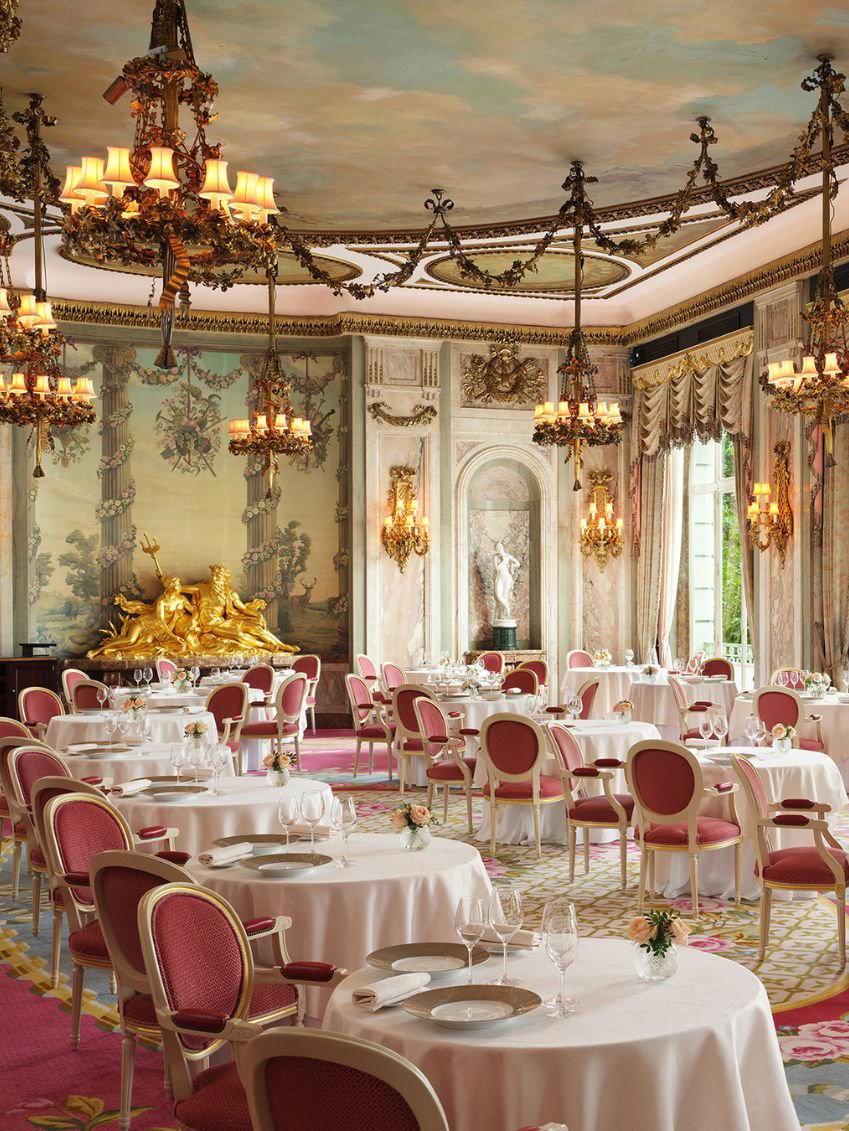
Izakaya by Vladimir Pak
The wine
- Wine program
- Curated wine list
- Beer program
Details
- Modern
- Elegant
- Trendy
- Intimate
- Sophisticated
- Date Night
- Business Dinner
- Group Dining
- Celebration
- After Work
- Special Occasion
- Chefs Counter
- Private Dining
- Standalone
- Design Destination
- Beer Program
- Tasting Menu
- A La Carte
- Omakase
- Small Plates
- Wine
- Beer
- Sake
- Vegetarian Friendly
- Pescatarian Friendly
- Allergy Accommodating
Current opening hours
- Monday
- Closed
- Tuesday
- 4–11 PM
- Wednesday
- 4–11 PM
- Thursday
- 4–11 PM
- Friday
- 4–11 PM
- Saturday
- 4–11 PM
- Sunday
- Closed
Hours can change for holidays and private events. Last verified .
Contemporary and polished izakaya setting with delicate, minimalist interiors and an intimate, calm atmosphere suited to focused dining rather than a noisy bar scene.