Our verdict
Apostrophe occupies a quiet address at Kirkegårdsgata 7A in Oslo's Grünerløkka-adjacent corridor, a neighbourhood that has quietly accumulated serious dining over the past decade. The restaurant sits in Oslo's mid-to-upper dining tier, where the pace and structure of the meal matter as much as what arrives on the plate. For visitors building an Oslo itinerary around considered eating, it belongs on the shortlist alongside the city's more publicised names.

Pearl is the En Primeur Club membership app — saves, bookings, and concierge access live there. Same editors, same standards.
- Address
- Kirkegårdsgata 7A, 0558 Oslo, Norway
- Phone
- +4747472353
- Hours
- Mon–Tue ClosedWed–Thu 4–10 PMFri 4–11 PMSat 2–11 PMSun Closed
- Website
- restaurant-apostrophe.com
- Directions
- Get directions
- Booking
- Book on the venue's website
The menu
What to order
- Portobello_mushroom_katsu_sando
- Sashimi
- Sushi_platter
- King_crab_taco
A Street, a Room, a Rhythm
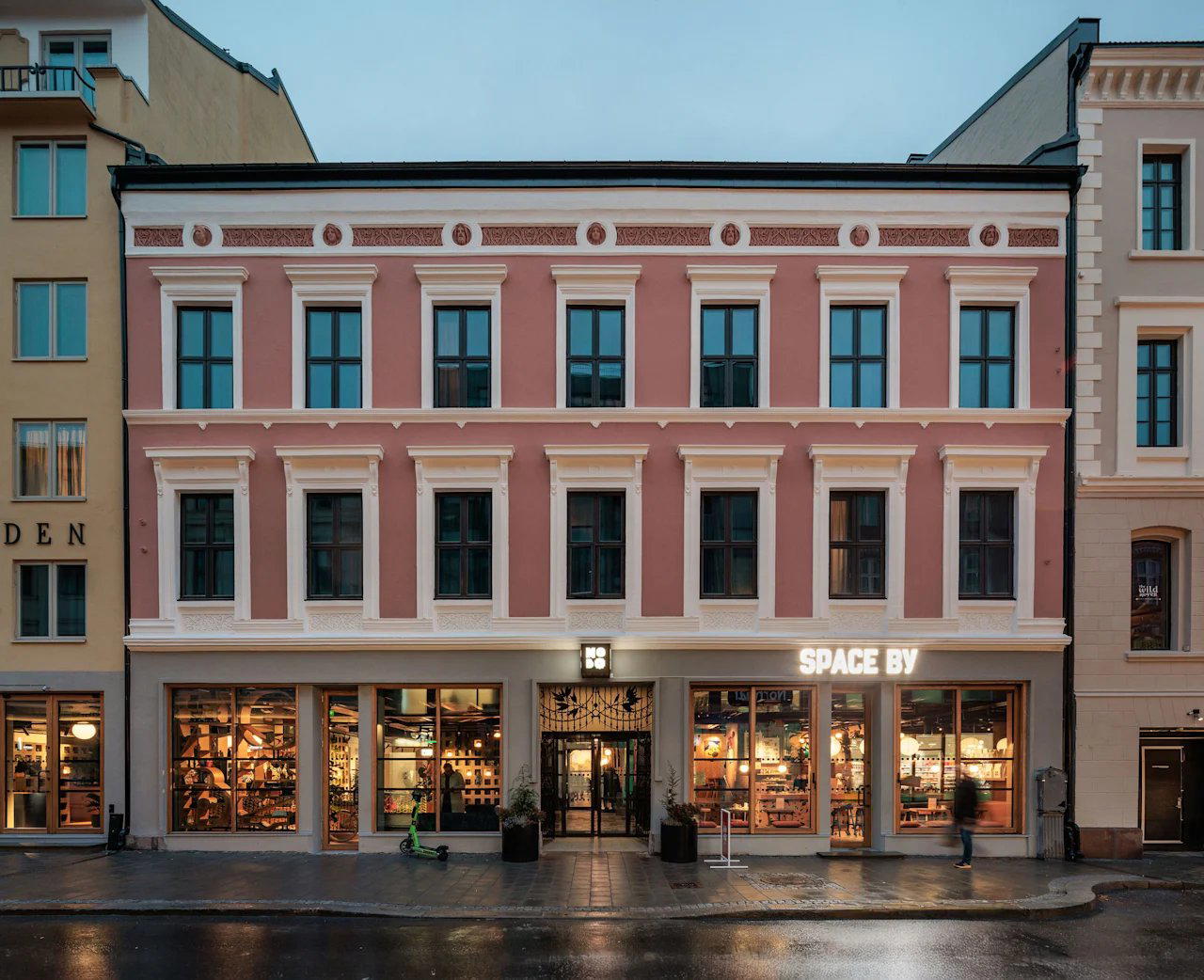
There is a particular kind of Oslo restaurant that announces itself without fanfare. The address at Kirkegårdsgata 7A sits in a part of the city that sits between Grünerløkka's busier stretches and the quieter residential blocks to the east, a corridor where small-format restaurants have taken hold precisely because the rents and the foot traffic allow for a more considered operation. Arriving here, you are not walking into a spectacle. The architecture of the street is low-key, and the restaurant's entrance follows suit. That restraint, in Oslo's current dining culture, is itself a signal.
Oslo has moved through several phases as a dining city. The New Nordic moment, anchored by institutions like Maaemo and sustained by places like Kontrast, created an international reference point for what Norwegian cooking could be. What followed was a more diffuse scene: smaller rooms, shorter menus, less ideology, more craft. Apostrophe sits within that second wave, in a city where the dining ritual itself — the pace of service, the sequencing of courses, the relationship between a room and its guests — has become as important as the provenance narrative that preceded it.
The Structure of the Meal
In Norway's better independent restaurants, the meal tends to unfold in a particular register. There is rarely urgency. Courses arrive with enough spacing to allow conversation to settle, to let the room assert itself between bites. This is not slow service in the sense of inattention; it is a considered tempo that treats the table as a place to spend time rather than turn over. That rhythm is consistent across Oslo's serious independent rooms, from the more intimate end of the spectrum to the format-driven experiences at places like Bar Amour and Hot Shop.
The dining ritual in Scandinavian restaurants of this tier typically places equal weight on the beginning and end of the meal. Snacks and opening courses carry as much intention as the mains; the dessert sequence is rarely an afterthought. If you arrive expecting a conventional European three-course structure, you will likely be recalibrated within the first twenty minutes. The format rewards guests who come without a fixed schedule and with a willingness to let the kitchen set the pace.
Wine and beverage choices in this part of Oslo's dining scene tend toward natural and low-intervention producers, with Nordic spirits and non-alcoholic pairings increasingly treated as first-class options rather than concessions. The broader shift in how Oslo restaurants approach the drinks programme has been noticeable over the past five years, with juice pairings and ferment-forward options appearing alongside conventional wine lists at most independent rooms operating in this tier.
Where Apostrophe Sits in Oslo's Dining Order
Oslo's restaurant map has become more stratified over the past decade. At the leading sits a small group of destination restaurants with international recognition and booking windows measured in months. Below that sits a much larger and more interesting middle tier: independently operated, neighbourhood-anchored, and often more technically accomplished than their prices suggest. Apostrophe occupies this middle ground, in the company of places like Mon Oncle, which operates a French-inflected register in a similarly low-key format.
Compared to the €€€€ pricing of Maaemo or Kontrast, the mid-tier Oslo restaurant offers a different proposition: more flexibility in format, less formality in dress expectations, and a relationship between kitchen and guest that tends to feel less choreographed. This is not a criticism of the higher tier, the precision at those counters is earned, but it reflects a genuine difference in what you are buying. At a restaurant like Apostrophe, the meal is more likely to feel contingent on the evening, on who is in the room, on what arrived from the market that week.
Norway's serious dining is not confined to Oslo. RE-NAA in Stavanger and Speilsalen in Trondheim operate at comparable ambition levels in their respective cities. Further afield, Lysverket in Bergen and Under in Lindesnes have demonstrated that the country's most interesting cooking does not cluster exclusively in the capital. Within Oslo itself, the dining options range from that international tier down to neighbourhood spots; Apostrophe occupies a position where the cooking asks to be taken seriously without requiring the full ceremony of a destination booking.
Planning a Visit
Kirkegårdsgata 7A is accessible from central Oslo by tram or on foot from Grünerløkka, making it a practical evening destination rather than a destination that requires logistical effort. Oslo's mid-tier independent restaurants frequently operate on tighter reservation windows than their larger counterparts, and walk-in availability depends heavily on the night of the week and the time of year. For visitors building a broader Oslo itinerary, our full Oslo restaurants guide maps the city's dining by neighbourhood and tier.
For those extending their Norwegian itinerary beyond the capital, the country's regional dining scene rewards the effort of travel. Glime Restaurant in Hardanger Fjord, MiraBelle by Ørjan Johannessen in Bekkjarvik, and more remote operations like Restaurant 1893 in Stokmarknes and Vianvang in Vågå represent the spread of serious cooking across a country that has built a credible culinary identity well outside its urban centres. Buer Restaurant in Odda and Lily Country Club in Kløfta add further range to that picture. For international reference points on what a deeply considered dining ritual looks like in practice, Le Bernardin in New York City and Lazy Bear in San Francisco both operate formats where the pacing and structure of the meal are central to the proposition, a useful comparison for readers calibrating what to expect from Oslo's more serious independent rooms.
Frequently asked questions
Where exactly is Apostrophe?
Apostrophe is located at Kirkegårdsgata 7A, 0558 Oslo, Norway, Oslo.
Is Apostrophe a good dinner option if you're staying near central Oslo?
Kirkegårdsgata 7A sits within reach of central Oslo by tram, and Grünerløkka is a walkable extension of the inner city rather than a detour. For a sit-down evening meal in a quieter setting than the city centre, Apostrophe fits the geography without requiring a dedicated cross-city journey.
What's the must-try dish at Apostrophe?
The venue's menu is not publicly detailed in a way that lets us responsibly single out one dish. What the broader Oslo independent restaurant scene does consistently reward is seasonal produce handled with restraint — fewer elements, more intention. Visiting without a fixed expectation of a signature plate is likely the right approach here.
Can I walk in to Apostrophe?
Walk-in availability at smaller Oslo independents like Apostrophe tends to be limited, particularly on weekend evenings when neighbourhood restaurants in the Grünerløkka corridor fill quickly. Arriving early or checking directly with the restaurant at Kirkegårdsgata 7A, 0558 Oslo is the practical route. Booking ahead is the safer assumption.
Style and Standing
Comparable venues nearby, for context on price, style, and recognition.
| Venue | Cuisine | Price | Awards | Notes |
|---|---|---|---|---|
| ApostropheThis venue — the venue you are viewing | Modern Japanese Omakase with Scandinavian Influences | Not listed | Not listed | Not listed |
| J2 Korean BBQ | Modern Korean BBQ | $150–200 | Not listed | Homans Byen |
| Chez Colin | Classic French Bistro | $50–100 | Star Wine List | Fredensborg |
| Brasserie Coucou | French Brasserie | Not listed | Star Wine List | Ruselokka |
| Pjoltergeist | Asian-Nordic Fusion | Not listed | Not listed | Grünerløkka |
| Campo de' Fiori | Authentic Roman Italian | $30–50 | Not listed | Homans Byen |
Continue exploring
More in Oslo
Apostrophe
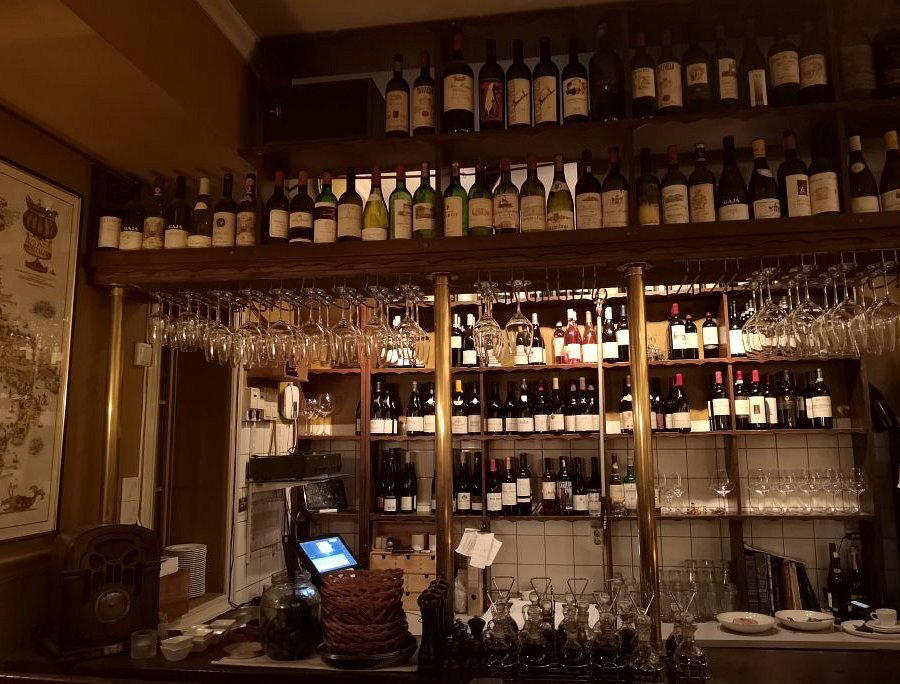
The wine
- Wine program
- Curated wine list
- Natural wine
- Craft cocktails
Details
- Modern
- Cozy
- Sophisticated
- Trendy
- Date Night
- Special Occasion
- Celebration
- Chefs Counter
- Open Kitchen
- Natural Wine
- Craft Cocktails
- Local Sourcing
- Tasting Menu
- Omakase
- A La Carte
- Small Plates
- Wine
- Sake
- Cocktails
Current opening hours
- Monday
- Closed
- Tuesday
- Closed
- Wednesday
- 4–10 PM
- Thursday
- 4–10 PM
- Friday
- 4–11 PM
- Saturday
- 2–11 PM
- Sunday
- Closed
Hours can change for holidays and private events. Last verified .
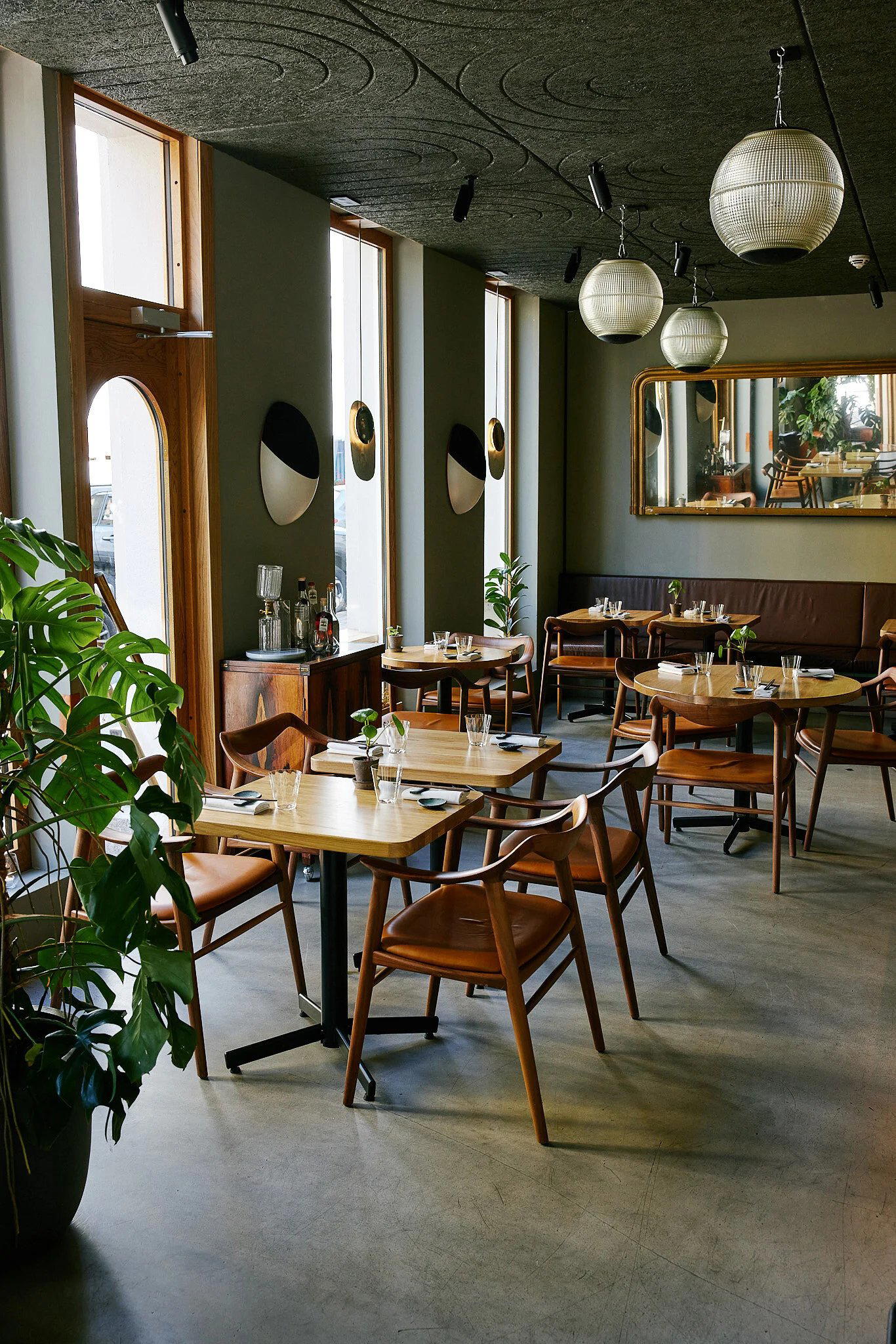
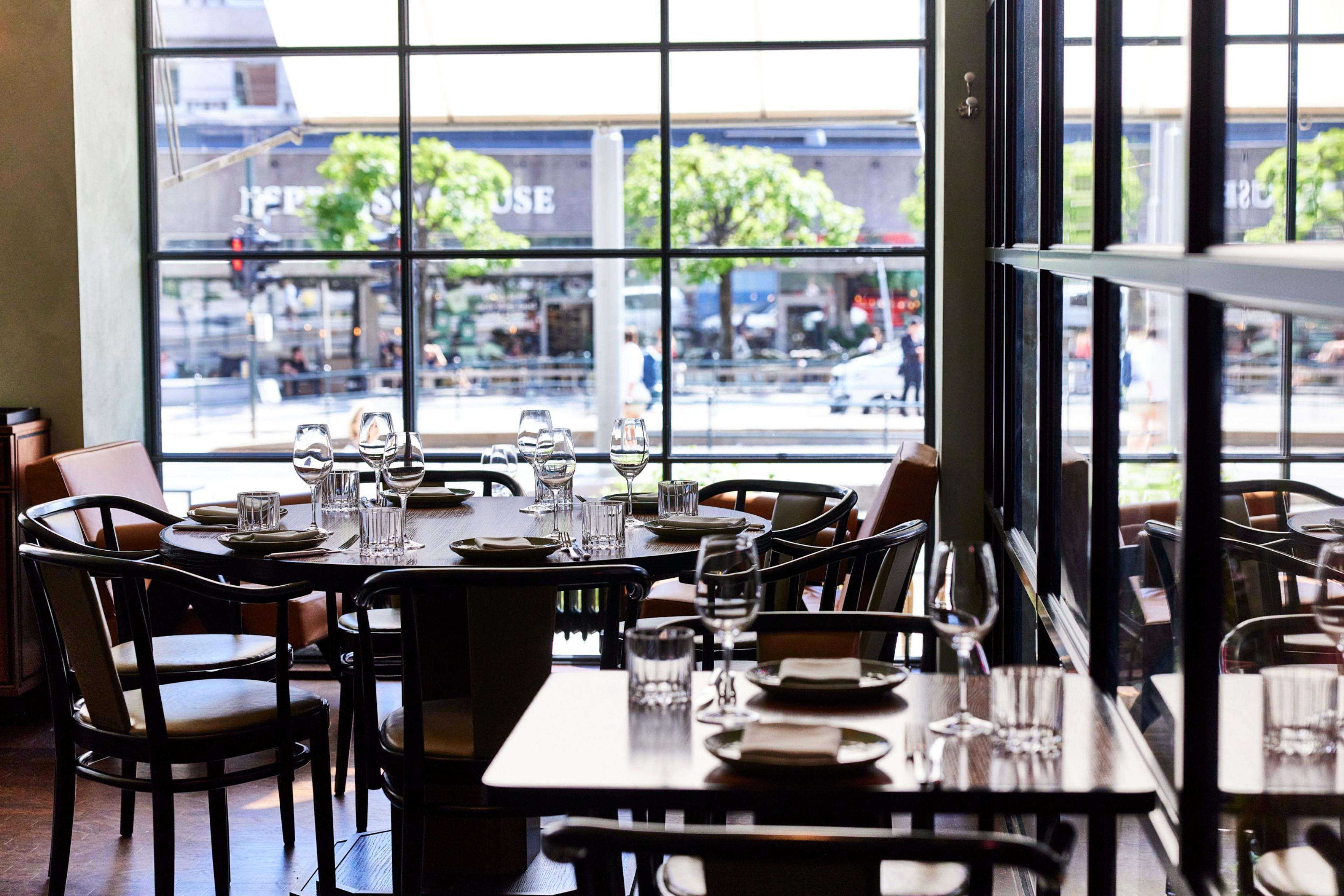
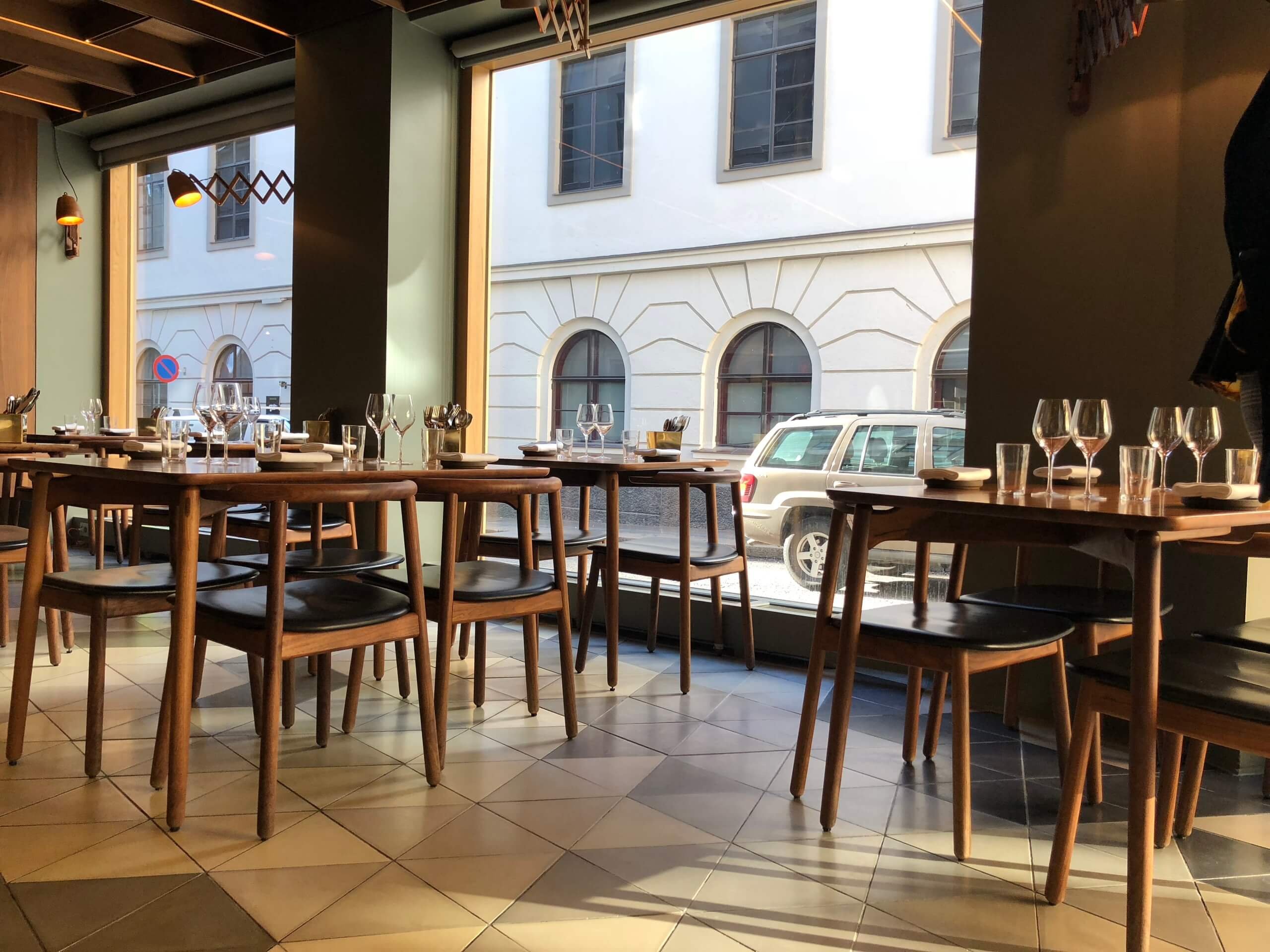
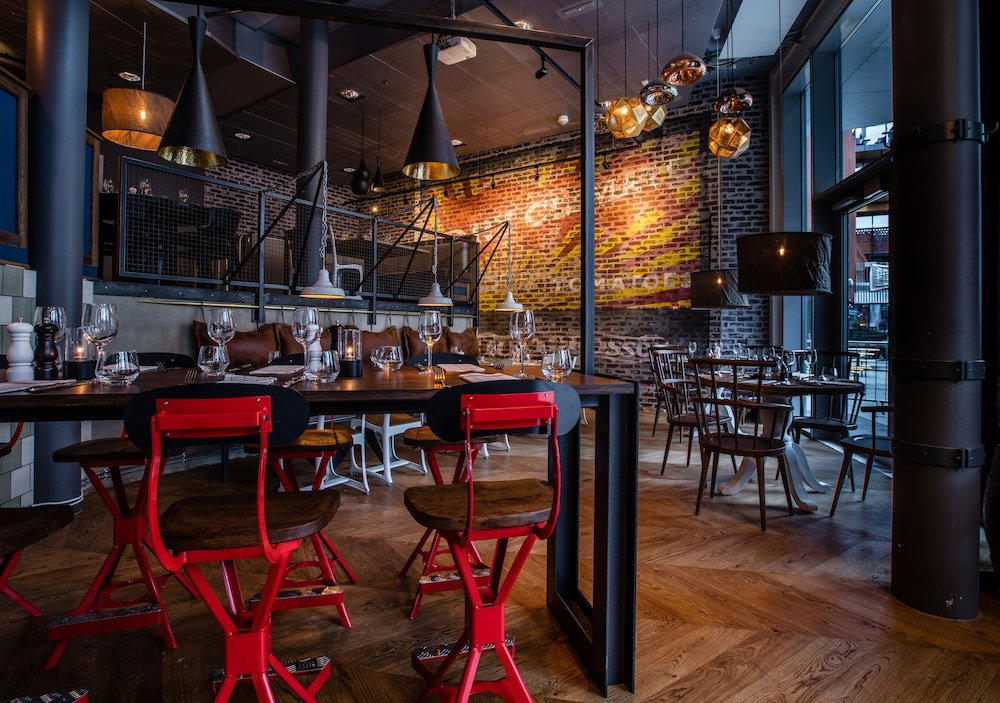
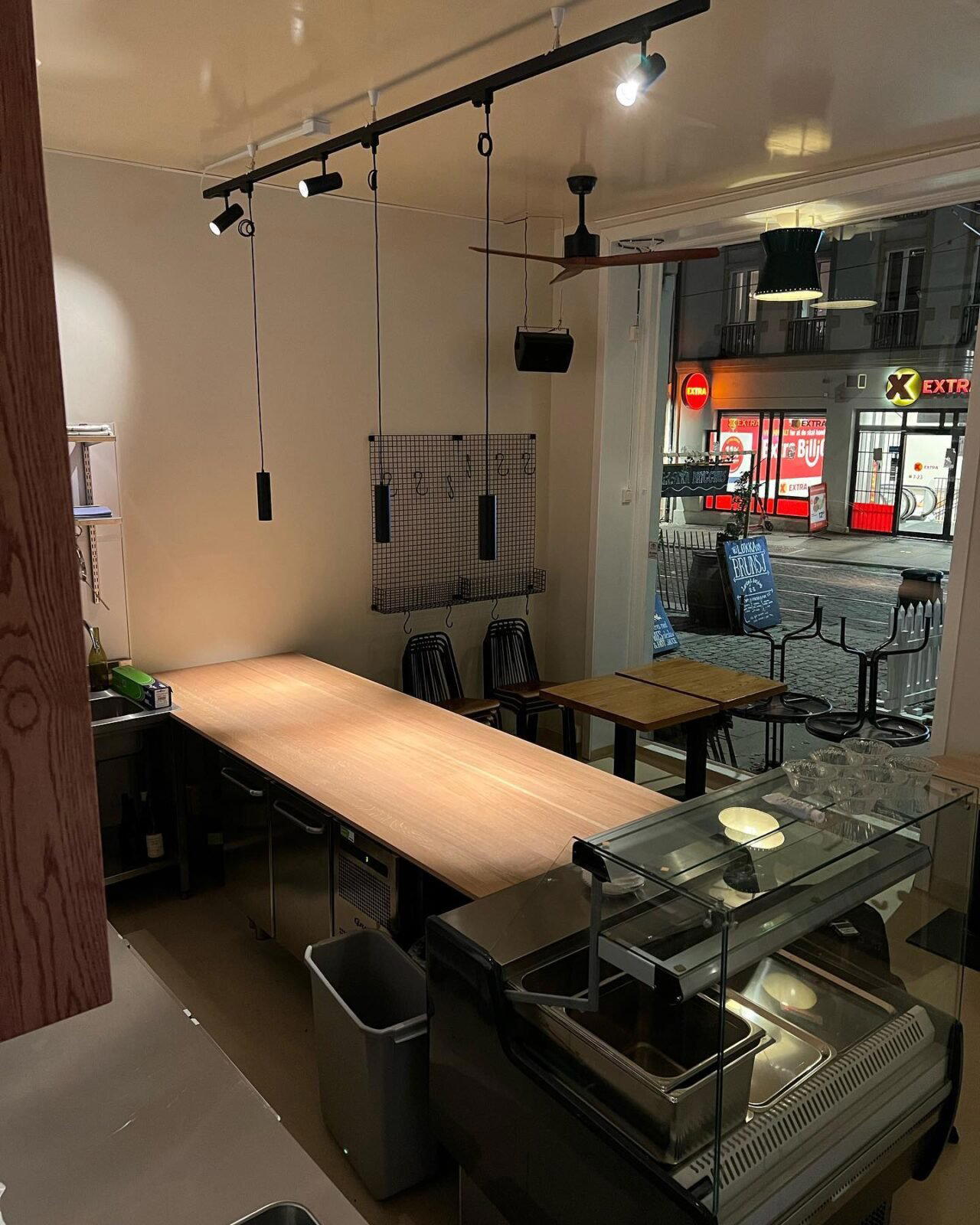
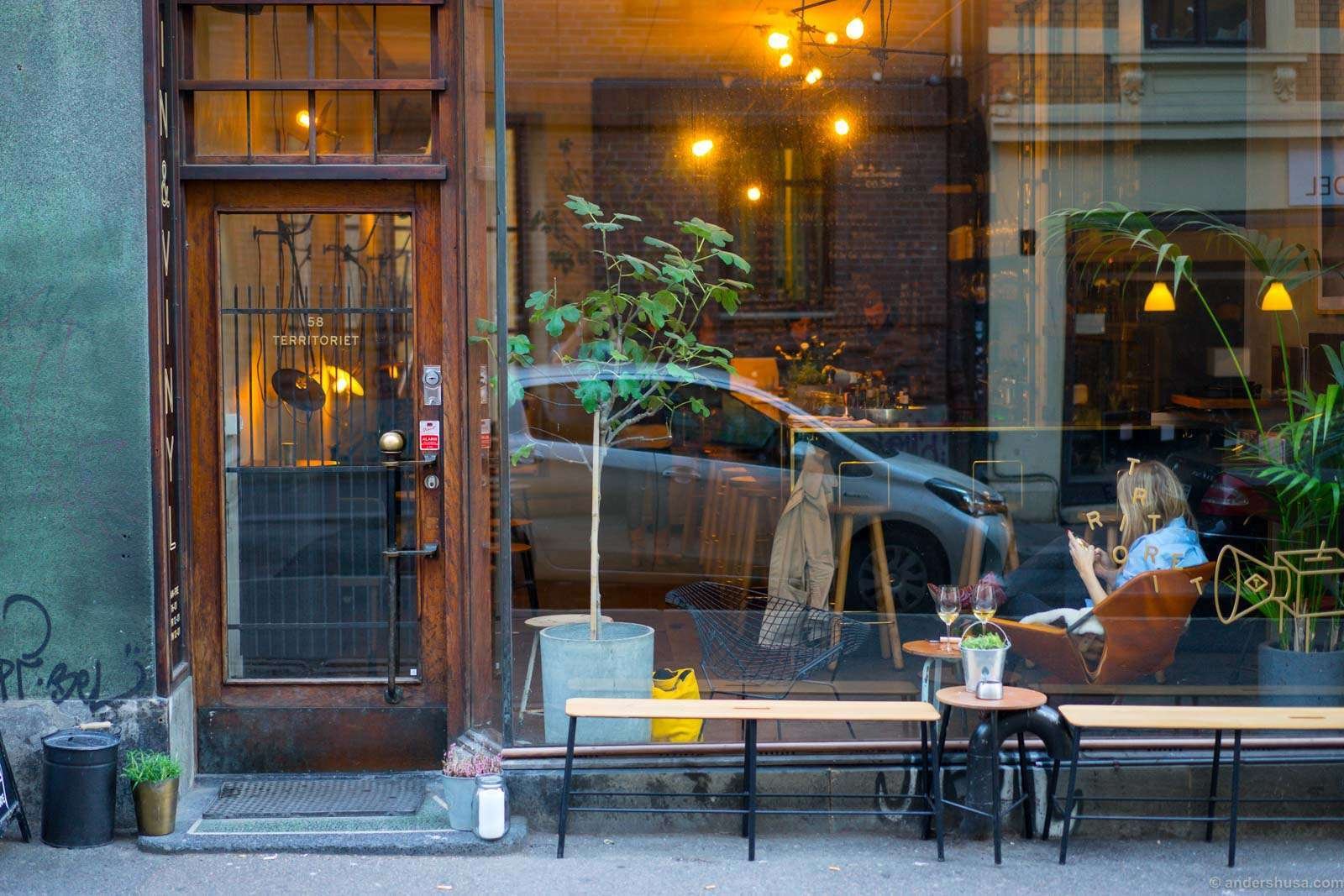
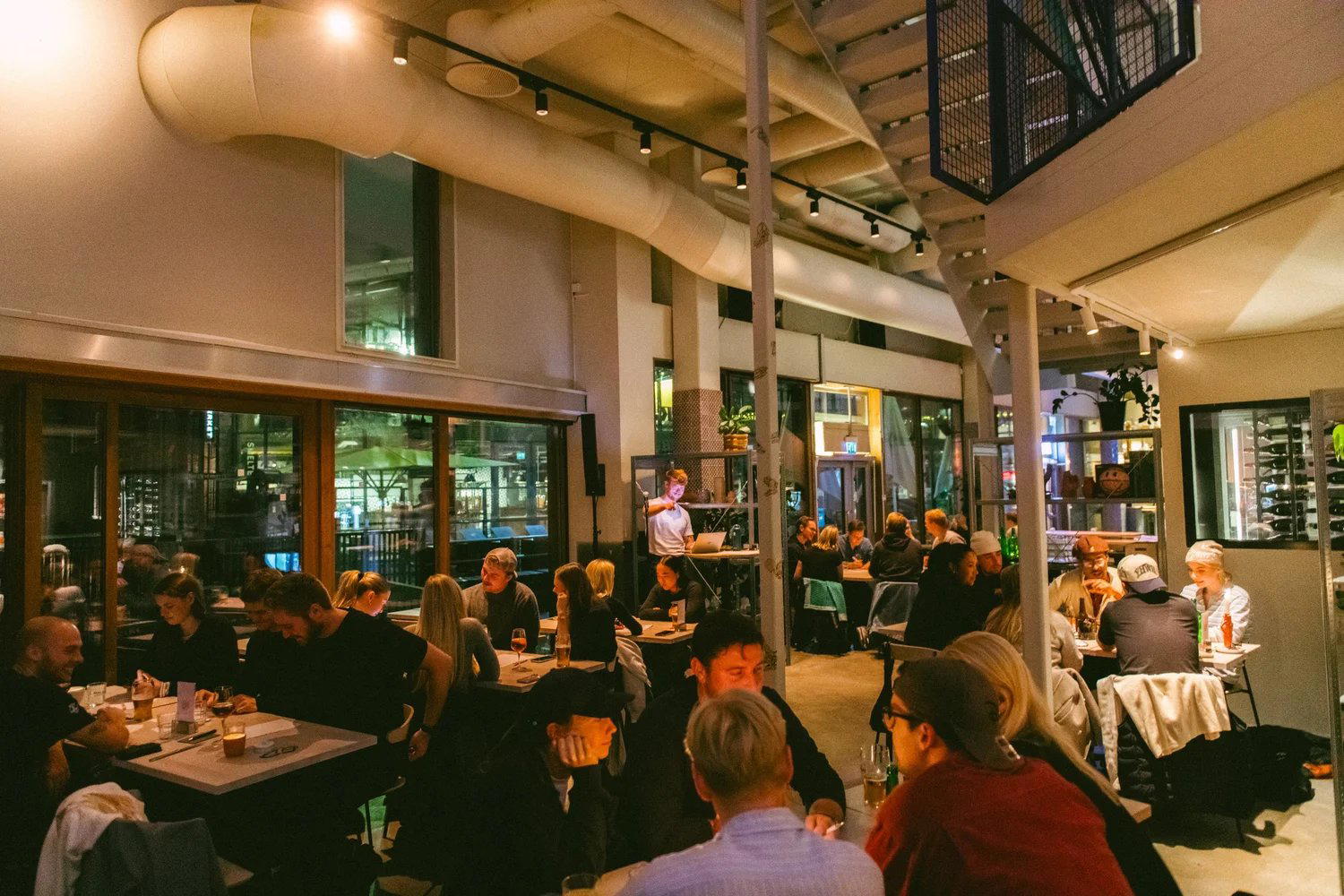
Modern Scandinavian interior with a cozy, relaxed yet sophisticated atmosphere blending old and new elements.