
Michelin Plate
Our verdict
A Michelin Plate-recognised Japanese restaurant in Taichung's West District, Isagi operates in the quieter register of the city's fine dining scene, precise, measured, and rooted in Japanese culinary discipline.

Pearl is the En Primeur Club membership app, where members save venues, book tables and use the concierge.
The menu
What to order
- Niigata rice steamed in claypot
- A5 Wagyu beef
- Sashimi platter
Japanese Discipline in Taiwan's Interior City
Taichung has never broadcast its dining credentials as loudly as Taipei, but the city's fine dining scene has been consolidating around a distinct identity: precise, ingredient-led cooking that draws from Japanese technique without making that debt the entire story. The West District, where Isagi occupies a modest address on Cunzhong Street, has become a reliable cluster for this kind of eating. The streets here are quieter than the commercial corridors around Taichung Station or the Zhongqing Road strip, and that quietness tends to attract restaurants that rely on the meal itself rather than foot traffic.
Walking toward the entrance, the surrounding streetscape signals nothing about what's inside. This is consistent with how serious Japanese dining tends to situate itself across Taiwan: the absence of visual theatre at the threshold is part of the contract with the guest. You arrive knowing why you're there.
How a Meal at Isagi Unfolds
Japanese multi-course formats in this price tier ($$$ across the Taichung fine dining map) follow a structural logic that has become well-understood in Taiwan's dining culture over the past decade. The progression moves from restraint to richness and back again, with the kitchen using lighter preparations early to calibrate the palate before moving into more assertive territory at the midpoint. Isagi's positioning within this tradition, confirmed by its 2024 Michelin Plate recognition, suggests a kitchen operating with that arc in mind rather than treating each course as a standalone event.
The early courses in this format carry the most editorial weight. In Japanese culinary tradition, the opening sequence communicates the kitchen's confidence with raw material: seasonal fish, aged protein, or fermented elements that require nothing beyond correct temperature and correct knife work. A kitchen that gets this right tends to earn the trust that sustains the rest of the meal.
Mid-course, Japanese tasting formats typically shift toward preparations that involve fire or longer technique, grilled fish, simmered dishes, or structured protein courses that demand timing discipline. This is where counters and smaller Japanese dining rooms distinguish themselves from larger operations: the shorter distance between kitchen and table means the guest receives these courses at the precise moment the kitchen intends, not several minutes later. Isagi's West District address, away from the denser restaurant clusters, implies a room built around this kind of precision rather than volume.
The closing sequence in this tradition is deliberate: a series of smaller, often sweeter or more delicate courses that signal the meal is concluding without abruptly ending the experience. Rice, miso soup, and pickles in Japanese kaiseki logic are not afterthoughts but a considered landing. Dessert, if present, tends to be restrained, a clean palate cleanse rather than a separate showpiece.
Where Isagi Sits in Taichung's Japanese Dining Tier
Taichung's recognised Japanese dining scene occupies a narrower space than the city's broader restaurant market might suggest. Among venues with formal recognition, Torien Yakitori represents the yakitori specialist end of the Japanese spectrum, while Isagi holds a position in the more structured, multi-course segment. The Michelin Plate designation, which the guide awards to restaurants producing food of good quality without yet reaching star level, places Isagi in a peer group that the inspectorate considers worth flagging to readers.
At $$$ pricing, Isagi operates in the same tier as L'Atelier par Yao and MINIMAL, both of which approach their respective cuisines with comparable seriousness. One tier up sits JL Studio, the three-Michelin-star Modern Singaporean operation that anchors the city's leading recognition tier. Inflorescence rounds out the West District's more intimate fine dining options. Within this competitive set, Isagi fills a specific gap: Japanese precision cooking at a price point that doesn't require the commitment of Taichung's most formally recognised rooms.
For context beyond the city, Taiwan's Japanese-influenced fine dining tradition runs deep, from logy in Taipei to GEN in Kaohsiung. The Japanese culinary influence on Taiwan's restaurant culture is not superficial, it reflects decades of direct exchange that shows in training lineages, ingredient sourcing logic, and service posture. Isagi's Michelin Plate in 2024 positions it as part of that sustained tradition in Taichung's version of it.
Internationally, the benchmarks for this kind of Japanese format run through places like Myojaku and Azabu Kadowaki in Tokyo and Isshisoden Nakamura in Kyoto, all operating in the same disciplined mode, albeit within Japan's own rigorous restaurant culture. Finding that register in Taichung's West District says something specific about how seriously the city's Japanese dining scene has developed.
Planning a Visit
Isagi sits at No. 29, Cunzhong Street in Taichung's West District, a neighbourhood that rewards some orientation before arrival. The $$$ price positioning means a meal here is a considered dinner rather than a casual drop-in, and guests should plan accordingly in terms of time and appetite. Those building a longer stay around Taichung's dining scene will find the full Taichung restaurants guide useful for context, along with the Taichung hotels guide, bars guide, wineries guide, and experiences guide to fill out the itinerary. For those also travelling broader Taiwan, A Cun Beef Soup in Tainan, Akame in Wutai Township, and Volando Urai Spring Spa and Resort in Wulai District represent useful points of reference across different corners of the island.
Frequently asked questions
What's the overall feel of Isagi?
Isagi occupies the composed, lower-key end of Taichung's fine dining spectrum. At $$$ pricing and with a 2024 Michelin Plate, it sits in the tier of restaurants that are taken seriously by the Michelin inspectorate without commanding the premium of the city's star-level rooms.
Is Isagi suitable for children?
Multi-course Japanese dining at this price tier is generally structured for an adult pace and attention span. The $$$ pricing and format discipline common to Michelin Plate-recognised Japanese rooms in Taichung means the experience is calibrated around a slower, sequenced meal rather than flexible or abbreviated service. Families with older children comfortable with that format will find it workable; it is not an obvious choice for younger guests.
What do regulars order at Isagi?
In Japanese tasting format restaurants at this recognition level, the kitchen typically sets the sequence rather than guests selecting from an à la carte list. The Michelin Plate designation and the Japanese cuisine classification both point toward a structured progression as the default format, which means the question of what to order is largely answered by the kitchen before you arrive.
Awards and Standing
Comparable venues nearby, for context on price, style, and recognition.
| Venue | Cuisine | Price | Awards | Notes |
|---|---|---|---|---|
| IsagiThis venue (the venue you are viewing) | Japanese Omakase with Fukuoka Flavors | $50–100 | Michelin Plate | Not listed |
| Inflorescence | Japanese Kaiseki Omakase | $200–300 | Michelin Plate | Min de |
| Torien Yakitori | Authentic Japanese Yakitori | $50–100 | Michelin Plate | Gongping |
| Master of Mushroom (Xinshe) | Taiwanese Mushroom Cuisine | $10–20 | Michelin Plate | Min de |
| huist | Modern Taiwanese Fine Dining | Not listed | Michelin Plate | Shuanglong |
| 響海鮮 | Fresh Seafood with Live Tank Selection | $50–100 | Michelin Plate | Chaoyang |
Recognition history
Dated appearances from independent guides and award organizations, with the underlying list record or original source where available.
Michelin Plate
Michelin
Full recognition history (2 entries)
Michelin Plate
Michelin
Continue exploring
More in Taichung
Restaurants in Taichung
All restaurants in Taichung →
Bars in Taichung
All bars in Taichung →


Details
- Elegant
- Serene
- Modern
- Intimate
- Sophisticated
- Date Night
- Special Occasion
- Garden
- Private Dining
- Open Kitchen
- Sake Program
- Garden
- Set Menu
- Omakase
Current opening hours
- Monday
- Closed
- Tuesday
- Closed
- Wednesday
- 12–3 PM, 6–10 PM
- Thursday
- 12–3 PM, 6–10 PM
- Friday
- 12–3 PM, 6–10 PM
- Saturday
- 12–3 PM, 6–10 PM
- Sunday
- 12–3 PM, 6–10 PM
Hours can change for holidays and private events. Hours as of .
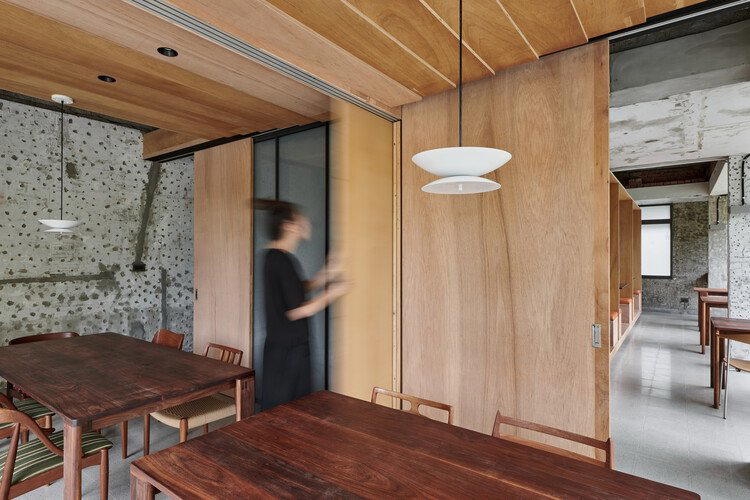
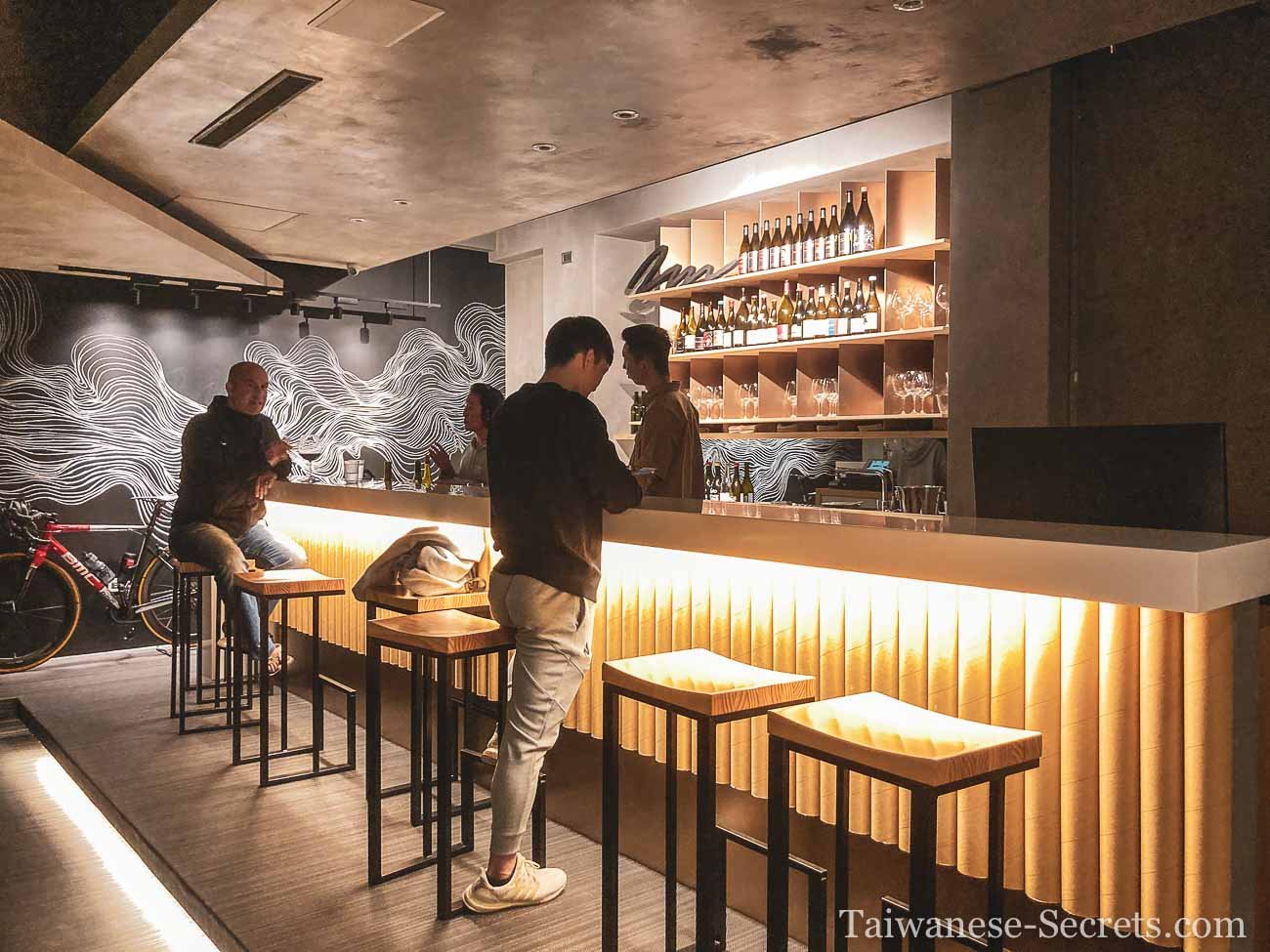
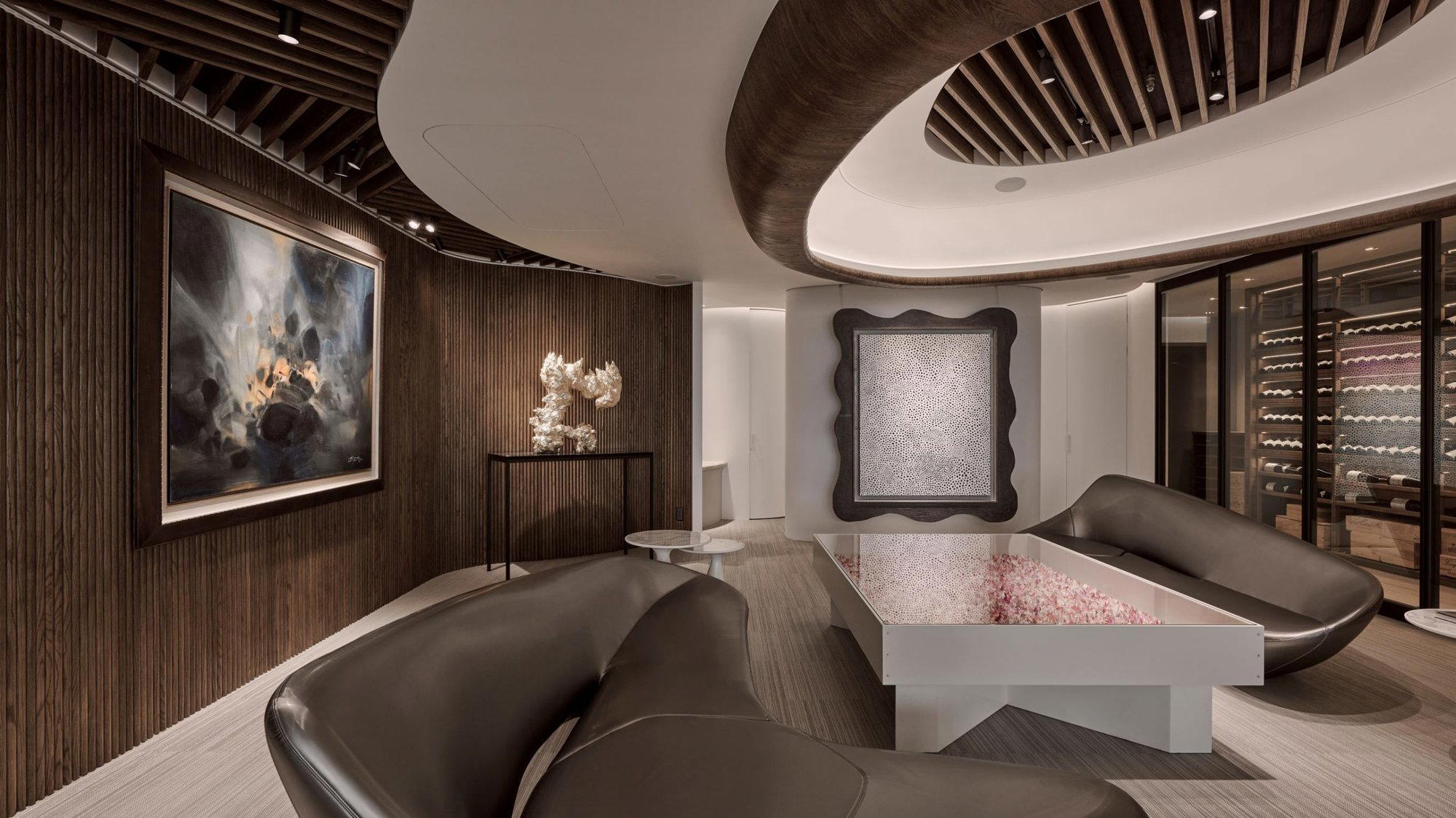
Serene and tranquil atmosphere in a glass-clad space with warm wood scents, exposed concrete, and garden views fostering relaxation.