Google: 4.5 · 1,695 reviews

Oretachi No Nikuya holds a Michelin star for its disciplined approach to Japanese wagyu, sourcing prize-winning breeds including rare Akage Wagyu from Kumamoto. Set on Gongyi Road in Taichung's West District, the restaurant opens evenings only and runs both set and à la carte menus, with the kitchen team grilling cuts to order and walking each table through provenance and preparation in detail.
 Discover on Pearl
Pearl is the En Primeur Club membership app — saves, bookings, and concierge access live there. Same editors, same standards.
Where Taichung's Premium Barbecue Scene Gets Serious
Taichung's dining identity has expanded well beyond its reputation for Taiwanese comfort food. The city now sustains a concentrated cluster of Michelin-recognised restaurants spanning Modern Singaporean at JL Studio, French Contemporary at L'Atelier par Yao, and progressive modern cuisine at MINIMAL. What is less common in that constellation is a single-product specialist operating at award level, where the entire menu architecture is organised around one ingredient category: beef. Oretachi No Nikuya, holding a Michelin one star as of 2024, occupies exactly that position.
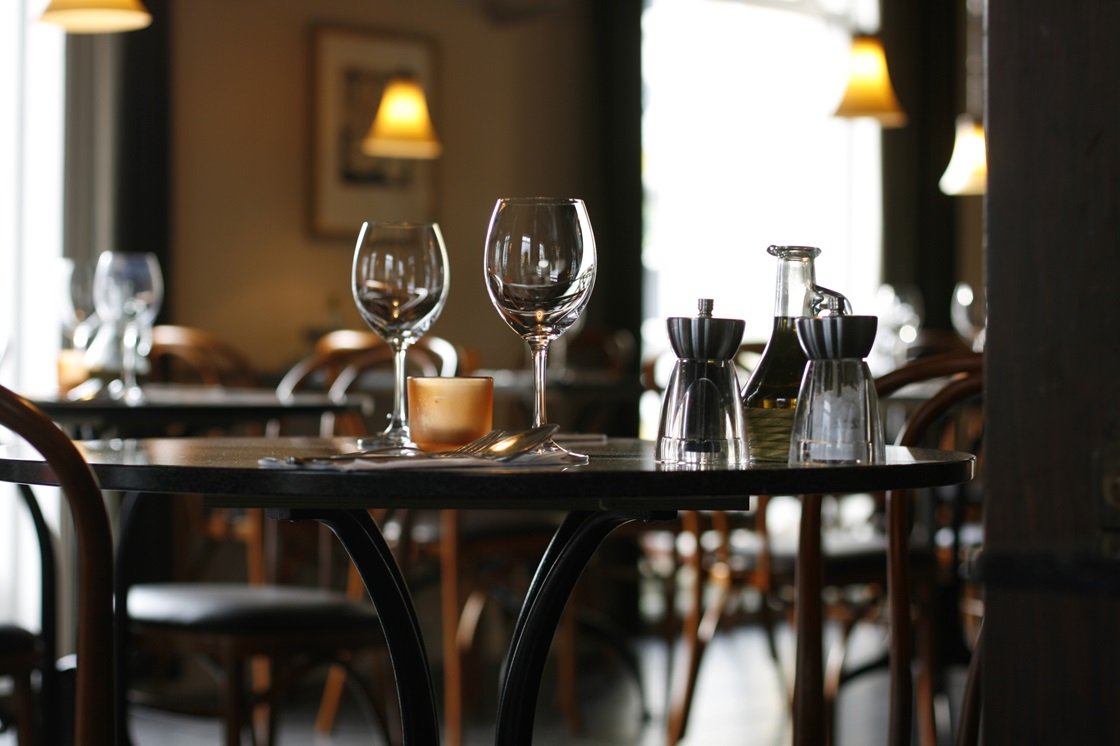
The restaurant sits on Gongyi Road in Taichung's West District, a stretch that draws evening diners to a range of mid-to-premium operators. The neighbourhood's character is commercial rather than atmospheric, but that gap in ambience tends to disappear quickly once you are inside. Premium yakiniku and grilled-beef formats generally succeed or fail on the quality of their sourcing and the precision of their cooking — not on the character of the block outside. Here, the room frames the experience rather than the other way around.
The Menu Architecture: Breed, Cut, Provenance
Premium grilled-beef restaurants in Japan and across East Asia have increasingly moved toward a curatorial model, where the menu is less a list of dishes and more a structured argument about cattle. The kitchen selects breeds, traces sourcing regions, and presents cuts in a sequence designed to demonstrate range and contrast. Oretachi No Nikuya follows that logic closely, with a menu built around Japanese wagyu sourced from multiple prefectures and farms, including Akage Wagyu from Kumamoto — a breed that appears infrequently even in Japan's own specialist yakiniku sector.
The dual format, offering both a set menu and an à la carte selection, allows the kitchen to operate on two registers at once. The set menu imposes a sequence, letting the team pace the evening and move through different breed profiles and fat structures in an order they have thought about. The à la carte option opens access to specific cuts for guests who already know what they want or who are returning for something particular. That combination is a deliberate structural choice: it accommodates both the first-time visitor who wants to be guided and the regular who has developed preferences through prior visits.
What distinguishes this format from generic premium grilling is the explanatory layer that accompanies each course. The kitchen team describes every cut as it arrives, covering the breed, the farm or region of origin, and the reasoning behind how it is being grilled. This is not incidental table talk. It is a functional part of the menu architecture: the information changes how a guest reads what is in front of them, and it positions sourcing decisions as the restaurant's central creative act rather than a background detail.
Sourcing as the Kitchen's Core Argument
Within the premium wagyu sector, Akage Wagyu from Kumamoto has a specific identity. Akage, or Japanese Brown, is a leaner breed than the better-known Kuroge Wagyu (Japanese Black), with a grass-forward diet in many cases and a different fat distribution. Its relative scarcity outside specialist channels , and particularly outside Japan , means that a restaurant building a menu around it is making a deliberate statement about breed diversity rather than defaulting to the most recognisable wagyu category. The Michelin inspection process noted breeds described as rare and not found elsewhere, which reinforces the sourcing scope as a genuine differentiator rather than marketing language.
Sourcing at this level requires direct relationships with producers rather than intermediary wholesale purchasing. The young owner-chef's cattle knowledge, noted in the award citation, is the mechanism that makes those relationships possible: it takes producer credibility to access prize-winning animals and breeds with limited commercial distribution. In the context of Taichung's dining scene, that depth of supply chain work is unusual. It positions Oretachi No Nikuya closer to the sourcing rigour of Sur-'s Taiwanese ingredient focus, even though the cuisine categories are entirely different.
Where This Sits in Taichung's Michelin Tier
Taichung's Michelin-starred restaurants largely operate in the $$$ to $$$$ price bracket. Oretachi No Nikuya sits at $$$, which positions it accessibly within the starred tier , a point worth noting when premium wagyu formats in Tokyo or Osaka frequently push into price territory that restricts access to occasional visitors. At Taichung's price level, the restaurant competes with contemporaries like Sur- (Taiwanese contemporary, $$$) and L'Atelier par Yao (French Contemporary, $$$), while the $$$$-tier Michelin restaurants in the city include YUENJI. That peer positioning matters: it makes the sourcing story here more accessible than comparable beef specialist formats in denser markets.
Across Taiwan's broader Michelin map, single-category specialists at this level are not abundant. Logy in Taipei represents a different approach to precision sourcing at the fine dining end, while GEN in Kaohsiung shows how the island's restaurant culture handles premium formats across different cities. The beef-specialist yakiniku model at award level is a narrower category, and within Taiwan's current Michelin landscape, Oretachi No Nikuya holds a distinctive position in it.
For those curious how barbecue formats develop across different markets, the craft-smoke tradition in the United States , represented by operators like InterStellar BBQ in Austin, la Barbecue, and CorkScrew BBQ , shares the sourcing obsession and the cut-by-cut explanatory culture, even though the cooking method and breed focus are entirely different. The comparative point is that high-specification grilled-beef formats, across cultures, tend to organise themselves around the same axis: provenance transparency as proof of seriousness.
Planning the Evening
Oretachi No Nikuya operates evenings only, opening at 5 PM and running through to 11:30 PM on Monday, Tuesday, Thursday, Friday, Saturday, and Sunday. Wednesday is the weekly closure. That schedule is consistent with Taichung's premium dining rhythm, where the concentrated dinner window means booking is advisable rather than optional. The restaurant holds a 4.5 Google rating across more than 1,600 reviews , a volume that suggests consistent repeat business rather than tourist-peak traffic, and that makes the rating a meaningful signal of sustained quality. The Michelin one star, awarded in 2024, sits alongside that ground-level consensus rather than at odds with it.
The address at No. 194-1 Gongyi Road, West District, is direct to locate by standard navigation. For those building a wider Taichung itinerary, the city's full dining, hotel, and bar offer across different categories is mapped in our full Taichung restaurants guide, with separate resources for hotels, bars, wineries, and experiences in the city. For beef-focused dining elsewhere in Taiwan, A Cun Beef Soup in Tainan represents a very different price point and format, illustrating how seriously the island takes cattle across its entire dining spectrum. And for those extending travel into Taiwan's more remote dining destinations, Akame in Wutai Township and Volando Urai Spring Spa and Resort in Wulai District offer contrasting versions of what premium and ingredient-led dining looks like outside the main cities.
Cuisine and Awards Snapshot
A quick peer snapshot; use it as orientation, not a full ranking.
| Venue | Cuisine | Awards | Notes |
|---|---|---|---|
| Oretachi No Nikuya | Barbecue | Michelin 1 Star | This venue |
| JL Studio | Modern Singaporean, Singaporean | Michelin 3 Star | Modern Singaporean, Singaporean, $$$$ |
| Sur- | Taiwanese contemporary | Michelin 1 Star | Taiwanese contemporary, $$$ |
| L'Atelier par Yao | French Contemporary | Michelin 1 Star | French Contemporary, $$$ |
| YUENJI | Taiwanese | Michelin 1 Star | Taiwanese, $$$$ |
| Chin Chih Yuan (Central) | Taiwanese | Taiwanese, $ |

At a Glance
- Cozy
- Elegant
- Trendy
- Special Occasion
- Date Night
- Open Kitchen
- Sake Program
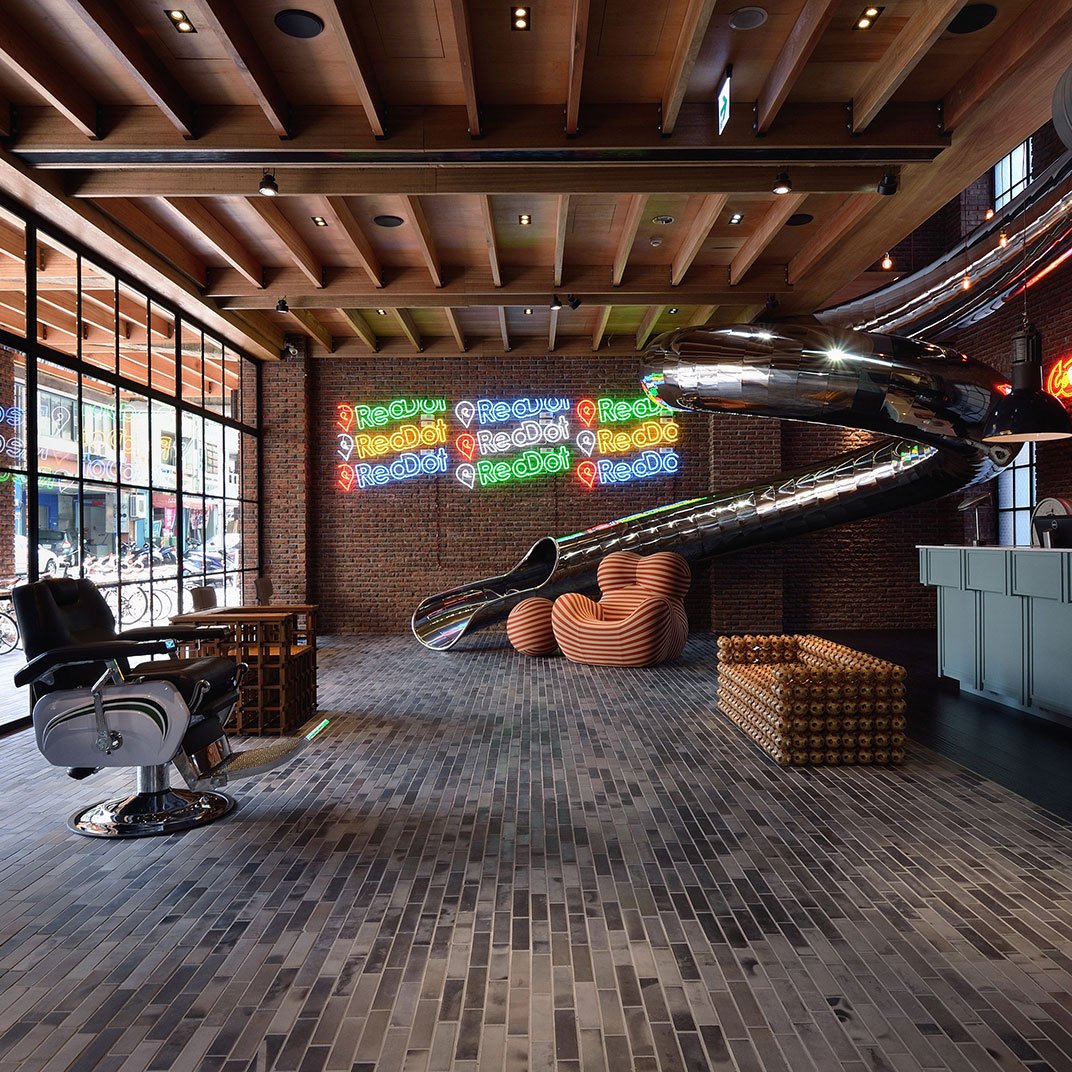
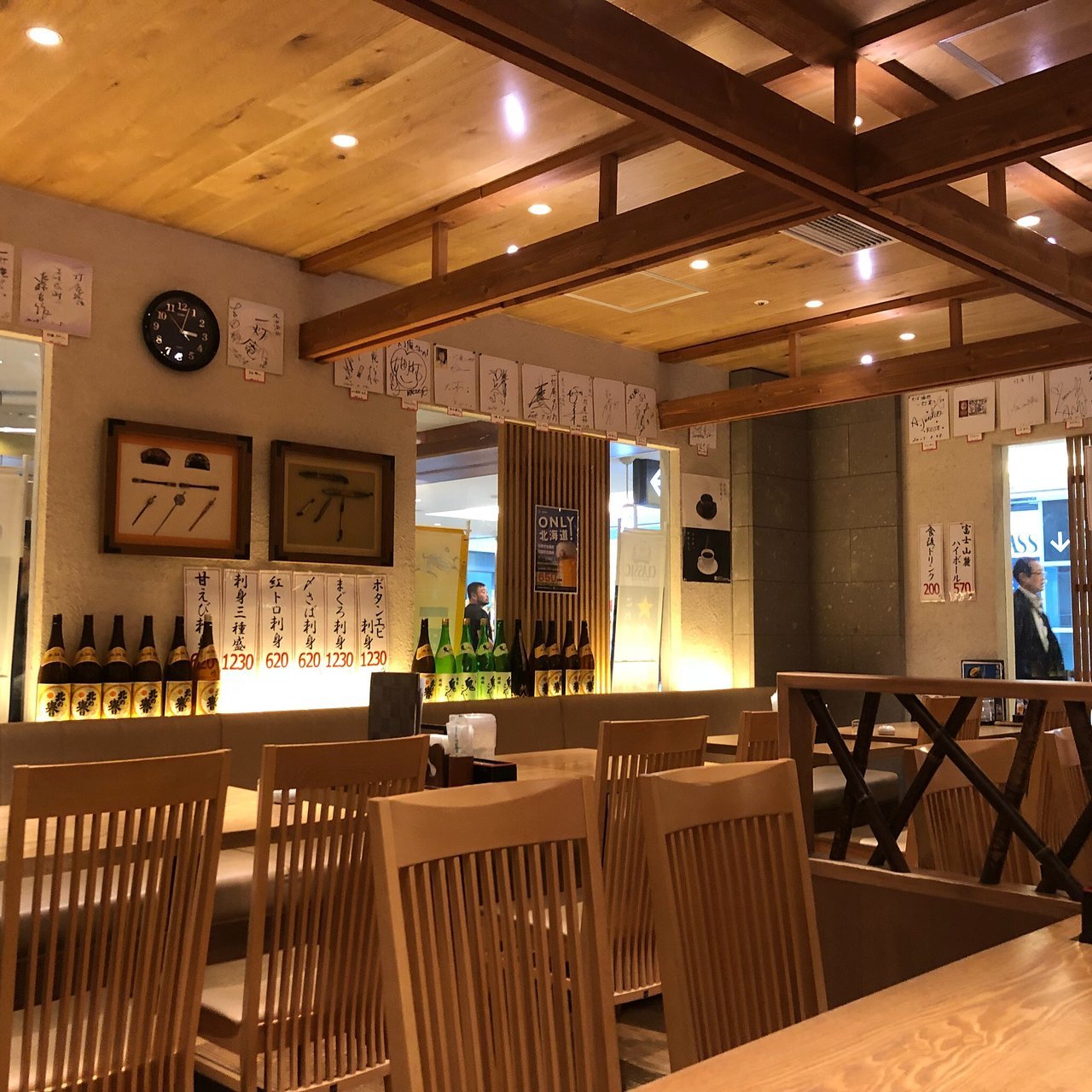
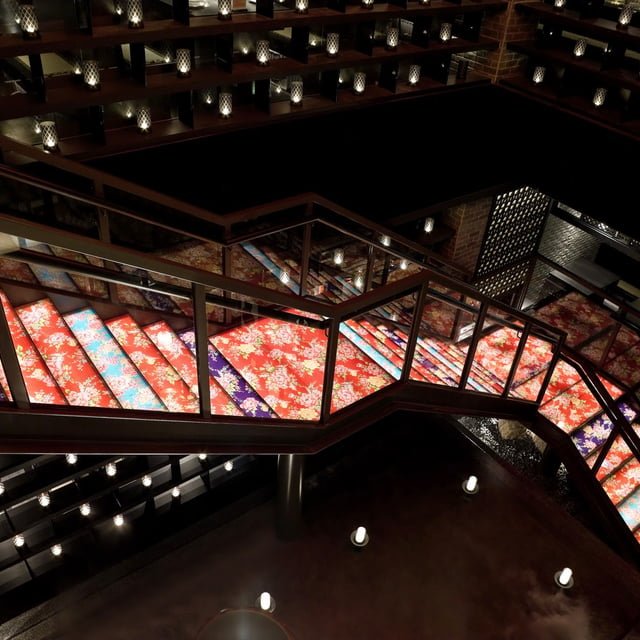
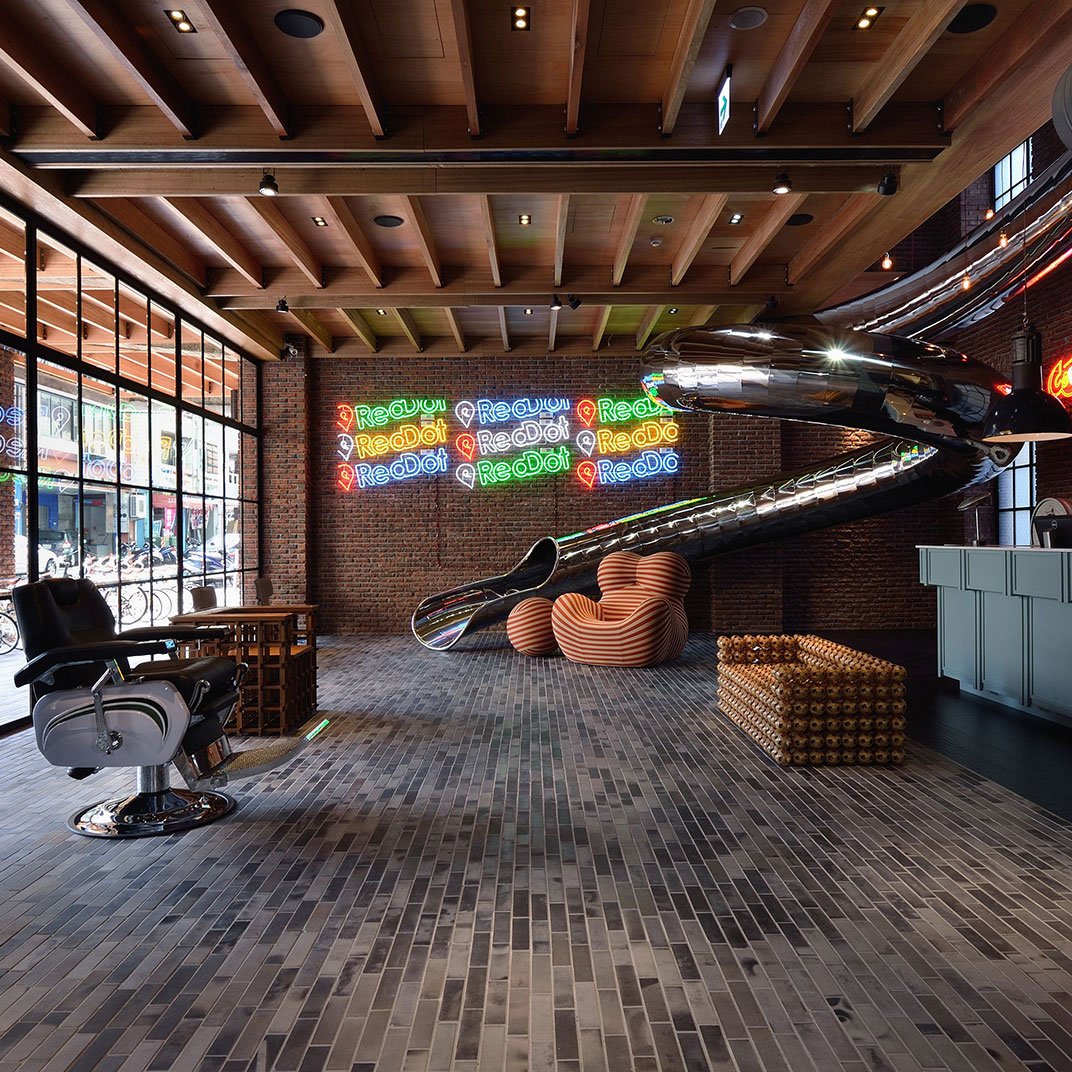
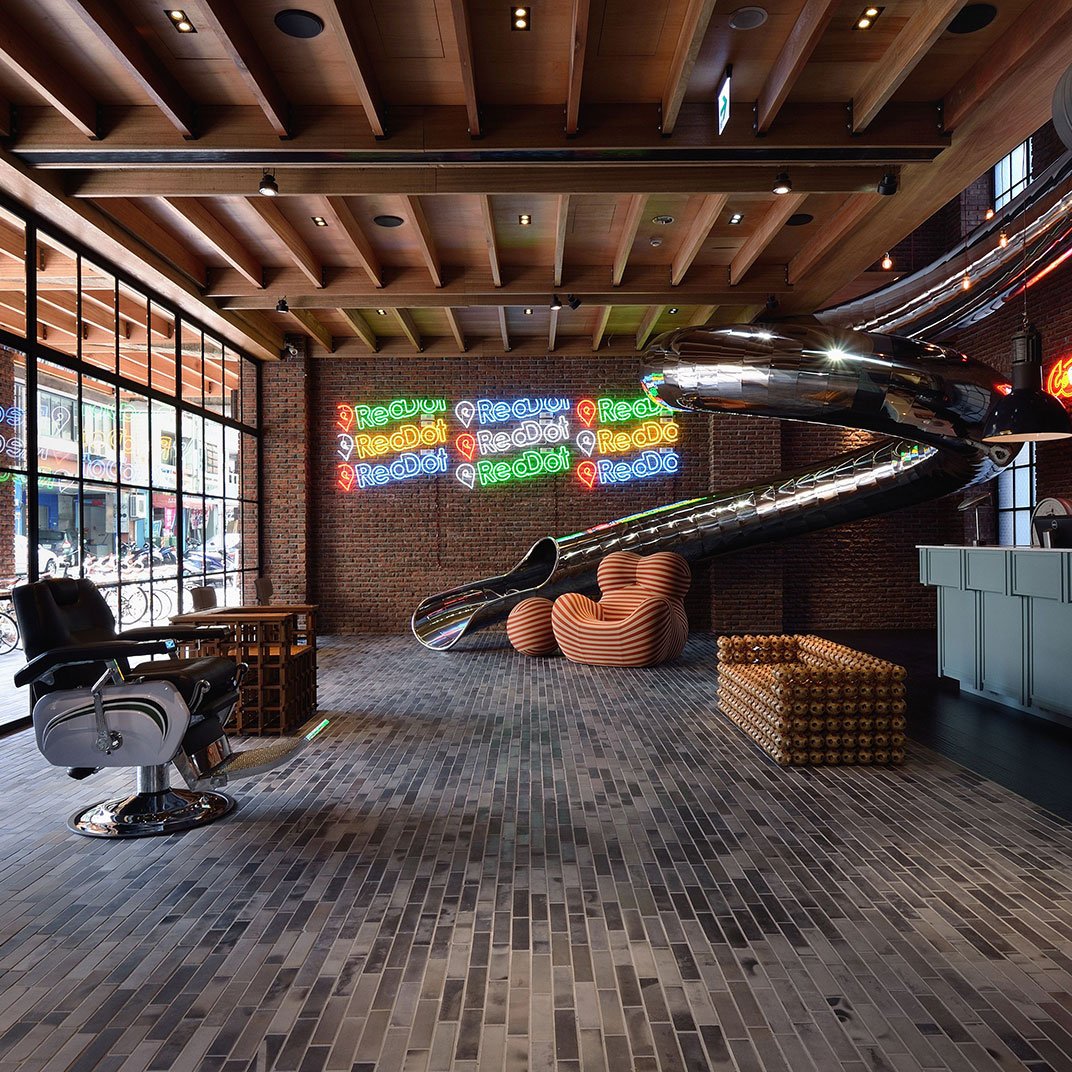
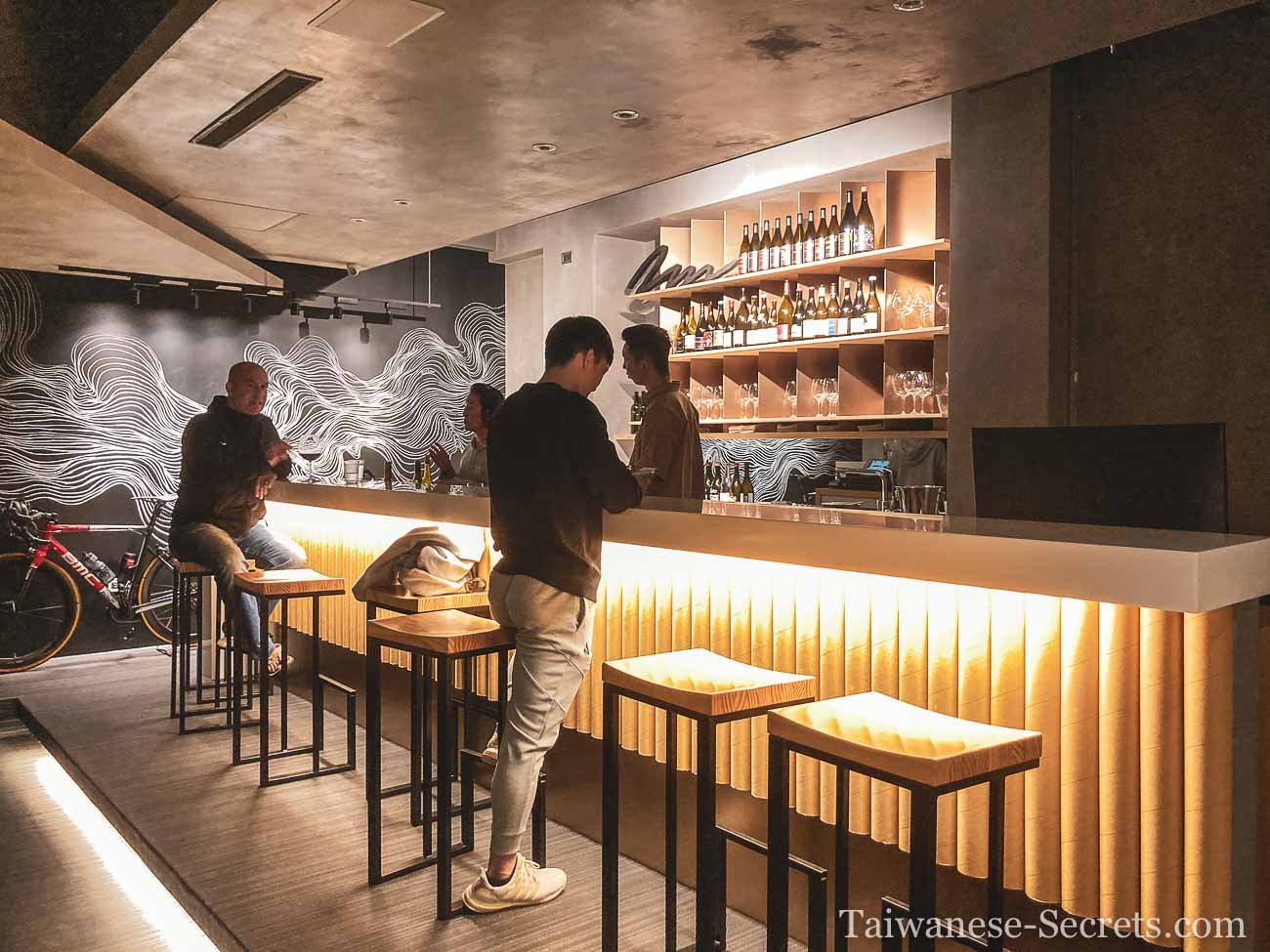
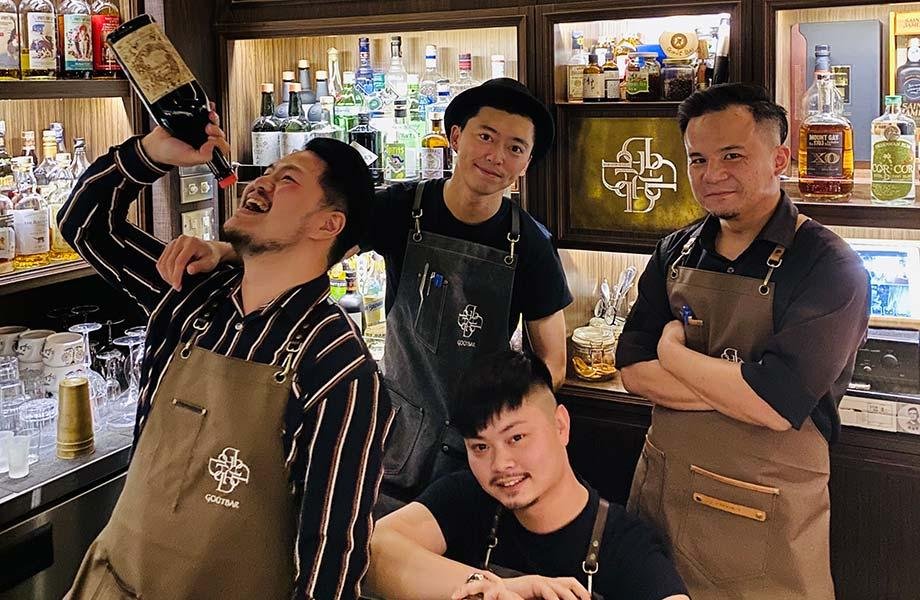
Refined yet cozy with spirited warmth, animated conversations, the hiss of grills, and ember glow, though some find it loud and cramped.