
A Michelin Bib Gourmand noodle shop on the second floor of a Nantun District address, Ajisai draws from the owner's background in Jiangzhe private-kitchen cooking to deliver a menu of regional noodles alongside Sichuanese options. The handmade side dishes, prepared fresh each morning, are as much a reason to visit as the bowls themselves. Open only three days a week, it requires planning before any trip.
Pearl is the En Primeur Club membership app — saves, bookings, and concierge access live there. Same editors, same standards.
- Address
- 408, Taiwan, Taichung City, Nantun District, Dadun Rd, 573號2F
- Phone
- +886 4 2320 2511
- Website
- ikki.com.tw
- Directions
- Get directions
 Saves & bookings on Pearl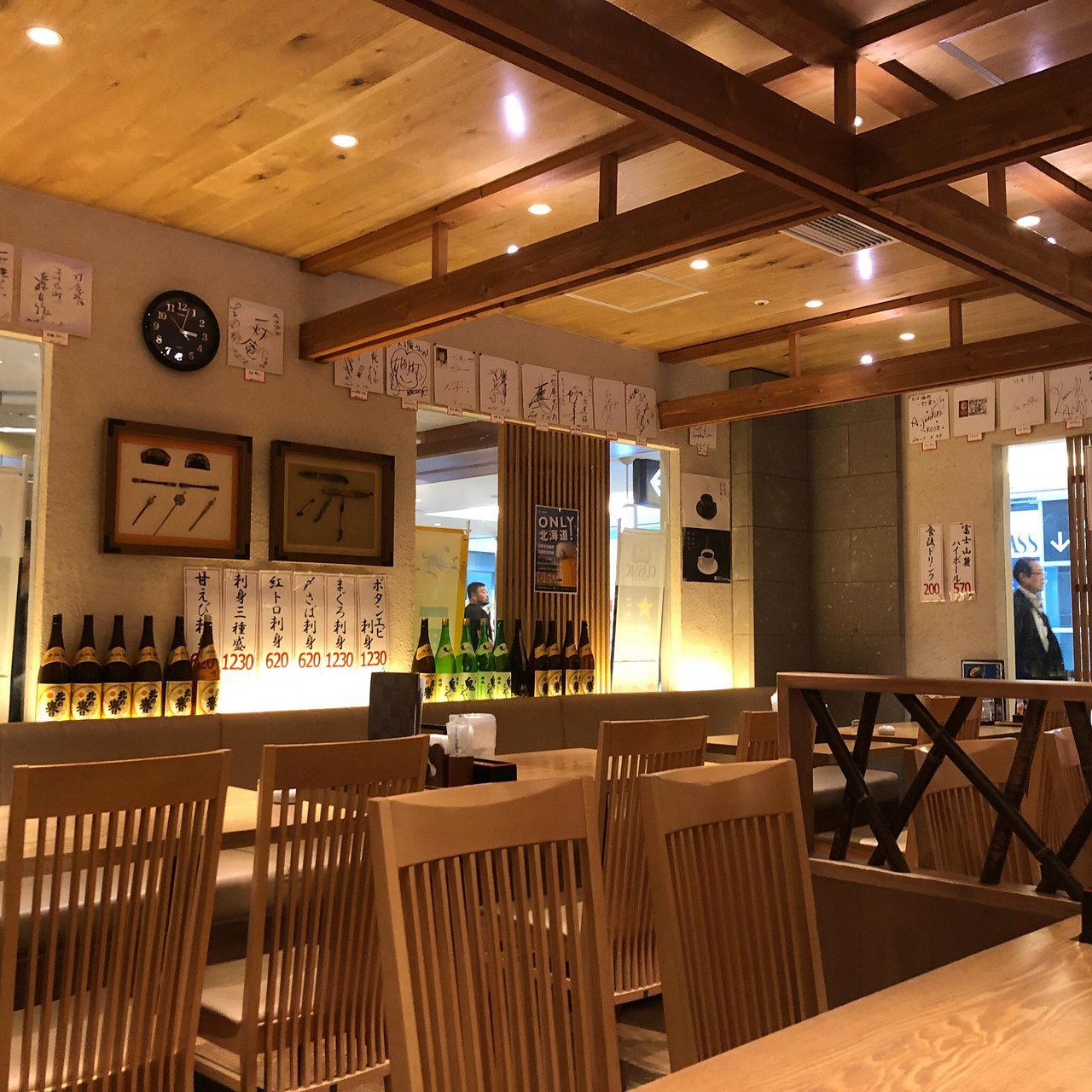
Cement Walls, Stained Glass, and the Noodle Traditions of the Lower Yangtze
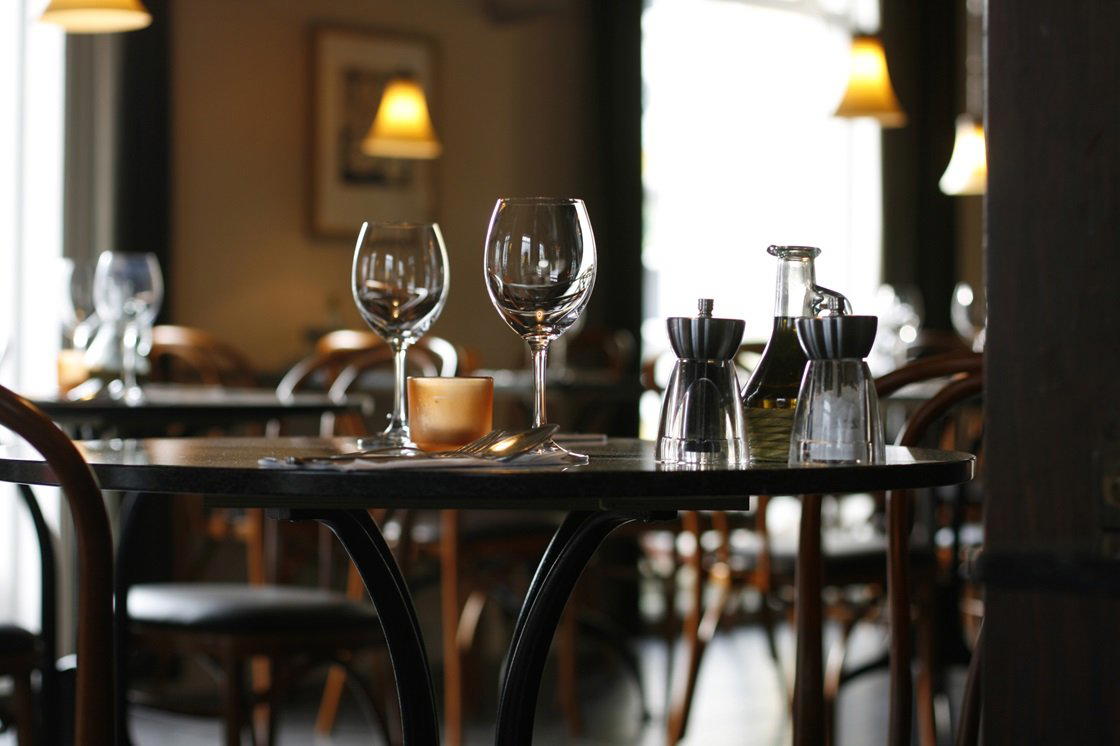
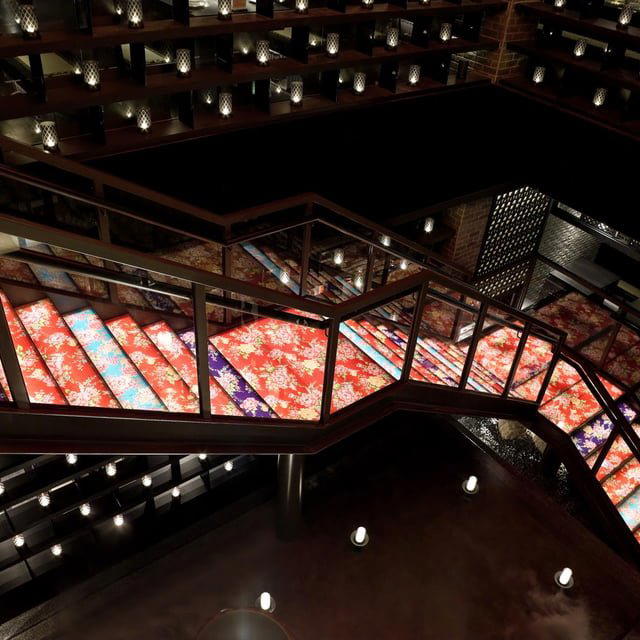
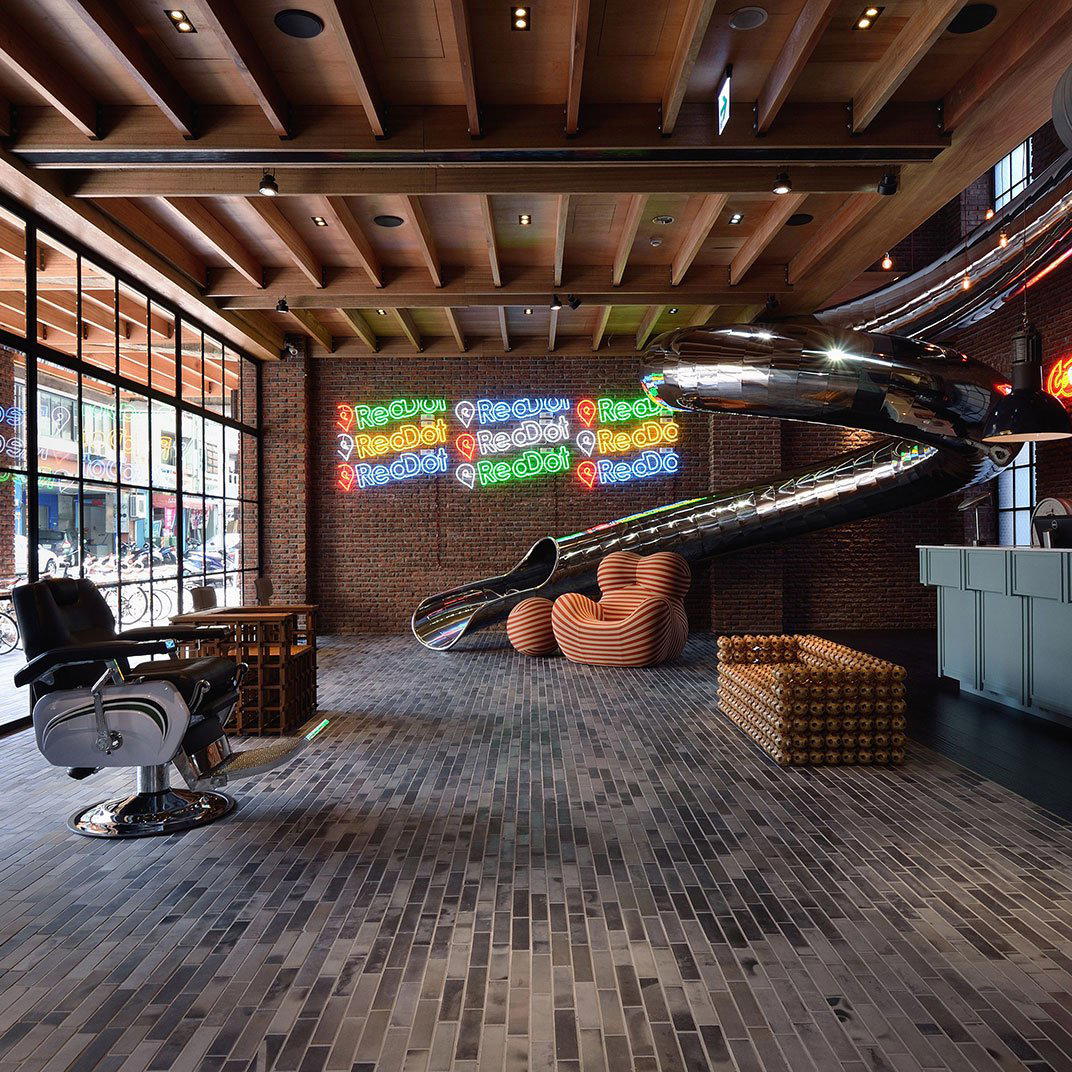
On the second floor of a low-rise building along Dadun Road in Taichung's Nantun District, Ajisai announces its presence without theatrics. Stained glass windows filter the light across wooden shelving and exposed cement walls — an interior grammar that sits somewhere between a 1970s teahouse and a craftsman's workshop. It is an unlikely setting for a serious study of Jiangzhe noodles, and that mild incongruity is part of what makes the place worth understanding.
The Jiangzhe region — covering Jiangsu and Zhejiang provinces along the lower Yangtze Delta, has one of China's most historically refined culinary traditions: restrained seasoning, careful technique, and an emphasis on texture over heat. Its noodle culture is less internationally familiar than Sichuan's or Shanxi's, which makes spaces like Ajisai more contextually important than they might first appear.
From Private Kitchen to Public Counter: What the Menu Carries Forward
The owner's background is in Jiangzhe private-kitchen cooking, a format that implies small groups, personally selected ingredients, and menus built around the host's judgment rather than broad commercial appeal. Transitioning from that closed setting to a noodle shop might seem like a step down in register. In practice, it has meant bringing private-kitchen discipline to a format that rarely gets it.
Menu reflects that lineage directly. Jiangzhe-style noodles form the core, preparations that tend toward refinement rather than intensity, where broth clarity and noodle texture carry more weight than bold seasoning. Sichuanese options appear alongside them, adding the chilli-forward and numbing-spice register that the Jiangzhe tradition avoids. The pairing is less a fusion than an editorial choice: two different regional vocabularies held in deliberate contrast rather than blended into something new.
Among the regional noodle traditions represented across Taiwan's Michelin-recognised roster, this Jiangzhe focus occupies a notably specific corner. Taichung's recognised noodle addresses include Ke Kou Beef Noodles, A Kun Mian, Lao Shih Kuan Noodles, Mu Gong Noodles, and No Name Noodles. Each occupies a different regional or stylistic register. Ajisai's Jiangzhe grounding puts it in a category with few direct local competitors.
The Side Dishes: A Separate Reason to Visit
Michelin's own note on Ajisai singles out the side dishes as an independent draw, and this is not incidental. The owner prepares them each morning, which means supply is finite and the selection shifts. The bitter melon simmered with rock sugar, noted in the Michelin record when available, illustrates the kitchen's approach: a pairing that requires patience from the cook and some curiosity from the diner, with sweetness used to temper rather than mask the melon's edge. It is the kind of preparation that private-kitchen backgrounds produce and that high-volume noodle shops rarely attempt.
The side dishes also function as a real-time indicator of the day's pantry. Arriving to find them partially sold through is not unusual; arriving after the kitchen has closed them out entirely is a possibility worth factoring into timing.
How Ajisai Sits Within Taiwan's Broader Dining Picture
Taiwan's Michelin coverage spans a wide spectrum. At the high end, venues like logy in Taipei and GEN in Kaohsiung operate with full tasting-menu structures and significant price points. Indigenous-focused cooking, as at Akame in Wutai Township, addresses a different set of cultural questions. The Bib Gourmand tier, by design, sits outside that upper bracket, it recognises places where the quality-to-price ratio justifies a detour, not the size of the bill.
Ajisai's single-dollar price range positions it as one of the more accessible Michelin-flagged addresses in Taichung. For context, the city's starred restaurants, including Taiwanese contemporary spot GEN, operate at price tiers two to three levels higher. The Bib Gourmand designation does not imply a compromise, it implies a different competitive set, one where execution per dollar is the measure.
For those exploring similar Jiangzhe-influenced noodle traditions closer to the source, comparison points exist across the region: A Bing Bao Shan Mian in Hangzhou, A Niang Mian Guan in Shanghai, and A Xin Xian Lao on Gongnong Road in Fuzhou each represent the mainland side of this noodle lineage. Tasting across them provides a clear sense of what Ajisai is drawing from and where it diverges.
Planning a Visit: What to Know Before You Go
Ajisai operates three days a week, and the schedule is not posted on a conventional website. Checking the venue's social media accounts before travelling is the only reliable way to confirm opening days and any changes to hours or availability. This is not a quirk but a structural feature of how the kitchen operates: the morning preparation of side dishes, the finite supply, and the three-day week are all consistent with a model built around quality control rather than throughput.
The address is 573, 2F, Dadun Road, Nantun District, Taichung, second floor, which can be easy to pass on a first visit. The price range sits at the lowest bracket, making this an accessible stop within a broader Taichung itinerary. For those building a full picture of the city's food and hospitality, our full Taichung restaurants guide, Taichung hotels guide, bars guide, wineries guide, and experiences guide cover the wider ground. For broader Taiwan planning that moves across cities, A Cun Beef Soup in Tainan and Volando Urai Spring Spa and Resort in Wulai District represent two very different registers worth including.
Cost Snapshot
A quick snapshot of similar venues for side-by-side context.
| Venue | Cuisine | Price | Awards |
|---|---|---|---|
| AjisaiThis venue — the venue you are viewing | Noodles | $ | Bib Gourmand |
| JL Studio | Modern Singaporean, Singaporean | $$$$ | Michelin 3 Star |
| Sur- | Taiwanese contemporary | $$$ | Michelin 1 Star |
| L'Atelier par Yao | French Contemporary | $$$ | Michelin 1 Star |
| Oretachi No Nikuya | Barbecue | $$$ | Michelin 1 Star |
| YUENJI | Taiwanese | $$$$ | Michelin 1 Star |
Recognition history
Dated appearances from independent guides and award organizations, with the underlying list record or original source where available.
Michelin Bib Gourmand
Michelin
Michelin Bib Gourmand
Michelin


At a Glance
- Cozy
- Modern
- Minimalist
- Casual Hangout
- Standalone
Current opening hours
- Monday
- 11:30 AM–2:30 PM, 5:30–10 PM
- Tuesday
- 11:30 AM–2:30 PM, 5:30–10 PM
- Wednesday
- 11:30 AM–2:30 PM, 5:30–10 PM
- Thursday
- 11:30 AM–2:30 PM, 5:30–10 PM
- Friday
- 11:30 AM–2:30 PM, 5:30–10 PM
- Saturday
- 11 AM–2:30 PM, 5–10 PM
- Sunday
- 11 AM–2:30 PM, 5–10 PM
Hours can change for holidays and private events. Last verified .
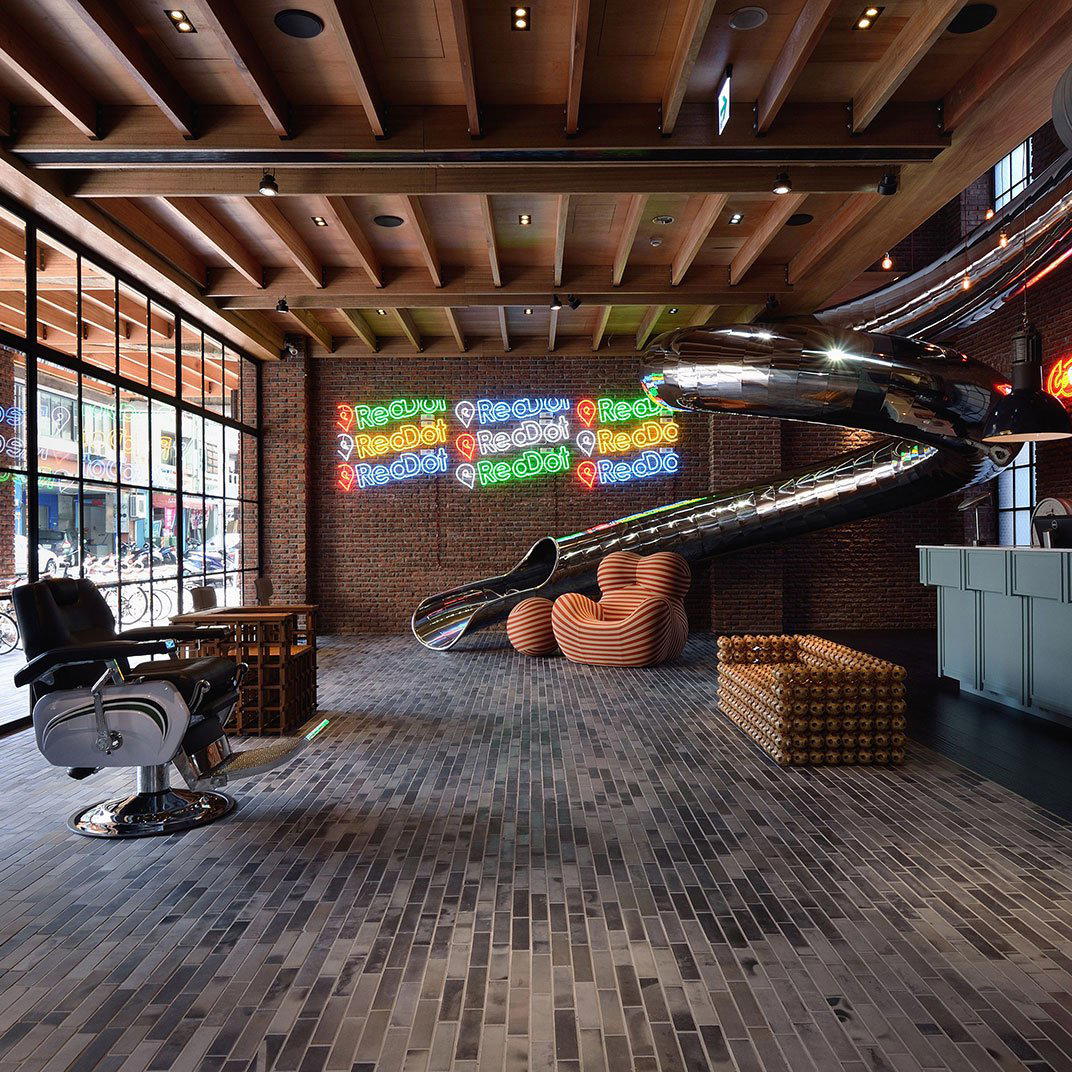
Cozy blend of nostalgia and simplicity with stained glass windows, wooden shelving, and minimalist gray walls against cement.
Know Before You Go
- Getting there
- 408, Taiwan, Taichung City, Nantun District, Dadun Rd, 573號2F