Isabelle's Osteria

Isabelle's Osteria at 245 Park Ave S sits within a New York Italian dining tradition that has shifted considerably over the past decade, moving away from red-sauce nostalgia toward formats that borrow from regional Italian specificity. The address places it in the Flatiron corridor, a stretch that has attracted a more considered class of neighborhood restaurant than the blocks immediately north or south.
Pearl is the En Primeur Club membership app — saves, bookings, and concierge access live there. Same editors, same standards.
- Address
- 245 Park Ave S, New York, NY 10003
- Phone
- +12123881145
- Website
- isabellesnyc.com
- Directions
- Get directions
 Saves & bookings on Pearl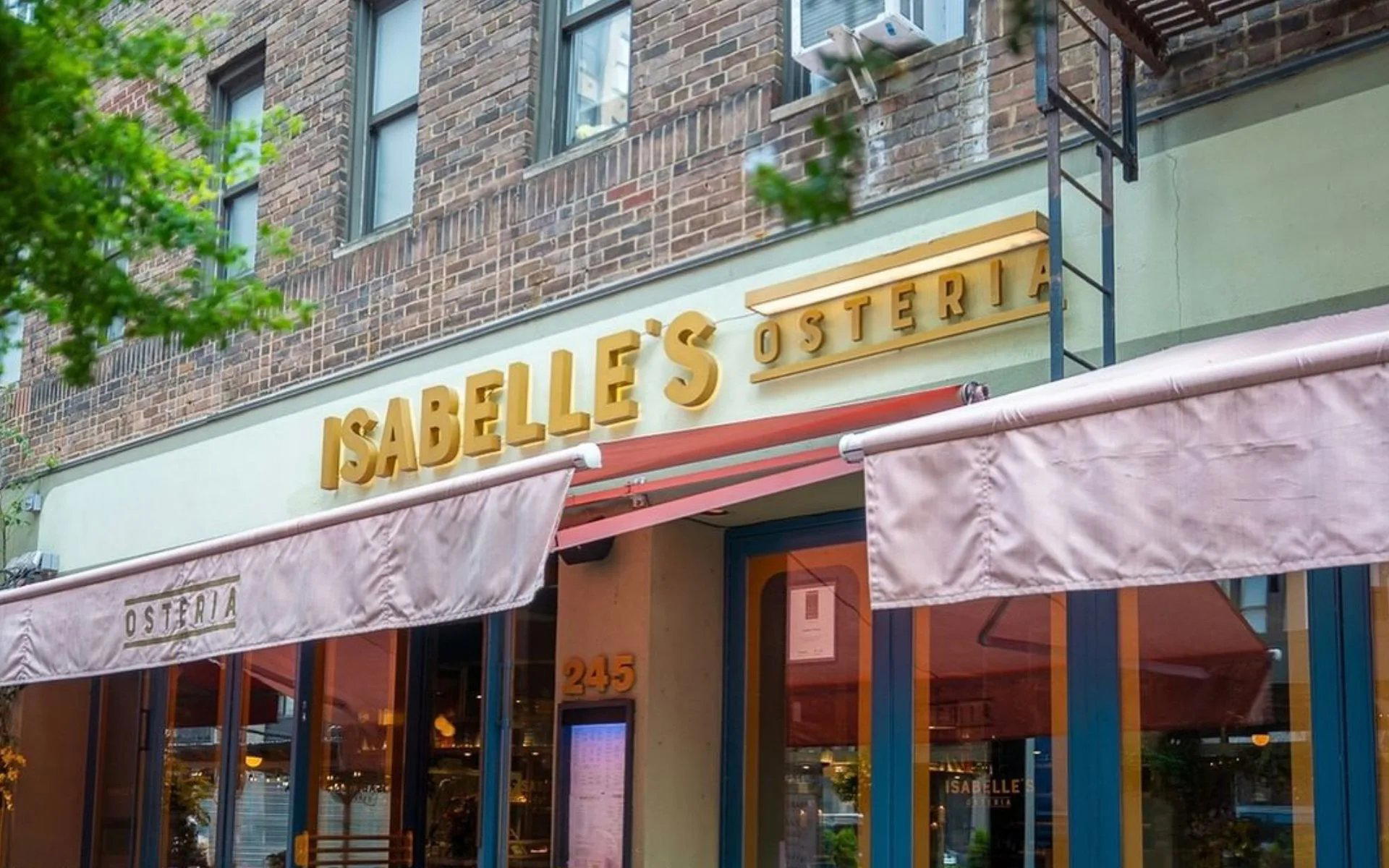
A Park Avenue South Address in the Middle of Italian New York's Reinvention
Isabelle's Osteria is a restaurant in New York City, serving Modern Italian Osteria at 245 Park Ave S, with. Park Avenue South between 14th and 30th Streets has quietly become one of Manhattan's more interesting corridors for mid-register dining. It lacks the trophy-restaurant density of Midtown and the downtown cool of the West Village, which means the restaurants here tend to survive on neighborhood loyalty and repeat lunch trade rather than destination tourism. That economic reality shapes what gets opened and what endures. Isabelle's Osteria, at 245 Park Ave S, enters a stretch that rewards restaurants with a clear identity and reliable execution over those built on opening-week spectacle.
The word "osteria" carries specific weight in Italian dining, and its recent migration into American restaurant naming reflects a broader shift in how Italian food gets positioned at the upper-middle tier of the market. Where "ristorante" once signaled aspiration and white tablecloths, "osteria" now implies a studied informality: shorter menus, regional sourcing arguments, wine lists weighted toward lesser-known Italian producers, and a room temperature that doesn't demand a reservation weeks in advance. Whether Isabelle's Osteria fully inhabits that tradition or deploys the label as aesthetic shorthand is the operative question for anyone deciding where it fits in the current New York Italian scene.
How the New York Italian Category Has Shifted
New York's Italian dining sector has undergone a sustained renegotiation over the past fifteen years. The red-sauce institutions of the outer boroughs and Little Italy's remnants occupy one end of the spectrum; the modernist Italian cooking at venues like Le Bernardin's French-adjacent neighbor class occupies another. Between those poles, a generation of osteria-format openings has tried to claim the territory vacated by formal Italian dining without sliding into casual-chain territory.
This middle tier competes on specificity. Restaurants that commit to a regional Italian identity, whether Emilian pasta traditions, Sicilian seafood preparations, or Ligurian vegetable-forward cooking, tend to hold a clearer position than those that aggregate "Italian" broadly. The peer pressure in this category comes not from the four-star rooms, places like Per Se or Masa which occupy an entirely different competitive conversation, but from the proliferating osteria and trattoria openings that have made 2020s New York Italian dining its most crowded chapter in memory.
The evolution of this format nationally follows a similar pattern. Operators at Lazy Bear in San Francisco and Alinea in Chicago have demonstrated how format discipline and a defined point of view can sustain a restaurant through multiple cycles of trend. The Italian-specific version of that discipline is the regional anchor, something Flatiron-area diners have come to expect from addresses that use "osteria" seriously.
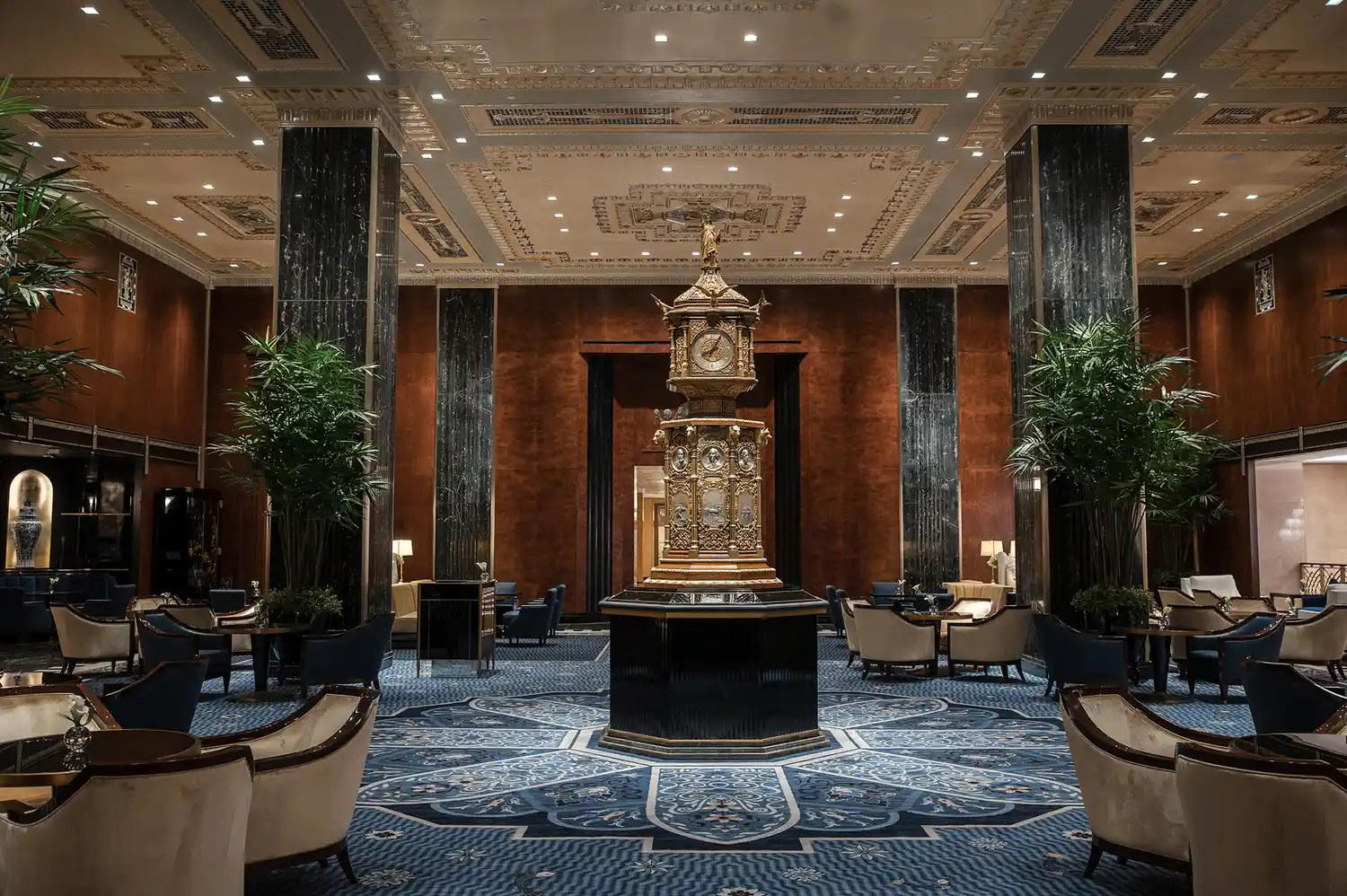
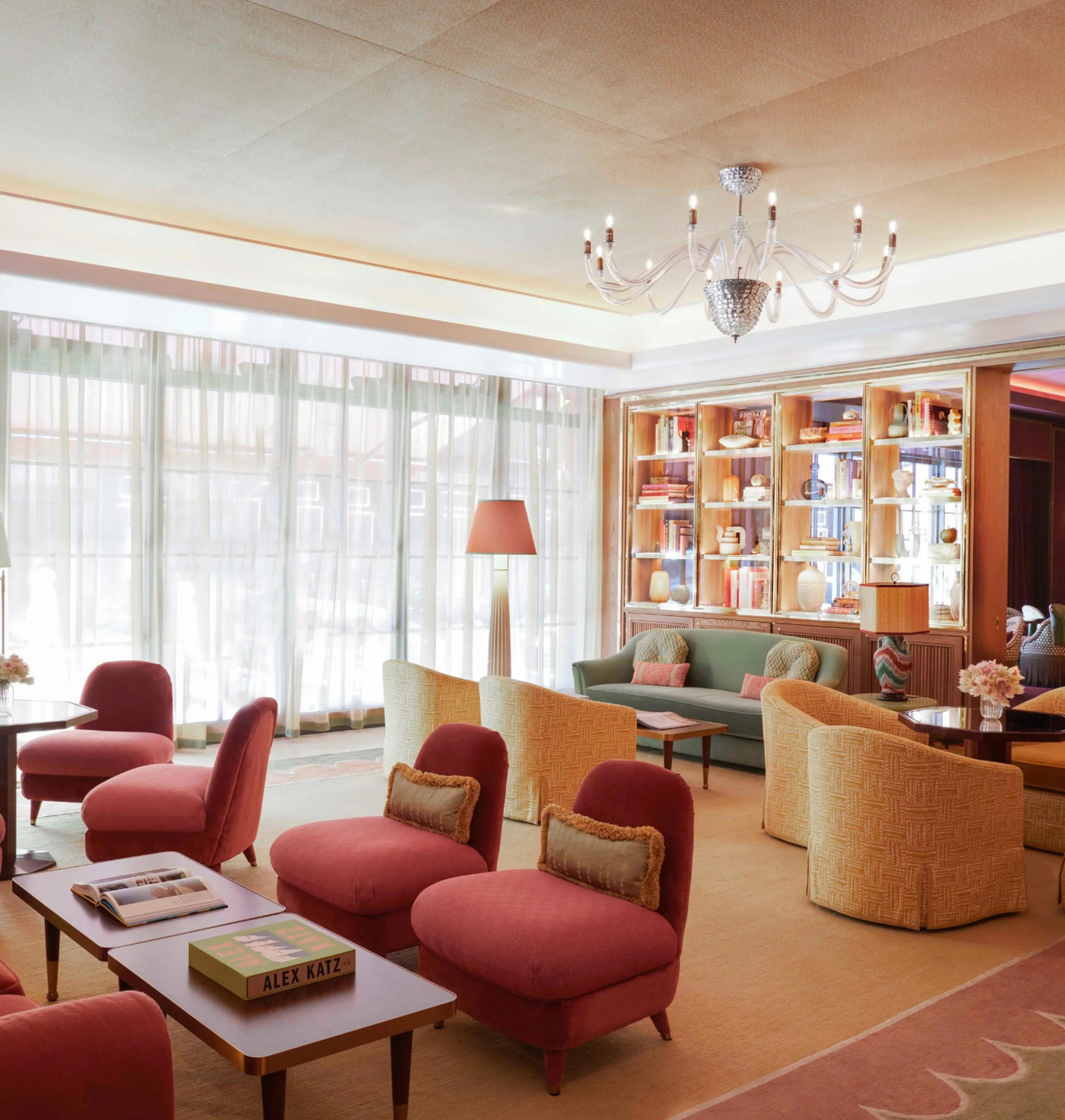
The Room and the Experience
The Flatiron corridor has a particular street-level character: ground-floor retail transitions into restaurant frontage with some frequency, which means the dining rooms here often inherit odd geometries from previous tenants.
An osteria format, when executed with consistency, produces a specific rhythm: a shorter menu that changes with some regularity, a wine list that rewards curiosity rather than brand recognition, and service that knows the food well enough to guide rather than recite. The comparison class here is less Atomix or Jungsik New York, whose tasting-menu formats and $$$$ price points define a different tier entirely, and more the neighborhood Italian that a food-literate New Yorker returns to monthly rather than annually.
Across American fine-casual Italian, the rooms that age well tend to share a few characteristics: materials that patinate rather than date, lighting calibrated for evening use, and a bar program that doesn't feel grafted on. Venues like Bacchanalia in Atlanta and Blue Hill at Stone Barns in Tarrytown demonstrate how room character functions as a long-term asset distinct from menu evolution. For a Park Avenue South address, the surrounding block activity, transit access at 23rd Street, and the density of office and residential demand above 20th Street provide a baseline commercial cushion that many downtown openings lack.
Evolution and the Osteria Format in New York
Italian restaurants in New York reinvent themselves more quietly than their French counterparts. A French room that pivots tends to announce it; an Italian room tends to shift its pasta section, rotate its wine list toward a new region, and let regulars notice over six months. The osteria format is particularly suited to this kind of gradual evolution because its identity is defined by flexibility, seasonal rotation, and the suggestion of a kitchen that responds to what arrives rather than what was planned.
The global Italian dining conversation, from the three-Michelin-starred rooms at 8 1/2 Otto e Mezzo Bombana in Hong Kong to the classical French-Italian boundary work at Alain Ducasse at Louis XV in Monte Carlo, establishes one end of the Italian dining range. The neighborhood osteria operates with different ambitions but the same underlying argument: that Italian cooking, at its core, rewards restraint, ingredient quality, and technique over spectacle. That argument is particularly legible in New York, where Italian food has enough history, from the red-sauce canon to the modern regional wave, to give context to any new entry.
For a point of reference across other American markets, Emeril's in New Orleans, Providence in Los Angeles, Single Thread Farm in Healdsburg, Addison in San Diego, and The Inn at Little Washington all illustrate how a clear format and sustained identity over time builds the kind of credibility that opening-week buzz cannot purchase. The New York Italian scene's best-positioned restaurants share that characteristic, regardless of price tier.
Recognition Snapshot
Comparable venues nearby, for context on price, style, and recognition.
| Venue | Cuisine | Price | Notes |
|---|---|---|---|
| Isabelle's OsteriaThis venue — the venue you are viewing | Modern Italian Osteria | $$$ | Not listed |
| Massara On Park | Modern Campania Italian | $$$ | Midtown South-Flatiron-Union Square |
| DaMarino NYC | Traditional Italian | $$$ | Midtown-Times Square |
| Serafina Osteria | Authentic Italian Trattoria | $$$ | Upper East Side-Carnegie Hill |
| Joseph's Restaurant | Northern Italian | $$$ | Financial District-Battery Park City |
| LaRina Pastificio & Vino | Modern Italian Pasta | $$$ | Fort Greene |
Recognition history
Dated appearances from independent guides and award organizations, with the underlying list record or original source where available.
Wine Spectator Best of Award of Excellence
Wine Spectator
Continue exploring
More in New York City
Restaurants in New York City
Browse all →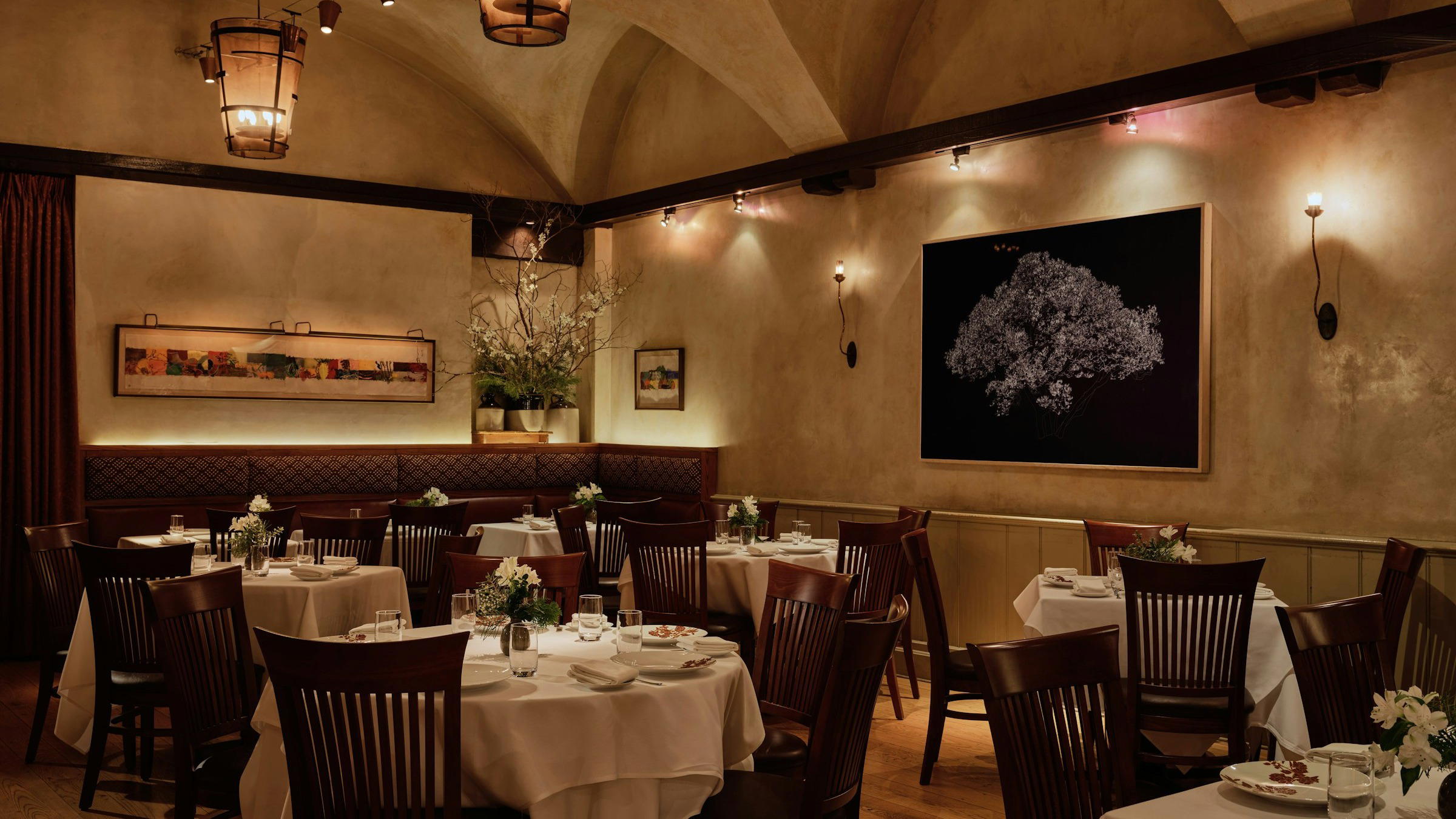
Bars in New York City
Browse all →

Hotels in New York City
Browse all →






At a Glance
- Sophisticated
- Elegant
- Cozy
- Warm
- Date Night
- Business Dinner
- Celebration
- Special Occasion
- Open Kitchen
- Extensive Wine List
Current opening hours
- Monday
- 11:30 AM–10 PM
- Tuesday
- 11:30 AM–10 PM
- Wednesday
- 11:30 AM–10 PM
- Thursday
- 11:30 AM–10:30 PM
- Friday
- 11:30 AM–11 PM
- Saturday
- 10 AM–11 PM
- Sunday
- 10 AM–10 PM
Hours can change for holidays and private events. Last verified .
Warm and sophisticated with inviting enclosed patio lighting.