De Havixhorst

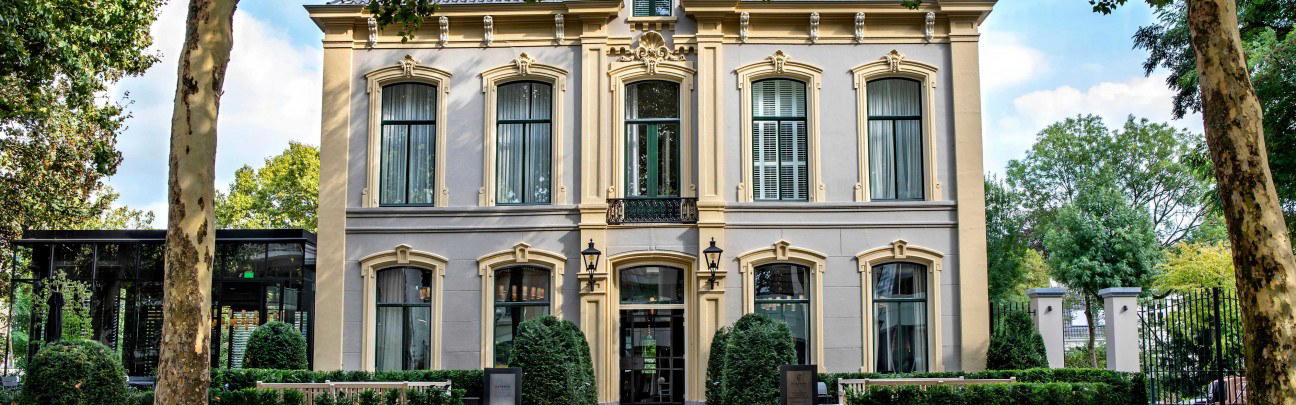
Set on a historic estate in Drenthe province, De Havixhorst channels the agricultural character of the surrounding region directly onto the plate. Potatoes, vegetables, and herbs are grown specifically for the kitchen, including from the estate's own castle garden, and the vegetarian menu draws on local producers for ingredients like Frisian nail cheese and salsify. The result is a châteauhotel restaurant that grounds fine dining in genuine place.
Pearl is the En Primeur Club membership app — saves, bookings, and concierge access live there. Same editors, same standards.
- Address
- Schiphorsterweg 36, 7966 AC De Schiphorst, Netherlands
- Phone
- +31 522 441 487
- Website
- dehavixhorst.nl
- Directions
- Get directions
 Saves & bookings on Pearl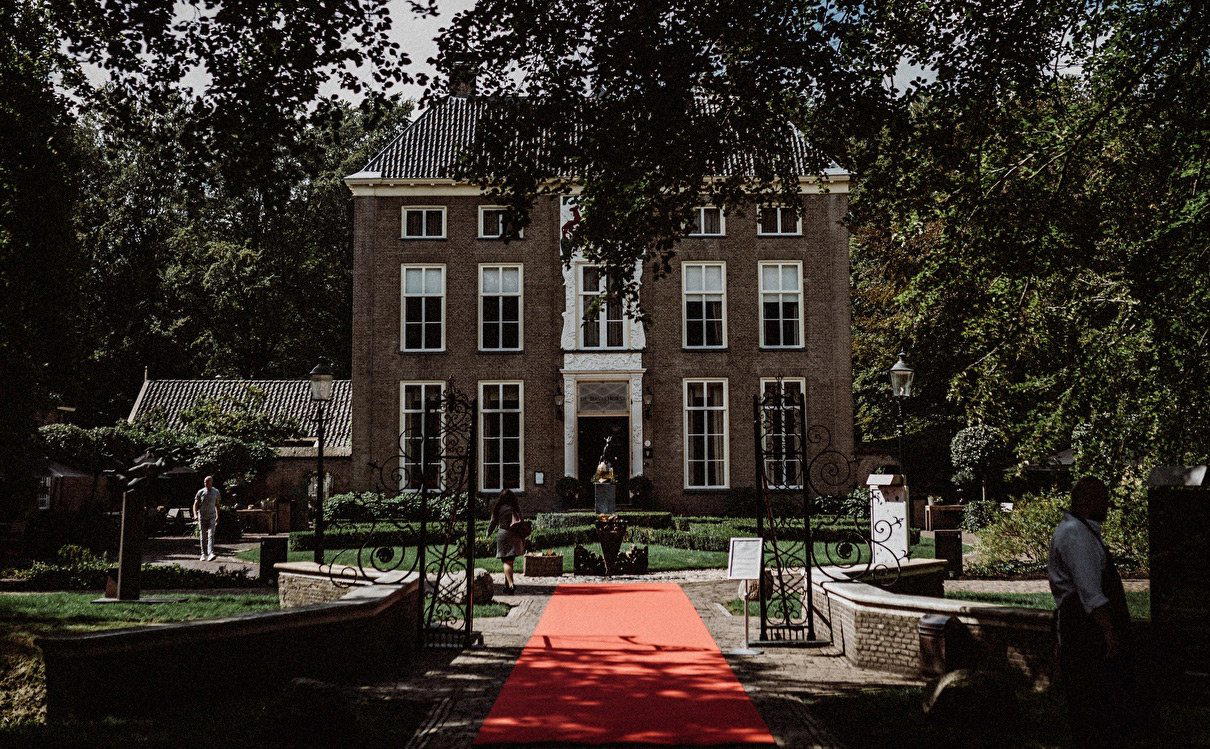
An Estate in the Drenthe Countryside
The approach to De Havixhorst sets expectations early. Drenthe is the least densely populated province in the Netherlands, a region of heathlands, hunebedden (megalithic burial chambers), and working agricultural estates that have operated on the same land for centuries. Arriving at Schiphorsterweg 36 in the village of De Schiphorst, the property reads as a working country estate before it reads as a restaurant destination, and that ordering matters. The building and grounds are not decorative backdrop; they are, in a literal sense, the supply chain for what arrives on the plate.
This model of estate dining, where the land immediately surrounding a restaurant actively feeds it, is gaining ground across northern Europe as a reaction against the logistics of centralised produce distribution. What distinguishes the approach here from trend-following urban restaurants that source regionally by purchasing from farms is the directness of the loop: vegetables and potatoes are grown specifically for this kitchen, and herbs are cut from the estate's own castle garden. The gap between soil and plate is measured in metres, not supply chain invoices.
What the Region Puts on the Plate
Drenthe's culinary identity has historically been quieter than that of its southern neighbours. The province does not carry the gastronomic profile of Limburg or the urban restaurant density of Amsterdam or Utrecht. That relative obscurity has preserved something useful: a food culture still closely tied to its agricultural base, with producers maintaining varieties and practices that disappeared from more commercially pressured regions. This context shapes what De Havixhorst can draw on.
The estate's kitchen uses Drenthe-sourced ingredients as its operational principle, not as an occasional talking point. The vegetarian menu gives the clearest picture of how that commitment translates into specific preparations: fritters of salsify with a cream sauce built on Frisian nail cheese, and a salad of fennel and Granny Smith apple finished with citrus cream, roasted hazelnuts, and a ponzu vinaigrette. Salsify (scorzonera) is a root vegetable that once featured widely in Dutch kitchen gardens before being crowded out by easier commercial crops. Its presence here reflects both the estate's ability to grow what it needs and a deliberate reach toward regional agricultural heritage rather than generic premium produce.
The ponzu vinaigrette in that fennel salad signals something else: the kitchen is not operating in a nostalgic register. The dressing is Japanese in origin, working alongside the Dutch Frisian cheese and French-inflected fennel preparation. That kind of quiet technical confidence, applying global technique to hyper-local ingredients without making the fusion itself the point, is characteristic of the stronger end of Dutch regional fine dining. You see a similar mode of operation at De Nieuwe Winkel in Nijmegen, where organic sourcing provides the foundation and the cooking builds upward from there rather than making provenance its only argument.
Where De Havixhorst Sits in the Dutch Fine Dining Field
Netherlands has a concentrated cluster of destination restaurants, many of them outside the major cities and occupying historic or rural properties. De Lindenhof in Giethoorn and De Groene Lantaarn in Staphorst both operate in a similar north-Netherlands register, drawing on regional ingredients within a country house or village setting. Further afield, De Librije in Zwolle sets the benchmark for the region's most decorated modern Dutch cooking, and De Bokkedoorns in Overveen and Aan de Poel in Amstelveen represent the urban-adjacent end of that spectrum.
The restaurant occupies a different position in that field. It is a châteauhotel, which means the dining room functions within a broader hospitality context rather than as a standalone restaurant destination. Guests staying on the estate and diners arriving specifically for the restaurant exist in the same space, which shapes the atmosphere toward something more residential than performance-oriented. The cooking at properties like this often prioritises consistency and comfort over technical showmanship, with the setting expected to carry significant weight. Whether that balance works depends on how seriously the kitchen treats its sourcing mandate. In the restaurant's case, the specificity of the vegetable growing programme and the castle garden herb supply suggests the kitchen is operating with genuine conviction rather than relying on the estate's aesthetic alone.
If you are building a longer itinerary through the Dutch northeast, 't Nonnetje in Harderwijk and De Treeswijkhoeve in Waalre offer further reference points at the premium end of regional Dutch dining. For those comparing estate-to-table models internationally, the rigour of what the restaurant describes is not unlike what Brut172 in Reijmerstok pursues in Limburg, or what De Lindehof in Nuenen achieves through its producer relationships in Brabant.
Planning a Visit
The restaurant is located at Schiphorsterweg 36 in De Schiphorst, a small settlement in the municipality of Meppel in Drenthe. The nearest railway access is Meppel station, from which the estate requires onward road transport. Given the rural setting and the châteauhotel format, an overnight stay makes practical sense and allows the estate context to function as intended. Those interested in comparing the estate's vegetarian approach to other technique-driven tasting menus at a similar price tier might also look at Ciel Bleu in Amsterdam and Le Bernardin in New York for how sourcing philosophy translates across different culinary contexts, or Emeril's in New Orleans for a different take on regional ingredient identity within a destination dining format.
Side-by-Side Snapshot
Comparable venues nearby, for context on price, style, and recognition.
| Venue | Cuisine | Price | Notes |
|---|---|---|---|
| De HavixhorstThis venue — the venue you are viewing | French with Local Dutch Influences | $$$$ | Not listed |
| Soleil | Modern French | $$$$ | city centre |
| Restaurant 1487 | Modern French Fine Dining | $$$$ | centrum |
| Le Havre | French Bistro | $$$ | Elburg |
| De Loohoeve | Dutch-French Bistro | $$$$ | Schoonloo |
| LUDIEK eten-slapen | French-Mediterranean with Asian Influences | $$$ | Havelte |
Recognition history
Dated appearances from independent guides and award organizations, with the underlying list record or original source where available.
We're Smart World 2 Radishes
We're Smart World
Continue exploring
More in De Schiphorst
Restaurants in De Schiphorst
Browse all →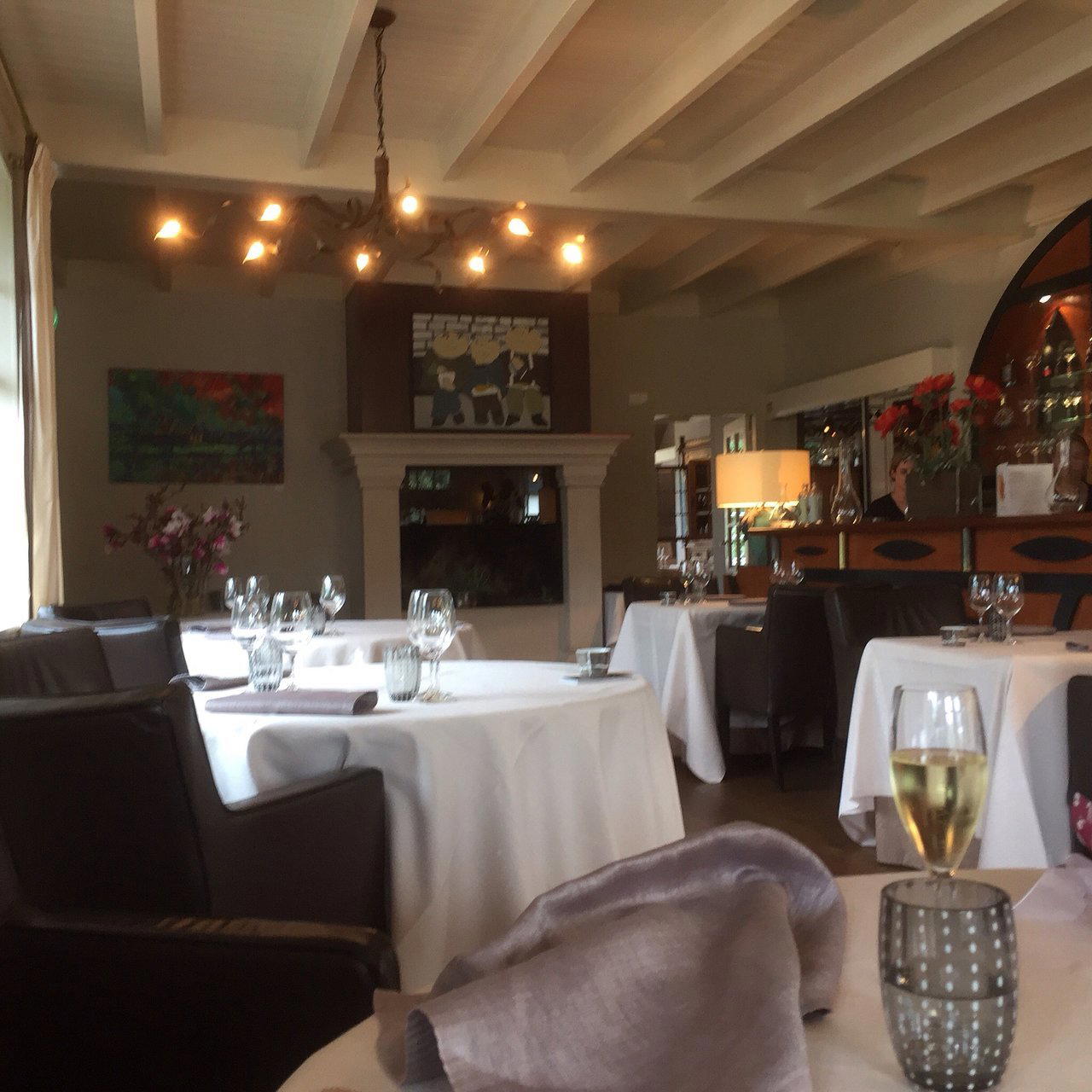
Bars in De Schiphorst
Browse all →
Hotels in De Schiphorst
Browse all →
At a Glance
- Romantic
- Elegant
- Cozy
- Scenic
- Intimate
- Sophisticated
- Date Night
- Special Occasion
- Celebration
- Garden
- Historic Building
- Private Dining
- Hotel Restaurant
- Extensive Wine List
- Local Sourcing
- Garden
Luxurious and elegant with spacious, private dining areas, beautiful natural light, and a serene, romantic atmosphere enhanced by surrounding gardens and forest.