Our verdict
Inform Café occupies a quiet address on Rue Georges Berger in Paris's 17th arrondissement, a district where the café format has quietly shifted from neighbourhood convenience to something more considered.

Pearl is the En Primeur Club membership app — saves, bookings, and concierge access live there. Same editors, same standards.
- Address
- 11 bis Rue Georges Berger, 75017 Paris, France
- Phone
- +33767916872
- Hours
- Mon ClosedTue–Fri 9:30 AM–5:45 PMSat 9:30 AM–6:45 PMSun 9:30 AM–5:45 PM
- Website
- informcafe.com
- Directions
- Get directions
- Booking
- Book on Zenchef
The menu
What to order
- Hokkaido Buns
- Croissant Benedict
- Cinnamon Roll
- Cheesecake
- Pancakes
A Quiet Corner of the 17th, and What It Signals
Paris's 17th arrondissement has never been the city's most photographed dining quarter. Bordered by the Batignolles village to the south and the broader Épinettes neighbourhood to the north, it operates at a remove from the grand-boulevard theatrics of the 8th or the self-conscious cool of the 11th. That distance, historically, produced a certain kind of address: the café or restaurant that exists for its own neighbourhood rather than for a tourist circuit, where regulars set the tempo and the room doesn't perform for newcomers. Inform Café, at 11 bis Rue Georges Berger, sits inside that tradition — a street-level presence in a district that rewards the reader willing to cross arrondissement lines.
The address is specific enough to matter. Rue Georges Berger runs through a stretch of the 17th where Haussmann-era residential blocks give way to quieter residential pockets, and where the rhythm of daily life — the morning croissant, the midday pause, the afternoon coffee, still governs what a café is expected to do. In a city where the café has been refashioned repeatedly, from zinc-counter institution to third-wave specialty operation, this kind of address frames a venue before you've read a single word about it.
The Café Format and Its Reinventions
Paris's café culture has undergone several visible shifts over the past two decades, and the current moment is arguably the most fragmented. At one end of the spectrum sit the grandes brasseries and historic café-terrasses, Flore, de la Paix, Les Deux Magots, operating as much on heritage positioning as on what they serve. At the other end, a wave of independently run specialty coffee operations has taken root in the Marais, Pigalle, and République corridors, importing Australian and Scandinavian coffee discipline into a city that had, for decades, treated the espresso as a contractual formality rather than a craft object.
Between those two poles, a smaller category of neighbourhood café has emerged: neither monument nor specialty showpiece, but a daily-use space shaped by a clearer editorial sensibility about what gets served and how. This is the format where addresses like Inform Café tend to be read, and it is a format that rewards consistency over spectacle. The 17th has seen several of these open and, in some cases, pivot over the past decade, adjusting menus, revising opening hours, reconsidering whether food or coffee is the primary offer. That kind of evolution is less a story of instability than of a format still working out its terms.
For context on what French dining ambition looks like at its most refined end, Alléno Paris au Pavillon Ledoyen and Arpège represent the city's creative apex. Kei and L'Ambroisie anchor the formal end of the French and modern-French spectrum, while Le Cinq at the Four Seasons Hôtel George V operates within the grand hotel register. These are reference points for understanding how Paris organises its dining ambitions across price tiers, the café format occupies a different register entirely, one where access and daily rhythm matter more than occasion dining.
The 17th as a Working Neighbourhood
Understanding Inform Café requires some understanding of the 17th's current character. The arrondissement has a split identity: the southern section, closer to the Arc de Triomphe and the 8th's border, carries the residual weight of a well-heeled residential area, while the northern stretches around Batignolles and the railway corridor are distinctly more mixed, with a younger demographic and a café-and-wine-bar culture that has been building gradually since the early 2010s. Rue Georges Berger sits within this northern register.
What this means in practical terms is that a café operating at this address is working in a neighbourhood where competition comes less from tourist footfall and more from local loyalty. That dynamic tends to produce a different kind of establishment than you find near the major tourist circuits, more focused on what regulars return for, less concerned with the first-impression choreography that addresses near the Louvre or the Seine tend to require.
France's broader café and restaurant culture, for comparison, is documented at its most considered outside Paris at addresses like Flocons de Sel in Megève, Mirazur in Menton, and Troisgros in Ouches, all operating in distinctly local registers despite their international recognition. That tension between local rootedness and wider visibility is one the French dining scene manages better than most. At the neighbourhood café level, Auberge de l'Ill and Bras in Laguiole represent the regional end of that same commitment to place.
What to Expect, and What Remains Open
This is itself a data point. In a city where the most-discussed addresses tend to generate significant public record, reviews, booking data, social presence, a sparse profile usually indicates one of two things: a venue operating deliberately below the radar of the review-and-rating cycle, or one in an earlier stage of establishing its public identity.
Either reading supports the same practical conclusion. For venues elsewhere in France with a clearer public profile, Paul Bocuse's Auberge du Pont de Collonges, AM par Alexandre Mazzia in Marseille, and Assiette Champenoise in Reims offer well-documented profiles across different price registers. Regionally, Au Crocodile in Strasbourg and Auberge du Vieux Puits in Fontjoncouse represent the kind of address where public record and visit experience closely align.
For visitors tracking the broader Paris dining picture across formats and price tiers, our full Paris restaurants guide maps the city's current offer from the Michelin-starred formal end through to neighbourhood addresses like this one. Internationally, Le Bernardin in New York and Atomix show how the French fine-dining tradition has been reinterpreted at distance, which in turn clarifies what the Paris original looks like by contrast.
Planning Your Visit
Inform Café is located at 11 bis Rue Georges Berger in the 17th arrondissement. The nearest Metro connections serve the northern 17th corridor, with Brochant (Line 13) and Rome (Line 2) providing the most direct access from central Paris.
Frequently asked questions
What's Inform Café's location?
Inform Café is located at 11 bis Rue Georges Berger, 75017 Paris, France, Paris.
Is Inform Café a good base for exploring the 17th arrondissement in Paris?
Rue Georges Berger sits within the northern 17th, a walkable residential quarter with proximity to the Batignolles area and its market street, Rue de Lévis. Inform Café's address at number 11 bis places it within reasonable reach of several independently operated addresses that have opened across the arrondissement over the past decade. For visitors structuring a half-day around the 17th rather than a single reservation, the neighbourhood geography supports it.
How far ahead should I plan for Inform Café?
Neighbourhood cafés in the northern 17th arrondissement typically operate on a walk-in basis, particularly outside weekend brunch hours. Arriving early in the day is the practical hedge if you are making a specific trip to Rue Georges Berger.
What makes Inform Café worth seeking out?
The address on Rue Georges Berger puts Inform Café inside one of Paris's quieter residential corridors, north of the Batignolles village and removed from the city's main tourist arteries. For visitors who have covered the established café circuit in the 10th and 11th, the northern 17th represents a different register: slower, more local, and less curated for outside audiences. That positioning alone separates it from the city's more photographed addresses.
Can Inform Café accommodate dietary restrictions?
The practical step is to visit in person at 11 bis Rue Georges Berger and ask directly. Until cuisine type is documented, specific dietary compatibility can change. Check the venue's official channels for the latest details.
A Credentials Check
Comparable venues nearby, for context on price, style, and recognition.
| Venue | Cuisine | Price | Notes |
|---|---|---|---|
| Inform CaféThis venue — the venue you are viewing | Modern French Brunch Café | $50–100 | Not listed |
| Au Petit Tonneau | Traditional French Bistro | $30–50 | Gros-Caillou |
| Causses | French Farm-to-Table Bistro & Gourmet Grocery | $20–30 | Marais / South Pigalle |
| Le 975 | Modern French Bistro | $30–50 | Montmartre (18th/17th arrondissement border) |
| Le Scheffer | Classic French Bistro | $30–50 | 16e Arr. - Passy |
| Les Éditeurs | Classic French Brasserie | $50–100 | 6th Arrondissement - Luxembourg - Saint Germain des Prés |
Continue exploring
More in Paris
Restaurants in Paris
Browse all →
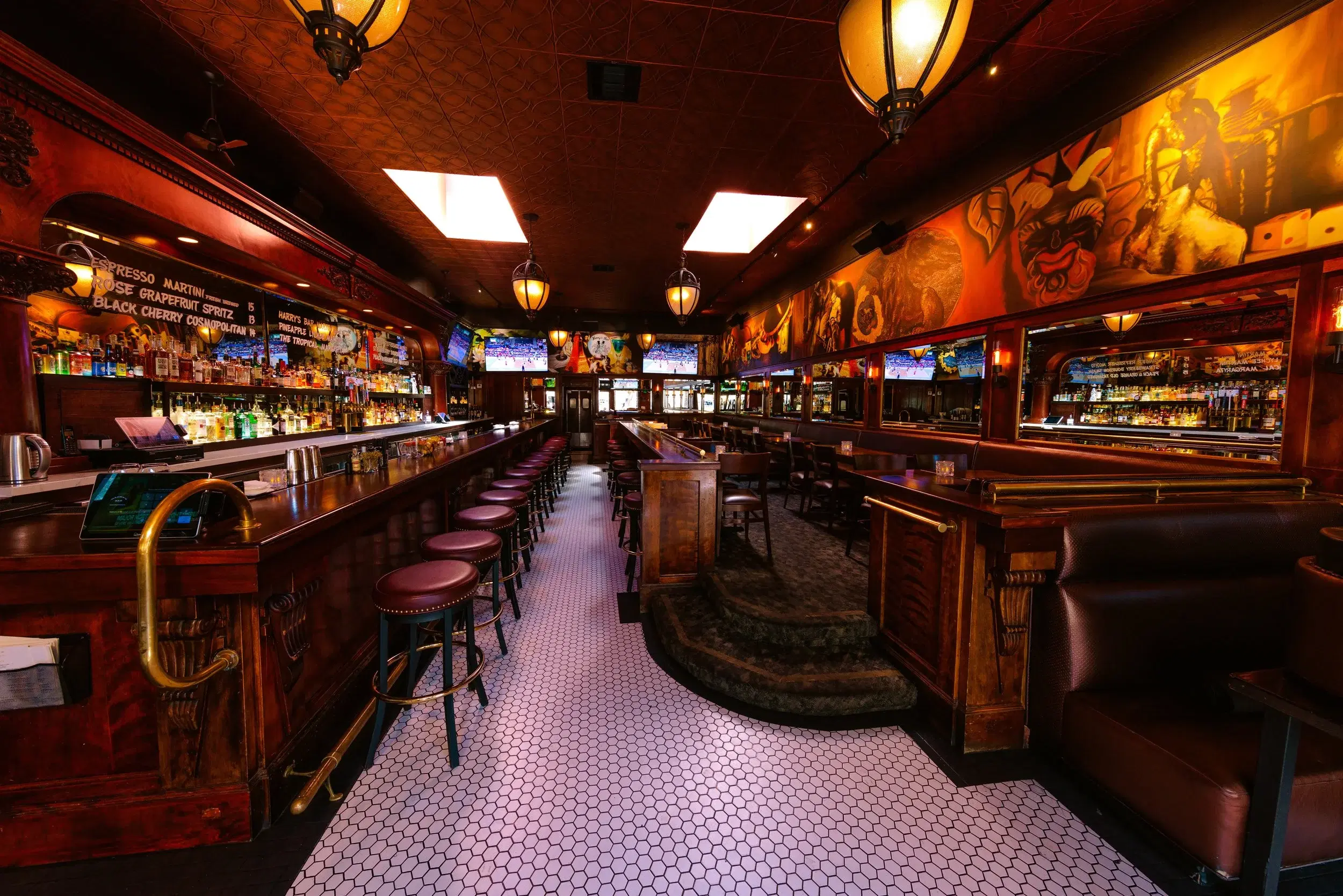
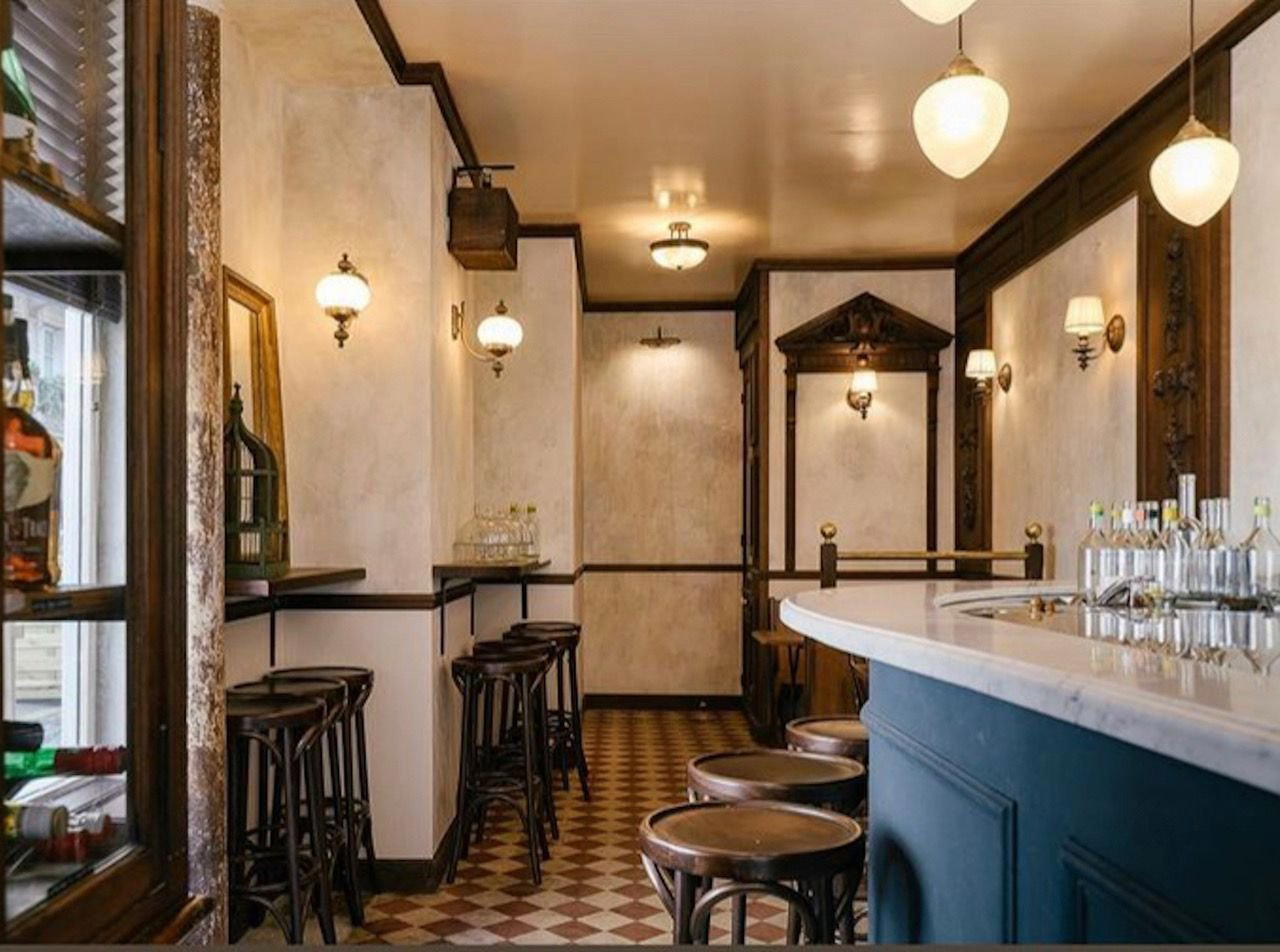
Bars in Paris
Browse all →
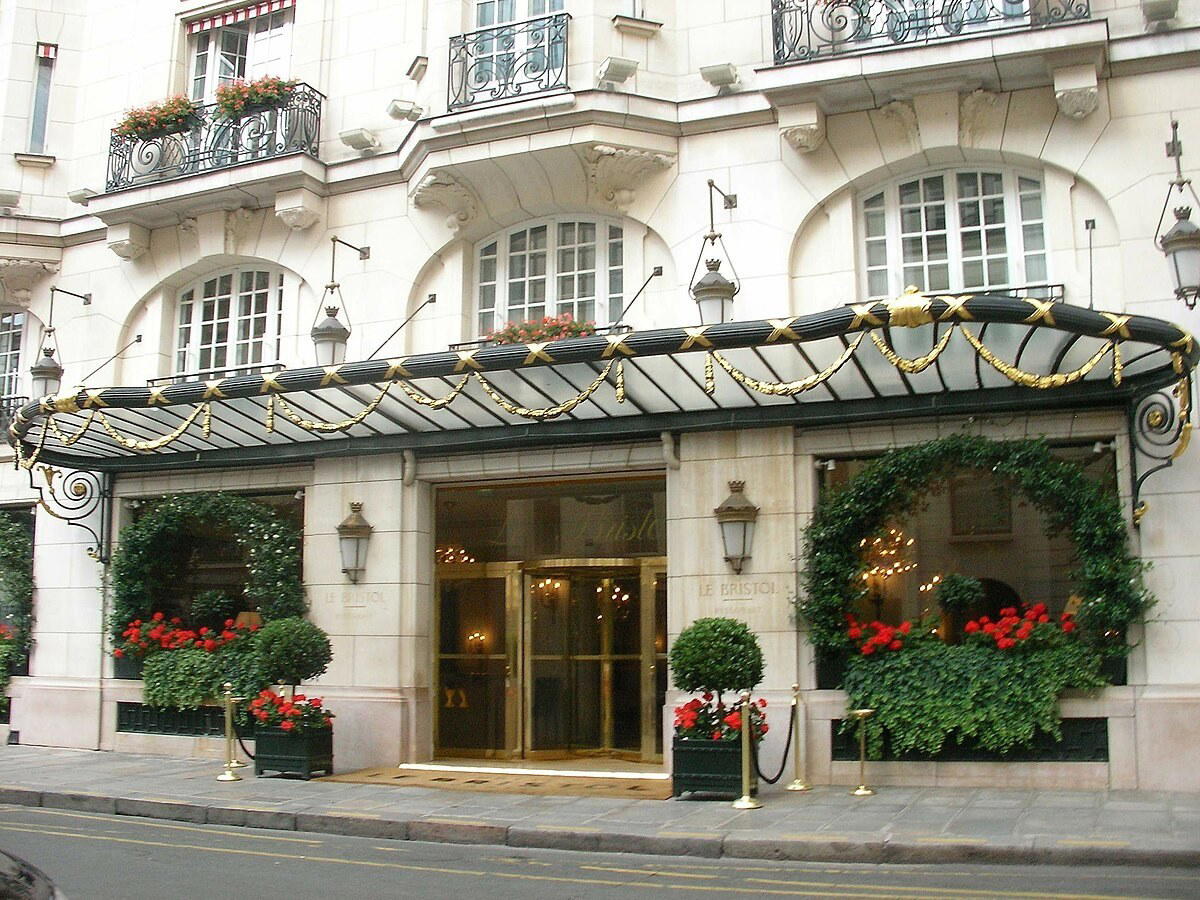
Hotels in Paris
Browse all →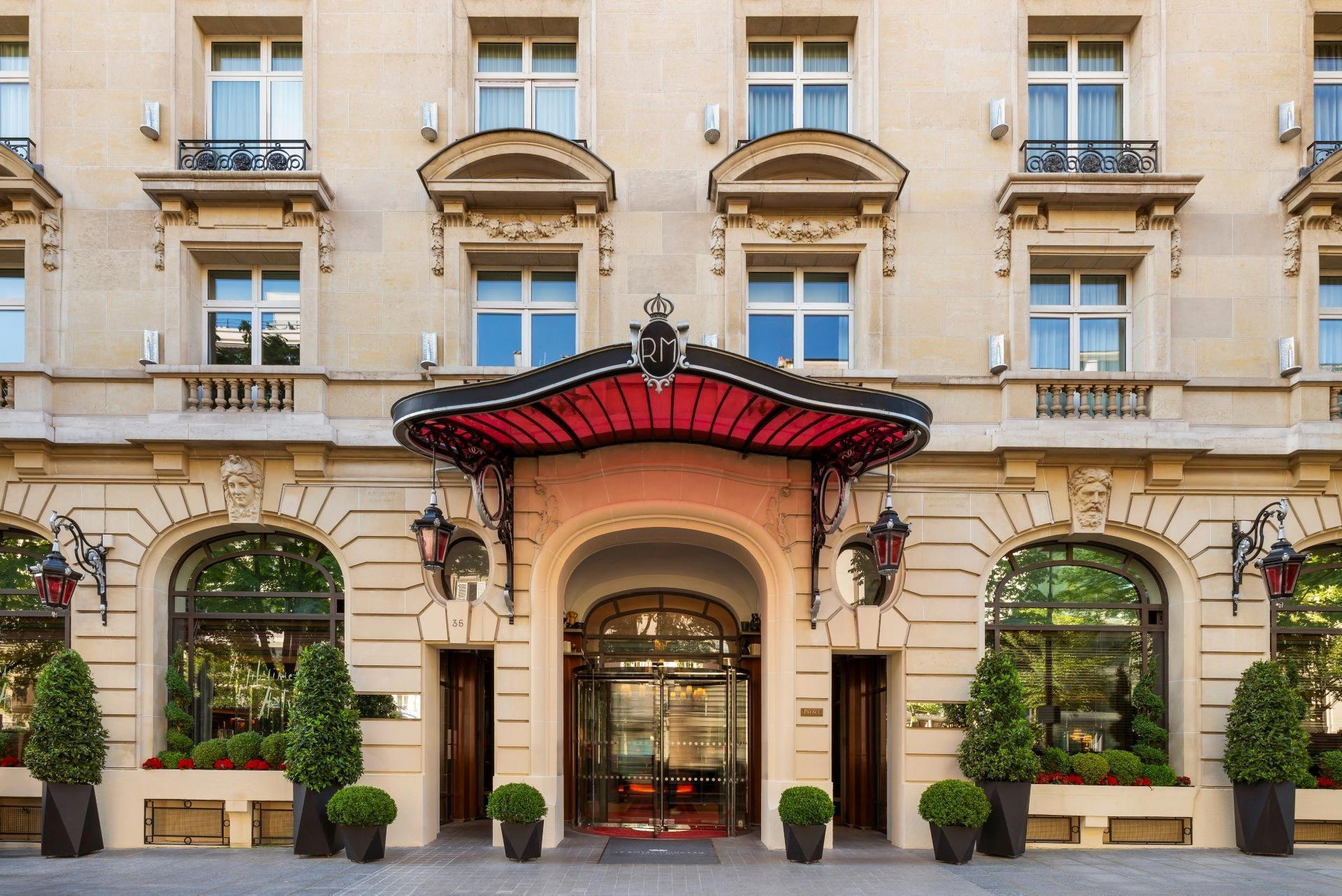



Details
- Modern
- Trendy
- Casual
- Cozy
- Brunch
- Casual Hangout
- Solo
- Family
- Historic Building
- Craft Cocktails
- Organic
- A La Carte
- Specialty Coffee
- Matcha Latte
- Golden Latte
- Fresh Juices
- Vegetarian Friendly
Current opening hours
- Monday
- Closed
- Tuesday
- 9:30 AM–5:45 PM
- Wednesday
- 9:30 AM–5:45 PM
- Thursday
- 9:30 AM–5:45 PM
- Friday
- 9:30 AM–5:45 PM
- Saturday
- 9:30 AM–6:45 PM
- Sunday
- 9:30 AM–5:45 PM
Hours can change for holidays and private events. Last verified .
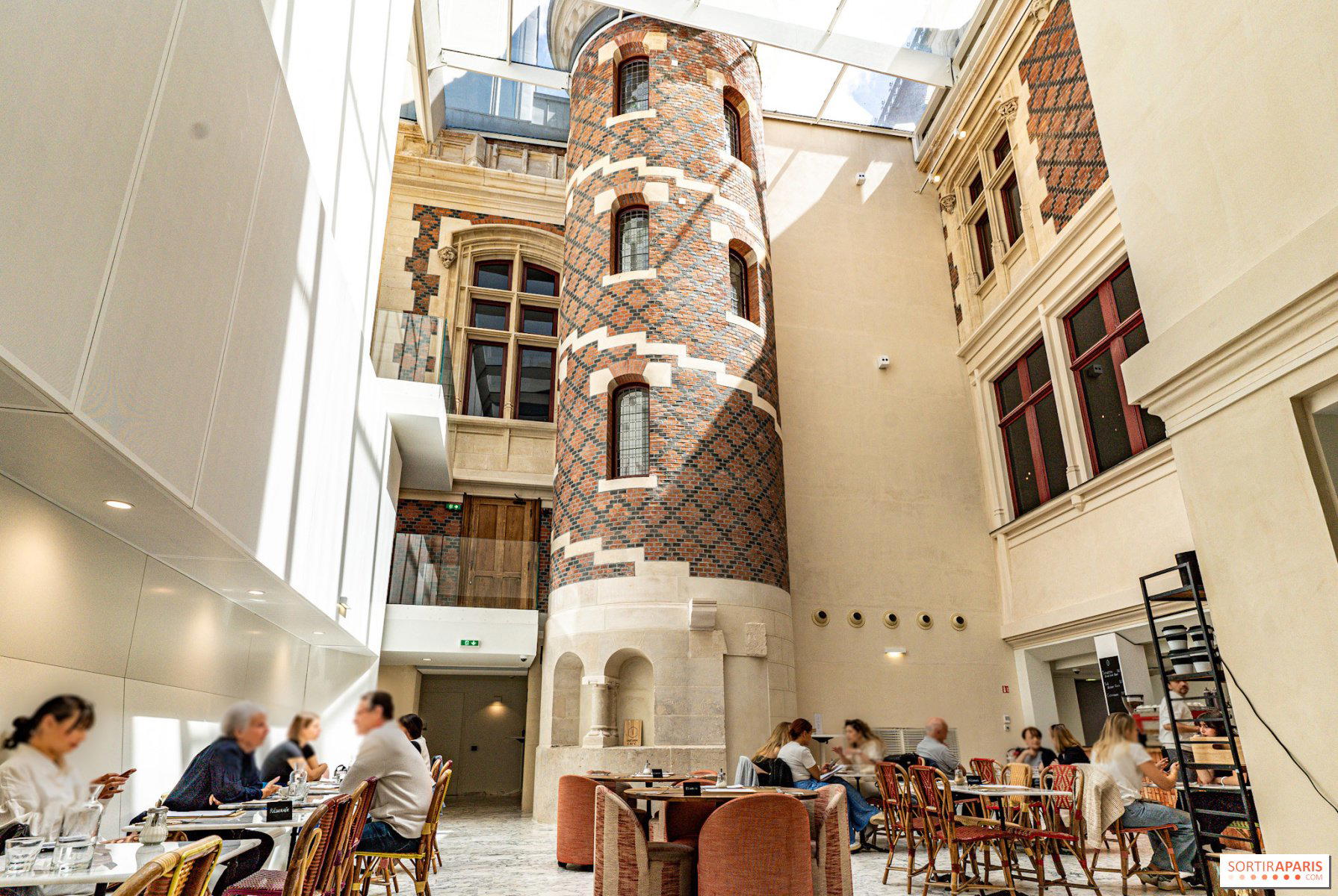
Contemporary and alternative atmosphere with air-conditioned comfort; surprisingly quiet despite glass roof design; bright and welcoming with modern aesthetic.