Our verdict
Au Petit Tonneau occupies a narrow address on Rue Surcouf in the 7th arrondissement, placing it squarely in the quieter, residential stretch of a district better known for grand institutional dining. The format here belongs to an older Parisian tradition: the neighbourhood bistro that serves the same quarter week after week, with little interest in external validation.

Pearl is the En Primeur Club membership app, where members save venues, book tables and use the concierge.
The menu
What to order
- Blanquette de veau
- Carré d'agneau
- Rognons
The 7th Arrondissement and the Bistro That Stays Put
Rue Surcouf runs quietly between the Esplanade des Invalides and the Seine, a street with more residents than tourists and more regulars than first-time visitors. This part of the 7th arrondissement has long carried a dual identity: it houses some of the most formally decorated dining rooms in France, from Michelin-rated institutions to hotel dining at the highest tier, yet it also sustains a network of small, neighbourhood-facing restaurants that operate on entirely different terms. Au Petit Tonneau at number 20 belongs firmly to the second category.
The bistro tradition this address represents is worth understanding before you book. Paris has two parallel restaurant economies running at once. One is well-documented: the city's creative and gastronomic flagships, places like Arpège or Alléno Paris au Pavillon Ledoyen, which operate within international circuits of awards, critics, and destination diners. The other is less photographed but in many respects more durable: the classic Paris bistro, which draws its legitimacy not from external recognition but from the loyalty of a postcode. Au Petit Tonneau operates in the second economy. That distinction shapes everything about how to approach it.
Approaching the Address
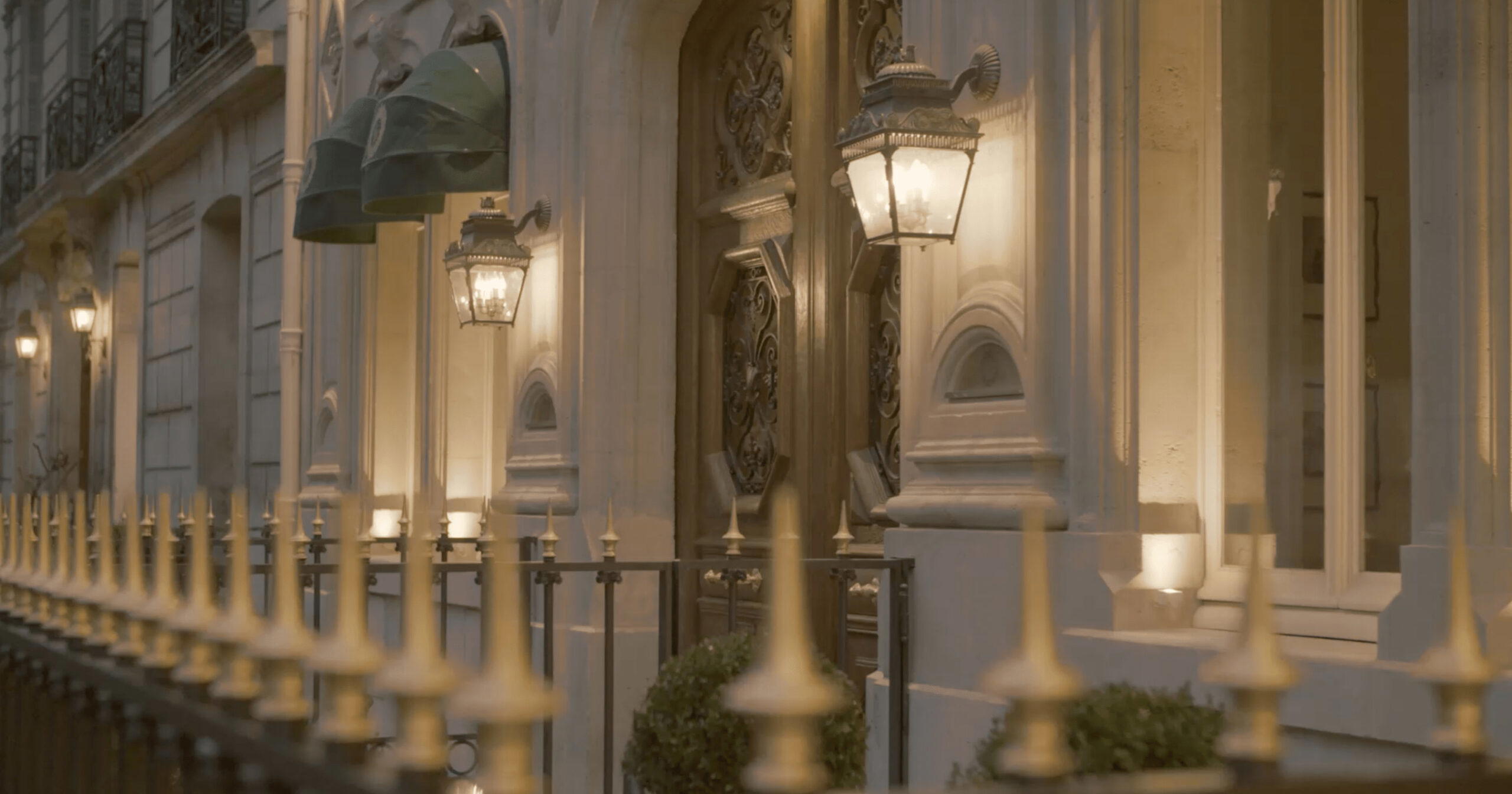
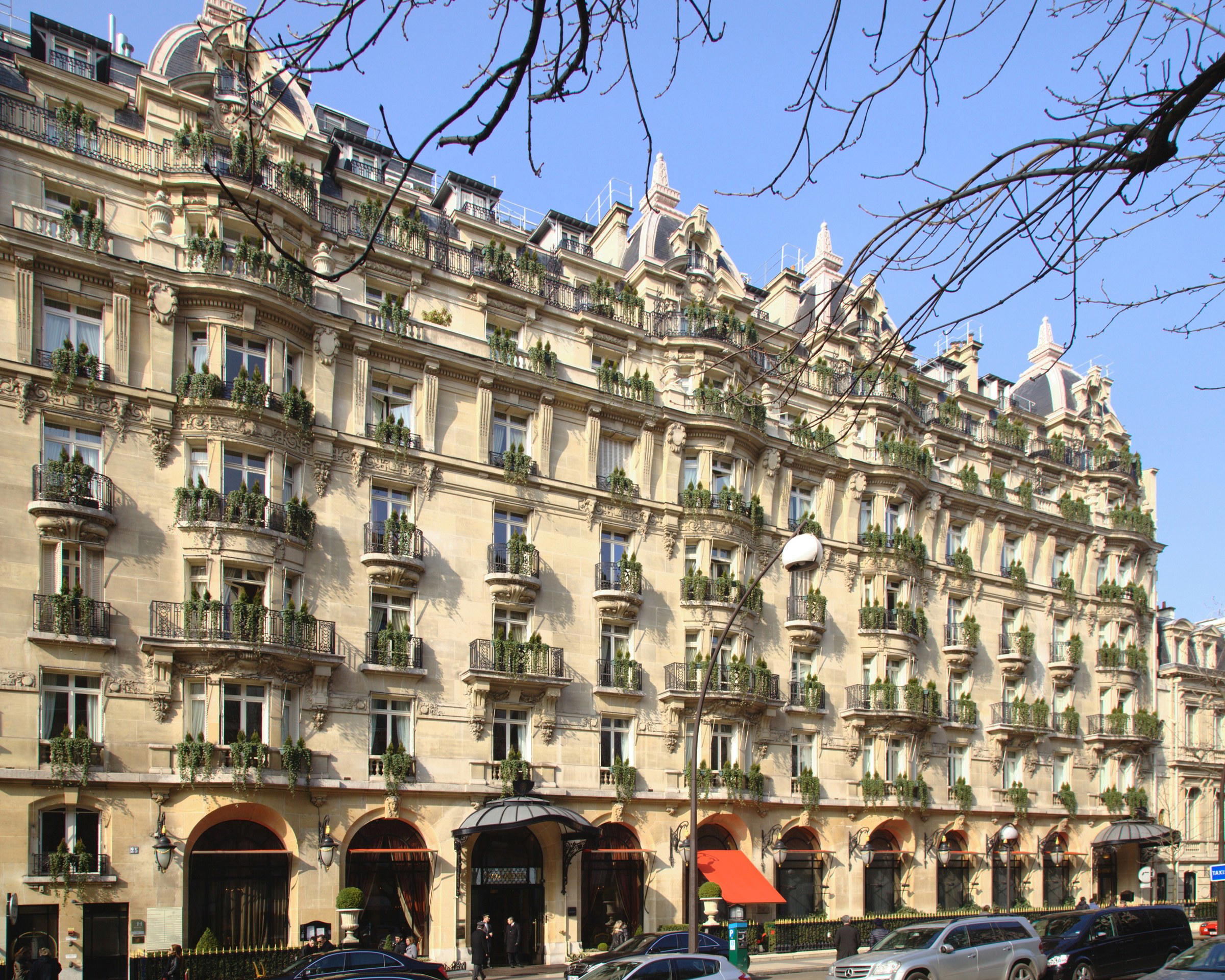
The physical approach tells you something about what to expect inside. The 7th is a neighbourhood of Haussmann facades and wide pavements, and Rue Surcouf matches that character: measured, unhurried, without the commercial density of the 6th or the tourist pressure of the areas around the Eiffel Tower a few blocks west. A bistro at this address is not competing for foot traffic. It is serving a clientele that already knows where it is going.
This kind of self-sufficiency is increasingly rare. Many of the Paris bistros that once operated this way have either converted to a more tourist-facing format, raised prices to match neighbourhood gentrification, or simply closed. The ones that remain in the 7th tend to be anchored by long-standing ownership and a menu that changes with the market rather than with food media trends. That anchoring is a useful frame for what Au Petit Tonneau offers, even if the specific menu details require verification before your visit.
Where This Fits in the Paris Dining Picture
The 7th arrondissement places Au Petit Tonneau in proximity to some of the most formally structured dining in Paris. L'Ambroisie, Kei, and Le Cinq at the Four Seasons Hôtel George V each represent the heavily credentialed end of Paris dining, with multi-course formats, extended wine programs, and price points that reflect both the product and the overhead of operating at that tier. For visitors building a Paris itinerary around the full range of French dining traditions, the contrast between those rooms and a neighbourhood bistro like Au Petit Tonneau is part of the point. France's provincial cooking tradition is also well represented at destinations further afield: Troisgros in Ouches, Bras in Laguiole, and Auberge de l'Ill in Illhaeusern all carry the weight of regional French cooking at its most considered. Au Petit Tonneau operates in a different register entirely, and that difference is its relevance.
Internationally, the bistro format has been interpreted and reinterpreted in cities from New York to San Francisco. Le Bernardin in New York shows one trajectory of French cooking transplanted abroad, while Lazy Bear in San Francisco represents a different evolution altogether. None of those comparisons diminish the original. A Paris bistro that has maintained its character and its postcode relationship through decades of change is making an argument about value that has nothing to do with tasting menus or wine pairings.
The Booking Reality
Small Paris bistros in residential arrondissements frequently close for August, take extended breaks around national holidays, and maintain limited service on certain days of the week. None of those specifics can be confirmed from the available record, and assuming otherwise risks a wasted trip.
For broader context on Paris restaurant logistics, our full Paris restaurants guide covers booking patterns across price tiers and neighbourhoods. Visitors who are also planning time outside Paris may want to cross-reference with dining options in other regions: Flocons de Sel in Megève, Mirazur in Menton, and Les Prés d'Eugénie in Eugénie-les-Bains all require advance planning with lead times measured in weeks or months. Au Petit Tonneau operates in a different planning window, but confirmation remains necessary.
Planning Comparison: Au Petit Tonneau vs. Peer Formats
| Venue Type | Typical Booking Lead Time | Price Tier | Format |
|---|---|---|---|
| Au Petit Tonneau (neighbourhood bistro, 7th arr.) | Days to 1 week (confirm directly) | Not confirmed, verify before visit | À la carte bistro |
| Paris gastronomic (e.g. Arpège) | 4–8 weeks minimum | €€€€ | Multi-course tasting |
| Provincial maison (e.g. Paul Bocuse, Collonges) | 2–4 weeks | €€€–€€€€ | Classic multi-course |
| Destination regional (e.g. Georges Blanc, Vonnas) | 2–6 weeks | €€€€ | Grand maison format |
| Rural auberge (e.g. Auberge du Vieux Puits) | 3–8 weeks | €€€–€€€€ | Regional tasting menu |
| Southern table (e.g. La Table du Castellet) | 1–3 weeks | €€€–€€€€ | Contemporary regional |
Frequently asked questions
What's the signature dish at Au Petit Tonneau?
Au Petit Tonneau operates in the Paris neighbourhood bistro tradition, which typically centres on seasonal French cooking. For current menu details, contact the restaurant directly before visiting, do not rely on third-party listings, which may reflect outdated information.
Do I need a reservation for Au Petit Tonneau?
For a bistro in the 7th arrondissement with a local residential clientele, reservations are advisable for dinner service and weekday lunch. Paris neighbourhood bistros of this type rarely hold walk-in tables on busy evenings.
What's Au Petit Tonneau leading at?
Au Petit Tonneau's positioning is as a neighbourhood bistro rather than a destination gastronomic venue. Its strength, consistent with that format in Paris, is likely rooted in the consistency and familiarity it provides to a local clientele rather than in the credentialed innovation that drives places like Kei or L'Ambroisie. Specific dish or service strengths should be confirmed through current guest reviews.
What if I have allergies at Au Petit Tonneau?
If you have allergies or dietary requirements, the appropriate step is to contact the restaurant directly before booking. In France, restaurants are legally required to provide allergen information on request, but smaller bistros may have limited menu flexibility compared to larger gastronomic operations. Confirming your requirements in advance, ideally in French, is the most reliable approach.
Should I splurge on Au Petit Tonneau?
Within the Paris bistro tier, however, the category typically prices well below the €€€€ bracket occupied by venues like Le Cinq or Alléno Paris. The decision to visit is less about budget commitment and more about what you want from a Paris meal: institutional gastronomy and tasting menus sit elsewhere in the 7th; a seat in a functioning neighbourhood restaurant is a different kind of value proposition entirely.
Is Au Petit Tonneau a good choice for a long, unhurried lunch in Paris?
The traditional Paris bistro format, which Au Petit Tonneau's address and character suggest, tends to suit long midweek lunches better than rushed tourist itineraries. In the 7th arrondissement, lunchtime service at this type of restaurant draws a local professional clientele rather than a high-turnover crowd, making it a format that rewards an unhurried approach. Confirm current lunch service days directly with the venue, as smaller Paris bistros sometimes limit lunch to specific days of the week.
Recognition Snapshot
A small set of peers for context, based on recorded venue fields.
| Venue | Cuisine | Price | Awards | Notes |
|---|---|---|---|---|
| Au Petit TonneauThis venue (the venue you are viewing) | Traditional French Bistro | $30–50 | Not listed | Not listed |
| Alléno Paris au Pavillon Ledoyen | Modern French Fine Dining | $150–200 | 3 Michelin Stars · World's 50 Best #79 | Creative |
| Kei | Modern French with Japanese Influences | $300–500 | 3 Michelin Stars · World's 50 Best #93 | Contemporary French, Modern Cuisine |
| L'Ambroisie | Classic French Haute Cuisine | $300–500 | 2 Michelin Stars · World's 50 Best #23 | French, Classic Cuisine |
| Le Cinq - Four Seasons Hôtel George V | Modern French Fine Dining | $300–500 | 3 Michelin Stars · World's 50 Best #24 | French, Modern Cuisine |
| Pierre Gagnaire | Avant-Garde French Fine Dining | $200–300 | 3 Michelin Stars · World's 50 Best #17 | French, Creative |
Continue exploring
More in Paris
Restaurants in Paris
All restaurants in Paris →
Bars in Paris
All bars in Paris →



Details
- Classic
- Cozy
- Intimate
- Date Night
- Special Occasion
- Historic Building
- Extensive Wine List
- A La Carte
Current opening hours
- Monday
- 12–2:30 PM, 7–10:15 PM
- Tuesday
- 12–2:30 PM, 7–10:15 PM
- Wednesday
- 12–2:30 PM, 7–10:15 PM
- Thursday
- 12–2:30 PM, 7–10:15 PM
- Friday
- 12–2:30 PM, 7–10:15 PM
- Saturday
- 12–2:30 PM, 7–10:15 PM
- Sunday
- 12–2:30 PM, 7–10:15 PM
Hours can change for holidays and private events. Hours as of .
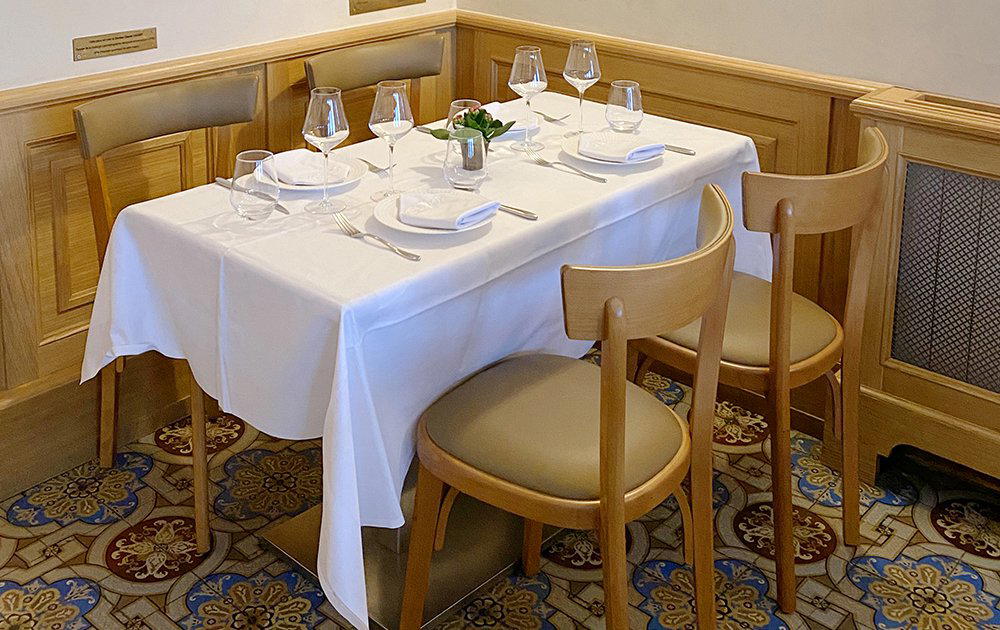
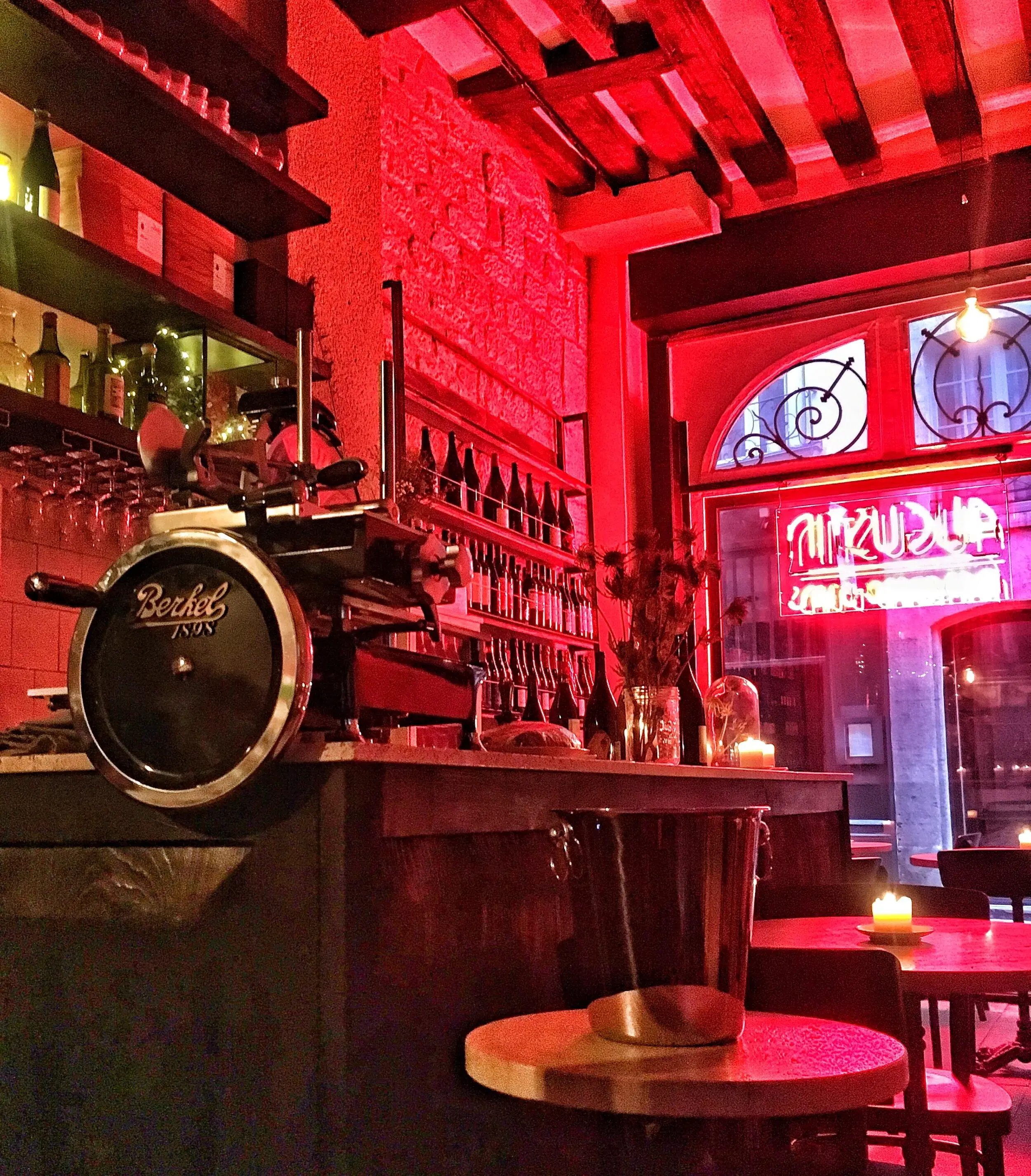
Cozy retro atmosphere with red checkered tablecloths, vichy cloths, ancient fleur-de-lis tiled floors, and closely spaced tables fostering neighborly conversations.