An épicerie fine and charcuterie counter on Rue Notre Dame de Lorette, Causses sits in South Pigalle's independent food corridor rather than the grand restaurant circuit. The format is built around curated French regional produce, cheese, and cured meats. It operates as a neighbourhood resource first, making it a useful reference point for understanding Paris's mid-tier produce culture.
Pearl is the En Primeur Club membership app — saves, bookings, and concierge access live there. Same editors, same standards.
- Address
- 55 Rue Notre Dame de Lorette, 75009 Paris, France
- Phone
- +33 1 53 16 10 10
- Website
- causses.org
- Directions
- Get directions
 Saves & bookings on Pearl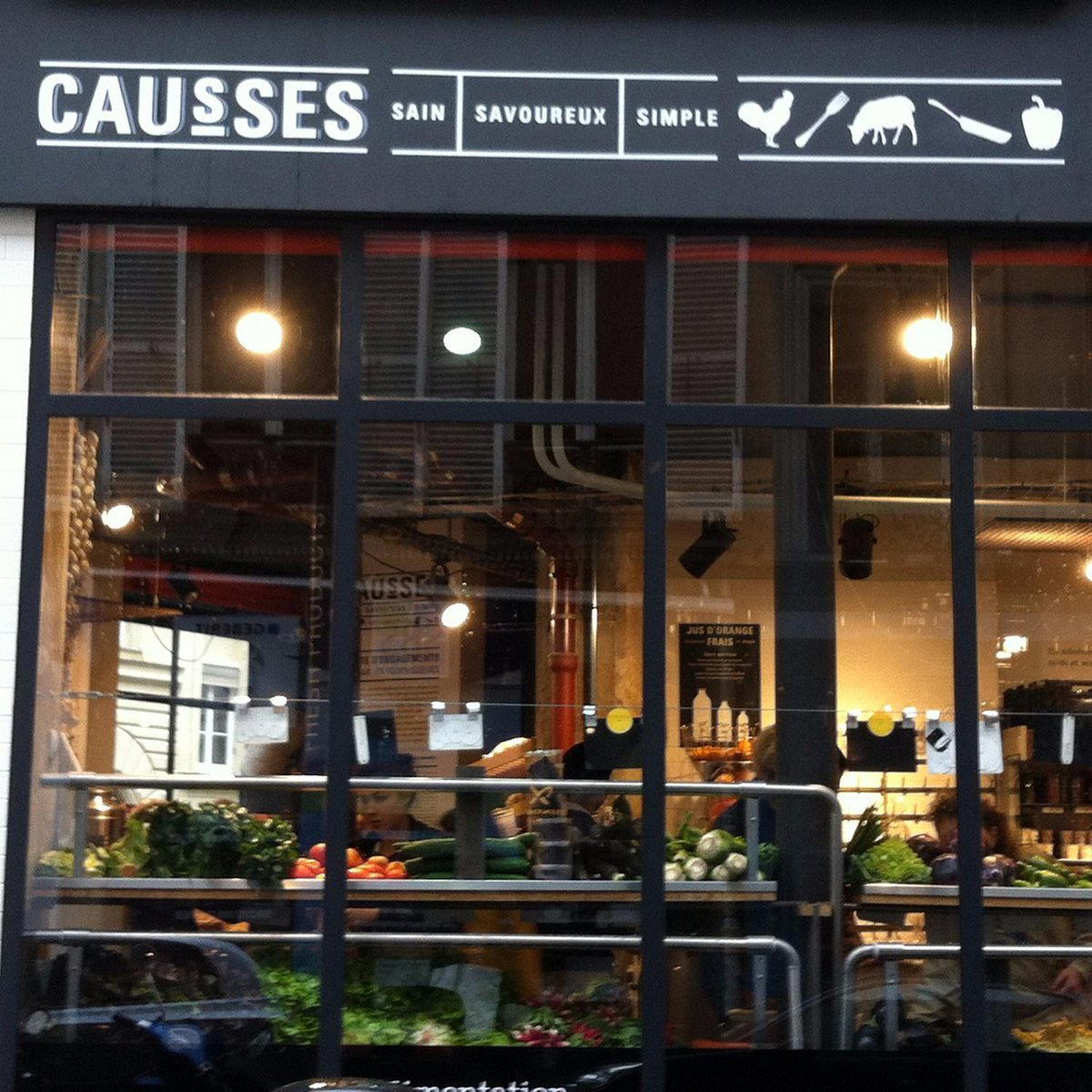
South Pigalle and the Grocery Counter That Reframes the 9th
The stretch of Rue Notre Dame de Lorette that climbs from the boulevard toward Montmartre has long functioned as a transitional zone in Paris's 9th arrondissement: too far south to feel like proper Montmartre, too far north to belong to the grands boulevards below. That in-between quality suits Causses, an address at number 55 that occupies the format of a high-end grocery and charcuterie counter rather than a restaurant in any conventional sense. Arriving here, you are not greeted by a maitre d' or a reservation lectern. You encounter shelves, a counter, cured meats, cheeses, and the particular organised chaos of a shop that takes its sourcing seriously.
South Pigalle, or SoPi as the neighbourhood is sometimes abbreviated, consolidated its identity over the past decade as a corridor for independent food addresses that sit between the casual and the considered. Causses fits that pattern precisely. The format, a cave à manger or epicerie fine with room to eat, is a Parisian archetype that has been around for generations, but the 9th's version of it skews younger and more produce-focused than its counterparts in the 6th or the Marais. For visitors orienting themselves in the Paris food scene, this address works as a practical primer on the city's mid-tier produce culture: the tier that sits below the white-tablecloth world of L'Ambroisie or Le Cinq at the Four Seasons George V, but above the ordinary neighbourhood traiteur.
What the Epicerie Fine Format Actually Means
France has a long-established tradition of the épicerie fine: a specialty grocery that curates produce, charcuterie, cheese, wine, and preserves at a level well above supermarket quality. The format lives somewhere between a deli and a wine merchant, and its better practitioners double as informal lunch and grazing destinations. In Paris, the category ranges from historic institutions like Fauchon and Hediard to smaller neighbourhood operations, and Causses belongs to the latter grouping, with a shop floor organised around French regional producers.
The distinction that separates serious epiceries fines from generic delis lies in the sourcing discipline: which cheesemakers, which curing operations, which regional oils and vinegars make the selection, and whether the selection changes with season and availability rather than staying fixed to a standing list of easy-to-source items. That sourcing logic is the lens through which Causses should be understood. It does not compete with the three-star tasting menu format of Alléno Paris au Pavillon Ledoyen or the creative precision of Arpège. It competes within a different register entirely, one where the quality signal is in the product itself rather than the transformation of it.
The same philosophy underpins some of France's most admired destination restaurants, even if the scale differs dramatically. Bras in Laguiole built its reputation on the produce of the Aubrac plateau. Mirazur in Menton anchors its menus in the garden and the Mediterranean immediately surrounding the building. The produce-first argument runs through French fine dining at every level, from the starred kitchen to the neighbourhood counter.
SoPi as a Context for the Visit
Understanding the neighbourhood is inseparable from understanding why Causses functions the way it does. The 9th arrondissement's southern slope, between Pigalle and the grands boulevards, developed its current food character through a combination of relatively accessible rents and a resident population with higher food literacy than most Parisian postcodes. The result is a concentration of small producers, natural wine bars, and specialty food shops that feel oriented toward a local clientele rather than a tourist circuit.
That local orientation matters for the experience. Causses operates as a neighbourhood resource first and a destination second. Parisians who live in the area use it differently from visitors who have made a specific trip: the former stop in for charcuterie to take home or a glass of wine at the counter, the latter tend to spend longer assembling a grazing plate and taking stock of the shop. Both uses are valid, and the format accommodates them without prioritising one over the other.
For visitors building a wider Paris itinerary, the 9th sits at a useful geographic midpoint. The address on Rue Notre Dame de Lorette is walkable from Pigalle, from the department stores of the 8th, and from the lower end of Montmartre. Pairing a visit here with time at other SoPi addresses gives a more textured read on the city's food scene than concentrating entirely in the more obvious tourist corridors. Those planning a broader sweep of French culinary reference points can extend the context further: Flocons de Sel in Megève, Troisgros in Ouches, and Auberge de l'Ill in Illhaeusern all work as regional anchors for a serious eating trip through France.
Planning the Visit
Causses at 55 Rue Notre Dame de Lorette operates as a shop with counter dining rather than a traditional restaurant, which changes the logistics considerably. A reservation in the formal sense is generally not required for counter grazing or shopping, though tables or seated arrangements, if available, may warrant checking ahead directly. The address is closest to the Notre-Dame-de-Lorette metro station on line 12, placing it within easy reach of most central Paris hotels. The format suits a late morning or early afternoon visit, when charcuterie and cheese selections are at their fullest and the space operates at a pace that allows for unhurried browsing.
For context on where Causses sits in the wider Paris picture, our full Paris restaurants guide maps the city by neighbourhood, format, and price tier, including coverage of addresses from the creative Franco-Japanese precision of Kei to the classical French institution of Paul Bocuse. French gastronomy has international reach too: Le Bernardin in New York and Lazy Bear in San Francisco both show how French culinary frameworks translate in different cultural contexts.
How Causses Paris compares with similar nearby venues.
| Venue | Cuisine | Price |
|---|---|---|
| Benjamin Schmitt Restaurant | Traditional Cuisine | €€€ |
| Le Comptoir Boutary | Modern Cuisine | €€€ |
| Les Canailles Pigalle | Traditional Cuisine | €€ |
Continue exploring
More in Paris
Restaurants in Paris
Browse all →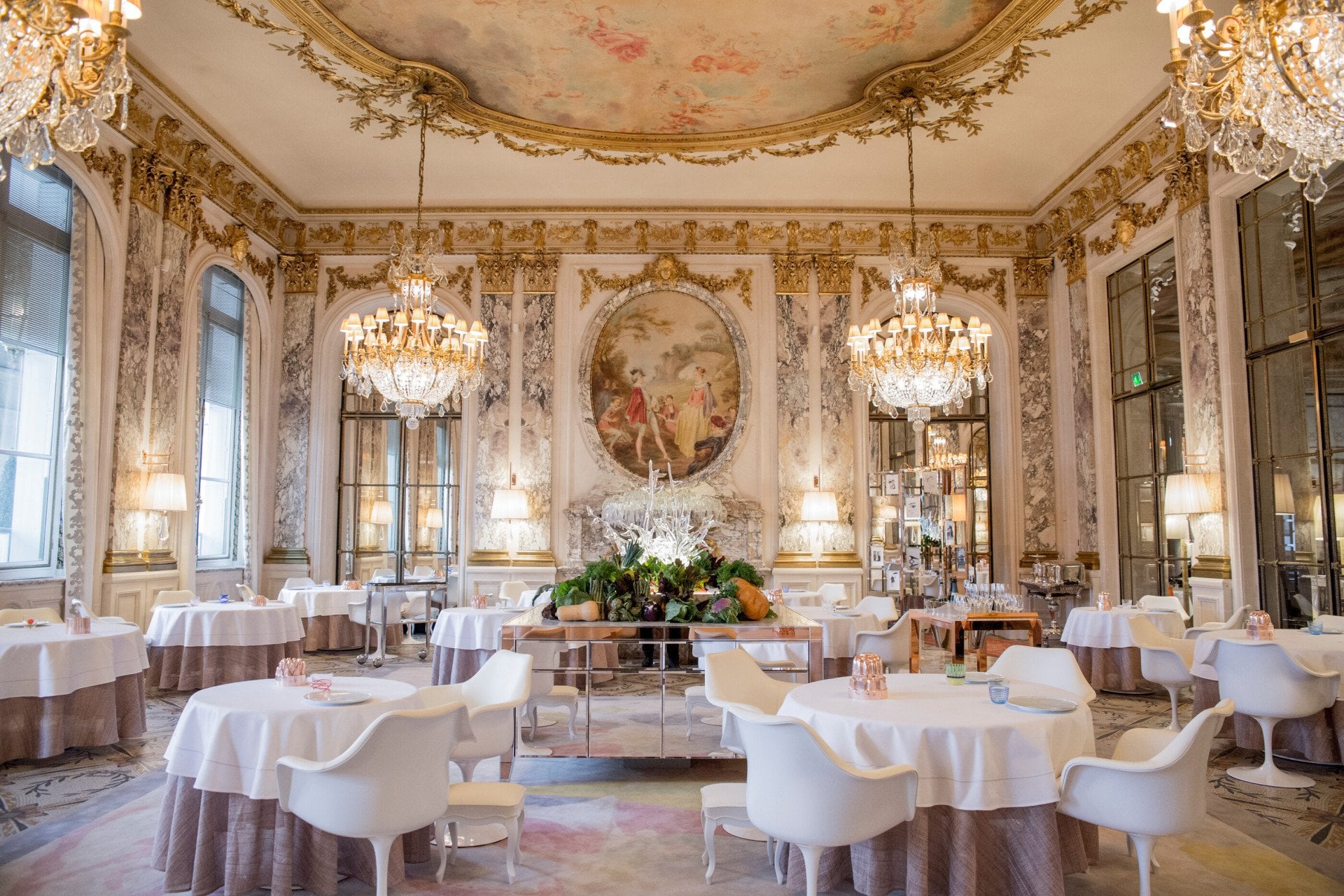
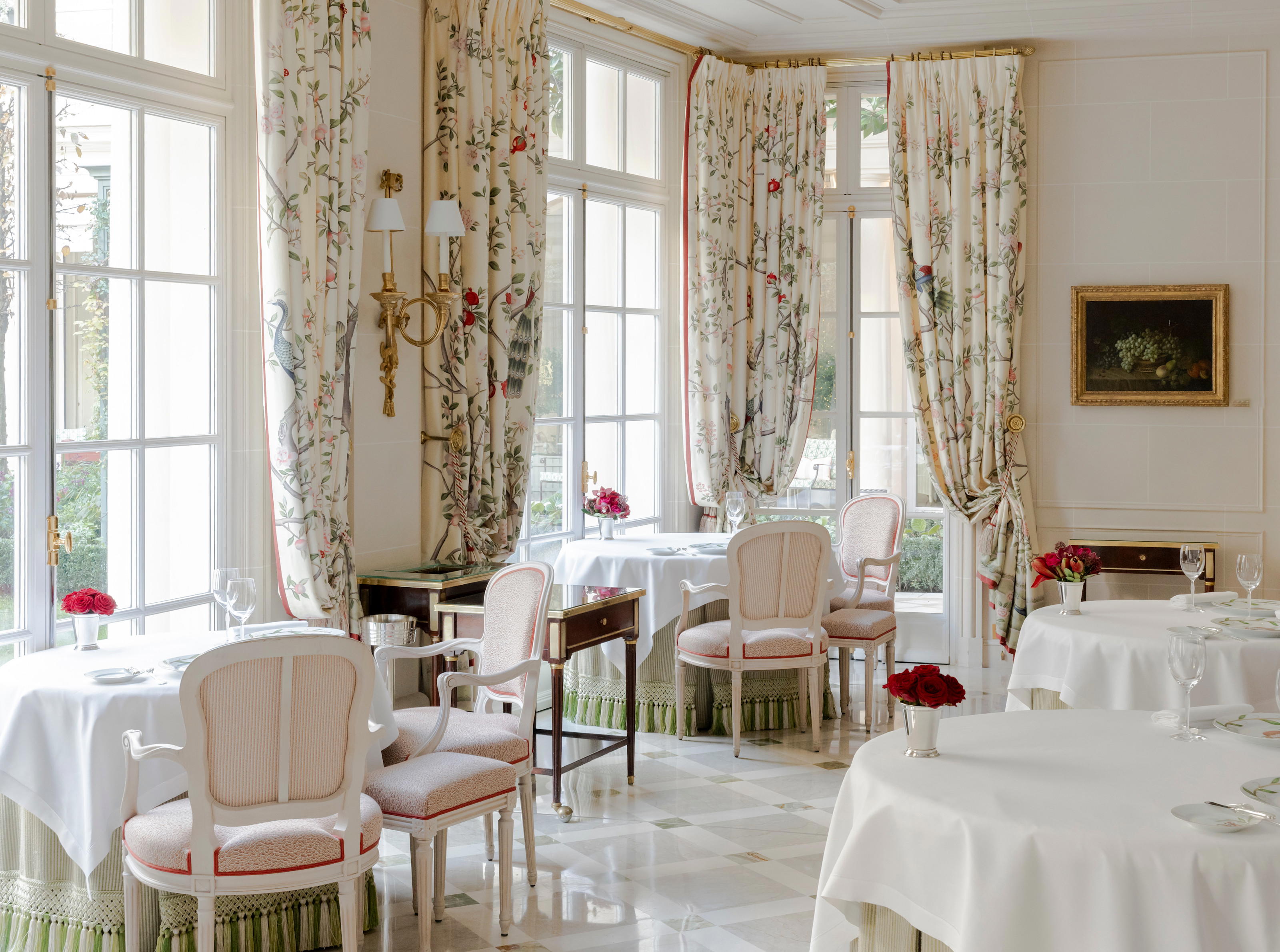
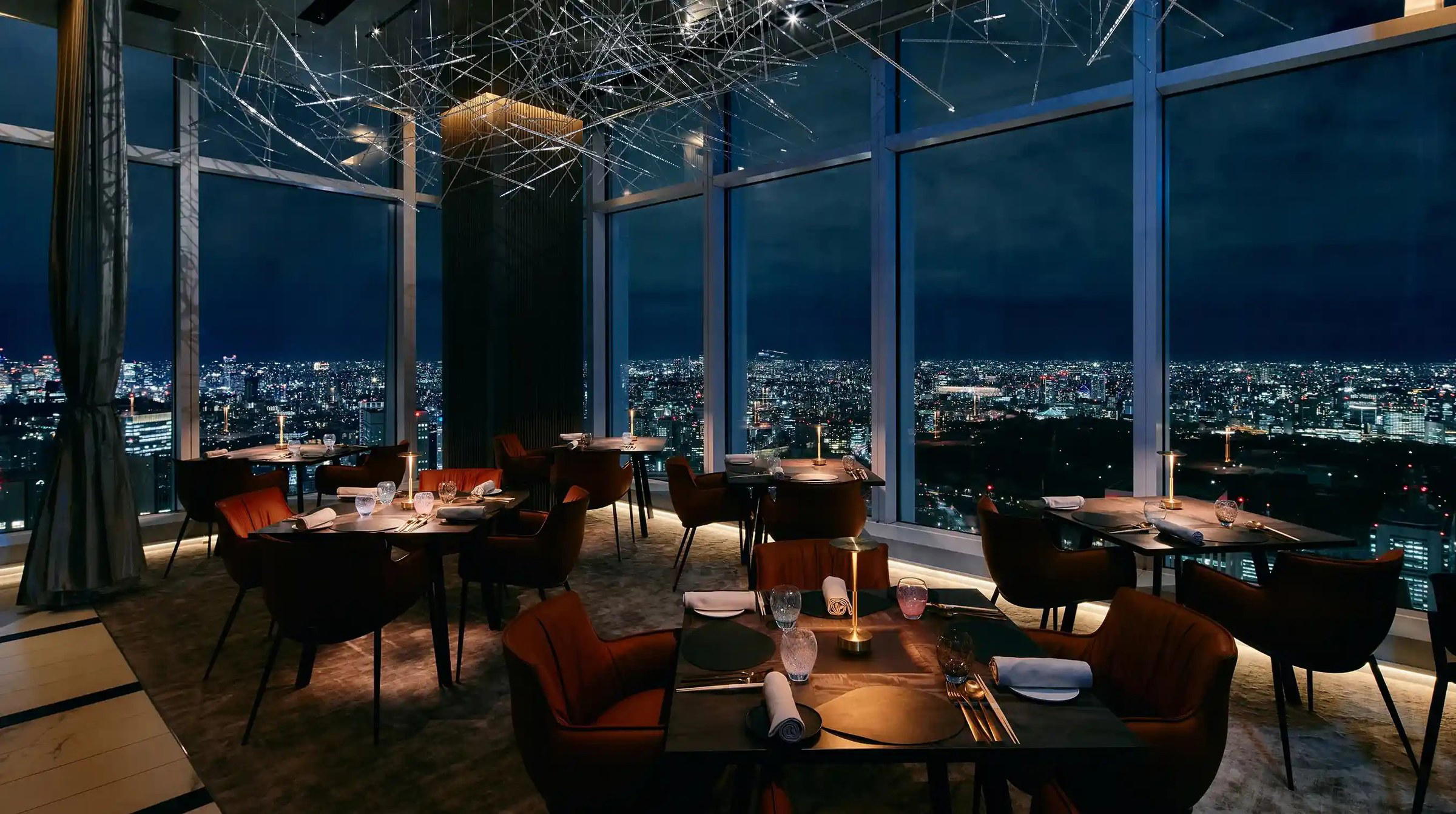
Bars in Paris
Browse all →

Hotels in Paris
Browse all →



At a Glance
- Bohemian
- Cozy
- Casual
- Brunch
- Casual Hangout
- Group Dining
- Solo
- Standalone
- Farm To Table
- Organic
- Local Sourcing
Current opening hours
- Monday
- 10 AM–9 PM
- Tuesday
- 10 AM–9 PM
- Wednesday
- 10 AM–9 PM
- Thursday
- 10 AM–9 PM
- Friday
- 10 AM–9 PM
- Saturday
- 10 AM–9 PM
- Sunday
- 10 AM–1 PM
Hours can change for holidays and private events. Last verified .
Homely, boho dining room with a warm, welcoming atmosphere that feels like a local neighborhood gathering space.