Our verdict
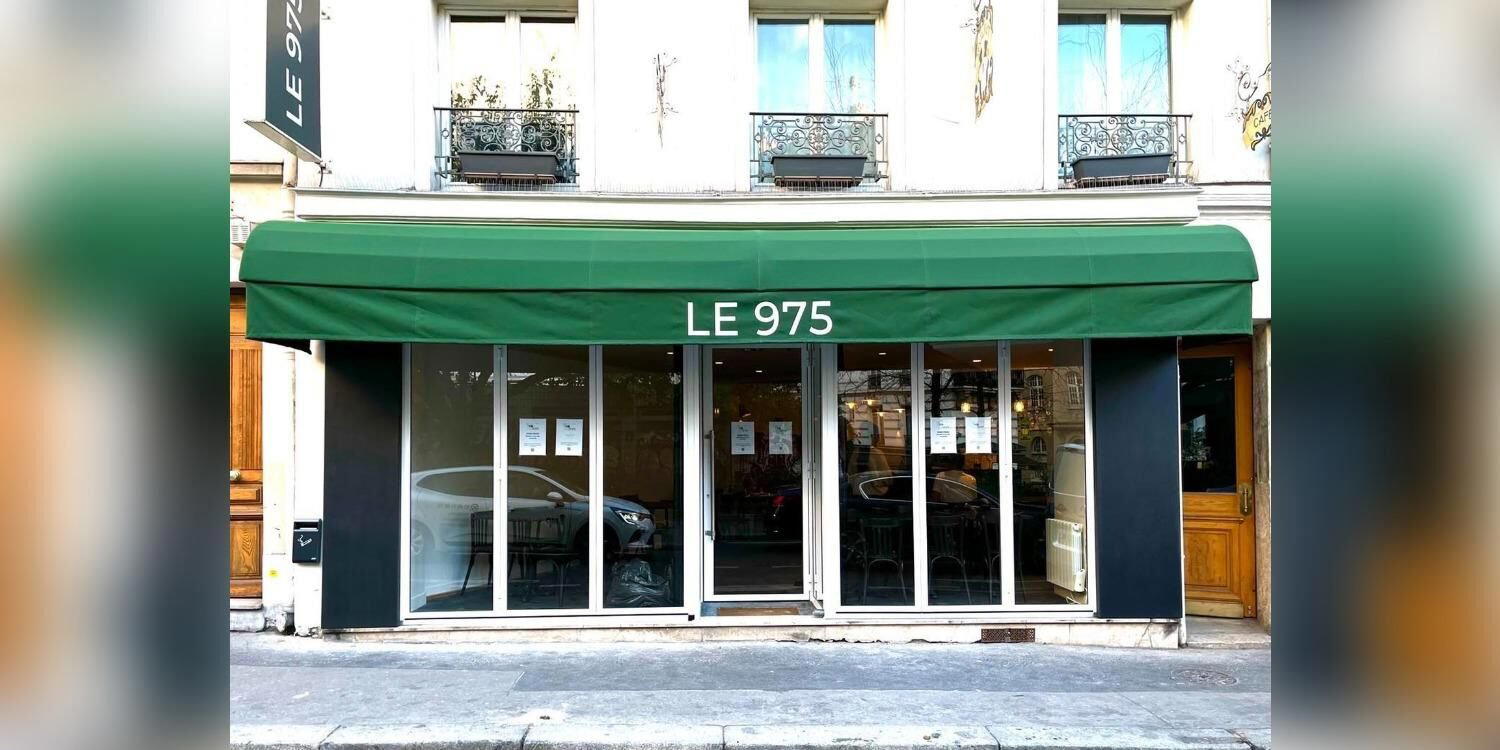
Le 975 sits on Rue Marcadet in the 18th arrondissement, a stretch of Paris where neighbourhood bistros and low-profile addresses coexist well away from the tourist circuit. The address alone signals something deliberate: a restaurant that positions itself against the grain of central Paris dining, where the wine list and kitchen philosophy tend to speak louder than any surrounding fanfare.

Pearl is the En Primeur Club membership app — saves, bookings, and concierge access live there. Same editors, same standards.
- Address
- 185 Rue Marcadet, 75018 Paris, France
- Phone
- +33954957158
- Hours
- Mon–Fri 12–2 PM, 7:30–9:45 PMSat–Sun Closed
- Website
- le975.com
- Directions
- Get directions
- Booking
- Book on Zenchef
The menu
What to order
- Octopus and Shrimp Ceviche
- Seared Tuna
- Pork Confit
- Risotto with Porcini Mushrooms
- Filet of Scorpion Fish with Saffron Cream
Montmartre's Quieter Register
Paris dining has a well-documented geography of prestige. The 18th works differently. On Rue Marcadet, the architectural register drops, the foot traffic changes, and restaurants that choose this postcode are generally making a statement about priorities: neighbourhood over prestige address, substance over theatrical setting. Le 975, at number 185, belongs to that tradition of deliberate displacement from the obvious.
The street runs through the lower slopes of Montmartre, east of the hilltop tourist concentration and closer to the working fabric of the arrondissement. This is not a dining destination in the way that the Place du Tertre area functions for visitors, nor does it carry the self-conscious cool of, say, the 10th or 11th. It is simply a Parisian street with a restaurant on it that appears to have earned its local standing through consistency rather than positioning.
The Case for the Wine-Led Address
France's most argued-about restaurant category is not the three-star palace or the neighbourhood bistro. It is the mid-tier address in a residential arrondissement that organises itself around the cellar first and the kitchen second. This model has produced some of France's most durable dining institutions: places where the wine list carries editorial weight, where the sommelier's selections drive the menu conversation rather than follow it, and where a bottle chosen well becomes the real throughline of a meal.
Across France, this philosophy has taken root in unexpected postings. Auberge du Vieux Puits in Fontjoncouse operates in a village of fewer than 200 people and holds three Michelin stars; Bras in Laguiole built its reputation on the Aubrac plateau, far from any metropolitan restaurant circuit. The logic connecting these addresses is that serious food and wine culture does not require a prestigious postcode. Le 975 on Rue Marcadet works within a similar premise at the city scale: the 18th arrondissement is not where Parisian dining media typically focuses, which is precisely why an address with genuine cellar depth can earn disproportionate loyalty from those who find it.
The wine-led format, when executed with rigour, tends to attract a specific kind of regular: someone who arrives with a bottle in mind, who asks the sommelier before looking at the menu, and who measures a meal by how well the kitchen tracked the arc of what was poured. That is a different transaction from the one offered at Arpège or Kei, where the kitchen's ambition is the primary organising principle and the cellar serves it.
Where Le 975 Sits in the Paris Dining Map
Central Paris fine dining has consolidated around a recognisable set of formats. At the leading, addresses like L'Ambroisie on Place des Vosges represent the classic-cuisine tradition in its most austere and expensive form. Below that tier, a cluster of modern French and creative addresses compete for critical attention in the central arrondissements. The residential districts, by contrast, host a different category: restaurants whose reputations spread more slowly, built on return visits rather than debut reviews, and whose audiences tend to be more local and more specific.
Le 975's Rue Marcadet address places it firmly in the second group. The 18th does not generate the same volume of international restaurant coverage as the 6th or 8th, which means that an address here either builds its audience through word of mouth and consistent execution, or it disappears. Longevity in a residential arrondissement is, in its own way, a more demanding credential than a launch review from a prominent publication.
For context on what serious French restaurant culture looks like outside the capital, the comparison set extends to addresses like Assiette Champenoise in Reims, Au Crocodile in Strasbourg, and Flocons de Sel in Megève, all of which have maintained recognition in markets that require consistent performance rather than metropolitan visibility. Mirazur in Menton and Troisgros in Ouches have done the same at an even higher level of international recognition. The lesson from all of them is that address is not destiny in French restaurant culture.
Reading the Address Against the Room
An address at 185 Rue Marcadet tells you several things before you open the door. It tells you that the restaurant is not dependent on passing tourist traffic. It tells you that whoever runs the dining room has chosen a postcode where rents are lower and the audience is more local, which tends to produce a different atmosphere from the formal hush of an 8th-arrondissement palace. It also tells you that the food and wine offering must be compelling enough on its own terms to draw people up into the 18th from other parts of the city.
The wine-led address in a residential Parisian arrondissement tends to attract a clientele that already knows what it wants. These are not exploratory diners testing a new neighbourhood; they are regulars who have built a relationship with a cellar and return because the selection rewards sustained attention. That relationship, more than any single review or award, is what sustains a restaurant like Le 975 across years.
For a broader view of how Paris's restaurant scene distributes across arrondissements and price tiers, the EP Club Paris restaurants guide maps the full range, from the palace-hotel dining rooms of the 8th to addresses like this one in the upper arrondissements. For comparison with the kind of transatlantic French-influenced precision cooking that shares some of the same cellar-led philosophy, Le Bernardin in New York and the Korean-French dialogue at Atomix offer useful reference points for how wine curation functions differently when the kitchen nationality shifts. Closer to home, Paul Bocuse's Auberge du Pont de Collonges and AM par Alexandre Mazzia in Marseille represent two ends of the French restaurant spectrum, from historic monument to contemporary experimentation.
Planning a Visit
Le 975 is located at 185 Rue Marcadet in the 18th arrondissement, accessible by Metro lines serving the Lamarck-Caulaincourt or Marcadet-Poissonniers stations. Given the residential setting and the wine-led format, an evening visit generally makes more sense than a rushed lunch, allowing time to work through a list with some deliberation. Booking in advance is advisable for any serious wine-focused address in Paris, where the audience for this kind of restaurant tends to be consistent and the room size modest.
Frequently asked questions
Where do I go for Le 975?
Le 975 is located at 185 Rue Marcadet, 75018 Paris, France, Paris.
Is Le 975 suited to a dinner focused on French regional wines rather than a chef's tasting menu?
Le 975's positioning at 185 Rue Marcadet in the 18th arrondissement places it within a Parisian dining category where the cellar, not the kitchen's set menu, anchors the evening. For diners whose interest is in exploring French regional producers without committing to a fixed multi-course format, this type of address offers more flexibility than the tasting-menu-only counters that dominate central Paris.
Can I walk in to Le 975?
Neighbourhood restaurants on Rue Marcadet with a loyal local following tend to fill on weeknights, particularly from Thursday onward. Contacting the restaurant directly before visiting is the more reliable approach.
What do critics highlight about Le 975?
EP Club does not hold confirmed critical citations for Le 975 at this time. In the broader Paris dining conversation, wine-focused addresses in the 18th arrondissement are increasingly noted for offering serious cellar depth without the overhead costs — and cover charges — of their counterparts in the 8th.
In Context: Similar Options
Comparable venues nearby, for context on price, style, and recognition.
| Venue | Cuisine | Price | Notes |
|---|---|---|---|
| Le 975This venue — the venue you are viewing | Modern French Bistro | $30–50 | Not listed |
| Brasserie Barbès | Modern French Brasserie | $50–100 | Barbès |
| Chez Léon | Traditional French Bistro | $20–30 | Madeleine |
| A. Noste | Basque Tapas | $30–50 | Vivienne |
| Chez Nenesse | Traditional French Bistro | $20–30 | Le Marais |
| RESTAURANT AU PASSAGE | Modern French Bistrot | $30–50 | 11e Arrondissement |
Continue exploring
More in Paris
Restaurants in Paris
Browse all →

Bars in Paris
Browse all →
Hotels in Paris
Browse all →

Details
- Cozy
- Intimate
- Quiet
- Date Night
- Business Dinner
- Group Dining
- Casual Hangout
- Open Kitchen
- Standalone
- Sommelier Led
- Local Sourcing
- Prix Fixe
- A La Carte
- Tasting Menu
- Wine
- Vegetarian Friendly
- Allergy Accommodating
Current opening hours
- Monday
- 12–2 PM, 7:30–9:45 PM
- Tuesday
- 12–2 PM, 7:30–9:45 PM
- Wednesday
- 12–2 PM, 7:30–9:45 PM
- Thursday
- 12–2 PM, 7:30–9:45 PM
- Friday
- 12–2 PM, 7:30–9:45 PM
- Saturday
- Closed
- Sunday
- Closed
Hours can change for holidays and private events. Last verified .
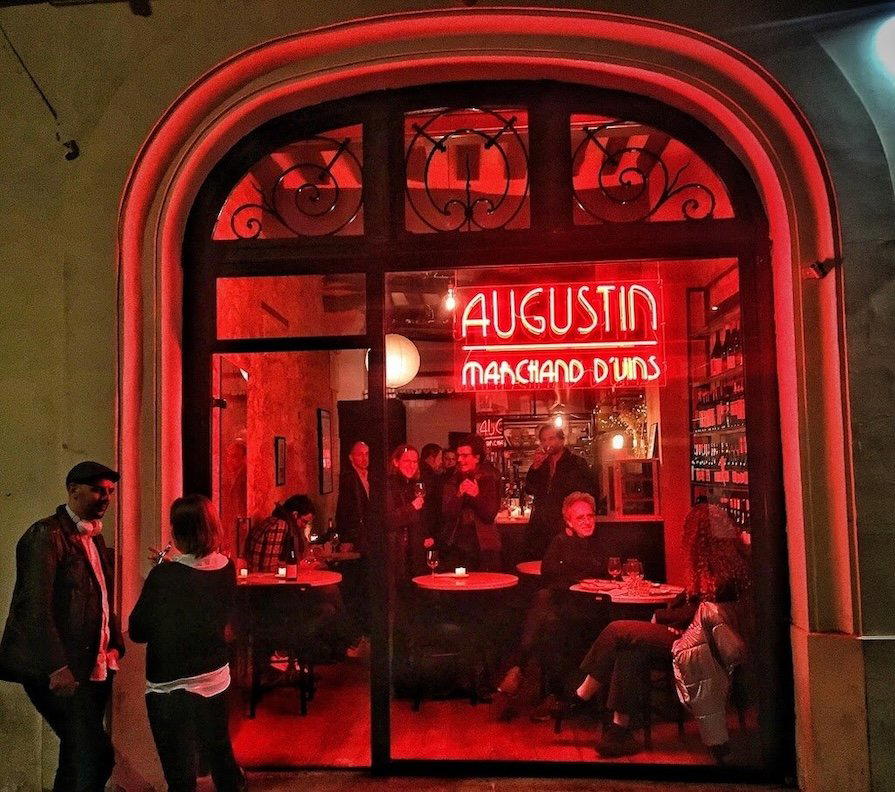
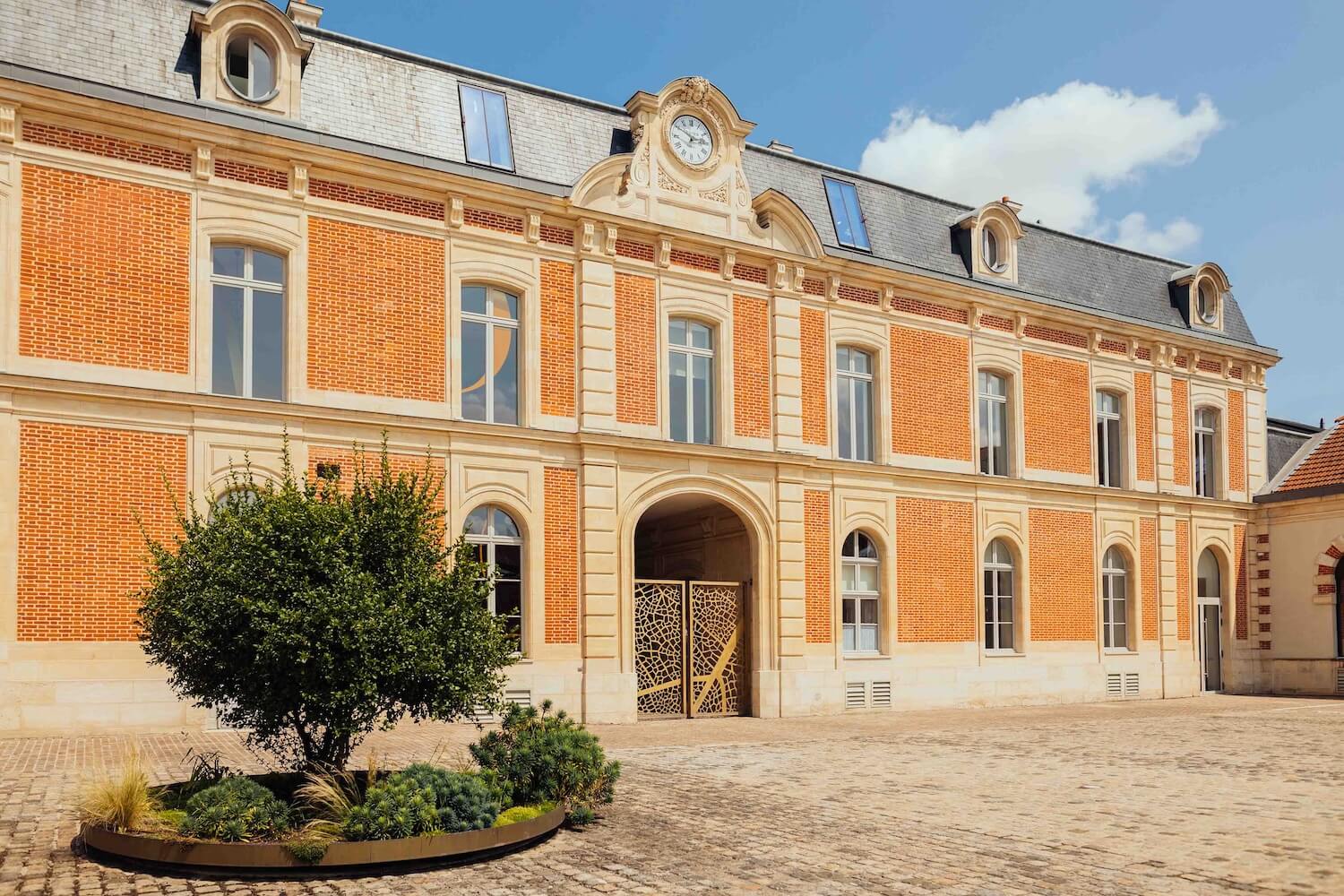
Warm and convivial with minimalist, understated decor; bright and airy interior that prioritizes the food and service over visual spectacle.