
A compact Nihonbashi udon counter with rice bowls at the centre of the meal, this Coredo Muromachi address sits in Tokyo’s serious everyday-noodle bracket rather than the splurge dining circuit. Selection for Tabelog 100 Udon EAST 2024 gives it a clear quality signal, while the format works especially well for travellers comparing Tokyo’s lunch tempo with a calmer early-evening meal.
Pearl is the En Primeur Club membership app — saves, bookings, and concierge access live there. Same editors, same standards.
- Address
- Japan, 〒103-0022 Tokyo, Chuo City, Nihonbashimuromachi, 2 Chome−3−1 コレド室町2 地下 ホーム 1
- Phone
- +81 3-6265-1650
- Website
- kaneko-hannosuke.com
 Saves & bookings on Pearl
The basement level of Coredo Muromachi puts this meal in a Tokyo register: station-linked, efficient, and built for people who want precision without ceremony. In Nihonbashi, where department-store food halls, office lunches, old mercantile streets, and newer commercial complexes overlap, udon does not need a stage set. It needs pace, consistency, and a clear reason to choose noodles over sushi, tempura, curry, or a convenience-store detour.
Inaniwa Udon to Meshi Kaneko Hannosuke Koredo chuuou nihonbashimuro ten belongs to that practical but serious category. The cooking focus is narrow enough to read cleanly: Inaniwa udon, ten-don, and kaisen-don, with rice bowls treated as part of the format rather than a side thought. Its selection for Tabelog 100 Udon EAST 2024 places it inside a recognised group of noodle specialists, a useful signal in a city where casual meals can range from anonymous chain counters to obsessive single-dish shops.
Inaniwa udon as a Tokyo working meal
Inaniwa udon carries a different identity from the thicker, chewier styles many visitors associate with Japanese wheat noodles. The Akita tradition is known for thinner strands and a smoother, more refined feel, which makes it particularly suited to a meal that has to move quickly but still feel composed. In Tokyo, that matters. Lunch around Nihonbashi is not a leisurely ritual for many diners; it is a timed decision between meetings, trains, shopping, and errands.
The appeal here is the pairing of udon with rice bowls. A pure noodle shop asks the diner to commit to one lane. This format gives the meal more breadth: wheat noodles for lightness and rice for substance, with tempura bowl and seafood bowl categories anchoring the choice. That makes the restaurant easier to read for mixed groups, including families, solo diners, and visitors who want a Japanese lunch that is specific without requiring a long translation exercise.
Tokyo’s casual dining hierarchy often gets distorted by outside attention. Omakase counters and tasting menus dominate travel planning, yet many of the city’s sharper food decisions happen at this price-conscious, high-turnover level. A Tabelog 100 udon selection is not the same kind of signal as a Michelin star, but it does identify a specialist category with local scrutiny behind it. For a traveller, that is often more useful at midday than another formal reservation.
Lunch has the edge; dinner changes the mood
The lunch-versus-dinner divide is the point of the place. At lunchtime, the format lines up with Nihonbashi’s daytime rhythm: direct ordering, compact combinations, and the sense that the room is serving a neighbourhood rather than staging an occasion. The value is clearest then, because udon and rice together answer the Tokyo lunch brief better than many more expensive options nearby.
Evening service shifts the decision. The same menu structure becomes a low-pressure dinner rather than a daytime refuel, and that changes who should go. Travellers staying near Tokyo Station, Nihonbashi, or Kanda can use it as a controlled, satisfying meal between larger dining commitments. It is not trying to compete with French rooms such as Pont d'Or Inno or hybrid fine-dining addresses such as LA BONNE TABLE; the more relevant comparison is with everyday urban formats that deliver focus without demanding the evening. Nearby casual alternatives such as BUNMEIDO CAFE or Restaurant Katsura sit in a different mood entirely, while sushi counters such as 鮨 日本橋 鰤門 occupy another decision category.
That distinction is useful when planning Tokyo. A serious noodle-and-rice meal can protect the rest of the day: enough structure to feel chosen, not so much weight that it compromises later reservations. For broader planning, compare it against other Tokyo dining entries including . 鮪と炭火焼き うお炭 秋葉原店, 12/10 Shinjuku ten, 124. KAGURAZAKA (Yakitori), 2D Cafe, and 3 Chome no Curry Ya San.
How it fits a Tokyo itinerary
The address makes the strongest sense as part of a Nihonbashi day rather than a cross-city pilgrimage. Mitsukoshimae access, the Coredo Muromachi setting, barrier-free facilities, and family-friendly notes all point toward convenience with a specialist food angle. Counter seating gives solo diners an easy route in; 32 seats keep the room compact enough to retain a quick-service feel. Reservations are unavailable, so the decision is better treated as flexible timing rather than a fixed anchor.
The practical reading is simple: choose lunch when value and energy matter, choose early evening when the day needs a clean, unfussy finish. Beer is the limited alcoholic option, so this is not a drinks-led stop. Payment flexibility, non-smoking status, and stroller-friendly access make it more adaptable than many small noodle shops in older Tokyo buildings.
For a wider city map, use Our full Tokyo restaurants guide alongside Our full Tokyo hotels guide, Our full Tokyo bars guide, Our full Tokyo wineries guide, and Our full Tokyo experiences guide. Travellers extending the same casual-specialist logic beyond Tokyo can compare formats with -Grilled beef Sukiyaki- KAMAKURA TANUKIAN 鎌倉 たぬき庵 in Kamakura.cafe in Osaka.know in Kumamoto, (Shoku) Vietnam in Kawasaki, [Curry Senmon Ten] Maruyama Kyoju. in Sapporo, [ki:] in Kyoto, Jōdo Saké Bar in Los Angeles, and Onigiri Time in Pasadena.
Same-City Peers
Comparable venues for cuisine and category context.
| Venue | Cuisine | Price | Notes |
|---|---|---|---|
| Inaniwa Udon to Meshi Kaneko Hannosuke Koredo chuuou nihonbashimuro tenThis venue — the venue you are viewing | Inaniwa udon and tempura rice bowls | $ | Not listed |
| Ayu Ramen Plus (鮎ラーメンプラス) | Traditional Ayu Ramen | $ | Toranomon |
| 御料理 心馬 | Japanese Asian Restaurant | $ | Chūō |
| Tokyo Style Noodle Hotate Biyori | Scallop-focused Tsukemen & Ramen | $ | Chiyoda |
| Minna no Pan'ya | Traditional Japanese bakery | $ | Chiyoda |
| Kameju | Traditional Japanese wagashi & dorayaki shop | $ | Taitō |
Recognition history
Dated appearances from independent guides and award organizations, with the underlying list record or original source where available.
Tabelog 100 #84 · No. 84
Tabelog · Tabelog 100 - Udon - EAST - 2024








At a Glance
- Lively
- Casual
- Modern
- Solo
- Family
- After Work
- Casual Hangout
- Group Dining
- Standalone
Current opening hours
- Monday
- 11 AM–9 PM
- Tuesday
- 11 AM–9 PM
- Wednesday
- 11 AM–9 PM
- Thursday
- 11 AM–9 PM
- Friday
- 11 AM–9 PM
- Saturday
- 11 AM–9 PM
- Sunday
- 11 AM–9 PM
Hours can change for holidays and private events. Last verified .
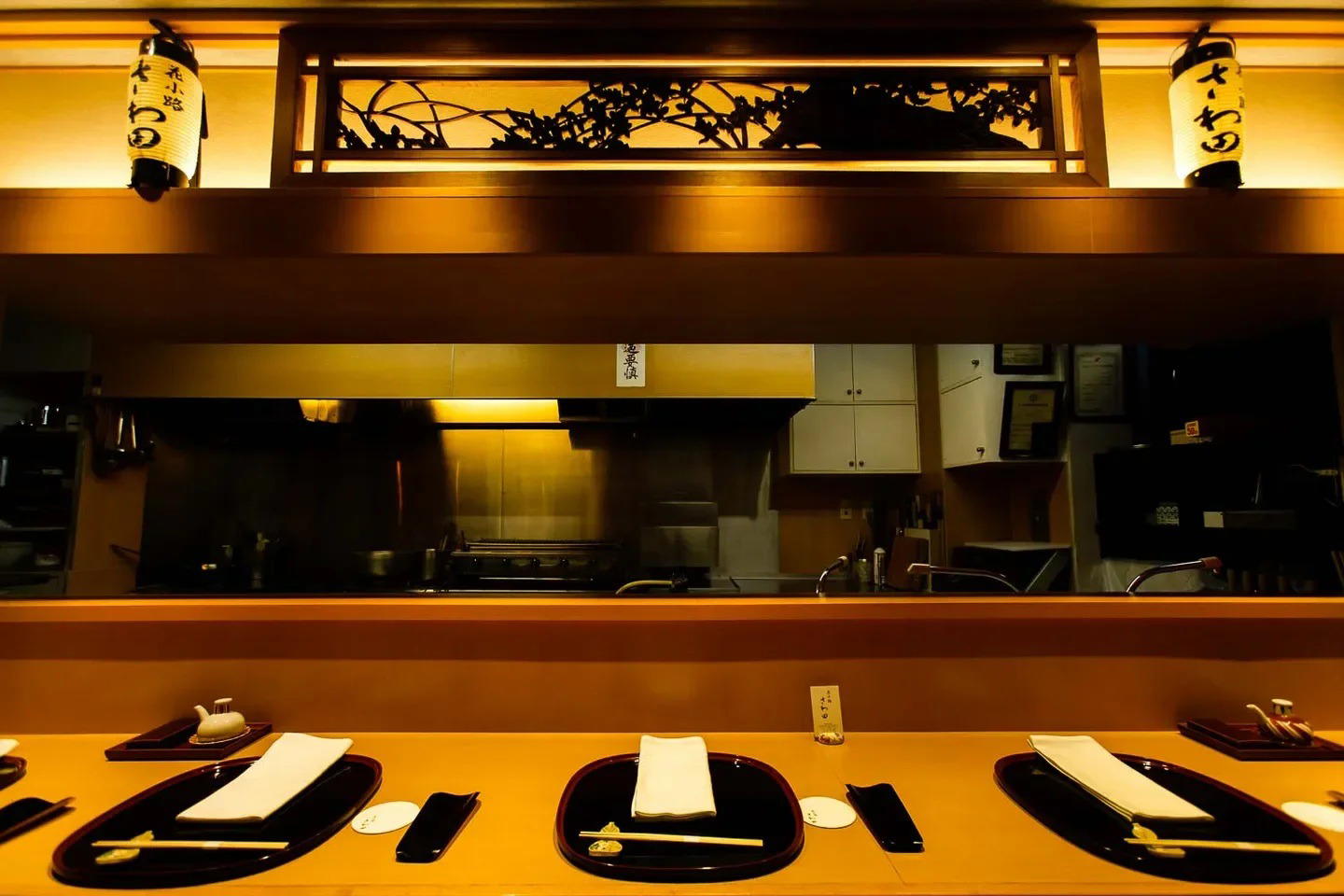
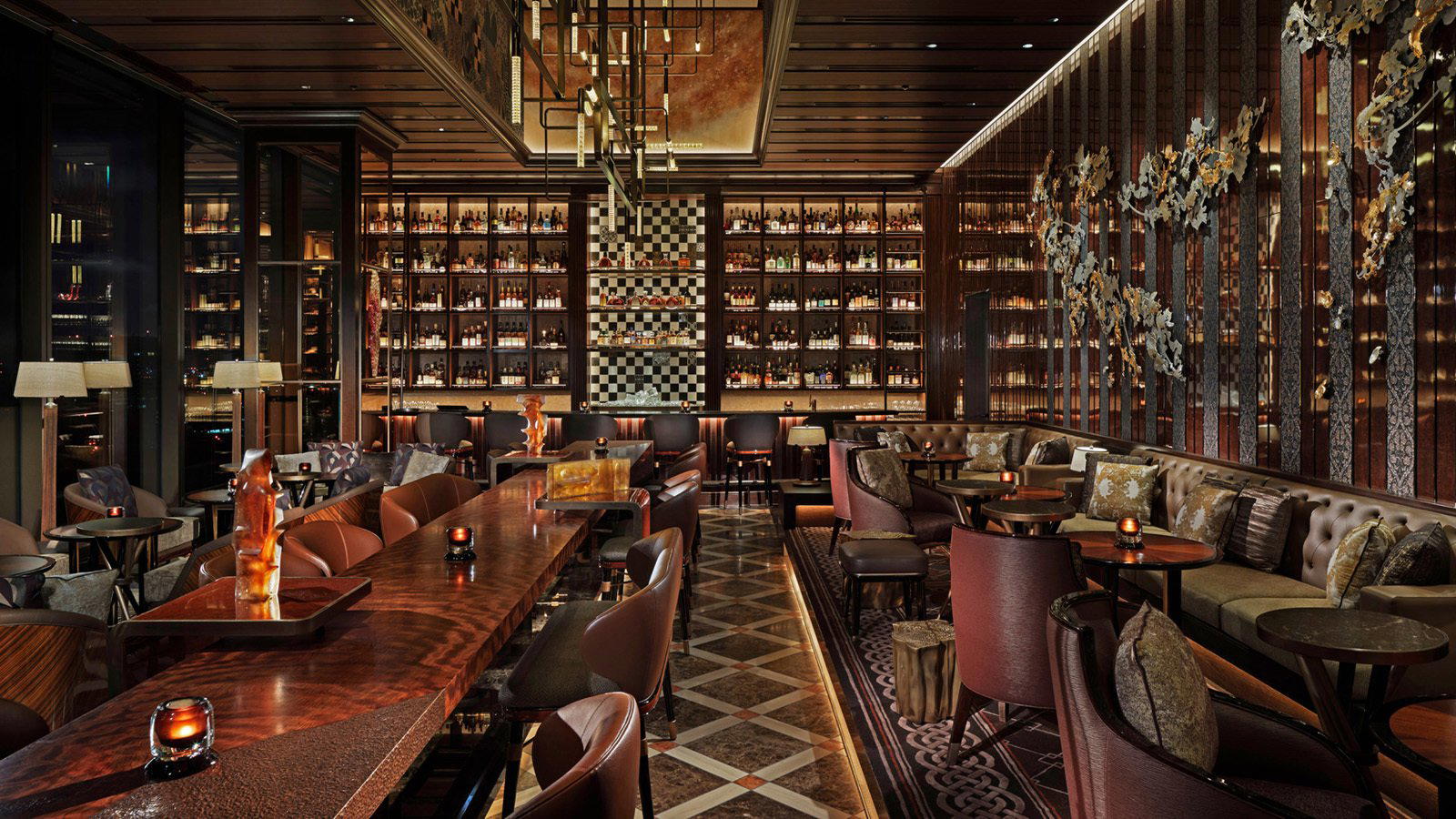
Bright, functional mall-basement setting with counter-style efficiency and quick turnover, often with queues at peak times, more focused on hearty noodles and rice bowls than on lingering or décor.