
Imakin Shokudo is a Kumamoto shokudo in Aso where regional cooking, donburi culture, and local beef country meet in a modest house-restaurant format. Its selection for Tabelog 100 - Diner - 2026 places it in Japan’s serious everyday-dining tier rather than the luxury tasting-menu circuit.
Pearl is the En Primeur Club membership app — saves, bookings, and concierge access live there. Same editors, same standards.
- Address
- 290-365 Uchinomaki, Aso, Kumamoto 869-2301, Japan
- Phone
- +81 967-32-0031
- Website
- aso-imakin.com
 Saves & bookings on Pearl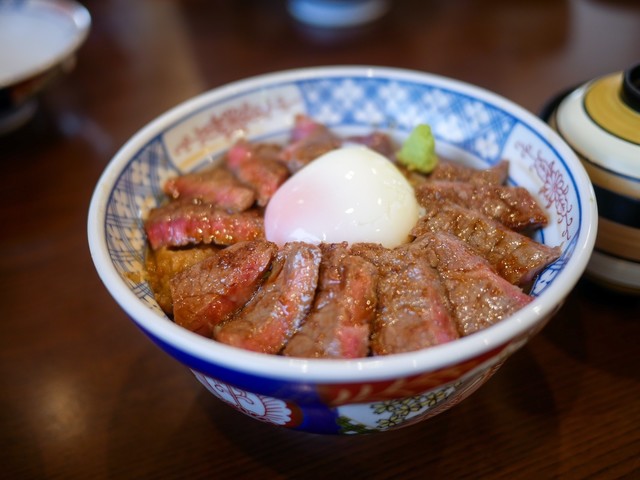
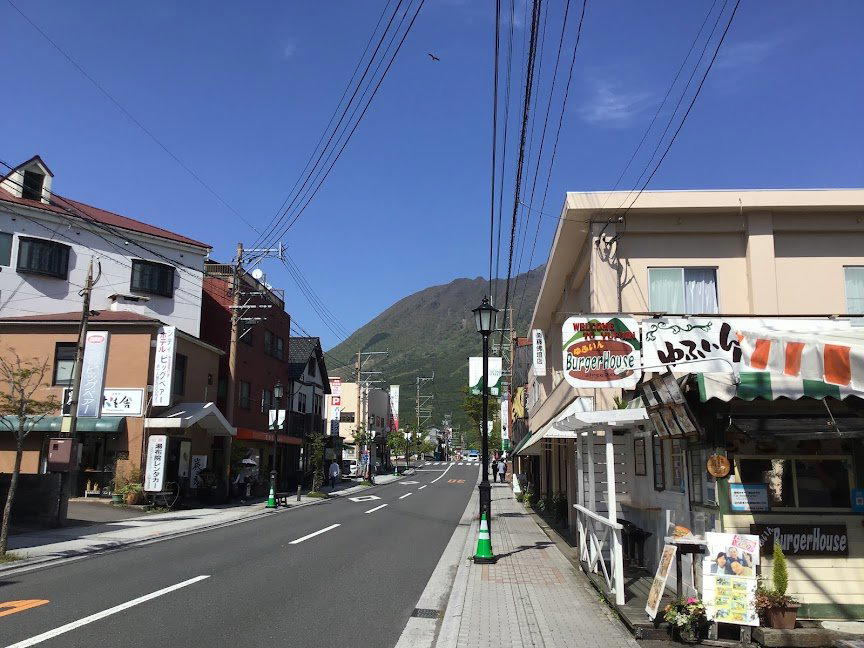
Uchinomaki feels like a hot-spring town that feeds people before it performs for them: low buildings, practical storefronts, volcanic country nearby, and a dining culture shaped more by appetite than ceremony. Here, Imakin Shokudo belongs to a Japanese category travelers often understand too late: the shokudo, a democratic dining room where regional identity comes through rice bowls, set meals, and local produce rather than chef theatre.
Aso’s food culture is inseparable from geography. The caldera is agricultural land as well as scenery, with pasture, water, and mountain routes giving Kumamoto a distinct Kyushu pantry. That matters at a place categorized around cafeteria cooking, donburi, and regional cuisine. The point is not luxury polish, but whether a casual room can translate local ingredients into a meal specific to this part of Japan.
Aso's shokudo tradition, read through rice bowls and regional ingredients
Japan’s serious regional restaurants do not always look serious to foreign diners. Some have counter seats and tasting menus; others look like neighborhood lunch rooms yet carry more cultural weight than their format suggests. The shokudo tradition sits in the second camp: built for repeat eating, broad age groups, and local rhythms, it can be a sharper lens on place than restaurants built around imported luxury signals.
Imakin Shokudo’s Tabelog 100 - Diner - 2026 selection is useful because it recognizes the diner category rather than fine dining. A Tabelog 100 diner is judged inside the grammar of everyday Japanese restaurants: consistency, local loyalty, value, and the ability to give familiar dishes destination pull. Its Tabelog score of 3.66 reinforces that it sits in a competitive public-review environment, not an insulated hotel-restaurant bubble.
Donburi suits Aso because it compresses sourcing and comfort into one format. Rice bowls make hierarchy clear: grain, topping, seasoning, heat, and portion. Regional cooking in Kumamoto often relies on ingredients that speak plainly without elaborate plating. In Aso, where cattle country and onsen-town traffic overlap, a rice-bowl restaurant can be both lunch stop and edible map.
That is the editorial reason to pay attention. The restaurant is not imitating Tokyo counter culture or Kyoto kaiseki language. It belongs to a Kyushu pattern where regional places become pilgrimage stops through one category done with unusual conviction. Nearby out-of-metro comparisons include Rakuda Yama Jidori no Mise and Yabeno Farm in a similar JPY 2,000 to JPY 2,999 bracket, while Merukoro occupies a lower spending tier. The point is not sameness, but what Aso-area dining does well: direct, ingredient-led meals with enough local identity to justify a detour.
The room keeps the meal informal, which is the point
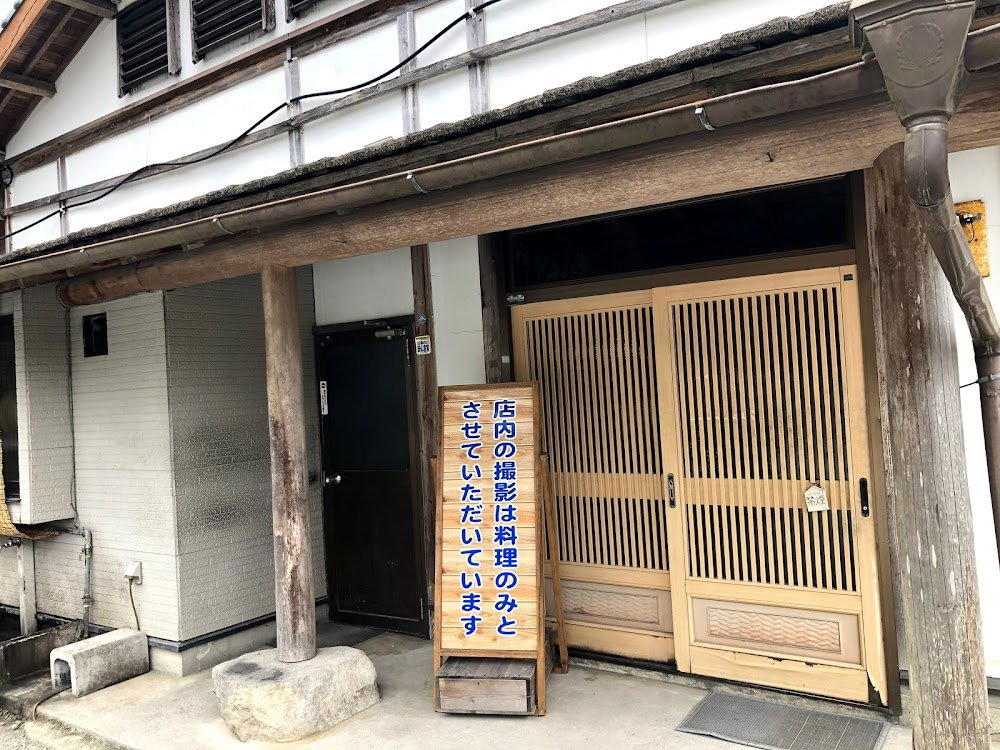
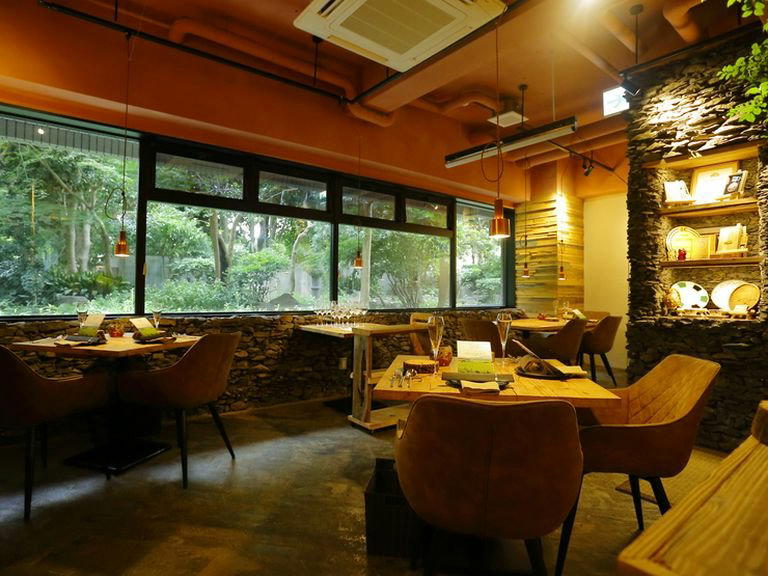
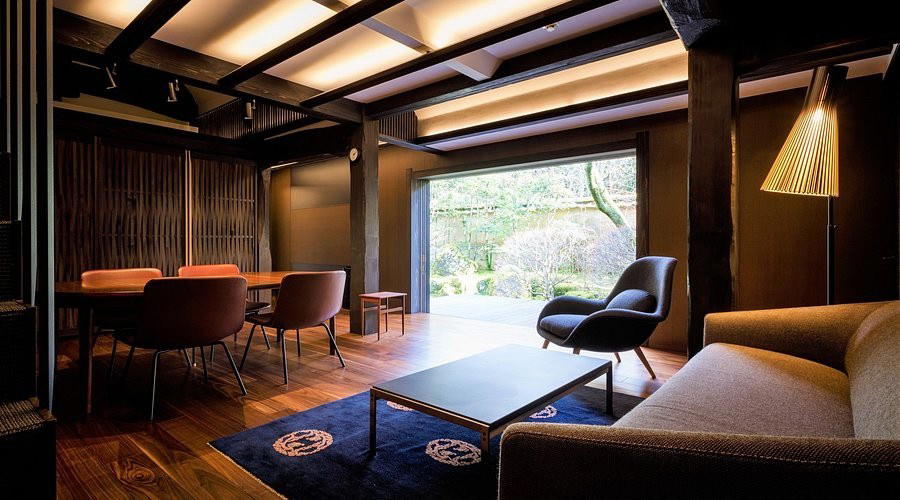
The setting is listed as a house restaurant, with tatami-room facilities and non-smoking service. That tells experienced Japan travelers plenty. This is not a hushed luxury room calibrated for international tasting-menu expectations. It is closer to domestic regional dining: shoes, floor seating in parts of the room, families, friends, and a pace governed by lunch demand rather than wine-pairing choreography.
That informality is not a limitation. In Japan, casual form often carries serious discipline. A shokudo has less room to hide behind ambience because attention goes straight to the bowl, rice, cooking, and value equation. The family-friendly positioning and children-welcome policy place it in a category local diners use practically, not only ceremonially. For travelers, the meal reads as part of daily Aso rather than a staged version of it.
The award context should be read carefully. Tabelog’s Hyakumeiten selections are not Michelin stars, and the diner category does not claim haute cuisine. Its value is more granular: it signals that a modest regional format has enough recognition within Japan’s dining culture to sit above ordinary convenience eating. That is the relevant trust signal, stronger than generic praise because it matches the restaurant’s actual category.
For a broader Aso itinerary, this meal pairs better with local exploration than with a formal evening plan. Readers mapping the area can use Our full Aso restaurants guide for dining context, then widen the trip through Our full Aso hotels guide, Our full Aso bars guide, Our full Aso wineries guide, and Our full Aso experiences guide. Aso rewards that sequencing: food, bathing culture, rural roads, and volcanic terrain make more sense together than as isolated stops.
How it fits into Japan's regional-dining map
Imakin Shokudo also clarifies a larger Japanese dining pattern. Serious food travel in Japan is often over-indexed toward sushi counters, kappo rooms, ramen queues, and urban cocktail bars. Regional shokudo culture receives less international attention because it lacks a single luxury shorthand. Yet for travelers interested in sourcing and locality, it can be more revealing. A donburi house in Kumamoto tells a different story about Japan than another premium counter in Ginza.
The spending bracket strengthens that argument. At JPY 2,000 to JPY 2,999, the question is not extravagance but precision of value. In that sense it belongs beside other ingredient-forward casual addresses across Japan rather than only within Aso. Readers comparing regional formats might look at -Grilled beef Sukiyaki- KAMAKURA TANUKIAN 鎌倉 たぬき庵 in Kamakura, . 鮪と炭火焼き うお炭 秋葉原店 in Tokyo, .cafe in Osaka, .know in Kumamoto, (Shoku) Vietnam in Kawasaki, [Curry Senmon Ten] Maruyama Kyoju. in Sapporo, [ki:] in Kyoto, #肉といえば松田 奈良本店 in Kashihara, 1/3 HAMBURGER FACTORY in Kanazawa, 1000 in Yokohama, and 1000mヒュッテ 1000m Hut in Kutchan. Outside Japan, the same casual-specialist logic appears at Jōdo Saké Bar in Los Angeles and Onigiri Time in Pasadena, where narrow formats carry cultural meaning through repetition and sourcing rather than breadth.
The practical reading is simple: treat this as regional dining with reputation, not a flexible all-purpose restaurant. The strongest reason to go is the intersection of Aso produce, rice-bowl culture, and a shokudo format that has earned national diner-category recognition. Travelers chasing luxury staging may be looking in the wrong category. Travelers who care about how a place feeds its own region will understand why this address has pull.
How It Stacks Up
Comparable venues by cuisine and price in the same metro.
| Venue | Cuisine | Price | Notes |
|---|---|---|---|
| Imakin ShokudoThis venue — the venue you are viewing | Traditional Aso Akaushi Beef Bowl Diner | $$ | Not listed |
| Kumasotei | Traditional Satsuma Cuisine | $$ | Higashi Sengoku-cho |
| Koshu Houtou Kosaku (甲州ほうとう 小作) | Koshu Houtou (Yamanashi Regional Noodles) | $$ | Fujikawaguchiko |
| Mentakumi Takamatsu (麺匠 たか松) | Takamatsu Ramen | $$ | central Kyoto |
| Boteyan | Okonomiyaki (Japanese Savory Pancake) | $$ | Toyama Station area |
| Restaurant Hagi | Traditional Japanese Family Dining | $$ | Nagato City |
Recognition history
Dated appearances from independent guides and award organizations, with the underlying list record or original source where available.
Tabelog 100 #87 · No. 87
Tabelog · Tabelog 100 - Diner - 2026
At a Glance
- Classic
- Cozy
- Rustic
- Lively
- Well Known
- Solo
- Family
- Casual Hangout
- Group Dining
- After Work
- Standalone
- Historic Building
- Local Sourcing
- Street Scene
Current opening hours
- Monday
- 10 AM–4 PM
- Tuesday
- 10 AM–4 PM
- Wednesday
- 10 AM–4 PM
- Thursday
- 10 AM–4 PM
- Friday
- 10 AM–4 PM
- Saturday
- 10 AM–4 PM
- Sunday
- 10 AM–4 PM
Hours can change for holidays and private events. Last verified .
A humble, traditional wooden diner with tatami rooms and simple furnishings, usually busy and energetic with lines out the door but a warm, down‑to‑earth atmosphere typical of a classic onsen‑town eatery.