
One of Rome's oldest vegetarian restaurants, Il Margutta on Via Margutta has spent decades reinterpreting Mediterranean classics through a produce-first lens, with vegetables sourced daily from its own kitchen garden. The cooking sits where creative technique meets seasonal discipline: harmonious rather than ascetic, and grounded in the kind of ingredient logic that Rome's broader restaurant scene rarely applies to plant-based cooking.
Pearl is the En Primeur Club membership app — saves, bookings, and concierge access live there. Same editors, same standards.
- Address
- Via Margutta, 118, 00187 Roma RM, Italy
- Phone
- +39 06 3265 0577
- Website
- ilmargutta.bio
- Directions
- Get directions
 Saves & bookings on Pearl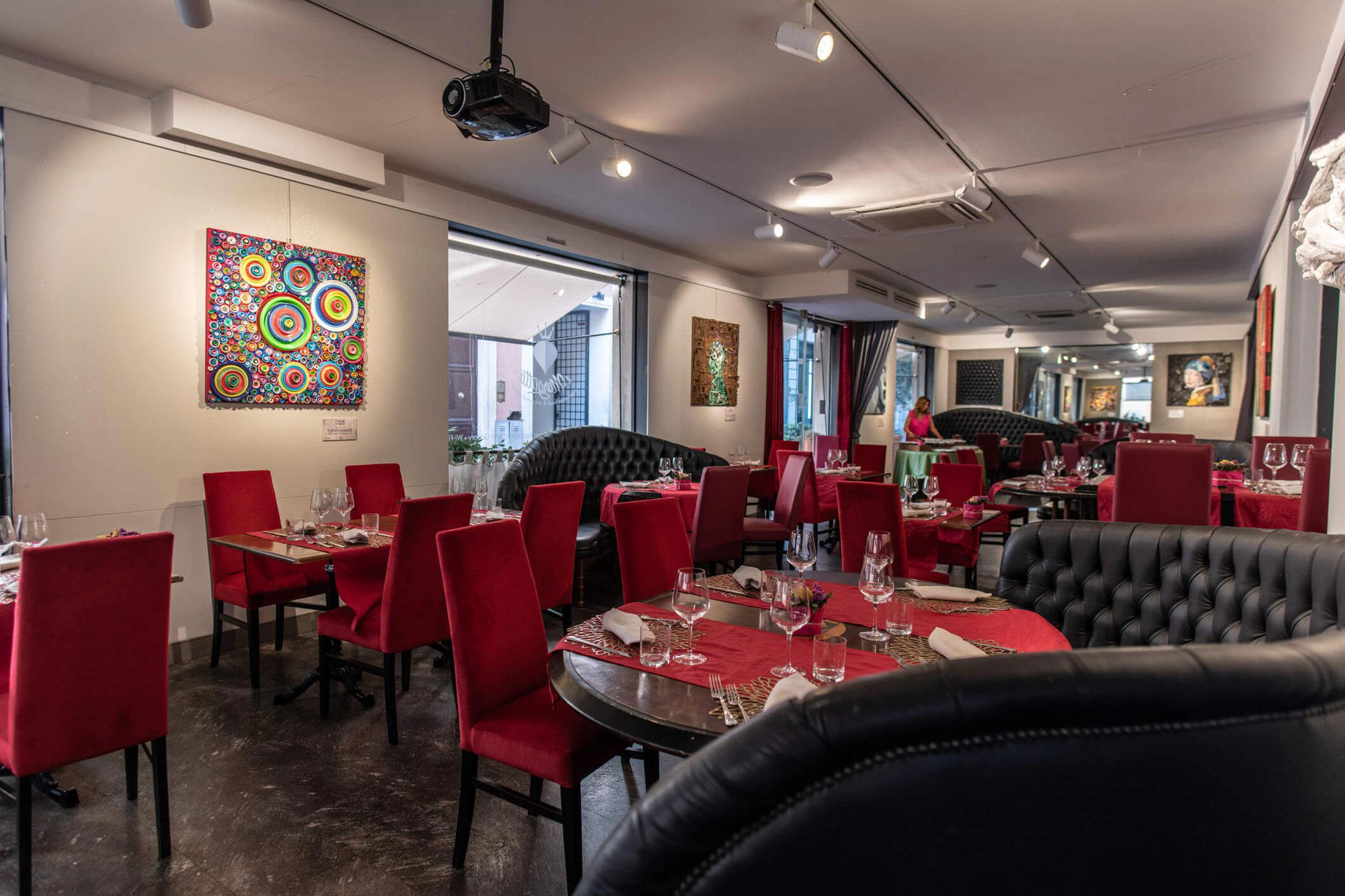
Via Margutta and the Quiet Case for Vegetable-Centred Cooking in Rome
Rome is a city whose culinary identity runs on cacio e pepe, offal, and slow-braised meat. The trattoria tradition is deep and territorial, and deviation from it is rarely rewarded with the kind of neighbourhood loyalty that sustains a restaurant for decades. Against that backdrop, a fully vegetarian restaurant on Via Margutta has maintained genuine culinary relevance for decades, speaking to a strand of Roman dining that rarely gets the same column space as carbonara debates.
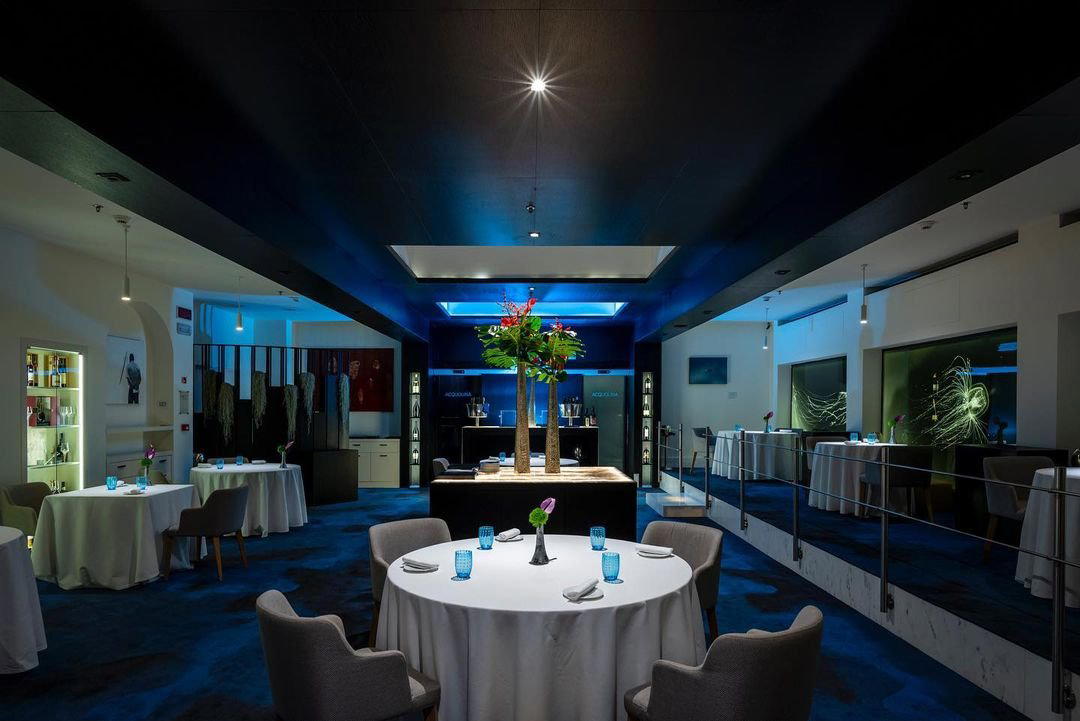
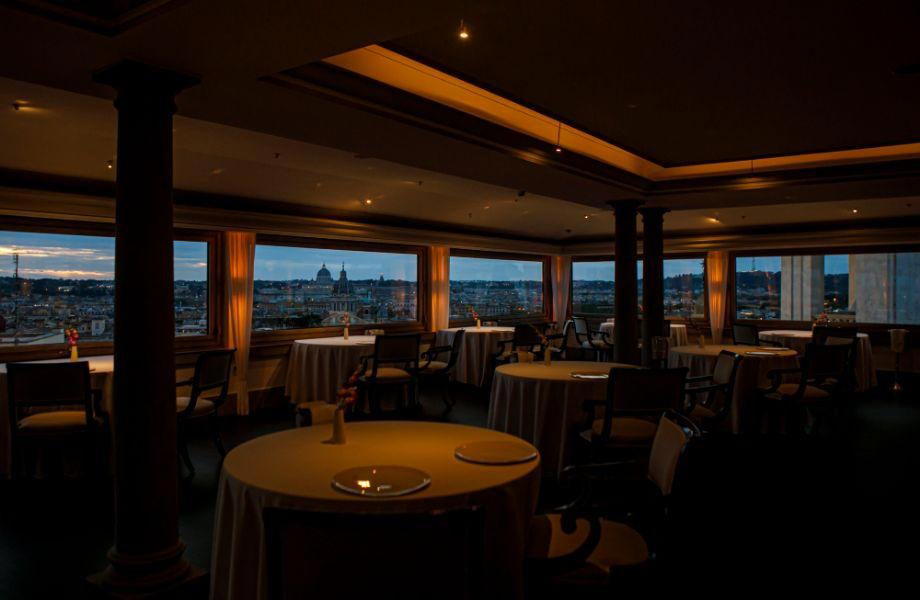
Via Margutta itself sets a particular tone before you arrive at the table. The street runs parallel to Via del Babuino in the Tridente district, one block from the noise of the Spanish Steps crowds, but operating at a different register entirely: low-traffic, lined with galleries and ateliers, the kind of address where the city's creative and artistic communities have lived and worked for generations. The neighbourhood's character filters into how dining on this street feels, there is a visual and spatial unhurriedness that places like the Michelin-starred rooms near Prati or the busier corners of Parioli simply do not replicate. If Rome's premium dining corridor runs through La Pergola and the formal creative kitchens like Enoteca La Torre, Acquolina, and Il Pagliaccio, Il Margutta occupies a different position: less concerned with the language of fine dining formalism, more rooted in what the garden produces that morning.
The Produce Logic: Why a Kitchen Garden Changes the Register
The daily delivery from the restaurant's own kitchen garden is the structural fact around which the menu organises itself. In contemporary restaurant culture, farm-to-table language has become sufficiently overused that the phrase no longer carries much signal. But there is a distinction between a restaurant that sources locally and one whose menu is genuinely reactive to what the garden provides on a given day. The latter demands a different kind of kitchen discipline: recipes that can flex, cooks who work with the vegetable rather than around it, and a willingness to let seasonal availability make editorial decisions that would otherwise be handled by a fixed menu.
Mediterranean vegetable cooking, when executed at this level of ingredient commitment, operates with a logic that Italian fine dining addresses only rarely at the upper tier. Kitchens like Atelier Moessmer Norbert Niederkofler in the Alto Adige have built serious reputations around hyperlocal, nature-first cooking, but that approach is far newer than what Il Margutta has been doing in Rome. The category of long-standing vegetarian restaurants with a serious kitchen behind them is genuinely narrow in Italy. Most of the country's celebrated addresses, Dal Pescatore, Enoteca Pinchiorri, Enrico Bartolini, Le Calandre, Osteria Francescana, operate with protein at the centre of the plate. Il Margutta's longevity within a culinary culture that structurally marginalises its approach is, by itself, a form of credential.
How the Cooking Reads
The kitchen's described position, Mediterranean classics reinterpreted through a vegetarian frame, sits closer to creative than to ascetic. This is not the stripped-back, produce-on-a-plate minimalism that characterises some of the more austere natural cooking movements. The words that appear consistently in accounts of the cooking are balance, harmony, and creativity alongside health: a signal that the kitchen is interested in complexity and flavour architecture, not just nutritional virtue. That distinction matters for how you approach the menu. The frame here is pleasure-first, with the vegetarian constraint functioning as a creative parameter rather than a philosophical statement about denial.
Within Rome's creative dining tier, this positioning places the restaurant in interesting company. Kitchens like Il Pagliaccio and Achilli al Parlamento work the creative-Italian register with animal proteins at the centre; the restaurant operates the same intellectual space with vegetables as the primary material. The comparison is instructive precisely because it is not a value judgment about which approach is more sophisticated, but a map of where this kitchen sits in the city's overall dining picture.
Seasonality and When to Visit
A kitchen built around daily garden delivery performs differently across the calendar, and Rome's climate gives it a wide working window. Spring and autumn represent particularly varied moments for vegetable cookery in central Italy: spring brings the first broad beans, artichokes from the Castelli Romani, wild asparagus, and the green-bitter flavours that Roman produce is known for; autumn pivots to porcini, late-season tomatoes, squash, and the deeper, more concentrated profiles that suit warmer preparations. Summer sits at the other extreme, tomatoes, aubergine, courgette, peppers, with the kitchen's lightness of touch likely to be most legible when the ingredients are at peak intensity. The honest answer is that a kitchen reacting to daily garden delivery will show you the leading version of whatever season you visit in, but if you have a preference for complexity over brightness, the shoulder seasons offer more textural and flavour range.
Planning Your Visit
The restaurant is at Via Margutta, 118, in the Tridente neighbourhood of central Rome, a short walk from Spagna metro station and within easy range of the Spanish Steps and Piazza del Popolo. For visitors building a fuller Rome itinerary, the restaurant sits within a district that rewards exploration on foot before or after dining.
Booking ahead is recommended. The restaurant's position on one of Rome's most visited streets means foot traffic is consistent.
Comparable Spots
Comparable venues nearby, for context on price, style, and recognition.
| Venue | Cuisine | Price | Notes |
|---|---|---|---|
| Il MarguttaThis venue — the venue you are viewing | Modern Italian Vegetarian | $$$ | Not listed |
| Modius Restaurant | Traditional Roman Cuisine | $$$ | Pigna |
| Sora Lalla | Authentic Roman Trattoria | $$$ | Parione |
| Giulio Passami L'olio | Traditional Roman Trattoria | $$$ | Ponte |
| Enoteca L’antidoto | Modern Italian Small Plates with Natural Wines | $$$ | Trastevere |
| Sarkós Roma | Modern Italian Steakhouse | $$$ | Monti |
Recognition history
Dated appearances from independent guides and award organizations, with the underlying list record or original source where available.
We're Smart World 3 Radishes
We're Smart World

At a Glance
- Elegant
- Romantic
- Cozy
- Date Night
- Special Occasion
- Brunch
- Live Music
- Terrace
- Extensive Wine List
Current opening hours
- Monday
- 11 AM–11 PM
- Tuesday
- 11 AM–11 PM
- Wednesday
- 11 AM–11 PM
- Thursday
- 11 AM–11 PM
- Friday
- 11 AM–11 PM
- Saturday
- 11 AM–11 PM
- Sunday
- 11 AM–11 PM
Hours can change for holidays and private events. Last verified .
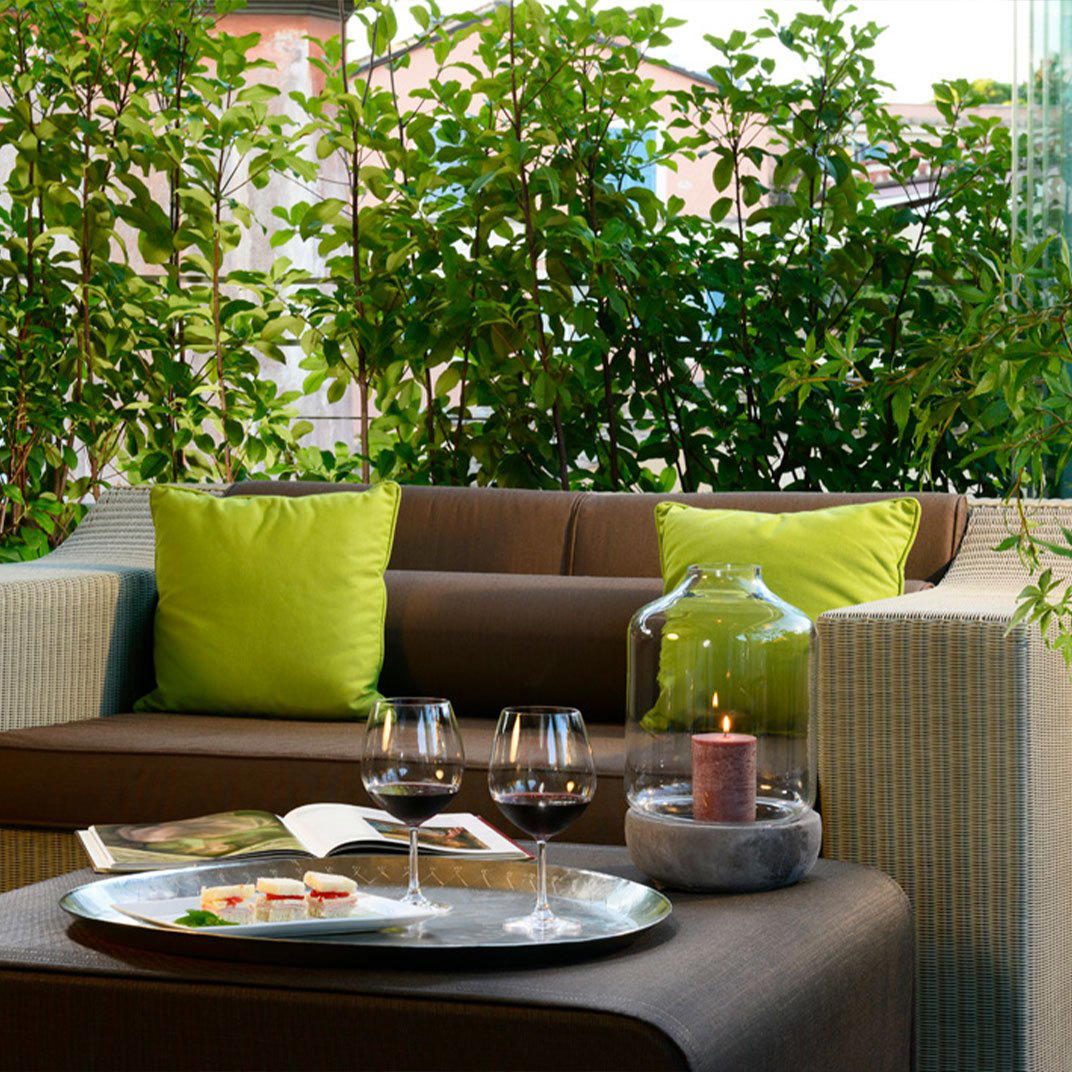
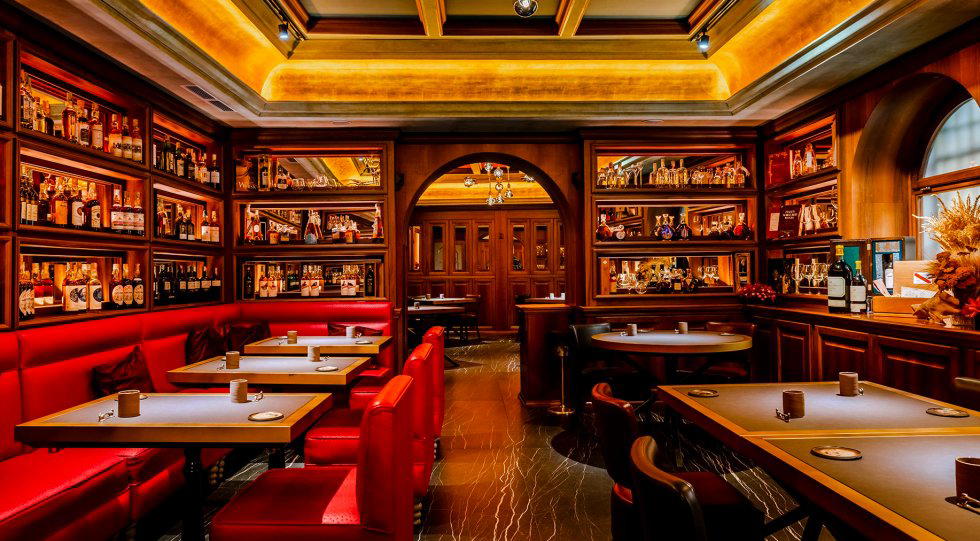
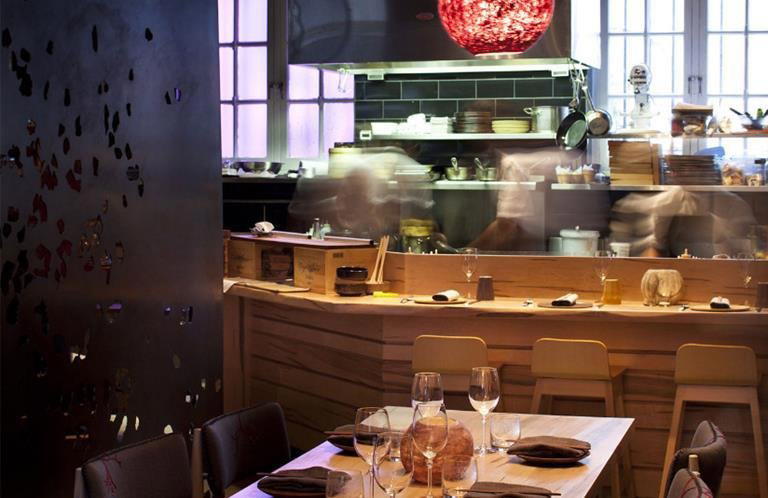
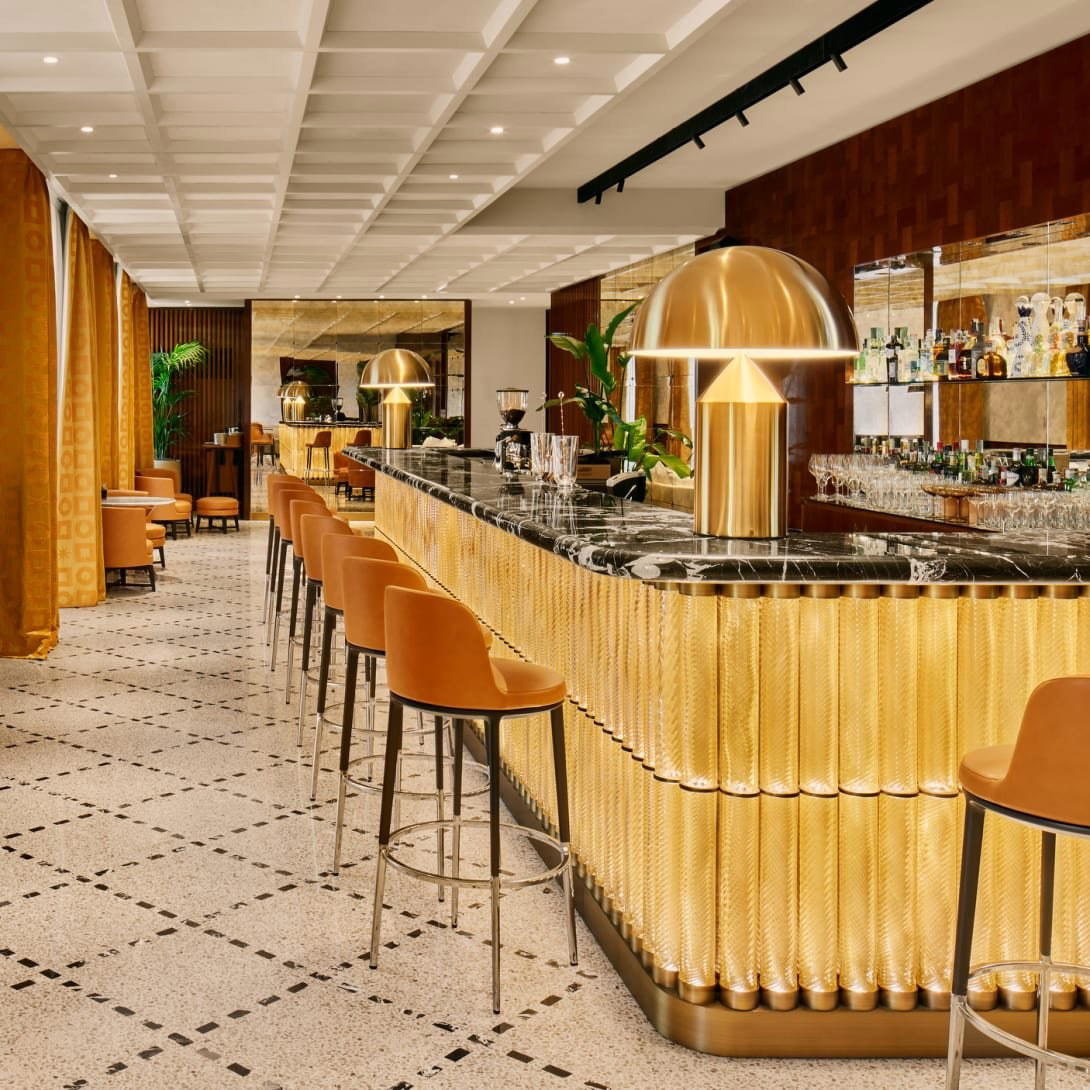
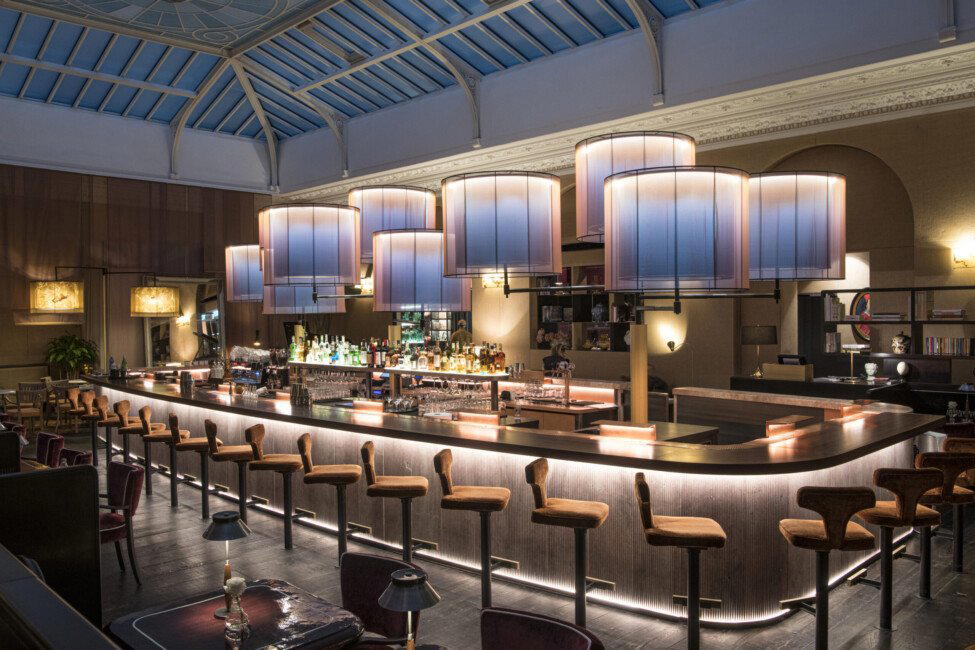
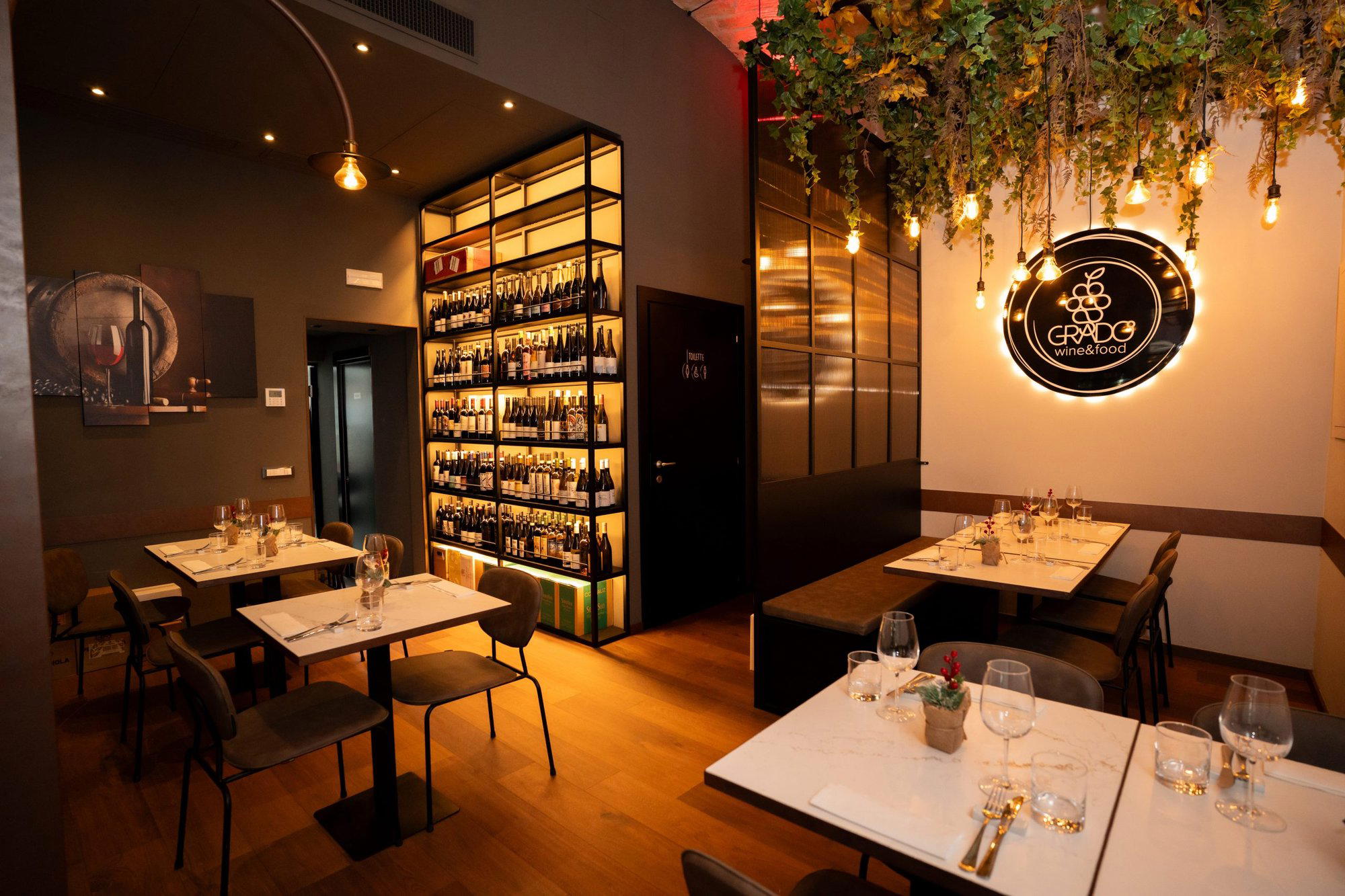
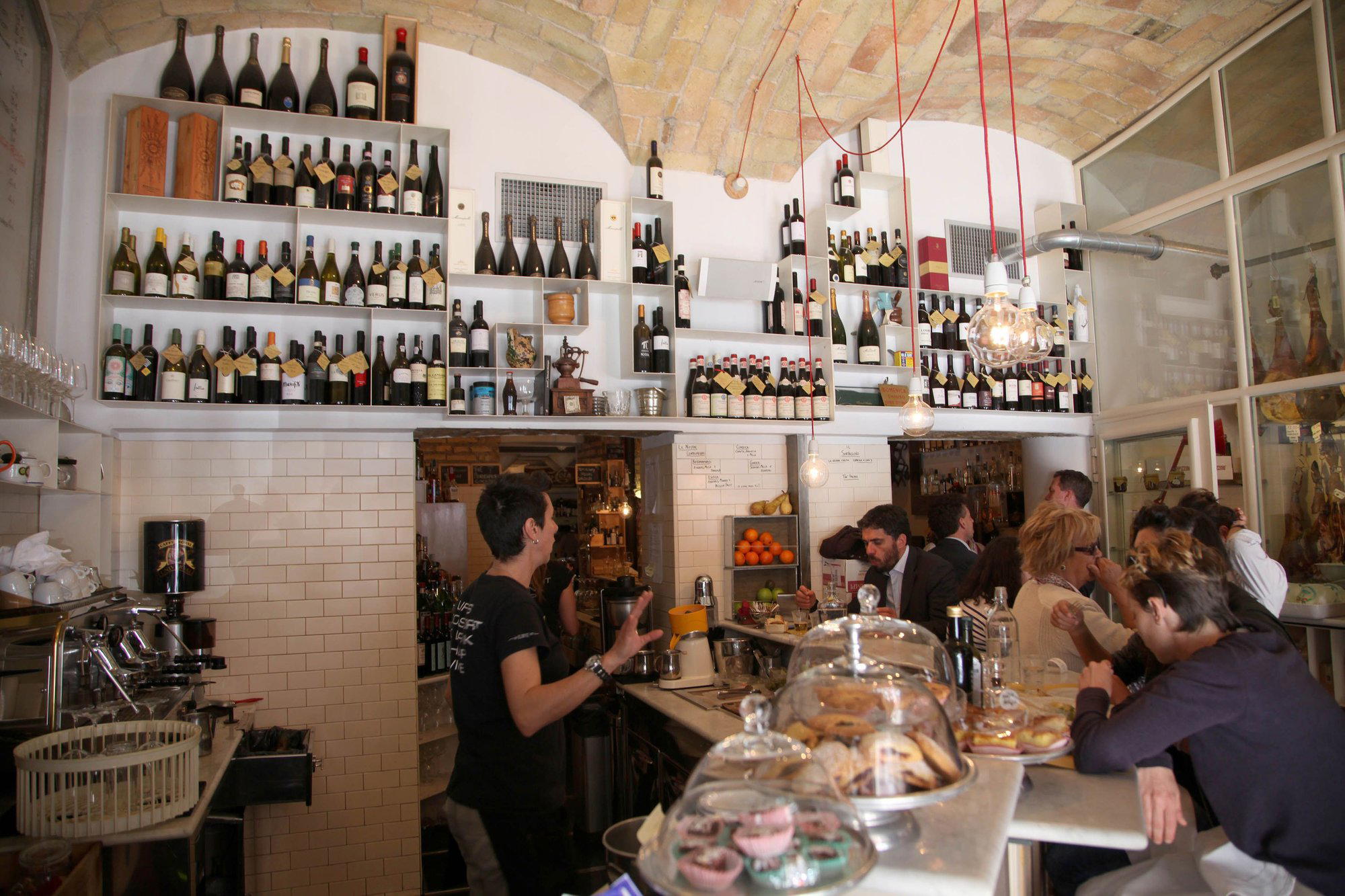
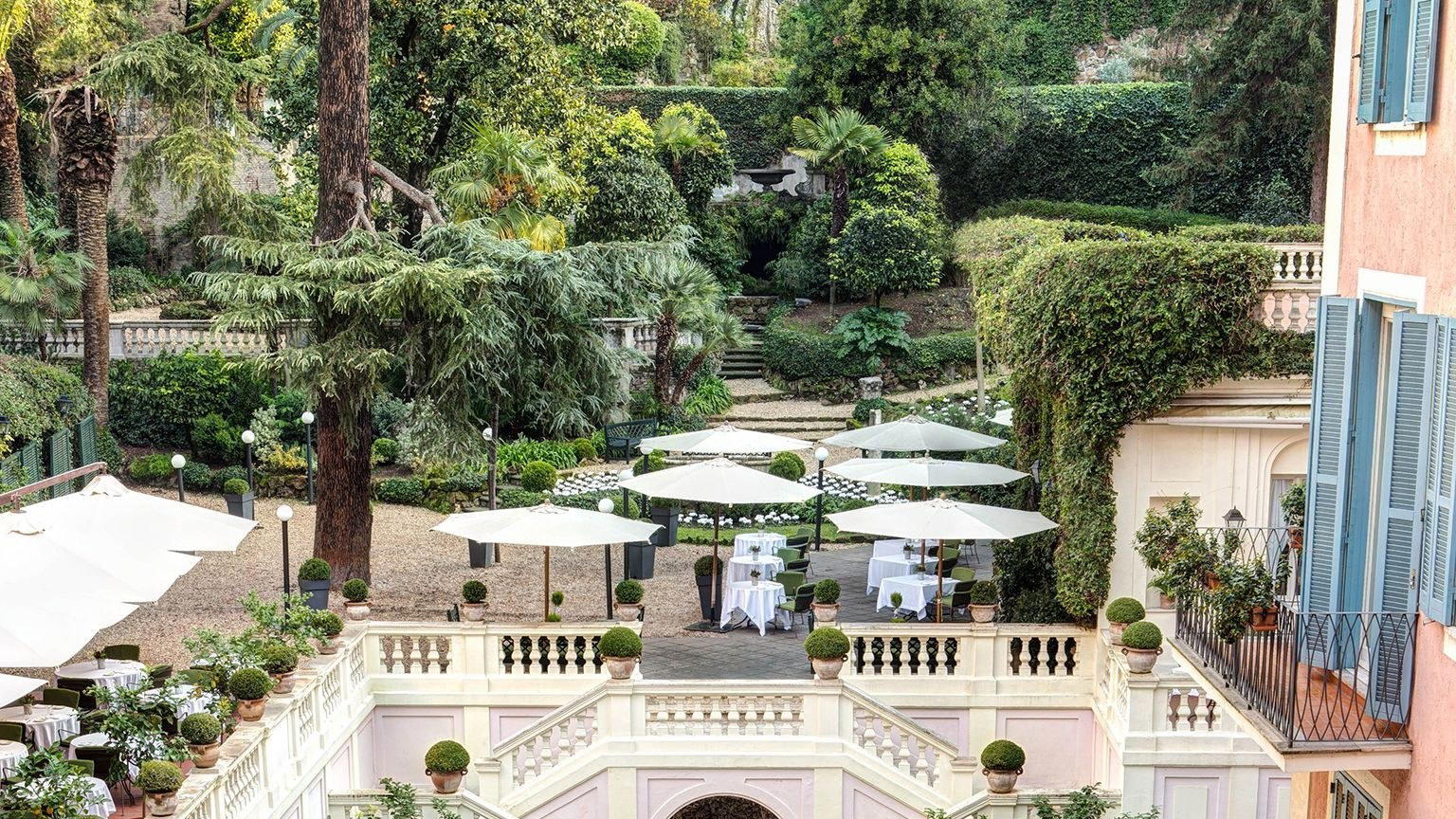
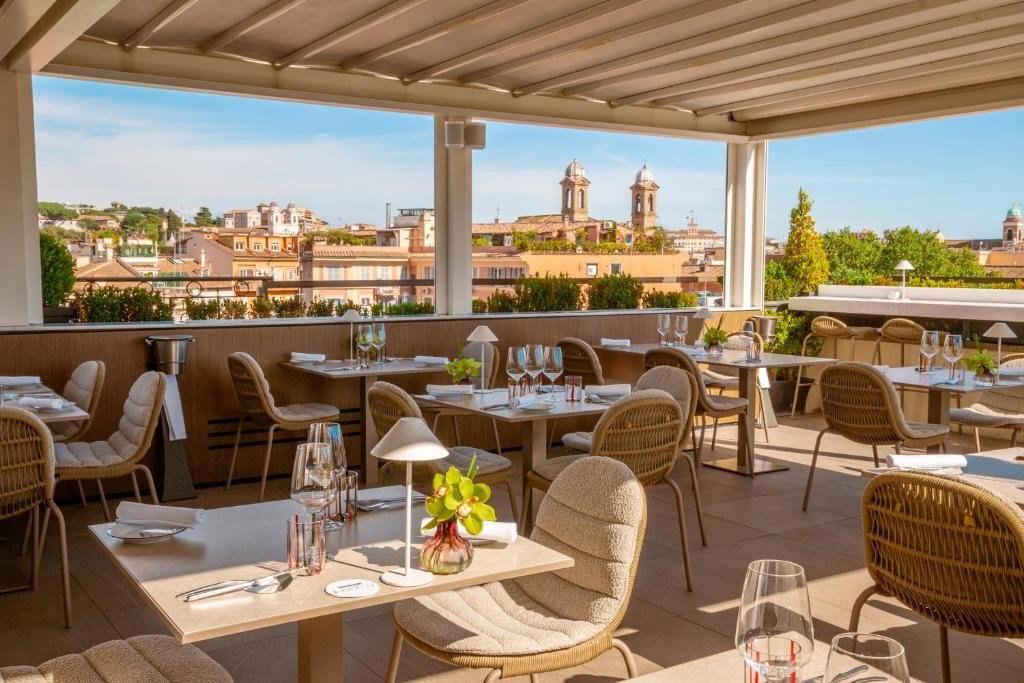
Eclectic and elegant with art-covered walls, plants, diffused lighting, warm and pleasant atmosphere.