Il Buco
Our verdict
Il Buco occupies a converted space on Njalsgade 19C in Copenhagen's Sydhavn district, positioning itself within the city's growing cohort of sustainability-led dining. Where Copenhagen's headline fine-dining addresses draw international press, Il Buco operates at a quieter register — an Italian-inflected approach shaped by the ethical sourcing principles that have become a defining characteristic of serious Danish kitchens.
- Address
- Njalsgade 19C, 2300 København, Denmark
- Phone
- +45 26 74 65 44
- Website
- ilbuco.dk
- Directions
- Get directions
The menu
What to order
- Ravioli with Pesto
- Braised Pork Cheeks
- Gnocchi
- Polpo
Sydhavn and the Ethics of Place
Copenhagen's dining expansion over the past decade has followed a familiar pattern: Michelin-chasing tasting menus cluster in the inner city, while a second wave of serious, often more locally grounded restaurants surfaces in the harbour-adjacent districts. Sydhavn — the southern harbour quarter where Njalsgade runs along a post-industrial waterfront — belongs to that second movement. It is an area defined less by tourist density than by the studios, architecture firms, and food-focused independents that have moved into repurposed warehouse and wharf buildings. Il Buco, at number 19C, reads as a product of that environment rather than an outlier in it.
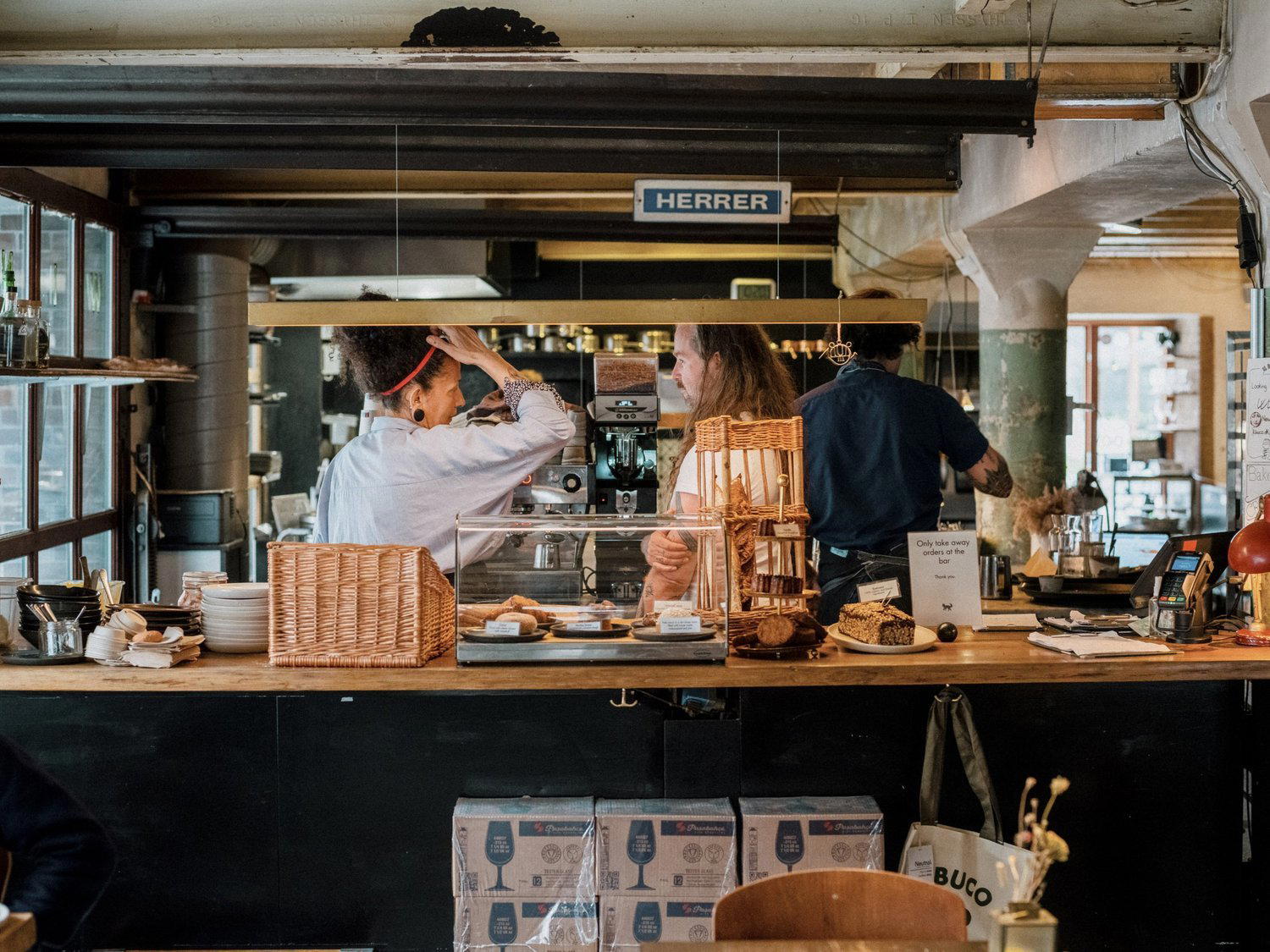
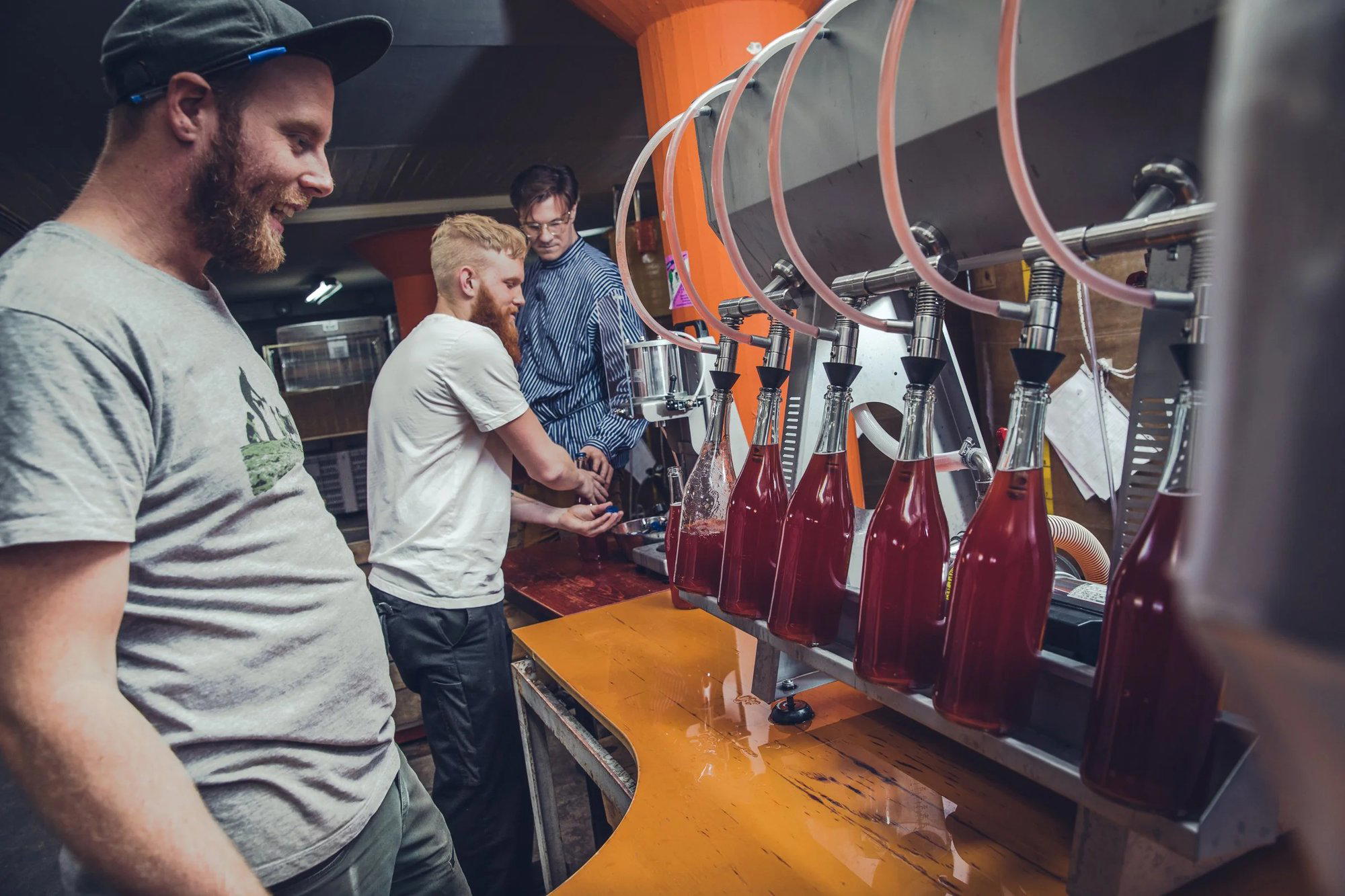
The building's character does the framing before the menu does. Former industrial premises in this part of the city tend toward high ceilings, raw surfaces, and natural light that arrives at low angles off the water. That physical register, material, unadorned, functional, aligns with a broader tendency in Scandinavian restaurant design to let ethical intent show through the space itself rather than through decorative signalling. In Copenhagen's sustainability-conscious dining tier, the room is part of the argument.
Where Il Buco Sits in the Copenhagen Fine-Dining Conversation
To place Il Buco accurately, it helps to map the tier above it. Geranium operates at the top of the city's fine-dining hierarchy, three Michelin stars, a plant-forward menu, and a reservation lead time measured in months. Noma reframed what ethical sourcing could mean in a tasting-menu context, establishing fermentation, foraged ingredients, and supply-chain transparency as baseline expectations for serious Copenhagen kitchens. Alchemist takes the experiential dimension further still, folding social and environmental commentary into a fifty-course format. Koan cross-references New Nordic rigour with kaiseki precision.
Il Buco does not compete directly with any of those addresses. Its Italian inflection separates it from the New Nordic mainstream, and its Sydhavn location keeps it outside the Indre By fine-dining circuit. The more useful comparison may be with Copenhagen's growing number of neighbourhood-scale restaurants where the sourcing story is as considered as at the starred tier, but the format is less ceremonial. Within the broader Danish context, restaurants such as Kadeau have shown that ingredient-led, place-specific cooking can earn serious critical attention without defaulting to tasting-menu formality.
The Sustainability Frame in Practice
Across Copenhagen's serious dining scene, sustainability has evolved from marketing language into operational structure. The most credible kitchens at this level work with suppliers on crop planning, use whole-animal and whole-vegetable approaches that reduce waste at the source, and design menus around what is available rather than what is demanded. This is not altruism, it is also the discipline that tends to produce the most coherent seasonal cooking, because the menu cannot drift toward year-round staples that require long-haul logistics.
Italian-rooted cooking, with its regional specificity and historical dependence on preserved, fermented, and dried ingredients, maps onto this framework more naturally than many other European traditions. Salting, curing, and long fermentation are waste-reduction techniques that long predate any contemporary environmental framework. A kitchen working with Italian reference points has ready access to a canon of techniques that extend ingredient life, transform secondary cuts, and find culinary value in what other approaches discard. The sustainability argument, in that context, is not a constraint but a method.
For diners oriented toward this approach, Copenhagen offers a wider range of comparable addresses beyond the city limits. Jordnær in Gentofte operates a two-Michelin-star kitchen with a pronounced emphasis on local and Nordic sourcing. Henne Kirkeby Kro in Henne has long anchored its menus to the surrounding Jutland landscape. Further afield, Dragsholm Slot Gourmet in Hørve runs its own farm, collapsing the supply chain to a single site. LYST in Vejle and Tri in Agger represent the same current at different scales and in different coastal contexts.
Italian Cooking in a Nordic City
Italian cuisine in Copenhagen occupies a specific position. The city's food culture is strongly Nordic-inflected, and Italian restaurants exist on a spectrum from tourist-facing trattoria to kitchens that apply the same sourcing rigour and seasonal discipline as their New Nordic neighbours. The latter tend to read as more interesting, partly because Italian technique applied to Scandinavian ingredients produces combinations that neither tradition would reach independently. Preserved Danish coastal fish treated with the logic of Italian curing, or Nordic root vegetables given the patient, fat-based treatment of a southern Italian braise, are the kinds of cross-referencing that make the Italian-in-Copenhagen format worth taking seriously.
Internationally, some of the most consequential seafood-focused Italian-adjacent kitchens have demonstrated what disciplined sourcing looks like at the highest level. Le Bernardin in New York City has operated for decades on the principle that supply-chain integrity is non-negotiable in serious fish cookery. Lazy Bear in San Francisco shows how communal, transparency-led formats can carry serious culinary ambition. Both represent models where the ethics of sourcing and the quality of cooking reinforce each other, which is the same argument Il Buco's positioning implies.
Planning a Visit
Il Buco is located at Njalsgade 19C in the 2300 postal district, which places it in Sydhavn south of the central city. The neighbourhood is accessible by metro and by bicycle, Copenhagen's default transport mode, though it sits at a distance from the main tourist hotel cluster. For diners staying centrally, the journey to Sydhavn is short but deliberate, this is not a venue you walk past. That friction works in its favour: the clientele tends to be people who looked it up and made a specific choice rather than a passing crowd.
For broader planning across Denmark's fine-dining addresses, restaurants such as Frederikshøj in Aarhus, Frederiksminde in Præstø, Ti Trin Ned in Fredericia, Pearl by Paul Proffitt in Kruså, and Syttende in Sønderborg complete a picture of serious Danish cooking beyond the capital. A full overview of Copenhagen's restaurant scene, from the starred tier to the neighbourhood-scale addresses worth tracking, is available in our full Copenhagen restaurants guide.
Frequently asked questions
How do I find Il Buco?
Il Buco is located at Njalsgade 19C, 2300 København, Denmark, Copenhagen.
How does Il Buco fit into Copenhagen's Italian restaurant scene?
Italian restaurants in Copenhagen occupy a specific and relatively narrow lane. The city's food culture is strongly Nordic-inflected, and Italian cooking sits apart from the tasting-menu orthodoxy that dominates the Michelin tier. Il Buco's position in Sydhavn, at Njalsgade 19C, places it outside the central cluster of Geranium-adjacent fine dining, making it one of the few Italian-focused addresses operating at a neighbourhood scale in a district that is still consolidating its dining identity.
What's the best thing to order at Il Buco?
What the broader context suggests is that Italian kitchens operating in Copenhagen's serious dining tier tend to build their identity around a signature format — pasta, a market-driven secondi, or a focused tasting sequence. Arriving without a fixed agenda and asking the kitchen what is running that day is, in most cases, the more reliable approach.
Do they take walk-ins at Il Buco?
The restaurant is located at Njalsgade 19C in Sydhavn, a district where dining foot traffic is lower than the inner city, which can work in favour of spontaneous visits. Contacting the venue directly before arriving remains the safest route, particularly on weekends.
The Minimal Set
| Venue | Cuisine | Price | Awards | Notes |
|---|---|---|---|---|
| Il BucoThis venue — the venue you are viewing | Sustainable Italian Trattoria | Not listed | Not listed | Not listed |
| Geranium | Modern New Nordic Pescatarian | $500+ | 3 Michelin Stars · World's 50 Best #1 | New Nordic, Creative |
| Noma | New Nordic Fine Dining | $300–500 | 3 Michelin Stars · World's 50 Best #1 | Creative |
| Alchemist | Avant-Garde Molecular Gastronomy with Social Commentary | $500+ | 2 Michelin Stars · World's 50 Best #5 | Progressive, Creative |
| Koan | Modern Korean-Nordic Fine Dining | $300–500 | 2 Michelin Stars · World's 50 Best #91 | New Nordic, Kaiseki, Creative |
| a|o|c | Modern Scandinavian Fine Dining | $300–500 | 2 Michelin Stars · La Liste Top Restaurants | New Nordic, Mediterranean Small Plates, Creative |
Continue exploring
More in Copenhagen
Restaurants in Copenhagen
Browse all →
Bars in Copenhagen
Browse all →
Hotels in Copenhagen
Browse all →

Details
- Cozy
- Rustic
- Intimate
- Casual Hangout
- Group Dining
- Special Occasion
- Open Kitchen
- Historic Building
- Natural Wine
- Local Sourcing
- Sustainable Seafood
- A La Carte
- Small Plates
- Tasting Menu
- Organic Wines
- Vegetarian Friendly
- Gluten Free Options
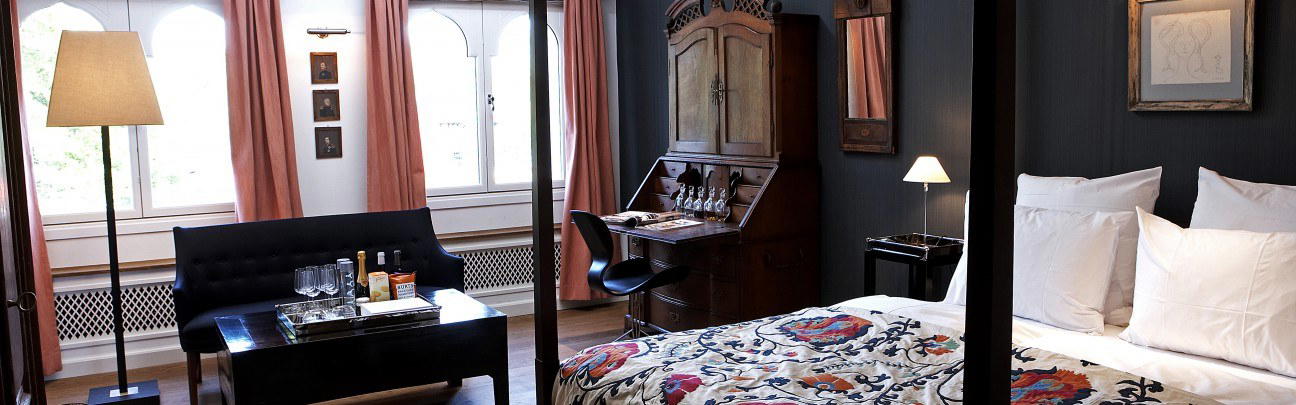
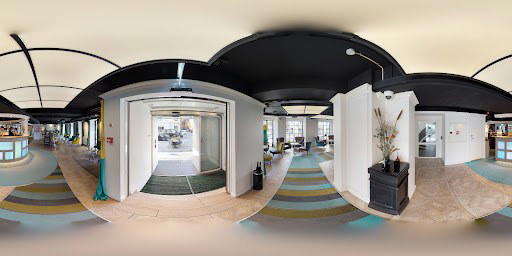
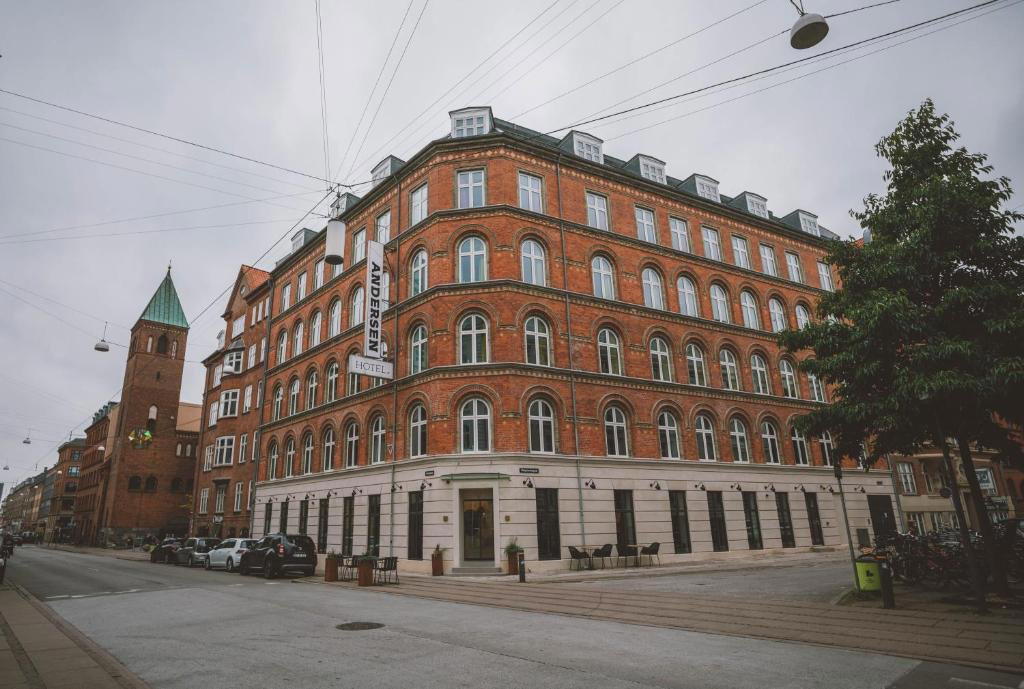
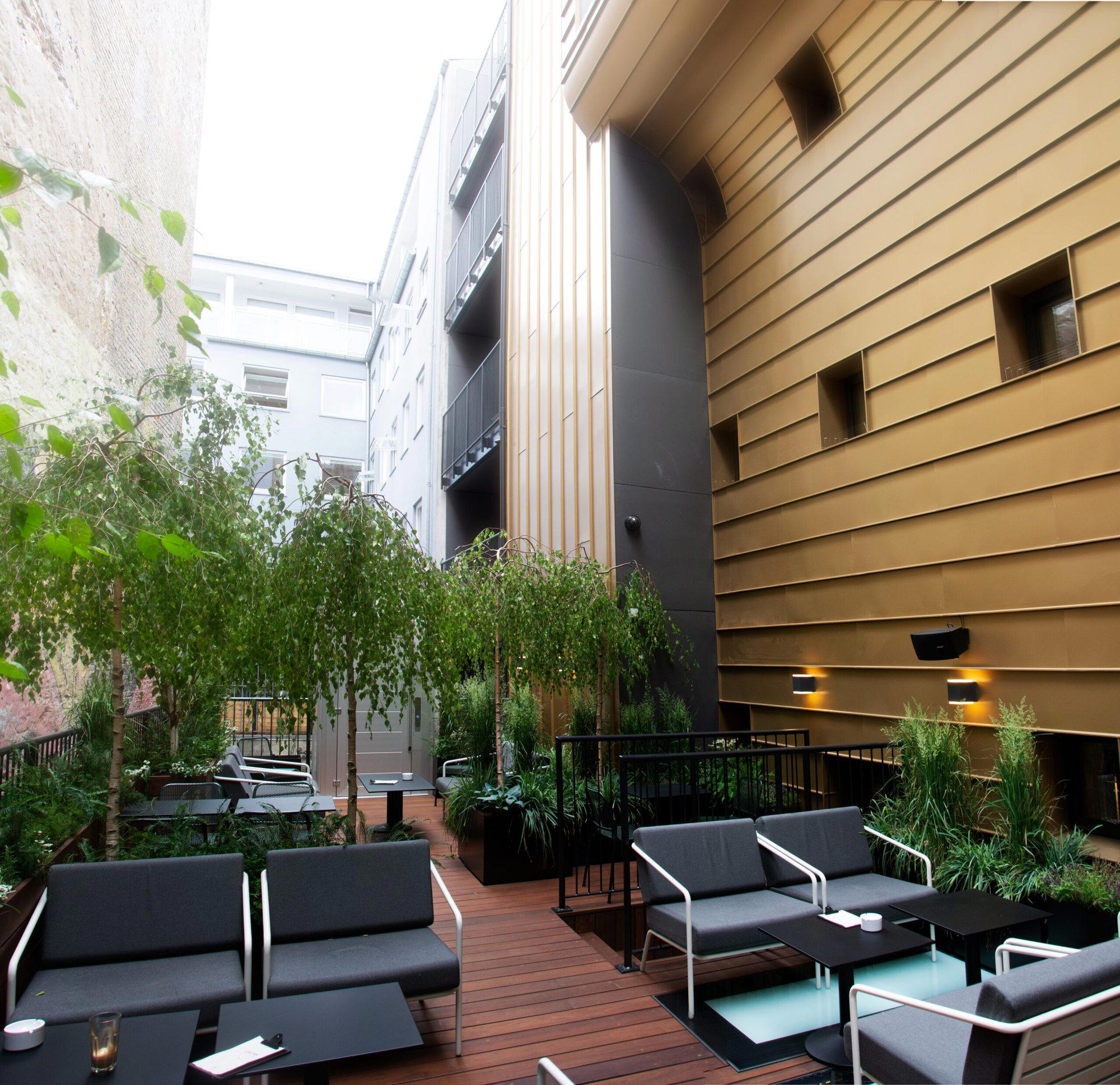
Cozy and rustic with communal tables fostering a warm, trattoria-like atmosphere in a cavernous backyard space.