Masseria

Masseria occupies a address on Flæsketorvet in Copenhagen's Kødbyen district, positioning it within one of the city's most closely watched dining corridors. The venue sits in a Copenhagen scene that increasingly pits Italian-rooted cooking against the dominant New Nordic register, offering a different set of references for the table.
Pearl is the En Primeur Club membership app — saves, bookings, and concierge access live there. Same editors, same standards.
- Address
- Flæsketorvet 50, 1711 København, Denmark
- Phone
- +4570602599
- Website
- masseria.dk
- Directions
- Get directions
 Saves & bookings on Pearl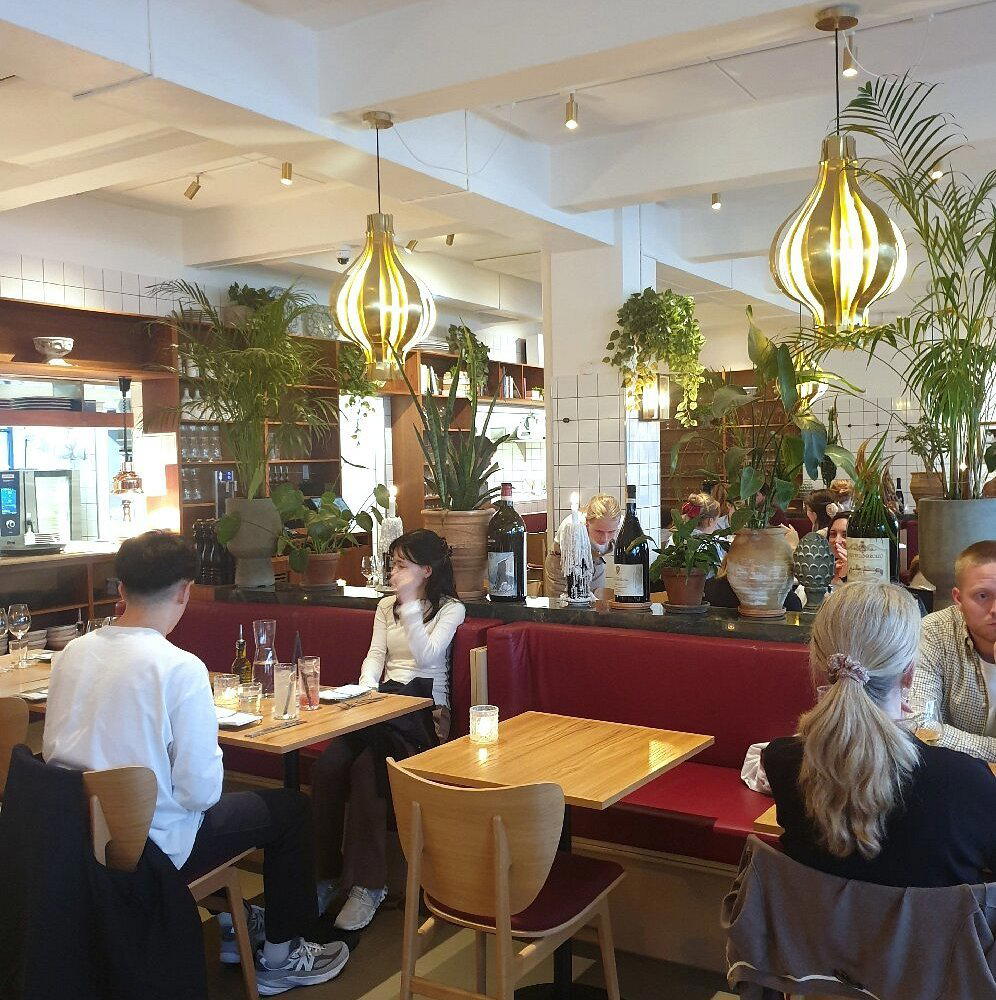
Kødbyen's Slow Pivot Toward the South
Copenhagen's meatpacking district, Kødbyen, has spent the better part of two decades shedding its industrial past and accumulating restaurants, bars, and studios in its place. The neighbourhood's dining character is plural: it runs from late-night casual to serious tasting menus, and the physical fabric of the area — thick white-tiled walls, raw concrete, high ceilings left over from cold-storage and butchery — shapes how almost every room inside it feels. When a restaurant at Flæsketorvet 50 opens in this context, the architecture does a significant portion of the storytelling before a dish arrives.
Masseria works within that inherited structure. The masseria tradition in southern Italy, a working farmhouse turned hospitality venue, typically in Puglia or Basilicata, carries specific spatial logic: communal, generous, rooted in agricultural materials. Transposing that logic to a Kødbyen address creates an interesting tension between the industrial Danish shell and the warm Mediterranean interior register that the concept implies. That conversation between container and content is where the space earns its interest.
The Space as Argument
Copenhagen's high-end dining scene has, over the past decade, oriented itself decisively around a narrow formal vocabulary: the sparse Nordic interior, pale wood, linen, hushed precision. Geranium, Noma, and Alchemist each occupy distinct tiers of ambition and price, but they share a commitment to the idea that the room must communicate restraint or drama on Nordic terms. Even Koan, which fuses New Nordic and kaiseki sensibilities, operates in the same cool palette.
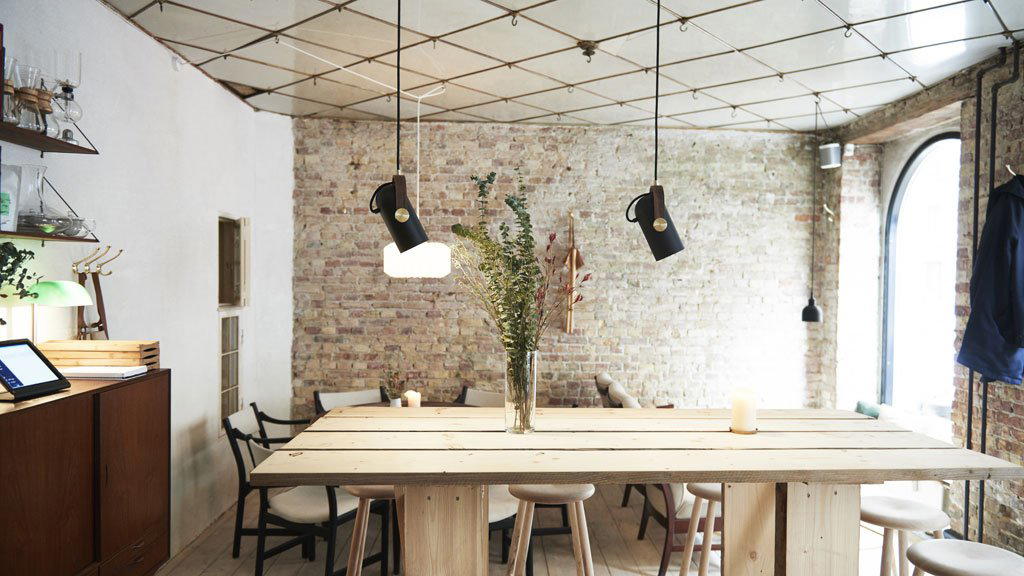
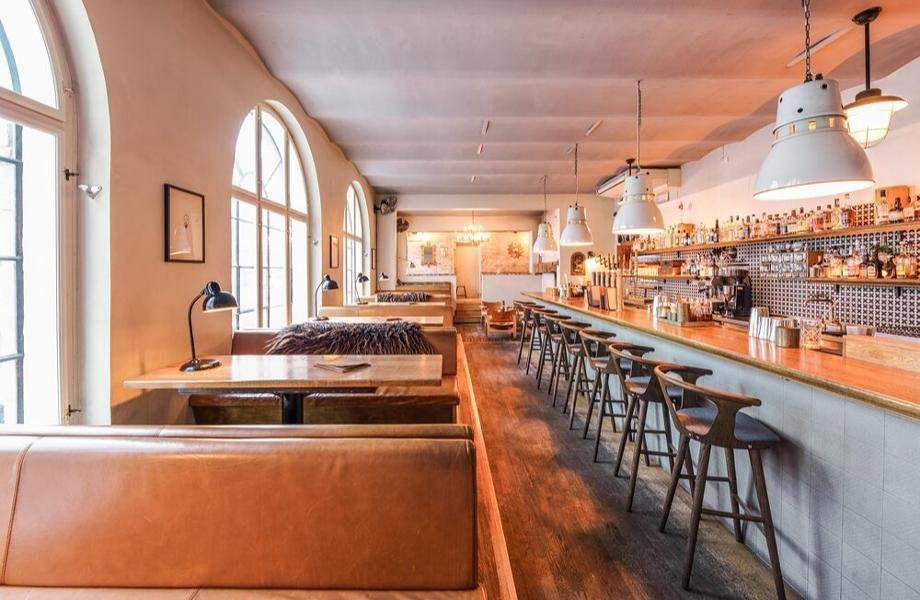
Masseria points in a different direction. The masseria reference implies warmth of material: terracotta, natural stone, exposed timber, ceramics with a hand-formed quality. Whether the interior at Flæsketorvet 50 delivers on that programme in full is something each visitor will assess on their own terms, but the design ambition, to import a southern European spatial register into a northern European post-industrial room, is readable from the concept itself. In a city where the dominant dining interior language is well established, a room that argues for a different visual and tactile grammar is doing something that matters beyond decoration.
It is also worth noting how Kødbyen works as a staging ground for this. The district's existing architecture is not precious; it does not insist on any particular finish or period detail. That neutrality gives incoming concepts more latitude to build their own atmosphere than a, say, historic townhouse in the Latin Quarter would. Masseria's address is, in that sense, well chosen for the kind of sensory departure the concept proposes.
Where It Sits in Copenhagen's Italian Register
Italian cooking in Copenhagen has historically been a secondary track behind the city's New Nordic dominance. The restaurants that have done it seriously, not trattoria tourism, but ingredient-led Italian with real sourcing depth, form a small, coherent group. Kadeau is not Italian, but its approach to preserved and fermented Danish produce shares a philosophical kinship with southern Italian pantry culture: both systems treat preservation as flavour, not just logistics.
The masseria model specifically draws from Puglia's cucina povera tradition, where the quality of a meal is measured by the olive oil, the bread, the dried legumes, and the pasta rather than by protein. That register sits at an interesting angle to Copenhagen's current fine-dining priorities, which tend to emphasise hyper-local sourcing and Nordic ingredients. A restaurant that insists on the quality of imported southern Italian goods, burrata from specific dairies, durum wheat pasta from the Murge plateau, olive oils from the Salento, is making a claim about where authority in food comes from, and that claim is legible to Copenhagen diners who have spent a decade being trained in provenance thinking by the New Nordic movement.
Dining in Denmark Beyond the Capital
For visitors building a broader Danish dining itinerary, Copenhagen remains the gravitational centre, but serious cooking now operates across the country. Jordnær in Gentofte holds two Michelin stars just north of the city. Further afield, Frederikshøj in Aarhus and Henne Kirkeby Kro in Henne represent the depth of Denmark's regional fine-dining programme. Alimentum in Aalborg, ARO in Odense, Domæne in Herning, Dragsholm Slot Gourmet in Hørve, Frederiksminde in Præstø, LYST in Vejle, and MOTA in Nykøbing Sjælland round out a national scene that rewards the traveller willing to leave the capital. Our full Copenhagen restaurants guide covers the city's tiers and neighbourhoods in detail.
For international comparison, the model of a high-minded Italian-rooted restaurant in a northern European or North American city has precedents worth understanding. Le Bernardin in New York City demonstrates what sustained ingredient discipline in a transplanted European tradition can produce over decades. Atomix in New York City shows how a non-dominant culinary tradition can operate at the highest level in a competitive foreign market, a structural parallel to what serious Italian cooking faces in Copenhagen.
Planning Your Visit
Masseria is located at Flæsketorvet 50, 1711 København, in the heart of Kødbyen. The address is accessible by foot from Dybbølsbro station or from the city centre in under twenty minutes. Kødbyen functions as an evening district; arriving before or after dinner to explore the surrounding bars and studios is a reasonable way to frame the visit. Given the neighbourhood's general pattern, reservations in advance are the sensible approach rather than a walk-in attempt on a weekend evening.
How Masseria Copenhagen compares with similar nearby venues.
| Venue | Cuisine | Price |
|---|---|---|
| Tommi's Burger Joint | Hamburgers | Not listed |
| Kødbyens Fiskebar | Seafood | € |
Recognition history
Dated appearances from independent guides and award organizations, with the underlying list record or original source where available.
White Guide Denmark Restaurants - Recommended
White Guide
Continue exploring
More in Copenhagen
Restaurants in Copenhagen
Browse all →
Bars in Copenhagen
Browse all →
Hotels in Copenhagen
Browse all →

At a Glance
- Rustic
- Modern
- Warm
- Casual
- Date Night
- Group Dining
- Family
- Casual Hangout
- Brunch
- Open Kitchen
- Private Dining
- Beer Program
- Farm To Table
- Local Sourcing
- Organic
Current opening hours
- Monday
- 5 PM–12 AM
- Tuesday
- 5 PM–12 AM
- Wednesday
- 5 PM–12 AM
- Thursday
- 5 PM–12 AM
- Friday
- 11 AM–2 AM
- Saturday
- 11 AM–2 AM
- Sunday
- 11 AM–12 AM
Hours can change for holidays and private events. Last verified .
Stylish blend of rustic charm and modern elegance with visible kitchen; described as warm and inviting with earthy charm, though noted as quite noisy by some guests.
Know Before You Go
- Getting there
- Flæsketorvet 50, 1711 København, Denmark