DILLON
Our verdict
On Tåsingegade in Copenhagen's Østerbro district, DILLON operates as a neighbourhood fixture within a city that has redefined what everyday dining can mean. The room, the pacing, and the collaborative front-of-house approach place it in a recognisable Copenhagen tier: technically considered, locally rooted, and calibrated for regulars rather than occasion diners passing through.

Pearl is the En Primeur Club membership app — saves, bookings, and concierge access live there. Same editors, same standards.
- Address
- Tåsingegade 51, 2100 København, Denmark
- Phone
- +4571554328
- Hours
- Mon–Fri 8 AM–4 PMSat 8 AM–5 PMSun 9 AM–5 PM
- Website
- instagram.com
- Directions
- Get directions
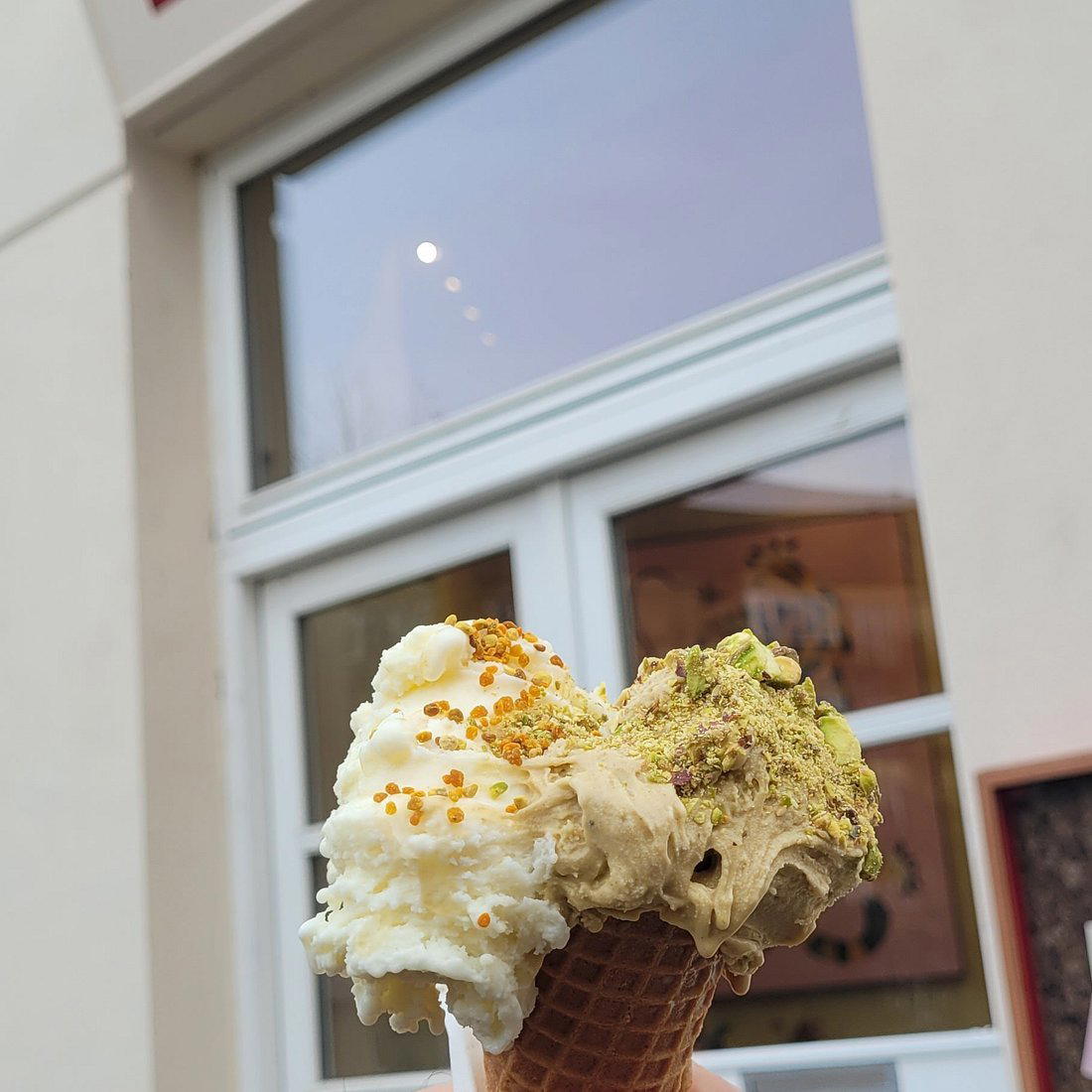
Østerbro and the Neighbourhood Restaurant Question
Copenhagen's dining reputation is built on a handful of addresses that attract international attention: the counter at Geranium, the mythology of Noma, the theatrical scale of Alchemist. But the more instructive story about how the city actually eats is told at street level, in places like Østerbro, where the pressure to perform for a global audience drops away and a restaurant can simply serve its neighbourhood well. DILLON, at Tåsingegade 51 in the 2100 postal district, sits squarely in that second category. It is not a destination restaurant in the way that Koan or Kadeau function as destinations; it is the kind of place that holds a neighbourhood together, the address locals return to on a Tuesday without a reservation booked three months in advance.
Østerbro itself rewards that framing. The district sits north of the city centre, residential in character, less saturated with tourist traffic than Vesterbro or the Latin Quarter, and home to a dining scene that has matured quietly over the past decade. Restaurants here compete less on spectacle and more on consistency, on the relationship between a room and the people who fill it regularly. DILLON occupies that position on Tåsingegade, a street that functions as a local artery rather than a dining destination in its own right.
The Room and What It Signals
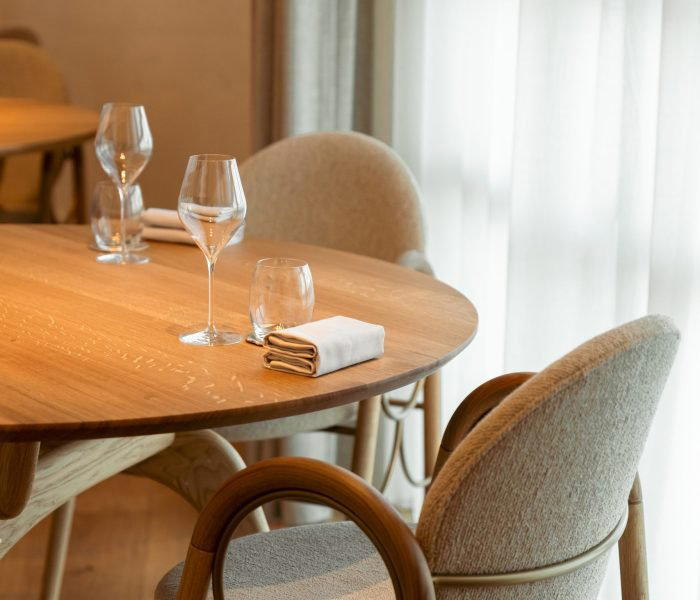
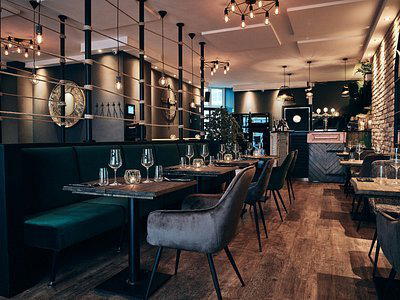
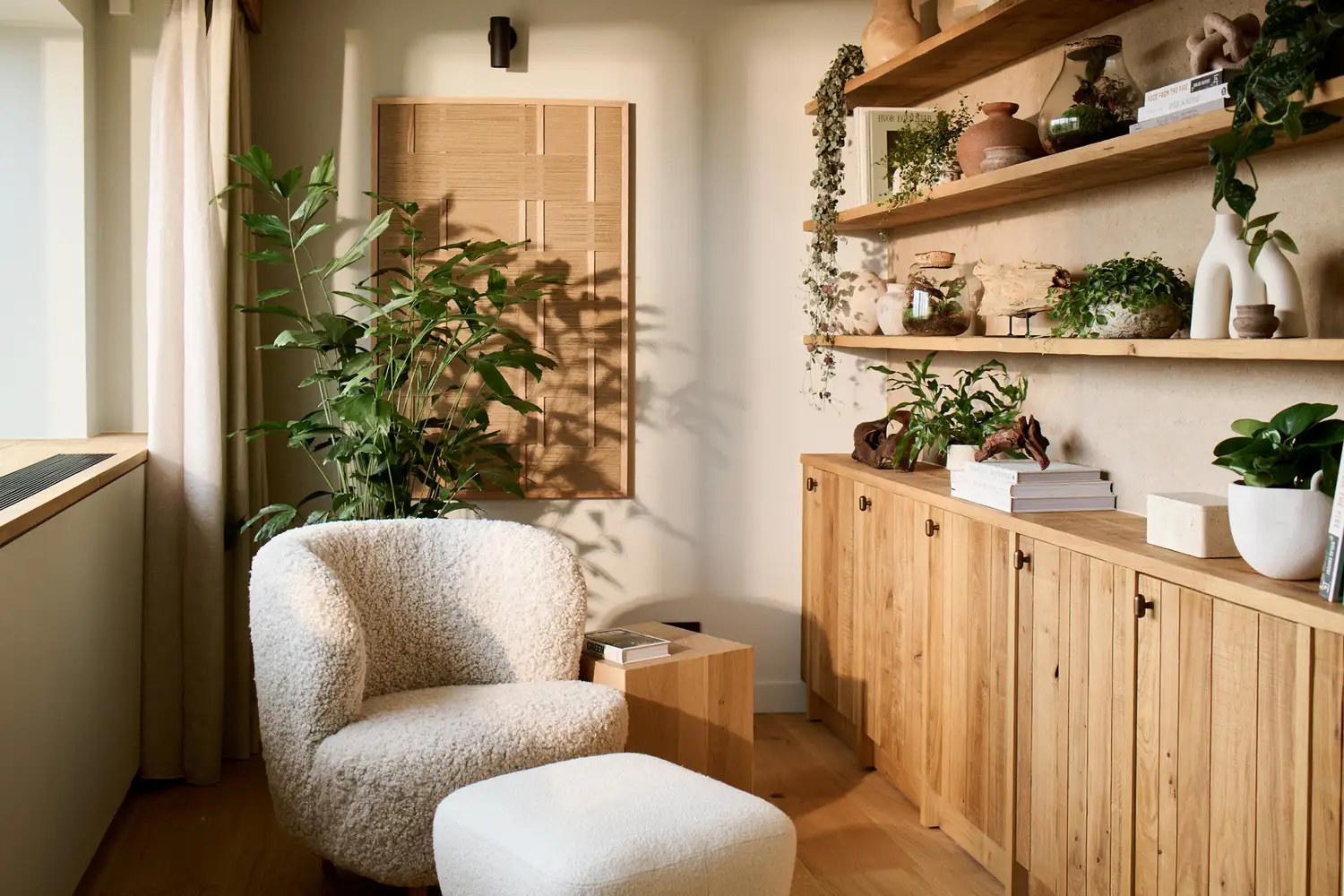
Approaching a Copenhagen neighbourhood restaurant in this tier, the visual language is usually legible before you push the door: a low-lit frontage, perhaps a handwritten specials board visible through glass, the kind of signage that signals a room confident enough not to shout. Inside, the typical Østerbro format favours close-set tables, warm materials, and a layout that keeps the kitchen audible without making it a performance. Whether DILLON follows that template precisely is less important than recognising the category it inhabits: places where the physical environment is designed to lower the register, not raise it, and where the atmosphere is generated by the people in the room rather than architectural theatre.
In Copenhagen's mid-tier neighbourhood scene, that restraint is a deliberate position. The city has enough high-production dining rooms that a place choosing understatement is making an argument, not cutting corners. The argument is that the food, the service relationship, and the pacing of an evening are more important than the backdrop against which they happen.
Collaboration as the Operative Model
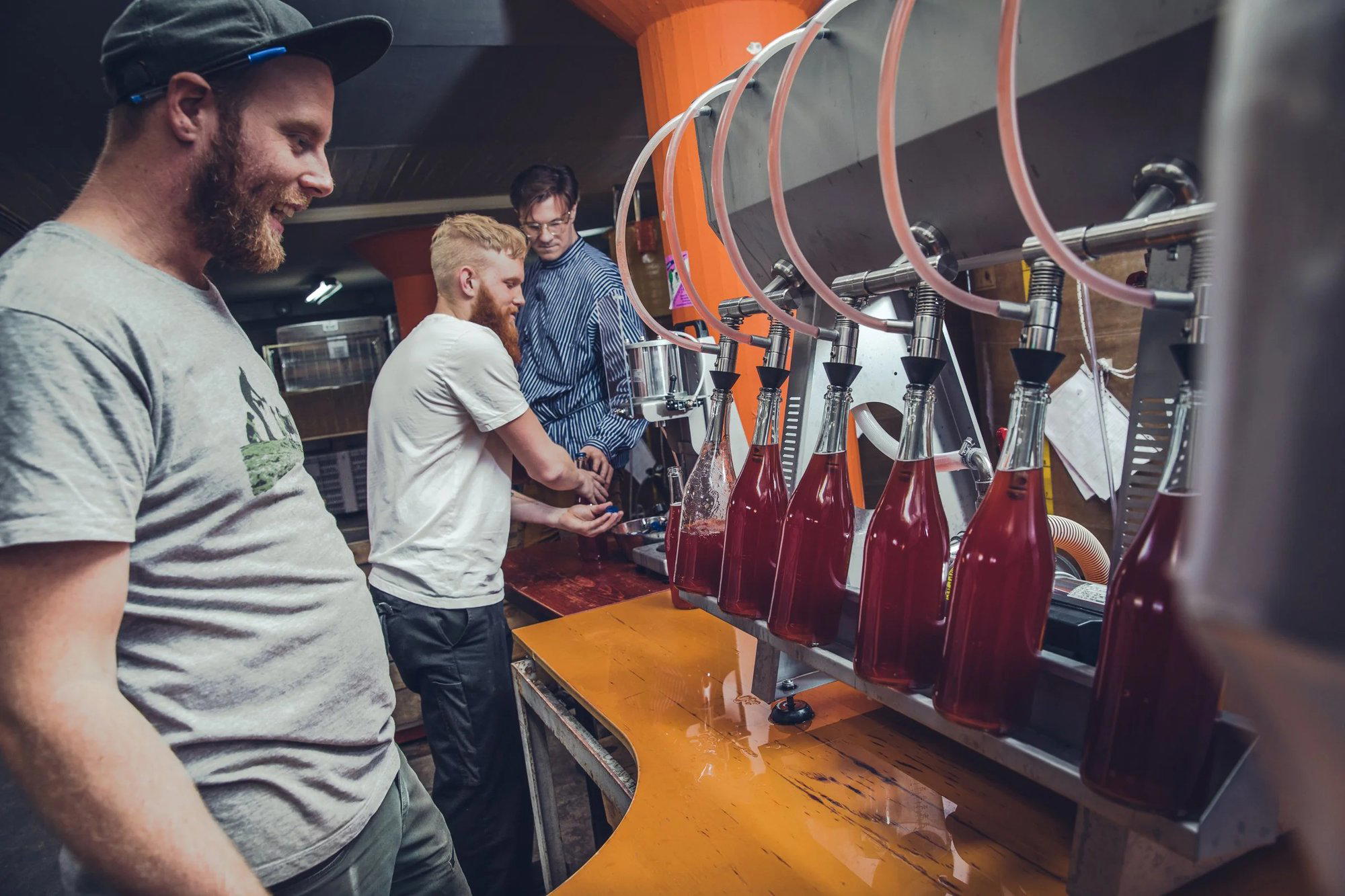
The strongest neighbourhood restaurants in Copenhagen tend to operate through tight internal collaboration rather than through the singular authority of a named chef. This is partly a function of scale: smaller rooms with shorter menus require every person on the floor to carry genuine knowledge, because there is no sommelier station or maître d' infrastructure to absorb gaps. Front-of-house in this environment functions less as a delivery mechanism and more as an interpretive layer, the person who reads which table wants to talk through the wine and which wants to be left alone, who understands the menu well enough to steer without a script.
That model, when it works, produces a particular kind of evening: one where the transitions between courses feel considered rather than mechanical, where a recommendation from the floor carries the same weight as a recommendation from the kitchen, and where the sum of the team's decisions shapes the experience more than any single element. In Copenhagen's neighbourhood tier, this collaborative dynamic is increasingly the differentiator. It is what separates a competent local restaurant from one that builds genuine loyalty. DILLON, positioned in a residential district where repeat business is the primary metric, operates in exactly this context.
Copenhagen's Wider Dining Tier and Where DILLON Fits
Understanding DILLON's position is easier with a sense of the full Danish dining map. At the high end, Copenhagen's tasting-menu restaurants compete internationally: Jordnær in Gentofte and Frederikshøj in Aarhus sit in that tier alongside the city's most decorated addresses. Further out, destination restaurants anchor regional dining in Denmark: Henne Kirkeby Kro in Henne, Alimentum in Aalborg, ARO in Odense, Domæne in Herning, Dragsholm Slot Gourmet in Hørve, Frederiksminde in Præstø, LYST in Vejle, and MOTA in Nykøbing Sjælland. These are not peer addresses for DILLON; they represent a different tier, serving a different function.
The city's influence on how those neighbourhood restaurants operate is visible in sourcing discipline, in an expectation of kitchen literacy among all staff, and in a front-of-house culture where genuine hospitality is not confused with formality. Internationally, this approach has parallels: the way Le Bernardin in New York City enforces a precise, calibrated service model, or how Atomix in New York City has built its reputation partly on the information density of its floor team. The scale is different, but the underlying principle, that service is a form of knowledge transfer, applies across tiers.
Planning a Visit
DILLON is at Tåsingegade 51 in Østerbro, reachable by metro or bus from the city centre, with the neighbourhood character most legible on foot from the surrounding streets. As a residential-district restaurant rather than a city-centre address, the booking window is typically more accessible than Copenhagen's tasting-menu tier, though weekend evenings in Østerbro fill quickly among locals. Arriving without a reservation on a weekday is plausible; for a specific table time on a Friday or Saturday, advance contact is the practical approach. The full context of Copenhagen's dining options, from neighbourhood addresses to the city's most decorated rooms, is mapped in our full Copenhagen restaurants guide.
Frequently asked questions
Does DILLON work for a family meal?
Østerbro's neighbourhood restaurant culture tends toward relaxed, all-ages settings rather than the hushed formality of Copenhagen's tasting-menu circuit. DILLON sits in this part of the city at Tåsingegade 51, a residential address that draws locals rather than destination diners. Families eating in the area generally find this tier of restaurant more accommodating than the downtown counters built around a single sitting.
Is DILLON formal or casual?
The address, Tåsingegade 51 in Østerbro, positions DILLON squarely in Copenhagen's neighbourhood dining tier rather than its formal tasting-menu category. Restaurants at this level in the city tend to operate without the dress codes or extended booking windows that define Geranium or the old Noma model. The room signals accessibility; the expectation is a well-fed evening rather than a structured ceremony.
Is DILLON a good option for dinner in Copenhagen if you want to eat outside the tourist restaurant trail?
DILLON's location on Tåsingegade 51 in Østerbro places it several kilometres from the central-Copenhagen addresses that dominate international dining coverage. Østerbro functions as a working residential district, and restaurants here draw a predominantly local clientele rather than visitors following a list. For anyone spending more than two nights in Copenhagen and looking beyond the well-documented tasting-menu tier, this part of the city represents a different register of the Danish dining conversation.
What do regulars order at DILLON?
What is consistent across Østerbro's stronger neighbourhood restaurants is a rotation built around seasonal Danish produce and a short, editable menu that shifts based on supplier relationships rather than fixed seasons. Regulars in this part of Copenhagen typically return for dishes that reflect that week's sourcing rather than a static signature.
Where is DILLON in Copenhagen?
DILLON is located at Tåsingegade 51, 2100 København, Denmark, Copenhagen.
At-a-Glance Comparison
Comparable venues nearby, for context on price, style, and recognition.
| Venue | Cuisine | Price | Awards | Notes |
|---|---|---|---|---|
| DILLONThis venue — the venue you are viewing | Artisanal Italian Gelato | $10–20 | Not listed | Not listed |
| Hos Fischer | Authentic Roman Trattoria | $20–30 | Not listed | Østerbro |
| Fabro | Authentic Italian Pasta | $20–30 | Not listed | Indre By |
| Trattoria Fiat | Authentic Italian Trattoria | Not listed | Star Wine List | Indre By |
| Graziano | Rustic Tuscan Peasant Food | $30–50 | Michelin Bib Gourmand | Nørrebro |
| Il Ponte | Authentic Italian Trattoria | $20–30 | Not listed | Indre By |