Figo
Our verdict
Figo occupies a canal-side address on Overgaden Neden Vandet in Copenhagen's Christianshavn district, one of the city's most architecturally coherent neighbourhoods. It sits within a dining scene that has spent two decades redefining what a European restaurant city looks like, and positions itself at a remove from the New Nordic orthodoxy that dominates the upper tier.
- Address
- Overgaden Neden Vandet 33b, 1414 København, Denmark
- Phone
- +4522688821
- Website
- figovinbar.dk
- Directions
- Get directions
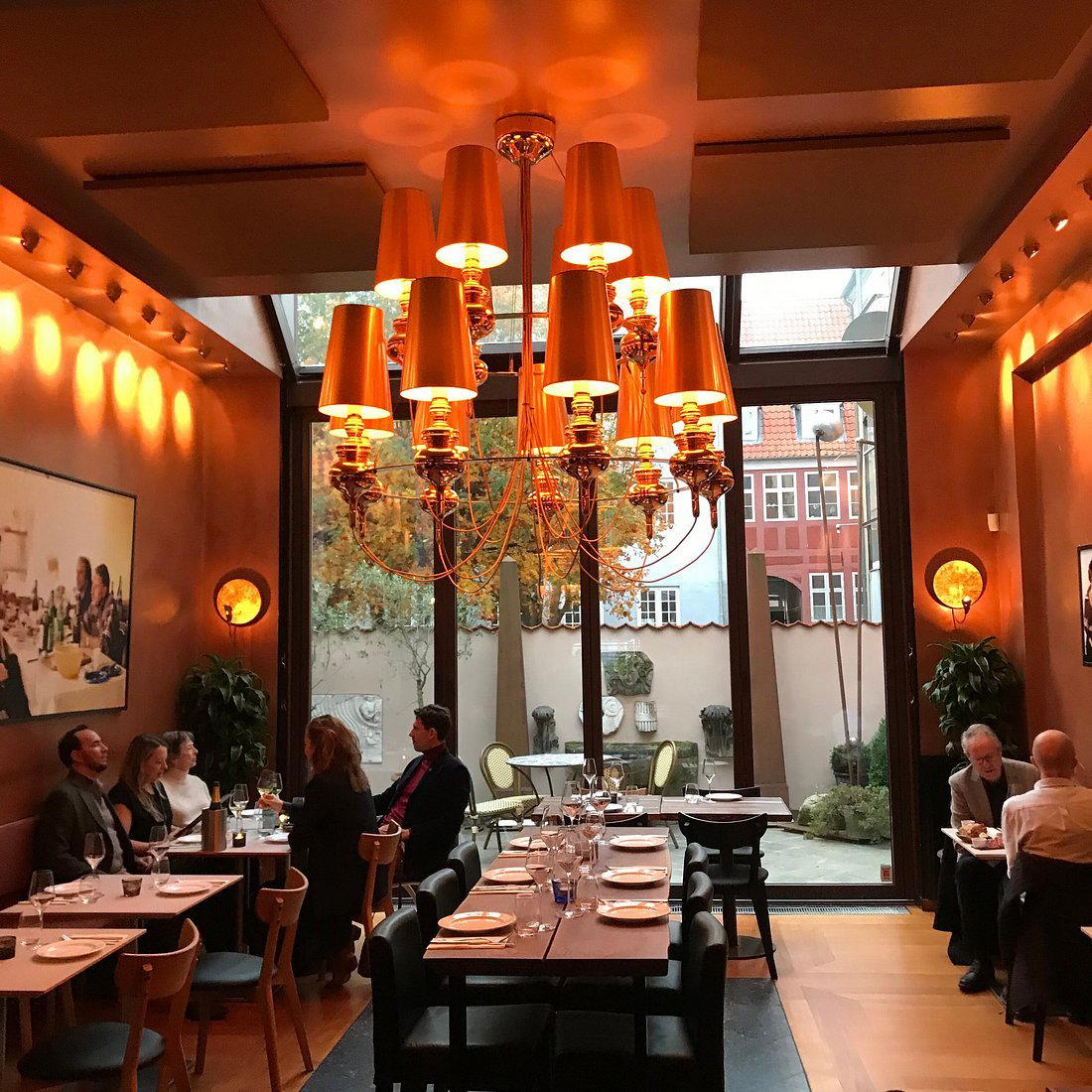
Christianshavn and the Canal
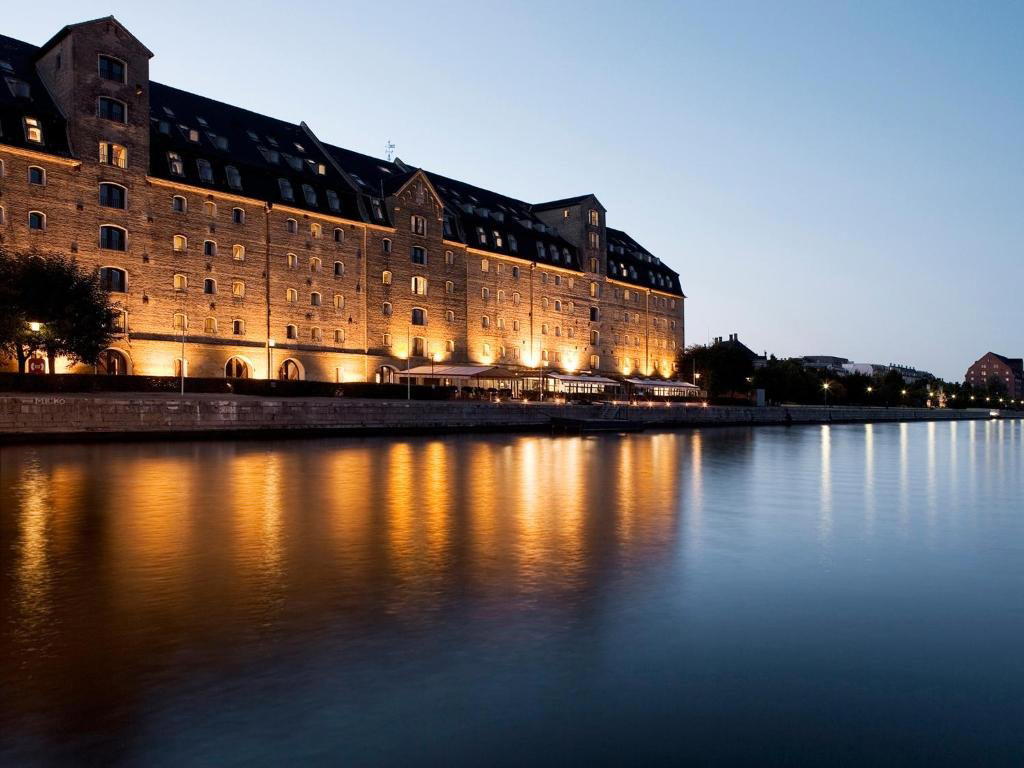
Overgaden Neden Vandet runs along the inner edge of Christianshavn's canal, a stretch of 17th-century merchant warehouses that have been steadily converted into restaurants, galleries, and residences over the past three decades. The address places Figo in one of Copenhagen's most geographically specific dining corridors: close enough to the city centre to draw a broad audience, distinct enough in character to attract guests who prefer a neighbourhood pace over the dense foot traffic of Indre By. Approaching from the canal-side footpath in the early evening, the light off the water and the low warehouse rooflines create a physical environment that already frames the meal before the door opens.
That setting matters for how Copenhagen's mid-to-upper dining tier operates. The city's most discussed addresses, Geranium and Noma among them, have built international reputations on a particular ideology of place and season. Figo's Christianshavn position suggests a different register: less monument, more neighbourhood anchor.
Where Figo Sits in the Copenhagen Scene
Copenhagen's fine dining tier has become one of the most internally differentiated in Europe. At one end, you have the multi-course progressive formats: Alchemist with its 50-impression theatrical structure, Koan combining New Nordic technique with kaiseki discipline. At another, tighter end, you have addresses like Kadeau, which anchors its identity in the Baltic island produce of Bornholm. The city rewards specificity. Restaurants that stake out a clear position within this competitive field tend to sustain themselves; those that occupy a generic middle ground do not.
For our full Copenhagen restaurants guide, the pattern that emerges is a scene increasingly confident in its own plurality. The New Nordic framework that Noma catalysed is now old enough to have produced genuine counter-currents: Italian-influenced addresses, French-trained kitchens, and hybrid formats that use Scandinavian produce without subscribing to the foraging-and-fermentation lexicon. Figo's name, derived from the Italian word for fig, signals an alignment with Mediterranean influences rather than a direct continuation of the Nordic template.
The Arc of the Meal
In a city where the tasting menu has become a near-universal format at this price point, how a kitchen sequences its courses carries as much meaning as any individual dish. The opening moves of a meal in this tier typically establish a position: are we working through Nordic seasons, or through a different culinary grammar? Mediterranean-inflected kitchens in Copenhagen tend to open with acid and cured elements, moving through richer, more structured middle courses before resolving into something lighter or fruit-forward at the close.
The logic of that progression, when it works, is one of accumulation without fatigue. The Italian and broader southern European tradition of building a meal through antipasto, primo, and secondo offers a structural alternative to the Scandinavian snack-to-centrepiece arc. Copenhagen diners with experience across both formats know the difference: one builds toward a crescendo, the other distributes attention more evenly across the table. Figo's orientation suggests the latter grammar, though the specifics of the current menu require direct verification with the restaurant.
What the Christianshavn address implies, alongside the name, is a kitchen interested in a more relaxed register of pleasure than the hyper-conceptual end of the Copenhagen scene. That is not a lesser ambition; it is a different one, and in a city saturated with technical showcases, a kitchen that commits to generosity over provocation occupies real space.
Denmark Beyond Copenhagen
Figo belongs to a national dining scene that has developed considerable depth outside the capital. Jordnær in Gentofte operates at two Michelin stars just north of the city. Further afield, Frederikshøj in Aarhus, Henne Kirkeby Kro in Henne, and Dragsholm Slot Gourmet in Hørve demonstrate that starred ambition is distributed across the country rather than concentrated in the capital. LYST in Vejle, Ti Trin Ned in Fredericia, Tri in Agger, Frederiksminde in Præstø, Pearl by Paul Proffitt in Kruså, and Syttende in Sønderborg each demonstrate what focused regional kitchens can achieve when they are not competing for the same international spotlight as Geranium or Noma.
Within Copenhagen itself, however, the canal-side concentration of dining options in Christianshavn means Figo competes on atmosphere and identity as much as on cuisine. The neighbourhood draws guests who want to eat well without the booking-window pressure that attaches to the city's most-discussed tables.
Comparisons That Frame the Positioning
The Italian-Mediterranean influence Figo signals through its name has precedents in other high-performing European cities. In San Francisco, Lazy Bear demonstrates how a communal, multi-course format can generate both critical recognition and a loyal local following without adopting the formal architecture of a classical tasting menu. In New York, Le Bernardin shows how a kitchen rooted in a specific culinary tradition, rigorously maintained, can sustain decades of relevance in a market that continuously redefines itself. Neither is a direct analogue to a Copenhagen canal-side address, but both illustrate the broader principle: commitment to a defined culinary identity, rather than responsiveness to trend cycles, is what builds enduring restaurant reputations.
Copenhagen has its own version of that dynamic. The city's most durable addresses are those that staked out positions early and held them. Figo's Mediterranean lean, in a scene otherwise dominated by Nordic inflection, gives it a clear identity if the kitchen executes consistently against that promise.
Know Before You Go
Address: Overgaden Neden Vandet 33b, 1414 København, Denmark
Neighbourhood: Christianshavn, Copenhagen
Getting there: Christianshavn Metro station (M1/M2) is within comfortable walking distance of the canal address.
Ideal time to visit: Summer evenings, when the canal-side setting is at its most atmospheric and Copenhagen's long daylight hours extend the outdoor experience. The winter months bring a more interior-focused dining mood that suits multi-course formats.
Booking:
Price range:
Frequently asked questions
Where exactly is Figo?
Figo is located at Overgaden Neden Vandet 33b, 1414 København, Denmark, Copenhagen.
How does Figo compare to other Italian-influenced restaurants in Copenhagen?
Copenhagen's fine dining tier is heavily dominated by Nordic-inflected tasting menus, which makes Figo's Italian-Mediterranean positioning a deliberate departure rather than a default. The Christianshavn address on Overgaden Neden Vandet places it in a neighbourhood associated with converted merchant architecture and a more neighbourhood-anchored dining atmosphere than the city centre. For context on how Italian and Mediterranean influences have performed in comparable northern European markets, the precedent from cities like Amsterdam and Hamburg is instructive. Specific awards or chef credentials for Figo are not currently on record.
What's the must-try dish at Figo?
Figo's menu specifics aren't documented in detail publicly, so pinning a single dish is difficult without up-to-date information. Given the Italian-Mediterranean direction the name and positioning signal, the kitchen's seasonal approach to that tradition is the thread worth following.
Can I walk in to Figo?
Figo is located at Overgaden Neden Vandet 33b in Christianshavn, a neighbourhood where canal-side restaurants at this positioning tend to fill quickly, particularly on weekends. Copenhagen's dining culture generally favours reservations at this tier.
What's the signature at Figo?
The signature at Figo is framed by its Italian-Mediterranean orientation within a Copenhagen dining scene that leans heavily toward New Nordic formats. That positioning places Figo in a distinct category alongside other European-influenced kitchens in the city. The canal-side address on Overgaden Neden Vandet, in a converted Christianshavn warehouse, adds a spatial dimension that shapes the overall experience.
At-a-Glance Comparison
A quick peer check to anchor this venue’s price and recognition.
| Venue | Cuisine | Price | Awards | Notes |
|---|---|---|---|---|
| FigoThis venue — the venue you are viewing | Italian Wine Bar | Not listed | Not listed | Not listed |
| Geranium | Modern New Nordic Pescatarian | $500+ | 3 Michelin Stars · World's 50 Best #1 | New Nordic, Creative |
| Noma | New Nordic Fine Dining | $300–500 | 3 Michelin Stars · World's 50 Best #1 | Creative |
| Alchemist | Avant-Garde Molecular Gastronomy with Social Commentary | $500+ | 2 Michelin Stars · World's 50 Best #5 | Progressive, Creative |
| Koan | Modern Korean-Nordic Fine Dining | $300–500 | 2 Michelin Stars · World's 50 Best #91 | New Nordic, Kaiseki, Creative |
| a|o|c | Modern Scandinavian Fine Dining | $300–500 | 2 Michelin Stars · La Liste Top Restaurants | New Nordic, Mediterranean Small Plates, Creative |