Tanoshii Andersonville
Our verdict
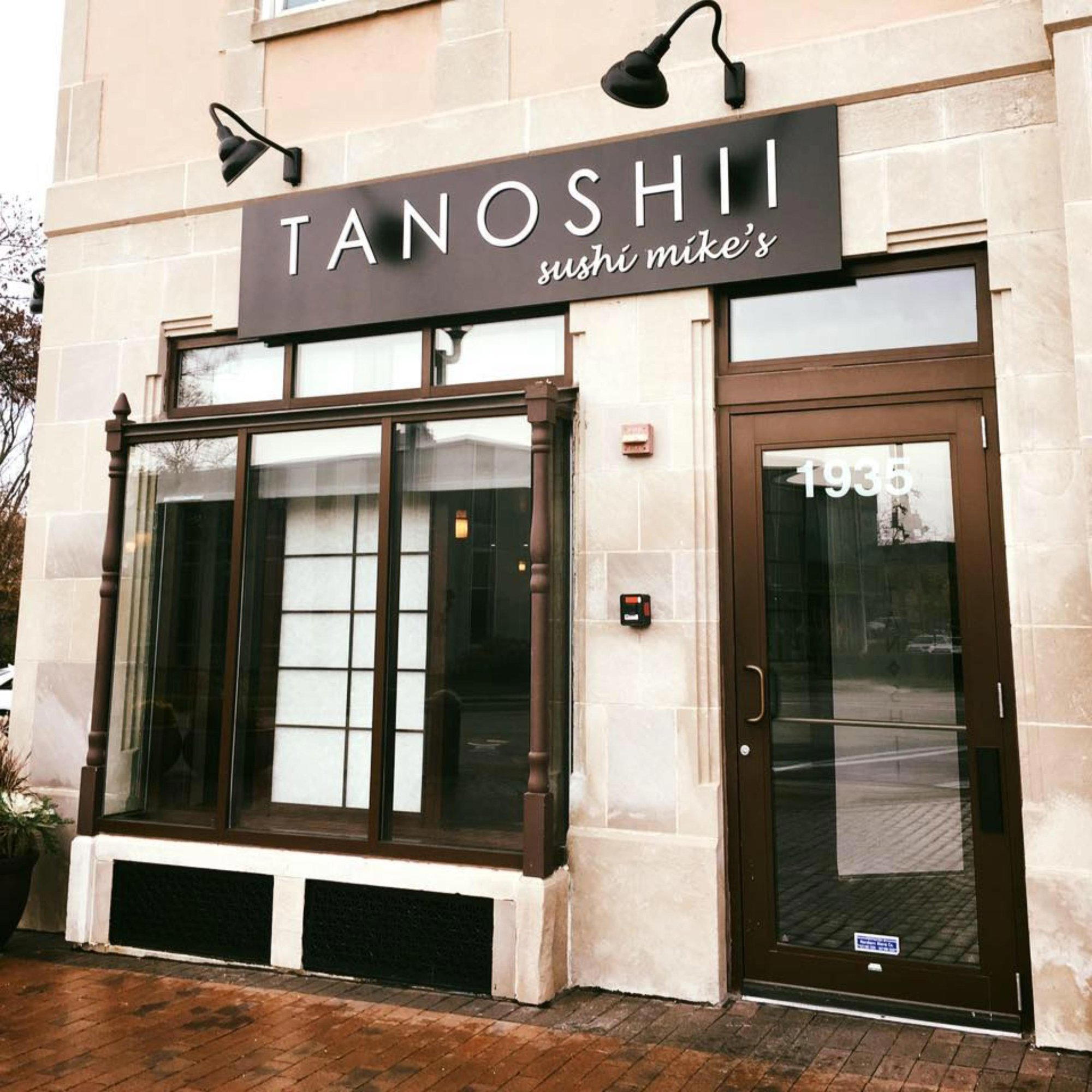
Tanoshii Andersonville sits on North Clark Street in one of Chicago's most food-literate residential neighbourhoods, operating in the middle tier between Andersonville's casual regulars and the destination-dining bracket that defines the city's broader Japanese scene. The address alone places it in a dining corridor worth understanding before you book.

Pearl is the En Primeur Club membership app, where members save venues, book tables and use the concierge.
The menu
What to order
- Fish and Chips
- Mike's Special Rolls
North Clark Street and the Neighbourhood It Feeds
Andersonville has spent the last decade consolidating a dining identity that is quieter but no less considered than what you find in the West Loop or River North. The stretch of North Clark Street around 5547 is residential in character, low foot traffic from tourists, high foot traffic from people who live within a ten-minute walk. That demographic shapes what works here. Restaurants that survive on this block tend to build repeat clientele rather than destination occasion diners, and the menus that do well reflect that: approachable in format, specific in execution, built for the kind of familiarity that brings someone back on a Tuesday rather than just a Saturday anniversary.
Tanoshii Andersonville occupies that position in the neighbourhood's Japanese dining segment. Chicago's Japanese scene covers a wide range, from the omakase counters downtown (some pricing at the level of Michelin three-star peers like Alinea or Smyth) to the sushi-and-izakaya tier that serves the city's broader population. Andersonville sits closer to the latter end of that spectrum, which means the competitive conversation here is less about tasting-menu architecture and more about consistency, value, and neighbourhood fit.
Menu Architecture: What the Structure Reveals
The way a Japanese restaurant in a non-destination neighbourhood organises its menu is one of the most reliable signals of what it is actually trying to do. At the higher end of Chicago's Japanese scene, you see stripped-back omakase formats, chef-directed, prix-fixe, no substitutions, a structure that asserts culinary authority and filters the room toward guests who have already committed to the experience before they arrive. That format works in the Loop or in a Fulton Market address with destination footfall. It is harder to sustain in Andersonville, where the guest base is broader and the dining occasion more varied.
A neighbourhood Japanese restaurant that reads its room well typically offers range: sushi alongside cooked dishes, a sake list that rewards curiosity without demanding expertise, appetisers that can anchor a light visit as easily as they can open a longer meal. This kind of menu architecture is not a compromise, it is a different editorial stance, one that treats flexibility as a form of hospitality rather than a weakness in concept. Restaurants in the Kasama tier, which blends precision and accessibility in its own way within Chicago's Filipino dining scene, understand this balance. So do the mid-range Japanese operators who have held their North Side addresses across multiple economic cycles.
For readers who come from following destination-format restaurants, the fixed-course discipline of Next Restaurant, or the commitment structures at tasting-led counters in cities like New York (see Atomix for a reference point in Korean fine dining), the shift to a neighbourhood Japanese format requires a recalibration. The question to ask is not whether the format is ambitious enough, but whether it executes its stated terms with rigour. A neighbourhood sushi restaurant that sources carefully, turns over its fish at the right pace, and keeps its cooked dishes honest is doing something worth respecting, even if it is not pricing against The French Laundry or Le Bernardin.
Where Tanoshii Sits in Chicago's Broader Japanese Dining Scene
Chicago's Japanese dining options have diversified considerably. The city now supports multiple omakase counters operating at price points and booking difficulties that rival destination formats in San Francisco (such as Lazy Bear) or Los Angeles (see Providence for how that city handles high-end seafood-led tasting formats). Below that tier, the city has a denser, less-discussed layer of Japanese restaurants that function as genuine neighbourhood assets, places that hold a Clark Street or Broadway address and build their reputation over years of consistent service to the same community.
Tanoshii Andersonville belongs to this second category. Its address on North Clark puts it in a corridor that has historically favoured longevity over spectacle. The restaurants that have lasted here, across several cuisines, tend to share a common set of traits: menus that evolve slowly rather than seasonally, service that recognises regulars, and price points that do not require a special occasion to justify. For context on what farm-to-table discipline and seasonal rigour look like at the highest tier of American dining, Blue Hill at Stone Barns or Single Thread Farm set the standard. Tanoshii is not in that conversation, nor does its neighbourhood position suggest it needs to be.
For a broader read on where this restaurant fits within Chicago's dining ecosystem, the full Chicago restaurants guide maps the city's major dining corridors and category leaders. Visitors comparing Andersonville's offer to what is available in Wicker Park, Logan Square, or the West Loop will find the neighbourhood's tempo slower and its dining more oriented toward the weeknight than the special occasion.
Planning Your Visit
Andersonville is accessible by CTA Red Line (Berwyn stop, a short walk south along Clark Street) and has reasonable street parking by Chicago standards in the evening. The neighbourhood dynamic means walk-in availability is more realistic here than at the city's heavily booked destination restaurants, Oriole, for instance, books weeks out at the tasting-menu tier. A call ahead or same-day reservation is the sensible approach for Tanoshii, particularly on weekend evenings when North Clark Street's dining capacity tightens. Dress code is casual by expectation; the neighbourhood does not dress up for dinner the way River North does.
For comparison purposes, those planning a broader Chicago dining itinerary that includes the city's more decorated addresses, Alinea, Smyth, or Oriole, should book those first and build neighbourhood meals like Tanoshii around the fixed points. The restaurant's North Side location also makes it a natural pairing with Andersonville's bar scene, which runs late and informal on Clark and Berwyn.
Quick reference: 5547 N Clark St, Chicago, IL 60640. Red Line to Berwyn. Walk-in possible; call ahead for weekends.
Frequently asked questions
Where is Tanoshii Andersonville located?
Tanoshii Andersonville is located at 5547 N Clark St, Chicago, IL 60640, Chicago.
How does Tanoshii Andersonville fit into the North Side Chicago dining scene compared to downtown Japanese restaurants?
Tanoshii operates at 5547 N Clark St in Andersonville, placing it firmly within Chicago's North Side neighbourhood dining circuit rather than the concentrated Japanese restaurant clusters found downtown or in River North. Andersonville has developed a food identity over the past decade that rewards visitors willing to travel past the city's most publicised dining corridors. For Chicago diners, that geography often means lower foot-traffic competition for tables and a room that skews toward regulars rather than tourists.
What's the signature dish at Tanoshii Andersonville?
What the menu structure at 5547 N Clark St signals, based on how Japanese restaurants in non-destination Chicago neighbourhoods typically operate, is a focus on consistent execution across a defined set of preparations rather than a single showpiece item. Check directly with the restaurant for current menu highlights.
Can I walk in to Tanoshii Andersonville?
Andersonville draws a loyal local crowd at 5547 N Clark St, which can affect same-day seating on weekends. Contacting the restaurant directly before visiting is the reliable approach.
What's the defining dish or idea at Tanoshii Andersonville?
The restaurant sits on N Clark St rather than in the West Loop or River North, which tells you something about its relationship to the city's dining scene. The defining idea appears to be precision and locality over destination-restaurant theatrics.
Is Tanoshii Andersonville good for vegetarians?
Vegetarian accommodation varies widely across Japanese restaurant formats, from sushi counters with limited options to izakaya-style menus with considerable flexibility. Anyone with dietary requirements should contact the restaurant at 5547 N Clark St directly before booking.
Is Tanoshii Andersonville worth it?
That depends on what you're comparing it against. Chicago's Japanese dining scene now includes omakase counters operating at high price points in more central neighbourhoods, but Tanoshii's position in Andersonville suggests a different proposition: accessible, neighbourhood-rooted Japanese dining on N Clark St rather than a destination-restaurant event.
A Tight Comparison
Comparable venues nearby, for context on price, style, and recognition.
| Venue | Cuisine | Price | Notes |
|---|---|---|---|
| Tanoshii AndersonvilleThis venue (the venue you are viewing) | Japanese Sushi | $30–50 | Not listed |
| Ron of Japan | Teppanyaki Japanese Steakhouse | $50–100 | Near North Side, Teppanyaki Japanese Steakhouse |
| Friends Ramen | Japanese Ramen Izakaya | $20–30 | Near North Side, Japanese Ramen Izakaya |
| Mirai Sushi | Authentic Japanese Sushi | Not listed | Wicker Park, Authentic Japanese Sushi |
| Kai Zan | Modern Japanese Omakase | $50–100 | West Town, Modern Japanese Omakase |
| Sushi Hall | Lincoln Park, Modern Japanese Sushi | Not listed | Not listed |