Ikigai San Ángel
Our verdict
Ikigai San Ángel serves modern Japanese sushi in San Ángel, with Maki Yorokobi, Totoaba Tiradito, and a sake program alongside craft cocktails.

Pearl is the En Primeur Club membership app — saves, bookings, and concierge access live there. Same editors, same standards.
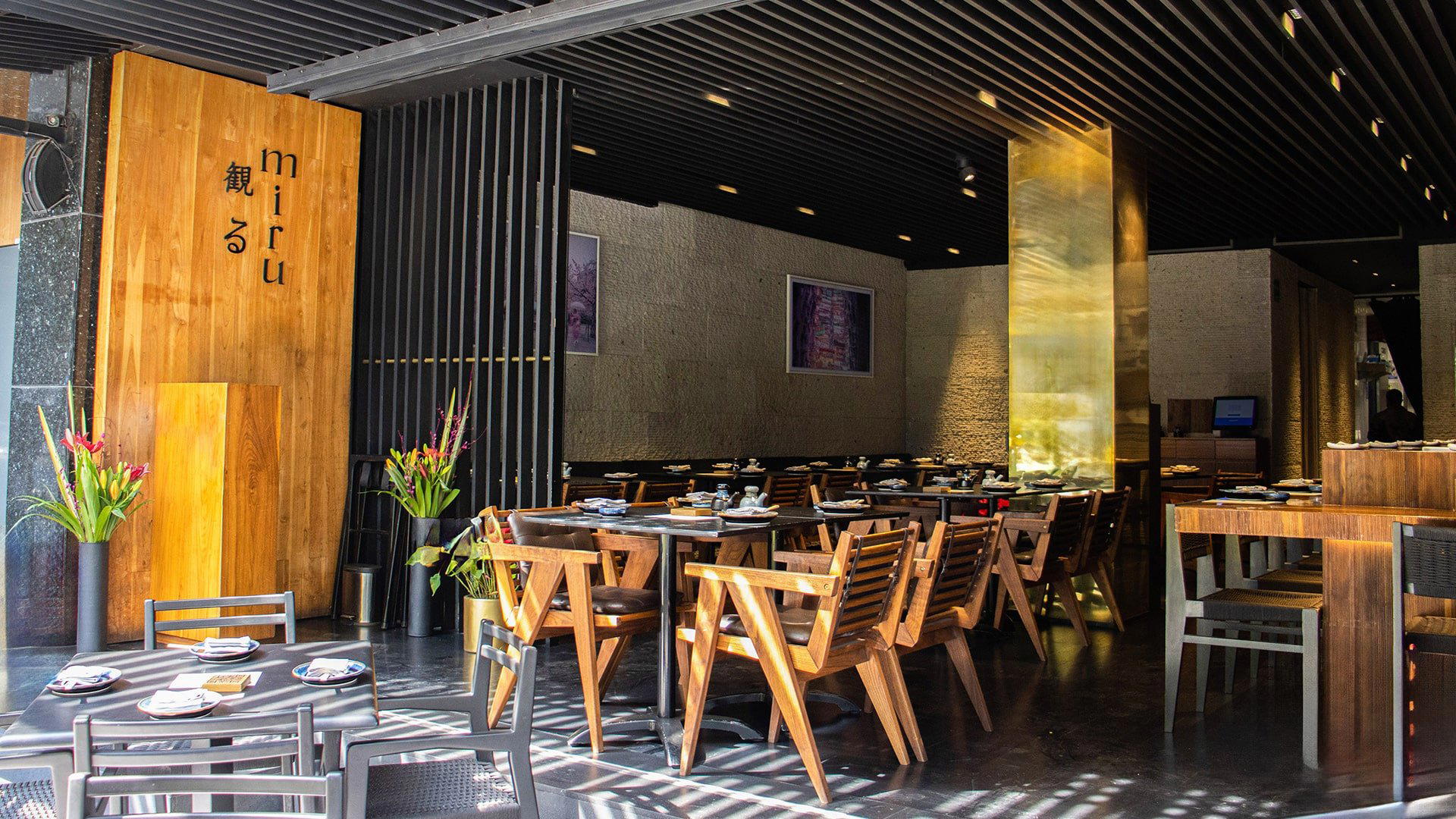
The menu
What to order
- Maki Yorokobi
- Totoaba Tiradito
- Hibachi Rib-Eye
San Ángel and the Architecture of Quiet Ambition
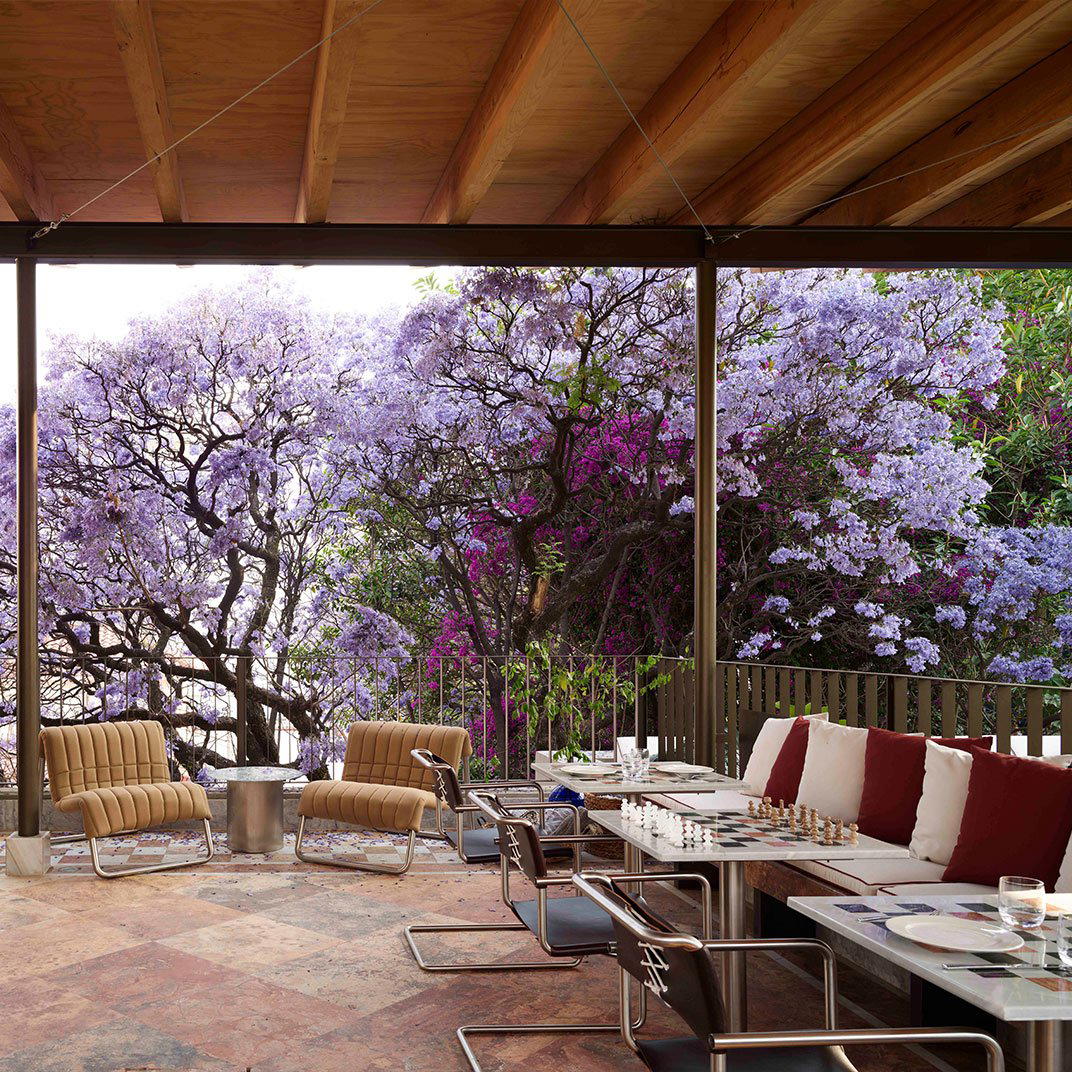
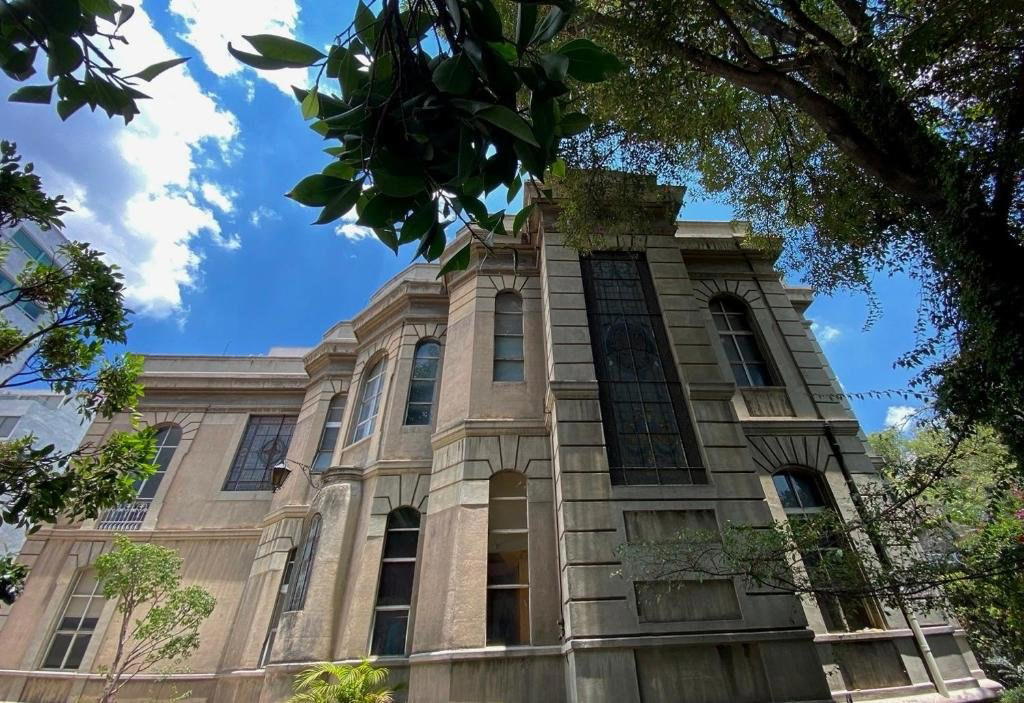
San Ángel is one of Mexico City's oldest colonial neighborhoods, its cobblestoned streets and ochre-walled mansions forming a residential enclave that resists the pace of the capital's more frenetic dining districts. Restaurants that take root here tend to occupy physical spaces with genuine architectural weight: converted casas coloniales, interior courtyards shaded by jacaranda, rooms where the walls do some of the work. Ikigai San Ángel, on Calle de la Amargura, operates inside this tradition. The address alone signals a certain register: a lane whose name translates to Bitterness Street, a detail that San Ángel's history makes legible without irony.
The neighborhood positions this kind of venue differently than Polanco or Roma Norte would. In those districts, Japanese-inflected or fusion-forward restaurants compete in a dense, fashion-conscious market where visibility matters. San Ángel offers quieter footfall and a clientele that tends to arrive with intention. That self-selecting quality shapes what a restaurant can do in terms of format, pacing, and design ambition.
The Physical Container: Space as Editorial Statement
Across Mexico City's premium dining tier, the most consequential recent shift has been architectural rather than culinary. Venues like Pujol and Quintonil have used interior design as a signal of seriousness, moving away from the decorative eclecticism of an earlier era toward spaces that communicate restraint, material quality, and spatial intentionality. The competitive conversation is no longer only about what arrives on the plate but about what surrounds the act of eating.
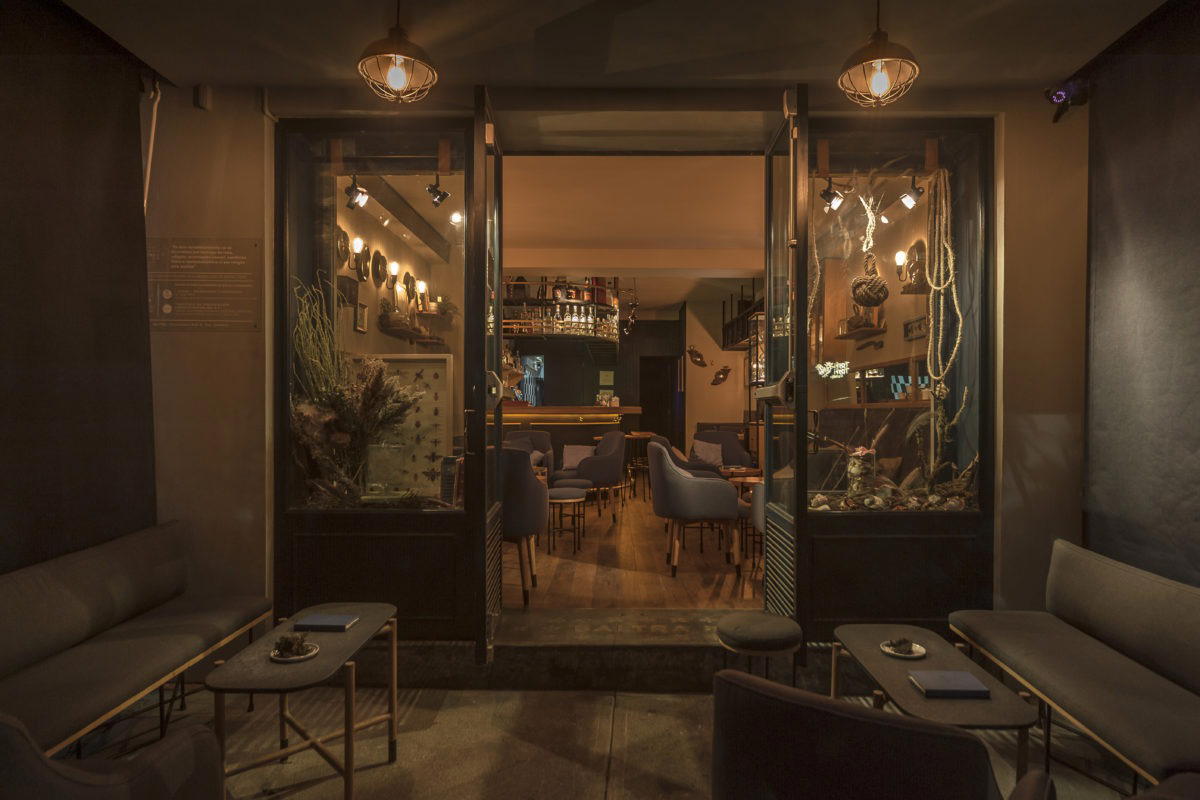
Ikigai as a name engages with a Japanese concept of purpose or reason for being, a framing that carries design implications before a guest sits down. Spaces that take that concept seriously tend toward negative space over clutter, natural materials over synthetic surfaces, and seating arrangements that create privacy within a shared room. Whether the interior at Calle de la Amargura 17 delivers on that implied contract fully is something visitors will need to assess directly, but the conceptual positioning places it in a tier where the room is expected to carry meaning, not merely accommodate diners.
San Ángel's colonial building stock gives restaurants here a physical starting point that Polanco high-rises cannot replicate: thick stone walls, proportioned rooms, the possibility of garden adjacency. How that inheritance is worked with or against defines the character of individual venues. A space that deploys Japanese spatial principles inside a colonial Mexican envelope is operating in a genuinely specific register, one that has few direct comparators in the capital.
Where It Sits in Mexico City's Wider Scene
Mexico City's restaurant market at the upper end has stratified considerably over the past decade. The top tier, anchored by Michelin-starred addresses and the Latin America's 50 Best list, is densely covered by international press and books well in advance. Below that sits a broader layer of serious, chef-driven operations with distinct culinary identities but less global visibility. Rosetta and Em sit in this second tier with high local credibility. Sud 777 operates in a similar register in Pedregal, another southern neighborhood with its own design-forward dining culture.
Ikigai San Ángel's placement in San Ángel rather than in the better-documented northern districts means it draws from a different competitive set: venues where neighborhood loyalty, design quality, and a quieter kind of ambition define the value proposition. That positioning is neither lesser nor greater than the Polanco tier; it is structurally different, and understanding that difference is useful when deciding how it fits a particular trip.
For a broader map of where these venues sit relative to each other, the full Mexico City restaurants guide provides neighborhood-level context that a single venue page cannot.
Mexican Dining Beyond the Capital: A Useful Frame
Understanding what Ikigai San Ángel represents is easier with a sense of how premium dining has developed in Mexico's other cities and regions. Alcalde in Guadalajara has built a reputation for rigorous local sourcing within a design-conscious space, a template that has influenced how chefs across the country think about the relationship between room and menu. Pangea in San Pedro Garza García near Monterrey established that serious fine dining did not require Mexico City's infrastructure. In Oaxaca, Levadura de Olla has made a case for deep regional specificity as the organizing principle of a premium experience.
On the coast, Le Chique in Puerto Morelos and HA' in Playa del Carmen have demonstrated that technical ambition is no longer geographically confined. Animalón in Valle de Guadalupe and Olivea Farm to Table in Ensenada have made Baja California a destination in its own right for design-led, ingredient-focused restaurants. KOLI Cocina de Origen in Monterrey and Huniik in Merida round out a national picture that has become far more geographically distributed than it was a decade ago. In that context, what happens in San Ángel is part of a national conversation, not a footnote to it. Lunario in El Porvenir is another example of how wine-country dining in Mexico has developed its own spatial and culinary logic.
For comparative reference outside Mexico, the precision counter-service model practiced at Atomix in New York and the disciplined kitchen rigour associated with Le Bernardin represent the kind of international benchmark against which Mexico City's more technically ambitious venues are increasingly measured by the global press.
Planning a Visit
- Address: C. de la Amargura 17, San Ángel, Álvaro Obregón, 01000 Ciudad de México, CDMX, Mexico
- Neighborhood: San Ángel, southwestern Mexico City — quieter and more residential than Polanco or Roma Norte, with limited foot traffic after dark
- Getting There: San Ángel is leading reached by taxi or rideshare from the city center; the Metrobús offers access to nearby Miguel Ángel de Quevedo station on Line 1
- Booking: No booking method confirmed in available data; contact directly via search for current reservation options
- Hours, Pricing, and Dress Code: Not confirmed at time of publication; verify before visiting
- Ideal time to visit: San Ángel's Saturday artisan market (Bazar Sábado) makes the neighborhood busiest on weekend mornings; an evening visit allows quieter access to the streets and easier parking
Frequently asked questions
What's the address for Ikigai San Ángel?
Ikigai San Ángel is located at C. de la Amargura 17, San Ángel, Álvaro Obregón, 01000 Ciudad de México, CDMX, Mexico, Mexico City.
How does Ikigai San Ángel compare to other restaurants in the San Ángel neighborhood of Mexico City?
San Ángel is one of Mexico City's oldest colonial enclaves, and its dining scene skews toward established, neighbourhood-anchored restaurants rather than the high-turnover openings more common in Roma or Polanco. Ikigai San Ángel at Calle de la Amargura 17 sits within that context: a residential quarter where longevity and repeat local trade tend to carry more weight than awards cycles.
What's the must-try dish at Ikigai San Ángel?
Specific menu details for Ikigai San Ángel have not been published in available editorial sources. Given the venue's address in San Ángel — a neighborhood where several Mexico City kitchens draw on both Mexican and international influences — the tasting menu format, if offered, is typically where the kitchen's priorities show most clearly. Confirm current menu composition directly with the venue before visiting.
What's the best way to book Ikigai San Ángel?
Ikigai San Ángel is located at Calle de la Amargura 17 in the San Ángel district of Mexico City. San Ángel restaurants at this tier can fill on weekends given the neighborhood's draw, so advance planning is worth it.
What do critics highlight about Ikigai San Ángel?
No Michelin stars, 50 Best citations, or named critical reviews for Ikigai San Ángel appear in current editorial records. The venue operates in a Mexico City dining tier that has attracted considerable international attention over the past decade, but Ikigai San Ángel itself has not yet accumulated a documented critical profile in major publications. That absence can cut two ways: it may reflect a venue that operates below the radar of the capital's most-covered addresses.
Can Ikigai San Ángel accommodate dietary restrictions?
Dietary accommodation details for Ikigai San Ángel are published details are limited. Mexico City's upper dining tier has broadly moved toward accommodating vegetarian and allergy-based requests, particularly at tasting-menu formats, but confirming directly with Ikigai San Ángel at their Calle de la Amargura 17 address before arrival is the only reliable step. Check the venue's official channels for the latest details.
How It Stacks Up
Comparable venues nearby, for context on price, style, and recognition.
| Venue | Cuisine | Price | Notes |
|---|---|---|---|
| Ikigai San ÁngelThis venue — the venue you are viewing | Modern Japanese Sushi | $30–50 | Not listed |
| Ginza Barra | Sushi Bar | $50–100 | Molino Del Rey |
| Onomura Prado Norte | Premium Nigiri Sushi | $50–100 | Del Bosque |
| Ginza Cráter | Japanese Sushi Bar | $50–100 | Pedregal de San Jeronimo |
| Narú | Mexican-Japanese Fusion | $30–50 | Bosques de Las Lomas |
| Teppan Grill | Premium Japanese Teppanyaki | $50–100 | Polanco Chapultepec |
Continue exploring
More in Mexico City
Restaurants in Mexico City
All restaurants in Mexico City →
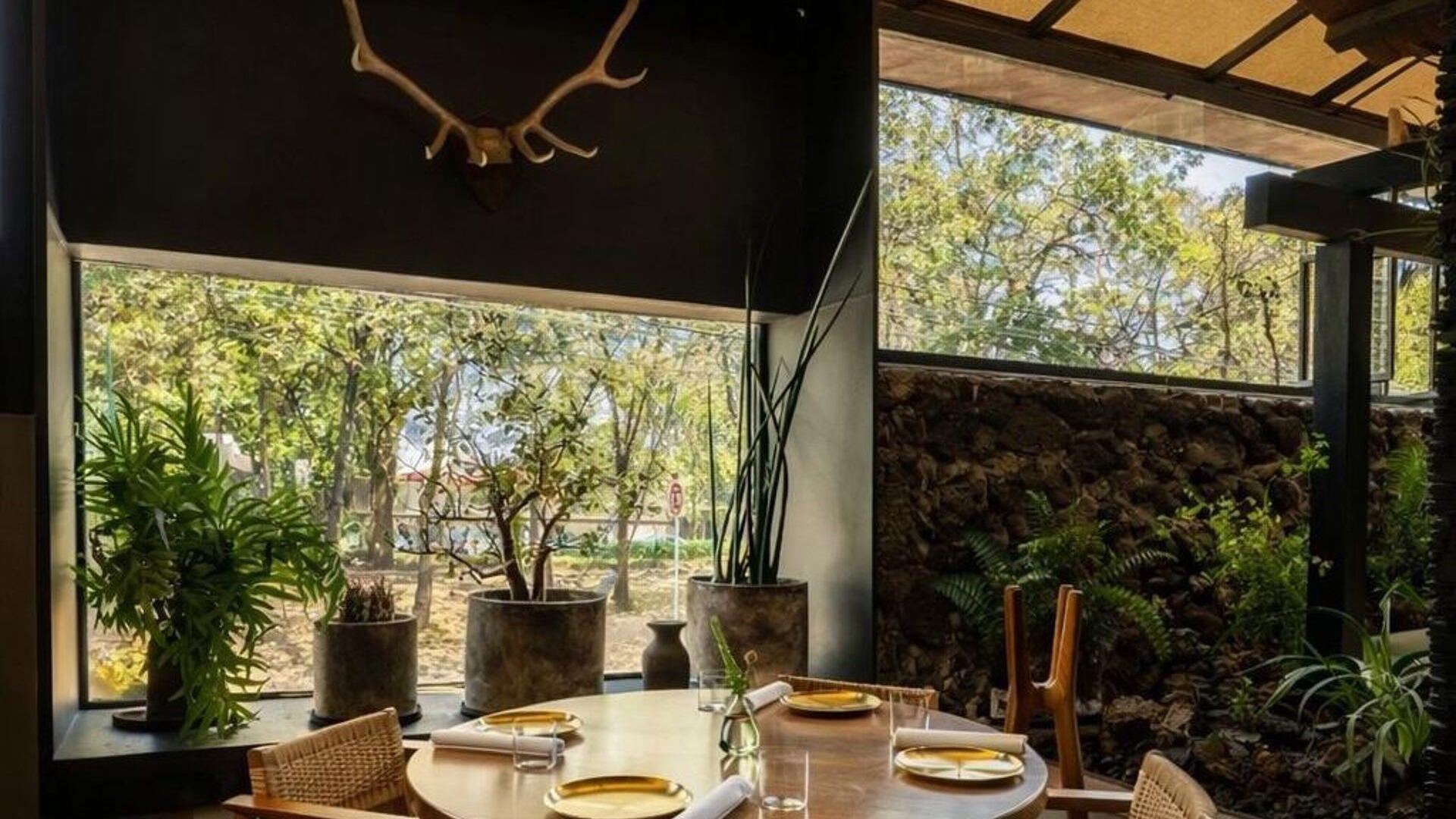
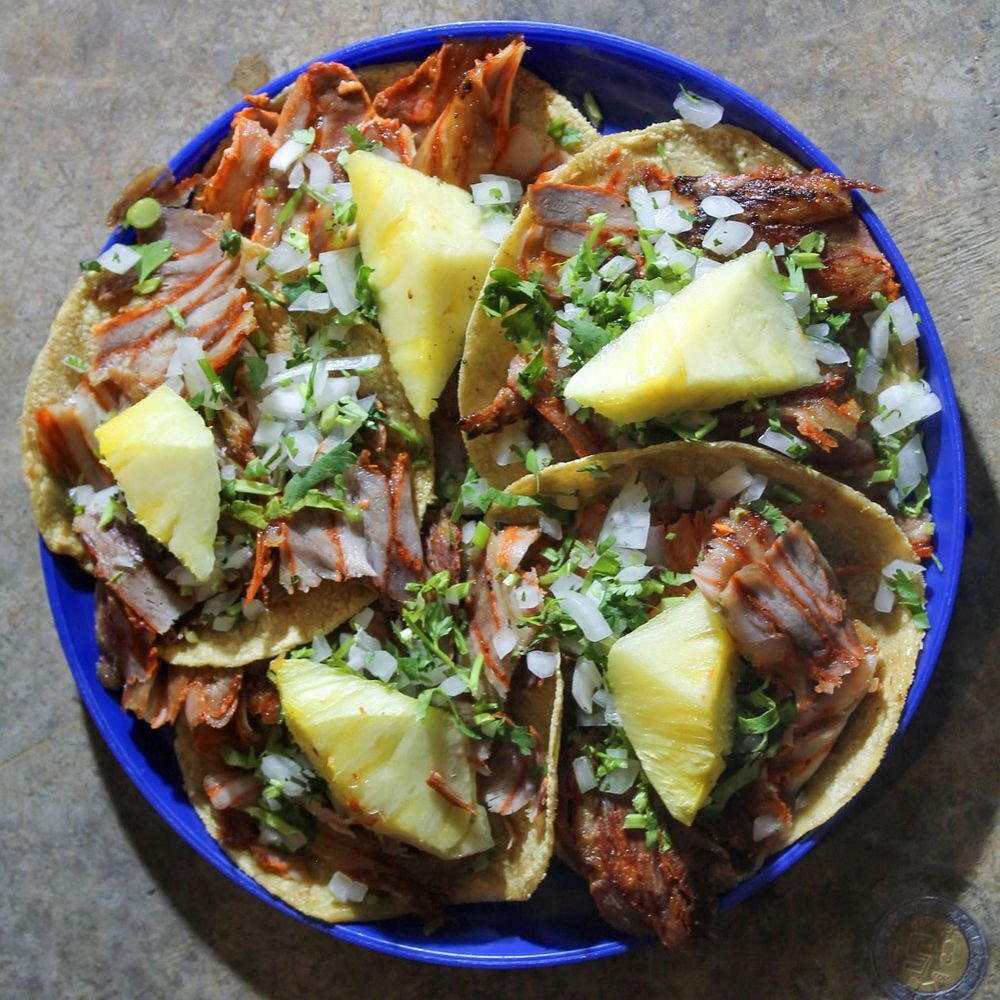
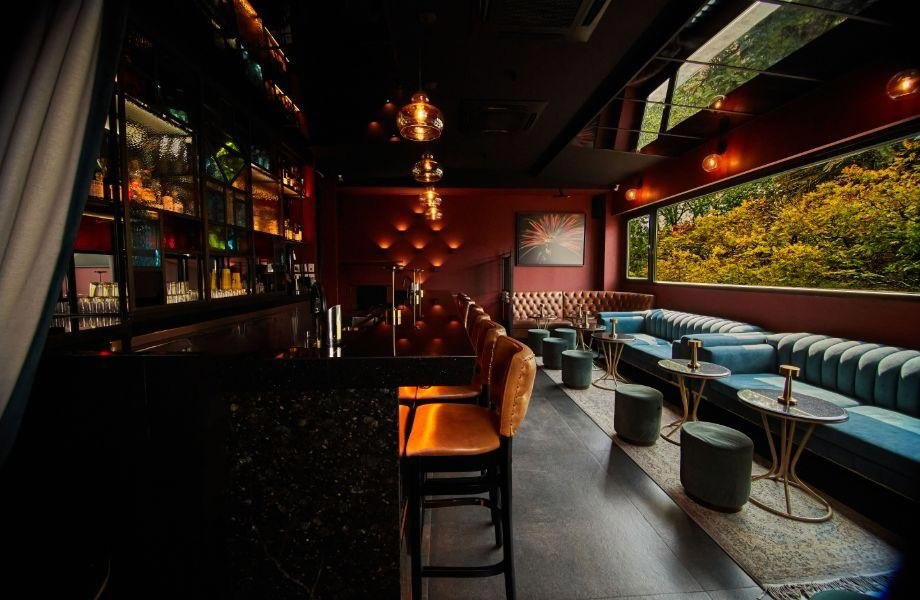
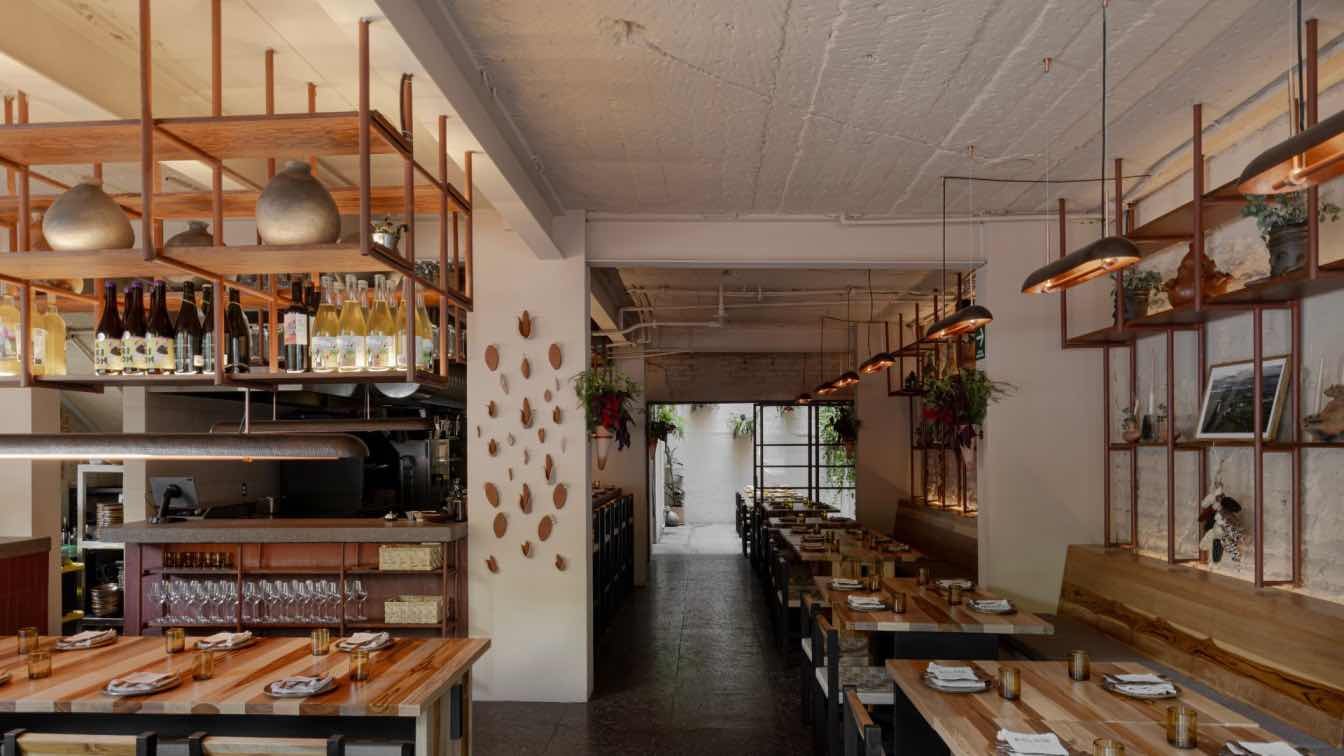
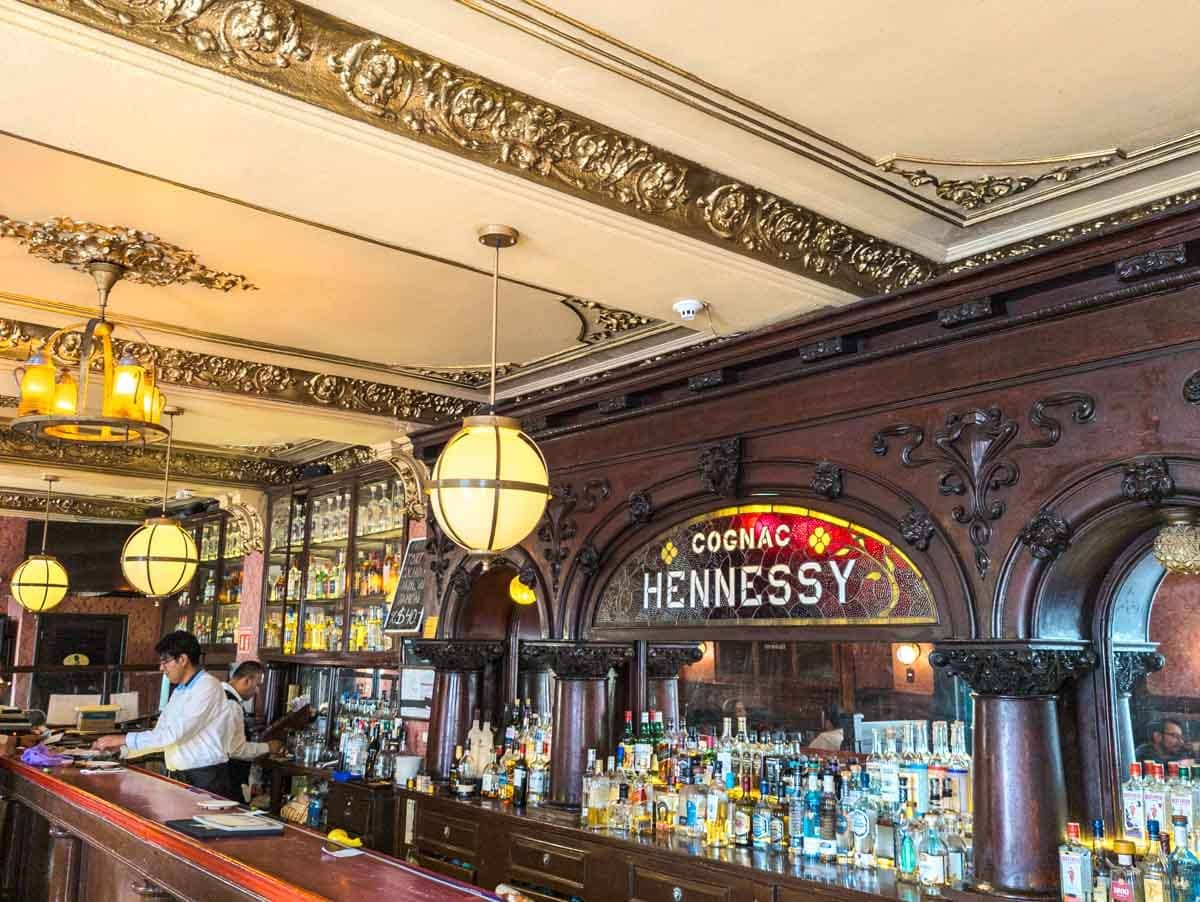
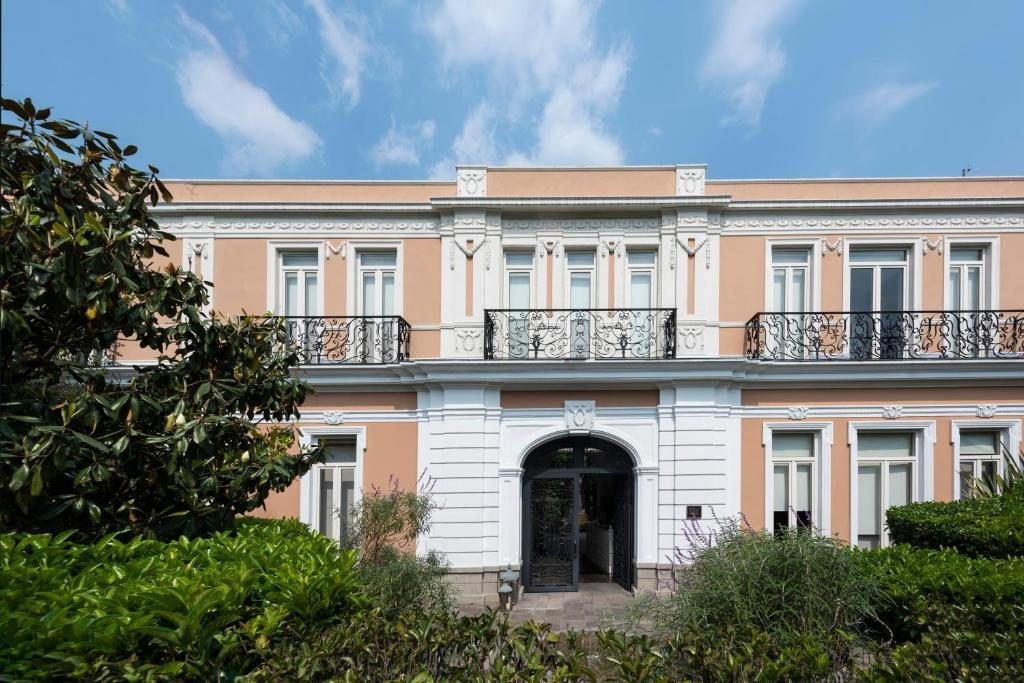
Ikigai San Ángel
The wine
- Wine program
- Curated wine list
- Sake program
- Craft cocktails
Details
- Elegant
- Sophisticated
- Modern
- Date Night
- Special Occasion
- Business Dinner
- Open Kitchen
- Sake Program
- Craft Cocktails
- A La Carte
- Small Plates
- Sake
- Craft Beer
- Pescatarian Friendly
Current opening hours
- Monday
- 1–9 PM
- Tuesday
- 1–10 PM
- Wednesday
- 1–10 PM
- Thursday
- 1–10 PM
- Friday
- 1–10 PM
- Saturday
- 1–10 PM
- Sunday
- 1–6 PM
Hours can change for holidays and private events. Last verified .
Sophisticated and welcoming atmosphere with polite service and accommodating staff.