Our verdict
A Ginza omakase counter with a documented trajectory through Opinionated About Dining's Japan rankings, Sushi Ogawa operates under chef Minoru Ogawa in the Chuo district. The kitchen follows the Edomae tradition, where sourcing precision and fish handling define the work as much as cutting technique. Lunch and dinner service run Tuesday through Friday, with Saturday evenings only.

Pearl is the En Primeur Club membership app, where members save venues, book tables and use the concierge.
Ginza's Sourcing-Driven Omakase Tier
Edomae sushi, the style that developed in Edo-period Tokyo around preserved and lightly treated fish from Tokyo Bay, has long since outgrown its geographic origins. Today's Ginza counter scene draws from Toyosu Market, the wholesale hub that replaced Tsukiji in 2018, along with direct regional relationships across Japan's coasts, from Hokkaido's cold-water beds to Kyushu's warmer southern fisheries. What distinguishes the serious counters within that system isn't simply access to premium fish; it's the consistency of relationships, the handling protocols between market and counter, and the chef's decisions around aging, curing, and temperature at service.
The address places it inside one of Tokyo's most concentrated omakase corridors, where counters at multiple price points and pedigree tiers occupy the same few blocks. Peers like Sushi Kanesaka and Harutaka have accumulated Michelin recognition and long waiting lists in this same neighbourhood. Sukiyabashi Jiro Roppongiten anchors the area's high-end reputation. Against that backdrop, Sushi Ogawa has built a quieter but measurable profile, recognised through Opinionated About Dining's Japan rankings consecutively from 2023 through 2025.
The Edomae Tradition and What It Actually Requires
The Edomae method is often reduced to its aesthetic: minimal counter design, spare plating, the chef working at close range. But the technique underneath demands a specific approach to sourcing that distinguishes it from other Japanese fish-forward cuisines. In classical Edomae preparation, the chef works to extract the peak condition of each fish through treatment rather than decoration. Kobujime, pressing fish between kombu sheets to draw out moisture and transfer umami, requires fish with structural integrity and fat distribution that can hold up to the process. Zuke, the soy-marinated approach used for tuna, works differently depending on the age and fat content of the fish at the point of treatment. Neither technique is forgiving of inconsistent supply.
This is why Tokyo's leading sushi chefs have historically maintained long-term buyer relationships at Toyosu rather than simply purchasing on the open market. The premium tuna lots, sourced from Oma in Aomori Prefecture or from bluefin operations further afield, are allocated to known buyers. Seasonal shifts matter enormously: winter brings the heaviest fat content in tuna and amberjack; spring marks the arrival of young sea bream and clams; autumn pushes fatty mackerel and Pacific saury into the sequence. At a counter where the omakase structure has no fixed menu, the seasonal calibration is the menu.
Edomae Sushi Hanabusa and Hiroo Ishizaka represent other expressions of Tokyo's fish-forward tradition at different ends of the neighbourhood and price spectrum. The wider Tokyo dining scene, covered in detail in our full Tokyo restaurants guide, extends across kaiseki, French, and contemporary formats that equally prioritise seasonal Japanese produce.
OAD Rankings and What They Signal
Opinionated About Dining operates one of the more methodologically transparent restaurant ranking systems in Asia, drawing on a surveyed base of frequent fine-dining travellers and industry professionals who report their own meals. The system doesn't weight Michelin pedigree or marketing presence; it reflects accumulated diner experience across the surveyed cohort. Sushi Ogawa's progression from a Recommended listing in 2023 to #284 in 2024 and #310 in 2025, movements within a ranked list of hundreds of Japanese restaurants, indicates consistent diner endorsement over three consecutive survey cycles rather than a single strong year.
The 4.2 average in that context is neither inflated by novelty nor suppressed by accessibility complaints; it reflects settled opinion from diners who understood what they were booking.
The Counter Experience and Format
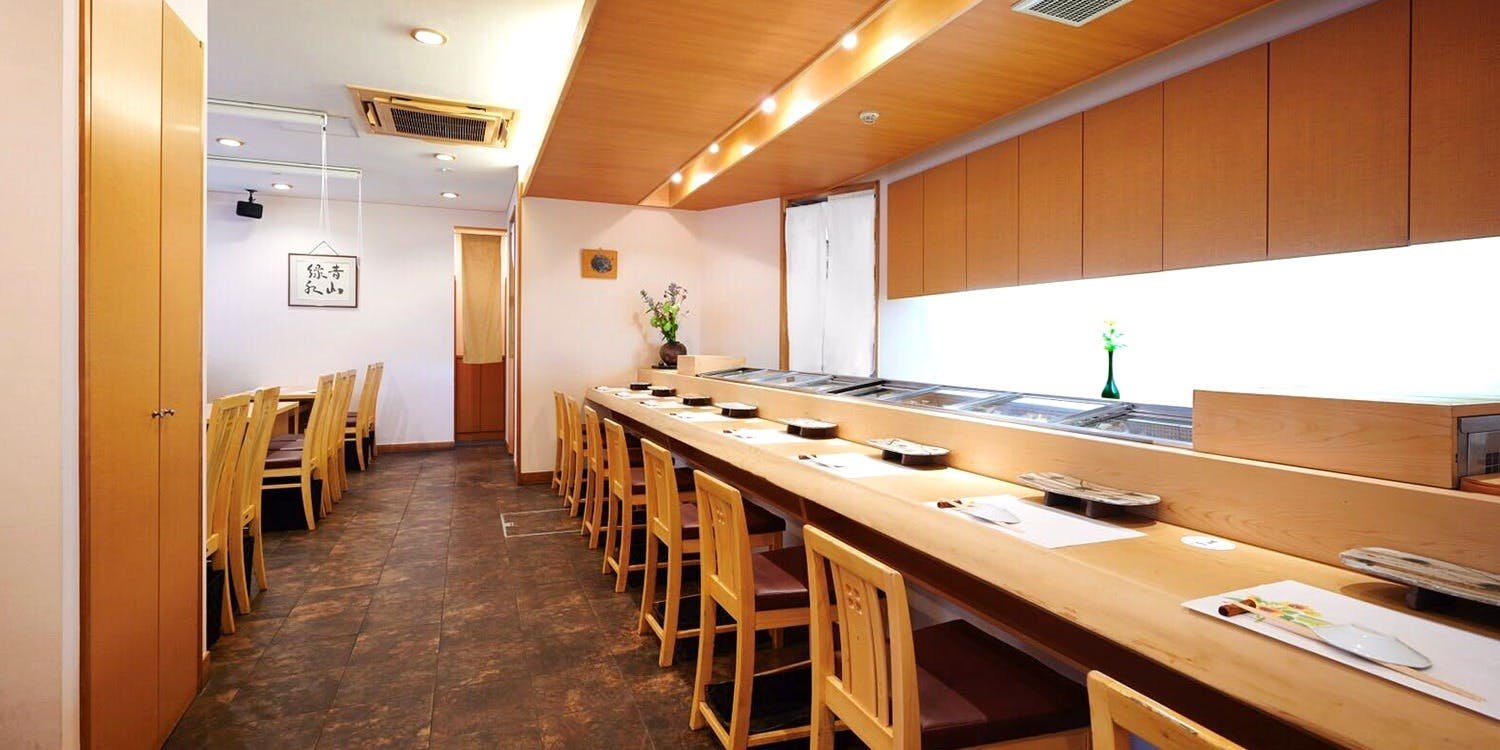
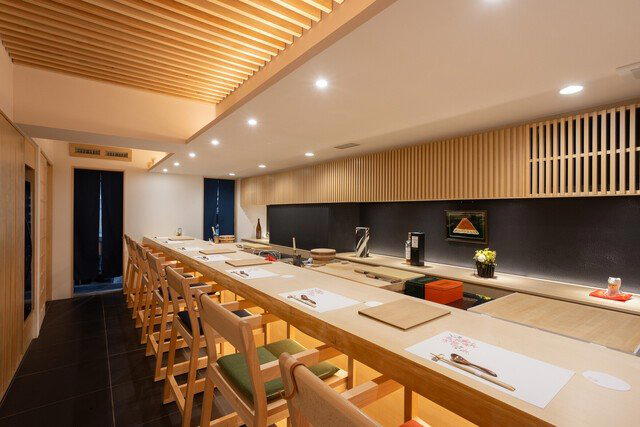
Sushi Ogawa runs a dual-service structure on weekdays: lunch from 11:30am to 2pm and dinner from 6pm to 10pm. Saturday evening service runs from 6pm to 10pm only, with no lunch sitting. The kitchen is closed on Sundays. This schedule is consistent with how Ginza's mid-to-upper omakase counters operate, where the lunch service functions as a slightly more accessible entry point, often at a lower price, while dinner carries the full sequence.
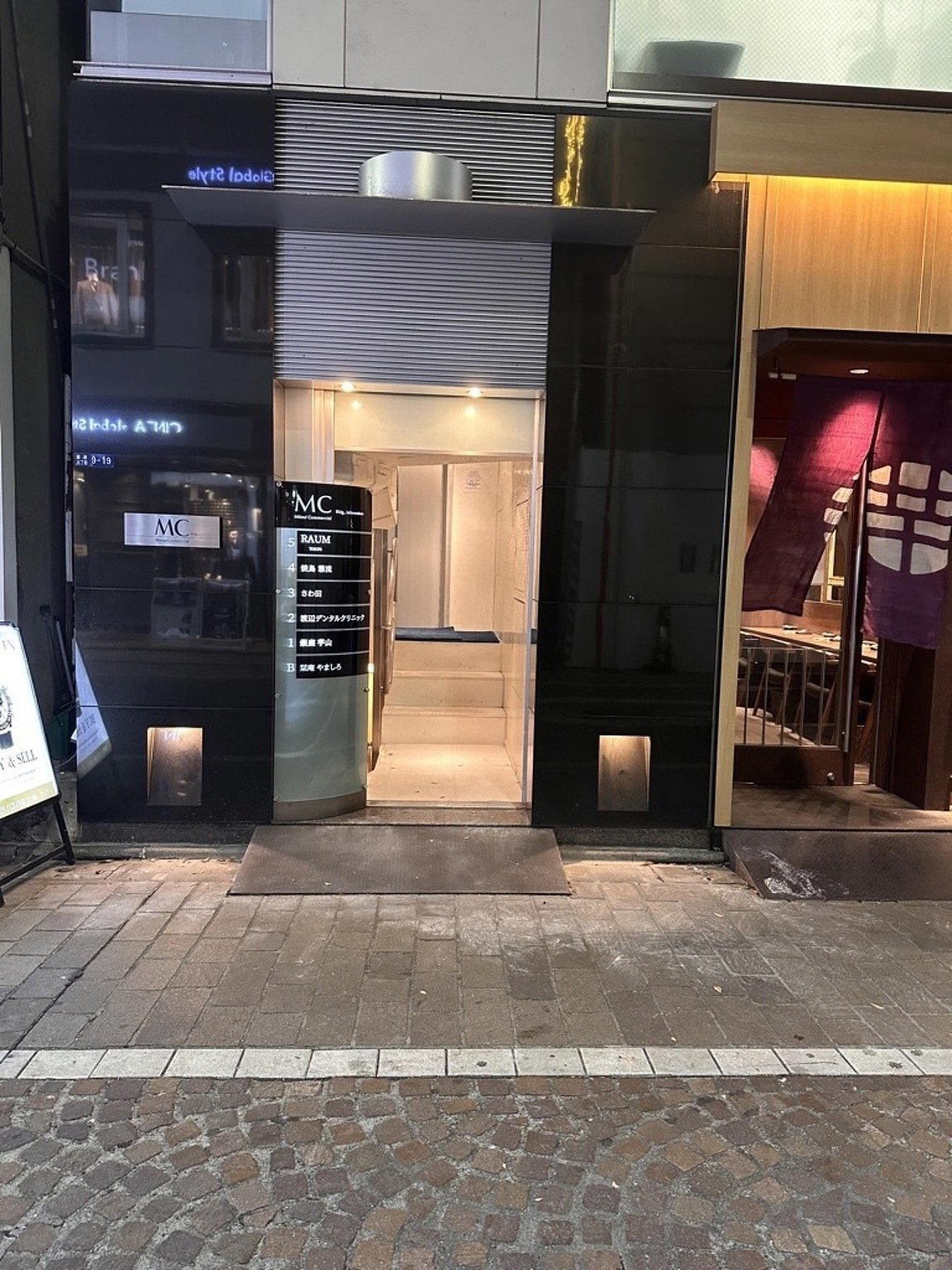
Chef Minoru Ogawa leads the counter. In the Ginza context, the chef's role at the sushi counter is structural: the counter format places the chef in direct contact with every diner throughout the meal, which means the pacing, the explanation of each piece, and the reading of the room are as much a part of the service as the cutting itself. The compact Onodera Building address, shared by several food and beverage operations in Ginza's dense hospitality corridor, keeps the setting within easy reach of the district's hotel and office infrastructure.
Placing Sushi Ogawa in the Wider Japan Picture
Tokyo's sushi scene has the deepest concentration of serious omakase counters in Japan, but the country's premium dining extends well beyond the capital. HAJIME in Osaka represents the country's high-end creative side, while Gion Sasaki in Kyoto works in the kaiseki tradition that parallels sushi's seasonal sourcing logic. Goh in Fukuoka, akordu in Nara, 1000 in Yokohama, and 6 in Okinawa each show how Japan's regional dining culture operates at serious level outside the major metropolitan centres. For travellers approaching Tokyo's sushi scene from other Asian cities, Sushi Shikon in Hong Kong and Shoukouwa in Singapore offer reference points for how the Edomae format transplants to Southeast Asian and Chinese markets, useful comparisons when calibrating expectations before a Ginza visit.
For those building a broader Tokyo itinerary around Sushi Ogawa, our Tokyo hotels guide, Tokyo bars guide, Tokyo wineries guide, and Tokyo experiences guide cover the wider city in the same editorial depth.
Planning Your Visit
Sushi Ogawa sits in the Onodera Building at 3-14-18 Ginza, Chuo City, within walking distance of Ginza Station on the Tokyo Metro. Weekday lunch service opens at 11:30am and closes at 2pm; dinner service runs 6pm to 10pm Tuesday through Friday. Saturday is dinner-only from 6pm; Sunday the counter is closed. Booking in advance is the standard approach for Ginza omakase counters at this recognition level.
Quick reference: Ginza omakase counter, OAD Japan Leading Restaurants ranked 2024 and 2025, weekday lunch and dinner with Saturday evening service.
What's the Signature Dish at Sushi Ogawa?
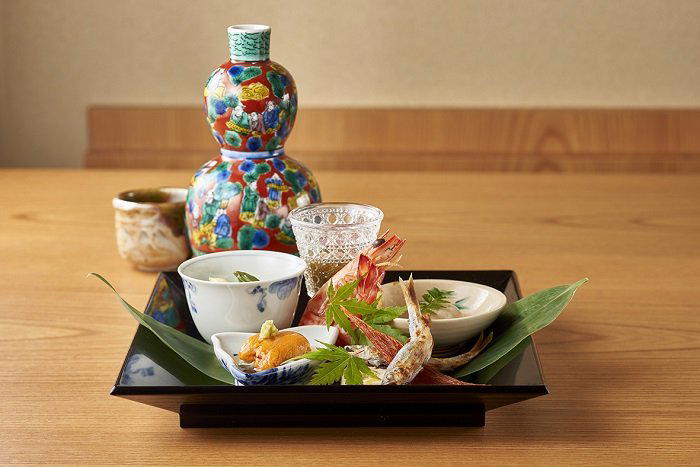
Sushi Ogawa does not publish a fixed menu, and the omakase format means the sequence changes with the season and daily market availability. In the Edomae tradition, there is no single permanent signature dish in the way a restaurant with a static menu might have one. The closest equivalent is the chef's treatment of seasonal tuna, which in Edomae practice involves curing, aging, or zuke preparation depending on the fish's fat content and the time of year. Aged cuts of akami or chutoro, handled through the counter's specific temperature and timing protocols, represent the clearest expression of the kitchen's sourcing and technique philosophy. Any visitor looking for a fixed reference point should note that winter months bring the heaviest tuna and amberjack; spring shifts the counter toward lighter white fish and shellfish.
Frequently asked questions
Who is the chef connected to Sushi Ogawa?
The chef associated with Sushi Ogawa is Minoru Ogawa.
Is Sushi Ogawa Michelin-listed?
Sushi Ogawa has received recognition including: Opinionated About Dining Top Restaurants in Japan Ranked #310 (2025); Opinionated About Dining Top Restaurants in Japan Ranked #284 (2024); Opinionated About Dining Top Restaurants in Japan Recommended (2023).
What's the signature dish at Sushi Ogawa?
Sushi Ogawa operates on a strict omakase format, meaning no fixed menu is published and no single dish anchors the sequence. The selection follows seasonal availability and daily market sourcing, which is central to the Edomae tradition the counter practices. OAD ranked Sushi Ogawa #284 in Japan in 2024 and #310 in 2025, reflecting consistent recognition for this market-responsive approach rather than a repeatable set piece.
What should I expect cuisine-wise at Sushi Ogawa?
What days is Sushi Ogawa closed?
Hours at Sushi Ogawa: Hours: Monday 11:30 am–2 pm, 6–10 pm Tuesday 11:30 am–2 pm, 6–10 pm Wednesday 11:30 am–2 pm, 6–10 pm Thursday 11:30 am–2 pm, 6–10 pm Friday 11:30 am–2 pm, 6–10 pm Saturday 6–10 pm Sunday Closed.
Same-City Peers
| Venue | Cuisine | Price | Awards | Notes |
|---|---|---|---|---|
| Sushi OgawaThis venue (the venue you are viewing) | Edomae Sushi Omakase | $100–150 | Not listed | Not listed |
| Harutaka | Edo-Style Omakase Sushi | $200–300 | 3 Michelin Stars · World's 50 Best #76 | Sushi |
| RyuGin | Modern Kaiseki | $500+ | 3 Michelin Stars · World's 50 Best #41 | Kaiseki, Japanese |
| L'Effervescence | Modern French with Japanese Influences | $200–300 | 3 Michelin Stars · World's 50 Best #69 | French |
| HOMMAGE | Modern French with Japanese Influences | $150–200 | 2 Michelin Stars · World's 50 Best #78 | Innovtive French, French |
| MAZ | Innovative Peruvian-Japanese Fusion | $150–200 | 2 Michelin Stars · World's 50 Best #28 | Innovative |
Recognition history
Dated appearances from independent guides and award organizations, with the underlying list record or original source where available.
Opinionated About Dining Top Restaurants in Japan Recommended
Opinionated About Dining
Full recognition history (4 entries)
Opinionated About Dining Top Restaurants in Japan Ranked #310
Opinionated About Dining
Opinionated About Dining Top Restaurants in Japan Ranked #284
Opinionated About Dining
Opinionated About Dining Top Restaurants in Japan Recommended
Opinionated About Dining