ICHI
ICHI occupies a considered position within London's hotel dining scene, operating from the Park Plaza Westminster Bridge on the South Bank. Positioned where Japanese discipline meets a sustainability-conscious approach to sourcing, it speaks to a shift in how premium hotel restaurants in the capital now earn their place beyond the room rate. For visitors arriving via Waterloo or Westminster, it offers a focused alternative to the theatre-district circuit.
 Discover on Pearl
Pearl is the En Primeur Club membership app — saves, bookings, and concierge access live there. Same editors, same standards.
- Address
- Park Plaza London Westminster Bridge, 200 Westminster Bridge Rd, London SE1 7UT, United Kingdom
- Phone
- +442076207373
- Website
- ichisushi.co.uk
South Bank Hotel Dining, Reframed
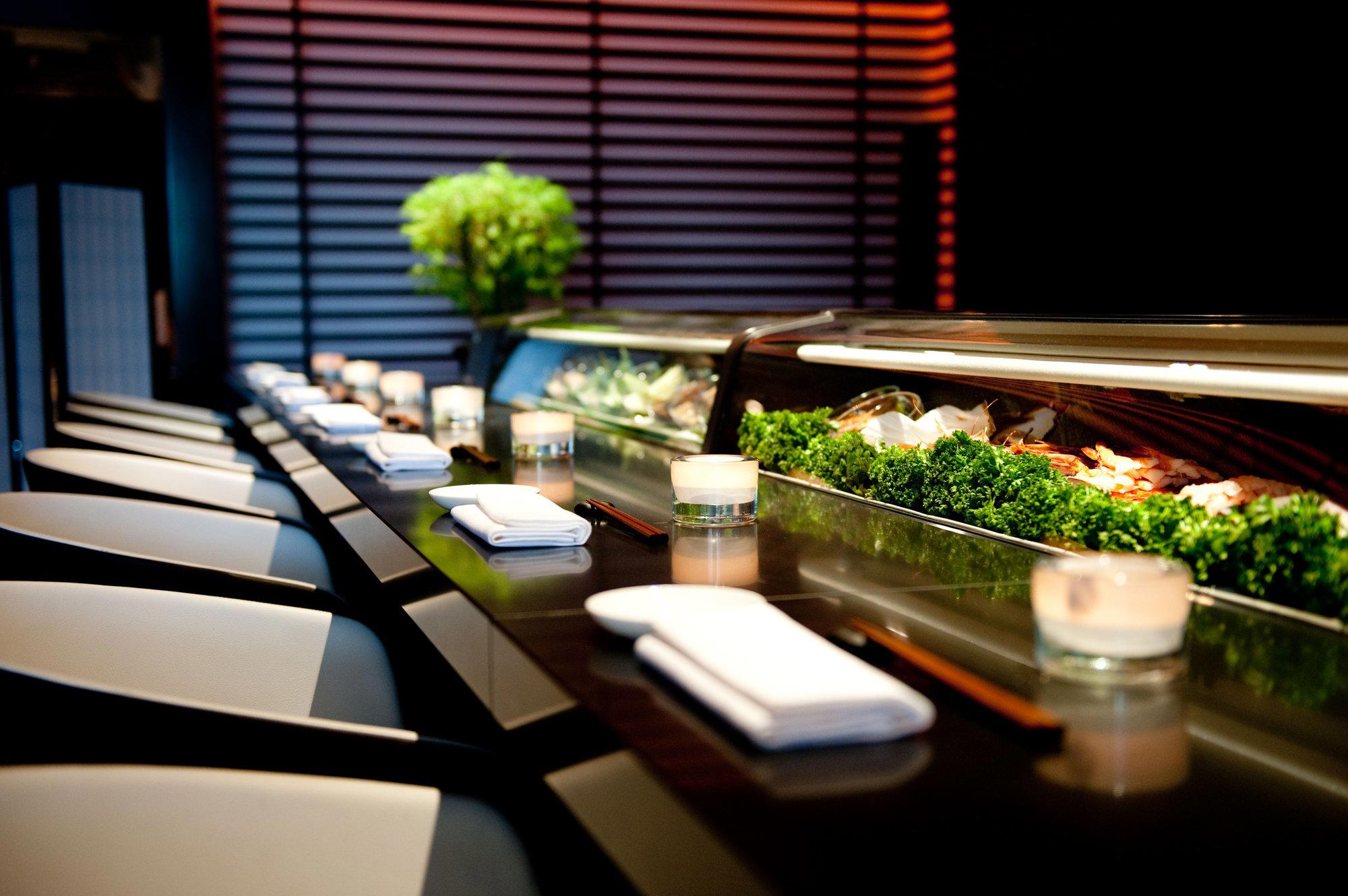
ICHI is a Japanese sushi and sashimi restaurant at Park Plaza London Westminster Bridge in London, with a price point around $60 per person. The dining offer along this stretch has matured accordingly. Where hotel restaurants once served primarily as convenience for guests reluctant to cross the river, a number of properties in the SE1 postcode now run kitchens that hold their own against the neighbourhood's independent operators. ICHI, operating from the Park Plaza London Westminster Bridge at 200 Westminster Bridge Road, sits within that shift.
The address places it at one of London's more loaded intersections: the Thames directly north, the Houses of Parliament visible across the water, St Thomas' Hospital immediately adjacent. Arriving on foot from Westminster Bridge, the scale of the Park Plaza building reads as unambiguously corporate, which makes the focused, Japanese-inflected program inside a more deliberate contrast. Hotel restaurants at this price tier in London increasingly work that tension on purpose, the exterior anonymity of a large property, the interior specificity of a concept that could credibly exist on its own terms elsewhere.
Japanese Discipline in a Sustainability Frame
Japanese culinary tradition has long operated with an inherent logic that aligns with what contemporary kitchens now describe as sustainable practice. Mottainai, the principle of reducing waste and extracting full value from every ingredient, predates the word sustainability in any Western restaurant vocabulary. At ICHI, that tradition provides the philosophical architecture for how the kitchen approaches sourcing and preparation.
The capital's upper tier of European fine dining, restaurants like CORE by Clare Smyth, The Ledbury, and Sketch's Lecture Room and Library, have moved toward foregrounding provenance and low-waste technique as a marker of seriousness, not merely as a marketing position. Japanese-influenced kitchens arrive at a similar endpoint through a different cultural route. Where a Modern British restaurant will often narrate provenance through named farms and counties, a Japanese-oriented kitchen tends to express it through technique: the precision of a cut, the temperature at which fish is served, the use of parts of an ingredient that a Western kitchen might discard.
Whole-ingredient thinking, careful stock work, and the kind of preparation discipline that reduces the kitchen's waste profile are structural rather than decorative. This places ICHI in a category of hotel restaurants that have moved past the token sustainability gesture, a locally sourced amuse-bouche, a composting footnote on the menu, toward something more embedded.
Where It Sits in London's Japanese Dining Scene
London's Japanese dining offer has stratified considerably over the past decade. At one end, a cluster of high-commitment omakase counters in Mayfair and the City now compete on pedigree and scarcity, booking windows measured in months rather than weeks. At the other, a broader market of accessible Japanese-influenced restaurants has expanded across all zones. Hotel-based Japanese concepts occupy an interesting middle position: they carry the reach and resource of a larger operation but often lack the editorial identity of an independent counter.
ICHI's positioning at the Park Plaza Westminster Bridge places it in that middle tier, but the hotel's footprint on the South Bank gives it a locational argument that a Mayfair address cannot make. For guests attending events at the Southbank Centre, arriving into Waterloo, or working in the cluster of offices between London Bridge and Lambeth, the friction of a Mayfair booking simply doesn't make sense. The South Bank location converts proximity into genuine value.
Internationally, this model, a hotel-based Japanese concept with a disciplined sustainability posture, has clear precedents. Restaurants like Atomix in New York City have demonstrated that Korean-Japanese culinary frameworks can hold serious critical attention when the execution is tight, and Le Bernardin has long shown how a hotel-adjacent fine dining format can sustain a distinct identity over decades. ICHI operates at a different scale and register, but the logic of a focused concept within a larger hospitality structure is well-proven.
The Broader UK Fine Dining Context
The country's most recognised restaurants outside London, including L'Enclume in Cartmel, Moor Hall in Aughton, and Le Manoir aux Quat'Saisons in Oxford, have made hyper-local sourcing and kitchen garden provenance central to their identity. London's equivalent has tended toward supply-chain transparency and urban sustainability commitments rather than land-based production. Restaurant Gordon Ramsay and Dinner by Heston Blumenthal operate within large hotel or hospitality structures while maintaining clear editorial identities, a model ICHI references, at a different price point and with a different culinary register.
Further afield, the Waterside Inn in Bray and Gidleigh Park in Chagford anchor a tradition of destination dining built around setting and produce. Urban hotel restaurants like ICHI make a different argument: that setting and produce can still matter when the postcode is SE1 rather than the West Country, provided the kitchen has the discipline to back it up. Other UK restaurants worth cross-referencing for their sustainability-led approach include hide and fox in Saltwood, Midsummer House in Cambridge, Opheem in Birmingham, Hand and Flowers in Marlow, and Restaurant Andrew Fairlie in Auchterarder.
Planning Your Visit
Know Before You Go
- Address: Park Plaza London Westminster Bridge, 200 Westminster Bridge Rd, London SE1 7UT
- Getting There: Waterloo station (Northern, Jubilee, Bakerloo, Overground) is a short walk via the South Bank footpath; Westminster station (Jubilee, District, Circle) is accessible via Westminster Bridge on foot.
- Context: The restaurant operates within the Park Plaza Westminster Bridge hotel; hotel guests and walk-ins both use the same entrance.
- Booking: Reservation is recommended.
- Timing: The South Bank area is busiest on weekend afternoons when Southbank Centre programming peaks; weekday evenings tend to offer a quieter approach and easier arrival logistics.
Comparable Venues
Comparable venues nearby, for context on price, style, and recognition.
| Venue | Cuisine | Price | Notes |
|---|---|---|---|
| ICHIThis venue — the venue you are viewing | Japanese Sushi and Sashimi | $$$ | |
| Danieru Sushi | Authentic Japanese Sushi | $$$ | Chelsea |
| Shiro Sushi | Contemporary Japanese Sushi | $$$ | Broadgate |
| Sticks'n'Sushi Greenwich | Japanese-Danish Fusion Sushi & Yakitori | $$$ | Greenwich |
| Sushi Kyu | Omakase Sushi | $$$ | Soho |
| Donabe | Modern Japanese Donabe | $$$ | South Bank |
Continue exploring
More in London
Restaurants in London
Browse all →
Bars in London
Browse all →

Hotels in London
Browse all →
At a Glance
- Intimate
- Elegant
- Modern
- Sophisticated
- Date Night
- Business Dinner
- Special Occasion
- Open Kitchen
- Hotel Restaurant
- Sake Program
- Skyline
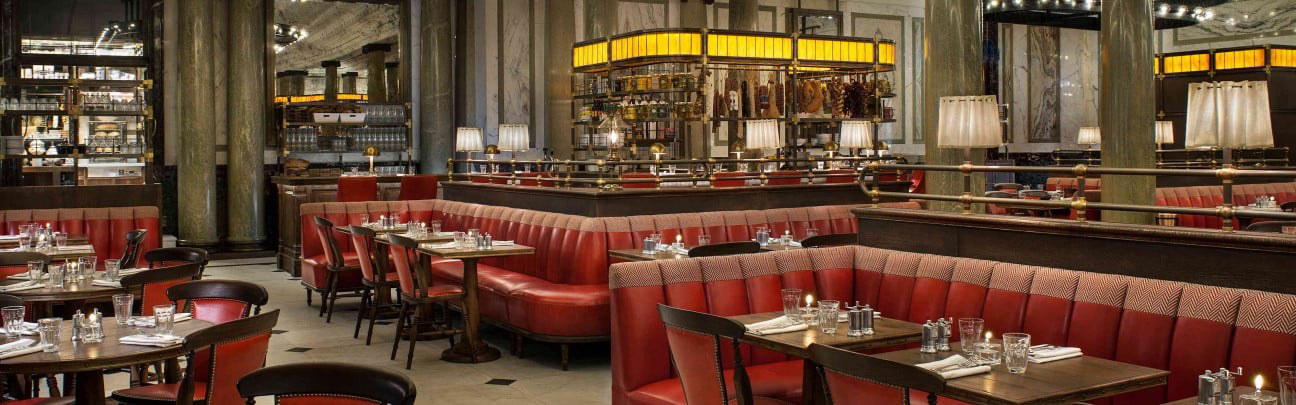
Sleek and upscale with a lovely intimate atmosphere, red white and black decor, and a virtual fish tank behind the counter.