Google: 4.3 · 47 reviews
.png)
I Salotti occupies a farmland address outside Chiusi, where the kitchen draws on produce grown on the restaurant's own estate and a wine cellar holding over two thousand labels. Awarded consecutive Michelin Plates in 2024 and 2025, it sits at the serious end of southern Tuscany's creative dining scene — a destination that rewards planning and early booking.
 Discover on Pearl
Pearl is the En Primeur Club membership app — saves, bookings, and concierge access live there. Same editors, same standards.
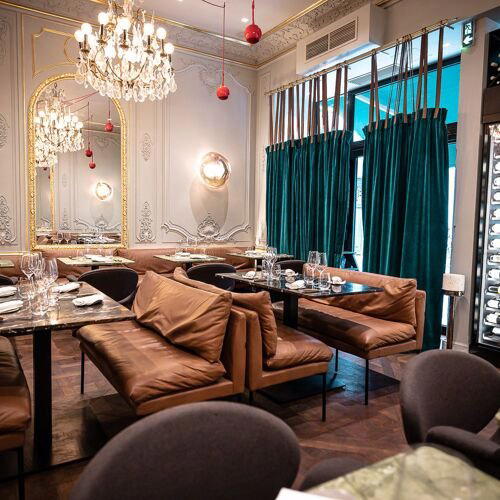
A Farm Address, Not a City Restaurant
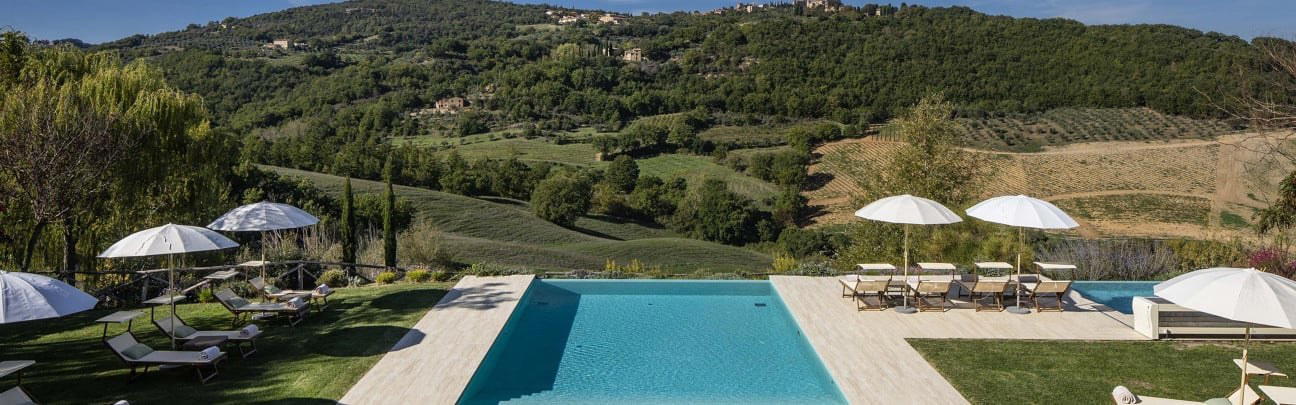
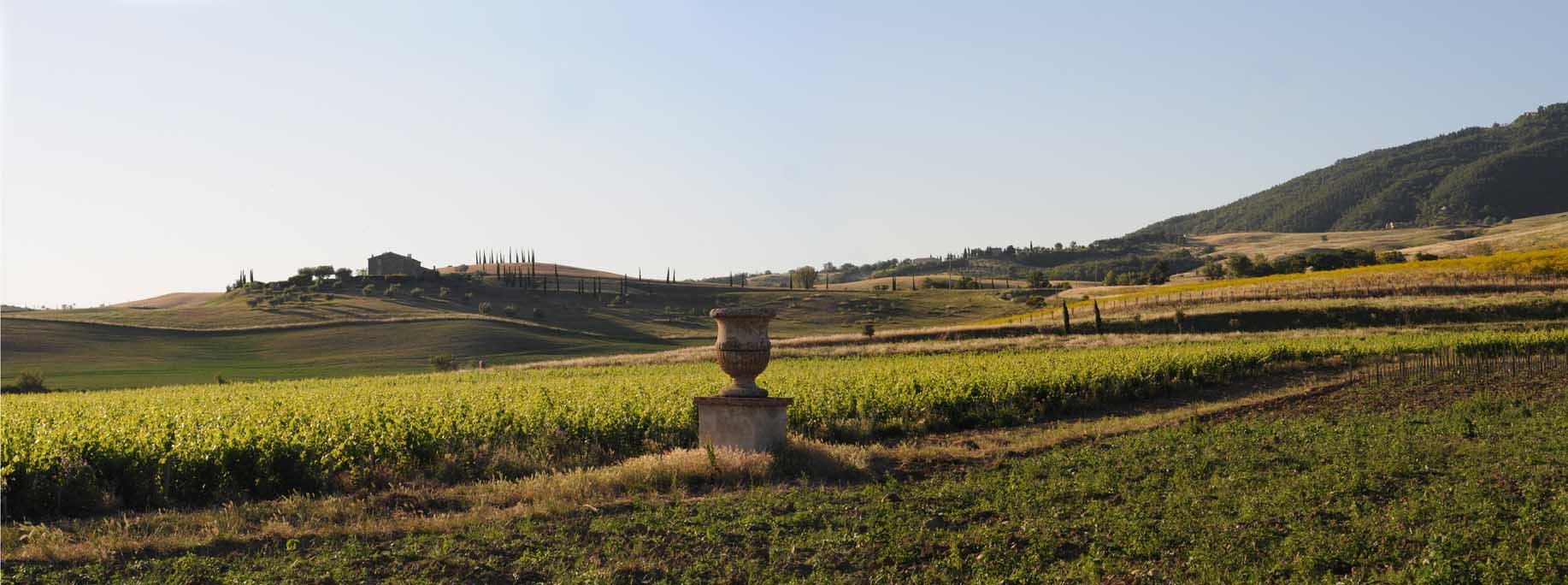
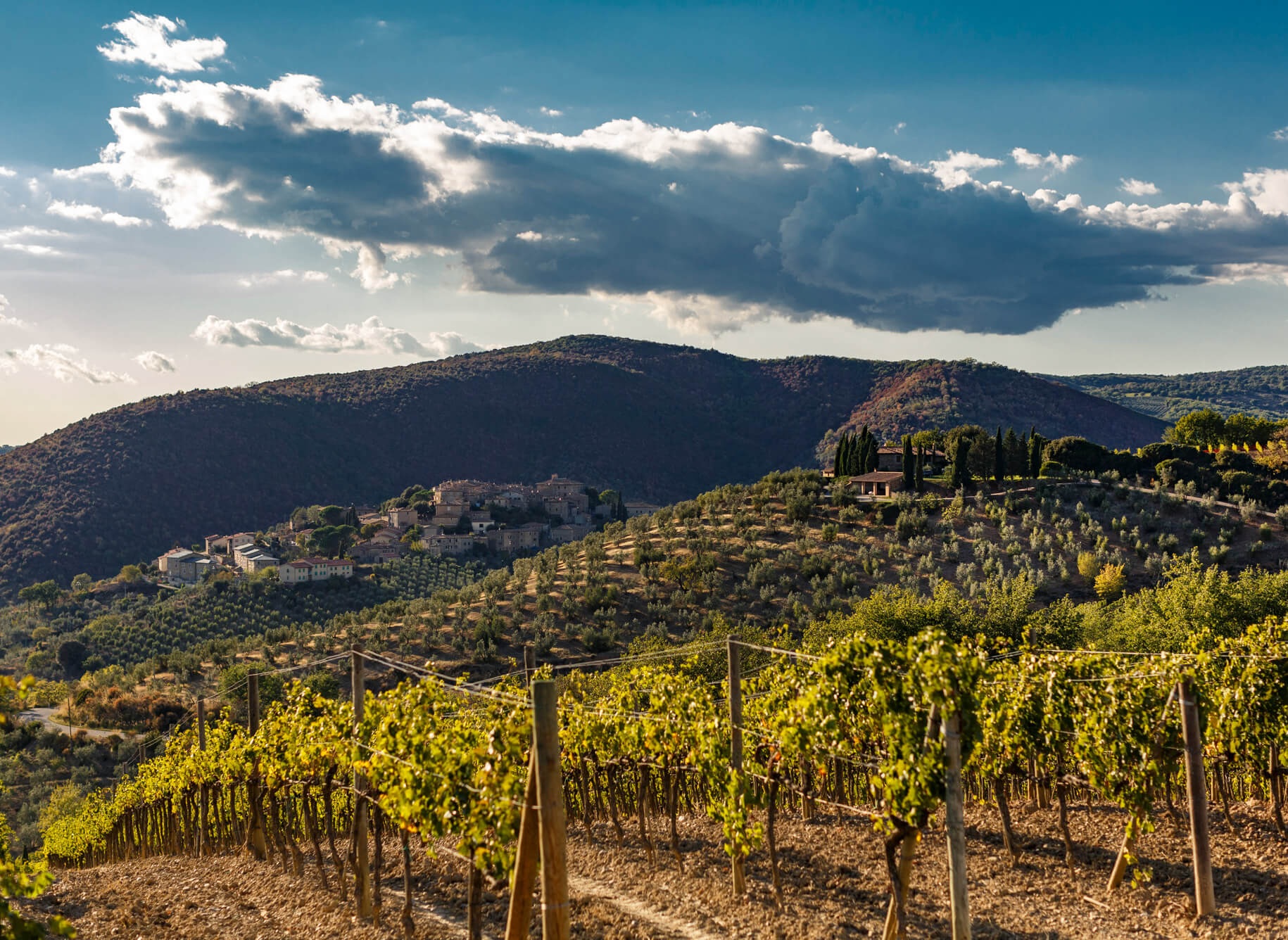
The road out of Chiusi toward Querce al Pino does not suggest fine dining. Fields open on either side, the landscape flattening into the agricultural plateau that defines this corner of southern Tuscany, closer in character to the Val d'Orcia than to the tourist centres of Siena or Florence. That setting is not incidental to what happens at I Salotti — it is the premise. Restaurants that grow their own produce and cite proximity to the land tend to use that framing as branding. Here, the estate supplies the kitchen in a way that shapes the menu's creative direction rather than simply providing a talking point on the printed card.
In Italian creative dining more broadly, the gap between farm-to-table as slogan and farm-to-table as operational reality is wide. The Michelin Plate recognition awarded to I Salotti in both 2024 and 2025 signals that the food meets a technical threshold — Michelin's Plate designation marks kitchens producing consistently well-prepared dishes , while positioning the restaurant below the star tier occupied by places like Atelier Moessmer Norbert Niederkofler in Brunico or Dal Pescatore in Runate. For a rural Tuscan address operating at €€€€ price point, that recognition within its actual competitive tier is the more relevant measure.
The Garden in Summer, the Dining Room in Winter
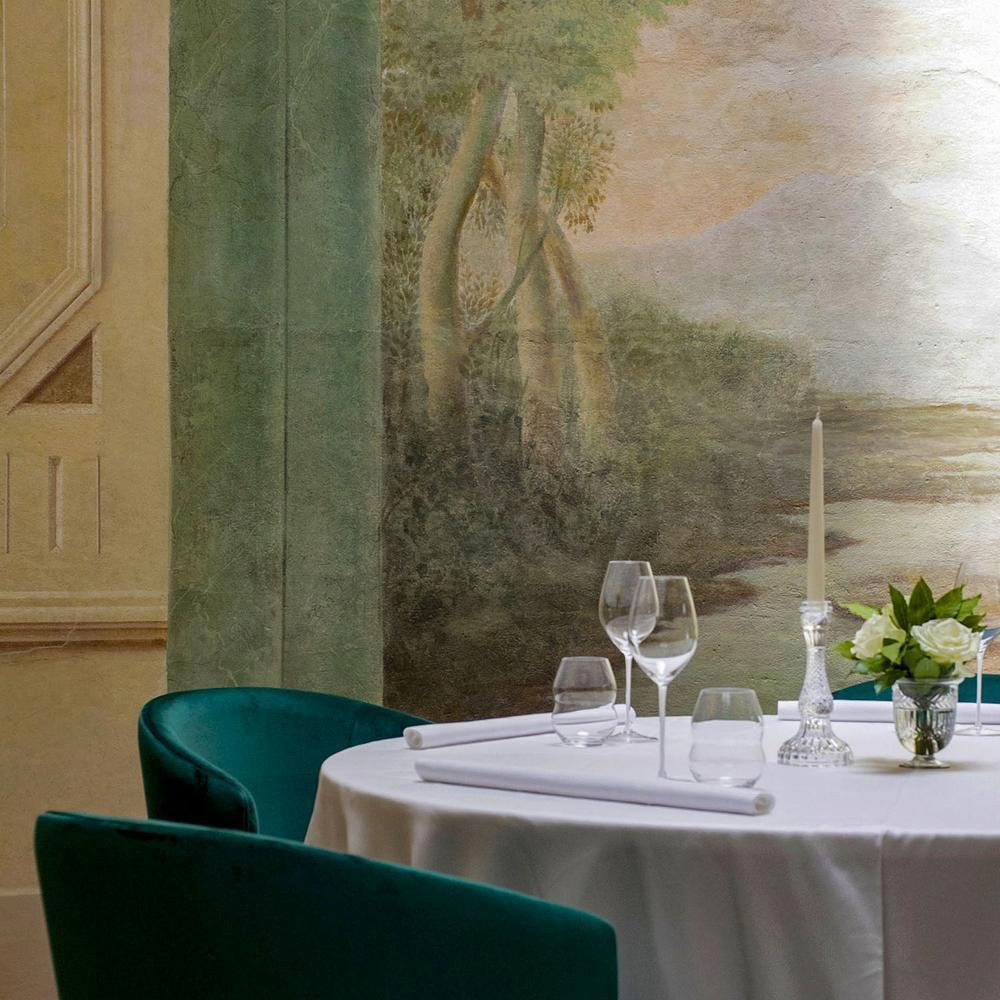
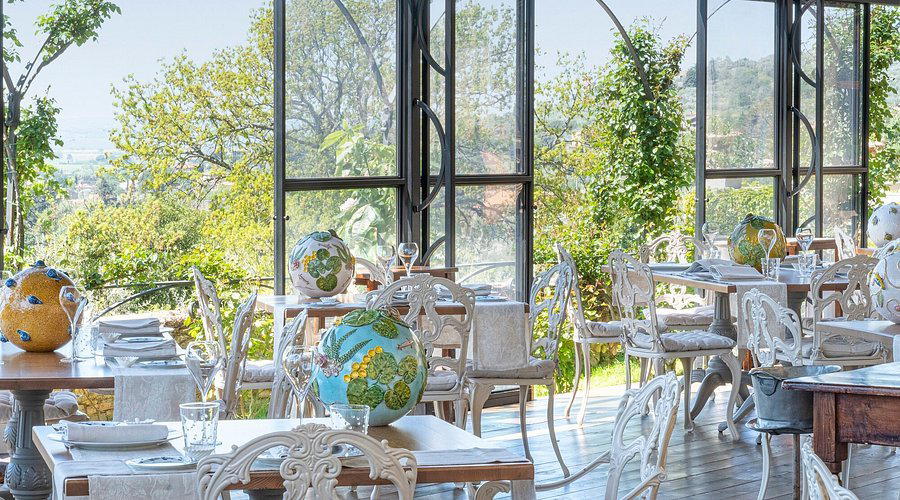
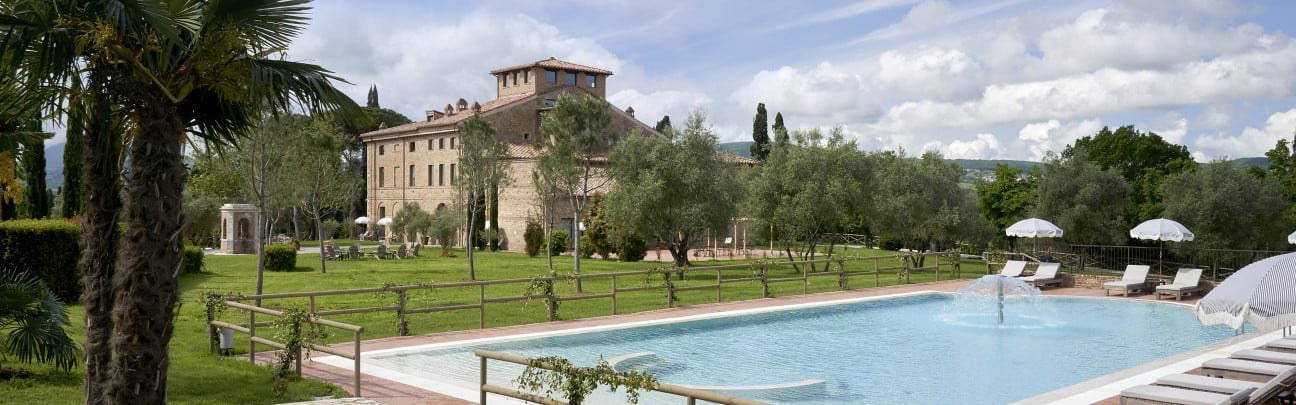
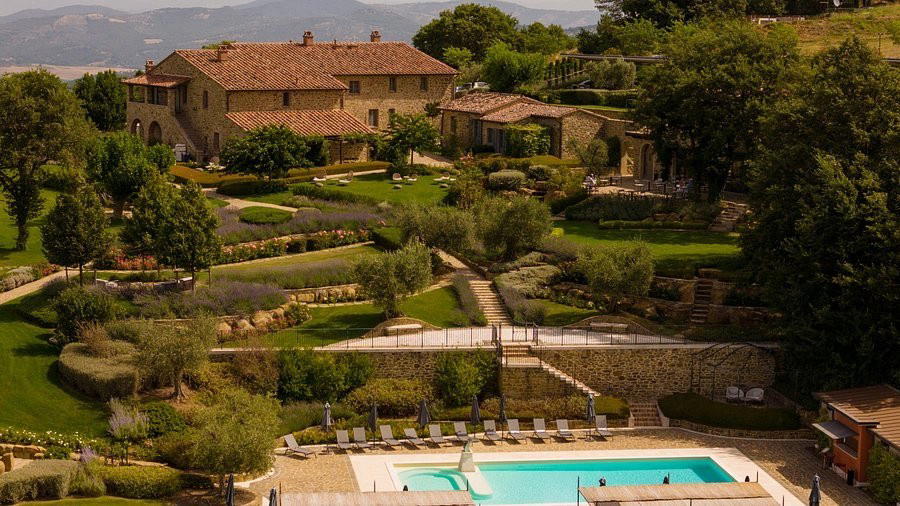
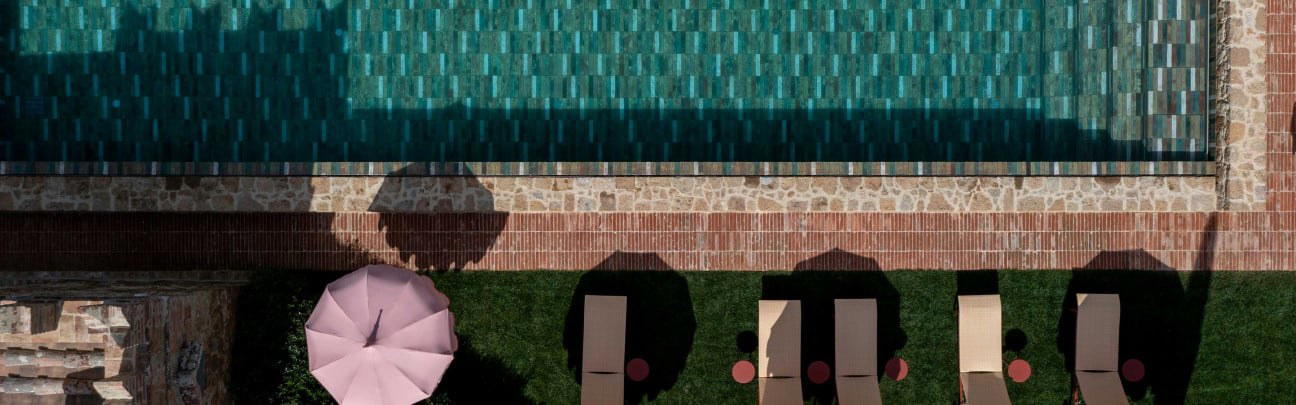
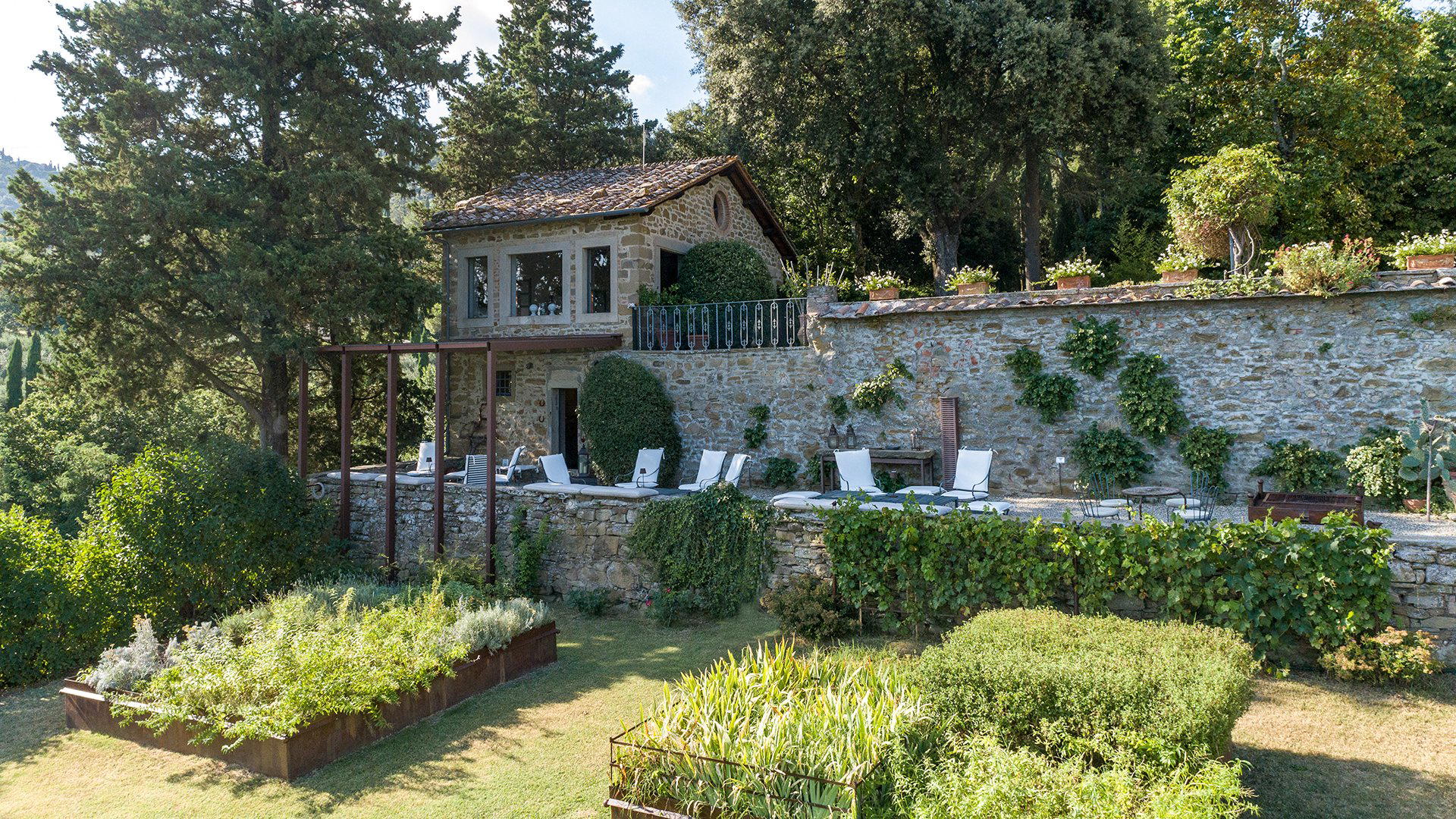
The experience at I Salotti shifts substantially by season, and the timing of a visit changes what the restaurant is. In summer, the outdoor spaces , particularly the garden gazebo , provide a setting for evening meals in which the surrounding land is part of the atmosphere. Candlelit tables in a working farm garden at dusk, with the Tuscan plateau holding the last of the day's heat, is a format that larger or more urban restaurants cannot replicate. For visitors planning a summer visit, this is the argument for choosing I Salotti over a city-based alternative.
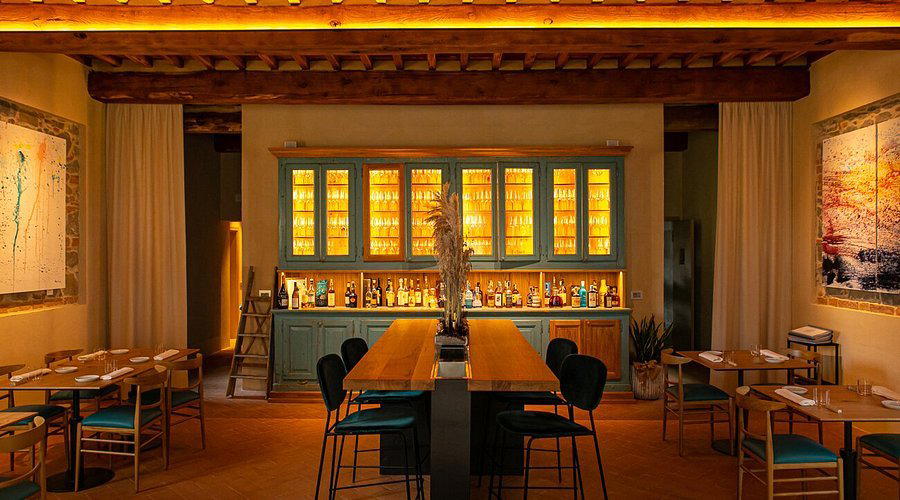
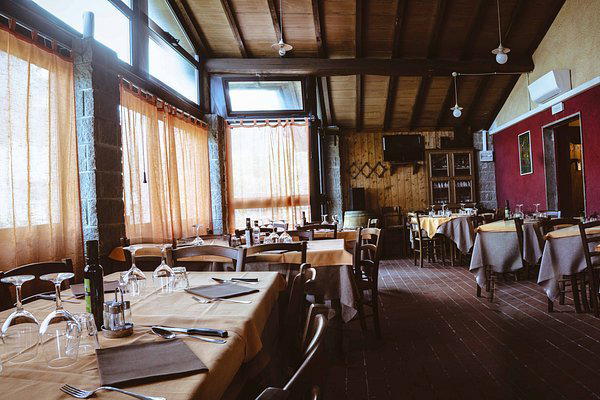
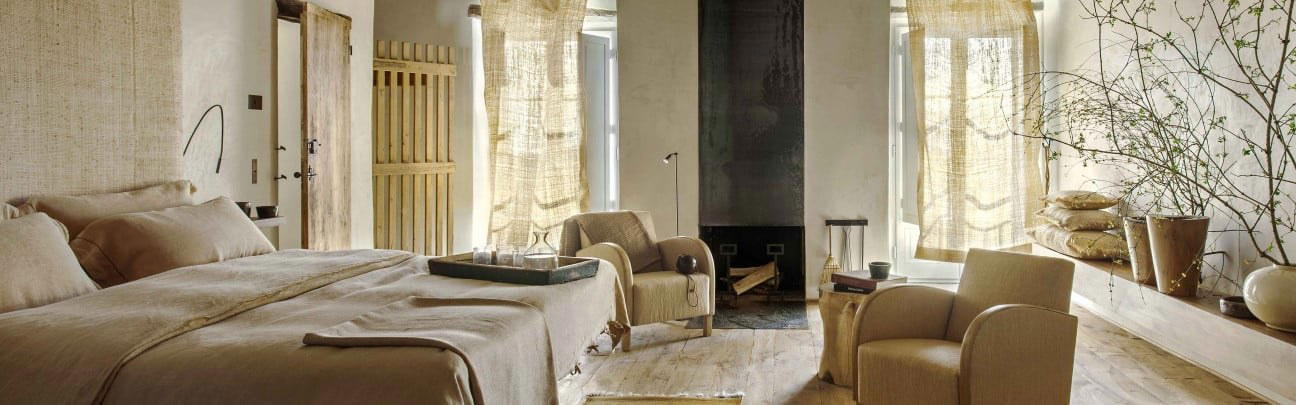
In winter, the focus contracts to the interior dining room, which holds only a small number of tables. That compression of scale is what drives the advance booking requirement , the restaurant itself notes that the indoor room warrants reserving well ahead. Small dining rooms at this price level are common across Italian creative cuisine: Osteria Francescana in Modena built its reputation partly on the discipline of limited covers, and Piazza Duomo in Alba operates with a similar sense of controlled intimacy. At I Salotti, the winter room concentrates that intimate quality without the star-tier pricing those comparisons carry.
Where the Food Comes From
The sourcing logic at I Salotti runs in one direction: the restaurant's own farm sets the parameters, and the kitchen works creatively within them. That constraint is a meaningful editorial choice in how to operate a creative menu. The dominant model in Italian fine dining , represented at its apex by kitchens like Reale in Castel di Sangro or Le Calandre in Rubano , involves sourcing from networks of specialist suppliers, truffle hunters, heritage-breed farmers, and artisan producers across regions. The estate model inverts that logic: fewer sources, deeper control, seasonal output as the governing principle.
This approach places I Salotti in a specific tradition within Tuscan cooking, one that connects to the region's longstanding emphasis on land stewardship and seasonal fidelity. Tuscany's agricultural identity , shaped by contadino farming culture, the mezzadria sharecropping system, and centuries of estate-based production , has always informed the way the region's better restaurants think about ingredients. A kitchen that draws from its own farm is not doing anything novel in a Tuscan context, but executing it at €€€€ pricing with creative technique and Michelin recognition requires a level of consistency that distinguishes it from the agriturismo category sitting below it.
For context within Italian creative dining at the premium end, compare the sourcing philosophy here against Uliassi in Senigallia, where the Adriatic coastline functions as the estate, or Quattro Passi in Marina del Cantone, where the sea and the Amalfi terraces define what appears on the plate. Each of these kitchens is shaped by geography in a way that urban creative restaurants, however technically accomplished, are not.
The Wine Cellar as Infrastructure
A wine program of over two thousand labels, built and extended over a long period, is infrastructure of a kind that takes decades to accumulate. At this scale, the cellar at I Salotti represents a serious investment in depth , covering not just Tuscan producers from the surrounding Orcia and Montepulciano zones, but reaching into other Italian regions with bottles of significant quality. For a restaurant at a rural Chiusi address, that depth places the wine program closer in ambition to the cellars at Enoteca Pinchiorri in Florence, whose wine holdings are among the most referenced in Italian fine dining, than to a typical regional trattoria list.
That comparison should be read carefully. Enoteca Pinchiorri carries three Michelin stars and a wine program built over multiple generations. I Salotti operates at a different scale entirely. But the presence of a long-established cellar with genuine depth , specifically cited as having grown over years to include many labels of high quality , changes the calculus of a visit for wine-focused diners. A food-and-wine pairing in this setting, drawing on estate-grown produce alongside bottles from that cellar, is a different kind of evening than the cuisine alone would suggest. For visitors with a particular interest in Italian regional wine, a comparison visit alongside Enrico Bartolini in Milan or Alléno Paris au Pavillon Ledoyen in terms of cellar ambition is worth noting , these are different tier restaurants, but the wine commitment is a shared preoccupation.
Chiusi and Its Dining Scene
Chiusi sits in Siena province, south of Montepulciano and close to the Umbrian border, at an elevation that keeps summer temperatures manageable by Tuscan standards. It is a town with Etruscan history that receives a fraction of the tourist traffic directed at Siena, Pienza, or Montalcino. That relative quiet is part of the practical proposition of dining here: I Salotti is not competing for attention in a saturated dining market. The town's limited number of serious restaurants includes Osteria La Solita Zuppa, which covers traditional Tuscan cooking at the other end of the tonal register from I Salotti's creative approach.
For those building an itinerary around the area, the full range of what Chiusi offers across food, wine, accommodation, and experiences is covered in our full Chiusi restaurants guide, alongside the Chiusi hotels guide, bars guide, wineries guide, and experiences guide. The restaurant sits outside the town centre on the SS 146, which means arriving by car is the practical default. The address at località Querce al Pino places it in the agricultural periphery , not difficult to reach, but requiring planning rather than a walk from a central hotel.
Google review data from 46 ratings places the restaurant at 4.3, a score that at relatively low volume reflects a consistent pattern of satisfaction rather than the statistical weight of a high-traffic city restaurant. Book well in advance for the winter dining room, and further ahead than feels necessary for summer garden evenings, which are the format the restaurant is leading known for. Creative cooking from an estate kitchen, a wine cellar built over decades, and a setting that most €€€€ Italian restaurants cannot replicate from a city address: these are the variables that make I Salotti worth the detour into the Tuscan plateau.
What to Eat at I Salotti
I Salotti's kitchen draws its identity from estate-grown produce and a creative approach to Tuscan ingredients. The menu changes with what the farm supplies, so the specific dishes shift with the season. What the Michelin Plate recognition in 2024 and 2025 confirms is that the technical execution meets a consistent standard. For visitors planning a food-led trip through southern Tuscany , with the creative and wine-focused direction of a restaurant like Arpège in Paris as an international reference point for estate-driven creative cuisine , I Salotti is the address in this part of the region where those interests converge. Specific dishes should be confirmed at the time of booking, as the menu's seasonal structure means that what arrives in spring will differ substantially from what appears in autumn.
Quick Comparison
These are the closest comparables we have in our database for quick context.
| Venue | Cuisine | Price | Awards | Notes |
|---|---|---|---|---|
| I Salotti | Creative | €€€€ | In summer, the outdoor spaces at this restaurant, such as the garden gazebo, are… | This venue |
| Atelier Moessmer Norbert Niederkofler | Italian, Creative | €€€€ | Michelin 3 Star | Italian, Creative, €€€€ |
| Dal Pescatore | Italian, Italian Contemporary | €€€€ | Michelin 3 Star | Italian, Italian Contemporary, €€€€ |
| Enoteca Pinchiorri | Italian - French, Italian Contemporary | €€€€ | Michelin 3 Star | Italian - French, Italian Contemporary, €€€€ |
| Enrico Bartolini | Creative | €€€€ | Michelin 3 Star | Creative, €€€€ |
| Osteria Francescana | Progressive Italian, Creative | €€€€ | Michelin 3 Star | Progressive Italian, Creative, €€€€ |
At a Glance
- Romantic
- Elegant
- Sophisticated
- Intimate
- Date Night
- Special Occasion
- Celebration
- Garden
- Wine Cellar
- Private Dining
- Historic Building
- Hotel Restaurant
- Extensive Wine List
- Sommelier Led
- Farm To Table
- Local Sourcing
- Garden
Elegant and intimate with candlelit garden gazebos in summer and refined dining rooms with few tables in winter, creating an atmosphere of understated luxury and natural harmony.