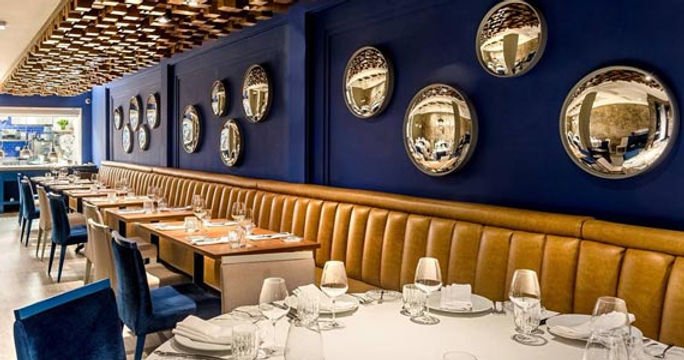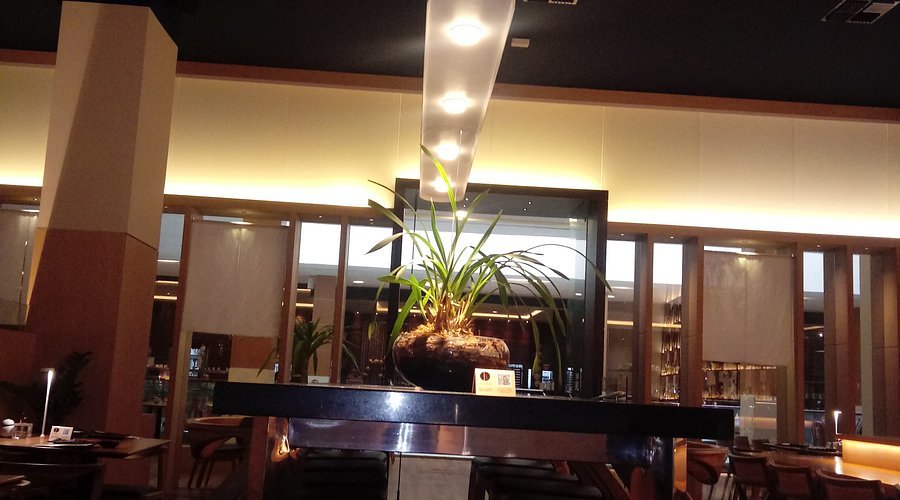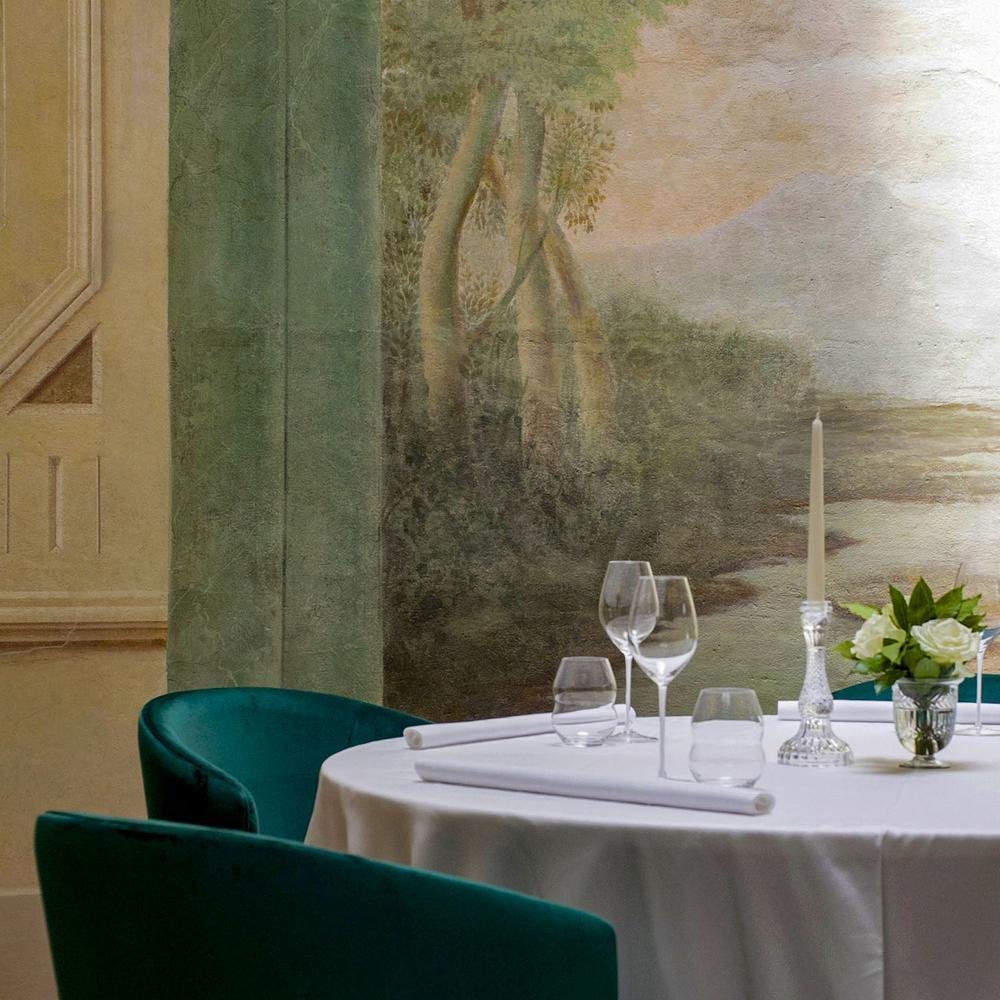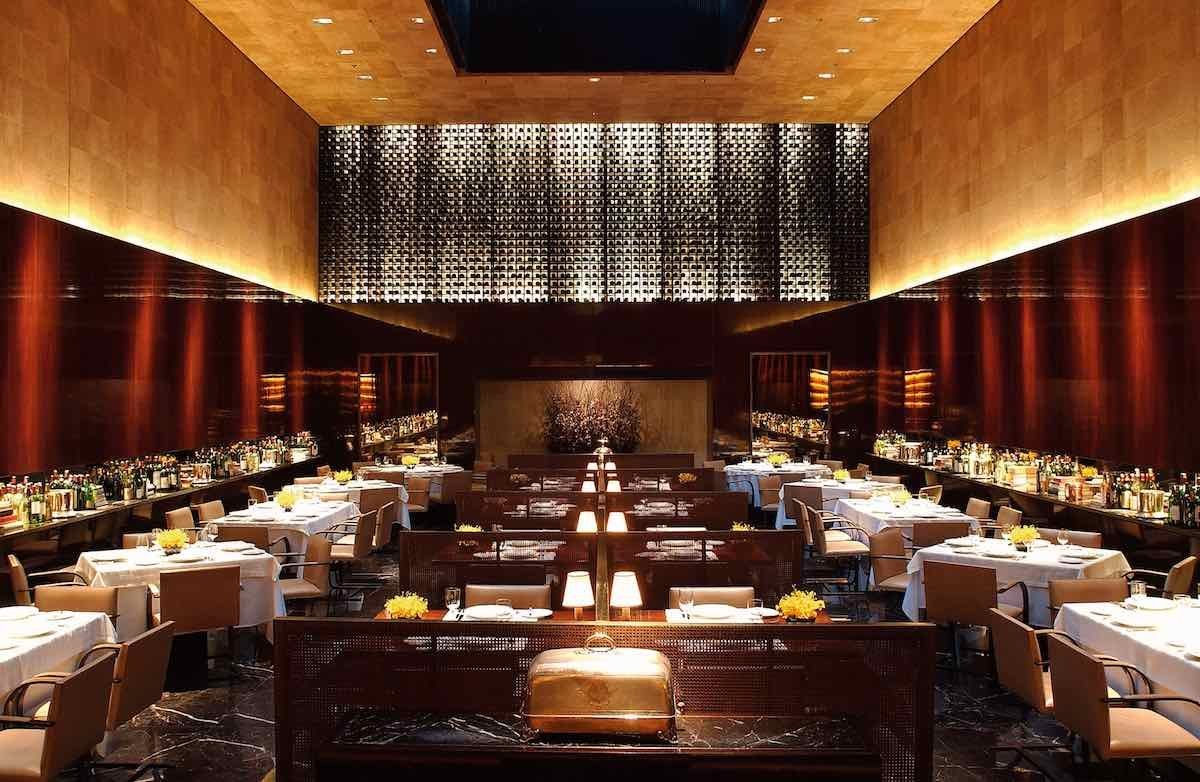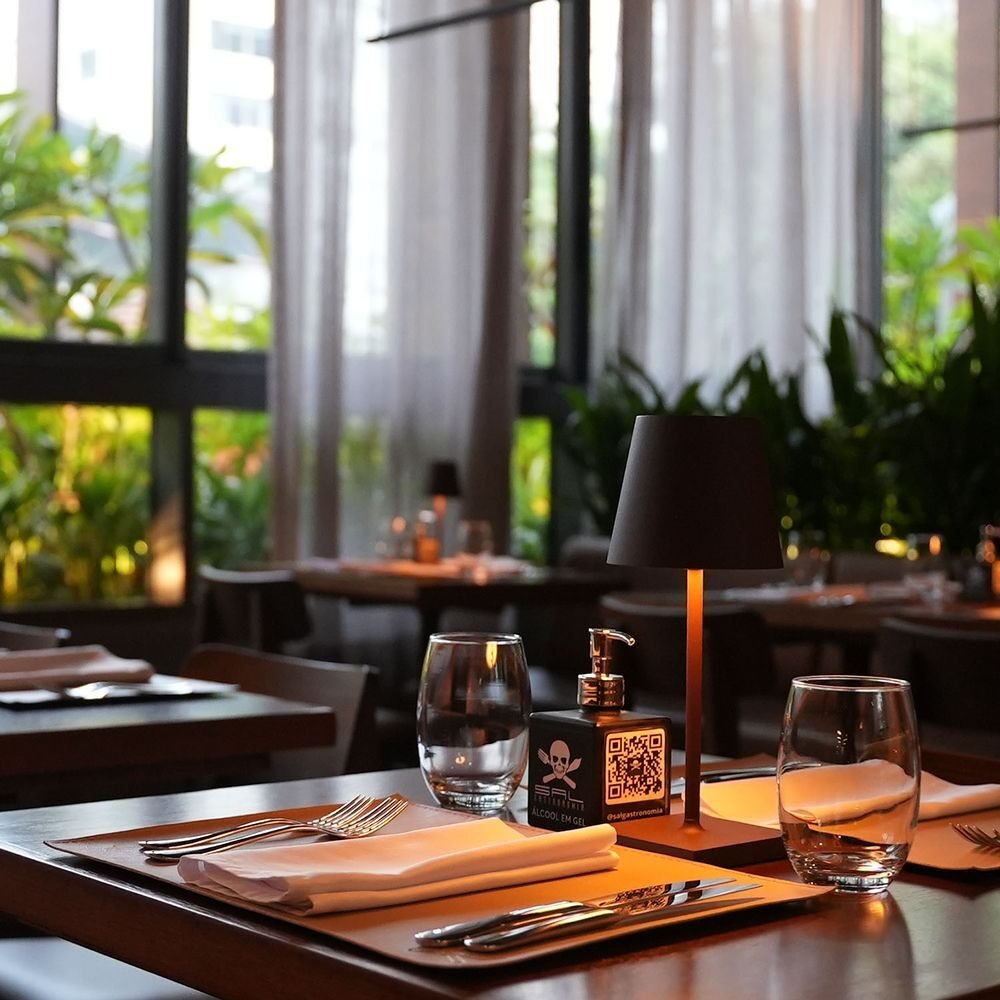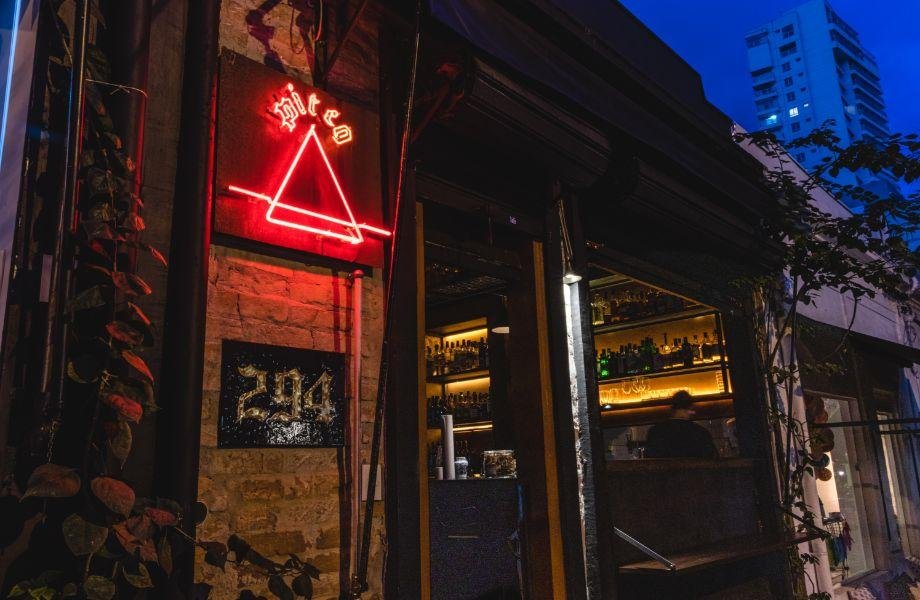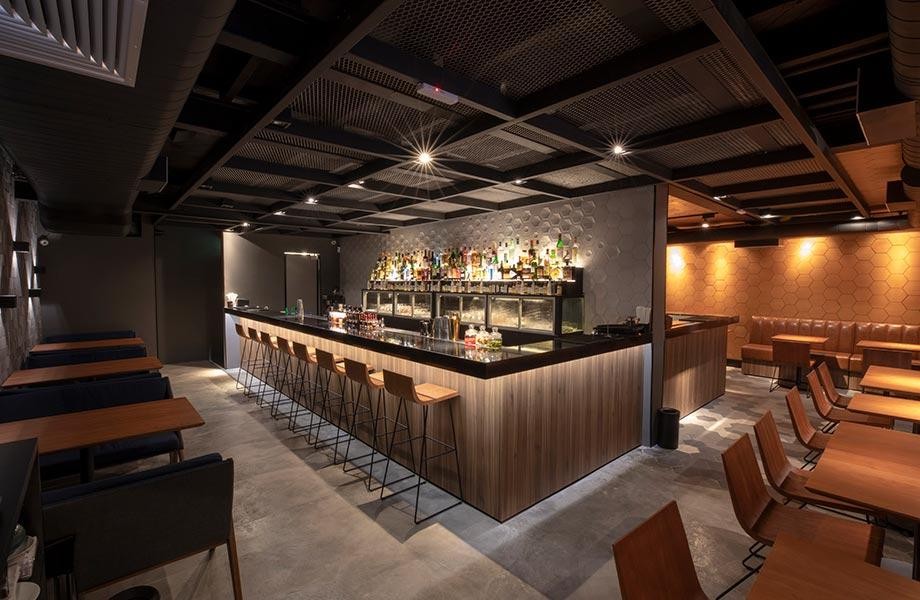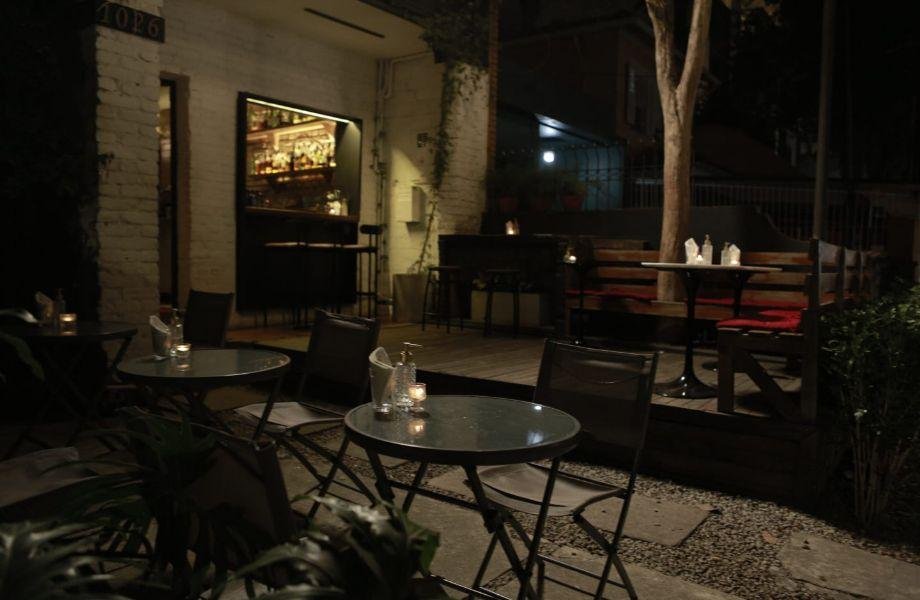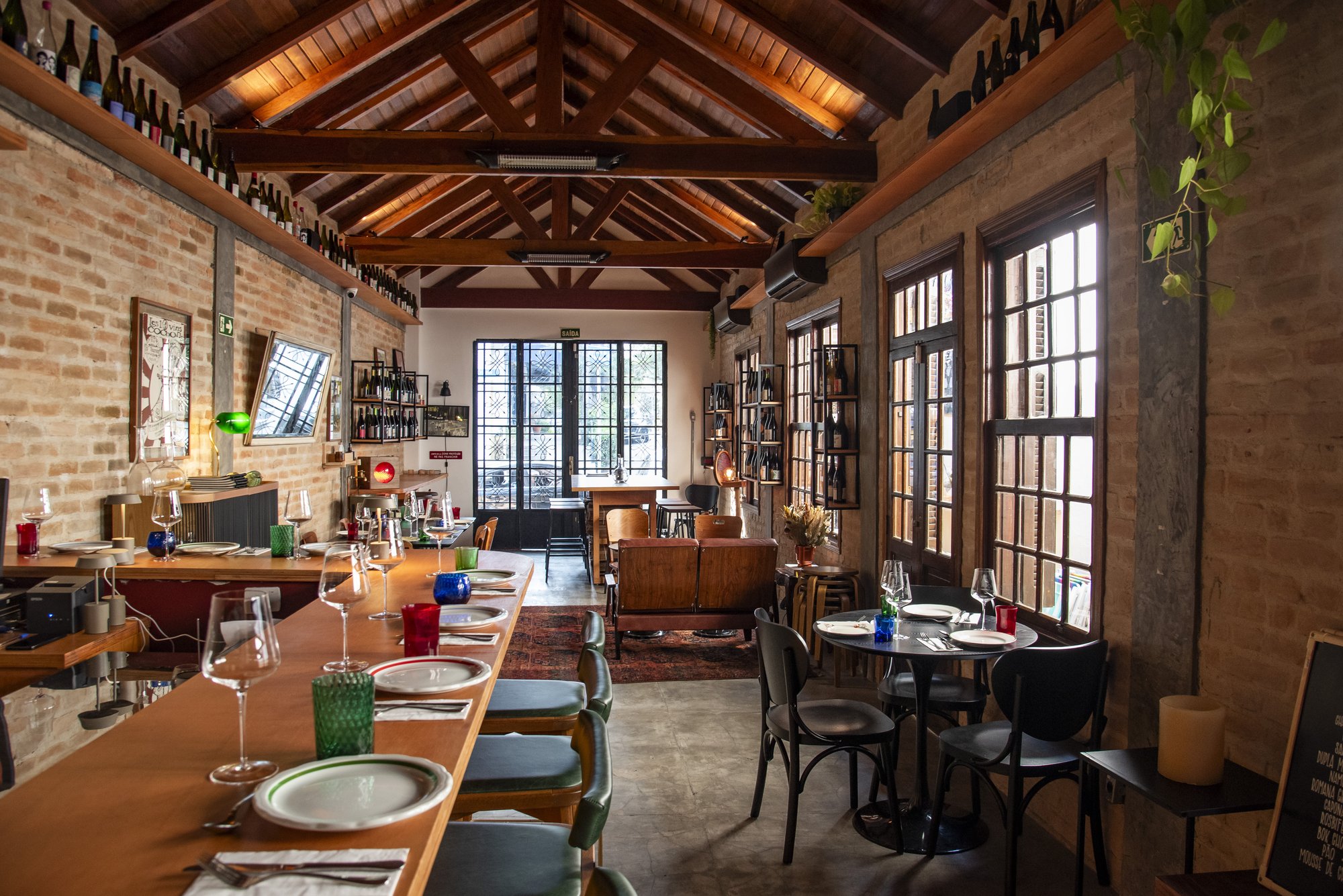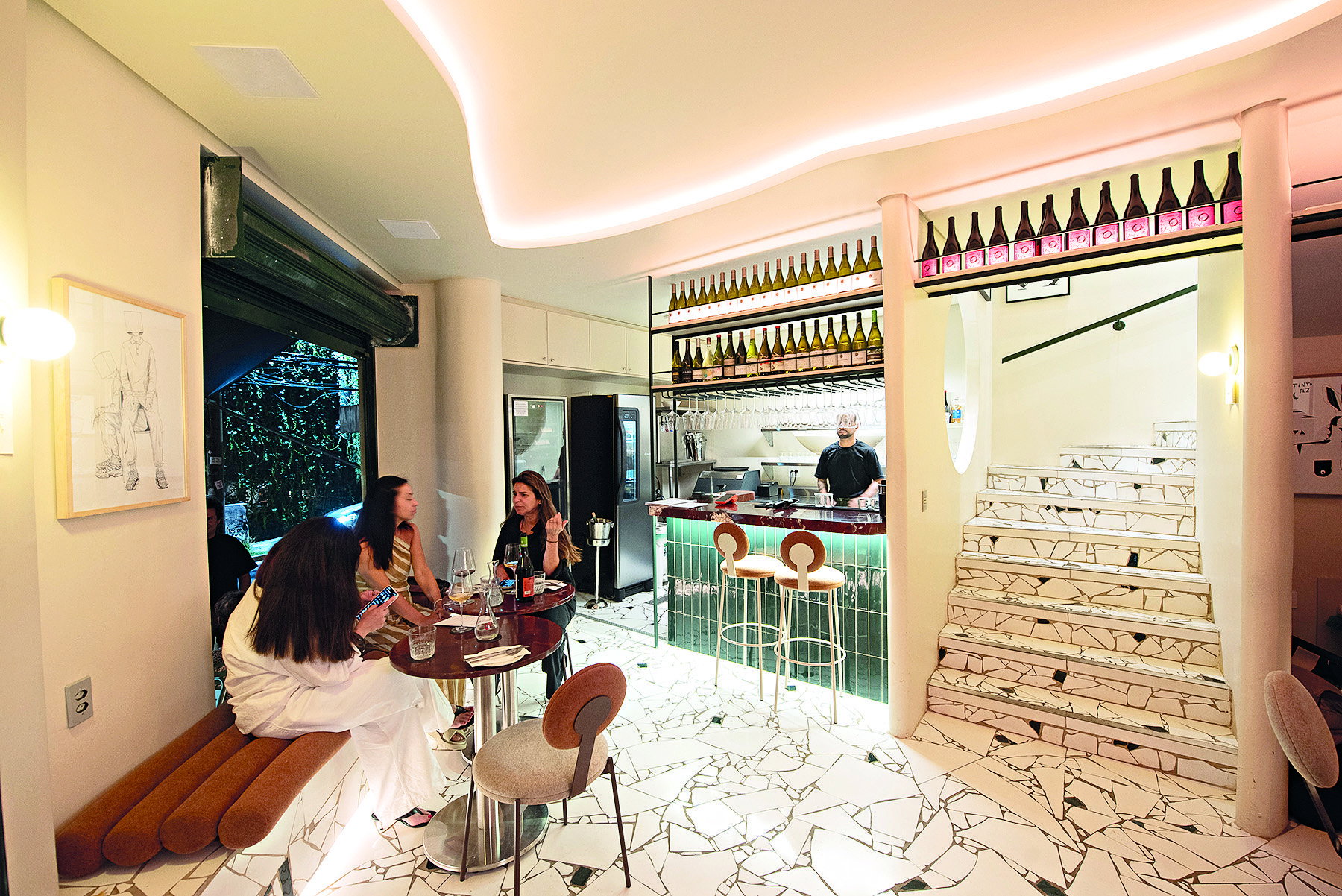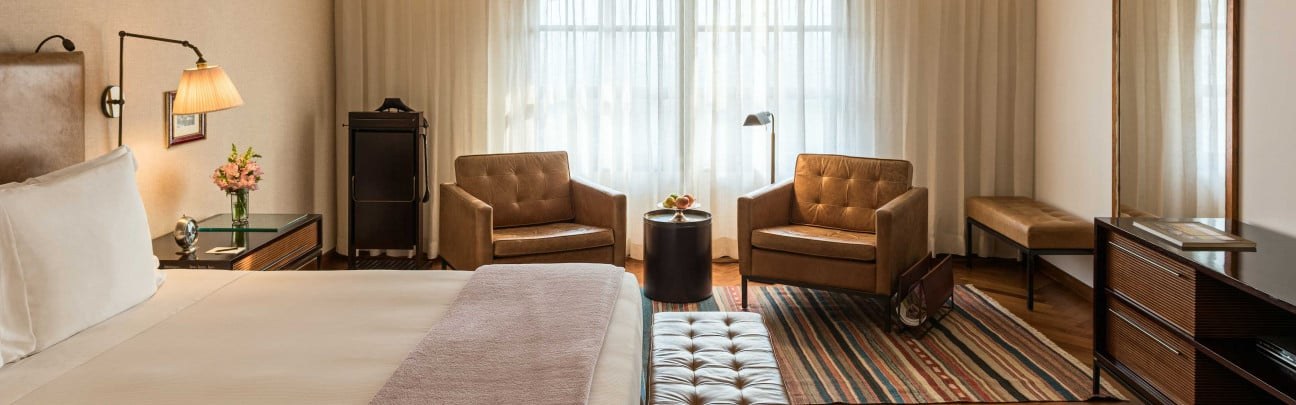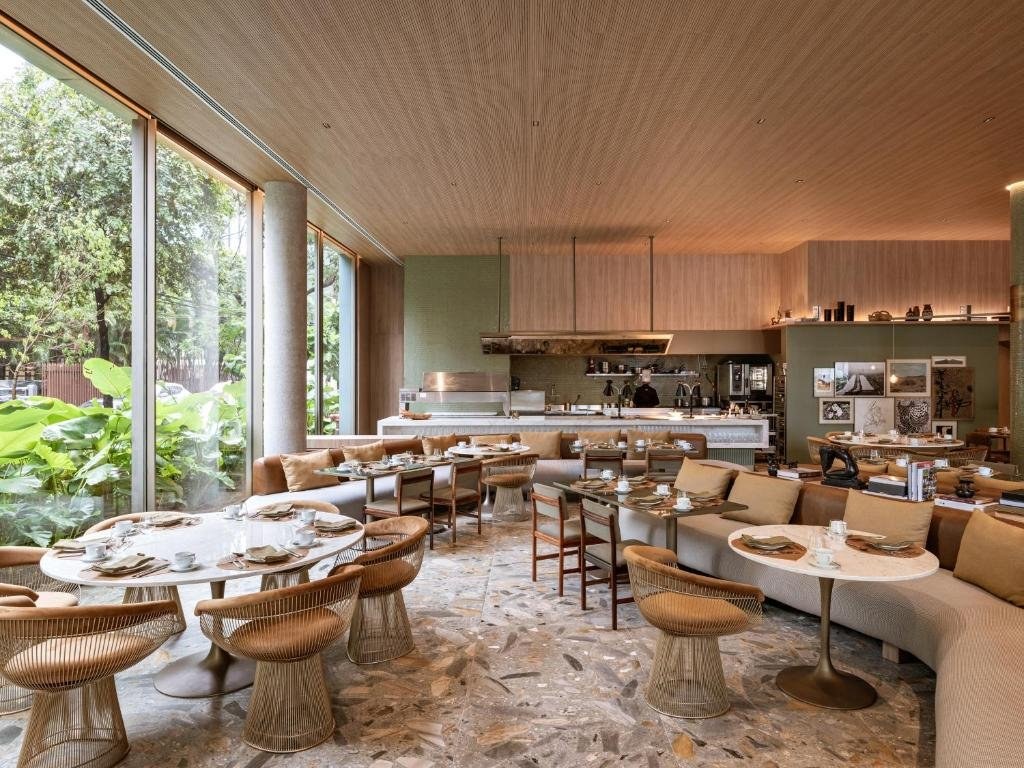





Maní holds a Michelin star and a 95-point La Liste score while occupying a distinct position in São Paulo's creative dining scene: technically precise Brazilian cooking that draws on Amazonian ingredients without losing sight of European technique. Chef Helena Rizzo's menu places vegetables and native produce at its structural centre, earning the restaurant a decade of international recognition including a 2014 peak of #36 on the World's 50 Best list.
 Discover on Pearl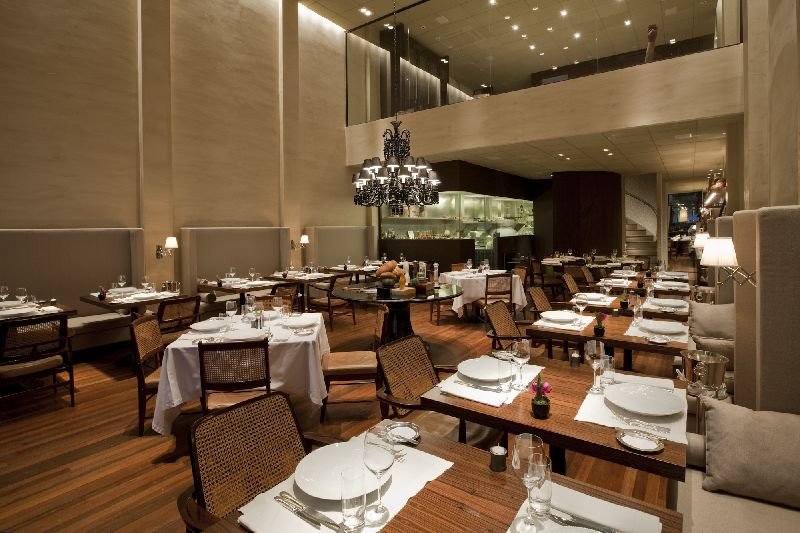
Where Jardim Paulistano Sets the Table
Rua Joaquim Antunes is the kind of address that São Paulo's creative dining scene tends to favour: residential enough to feel unhurried, close enough to Pinheiros and Itaim to draw a professional crowd that treats lunch as seriously as dinner. The street-level approach to Maní reads more like a private house than a restaurant destination, which, in the context of Jardim Paulistano's low-rise, tree-lined blocks, is less an aesthetic choice than a neighbourhood norm. This part of the city has absorbed a concentration of ambitious cooking over the past two decades, and the understated arrival is consistent with how serious restaurants tend to present themselves here: the food does the announcing.
Inside, the format is lunch and dinner across five days, with Saturday and Sunday shifting slightly later for the afternoon service. Tuesday through Friday runs a midday window from noon to 3 pm and an evening from 7:30 to 11 pm. Saturday opens at 1 pm for lunch and returns at 7:30 for dinner; Sunday lunch runs until 4:30 pm with no evening service. Monday is closed. For travellers building an itinerary around São Paulo's restaurant week or a weekend stopover, the Sunday lunch slot is worth noting: a four-and-a-half-hour window is generous by Brazilian fine-dining standards and positions the meal as an anchor rather than a stop.
How the Menu Is Built
The architecture of Maní's cooking sits at the intersection of Brazilian ingredient logic and European structural technique. This is not fusion in any diluted sense. It is a specific approach in which Amazonian and native Brazilian produce, particularly vegetables and roots, are treated as primary materials rather than garnish or local colour. La Liste's 2026 assessment, which awarded the restaurant 95 points, described fish lacquered with black manioc sauce and served with cabbage, mustard green, pear and rice as representative of the kitchen's method: ingredients that are individually familiar but combined through a technical intelligence that shifts their register. The previous year's La Liste score held at 95.5 points, suggesting consistency rather than peak-and-decline.
Manioc, in particular, carries symbolic and practical weight in Brazilian cooking. It is a starch used across class lines and across regions, from Amazonian communities to urban kitchens, and its appearance in a Michelin-starred context at Maní reflects a broader shift in how São Paulo's high-end restaurants have repositioned native ingredients. The same movement is visible at D.O.M., where Alex Atala's longer-running programme brought Amazonian foraging into fine-dining framing at the $$$$ price tier, and at Tuju, which approaches creative Brazilian cooking through a seasonal, produce-led lens. Maní operates at the $$$ price tier, which places it a bracket below D.O.M. and makes its level of technical precision notable within that positioning.
What distinguishes the menu architecture here is the treatment of vegetables as structural rather than supporting. La Liste's note that vegetables are used in interesting combinations is not a passing observation; it points to a compositional logic in which the vegetable element carries as much weight as the protein. This is relatively uncommon in the Brazilian fine-dining tradition, where meat and fish have historically anchored tasting formats. The approach aligns Maní more closely with kitchens in Europe and the United States where plant-forward construction has reshaped how tasting menus are sequenced, though the ingredient base remains distinctly Brazilian in origin and character.
Recognition and Competitive Placement
The record of external validation here is long and specific enough to locate Maní clearly within São Paulo's competitive tier. The restaurant held a position in the World's 50 Best between 2013 and 2015, reaching #36 in 2014 at a moment when Latin American dining was entering serious international consideration. Consecutive Michelin stars in 2024 and 2025 confirm sustained performance at a level the guide associates with kitchens worth a dedicated journey. The Opinionated About Dining ranking for South America placed Maní at #16 in 2023, #24 in 2024, and #20 in 2025, a range that reflects the density and quality of the regional competition rather than any slippage in the kitchen's output.
Within São Paulo specifically, the restaurant occupies a different competitive position than Evvai, which brings contemporary Italian framing to the $$$$ tier, or Fame Osteria, which operates Italian contemporary cuisine at a distinct register. The Japanese-influenced end of the São Paulo scene, represented by venues like Huto, addresses a different dining logic entirely. Maní's closest peer set within the city is the small group of creative Brazilian kitchens that hold international recognition while remaining rooted in native produce: a competitive tier defined less by price than by the seriousness and specificity of the ingredient programme.
Across Brazil, the context is useful. Lasai in Rio de Janeiro runs a comparable programme of technically precise, produce-forward cooking with strong sustainability framing. Regional restaurants like Manga in Salvador and Orixás North Restaurant in Itacaré address the northeast's distinct ingredient and cultural base. Mina in Campos do Jordão and Primrose in Gramado represent how southern Brazil has developed its own strand of the contemporary dining conversation, while Castelo Saint Andrews in Gramado takes a different approach to regional identity altogether. Maní sits within São Paulo's dominant role in this national picture: the city that has consistently anchored Brazil's international fine-dining representation.
Internationally, the technical framework that Maní employs has precedents and parallels. Kitchens like Le Bernardin in New York City have demonstrated over decades how classical European technique can be applied with rigour to a specific ingredient category, while Atomix in New York City shows how a non-European culinary tradition can be reframed through technically precise tasting-menu construction. Maní's position in this broader conversation is that of a kitchen doing the same work with Brazilian materials, at a price point that remains more accessible than its international peers at comparable recognition levels.
Chef Helena Rizzo in Context
The Brazilian and European synthesis that defines Maní's menu reflects a specific strand of training: technique absorbed from European kitchen culture, then redirected toward Brazilian ingredients and combinations. Rizzo has been the constant at this address, and her name appears across a decade of rankings and award cycles, which establishes the restaurant's output as stable rather than dependent on a single moment of critical attention. The 4.6 rating across nearly 2,000 Google reviews adds a ground-level signal to the institutional validation: the kitchen performs consistently across a broad diner base, not only for critical audiences.
Planning a Visit
Maní is located at Rua Joaquim Antunes, 210 in Jardim Paulistano, a neighbourhood that sits between Pinheiros and the Jardins district and is accessible by taxi or rideshare from most of central São Paulo. The $$$ price positioning makes this a fine-dining experience without the top-tier investment required at D.O.M. or Evvai, though bookings at this level of recognition should be made well in advance, particularly for weekend lunch. The Google review volume suggests the restaurant operates at consistent capacity; arriving without a reservation is not a strategy worth testing.
For visitors building a broader picture of São Paulo's dining and hospitality scene, our full São Paulo restaurants guide covers the city's range from neighbourhood trattorias to Michelin-level tasting counters. The São Paulo hotels guide addresses where to base yourself across the city's distinct neighbourhoods, and our São Paulo bars guide covers the cocktail and wine bar scene that has grown alongside the restaurant culture. The São Paulo wineries guide and São Paulo experiences guide round out the picture for travellers spending more than a night or two in the city.
Where the Accolades Land
A compact comparison to help you place this venue among nearby peers.
| Venue | Awards | Cuisine | Notes |
|---|---|---|---|
| Maní | Michelin 1 Star | Brazilian - International, Creative | This venue |
| Evvai | Michelin 2 Star | Contemporary Italian, Modern Cuisine | Contemporary Italian, Modern Cuisine, $$$$ |
| D.O.M. | Michelin 2 Star | Modern Brazilian, Creative | Modern Brazilian, Creative, $$$$ |
| Jun Sakamoto | Michelin 1 Star | Sushi, Japanese | Sushi, Japanese, $$$ |
| A Casa do Porco | World's 50 Best | Regional Brazilian, Brazilian | Regional Brazilian, Brazilian, $$ |
| Corrutela | Brazilian, Seasonal Cuisine | Brazilian, Seasonal Cuisine, $$ |
Continue exploring