Our verdict
Humo occupies a plot in Tulum Centro where fire-driven cooking meets the Yucatán's deep tradition of smoke and ember. The address places it within reach of the town's main corridor, away from the beach-zone concentration of resort dining. For travelers calibrating between the area's high-end tasting formats and its casual street-level alternatives, Humo offers a middle register worth weighing.

Pearl is the En Primeur Club membership app — saves, bookings, and concierge access live there. Same editors, same standards.
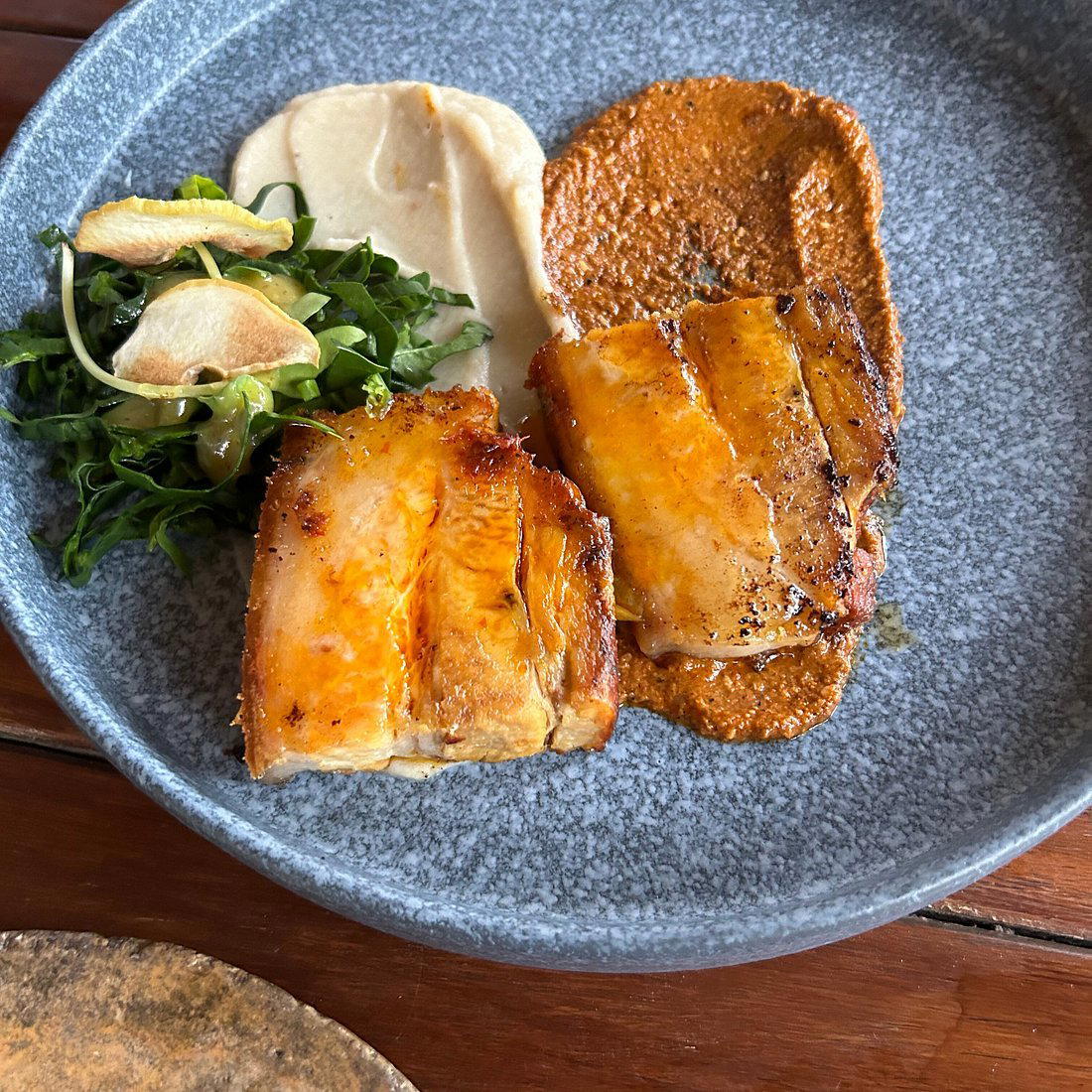
Fire as Method, Not Theatre
Across Mexico's more serious kitchens, live-fire cooking has moved from rustic association to deliberate technique. The shift is visible from Pujol in Mexico City at one end to the open-air grills of Baja at the other, with venues like Animalón in Valle de Guadalupe anchoring it firmly in the fine-dining register. Tulum's version of this shift has taken root partly because the town's outdoor-first architecture makes wood and charcoal practical, not just aesthetic. Humo, on Avenida Tulum in the centro district, operates within that broader current: the name itself signals smoke, and the positioning on the town's main commercial artery places it outside the beach-club orbit that dominates higher-priced dining in the zona hotelera.
Tulum Centro vs. the Hotel Zone
Understanding where Humo sits geographically matters because Tulum's dining scene splits sharply across two zones. The coastal strip attracts venues that price against international resort expectations, drawing comparisons to Le Bernardin in New York City in ambition if not in execution. The centro, by contrast, is where local supply chains, lower overheads, and a more mixed clientele shape the offer. Restaurants like Cetli have demonstrated that the centro can sustain serious Mexican cooking without the beach-zone markup. Humo's Manzana 31 Lote 2 address puts it squarely in that inland cluster, which tends to attract visitors who have already worked through the zona hotelera's headline names and are looking for something operating under different commercial logic.
The Cultural Weight of Smoke in Mexican Cooking
Smoke is not a garnish in Mexican culinary tradition. It is a primary medium. From the pit-cooked cochinita of the Yucatán Peninsula to the mezcal-linked tradition of charred agave in Oaxaca, fire and smoke carry meaning that predates the restaurant format by centuries. The Riviera Maya sits within reach of both influences: the Yucatec Maya cooking tradition runs deep in communities around Tulum, while Oaxacan migration into the region has brought additional smoke-forward registers into the local food conversation. A venue named Humo enters that conversation explicitly, positioning smoke not as a contemporary technique borrowed from Nordic kitchens but as something with local and indigenous precedent. That framing matters when placing it alongside contemporaries: Arca, a few kilometres away on the hotel strip, has built a strong reputation around wood fire and regional ingredients in a higher price bracket; Autor approaches the same territory through a more structured contemporary tasting format. Humo's centro address and naming suggest a different register, though the specific menu and price point require direct verification with the venue before booking.
Reading the Centro's Dining Cluster
The inland Tulum dining cluster has developed a distinct character in recent years. Where the zona hotelera competes on setting and spectacle, the centro rewards repeat visitors with more neighbourhood-driven programming. Cocina Del Pueblo and Casa Banana both operate in this zone, covering Mexican and Argentinian traditions respectively, and together they illustrate how the centro functions as a more eclectic, less curated counterpoint to the hotel strip. Visitors planning several nights in Tulum often use the centro cluster for mid-week evenings, reserving the higher-commitment beach venues for occasions that justify the journey and the price. Within that pattern, a smoke-forward venue like Humo occupies a useful position: conceptually specific enough to feel intentional, geographically accessible enough for a low-friction evening out.
How Tulum Compares to Mexico's Broader Fine-Dining Circuit
Tulum is a younger dining city than Oaxaca or Mexico City, and its critical recognition is still forming. Venues like Levadura de Olla Restaurante in Oaxaca and KOLI Cocina de Origen in Monterrey operate within more established local food cultures that have generated sustained critical attention. The Riviera Maya's strongest entry in that regard is probably Le Chique in Puerto Morelos, which has attracted recognition commensurate with its ambition. Tulum sits slightly apart from that circuit: its recognition tends to come from travel media rather than culinary awards bodies, which shapes which venues receive sustained attention and which remain within a more local word-of-mouth network. For travelers who have already visited HA' in Playa del Carmen or are familiar with the northern Mexico scene through venues like Pangea in San Pedro Garza Garcia or Alcalde in Guadalajara, Tulum's dining offer requires recalibration: the setting is the context, and the cooking exists within it rather than against a backdrop of independent critical infrastructure.
Planning a Visit
Humo's address on Avenida Tulum in the centro is walkable from most central accommodation and reachable by taxi or colectivo from the hotel zone in under twenty minutes depending on traffic. The centro operates on foot-traffic patterns that differ from the beach strip: evenings tend to fill earlier, and the more casual commercial atmosphere means that the logistical formality of beach-zone bookings may not apply. Tulum's restaurant scene shifts seasonally, with peak capacity running from late November through March; during that window, even centro venues can run at capacity by mid-evening. The full Tulum restaurants guide provides broader orientation across both zones for visitors building a multi-day itinerary. Those also tracking Lunario in El Porvenir or Olivea Farm to Table in Ensenada as part of a wider Mexico trip will find Tulum operates under different rhythms from wine-country or Pacific-coast destinations: humidity, seasonality, and a transient international clientele all shape the day-to-day dynamics of even well-established venues. A confirmed dinner at Humo is leading treated as the anchor of a centro evening rather than one stop in a longer night, given the town's dispersed geography.
Frequently asked questions
Is Humo suitable for children?
Humo sits in Tulum Centro on Avenida Tulum, operating as a focused live-fire kitchen where the cooking technique and atmosphere skew toward adult diners with a specific interest in the food. Families with older children who eat adventurously should manage fine, but the format is not built around a family dining experience.
What kind of setting is Humo?
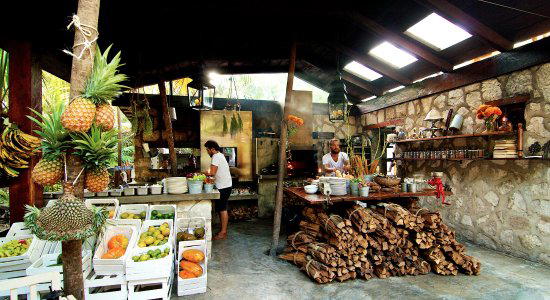
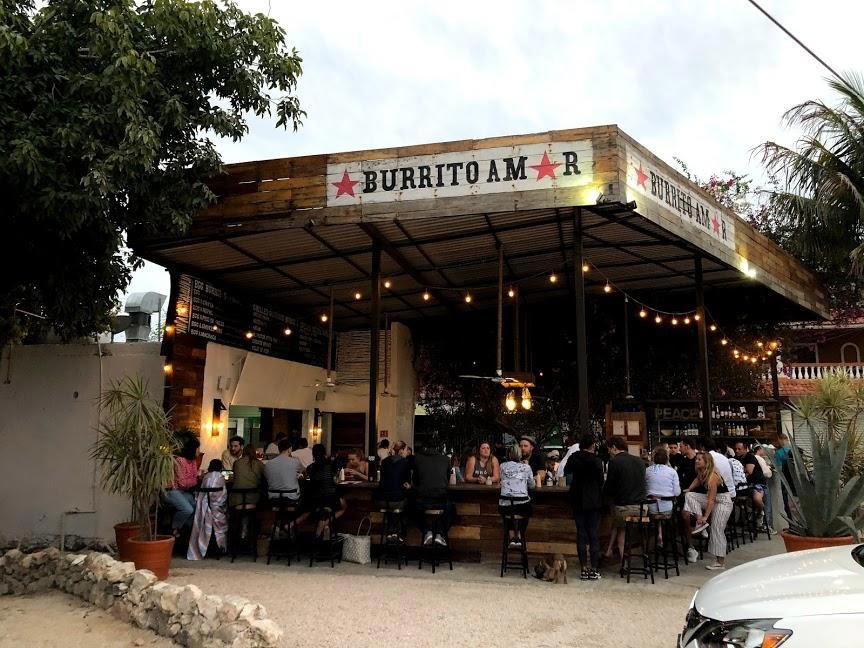
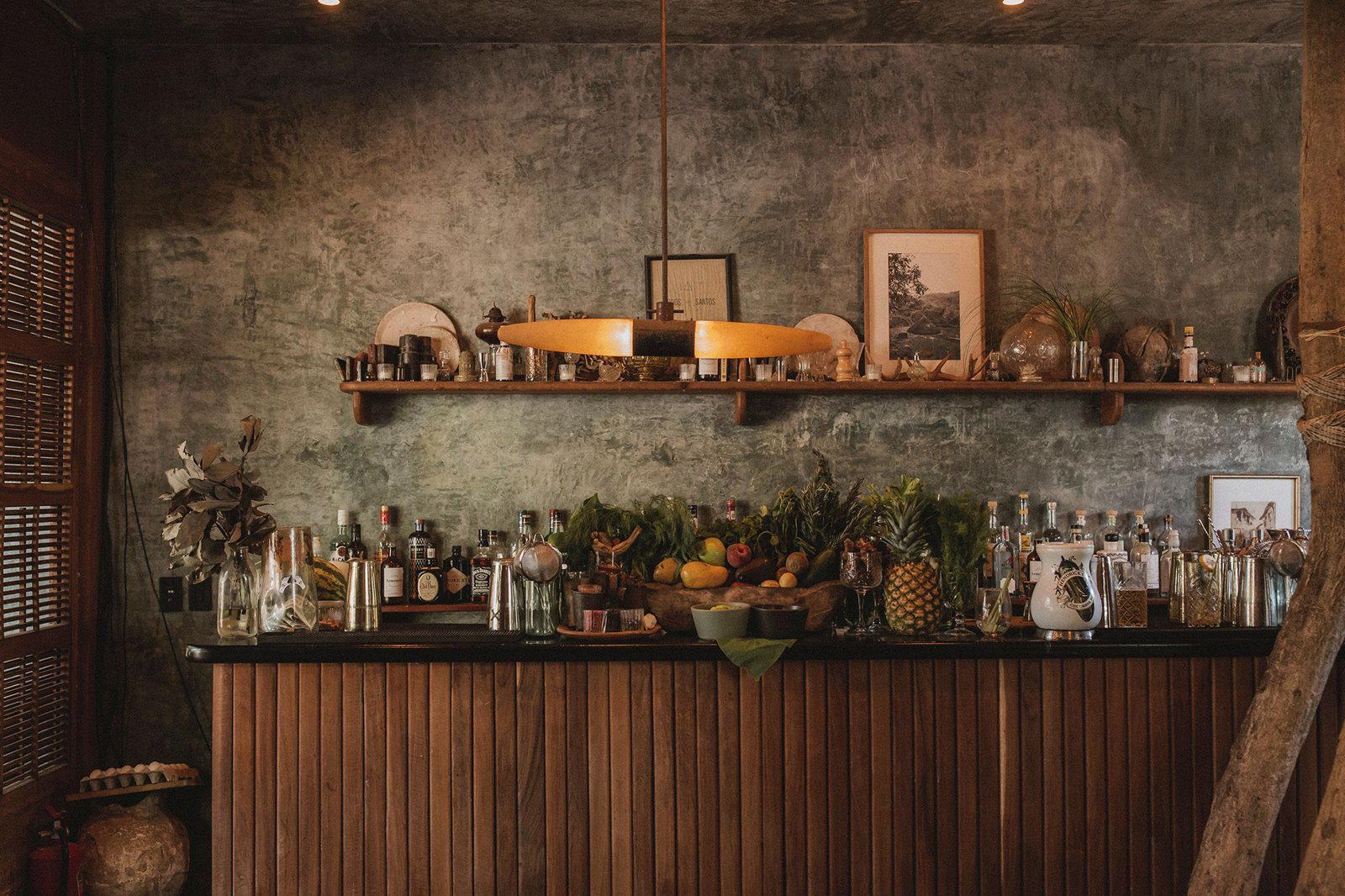
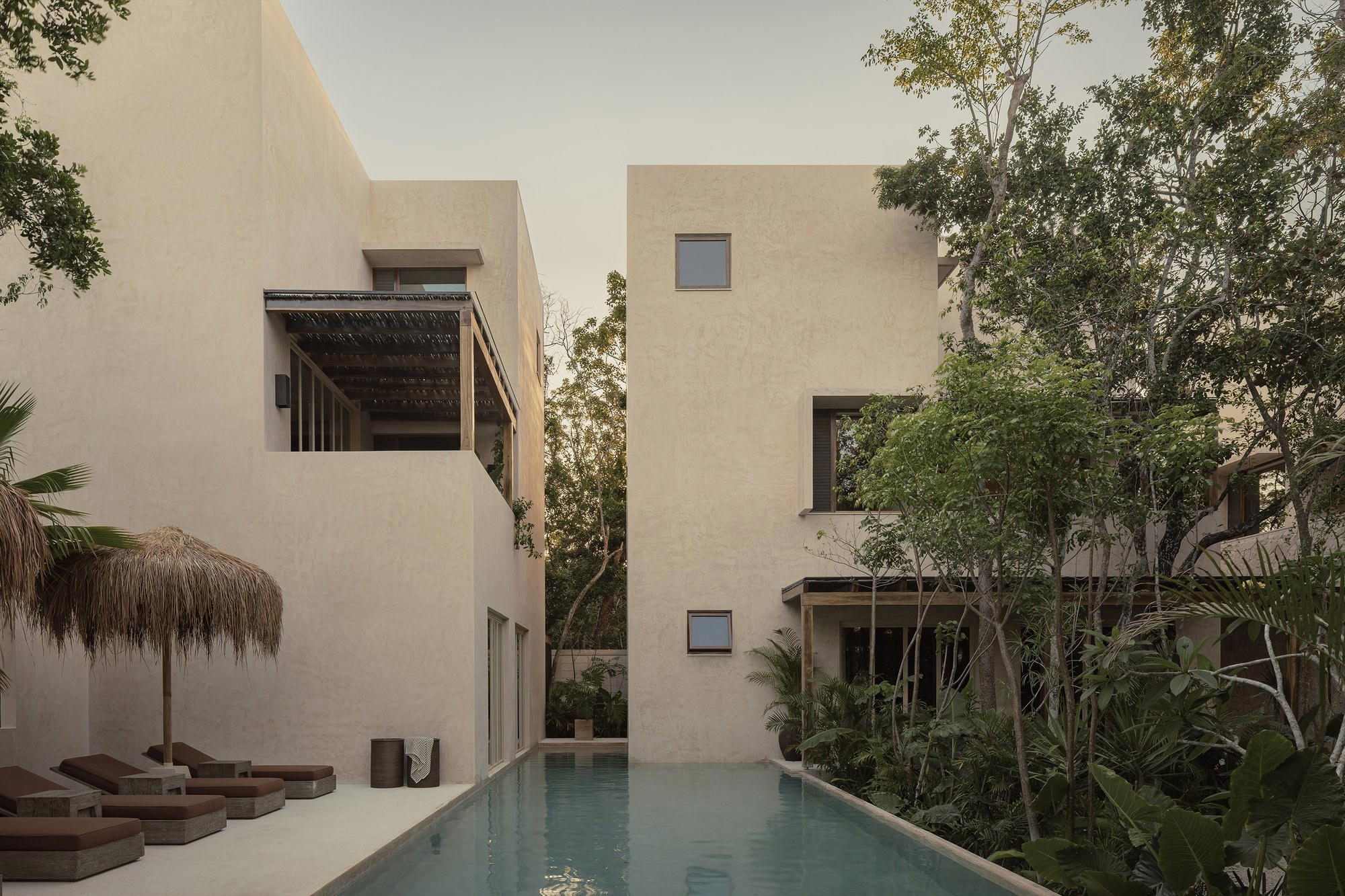
Humo occupies a position in the inland centro cluster rather than the coastal hotel zone, which means the setting trades ocean views for a more grounded, kitchen-forward atmosphere. The address on Avenida Tulum places it within walking distance of central accommodation and away from the spectacle-driven venues along the coastal strip.
How does Humo fit into Tulum's broader dining scene compared to other live-fire kitchens in Mexico?
Tulum is a younger dining city than Oaxaca or Mexico City, and its critical recognition is still forming, which means Humo operates in a scene that lacks the deep critical infrastructure of those older circuits. Live-fire cooking has gained serious traction across Mexico's more considered kitchens, from Pujol in the capital to wood-fire-led restaurants in Oaxaca, and Humo's position in Tulum Centro places it within that broader technical conversation rather than the resort-beach category.
What's the must-try dish at Humo?
What the kitchen's live-fire focus does signal is that proteins cooked over direct flame or smoke are central to the menu's logic, consistent with the tradition of smoke as a primary cooking medium across Yucatán and wider Mexican cooking.
What's the address for Humo?
Humo is located at Av. Tulum Manzana 31 Lote 2, Tulum Centro, 77760 Tulum, Q.R. Mexico, Tulum.
A Pricing-First Comparison
| Venue | Cuisine | Price | Awards | Notes |
|---|---|---|---|---|
| HumoThis venue — the venue you are viewing | Contemporary Mexican | $30–50 | Not listed | Not listed |
| Arca | Modern Yucatan Fire-Cooked Small Plates | $100–150 | Michelin Plate · World's 50 Best #61 | Mexican, Contemporary |
| Cetli | Authentic Oaxacan Mexican Fine Dining | Not listed | Michelin Bib Gourmand | Mexican |
| Hartwood | Wood-Fired Mexican Seafood | $50–100 | Michelin Plate | Modern Mexican, Mexican |
| Mestixa | Asian-Mexican Fusion | Not listed | Michelin Bib Gourmand | Fusion |
| Taqueria Honorio | Authentic Yucatecan Taqueria | $10–20 | Not listed | Mexican |
Continue exploring
More in Tulum
Restaurants in Tulum
All restaurants in Tulum →







Details
- Cozy
- Trendy
- Rustic
- Bohemian
- Date Night
- Brunch
- Casual Hangout
- Garden
- Open Kitchen
- Craft Cocktails
- Local Sourcing
- Organic
- Garden
- A La Carte
- Small Plates
- Full Bar
- Vegetarian Friendly
- Vegan Options
- Gluten Free Options
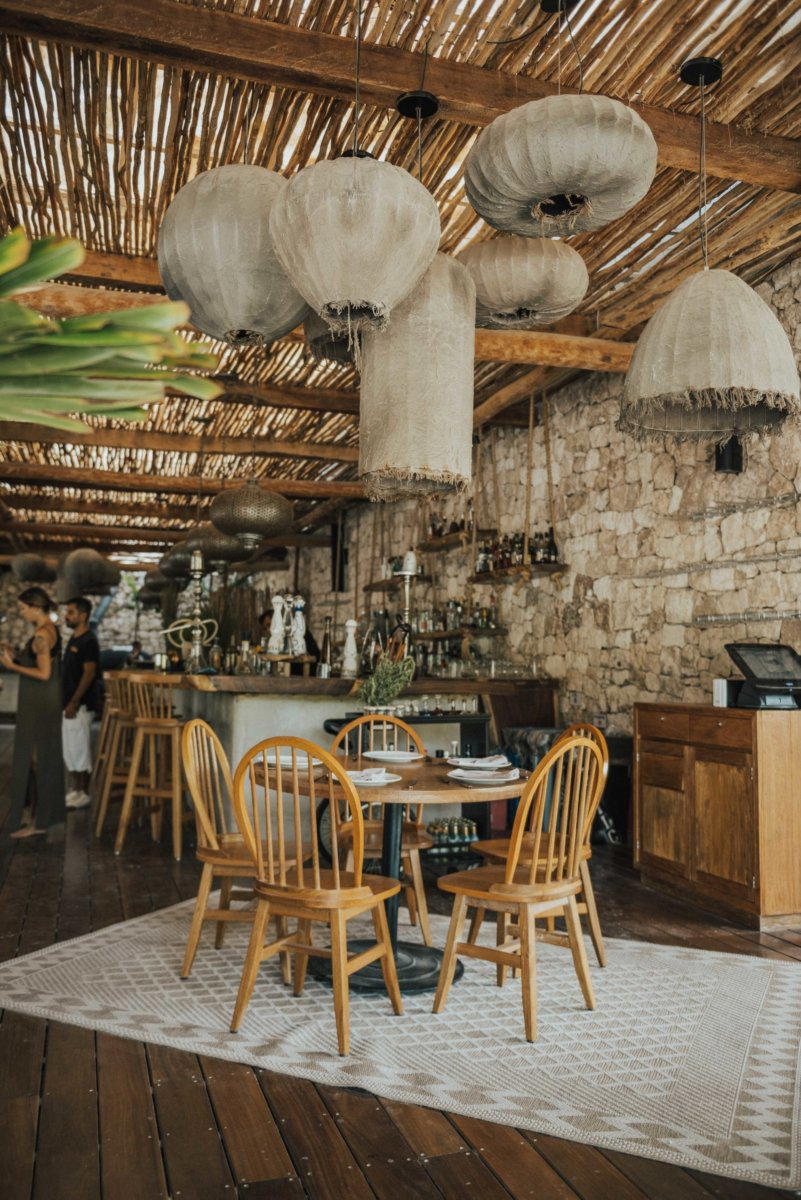
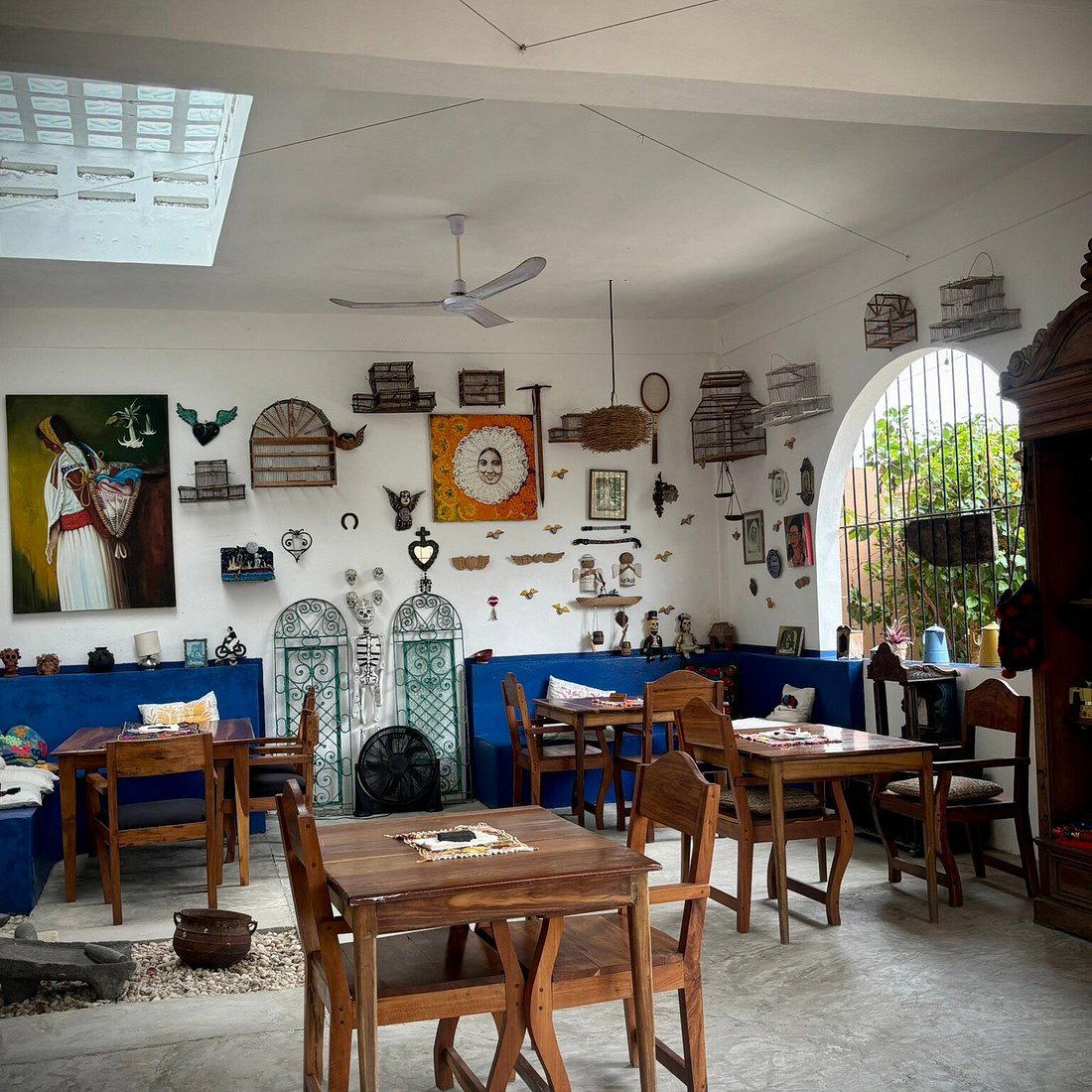
Laid-back atmosphere in a domed bamboo structure with lush garden patio, trees, nature, and comfortable low seating areas.