Tres Galeones sits in Tulum Centro's La Veleta neighbourhood, positioning itself within a dining scene that has shifted steadily from beachfront spectacle toward quieter, more considered formats. The address places it on Calle 7 Sur, in a residential pocket where the city's more locally oriented restaurants tend to cluster away from the Zone Hotelera crowd.
Pearl is the En Primeur Club membership app — saves, bookings, and concierge access live there. Same editors, same standards.
- Address
- 77760, C. 7 Sur entre 6 SUR Y CALLE 8 SUR, Tulum Centro, La Veleta, 77760 Tulum, Q.R., Mexico
- Phone
- +52 55 5419 3964
- Website
- instagram.com
- Directions
- Get directions
 Saves & bookings on Pearl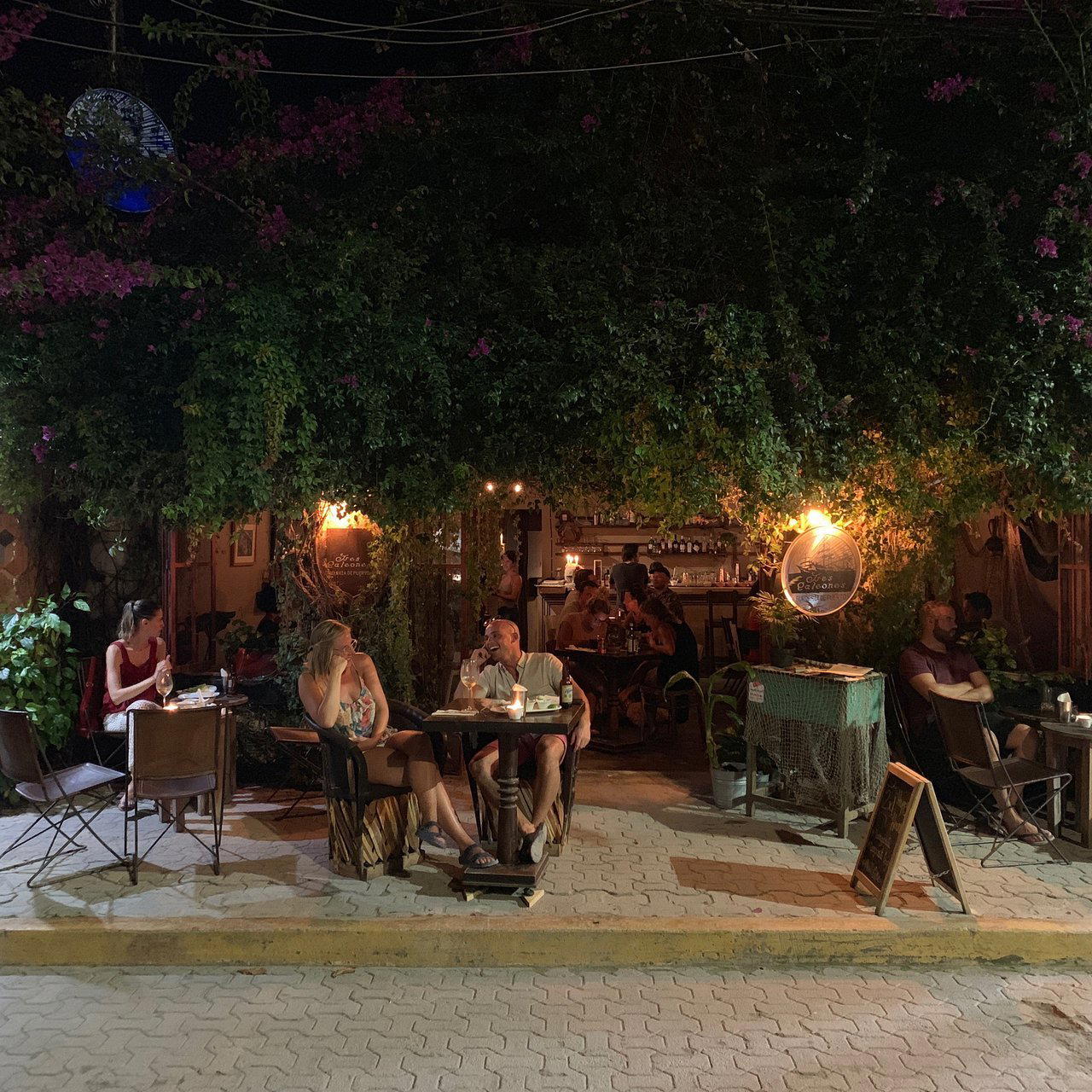
Where Tulum Eats When It's Not Performing for the Camera
Tulum has spent the better part of a decade sorting itself into two distinct dining registers. The first is the beachfront zone: scenographic spaces built around jungle canopies, fire pits, and social media adjacency, where the room often does more work than the kitchen. The second is quieter, more centripetal, and harder to find on a first visit. It runs through the inland streets of Tulum Centro and the sprawl of La Veleta, where restaurants open because there is something to cook rather than something to sell. Tres Galeones sits on Calle 7 Sur, in Tulum Centro, La Veleta, occupying a stretch of the centro grid that lacks the performative polish of the hotel zone but rewards the effort of getting there.
Understanding where Tres Galeones fits requires a brief map of how Tulum's dining scene has evolved. Through the 2010s, the Zone Hotelera absorbed most of the serious restaurant investment, drawing international chefs and generating the kind of press that turned the town into a shorthand for a certain style of aspirational Mexican travel. By the early 2020s, centrifugal pressure from rising rents and a more permanent local population had pushed a different category of restaurant outward into the streets of the centro. These spaces are not rustic by default; they are simply less oriented toward the curated tourist experience and more toward the rhythms of people who live here. That is the dining context Tres Galeones enters.
La Veleta and the Grammar of the Neighbourhood Meal
La Veleta is the kind of neighbourhood that rewards a slow walk before dinner. The streets are loosely gridded, punctuated by taco stands operating since midday, small pharmacies, and the occasional design studio that signals gentrification is present but not yet dominant. The restaurant addresses here tend to be slightly inexact by zona hotelera standards, which is itself informative: you are in a place that expects you to ask, to look, to arrive a little less frictionlessly than you might at a cliff-edge resort table. That informality shapes the pacing of a meal at venues like Tres Galeones before you have even sat down.
In Tulum's centro, the dining ritual tends to run differently than at the hotel zone's set-menu-only format restaurants. Tables are not necessarily choreographed in the way you find at Arca, where the contemporary Mexican tasting format structures the entire evening, or at the more technically precise operations up the coast such as Le Chique in Puerto Morelos or HA' in Playa del Carmen. The centro format invites a more self-directed pace: you arrive, you read the room, you ask what is worth ordering tonight. The meal takes the shape you give it.
This is the mode that distinguishes the Tulum centro restaurant from its zona hotelera counterparts, and it matters for how you approach the evening. Showing up without a reservation is sometimes viable, sometimes not; the honest advice for any centro venue is to try to call ahead when possible, or arrive on the early side of service, before the local dinner wave fills the room. The address on Calle 7 Sur puts the restaurant within walking distance of the centro's main axis, though arriving by bicycle or a short taxi ride from the hotel zone is the more practical choice for most visitors.
The Tulum Centro Table in Mexican Dining Context
Mexico's dining conversation is happening at many registers simultaneously. At the high end, restaurants like Pujol in Mexico City, Alcalde in Guadalajara, and KOLI Cocina de Origen in Monterrey are debating the terms of contemporary Mexican cuisine at a technical and philosophical level that draws international attention. At the other end, operations like Cetli in Tulum work from deep regional roots, serving Veracruz-inflected cooking with little interest in the international fine-dining conversation. The middle ground, where most centro restaurants operate, is less defined by a single argument and more by a daily negotiation between local ingredients, practical price points, and the mixed clientele of travelers and residents who make up the Tulum Centro regular.
That negotiation is visible in the broader pattern of Quintana Roo dining: a state where the tourism economy creates demand for certain kinds of spectacle while the underlying culinary tradition runs toward simpler, more direct cooking. The Yucatan Peninsula's pantry, including achiote, habanero, chaya, and the sour orange that structures so much of the regional marinade tradition, tends to surface in centro restaurants more honestly than in the hotel zone, where those flavors often get smoothed into something more palatable for an international audience. For context on what serious Yucatecan-inflected cooking looks like at a higher register, Autor and Cocina Del Pueblo offer useful reference points within Tulum itself, while Levadura de Olla in Oaxaca and Animalón in Valle de Guadalupe represent what regional honesty can look like at a destination scale elsewhere in Mexico.
How to Approach the Evening
The practical shape of a restaurant visit follows the centro template. The location in La Veleta means the surrounding streets offer a natural pre-dinner circuit: the neighbourhood has enough activity in the early evening to make arriving thirty minutes before your table a pleasant rather than wasted exercise. Dress code, as with most Tulum centro venues, tracks toward what you would wear for a relaxed dinner with friends rather than anything more formal. The town's general heat argues for light fabrics regardless.
For those building a wider Tulum dining itinerary, the restaurant pairs sensibly with Casa Banana for an evening that covers different ends of the cuisine spectrum, and the broader Tulum restaurants guide maps the full range from beachfront to centro in a way that helps calibrate expectations across price and format. For a sense of where the technical ceiling of the region sits, the contrast with Lazy Bear in San Francisco or Le Bernardin in New York City illustrates how differently dining ambition expresses itself at international destination scale versus a market like Tulum, where the more interesting question is often about authenticity of ingredient and directness of cooking rather than technique per se.
The Pangea in San Pedro Garza García and Olivea Farm to Table in Ensenada represent the farm-proximity argument being made with more institutional weight elsewhere in Mexico.
Category Peers
Comparable venues nearby, for context on price, style, and recognition.
| Venue | Cuisine | Price | Awards | Notes |
|---|---|---|---|---|
| Tres GaleonesThis venue — the venue you are viewing | Mexican Seafood | $$ | Not listed | Not listed |
| Humo | Contemporary Mexican | $$$ | Not listed | Tulum |
| Antojitos La Chiapaneca | Traditional Mexican Taqueria | $ | Not listed | Tulum Pueblo |
| Cocina Del Pueblo | Authentic Mexican | $ | Not listed | Mercado Tulum |
| Posada Margherita | Traditional Italian Beachfront | $$$ | Michelin Plate | Tulum |
| Autor | Contemporary Mexican Fine Dining | $$$$ | Michelin Plate | Tulkal |








At a Glance
- Cozy
- Rustic
- Intimate
- Trendy
- Date Night
- Casual Hangout
- Group Dining
- Live Music
- Craft Cocktails
Current opening hours
- Monday
- 4–11 PM
- Tuesday
- 4–11 PM
- Wednesday
- 4–11 PM
- Thursday
- 4 PM–12 AM
- Friday
- 4–11:30 PM
- Saturday
- Closed
- Sunday
- 4–11 PM
Hours can change for holidays and private events. Last verified .
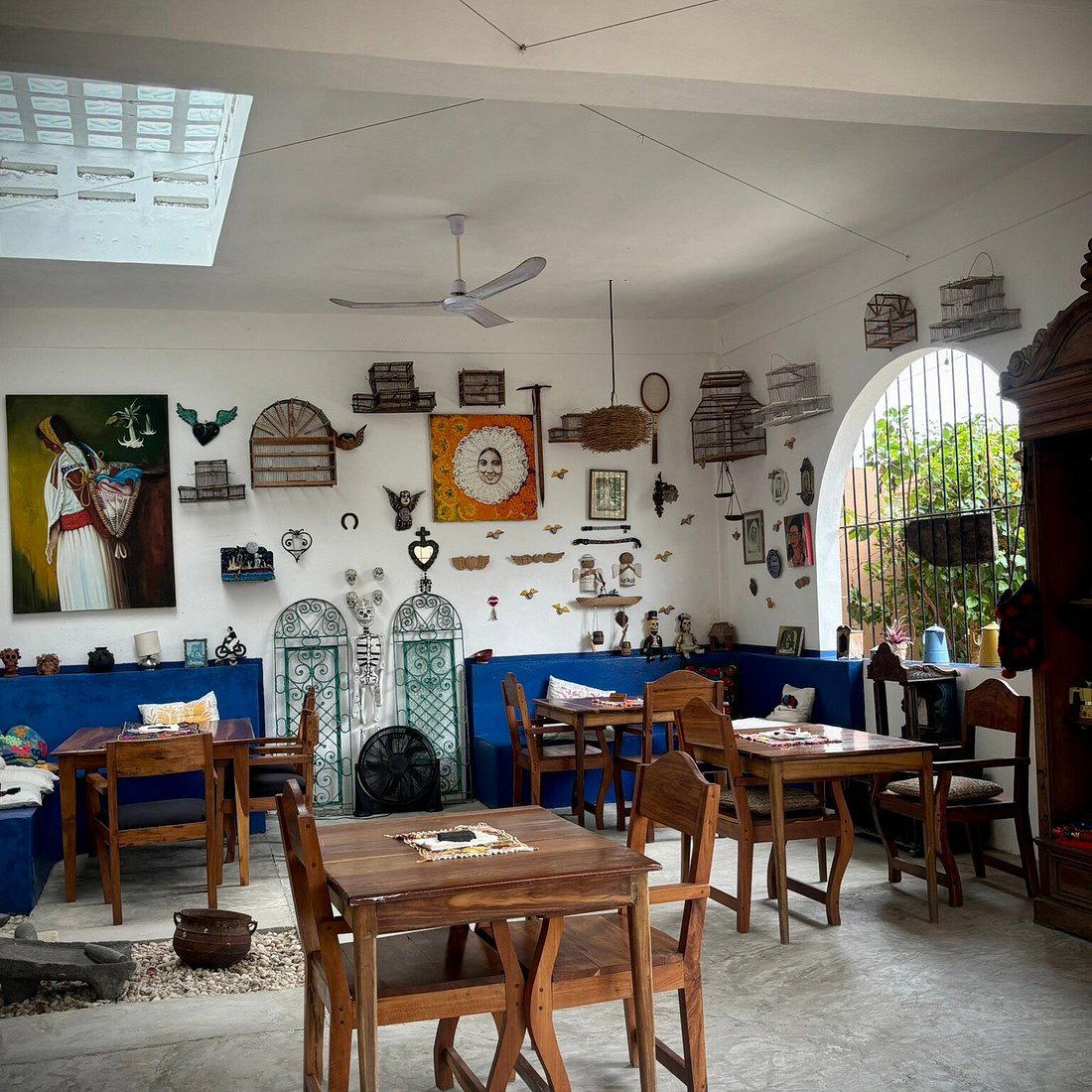
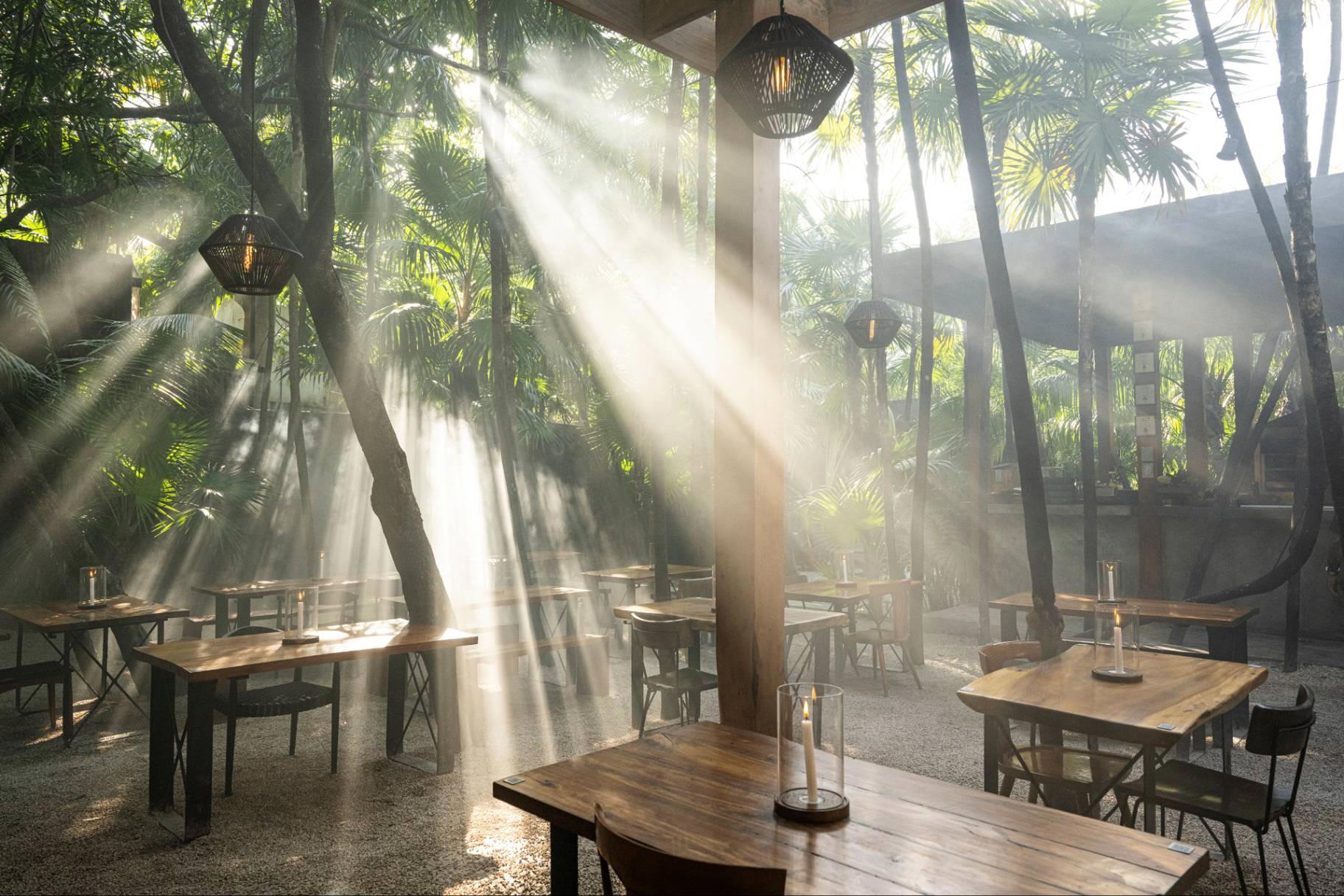
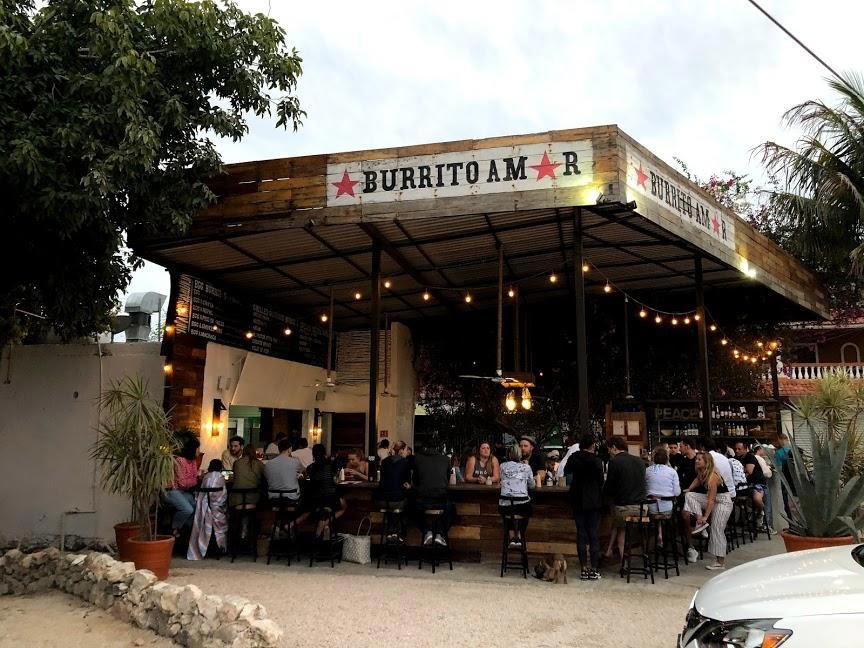
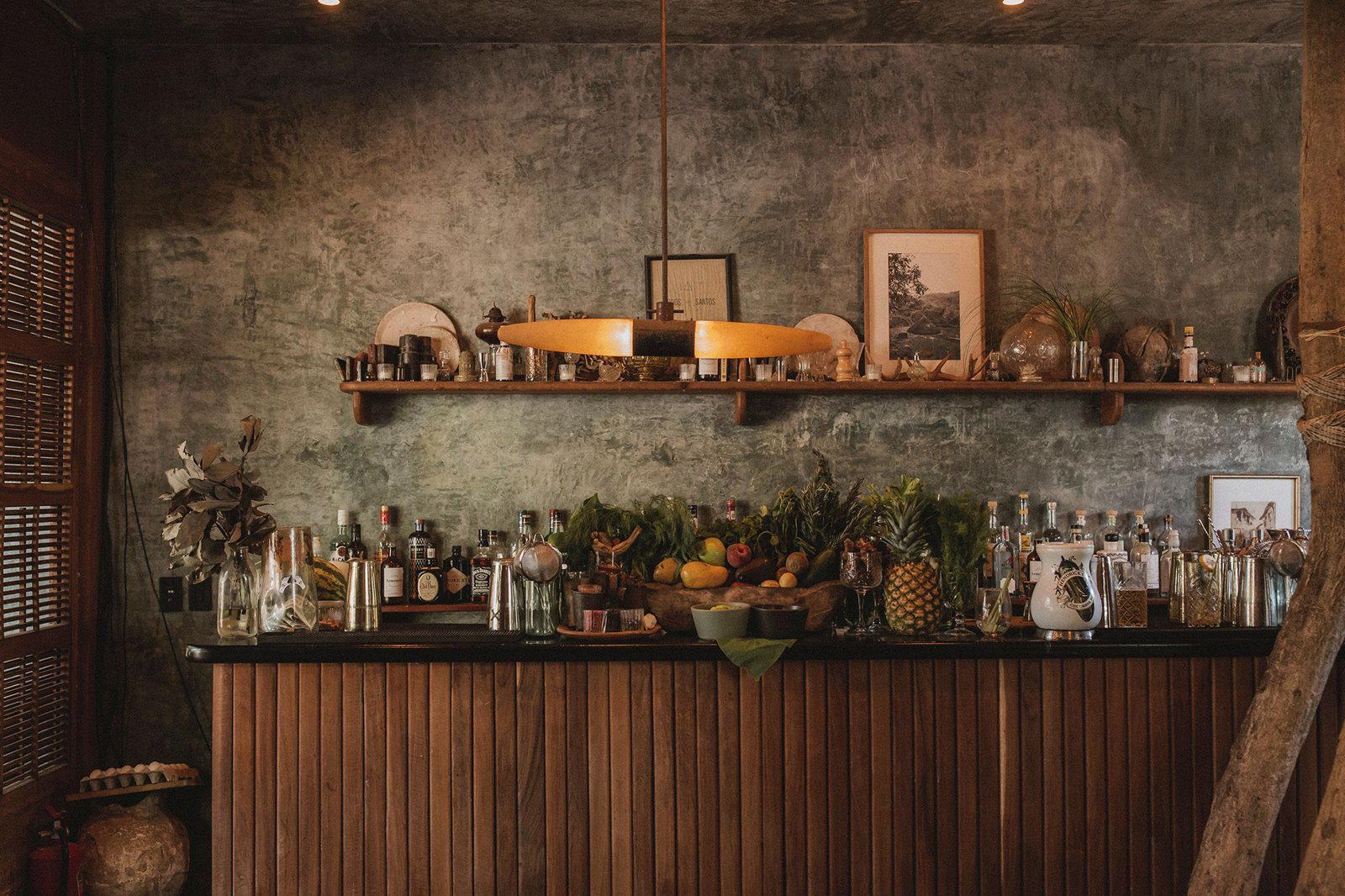
Cozy patio with romantic vines and bougainvillea, transitioning to intimate indoor space with charming nautical decor, live music on Saturdays, and a relaxed beach vibe.