Wakax Hacienda - Cenote & Boutique Hotel



2 Michelin Keys · Mr & Mrs Smith Seal of Approval · Small Luxury Hotels of the World Member
Set along a jungle road south of Playa del Carmen, Wakax Hacienda draws travelers who come to Tulum for something other than its beach clubs and cocktail bars. Modeled on an 18th-century hacienda with 48 rooms spread across casitas and villas, the property sits beside three cenotes and an emerald lake, making proximity to the Yucatan's underground water network its central offering rather than an amenity footnote.

Pearl is the En Primeur Club membership app — saves, bookings, and concierge access live there. Same editors, same standards.
- Address
- Playa Del Carmen, Carr. Cancún - Tulum Km 239, 77776 Tulum, Q.R.
- Phone
- +52 999 530 1515
- Website
- wakaxhacienda.com
- Directions
- Get directions
Jungle, Cenotes, and the Other Tulum
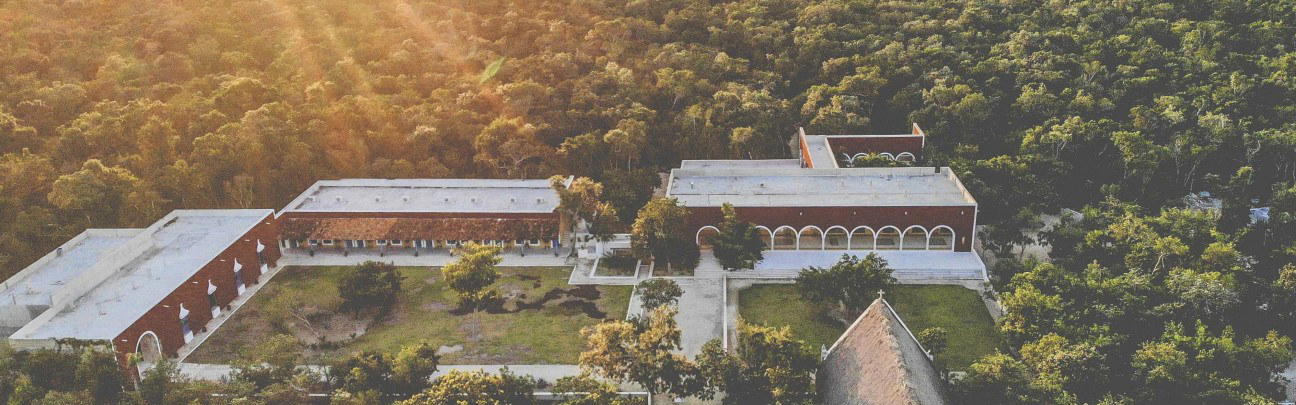
Most travelers arriving in Tulum picture the postcard version: white sand, thatch-roofed beach clubs, and a clifftop ruin catching the Caribbean breeze. Wakax Hacienda operates from a different premise entirely. Reached via a dusty road that winds through swaying jungle off Carr. Cancún-Tulum Km 239, the property sits inland, deliberately removed from the village center that has become increasingly saturated with boutique hotels and electronic music. In the broader Riviera Maya, the luxury market has split between two clear modes: large-footprint international brands clustered around Playa del Carmen and Mayakoba, and smaller design-led properties that anchor themselves to specific natural or cultural features. Wakax belongs firmly to the second group, where the draw is a trio of cenotes rather than a beachfront address.
Cenotes are limestone sinkholes fed by underground rivers, a geological feature so specific to the Yucatan Peninsula that no other region reproduces it at this density or scale. The Maya regarded them as sacred — portals to the underworld, freshwater sources of enormous strategic importance, and sites of ritual offering. For contemporary travelers, they represent something rarer than a swimming pool: water that has filtered through rock for thousands of years, held in chambers that are simultaneously geological and theatrical. Having three of them directly accessible from a single property is not a standard amenity; it is the reason the hotel exists in the configuration it does.
The Architecture of Ritual Stay
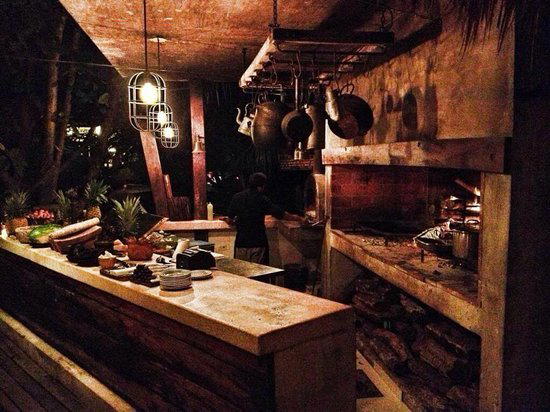
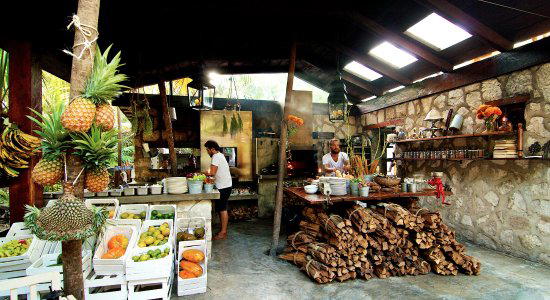
The hacienda model is worth understanding on its own terms before arriving. Eighteenth-century Mexican haciendas were self-contained communities, organized around a central plaza, often anchored by a church, and structured to function independently from the nearest town. Wakax has drawn on this template with genuine architectural commitment: a central plaza, a church, and a lakeside orientation that reinforces the sense of arrival at a discrete world rather than a roadside stop. The emerald-colored lake at the heart of the property is navigable by kayak and stand-up paddleboard, with lakefront palapas housing the restaurant and bar — an arrangement that encourages a particular rhythm of days, slower and more laterally structured than the vertical pool-to-beach-to-dinner circuit of a conventional resort.
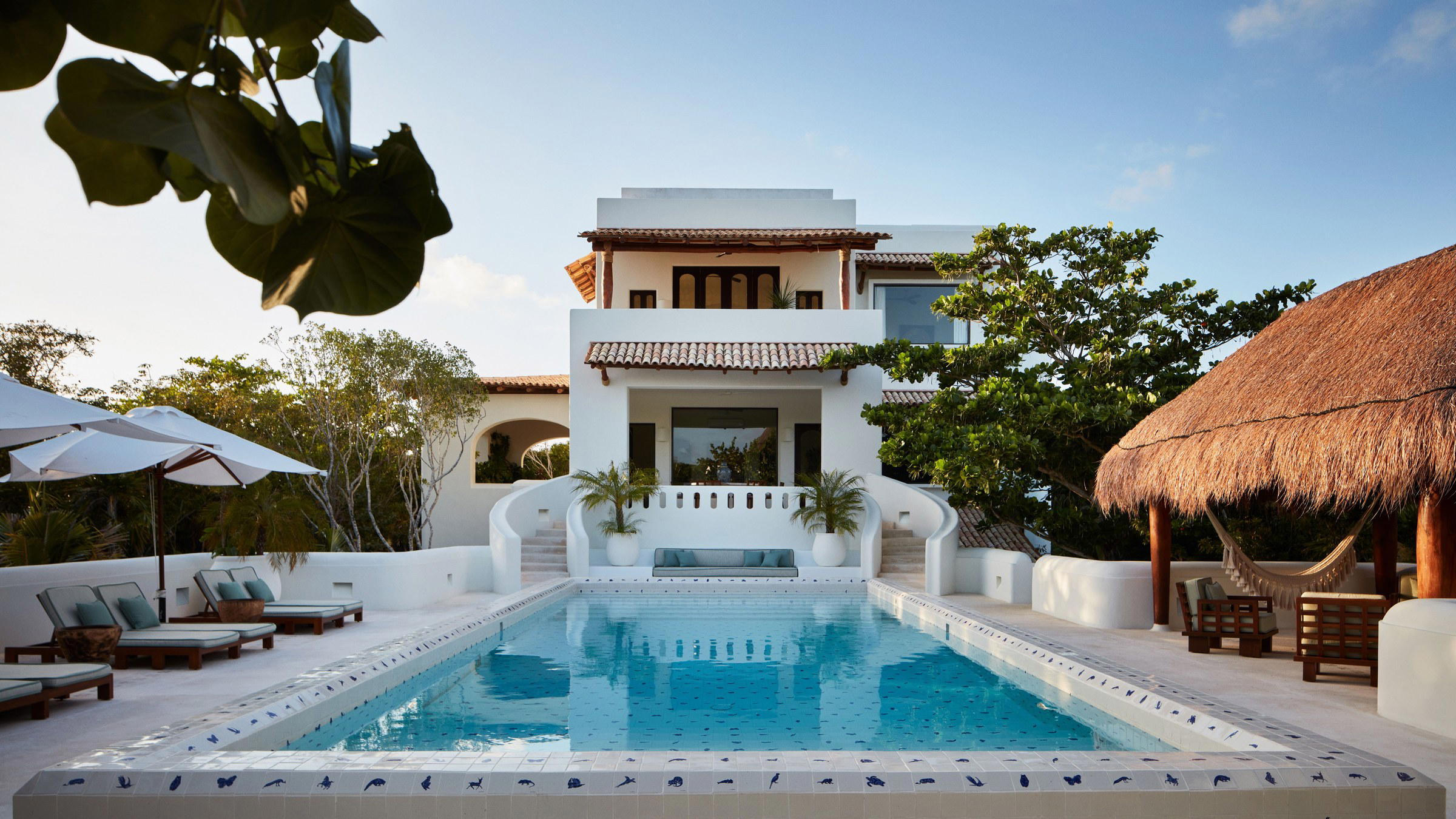
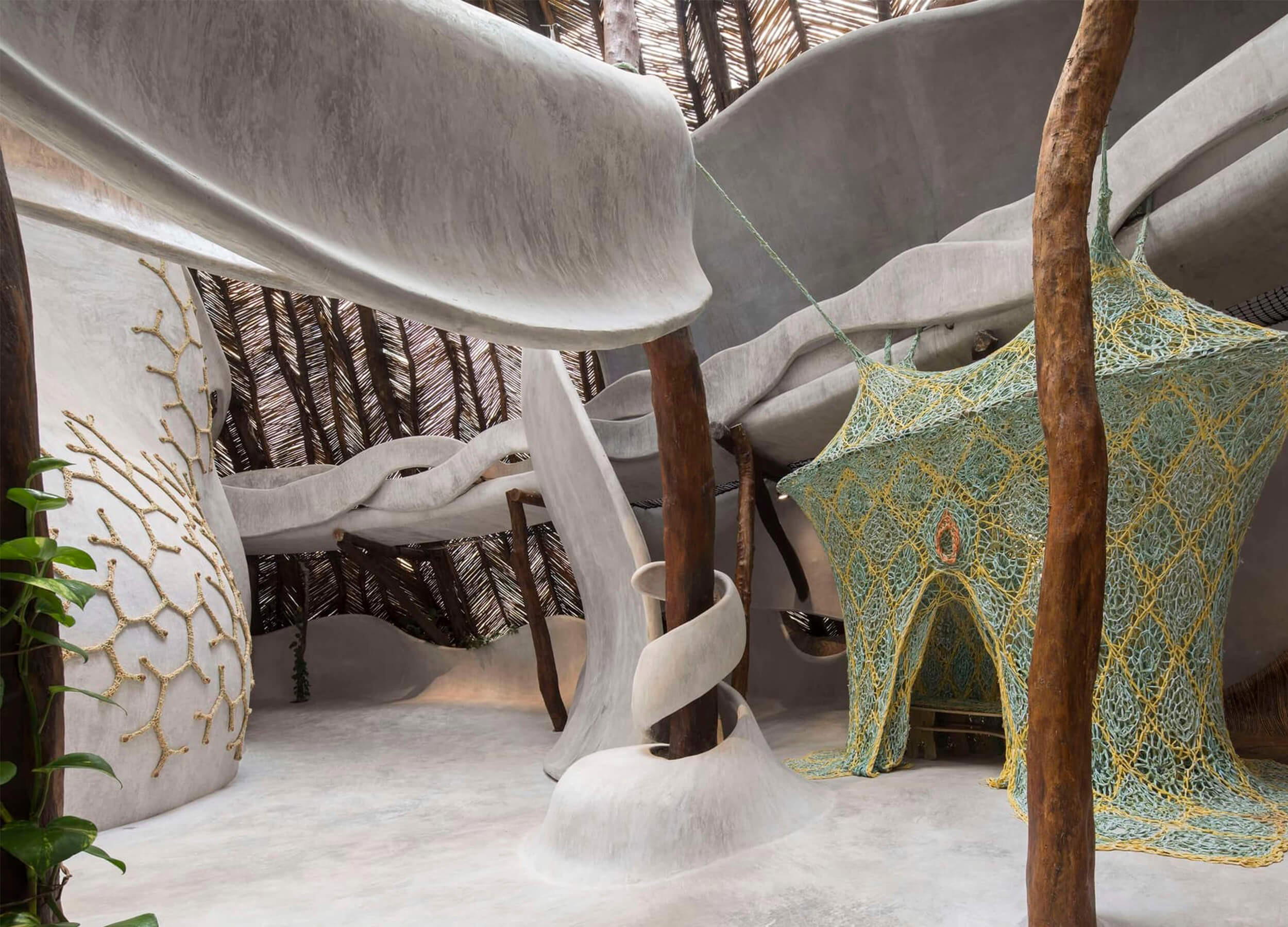
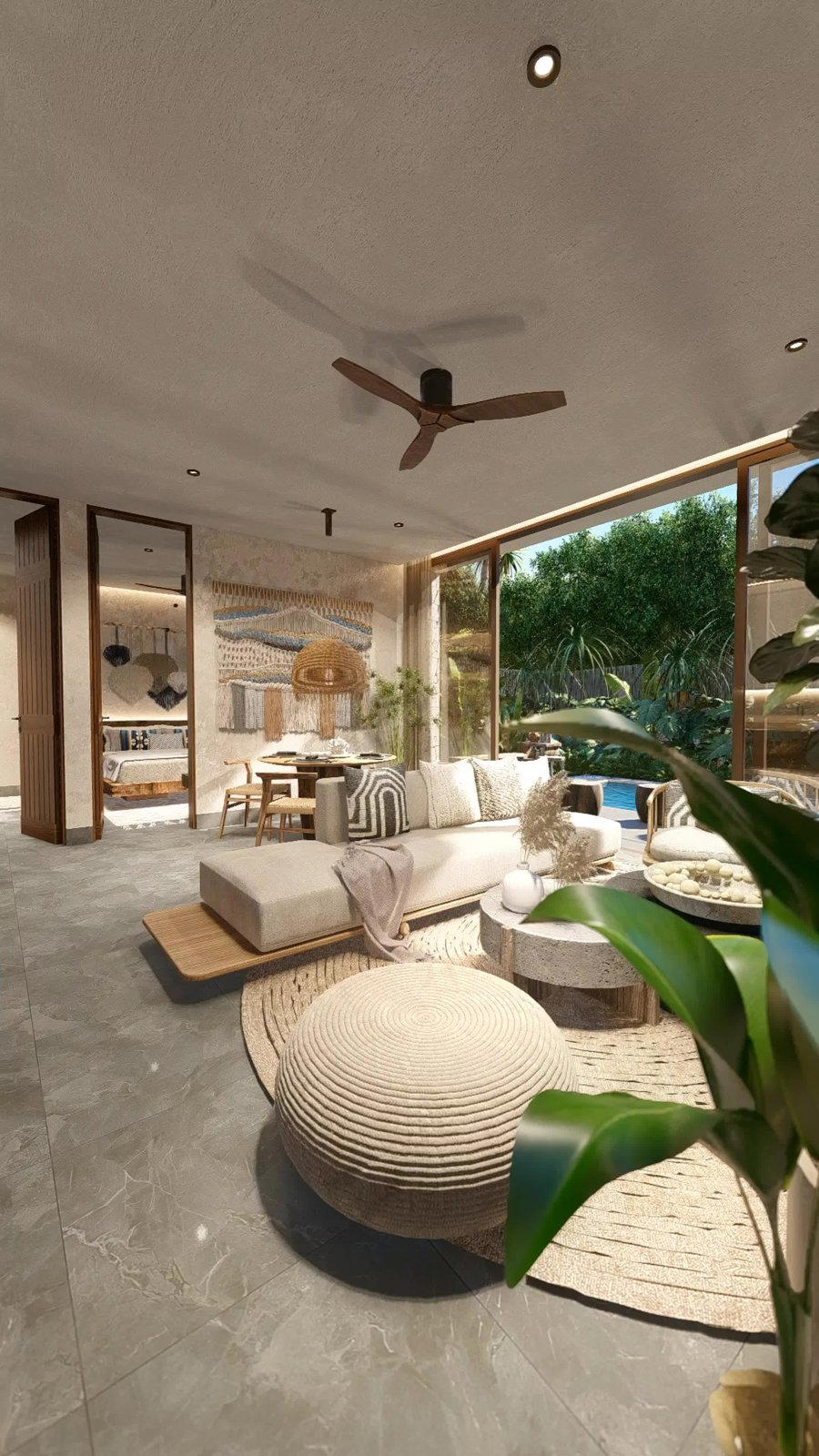
Interiors work within a narrow but coherent palette: exposed wood beams, polished concrete walls and floors, Scandinavian-style furniture softened by artisan-made ceramics and colorful Mexican artwork. The Spanish colonial bones and the Nordic restraint are not as contradictory as they might sound, both traditions share an instinct for uncluttered space and material honesty. Standard rooms occupy the main building. Casitas and villas are distributed across the grounds, adding private patios and plunge pools for guests who want a more self-contained footprint. With 48 rooms across the property, the scale sits in a range that allows genuine attentiveness without the anonymity of a larger resort.
How Days Are Structured Here
The editorial angle that matters most at Wakax is not what you eat or where you sleep, it is the sequence of the day. Properties built around natural features tend to succeed or fail depending on how well they translate access into actual experience, and Wakax has thought carefully about this. The hotel's guided bicycle excursions follow a five-mile circuit through the jungle, breaking at a Mayan cultural center before continuing to one of the property's cenotes. That format matters: it places historical and ecological context before the swim rather than after it, which changes the quality of both. A cenote that you arrive at through jungle, past remnants of Mayan civilization, is a different experience from one you reach through a resort garden.
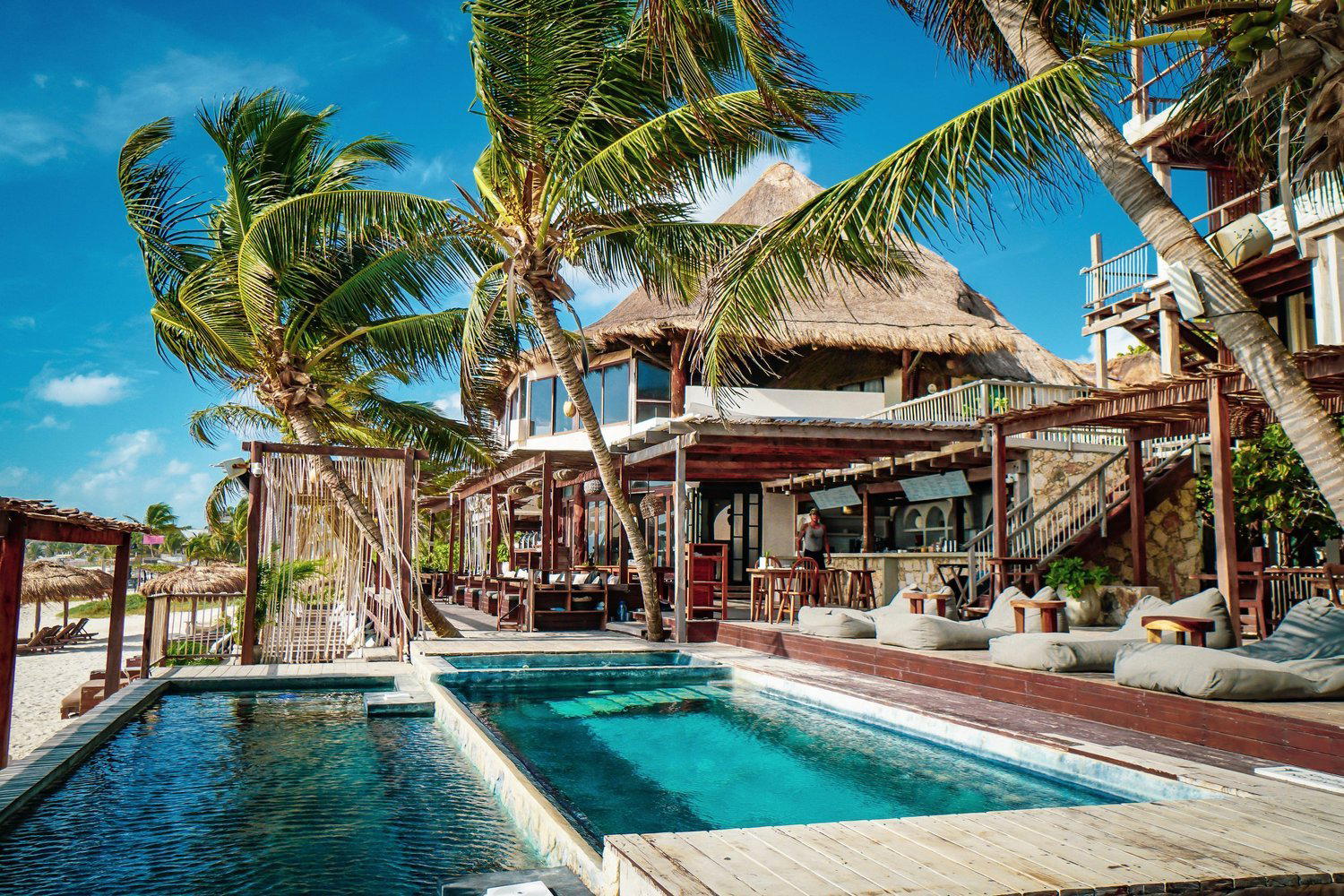
Three outdoor swimming pools supplement the cenotes and the lake. A spa, a ceremonial sweat lodge (temazcal), and a yoga deck round out the wellness infrastructure. The temazcal deserves specific note: the ritual sweat lodge tradition is indigenous to Mesoamerica, used for purification and ceremony, and properties that offer it thoughtfully rather than as a wellness branding gesture occupy a different category than those that reduce it to a sauna adjacent to the spa. Wakax's integration of the temazcal alongside the cenotes and the Mayan cultural center on the cycling route suggests an approach to programming that treats regional heritage as content rather than decor.
After dark, the larger cenote is lit and open for night swimming. The combination of illuminated water, jungle canopy, and open sky overhead is the kind of setting that resists adequate description, which is exactly why it should not be the first cenote experience of the trip. Save it for the second or third evening, once the property's rhythms have settled in.
Positioning in the Riviera Maya Market
The Riviera Maya hotel market covers considerable range. At the upper end of the international-brand spectrum, properties like Rosewood Mayakoba, Banyan Tree Mayakoba, and Fairmont Mayakoba, Riviera Maya occupy a well-resourced, design-polished tier within the Mayakoba development zone. Maroma and Chablé Maroma bring their own distinct identities to the beachfront category. Conrad Tulum Riviera Maya and Be Tulum Beach & Spa Resort represent the Tulum-facing luxury segment more directly.
Wakax sits outside all of these competitive sets. Its room rate, starting around $257 per night, positions it significantly below the international-brand tier, which matters less as a budget signal than as a category marker: this is a property that competes on specificity rather than scale or brand recognition. Comparable positioning in the Yucatan region belongs to properties like Hotel Esencia in Tulum and, in a different register, Chablé Yucatán in Merida, both of which anchor to specific environmental or architectural identities rather than brand infrastructure. Across Mexico more broadly, the same design-led, nature-anchored approach shows up at Xinalani in Quimixto, Etéreo, Auberge Resorts Collection in Punta Maroma, and Las Alamandas in Costalegre. For a full picture of where Wakax fits within the region's lodging options, see our full Riviera Maya restaurants guide.
Travelers coming from farther afield for a broader Mexico trip should know that the nature-and-culture positioning of the Yucatan stands apart from what Pacific properties like One&Only; Mandarina in Riviera Nayarit or Four Seasons Resort Punta Mita offer. The Riviera Maya's distinguishing assets are geological and archaeological rather than oceanic, and Wakax is structured around exactly that distinction.
Planning a Stay
The property is located along Carr. Cancún-Tulum Km 239, placing it within reach of both the Tulum archaeological zone and the beaches of the Riviera Maya without belonging to either. Cancún International Airport is the primary entry point for most international travelers, with the property approximately two hours south by car. A rental car or private transfer is the practical choice; the property's inland position and jungle setting make it poorly suited to taxi-dependent logistics. Given the cenote access and the cycling excursion format, a minimum of three nights allows the property's programming to develop properly. The dry season, broadly November through April, brings more reliable conditions for outdoor activities and night swimming, though the jungle is denser and more atmospheric in the wet season for those who prefer that register.
Recognition, Side-by-Side
| Venue | Price | Awards |
|---|---|---|
| Wakax Hacienda - Cenote & Boutique HotelThis venue — the venue you are viewing | $200–300 | 2 Michelin Keys · Mr & Mrs Smith Seal of Approval |
| Rosewood Mayakoba | $1,000–1,500 | 2 Michelin Keys · World's 50 Best #95 |
| Banyan Tree Mayakoba | $500–750 | 2 Michelin Keys · La Liste Top Hotels |
| Conrad Tulum Riviera Maya | Not listed | Star Wine List · Forbes Recommended |
| Fairmont Mayakoba, Riviera Maya | Not listed | Michelin Selected · La Liste Top Hotels |
| Viceroy Riviera Maya | $1,000–1,500 | 1 Michelin Key · La Liste Top Hotels |
Recognition history
Dated appearances from independent guides and award organizations, with the underlying list record or original source where available.
Michelin 2 Keys
Michelin
Mr & Mrs Smith Seal of Approval
Mr & Mrs Smith
Small Luxury Hotels of the World Member
Small Luxury Hotels of the World
Full recognition history (4 entries)
Michelin 2 Keys
Michelin
Continue exploring
More in Riviera Maya
Hotels in Riviera Maya
Browse all →
Bars in Riviera Maya
Browse all →
Restaurants in Riviera Maya
Browse all →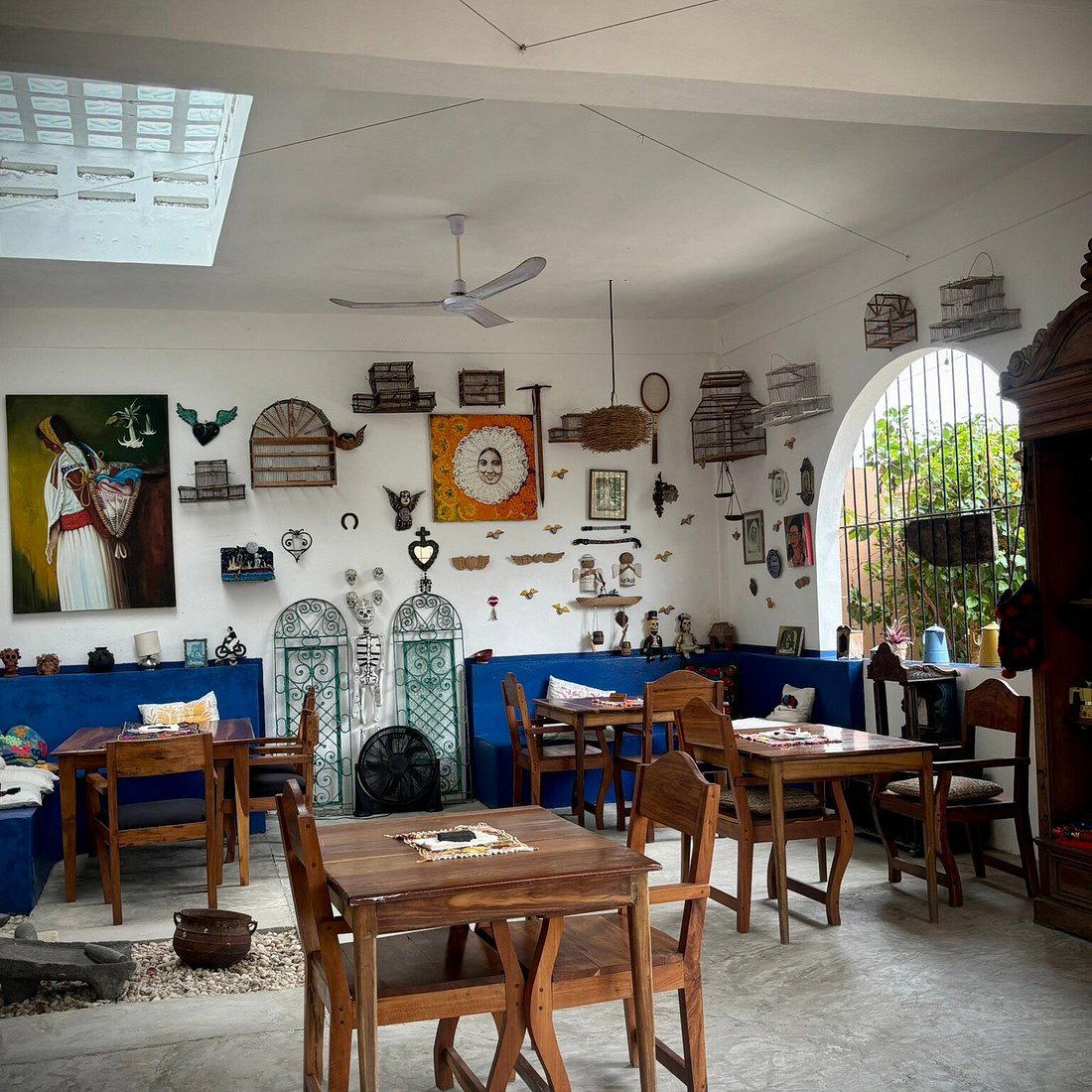
Details
- Quiet
- Scenic
- Classic
- Elegant
- Sophisticated
- Romantic Getaway
- Family Vacation
- Wellness Retreat
- Weekend Escape
- Group Retreat
- Private Villa
- Destination Spa
- Garden
- Historic Building
- Design Destination
- Panoramic View
- Pool
- Spa
- Wi Fi
- Restaurant
- Bar
- Concierge
- Bicycle Rental
- Business Center
- Garden
- Waterfront
Quiet, serene jungle retreat with a classic hacienda feel; the atmosphere blends rustic natural surroundings with minimalist colonial-inspired interiors and open-air spaces.