Our verdict
Cocina Del Pueblo sits inside Tulum's broader shift toward ingredient-led Mexican cooking, where the origin of a tomato or the provenance of a local fish matters as much as technique. The name itself signals a communal, grounded approach to food at a moment when the town's dining scene pulls hard toward spectacle. For travelers moving beyond the resort strip, it represents a different register entirely.

Pearl is the En Primeur Club membership app, where members save venues, book tables and use the concierge.
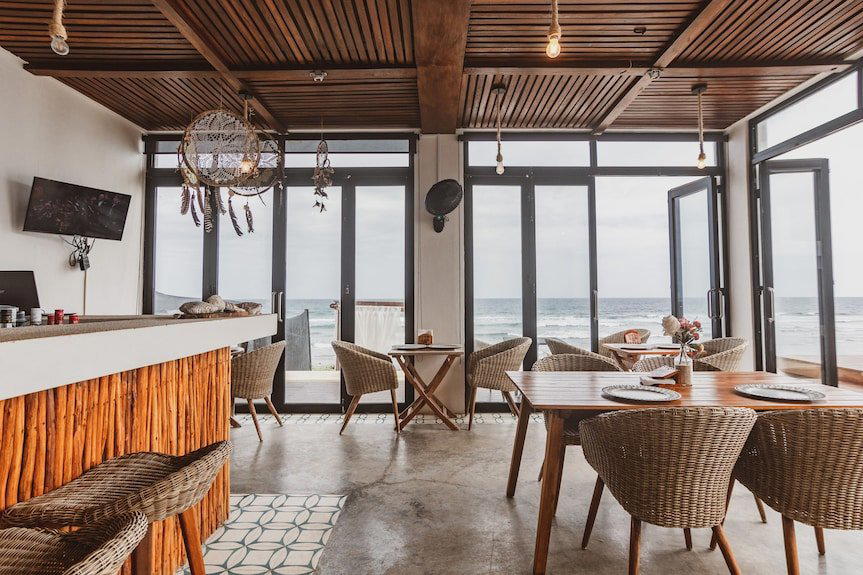
Where the Ingredient Is the Argument
Tulum's restaurant scene has spent years resolving a tension between the theatrical and the edible. The jungle-canopy settings and fire-lit architectural gestures that made the town famous on travel feeds have gradually given way to a more serious conversation about what is actually on the plate. Cocina Del Pueblo arrives in that context, its name a direct statement of intent: this is cooking rooted in the pueblo tradition, the village-scale relationship between land, sea, and table that predates the influencer-era resort corridor by several centuries.
That tradition carries specific weight in the Yucatan Peninsula. The region's milpa agricultural system, which has sustained Mayan communities for millennia by rotating corn, beans, and squash through shared plots, represents one of the hemisphere's oldest models of ingredient stewardship. Contemporary restaurants that take this seriously are not making a lifestyle choice so much as reconnecting to a supply logic that was always there. Cetli, one of Tulum's more respected voices in regional Mexican cuisine, has demonstrated that operating at a modest price point does not preclude genuine fidelity to local sourcing. Cocina Del Pueblo operates in a similar philosophical register.
Tulum's Sourcing Divide
Not every restaurant in Tulum that speaks the language of local ingredients follows through with the supply chain to support it. The town has grown fast enough that the gap between menu copy and kitchen reality is sometimes significant. At the higher end of the market, places like Arca and Autor have built identifiable sourcing programs with named farms and documented regional producers, placing them alongside peers such as Animalón in Valle de Guadalupe and Olivea Farm to Table in Ensenada in what is now a recognizable Mexican farm-to-table tier. The question for any mid-range operator in Tulum is whether the sourcing commitment survives the economics of a tourism-driven market where produce shipping logistics are not direct and local fishing access has its own complications.
The Yucatan coast does offer genuine advantages for kitchen programs that know how to use them. Cenote-filtered water, Caribbean reef fish species found nowhere else in Mexico's Pacific or Gulf markets, local citrus varieties, and achiote grown in Quintana Roo create a flavor profile that differs meaningfully from what a kitchen sourcing conventionally through Cancun's central distribution networks would produce. Restaurants in the region that tap those advantages directly, rather than defaulting to standardized supply chains, are operating a different kitchen model. HA' in Playa del Carmen has made this kind of hyper-regional sourcing a defining part of its identity. Cocina Del Pueblo's name positions it in the same conversation.
The Communal Table Tradition
Mexican pueblo cooking is not, at its core, a restaurant format. It is a domestic and ceremonial one, organized around collective preparation, shared vessels, and recipes that belong to communities rather than individual cooks. When that tradition migrates into a commercial dining room, the most honest versions of it resist the urge to reframe communal food as a premium tasting-menu gesture. Levadura de Olla in Oaxaca has navigated this territory with particular credibility, centering Zapotec cooking traditions in a format that feels grounded rather than performed. The challenge for any Tulum operator is that the town's visitor base arrives with strong aesthetic expectations, and resisting those expectations while staying commercially viable requires clarity of vision.
Restaurants in Tulum's mid-range bracket face a specific pricing environment. At the lower end, a place like El Camello Jr competes on value and volume with a seafood-forward menu that has earned local loyalty over years of consistent execution. At the upper end, the $$$$ tier occupied by Casa Banana and the international-reference restaurants of the Zona Hotelera commands prices that reflect design investment and the town's premium positioning in the global travel market. A venue operating between those poles, as the name Cocina Del Pueblo implies, is betting that there is appetite for something more rooted than a four-hundred-peso cocktail bar but more considered than a roadside taqueria.
What the Mexican Ingredient Movement Looks Like in 2024
The broader context for ingredient-led Mexican cooking is one of national confidence. Chefs at places like Pujol in Mexico City, Alcalde in Guadalajara, KOLI Cocina de Origen in Monterrey, and Pangea in San Pedro Garza Garcia have, over the past decade, built a credible argument that Mexican fine dining belongs in the same international conversation as the programs at Le Bernardin in New York City or Atomix in New York City. Tulum's contribution to that conversation has been less about technique than about access: the town sits close to ingredients that Mexico City kitchens have to work harder to secure. Reef fish landed the same morning, habanero peppers from nearby farms, Mayan honey from the peninsula's interior, these are sourcing advantages that a kitchen in the Zona Hotelera can exploit if it chooses to.
The restaurant most similar in name and apparent philosophy to Cocina Del Pueblo in the wider Mexican context is Lunario in El Porvenir, which has built a rural sourcing program around Valle de Guadalupe's agricultural calendar. Both operate with the understanding that the ingredient's origin is not a marketing detail but a structural decision that shapes what the kitchen can do. Le Chique in Puerto Morelos, a short drive north along the Riviera Maya corridor, offers a useful comparison point for how technical ambition and Caribbean ingredient access can coexist in the same kitchen.
Planning a Visit
For visitors to Tulum moving between the beach zone and the pueblo proper, Cocina Del Pueblo's name anchors it to the town's older commercial district rather than the hotel strip, which typically means easier access for those without resort transportation. The broader context of our full Tulum restaurants guide covers the spatial logic of the town's dining geography, including which neighborhoods reward walking and which require planning. Given the absence of confirmed booking details at time of writing, arriving with flexibility is advisable, particularly outside peak season months when the town's visitor population is more manageable and kitchen teams tend to be more available for longer sittings.
Frequently asked questions
How does Cocina Del Pueblo fit into the broader Mexican ingredient movement, and is it comparable to restaurants like Pujol?
Cocina Del Pueblo operates within the same national conversation around ingredient sovereignty and regional sourcing that has defined places like Pujol in Mexico City and Alcalde in Guadalajara, but at a different register. Where those restaurants present the movement through tasting-menu formats and international critical frameworks, Cocina Del Pueblo's pueblo-cooking reference point is domestic and ceremonial rather than fine-dining. That makes it a complementary data point for anyone tracking how the Mexican ingredient argument plays out outside the capital's chef-driven fine dining circuit, specifically in Tulum, where the tension between sourcing credibility and tourist-facing theatrics remains unresolved.
What should I order at Cocina Del Pueblo?
The menu draws from Mexican pueblo cooking traditions, so dishes built around communally prepared, regionally sourced ingredients are the core proposition. Prioritise whatever reflects the current local supply rather than fixed signature dishes, the kitchen's argument is the ingredient, not the plating. Confirm the day's menu when you arrive, as the offer at this kind of Tulum pueblo-district kitchen tends to shift with availability.
Do they take walk-ins at Cocina Del Pueblo?
No booking data is confirmed for Cocina Del Pueblo, so walk-in availability cannot be stated with certainty. Given the venue's position in Tulum's pueblo district rather than the high-traffic beach zone, demand patterns differ from the better-publicised hotel-strip restaurants. Arriving early or mid-week gives you the best chance of a table without advance planning.
What's the standout thing about Cocina Del Pueblo?
The name is a declaration: this is pueblo cooking, not beach-club performance. Where much of Tulum's restaurant scene prioritises atmosphere over the plate, Cocina Del Pueblo's identity is anchored to the town's older commercial district and the domestic, ceremonial tradition of Mexican communal cooking. That positioning alone separates it from the fire-lit jungle-canopy formats that dominate the area's reputation.
What if I have allergies at Cocina Del Pueblo?
Mexican pueblo cooking frequently involves corn, legumes, chillies, and animal-derived fats as foundational ingredients, so guests with dietary restrictions should ask the kitchen directly before ordering. Given the market-sourced nature of the menu, ingredient lists may also change day to day.
Should I go to Cocina Del Pueblo on a weekday or weekend?
No operational hours or booking data are confirmed, so a definitive recommendation isn't possible. In Tulum's pueblo district, weekday traffic tends to be lighter than the beach zone on any day, and weekend evenings can draw more local and visitor crossover. A weekday lunch or early dinner is a reasonable default if you want a quieter experience closer to the kitchen's communal cooking tradition.
Side-by-Side Snapshot
| Venue | Cuisine | Price | Awards | Notes |
|---|---|---|---|---|
| Cocina Del PuebloThis venue (the venue you are viewing) | Authentic Mexican | Not listed | Not listed | Not listed |
| Arca | Modern Yucatan Fire-Cooked Small Plates | $100–150 | Michelin Plate · World's 50 Best #61 | Mexican, Contemporary |
| Cetli | Authentic Oaxacan Mexican Fine Dining | Not listed | Michelin Bib Gourmand | Mexican |
| Hartwood | Wood-Fired Mexican Seafood | $50–100 | Michelin Plate | Modern Mexican, Mexican |
| Mestixa | Asian-Mexican Fusion | Not listed | Michelin Bib Gourmand | Fusion |
| Taqueria Honorio | Authentic Yucatecan Taqueria | $10–20 | Not listed | Mexican |
Continue exploring
More in Tulum
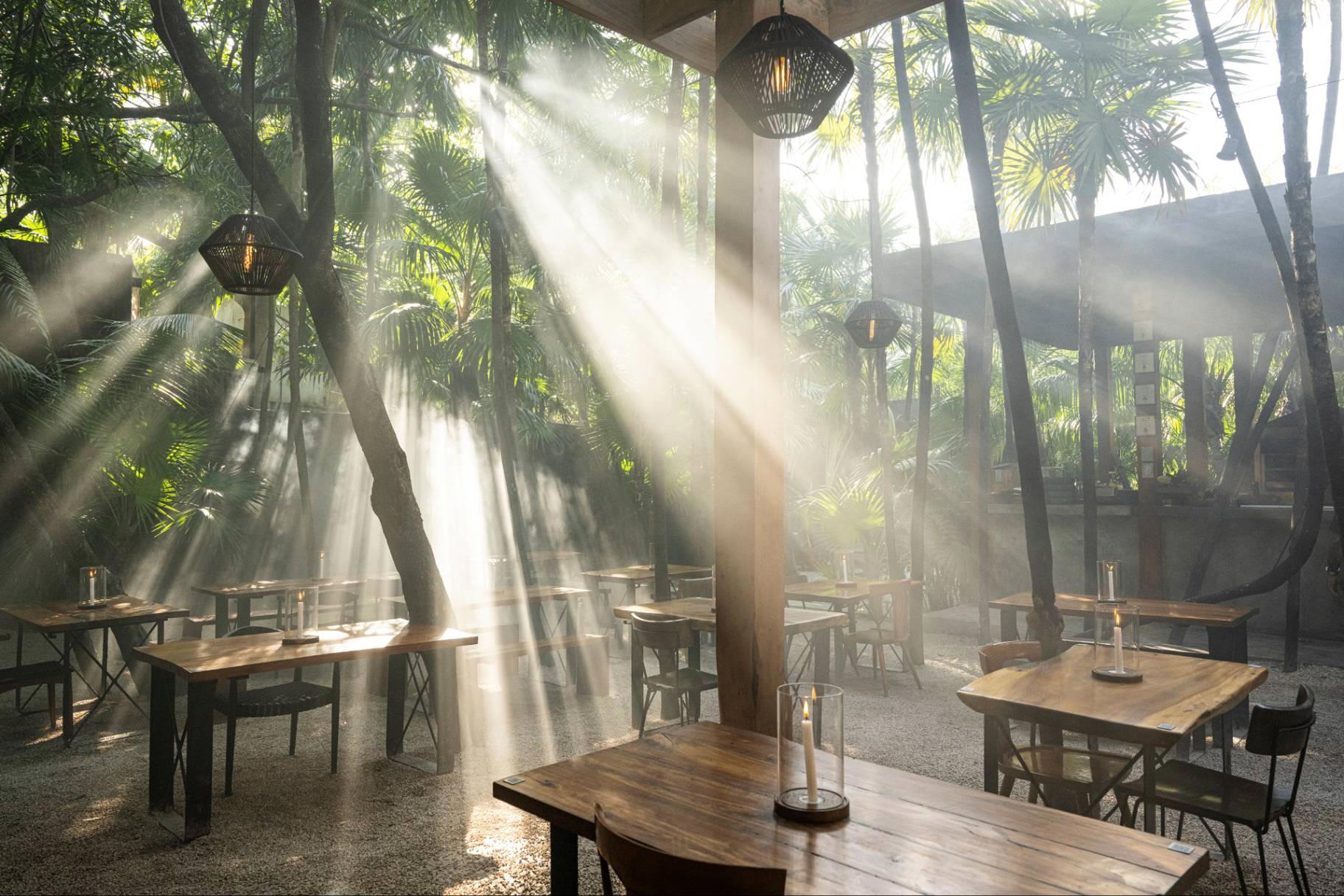
Restaurants in Tulum
All restaurants in Tulum →
Bars in Tulum
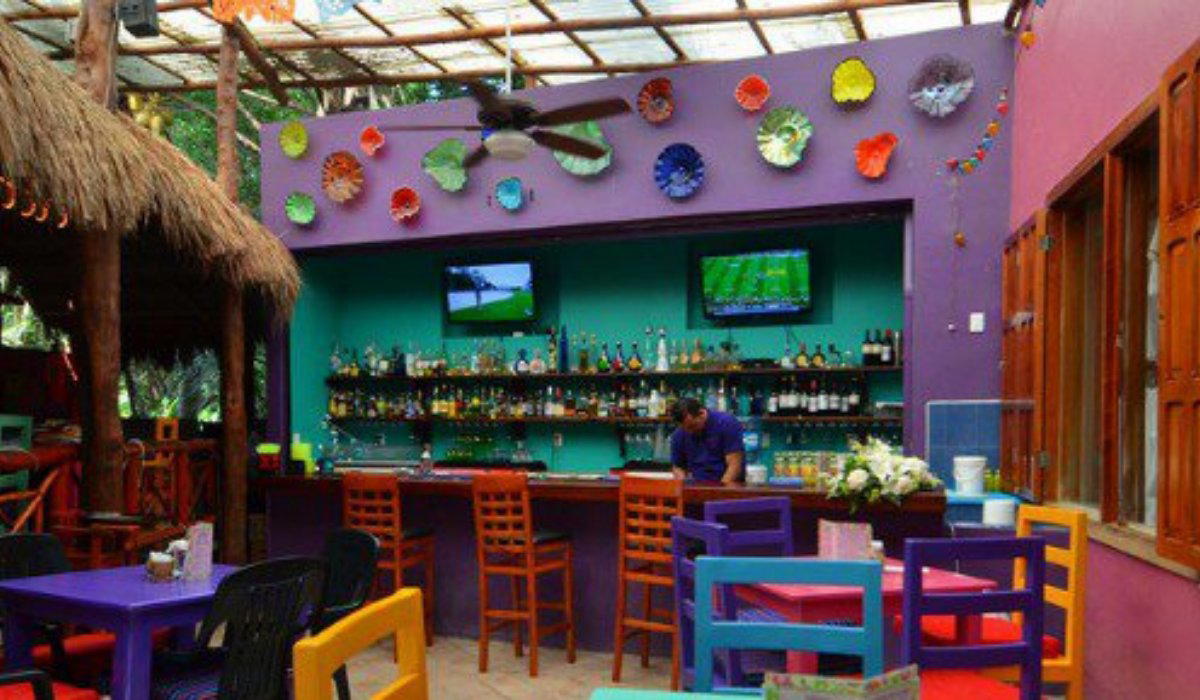
All bars in Tulum →







Details
- Rustic
- Casual Hangout
- Family
- Standalone
- Local Sourcing
- A La Carte
- Family Style
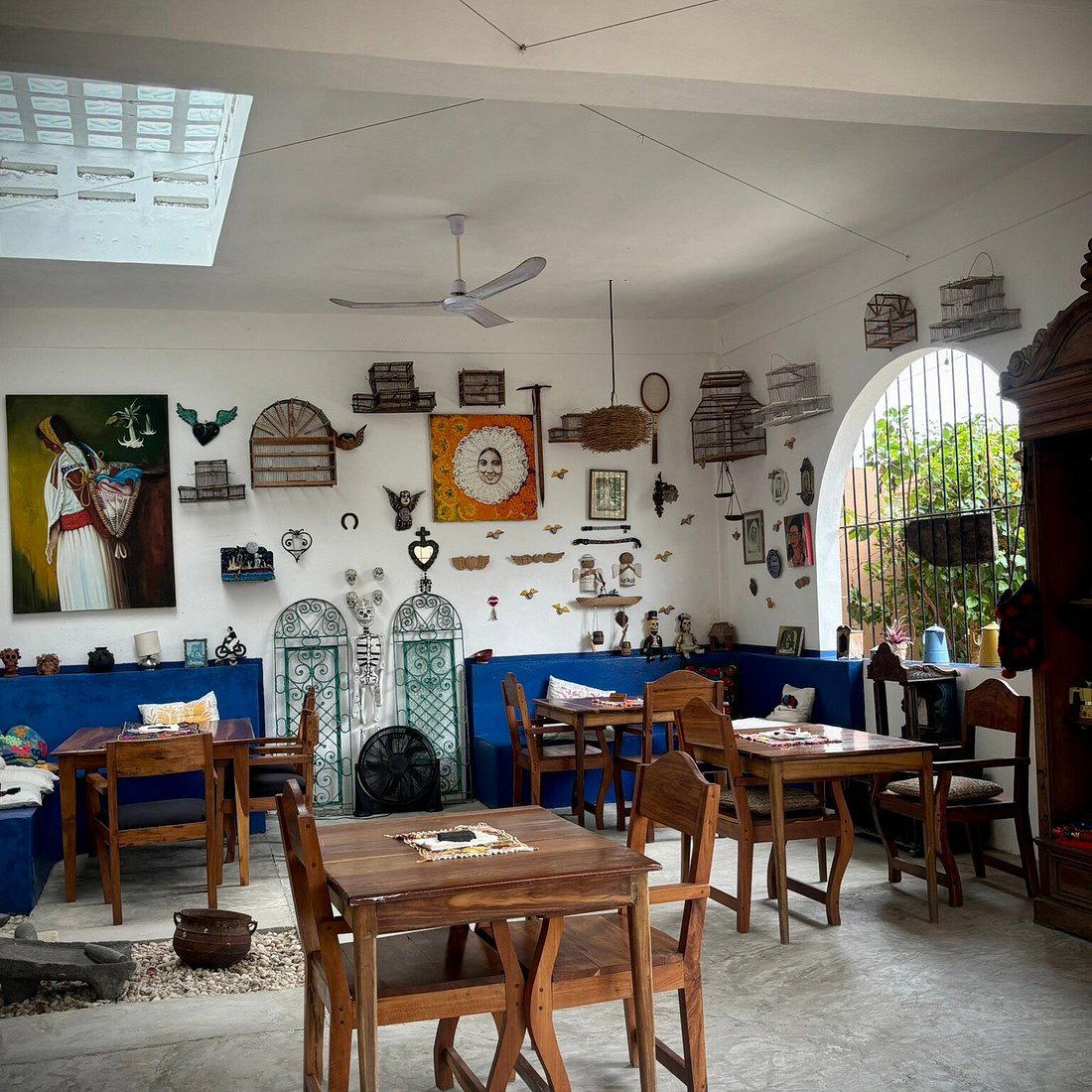
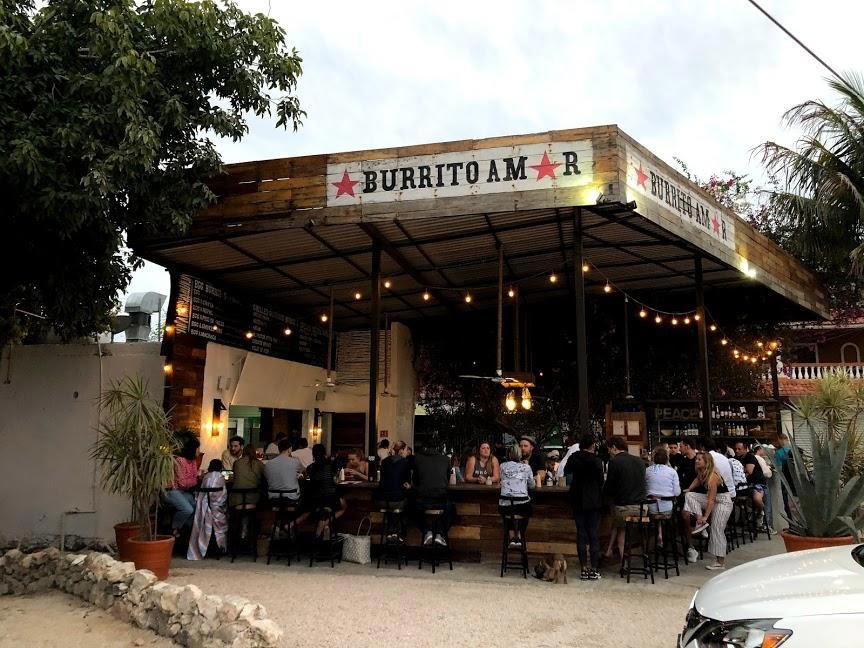
Casual market setting with authentic home-style Mexican cooking.