Our verdict
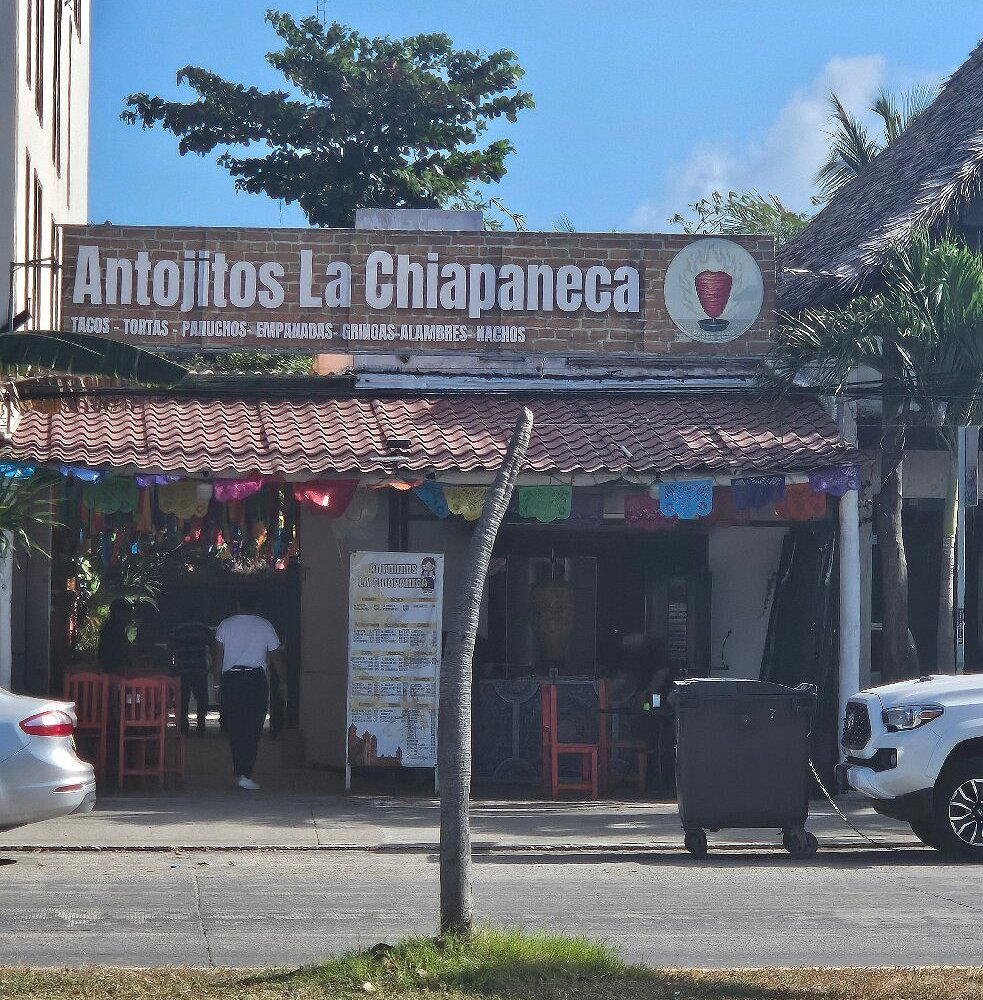
In Tulum Municipality, Antojitos La Chiapaneca brings the regional cooking of Chiapas into a town better known for beachfront tasting menus and international hotel dining. The kitchen draws on the ingredient traditions of Mexico's southernmost state, where corn, chiles, and herbs carry centuries of preparation logic. For visitors moving between Tulum's high-concept restaurant circuit and something rooted in a specific Mexican regional identity, this is a useful detour.

Pearl is the En Primeur Club membership app — saves, bookings, and concierge access live there. Same editors, same standards.
- Address
- Tulum Municipality, Quintana Roo, Tulum Municipality, Quintana Roo
- Directions
- Get directions
The menu
What to order
- Tacos al pastor
- Salbutes
- Gringas
Where Chiapas Cooking Lands in Tulum
Tulum Municipality's restaurant scene has spent the better part of a decade sorting itself into two distinct tiers: internationally positioned tasting-menu destinations with wood-fire theatrics and imported wine lists, and the kind of local, regionally specific kitchens that serve the workers, residents, and travellers who aren't interested in a choreographed evening. Antojitos La Chiapaneca occupies that second tier, and in Tulum's context, that positioning carries real editorial weight. Chiapas cooking rarely gets its own dedicated address this far up the Yucatán Peninsula. When it does appear, it tends to be absorbed into a generic southern Mexican category and stripped of the specific chile profiles, masa textures, and herb combinations that make the state's cuisine distinct from Oaxacan or Yucatecan traditions.
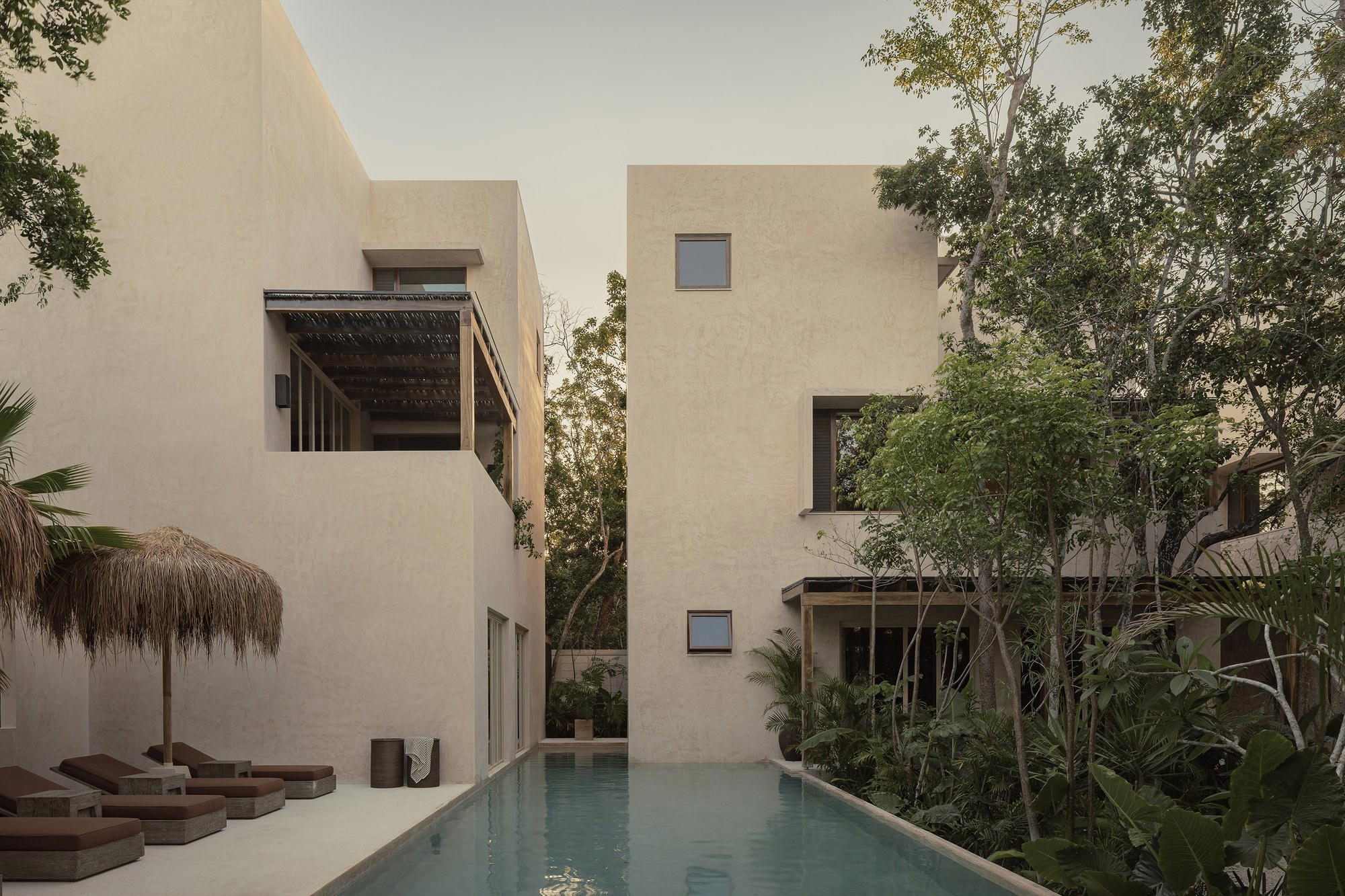
The physical approach here is consistent with what that positioning implies: no beachfront sightlines, no DJ booth, no reservation team. You arrive because you were looking for it, or because someone pointed you toward it. That is not a criticism. In a municipality where Arca and its peer group have turned atmospheric design into a dining experience in itself, a kitchen defined by what it cooks rather than how it photographs carries its own logic.
The Ingredient Argument: Why Chiapas Cooking Matters Here
Chiapas sits at Mexico's southern edge, bordering Guatemala, and its cuisine reflects both that geography and its pre-Columbian food traditions. The state's highland valleys and rainforest lowlands produce ingredients that don't travel as commonly through the Mexican restaurant supply chain as, say, Oaxacan chiles or Yucatecan citrus. Chipilín, a leafy herb used in tamales and soups throughout the state, has a grassy, slightly bitter character that functions differently from the epazote and hierba santa more familiar to northern Mexican cooking audiences. Black beans prepared in the Chiapaneco tradition arrive with a different texture and fat content than the refritos associated with Jalisco or the beans served in Yucatecan contexts.
This matters to a reader thinking about where the food actually comes from, because regional Mexican cooking is not a single tradition. The antojito format — small bites, corn-based preparations, quick-service — allows the kitchen to demonstrate those distinctions without requiring a multi-course commitment. Tamales from Chiapas are wrapped in banana leaf rather than corn husk, which changes both the steaming environment and the moisture level of the finished product. That is a technical differentiation rooted in what grows in a specific state, not a stylistic choice imposed from outside. For comparison, consider how Levadura de Olla in Oaxaca grounds its menu in the specific ingredient logic of its own state: the argument at Antojitos La Chiapaneca follows a similar regional-specificity logic, just from a different and less widely covered corner of Mexico.
Mexico's fine-dining conversation, particularly at places like Pujol in Mexico City and KOLI Cocina de Origen in Monterrey, has spent years making the case that Mexican cuisine deserves a rigorous, ingredient-first treatment at high price points. What kitchens like Antojitos La Chiapaneca represent is the other side of that argument: that the same ingredient depth and regional fidelity exists at street level, in formats that cost a fraction of a tasting menu cover and require none of the advance planning.
Tulum's Regional Cooking Gap
The Riviera Maya's hotel and restaurant corridor runs from Cancún south through Playa del Carmen and into Tulum, and for most of that distance, the dominant culinary identity is either international hotel food or a tourist-facing interpretation of Yucatecan cooking centred on cochinita pibil, ceviches, and aguas frescas. Genuine regional Mexican cooking from states outside the Yucatán Peninsula is underrepresented along this stretch. HA' in Playa del Carmen and Le Chique in Puerto Morelos both operate at the high-concept end of Mexican cooking in this corridor, drawing on broader national traditions. Antojitos La Chiapaneca sits at the opposite end of the formality scale but addresses a similar gap: the absence of a specific regional Mexican voice in a market that tends to flatten regional difference into a single exportable category.
For a guest spending several days in Tulum Municipality, the pattern that makes the most sense is to treat the municipality's restaurant ecosystem as a range to move through rather than a single tier to occupy. The high-design, high-price venues serve a particular kind of evening. Kitchens like this one serve a different kind of hunger, for food that answers to a specific place and cooking logic rather than to a hotel's international demographic.
Planning Your Visit
Antojitos La Chiapaneca operates in Tulum Municipality, Quintana Roo. Specific hours, pricing, and booking arrangements are best confirmed locally or on arrival, as contact details and a website are not publicly indexed. Given the antojito format, walk-in eating is the standard model for this type of kitchen, and the absence of a reservations system reflects that. Pricing at this level of the market in Tulum Municipality is materially lower than the tasting-menu tier: comparable street-level and casual regional kitchens in this corridor typically run well under 200 pesos per person for a full antojito order, though this should be verified directly. For broader context on eating across the municipality, our full Tulum Municipality restaurants guide covers the range from beachfront destination dining to neighbourhood-level options.
Travellers building a wider Mexican regional cooking itinerary can cross-reference this type of destination against Huniik in Merida for Yucatecan context, Alcalde in Guadalajara for western Mexico cooking, and Animalón in Valle de Guadalupe or Olivea Farm to Table in Ensenada for Baja California's ingredient-first approach. For Mexico's northern dining circuit, Pangea in San Pedro Garza Garcia and Lunario in El Porvenir offer further regional anchors. Carnitas enthusiasts exploring this part of Quintana Roo may also find it worth noting that Carnitas Don Vasco in Cancún represents a different regional Mexican tradition a short drive north.
Frequently asked questions
Would Antojitos La Chiapaneca be comfortable with kids?
The antojitos format — small, composed plates rooted in Chiapas street-food tradition — tends to suit family dining well. Portions are accessible, and the casual register of this style of restaurant in Tulum Municipality generally means a relaxed atmosphere without strict formality. Confirm current setup directly with the venue before visiting.
What's the overall feel of Antojitos La Chiapaneca?
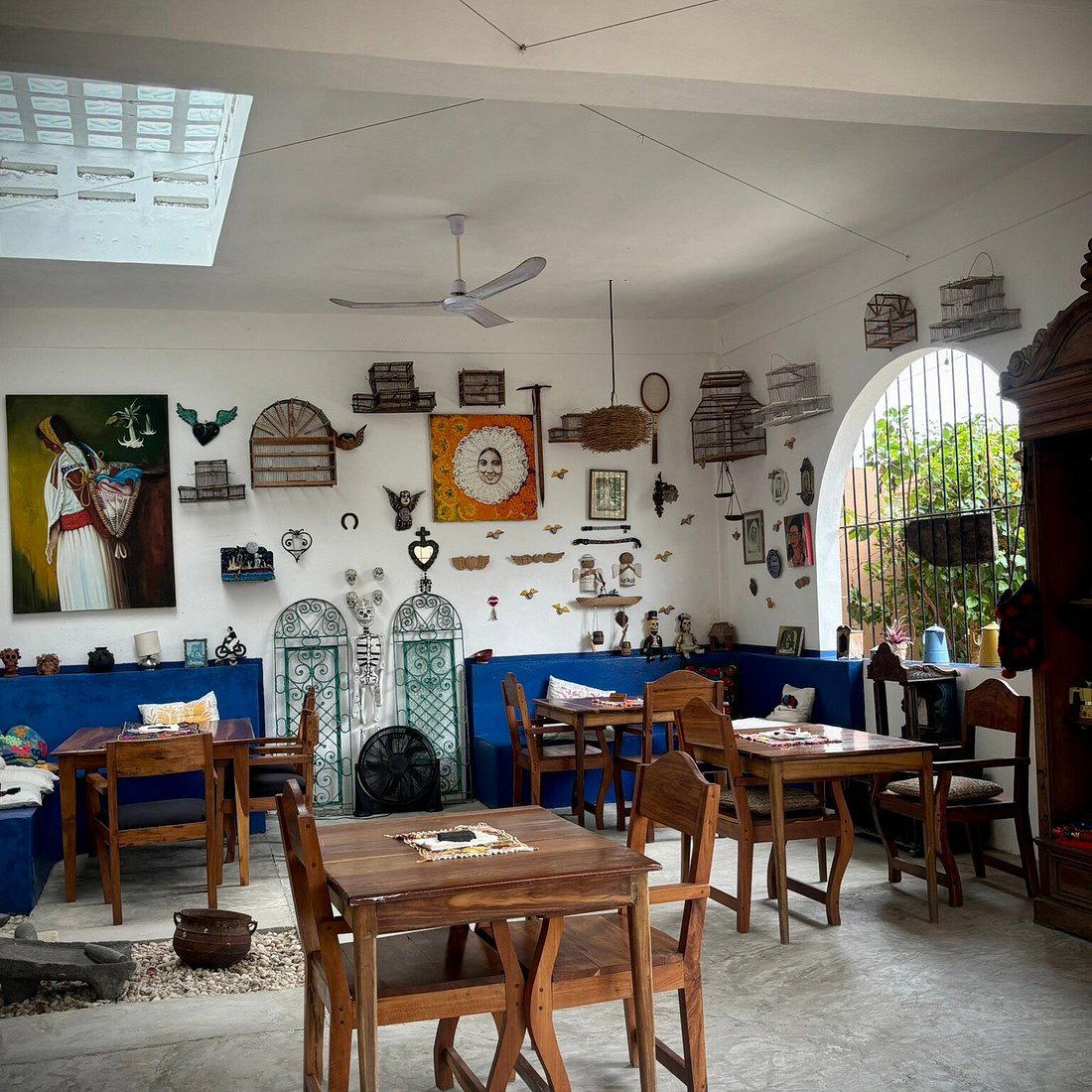
The feel aligns with what the name signals: an antojitos spot drawing from Chiapas traditions rather than the polished, internationally oriented dining that dominates much of Tulum Municipality's restaurant corridor. Expect a locally grounded atmosphere rather than the curated aesthetic typical of the beachfront hotel strip.
What makes Antojitos La Chiapaneca different from other Mexican restaurants in Tulum?
Most Mexican food served along the Riviera Maya corridor defaults to Yucatecan or generalised pan-Mexican formats designed for tourist traffic. Antojitos La Chiapaneca draws specifically from Chiapas, Mexico's southernmost state, whose cuisine carries distinct pre-Columbian and Guatemalan-border influences rarely represented in Tulum Municipality's restaurant offering. That regional specificity is what separates it from the broader market.
What do regulars order at Antojitos La Chiapaneca?
Chiapas cooking leans on corn-based preparations, regional chiles, and ingredients tied to the state's southern geography bordering Guatemala — tamales, tostadas, and masa-based antojitos are the structural core of this cuisine. Specific dishes on the current menu are best confirmed at the venue, as printed menus at antojitos spots often shift with season and supply.
Where exactly is Antojitos La Chiapaneca?
Antojitos La Chiapaneca is located at Tulum Municipality, Quintana Roo, Tulum Municipality, Quintana Roo, Tulum Municipality.
Do they take walk-ins at Antojitos La Chiapaneca?
No booking policy is publicly documented for Antojitos La Chiapaneca in Tulum Municipality. Antojitos-format restaurants in this category typically operate on a walk-in basis, but confirming locally — through the venue directly or on arrival — is the reliable approach given the absence of a listed phone or website.
Comparable Spots, Quickly
| Venue | Cuisine | Price | Awards | Notes |
|---|---|---|---|---|
| Antojitos La ChiapanecaThis venue — the venue you are viewing | Traditional Mexican Taqueria | $1–10 | Not listed | Not listed |
| Pujol | Modern Mexican Fine Dining | $200–300 | 2 Michelin Stars · World's 50 Best #60 | Mexican |
| Quintonil | Modern Mexican Fine Dining | $300–500 | 2 Michelin Stars · World's 50 Best #7 | Modern Mexican, Contemporary |
| Rosetta | Mexican-Italian Fusion Fine Dining | $30–50 | 1 Michelin Star · World's 50 Best #39 | Italian, Creative |
| Pangea | Contemporary Mexican Fine Dining | Not listed | 1 Michelin Star · La Liste Top Restaurants | Modern Mexican, Contemporary |
| Le Chique | Avant-Garde Mexican Tasting Menu | $200–300 | 1 Michelin Star · World's 50 Best #58 | Mexican, Contemporary |







Details
- Rustic
- Lively
- Casual Hangout
- Late Night
- Open Kitchen
- A La Carte
- Small Plates
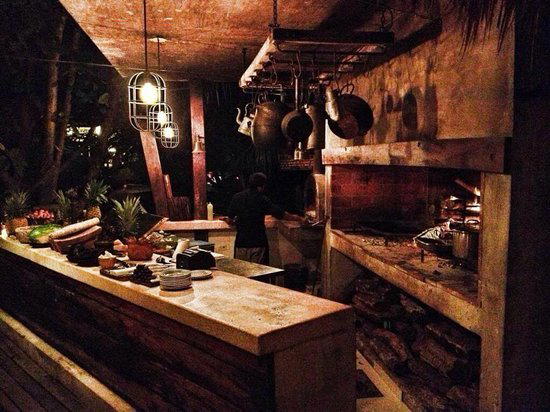
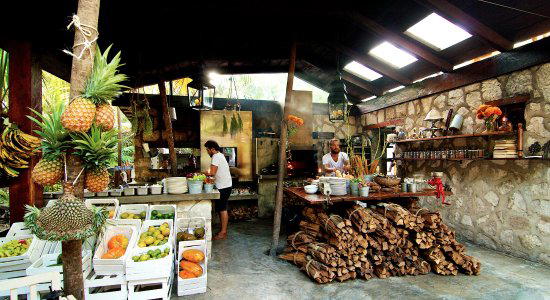
Casual and energetic with a spartan, local street food atmosphere and occasional live music.